Global Law Experts
Lawyers
Countries Covered
Practice Areas
Connect with independent Private Equity lawyers worldwide on Global Law Experts. Discover recognized legal experts for your needs.
No results available Reset filters?
posted 2 weeks ago
posted 2 months ago
posted 3 months ago
posted 7 months ago
No results available Reset filters?
Private equity law focuses on the structuring and execution of investments into private companies, as well as the buyout of public companies to take them private. This practice involves the entire investment lifecycle, from the formation of private equity funds and capital raising to the strategic acquisition and eventual exit—whether through an Initial Public Offering (IPO) or a secondary sale. Attorneys provide the technical framework for complex financing, management incentive schemes, and rigorous due diligence to ensure that investors can maximize returns while managing portfolio risks.
Global Law Experts connects you with premier private equity specialists who understand the high-stakes nature of leveraged buyouts (LBOs) and venture capital injections. These lawyers are established experts within their own fields, offering the tactical precision required to negotiate shareholder agreements and complex debt structures. Whether you are a General Partner (GP) managing a fund or a portfolio company navigating a growth phase, they provide the strategic advocacy needed to drive value and secure successful exits.
Every GLE member is independently vetted by practice area and jurisdiction.
While a standard M&A lawyer focuses on the “execution” of buying and selling companies, a Private Equity lawyer acts as the architect of the entire investment lifecycle, from raising the fund to the final exit. Their role is uniquely defined by the “Leveraged Buyout” (LBO) model, meaning they must structure complex debt financing layers alongside the equity deal, whereas a corporate M&A lawyer often deals with simpler cash-from-balance-sheet transactions. Additionally, PE lawyers spend significantly more time negotiating “fund formation” documents—the rulebooks governing the relationship between the PE firm (GP) and its investors (LPs)—before any deals are even signed.
The “waterfall” is the strict hierarchy of payouts that dictates who gets cash when a company is sold. Typically, it flows in four distinct buckets: first, the Limited Partners (investors) get 100% of their initial capital back; second, they receive a “Preferred Return” (often a guaranteed 8% annual return); third, the PE firm gets a “Catch-Up” payment; and finally, any remaining profit is split between the investors and the firm as “Carried Interest” (usually a 20% cut for the firm). This structure ensures investors are profitable before the PE managers earn their performance bonuses.
An LBO is an acquisition where the buyer borrows a massive amount of money (often 60% to 70% of the price) to buy a company, using the company’s own assets as collateral for the loan. A lawyer structures this “debt stack” into tiers of risk: “Senior Debt” (cheaper bank loans that get paid first) and “Mezzanine Debt” (expensive, high-risk loans that get paid last). With interest coverage ratios for US buyouts dropping to around 2.4x in recent years, lawyers must meticulously draft “financial covenants” to ensure the company doesn’t accidentally default if its earnings dip slightly.
PE firms almost always require management to “roll over” roughly 20% of their proceeds into the new deal to ensure they have “skin in the game.” A lawyer helps management negotiate strictly defined “Sweet Equity” (shares with high upside potential) versus institutional strip (standard shares), ensuring they aren’t just putting their money back in on worse terms than the PE firm. They also fight for “anti-dilution” protections so that future fundraising rounds don’t shrink management’s ownership slice into irrelevance.
These clauses dictate the share price a manager receives if they leave the company before the PE firm sells it. A “Good Leaver” (e.g., death, disability, or firing without cause) typically gets “Fair Market Value” for their shares, allowing them to keep their earned profit. A “Bad Leaver” (e.g., resigning voluntarily to join a competitor or being fired for fraud) is usually forced to sell their shares back at “Cost” (what they originally paid) or nominal value, effectively wiping out years of financial gains as a penalty for quitting early.
These rights balance power between the majority owner (the PE firm) and the minority owners (founders or management). A “Drag-Along” right allows the PE firm to force minority shareholders to sell their shares if a buyer wants to acquire 100% of the company, preventing a small shareholder from blocking a massive deal. Conversely, a lawyer drafts “Tag-Along” rights to protect the minority, guaranteeing that if the PE firm sells its stake, the minority has the right to “tag along” and sell their shares at the exact same price and terms.
A secondary buyout—where one PE firm sells a company to another PE firm—is legally risky because the seller refuses to give standard warranties about the business, knowing they will have no money left in the fund to pay damages later. To solve this “recourse gap,” lawyers almost always structure these deals with “Warranty & Indemnity” (W&I) insurance. This allows the buyer to sue an insurance company instead of the selling PE firm if they discover hidden problems like unpaid taxes or lawsuits post-closing.
The legal prep for an exit begins years in advance. For an IPO (Initial Public Offering), lawyers must convert the company to a public entity, draft a massive prospectus, and prepare for a 6-month “lock-up” period where the PE firm cannot sell its shares. For a Trade Sale (selling to a competitor), lawyers focus on a “clean break,” negotiating to leave zero liabilities behind so the fund can distribute all cash to investors immediately. While IPOs often grab headlines, trade sales are statistically more common because they offer this immediate, guaranteed liquidity.

While a standard M&A lawyer focuses on the "execution" of buying and selling companies, a Private Equity lawyer acts as the architect of the entire investment lifecycle, from raising the fund to the final exit. Their role is uniquely defined by the "Leveraged Buyout" (LBO) model, meaning they must structure complex debt financing layers alongside the equity deal, whereas a corporate M&A lawyer often deals with simpler cash-from-balance-sheet transactions. Additionally, PE lawyers spend significantly more time negotiating "fund formation" documents—the rulebooks governing the relationship between the PE firm (GP) and its investors (LPs)—before any deals are even signed.
The "waterfall" is the strict hierarchy of payouts that dictates who gets cash when a company is sold. Typically, it flows in four distinct buckets: first, the Limited Partners (investors) get 100% of their initial capital back; second, they receive a "Preferred Return" (often a guaranteed 8% annual return); third, the PE firm gets a "Catch-Up" payment; and finally, any remaining profit is split between the investors and the firm as "Carried Interest" (usually a 20% cut for the firm). This structure ensures investors are profitable before the PE managers earn their performance bonuses.
An LBO is an acquisition where the buyer borrows a massive amount of money (often 60% to 70% of the price) to buy a company, using the company’s own assets as collateral for the loan. A lawyer structures this "debt stack" into tiers of risk: "Senior Debt" (cheaper bank loans that get paid first) and "Mezzanine Debt" (expensive, high-risk loans that get paid last). With interest coverage ratios for US buyouts dropping to around 2.4x in recent years, lawyers must meticulously draft "financial covenants" to ensure the company doesn't accidentally default if its earnings dip slightly.
PE firms almost always require management to "roll over" roughly 20% of their proceeds into the new deal to ensure they have "skin in the game." A lawyer helps management negotiate strictly defined "Sweet Equity" (shares with high upside potential) versus institutional strip (standard shares), ensuring they aren't just putting their money back in on worse terms than the PE firm. They also fight for "anti-dilution" protections so that future fundraising rounds don't shrink management's ownership slice into irrelevance.
These clauses dictate the share price a manager receives if they leave the company before the PE firm sells it. A "Good Leaver" (e.g., death, disability, or firing without cause) typically gets "Fair Market Value" for their shares, allowing them to keep their earned profit. A "Bad Leaver" (e.g., resigning voluntarily to join a competitor or being fired for fraud) is usually forced to sell their shares back at "Cost" (what they originally paid) or nominal value, effectively wiping out years of financial gains as a penalty for quitting early.
These rights balance power between the majority owner (the PE firm) and the minority owners (founders or management). A "Drag-Along" right allows the PE firm to force minority shareholders to sell their shares if a buyer wants to acquire 100% of the company, preventing a small shareholder from blocking a massive deal. Conversely, a lawyer drafts "Tag-Along" rights to protect the minority, guaranteeing that if the PE firm sells its stake, the minority has the right to "tag along" and sell their shares at the exact same price and terms.
A secondary buyout—where one PE firm sells a company to another PE firm—is legally risky because the seller refuses to give standard warranties about the business, knowing they will have no money left in the fund to pay damages later. To solve this "recourse gap," lawyers almost always structure these deals with "Warranty & Indemnity" (W&I) insurance. This allows the buyer to sue an insurance company instead of the selling PE firm if they discover hidden problems like unpaid taxes or lawsuits post-closing.
The legal prep for an exit begins years in advance. For an IPO (Initial Public Offering), lawyers must convert the company to a public entity, draft a massive prospectus, and prepare for a 6-month "lock-up" period where the PE firm cannot sell its shares. For a Trade Sale (selling to a competitor), lawyers focus on a "clean break," negotiating to leave zero liabilities behind so the fund can distribute all cash to investors immediately. While IPOs often grab headlines, trade sales are statistically more common because they offer this immediate, guaranteed liquidity.

Global Law Experts is dedicated to providing exceptional legal services to clients around the world. With a vast network of highly skilled and experienced lawyers, we are committed to delivering innovative and tailored solutions to meet the diverse needs of our clients in various jurisdictions.
Thinking of buying property in Brazil? Start with a full legal safety net.
✔️ Check title and ownership history
✔️ Verify no debts or disputes
✔️ Confirm zoning and permits.
#BrazilProperty #RealEstateInvesting #LegalDueDiligence #ForeignInvestment #PropertyLaw #GlobalRealEstate #InvestmentRisk #BrazilLaw
When your international business faces financial distress, quick action is key! 🔑 Negotiating with creditors, restructuring debt, and understanding insolvency laws can help regain stability. Global Law Experts is here to guide you through your options.

🌍Explore the details on our website.
🔗Link in bio
#GlobalLawExperts #CommercialLaw #BusinessLaw #LegalAdvice #BusinessGrowth #LegalTips #BusinessStrategy #LegalCompliance #Law #LegalKnowledge #LegalAwareness #Law101 #LegalEducation #IntellectualProperty
Thinking of buying property in Brazil? Don’t stop at the contract or key handover. Make sure the title is officially registered before calling it yours.
#BrazilRealEstate #PropertyLaw #GlobalInvestment #ForeignInvestors #LegalTips #DueDiligence #RealEstateRegistration #SecureInvestment
Getting a termination notice right now? Know your rights. Valid reason, fair process, proper notice they matter. Don’t let a bad dismissal walk away without accountability.

#EmploymentLaw #WorkerRights #Termination #LaborLaw #FairDismissal #WorkplaceJustice #LegalAwareness #GlobalWorkforce
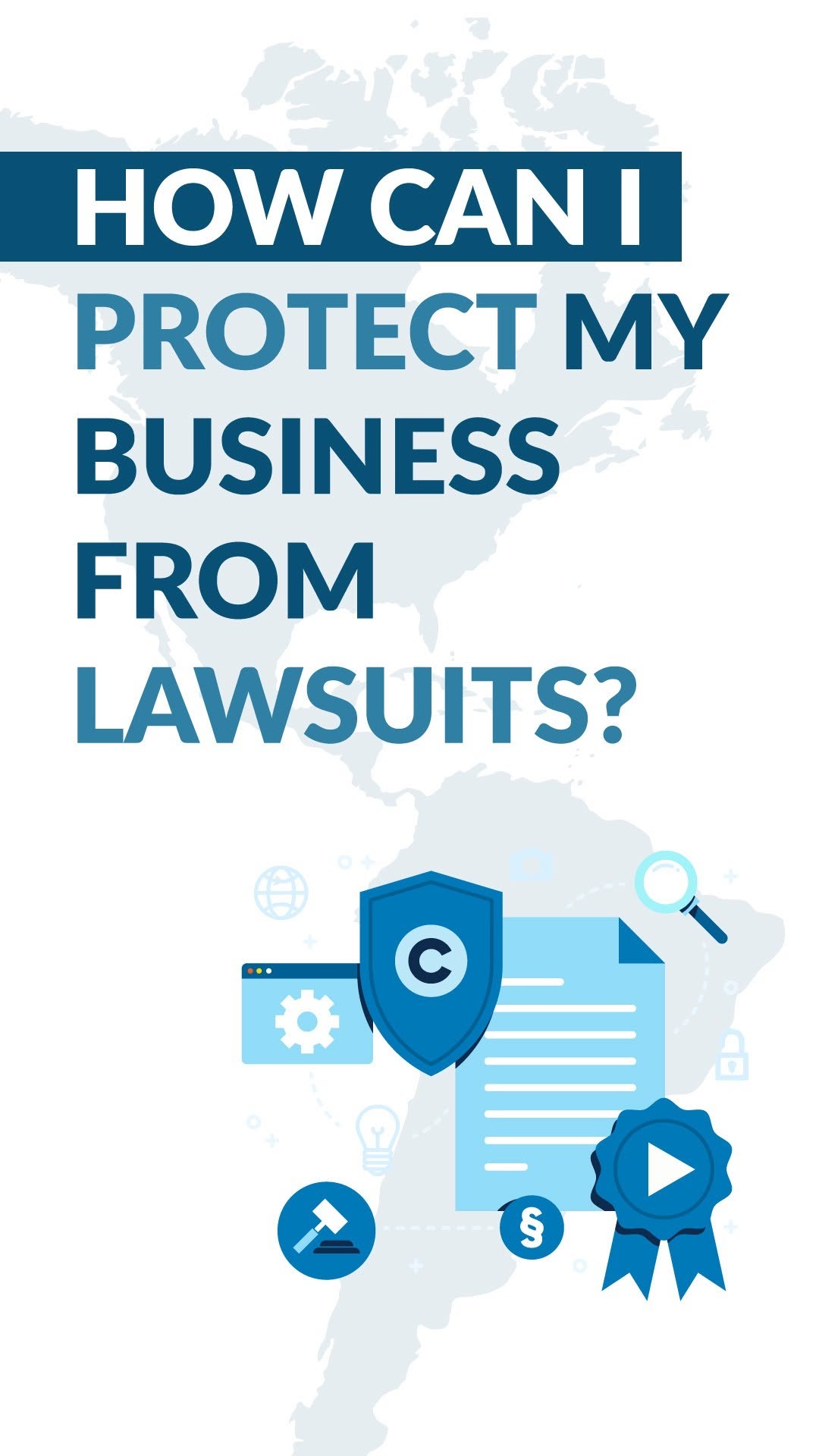
Running a business is hard enough — lawsuits shouldn’t make it harder. 🚫 Protect your business with the right legal strategies and expert tools from Global Law Experts. Let’s secure your future together! 💼
🌍Explore the details on our website.
➡️www.globallawexperts.com
#GlobalLawExperts #CommercialLaw #BusinessLaw #LegalAdvice #BusinessGrowth #LegalTips #BusinessStrategy #LegalCompliance #Law #LegalKnowledge #LegalAwareness #Law101 #LegalEducation #IntellectualProperty #Infringed #Ecommerce #LegalBranding
Global Law Experts is dedicated to providing exceptional legal services to clients around the world. With a vast network of highly skilled and experienced lawyers, we are committed to delivering innovative and tailored solutions to meet the diverse needs of our clients in various jurisdictions.
Thinking of buying property in Brazil? Start with a full legal safety net.
✔️ Check title and ownership history
✔️ Verify no debts or disputes
✔️ Confirm zoning and permits.
#BrazilProperty #RealEstateInvesting #LegalDueDiligence #ForeignInvestment #PropertyLaw #GlobalRealEstate #InvestmentRisk #BrazilLaw
When your international business faces financial distress, quick action is key! 🔑 Negotiating with creditors, restructuring debt, and understanding insolvency laws can help regain stability. Global Law Experts is here to guide you through your options.

🌍Explore the details on our website.
🔗Link in bio
#GlobalLawExperts #CommercialLaw #BusinessLaw #LegalAdvice #BusinessGrowth #LegalTips #BusinessStrategy #LegalCompliance #Law #LegalKnowledge #LegalAwareness #Law101 #LegalEducation #IntellectualProperty
Thinking of buying property in Brazil? Don’t stop at the contract or key handover. Make sure the title is officially registered before calling it yours.
#BrazilRealEstate #PropertyLaw #GlobalInvestment #ForeignInvestors #LegalTips #DueDiligence #RealEstateRegistration #SecureInvestment
Getting a termination notice right now? Know your rights. Valid reason, fair process, proper notice they matter. Don’t let a bad dismissal walk away without accountability.
#EmploymentLaw #WorkerRights #Termination #LaborLaw #FairDismissal #WorkplaceJustice #LegalAwareness #GlobalWorkforce
Running a business is hard enough — lawsuits shouldn’t make it harder. 🚫 Protect your business with the right legal strategies and expert tools from Global Law Experts. Let’s secure your future together! 💼
🌍Explore the details on our website.
➡️www.globallawexperts.com
#GlobalLawExperts #CommercialLaw #BusinessLaw #LegalAdvice #BusinessGrowth #LegalTips #BusinessStrategy #LegalCompliance #Law #LegalKnowledge #LegalAwareness #Law101 #LegalEducation #IntellectualProperty #Infringed #Ecommerce #LegalBranding
Send welcome message