Global Law Experts
Lawyers
Countries Covered
Practice Areas
Connect with award-winning Construction lawyers worldwide on Global Law Experts. Discover independent legal experts in the Construction practice area.
No results available Reset filters?
posted 21 hours ago
posted 2 weeks ago
posted 2 weeks ago
posted 1 month ago
posted 2 weeks ago
No results available Reset filters?
Construction projects involve complex contracts, regulatory requirements, risk management, and dispute resolution. Whether you’re overseeing commercial builds, infrastructure work, or residential developments, having experienced legal guidance is essential to protect your interests from planning through completion.
Global Law Experts connects you with seasoned construction lawyers who provide strategic, tailored counsel for developers, contractors, owners, and investors. Our vetted specialists assist with contract drafting and negotiation, compliance issues, claims management, delay and defect disputes, and litigation support—helping you keep projects on track and risks under control.
Every GLE member is independently vetted by practice area and jurisdiction.
A construction lawyer acts as the project’s “risk manager,” protecting your interests from the initial bid to the final brick. Unlike general lawyers, they understand the specific jargon and risks of the trade—like “scope creep,” delay damages, and site conditions. Their primary role is to draft watertight contracts that clearly define who pays for unexpected problems (like hitting a hidden water pipe) so that small surprises don’t turn into expensive lawsuits that halt the entire project.
The choice depends entirely on how defined your plans are and who you want to carry the risk. A Fixed-Price (Lump Sum) contract is best when your design is 100% complete because it locks in the total cost upfront; however, the contractor will charge a higher premium to cover their risk of price spikes. Conversely, a Cost-Plus contract is better for renovations with many “unknowns” because you pay for actual materials and labor plus a fee, offering transparency and lower initial bids, though you take the risk of the budget spiraling if the project drags on.
Yes, because while JCT (Joint Contracts Tribunal) and NEC (New Engineering Contract) are “standard” forms, they are complex templates that often need critical adjustments to fit your specific project. A lawyer ensures you select the correct specific option—like “Design and Build” vs. “Traditional”—and drafts custom “Z Clauses” to amend standard terms; picking the wrong option can accidentally leave you liable for design errors that should have been the architect’s responsibility.
In the US, a lawyer fights “Mechanics Liens” (claims on your property for unpaid work) by checking for technical errors, such as if the contractor missed the strict filing deadline, which is often just 90 days in states like California. In the UK, lawyers utilize strict “Pay Less Notices”; if you don’t send this formal notice typically 7 days before payment is due, you are legally required to pay the full amount claimed by the contractor—even if the work is defective—so a lawyer ensures this critical paperwork is never missed.
The Defects Liability Period (DLP) is a “warranty window”—typically 12 months after practical completion—where the contractor must return to fix any snags at their own cost. A lawyer enforces this by holding back “Retention Money” (usually 5% of the total contract value) in the final payment; if the contractor refuses to return to fix the defects, the lawyer uses the contract terms to keep that cash and use it to pay a new builder to finish the job.
Yes, specifically for “non-conforming” projects where you need to build something that slightly violates local rules, like a structure that is a few feet too tall. A lawyer files for a “Variance” or “Special Exception” and presents your case to the local Planning Board, arguing that the deviation is minor and won’t harm the neighborhood; without this legal advocacy, your permit will likely be rejected by a clerk who is simply following a strict checklist.
A “pay-when-paid” clause tries to say a subcontractor doesn’t get paid until the general contractor gets paid by the owner, but a lawyer can often defeat them. In the United Kingdom, a lawyer will argue these are generally illegal and unenforceable under the Housing Grants, Construction and Regeneration Act 1996, meaning you can demand payment immediately regardless of the owner’s status. In the United States, where enforceability varies by state (illegal in New York, legal in others), a lawyer negotiates to add a strict time limit so you aren’t waiting forever.

Legally, the Architect is responsible for the “design” (ensuring the plans work on paper and meet code), while the Contractor is responsible for the “means and methods” (how to actually build it safely). A lawyer is crucial when something fails—like a leaky roof—to determine who is at fault: was the design flawed (Architect’s liability) or was the installation sloppy (Contractor’s liability)? This distinction determines which insurance policy pays for the repairs.
A construction lawyer acts as the project's "risk manager," protecting your interests from the initial bid to the final brick. Unlike general lawyers, they understand the specific jargon and risks of the trade—like "scope creep," delay damages, and site conditions. Their primary role is to draft watertight contracts that clearly define who pays for unexpected problems (like hitting a hidden water pipe) so that small surprises don't turn into expensive lawsuits that halt the entire project.
The choice depends entirely on how defined your plans are and who you want to carry the risk. A Fixed-Price (Lump Sum) contract is best when your design is 100% complete because it locks in the total cost upfront; however, the contractor will charge a higher premium to cover their risk of price spikes. Conversely, a Cost-Plus contract is better for renovations with many "unknowns" because you pay for actual materials and labor plus a fee, offering transparency and lower initial bids, though you take the risk of the budget spiraling if the project drags on.
Yes, because while JCT (Joint Contracts Tribunal) and NEC (New Engineering Contract) are "standard" forms, they are complex templates that often need critical adjustments to fit your specific project. A lawyer ensures you select the correct specific option—like "Design and Build" vs. "Traditional"—and drafts custom "Z Clauses" to amend standard terms; picking the wrong option can accidentally leave you liable for design errors that should have been the architect's responsibility.
In the US, a lawyer fights "Mechanics Liens" (claims on your property for unpaid work) by checking for technical errors, such as if the contractor missed the strict filing deadline, which is often just 90 days in states like California. In the UK, lawyers utilize strict "Pay Less Notices"; if you don't send this formal notice typically 7 days before payment is due, you are legally required to pay the full amount claimed by the contractor—even if the work is defective—so a lawyer ensures this critical paperwork is never missed.
The Defects Liability Period (DLP) is a "warranty window"—typically 12 months after practical completion—where the contractor must return to fix any snags at their own cost. A lawyer enforces this by holding back "Retention Money" (usually 5% of the total contract value) in the final payment; if the contractor refuses to return to fix the defects, the lawyer uses the contract terms to keep that cash and use it to pay a new builder to finish the job.
Yes, specifically for "non-conforming" projects where you need to build something that slightly violates local rules, like a structure that is a few feet too tall. A lawyer files for a "Variance" or "Special Exception" and presents your case to the local Planning Board, arguing that the deviation is minor and won't harm the neighborhood; without this legal advocacy, your permit will likely be rejected by a clerk who is simply following a strict checklist.
A "pay-when-paid" clause tries to say a subcontractor doesn't get paid until the general contractor gets paid by the owner, but a lawyer can often defeat them. In the United Kingdom, a lawyer will argue these are generally illegal and unenforceable under the Housing Grants, Construction and Regeneration Act 1996, meaning you can demand payment immediately regardless of the owner's status. In the United States, where enforceability varies by state (illegal in New York, legal in others), a lawyer negotiates to add a strict time limit so you aren't waiting forever.

Legally, the Architect is responsible for the "design" (ensuring the plans work on paper and meet code), while the Contractor is responsible for the "means and methods" (how to actually build it safely). A lawyer is crucial when something fails—like a leaky roof—to determine who is at fault: was the design flawed (Architect's liability) or was the installation sloppy (Contractor's liability)? This distinction determines which insurance policy pays for the repairs.
Global Law Experts is dedicated to providing exceptional legal services to clients around the world. With a vast network of highly skilled and experienced lawyers, we are committed to delivering innovative and tailored solutions to meet the diverse needs of our clients in various jurisdictions.
Thinking of buying property in Brazil? Start with a full legal safety net.
✔️ Check title and ownership history
✔️ Verify no debts or disputes
✔️ Confirm zoning and permits.
#BrazilProperty #RealEstateInvesting #LegalDueDiligence #ForeignInvestment #PropertyLaw #GlobalRealEstate #InvestmentRisk #BrazilLaw
When your international business faces financial distress, quick action is key! 🔑 Negotiating with creditors, restructuring debt, and understanding insolvency laws can help regain stability. Global Law Experts is here to guide you through your options.
🌍Explore the details on our website.
🔗Link in bio
#GlobalLawExperts #CommercialLaw #BusinessLaw #LegalAdvice #BusinessGrowth #LegalTips #BusinessStrategy #LegalCompliance #Law #LegalKnowledge #LegalAwareness #Law101 #LegalEducation #IntellectualProperty
Thinking of buying property in Brazil? Don’t stop at the contract or key handover. Make sure the title is officially registered before calling it yours.

#BrazilRealEstate #PropertyLaw #GlobalInvestment #ForeignInvestors #LegalTips #DueDiligence #RealEstateRegistration #SecureInvestment
Getting a termination notice right now? Know your rights. Valid reason, fair process, proper notice they matter. Don’t let a bad dismissal walk away without accountability.

#EmploymentLaw #WorkerRights #Termination #LaborLaw #FairDismissal #WorkplaceJustice #LegalAwareness #GlobalWorkforce
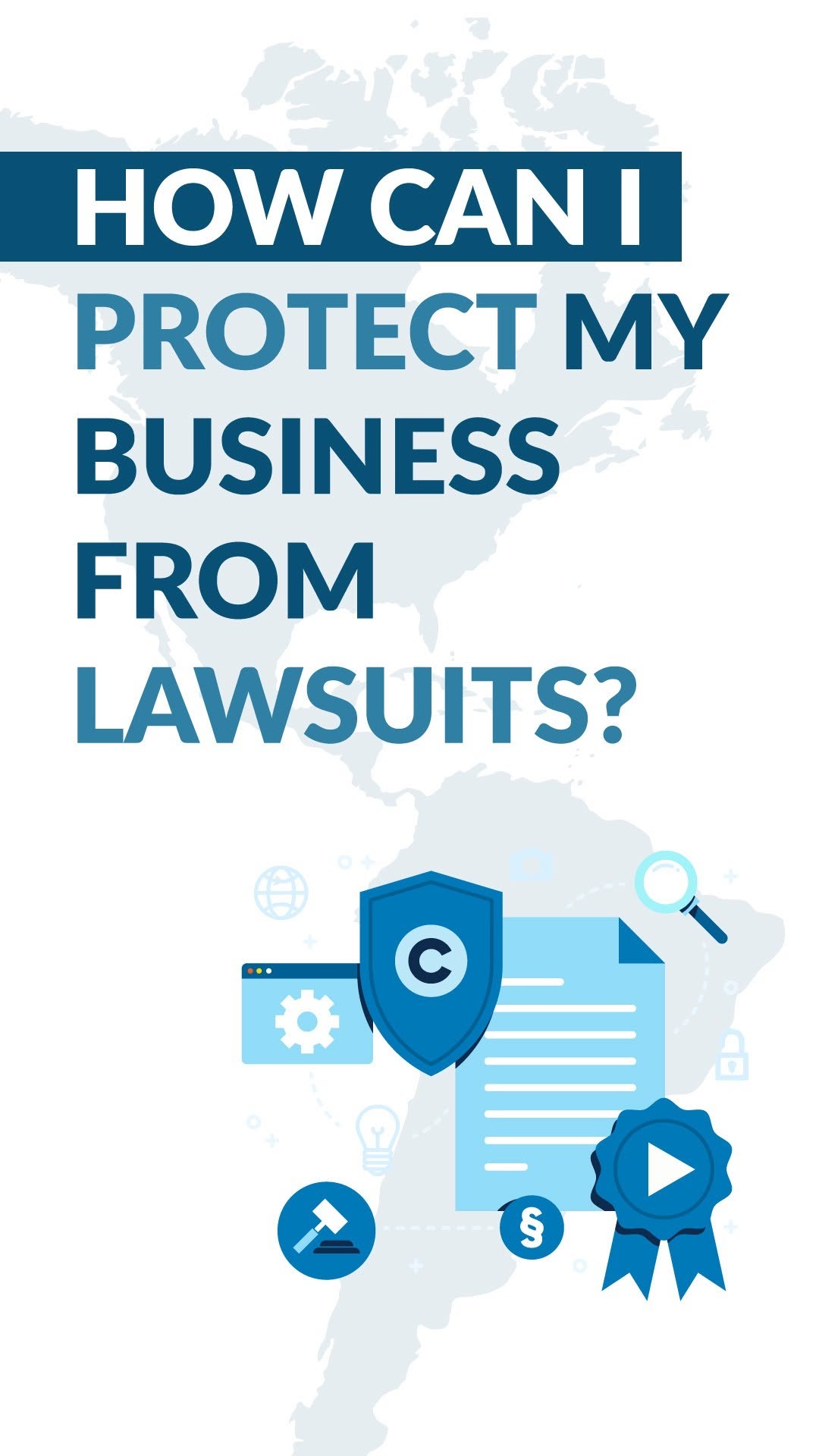
Running a business is hard enough — lawsuits shouldn’t make it harder. 🚫 Protect your business with the right legal strategies and expert tools from Global Law Experts. Let’s secure your future together! 💼


🌍Explore the details on our website.
➡️www.globallawexperts.com
#GlobalLawExperts #CommercialLaw #BusinessLaw #LegalAdvice #BusinessGrowth #LegalTips #BusinessStrategy #LegalCompliance #Law #LegalKnowledge #LegalAwareness #Law101 #LegalEducation #IntellectualProperty #Infringed #Ecommerce #LegalBranding
Global Law Experts is dedicated to providing exceptional legal services to clients around the world. With a vast network of highly skilled and experienced lawyers, we are committed to delivering innovative and tailored solutions to meet the diverse needs of our clients in various jurisdictions.
Thinking of buying property in Brazil? Start with a full legal safety net.
✔️ Check title and ownership history
✔️ Verify no debts or disputes
✔️ Confirm zoning and permits.
#BrazilProperty #RealEstateInvesting #LegalDueDiligence #ForeignInvestment #PropertyLaw #GlobalRealEstate #InvestmentRisk #BrazilLaw
When your international business faces financial distress, quick action is key! 🔑 Negotiating with creditors, restructuring debt, and understanding insolvency laws can help regain stability. Global Law Experts is here to guide you through your options.
🌍Explore the details on our website.
🔗Link in bio
#GlobalLawExperts #CommercialLaw #BusinessLaw #LegalAdvice #BusinessGrowth #LegalTips #BusinessStrategy #LegalCompliance #Law #LegalKnowledge #LegalAwareness #Law101 #LegalEducation #IntellectualProperty
Thinking of buying property in Brazil? Don’t stop at the contract or key handover. Make sure the title is officially registered before calling it yours.
#BrazilRealEstate #PropertyLaw #GlobalInvestment #ForeignInvestors #LegalTips #DueDiligence #RealEstateRegistration #SecureInvestment
Getting a termination notice right now? Know your rights. Valid reason, fair process, proper notice they matter. Don’t let a bad dismissal walk away without accountability.

#EmploymentLaw #WorkerRights #Termination #LaborLaw #FairDismissal #WorkplaceJustice #LegalAwareness #GlobalWorkforce
Running a business is hard enough — lawsuits shouldn’t make it harder. 🚫 Protect your business with the right legal strategies and expert tools from Global Law Experts. Let’s secure your future together! 💼


🌍Explore the details on our website.
➡️www.globallawexperts.com
#GlobalLawExperts #CommercialLaw #BusinessLaw #LegalAdvice #BusinessGrowth #LegalTips #BusinessStrategy #LegalCompliance #Law #LegalKnowledge #LegalAwareness #Law101 #LegalEducation #IntellectualProperty #Infringed #Ecommerce #LegalBranding
Send welcome message