Since 2010, the Global Law Experts annual awards have been celebrating excellence, innovation and performance across the legal communities from around the world.
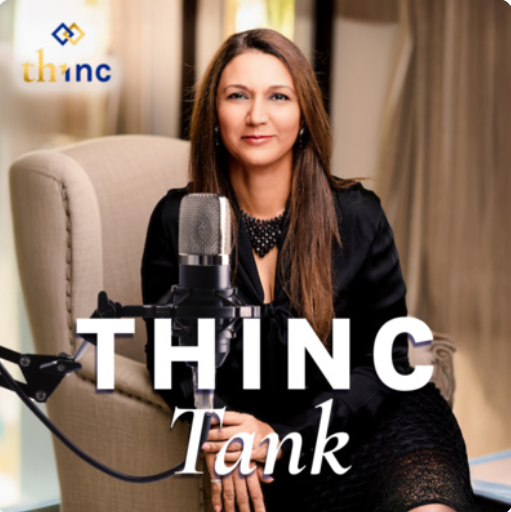
Tarek Hameidani and I discuss what it takes to make a successful business and how failure can be a path to success. In this month’s podcast, join me as we get into a deeper discussion with Tarek’s journey from a Nestle employee to becoming the founder of The Armored Group (TAG) Middle East, the forefront of the armored vehicle industry around the globe.

[0:00] Today’s podcast is all about what I called Mission Armored. You’re all familiar with what we call Mission Impossible with Tom Cruz and all the adventures and challenges around Tom Cruz’s life in Mission Impossible as well as James Bond. So, Mission Armored is all about the growth of armored vehicles in the UAE. There is a big growth now that we are seeing in the armored car market. And today I have an amazing guest with me, Tariq Hammedani, who is the CEO of the Armored Group or TAG Middle East. Tar has been in this
[0:34] business for about 20 years. He was previous to that a salesman at Nestle and decided to make the move into armored cars in the defense business. It’s so interesting and exciting because what’s typically happening in the UAE is we’re seeing more than 16,000 people move here in the last year or so because the UK tax regime has changed. There has been war and unrest in many parts of the Middle East around us which has facilitated movement of a lot of wealth and money coming into our region. As a
[1:06] result of that, we also have a lot of VIPs and very special people who need a protection and better cars and modeled cars and that’s why I think the armored car vehicle or segment is actually growing quite a lot. So today I hope is going to be an interesting discussion with Tar about it. But before we leap into the discussion with Tric, I wanted to talk about the fact that the global car market or the armored car market is growing to 60.7 billion by the end of
[1:38] 2025. So that is a huge leap and growth in just this car segment market. And there are players like TAG, like Nimir, like Street, like Armor Work and many others who are coming into this segment and wanting to do more bespoke cars. So this means cars that are bulletproof, cars that have like night vision systems, cars that have very special tracking devices, and obviously very advanced dash cams and things like this.
[2:07] So that’s a whole segment that’s actually growing. Obviously this is SUVs for CEOs and high netw worth individuals for VIPs, government employees and heads of state etc. or ex- heads of state who have actually moved into the region. So a very big and growing audience in the UAE for these type of armored car vehicles. And we’ll now move to hear from Tar with a whole bunch of questions that I’m about to ask him and some secrets of his trade that I hope that he can share with us. So what’s really
[2:39] interesting also about the defense angle and the defense market is that Saudi Arabia has a whole vision 2050 that they’re working towards and generally the region knows that it can’t be self- sustaining in the defense industry obviously because most of the manufacturers are European or American in terms of the the defense angle but there is a move and an element towards self-sufficiency and building emirati vehicles and building things locally that would change the way the industry perceives defense side. So I think that is one of the interesting and strong
[3:17] regional pushes because the Gulf does want to build a reputation in secure mobility and the Gulf is now known to be one of the safest places on the planet as we speak and as we know a number of people are moving here not only for the reasons of moving away from their tax regimes but primarily because it is a safe haven or a safe place to bring your family members have your kids studying here, etc. So, that’s quite a move. I mean, I’ll give you an example as well.
[3:50] For in Syria and some of the other regions, the average spend on SUVs and family protection is in the range of $200,000 a year, which is a significant amount of money if you look at what exactly they’re spending money on. In Africa as well, the growing private sector wealth is demanding luxury level secure mobility and transport. And that’s a great market again for the UAE and the Gulf because what typically happens is that many of these SUVs are transformed in the UAE and facilities like that of TAG in the UAE, but then
[4:26] are exported out to different countries and geographies around Africa. again many of whose family members also live in the UAE and tend to work and study here whilst they have primary businesses or government appointments at at home abroad. So there are so many angles to what’s going on in creating a perfect geography which is you know the UAE around Europe, Africa and Asia the stability and the other aspect I think is why the UAE is because the business environment is very conducive to working the ports are very conducive. So for
[5:05] example again most of our defense clients would have significant stock coming in through the Jabalali port in Tag’s case you know they’re in Russell Kima they have been in Russell Ka in the past and then obviously we’re looking at Kizad which is the Abu Dhabi ports which is a growing port which is a worldclass facility the Hamria port etc. So there are so many avenues of transportation and good ports and storage facilities available around the UAE that this also makes it very interesting. So let’s
[5:38] speak to Tar now. I’ve done enough talking. Tar, thank you for joining us on things podcast. We’ve called this mission armored rather than mission impossible. >> So it’s all about you and your business and your work. So you started in sales and marketing at Nestle. So what made you take the leap into defense manufacturing and how did that happen from like Nestle all the way to Armored Group?
[6:00] >> It wasn’t a leap of into defense as much as it is getting away from what I didn’t like. >> So I graduated and I joined Nestle the biggest food company in the world FMCG and stayed there for 5 years from 2001 to 2006. And by 2006 I was a regional brand manager covering nine countries.
[6:17] So, it looked great on paper, but I wasn’t happy. And I didn’t realize how happy I was not until I left. In 2006, I think we were in a strategy meeting and we’re talking about Nes Cafe, which was the brand I was managing. And our objective was how do we make every fresh graduate they leave college, they start their job. How do we make sure they start drinking coffee every day? Build that habit, right? And then because the world >> not for well it was not bad but my
[6:45] question like I started thinking is like what’s in it for me and now am I serving the world by having people drink coffee every day right and then we have them add sugar and creamer because people in this region like sweet drinks and then less sugar and less creamer and this like I’m spending my life in Javali in a cubicle when the world’s happening and doing something that didn’t add value >> and that’s when I decided to leave. So it was more about leaving than about
[7:11] going into the defense business. >> And when I left, I started dabbling into things and a friend of mine told me about this great battery that we can sell and we can work with and from the US. So I tried to do that. we did that for a whole year and I didn’t sell a single battery. But that was the entry into the defense business cuz that battery you can shoot it and it was like a black box.
[7:34] >> It was dry cell battery. and then you can start use it to start a vehicle even after it’s shot, >> right? >> And then it’s like, well, that’s a good application for armored vehicles. >> And that friend was doing armored vehicles in the US. So it’s like, >> why don’t we start something here? And then after a year, I was like, that’s it. I give up. I don’t like Dubai. And he left. So I was left with this very small business with four people that was
[7:55] about to close. >> Oh gosh. >> But because I didn’t have anything else to do, I was like, let me do this until I find out what I want to do. >> Right. And that was 2007 and the rest is history. You know, step by step slowly I grew it as a business, not as I want to be in the defense industry.
[8:12] >> Right. Sure. So when you launched in was it 2009 when you launched that? >> So in 2009 is when we I was like okay this is what I’m doing now. I signed a joint venture with one of my customers in the US that was the armored group and we launched Azag or the armored group and that was the official launch cuz up to the then we were working in a small workshop in Kuwait that wasn’t properly fit for that. So 2009 we say is when the
[8:36] launch happened. Correct. >> So you’ve talked about your early days but like I’m sure you had established players in the armored vehicle industry or segment by then when you were sort of entering. So what were the kind of challenges you faced and tell us a little bit about how your competitors worked and where you saw the gaps.
[8:56] >> Right. So if you remember 2006 2007 was the war in Iraq and the war in Afghanistan >> and everything that was going to Afghanistan was coming from the US or the west. M >> so the opportunity was to set up something in Dubai because anyway things were stopping in Dubai before they move on to Afghanistan by air freight or to Iraq >> so that’s what’s initially how it started but because the industry was very new in the region >> just to give you an example we’d build
[9:25] an armored vehicle and we’d ship it like we ship any other vehicle. >> Mhm. >> While today it’s so regulated. So at the beginning it was so infant that you just try and do things and see what works and see what it wasn’t work. in the region there were no established players >> right >> so we were one of the first to start here and we kind of grew with the government regulations hand inhand since then to what what it is today >> the challenges were not industry
[9:52] specific as much as they were a new business challenges which are I start a business you you kind of do everything right you’re the saleserson you’re the marketing person you’re the accountant and then you hire someone and they do everything >> and the second challenge that everyone face is financial every end of the month is like, are we going to be able to pay salaries this month? Are we going to be able to, you know, those are the the growing pains that teach you a lot about
[10:18] >> how to run business, but teach me a lot about myself. How do I react to stress? How do I react to challenges? How do I build those values that I want to grow my business into? >> Sort of like a startup kind of vibe really, >> which is very similar to a lot of startups. And the probabilities, what is it? One out of 10 will live past 3 years.
[10:36] >> Yeah. I had my first failure good with the batteries. So, I checked that out. And then the second one, it’s been going well. >> I’m gonna do another podcast on not failing but pivoting because I think failure is like overrated.
[10:49] >> But that’s exactly what I >> So maybe you can be on that one too, >> right? Because you try something and and that’s the mentality because entrepreneurship is so romanticized, right? you everyone thinks the story is I had this vision and everyone told me don’t do it and I got a bank loan and I went for it and now I’m >> but at the end of the day it’s so romantic which is never the case you try something does it work it doesn’t work what did I learn I pivot a bit is this
[11:13] going to work now I know more about myself I know about the business and >> small improvements and adjustments as you grow >> and today this is one of our biggest values is continuous improvement because you’re always tweaking a bit it’s not those mega events with a vision that builds a business. It’s all about execution.
[11:32] >> Yeah. It’s all the small things that add up to the whole >> and the repetition and you need two things. You just need values and culture. >> But all this big visions and dreams and I think it’s nice to write books about.
[11:43] But in reality, it’s all about the small little things we do every day. >> Yeah. Getting the job done. >> Yes. Exactly. One step at a time. >> Yeah. Yeah. So tell me about that a little bit. What about contract wins?
[11:54] like what maybe there was a facility upgrade or a contract win or something that happened with your business that really said okay I’m in the right business I’m staying in this and this is my path >> there are a couple the first one I think was around 2008 2009 when we started with the armored group in the US they were a customer and they were giving us a lot of business so we counted on them and one of the contracts they gave us was for the US government
[12:18] >> and in this little small workshop we had we had one office with one chair so my partner Bob came from the US and another gentleman in me and we’re all salespeople and then the representatives of the US government came and there were seven of them and they had a mechanical expert, technical expert, shipping expert, a legal for the contract and the three of us are salespeople, right? And I remember we sitting in this little office and then we realized how much we need to be at that level, right? So it
[12:48] was a great learning experience and and they were so nice. they they figured out how small we were and they helped us a lot to deliver on that contract. >> So that was a great learning how to operate with governments.
[13:01] >> Mhm. >> But the second major one was for a security company in Iraq that we worked from the ground up and then when we signed it, it was our biggest contract. And when we got paid, I remember looking at the bank statement and I think that was the first six-digit number I saw.
[13:14] It’s like I saw the million dollars, 1.2 million, I think, you know, and it’s like, wow, I’m a millionaire today. This is one of those things where I’m not sure how much you can tell us, but tell us about your typical client and tell us a little bit about how the region is changing. One of the things I did in my intro was talk about the fact that there are so many high- netw worth individuals and ex diplomats moving into the region who of course know there’s a lot of
[13:38] safety here and that’s one of the big reasons they’re moving here also for the tax regime and the standard of living etc. But obviously these are people who also are still probably ordering armored vehicles from you, what we call the high net worth individuals. And tell us if whatever you can in terms of interesting examples of some of your clients stories or some of the crazy things they’ve asked you to do to their cars.
[14:02] >> So we have five manufacturing facilities and each would focus on a certain product and a certain type of client. The ones that we operate in the region, they build the fleets. >> Mhm. So our typical customer would be either a government and that would be the ministry of interior which is the police and security services or the ministry of defense which is the army and the military >> and the NOS’s like the United Nations and that go and operate in high-risisk areas like world food program in
[14:29] Sudan or the migration programs in North Africa that they need protection. we rarely supply to individuals because the individuals would want a one unit that’s high-end, >> right? >> What we’d prefer to work with are the fleets.
[14:44] >> Mhm. >> Now, it doesn’t mean we don’t. We usually do this either in the Germany facility or in the Canada facility. >> And of course, those people, the reason we don’t like work with them much cuz they come with a James Bond list, right?
[14:55] You watch the movie >> and just so everyone >> Batmobile, that’s the one I want. I want a bad movie >> cuz well cuz you watch these movies and people think the bullet would hit the cut and fly off, you know, it wouldn’t scratch the page, which is not the case.
[15:08] >> But we’ve done a lot. So we’ve done the smoke in the back. We’ve done the press a button and the nails would come out. >> Oh, no. Really? >> Yeah. And then the electric shock on the handle. So if someone tries to open the door, you can give them a small electric shock. But those were more of fun things to do.
[15:23] >> But our focus is always the the governments and the NOS’s or United Nations. >> Yeah. So law enforcement. >> Exactly. and they require fre >> and about the high net worth individuals in Dubai that really doesn’t benefit us because >> first of all they don’t need it in Dubai too yeah you don’t need it in Dubai and they’re not our customers I mean the only thing they did was we’re struggling now with like everyone else with the Dubai traffic and the high you know the
[15:47] increase in the costs of Dubai of housing and accommodation and traffic and all this but Dubai and the reason we’re here still Dubai is like the shopping mall of Africa right so we we work from here a lot with Africa Southeast Asia and the Middle East. And that’s why you have it as a hub.
[16:02] >> Very few of our product goes to the UAE. >> It’s all export. >> And me and you want to own an armored vehicle. In most of the world, we cannot. It’s only I think the US is one of the very few countries that a citizen can own an armored vehicle. No, you can you can have a gun. So probably you need an armored vehicle.
[16:17] >> Yeah, exactly. >> But that’s the only country I know of. Actually, you can even buy a tank and drive it on the road, which I didn’t know as a as a private citizen, which is just blows my mind. tell us about the change in regulation like when we all got here like I got here about 30 years ago there was hardly any regulation in most areas and then everything grew became more regulated. So how has that affected your industry?
[16:40] >> So as I mentioned when we started an armored vehicle and a normal vehicle were treated the same right so you ship it with a VIN number like you do >> and that grew and one of the advantage of being in the UAE is that it’s very advanced when it comes to regulation compared to the region. So just to let you know before we contract with any government we had to get the pre-approval that we can sit on a table with government X or government Y
[17:05] >> okay >> and that’s not selling that’s just sitting and discussing so they tell us yes you can work with this government and this is usually is this government on an embargo list whether it’s United Nation a US or a local UAE embargo list >> once we sit with them talk with them they give us the list of what they want then we go back to the UAE government through the Ministry of Defense and they say they want this list vehicle with this specification. Is it okay to sign a
[17:28] contract? >> Mhm. >> Once we sign the contract, we manufacture. >> Mhm. >> And then before we ship, we get an export approval to ship >> on the specific VIN numbers. >> The end user has to give the letter saying, “Yes, those vehicles are coming to us and they’ll be used by us in this capacity and we will not sell or the gift to anyone else.”
[17:48] >> Right? >> Because they you need to trace the how that is flowing. Now, this is a bit more of paperwork and time, but it’s protecting us as builders, manufacturers also because, god forbid, these vehicles end up being used in a terrorist operation and it comes back to us that we’ve built it, >> we’ll be in trouble.
[18:06] >> So, following this process, it’s not only securing the government interest, it’s also securing us as a manufacturer and a builder. You raised an important point because if the Ministry of Defense has full visibility on what you’re building, what you’re importing, exporting, what contracts you have, what about the confidentiality element of working for other governments? It’s just how it is or >> Oh, no. Absolutely. I mean, part of our contract is the confidentiality element.
[18:30] Now everything we discuss with the ministry of defense that stays with the ministry of defense because they have it also from all the other builders and once a year they put all the builders people in the industry and there are regular discussions about the new policies and procedures >> right >> one of the things the government did is now they have the Tawazon industrial park in Abu Dhabi so they’re trying to build a whole ecosystem >> around the defense industry it has to be also very very well regulated also
[18:55] >> so you have the builders the suppliers sitting together in in that like the media like the internet city and the media city and now we have the defense complex that’s >> I mean Abu Dhabi has always been big on defense like all the big contracts are signed there all the big players are there >> because it’s the capital and that’s where the >> the budgets I guess >> the budgets are and that’s where the HQ of the Ministry of Defense is right >> just like the United States right the
[19:17] police is more statetost state just like the UAE it’s more emirate to emirate but when it comes to the army and to defense that’s that’s a federal >> so this is quite interesting could you break it down a little bit more like what type of cars would you be doing for the government? What type of cars would you be doing for NOS’s for example? And do you also do armored like hospital vehicles like ambulances and things like that?
[19:39] >> So I’ll put them into the categories. There are five categories. There is the civilian vehicles and that’s what we supply to NGOs’s in the UN. So all the white Land Cruiser you see the United Nations driving with a flag on them. So that’s the stuff we build and supply.
[19:53] And this also goes to head of states, embassies and the security companies that help oil companies. So today say Exom Mobile, they want to operate an oil well in the Nigeria or Algeria. >> They want to send their engineers as part of the contract and the life insurance that the companies provide.
[20:11] Those people need to be transported in armored vehicles. So that’s one. >> Second one is the cash and transits. So G4S John Guard. >> Transguard. Exactly. By law, example in the UAE, if you have a certain number of cash or gold you want to transport from one place to the other, it has to be in one of those vehicles.
[20:28] >> Okay. >> Otherwise, you won’t get the insurance, right? >> Yeah. >> So, that’s the second type which is transporting gold, money, cash, and we use it in mining in Africa. So, when you mine the material, you put it in one of those vehicles to transport it. Then the law enforcement which is more police vehicles and those are police, SWAT, tactical, anti- riot control used by the police forces in a country, >> right?
[20:50] >> The Ministry of Defense or the military vehicles. Those are the big trucks that the soldiers use. >> Yeah. >> And just to let you know that we don’t put guns and weapons on those. We’re not licensed to do that. We just build the vehicle or the platform.
[21:05] >> Okay. Okay, the last one is the special projects like armored ambulances or command centers. So, let’s say there’s a concert in the desert somewhere and there are going to be thousands of people there. So, we build those vehicles that have the telecommunication equipment or the control units where police would sit because they need to secure the parameters and they have all the controls and the drone will fly from it and the radar will work on it.
[21:29] >> Okay, >> so those are the four categories we work with and we supply all four. So, what about things like AI surveillance, remote defense systems, things like that? Are you able to how is that growing? Like AI systems, obviously, I’m sure that’s advanced since 5 years ago even.
[21:47] >> That’s moving so fast that we decided we’re not going to even touch it because it’s it’s it’s just crazy how fast these things are moving. And some companies decided to dabble into that. But you have experts that working on something like facial recognition AI to be implemented in a vehicle as an example.
[22:07] There’s someone so focused only on this that they’re going to be way ahead of us in this technology. >> Right? >> So what we decided as a company is that we are only going to provide the platform which is the vehicle itself >> and that’s not moving as fast. I mean everyone talked about I remember a few years back that if you know I bought a vehicle seven years ago and I was like that’s the last vehicle you build cuz then it’s all going to be Uber style
[22:27] sharing. I mean it’s still there right the diesel engines are still there >> so it’s not moving as fast as the technology so we decided as a company we’re going to build the platform but we will what we will do >> is we will lay the foundation for all the integration to happen that’s through the wirings the cables the mounting system how can we make our vehicle so easy that when the client buys it they can either put the anti- drone system or the drone launching mechanism or the
[22:53] cameras and the communication systems >> where they can mount it in and out and we work with experts in their field that we can propose or the client can say you know what I need this technology in the vehicle >> and we work with the suppliers.
[23:06] >> Yeah, it makes sense cuz you can’t be everything to everyone and >> it goes back to when we started that was a mistake again all startups do you just >> say yes to everything and then until you realize you can’t do it all and then some of those projects will you’re losing money and time.
[23:20] >> Yeah. Yeah. >> So, we narrowed it down to I think three or four basic platforms that we can do adjustments on the platform, but we’re not going to do things that >> is not our expertise. >> And what about the whole electric versus petrol/ diesel? I know diesel is not such a thing. I mean, do you see a move like of governments, NOS’s into electrical vehicles or is that a move again going back to petrol because I think we saw the buzz for a while,
[23:45] right? >> So, five years ago or six years ago, everyone contacted us. The US government had a huge budget for R&D for electric vehicles and defense that they were going to give to all the companies and everyone started running around and working with it >> and now it went back. So no one talking about the electric and there are a couple reasons for it. One of it is the safety.
[24:01] >> You know those batteries once they catch fire you need four or five days for the fire to >> we’ve had a couple of accidents in the UAE that we’ve witnessed unfortunately young young drivers who’ve lost their lives with the blow up of the country.
[24:13] >> It’s a problem for the firefighters. I know in Germany now they have this big liquid box where they have to pick up a Tesla and dump it in this some something crazy like that. so with defense the environmental aspect is not a priority when you’re at war or when you need to go catch the bad guy. I mean you don’t want to care that much charge your battery before >> true and it’s becoming a problem in in in places like Europe when we want to
[24:40] supply vehicles to head of state and then you have to meet the emission kota. it just becomes a bit crazy. So yes, five years ago there was >> everyone was moving this direction and then all of a sudden they took a sharp turn and realized it’s not for the industry sticking to combustion engines.
[24:56] >> Do you do much work with Saudi? Because everyone talks about the Saudi vision 2050. I always feel personally the UAE is on its own trajectory like it just moves forward despite vision, no vision, too much vision. So Saudi and UAE are leading >> the charge.
[25:15] >> Yeah. What’s happening here? And I think UE is slightly ahead, but Saudi has >> bigger dreams on paper and lot a lot of more money on paper, right? So I think Saudi’s defense budget was $80 billion this year.
[25:32] >> Yeah. Mhm. I saw the numbers. I was like, >> which is crazy. And it’s not only the number itself. It’s 7 or 8% of their GDP. >> Mhm. >> So just to put it in perspective, US has the biggest budget, 260, 270, and that’s three or 3.5% of GDP.
[25:47] >> So Saudi is the third country in the highest defense budget worldwide as a percentage of GDP. >> Mhm. >> The first and the second country are Ukraine and Israel for obvious reason because those two countries are at war.
[25:58] >> Right. >> Right. So Saudi is the highest not at war country with with a budget. And of course when people read that there was a gold rush to Saudi. That’s what we want to do. And the interesting thing is that they said as part of the vision by 2030 they want 50% of that to be spent in Saudi.
[26:15] >> Mhm. >> So today if I want to go sell the Saudi government which they’re still buying. If you remember the Trump and NBS when they sat and Trump picked up that paper and like the submarines and airplanes and that’s a billion. It’s like you know you have a lot of money >> which is fine. And I think they’re saying yes we will buy this stuff on a condition that by 2030 we have to pay Saudi companies to build and develop. So for us when we want to sell the Saudi
[26:38] government there’s the offset programs and then we have to transfer the technology which I think is great. >> Yeah offset’s been there from the 80s >> in Dubai actually I think mubad mubadala started as >> before it was mubad I remember advising on some of that and I didn’t understand any of it as a junior associate >> which is very smart. Yeah. Yeah. So you can take money and give products but what are you also giving to train to teach to bring the technology.
[27:03] This being said, we’re not doing business in Saudi as of yet because of that huge influx and everyone wants something and it is like the gold rush and people that made money during the gold rush were people that sold pots and pans, not people that were doing the gold stuff, right?
[27:18] >> Yeah. >> Our model has always been I go back to long-term agreement, consistent, steady. because of this rush. Now, we still get calls a lot about Saudi companies that they just been set up and everyone’s uncle is >> connected >> the so and so and he can get us everything in the world. You just have to bring the technology and the company was set up two months ago. So, for me, it’s too noisy and too loud. I’d rather focus on those long-term >> agreements that we have and and grow
[27:48] from there. >> I saw that you’ve recently done a negotiation course at Harvard Business School. Yeah. >> Are you trying to compete with me? >> Funny enough, when I saw it, I saw lawyer, lawyer, lawyer. So many lawyers do that.
[28:01] >> yeah, it’s part of again >> what’s going on, T. >> Yeah. I go back to the values, right? Continuous improvement and and and I just like to always >> you know, teach and learn and and it’s a it’s part of the company culture.
[28:15] >> Yeah. Just now I’m doing a 9-year Harvard course with YPO, as you know, I’m a YPO member and just been approved for that. So, it’s nine years. You go every year once for four weeks to Harvard. >> Yes. I have quite a lot of other YPO member clients who really enjoyed that because more than what they got from Harvard Business School, I think it’s the relationships that they build.
[28:34] >> So, it’s learning through relationships. That’s one of the core values of >> those case studies that basically I have no discussion. >> What is this case study? So, I just need to rely on other people to be smarter than me in class.
[28:46] >> Well, and it goes back to execution. It’s about applying it cuz it’s all excited when you learn it. But come to apply it, this is where the challenges start to happen. >> So which is the most difficult country contract negotiation that you find? I mean I do another series on negotiations with different cultures and my next podcast is actually going to be China because I think the Chinese are again starting to like spread their tentacles everywhere and they’re difficult people to understand and know how to like win a
[29:14] point with. You think you won till you leave the room and then they backtracked everything most of the time. So in your experience also having done the course, what do you think is the most difficult negotiation you’ve ever had?
[29:26] >> So it’s not the negotiation that’s difficult. It’s the the stories and the talking and the going back and forth. I like working with Americans. >> Straight to the point, yes or no, black or white. And it’s done. When it’s done, it’s done. And and the emotions, it’s not personal, right? It’s purely business, which I’ve always liked. And this is how I like to operate.
[29:45] >> Yeah. the eastern side of things where you sit and drink the coffee and drink the tea and talk about the family and I don’t want to tell you no so I’ll drag you a bit. I just have a difficulty with that.
[29:56] some of the challenges Egypt for me >> because some countries have the budget. They you go through this whole process and then something happens at the end. >> A lot of times when we did I give Egypt an example there was no budget in the first place. It was just the dragging and the talking and the dragging and the and discount on how much it’s like you’re trading.
[30:17] >> Yeah, that was difficult. But hopefully we have something now that might happen with Egypt. Hopefully we’ll change that. We’ll see. >> I had the Libyans once. So, I love this story where I had the Libyans and we walked into the room with the Libyans and they basically just stood up and shouted at us. They just shouted and over themselves at us and we were like, “What are you actually shouting about?”
[30:34] We just walked into the room but it put you on the back foot. So you wanted to like please, you know, like the human nature to please and agree with somebody who’s shouting at you because we’re non-confrontational social creatures by nature.
[30:48] >> So that was like a big learning for me like you know reach early if there’s Libyans involved reach early be there before the shouting >> and shout first >> and but this is one of the advantage we have. So I’m Lebanese. I partnered with a company in the US and I’m American, but we have also facilities in Germany and in Canada. So >> correct.
[31:08] >> That’s one of the advantage of knowing how to navigate things from from the cultural from the cultural side because especially doing business of as you mentioned, we don’t do a lot of business with China, but yeah, absolutely. Like in Japan, >> they came once and they visited the facility and the report they didn’t give us the deal. They said the floor was not clean enough, >> right? which like how can you do that?
[31:30] But then I went I remember to Qatar and watched Japan playing Germany. >> Mhm. >> Fascinating. The Japanese crowd, they were just chanting the whole time. The game finished, they all had small plastic bags and they cleaned after themselves and they put it in a bag and they took their trash with them. And then it hit me. I was like, “Okay, that guy came and he was looking at our floor cuz it’s part of their business culture, which which and this is how you learn.
[31:53] Okay, when Japanese come, it’s all about >> cleanliness. presentation presentation. Exactly. And then you can talk about the business. >> Yeah. Well, I think that’s the interesting bit about also having a business in the UAE is you have to adapt all the time.
[32:05] >> And that’s why I think it makes us a little bit special. Even if I say so myself. >> Look, I agree. Especially if we go back to one of the countries where everyone’s from the same nationality there in the production. You see how it’s >> one directional.
[32:18] >> And then you have labor unions and all of that kind of other problems. >> I Yeah. Yeah. I think Yeah. I’m not a big fan of it because of the system we operate. We’re just >> all open book. Everyone talks about it.
[32:29] So my financials are open to all my team. That talk, that discussion, that agile, you know, it’s just all out there. So you don’t need these unions and reviews and monthly meetings and annual you did well and now I’m going to slap you or I’m going to give you a treat. yeah, >> I think that’s two 80s and 70s.
[32:47] >> Exactly. And is it easy to recruit in your business? Do you need a particular level of qualified engineer skill mechanic? >> So one of the things because I don’t come from a military or engineering background. >> I’ve always when I started I’ve always felt everyone else knows more.
[33:02] >> So I made sure I surround myself not hire but surround myself with people that know more in every field and that I can reach out to. >> But today I’m really proud that no one in the company is an expensive hire. And what I mean by expensive, you go to a competitor and get a highlevel person, >> right?
[33:20] >> Everyone grew from within. >> Okay? >> And we have this program where now we only hire people that are have the values and they want to grow from within. >> And those are the best people we can have.
[33:31] >> So the answer is no because >> you can always find people with the right values. That’s easier. >> We don’t look for the skill. >> The challenge we’re having today is in the US. >> Okay. and Germany to a certain extent but the US is the the work culture is >> I don’t know what happened after co but I feel now no one wants to work >> right >> there’s a lot of entitlement >> and now with the new government the whole ICE immigration and those are the
[33:56] people that are willing to work harder >> they’re not there so I it’s pretty tough >> yeah I mean I personally I think we’re about 2 three years away from like cleaning up all of the economic impact that all of this is going to maybe even longer >> and we don’t know the end of it yet. But it’s just the the ethics of work is not there anymore which but if you look at Southeast Asia it’s it’s just phenomenal. People are here to work and
[34:21] make money and then when you see that money is going to families and putting kids in school and as I go back to the improvements and and those guys want to learn. So anyone that wants to do any course is covered by the company as long as you show what you want to do it and why you want to do it. So seeing this happen it just brings a lot of fulfillment at least to me personally and >> right >> you know fulfillment is something you
[34:41] only get when you succeed in business you’re happy and excited and proud all this happens from the business but the fulfillment aspect only comes when you’re helping someone else when you see them grow >> right and I think I’m personally I’m at this stage now where I just love seeing that >> and yeah we’re all about hiring for values and growing within which makes it easier >> I couldn’t agree more first of all thank you for doing this podcast with us any last tips that you have for my startup
[35:07] clients because many of them I tell the hair and the tortoise story where some of them are going too fast they won’t listen to me to slow down and the others are going so slow that I don’t think they’ll ever find their path >> so I’ve split them up into the hairs and the tortoises now literally but any tip from your life experiences you would say for my startup clients >> so again I started with this and I’ll say it’s all about exe execution like it’s a loop of cycle. I’m going to
[35:37] do this. I’m going to test it. If it succeeds, great. If it failed, why did it fail? What I’m going to do about it? And those small tweaks and improvement, but it has to be a part of the culture of the continuous cycle. Ideas and opportunities will always come and go. I mean, I don’t think any business was successful because they had this amazing idea that no one had. I don’t think there are that many unique ideas. And opportunities will always be there and the downturn will always be there. But
[36:00] as long as that loop of this is what I’m going to do about it, I own it. This is how I’m going to improve it. I’ll test it again. And if it’s a complete failure, I’m going to divert and try it again. And there’s those small subtle baby steps movement.
[36:12] >> Yeah. I have one last question for you. I always think that a life cycle for a successful business is sort of 10 years. If I reach the 10 year mark and I am not successful at what I’m doing, I need to change or I need to pivot or something like that. But the world is moving so fast today. Is that 10 years, five years now, two years? I mean, what do you think a good timeline is for a startup to know whether they’re on the right
[36:36] path or not? >> So, I don’t know what you mean by successful, but I think if a business is not making money, they’re going to fail pretty quick cuz anything else you can adjust, but if and regardless if I don’t know, you have the husband or the wife or the mommy or the papa giving the money, >> if the business is not making money, that’s a fair >> I call that the golf subsidies, right?
[36:57] Exactly. like are you golf subsidized or >> continuously coming? I think 10 years is way way too long and you know there’s the scurve and then how often do you want to jump that scurve you should know pretty quick if the business is successful and the cash element cuz people can talk a lot and promise you everything like you come I sell you a pitch would you buy my I love your idea and I’ll do it there’s only one way you can find if someone will buy your
[37:19] product if they pay for it >> right >> so cash is the biggest indication of the business is on the right trajectory or not and not that we’re going to lose money for the first 10 years and then we’re going to keep funding it until it picks I think those are also very unique. So I would look at the cash and cash will definitely not give you 10 years and yes things are changing so fast. What is it? VUA volatile, uncertain, chaotic.
[37:41] It’s just getting worse and worse. >> Yeah. Yeah. So well done for hanging in there in these tough times. >> Thank you. We’ll see how the next 10 years are >> for us lawyers is fine, right? Because tough times bring different challenges up down to >> and success of our clients brings you know fantastic challenges. So generally I think I probably chose a decent enough profession. I’d never be a billionaire but it’s all right.
[38:03] >> Yeah. Billionaire in the mind. That’s what’s important. >> Thank you. Thank you so much. Thank you very much.
Author
No results available
Sign up for the latest legal briefings and news within Global Law Experts’ community, as well as a whole host of features, editorial and conference updates direct to your email inbox.
Naturally you can unsubscribe at any time.
Global Law Experts is dedicated to providing exceptional legal services to clients around the world. With a vast network of highly skilled and experienced lawyers, we are committed to delivering innovative and tailored solutions to meet the diverse needs of our clients in various jurisdictions.
Send welcome message