
Since 2010, the Global Law Experts annual awards have been celebrating excellence, innovation and performance across the legal communities from around the world.
posted 2 hours ago
Trusts and foundations are two of the most widely used tools for protecting wealth, organizing family holdings, and preserving a legacy well beyond the founder’s lifetime. Their purpose overlaps, but the way they function – and the type of control they offer – diverges in important ways. For anyone thinking about succession or long-term asset protection, those differences matter.
For internationally mobile families, the choice between a trust and a foundation affects everything from privacy and tax exposure to how easily wealth can transition across generations. This guide unpacks the practical differences, explains how each structure operates in real-world scenarios, and highlights why many investors eventually use both. You’ll also see how Knightsbridge Group supports clients in designing, setting up, and sustaining these structures with confidence.
Before the nuances, it’s worth grounding the basics.
A trust is created when a settlor transfers assets to a trustee, who then manages those assets for beneficiaries. The trustee becomes the legal owner, while the beneficiaries hold equitable rights. This split between ownership and benefit is what gives trusts their power: it enables flexible distribution, strong asset protection, and planning that adjusts as life circumstances change.
A foundation operates as a legal entity in its own right – more like a company that has a purpose instead of shareholders. It holds assets in its own name and is directed by a council that follows the foundation’s charter and bylaws. Because decision-making sits with a governing body rather than an individual trustee, foundations are known for consistency, stronger governance, and multi-generational durability.
The core distinction is straightforward: a trust is a relationship; a foundation is an entity.
Trusts offer flexibility, discretion, and privacy. Foundations bring structure, stability, and a governance system that feels institutional. Both serve important roles, but the right option depends on your goals, the level of control you want, and how you envisage your wealth being managed in the decades ahead.
Trusts tend to offer greater flexibility in both administration and long-term evolution, while foundations rely on set governance rules and collective decision-making. How each structure distributes authority is often the deciding factor for families.
In a trust, the trustee holds decision-making authority and must follow the trust deed and fiduciary obligations. Beneficiaries may receive information or distributions, but they do not control the assets – one of the reasons trusts work so well for asset protection.
Foundations function differently. The foundation itself owns the assets, and the council manages them collectively. Instead of relying on the judgment of a single fiduciary, a foundation’s governance flows from formal documents and procedures. For families that value predictability and continuity, this corporate-style model can be especially appealing.
Trusts offer room to adjust. Revocable trusts allow changes at the settlor’s discretion, and even irrevocable structures can evolve through tools such as letters of wishes, variation powers, or trustee appointments. That adaptability is critical for families whose personal or financial circumstances may shift over time.
Foundations, in contrast, are built for consistency. Any alterations must respect the charter and regulatory framework, usually requiring council approval. This makes them dependable long-term vehicles, but less suited to situations that call for quick or frequent adjustments.
Trusts rely on trustees, and many families appoint protectors to add oversight – approving major actions, stepping in during disputes, or replacing a trustee if needed. This two-tiered dynamic helps maintain balance while keeping the structure flexible.
Foundations operate through councils. Members may include family representatives, advisers, or independent professionals, all responsible for upholding the foundation’s purpose. Some frameworks also allow supervisory boards or guardians to monitor the council’s decisions. The overall feel is more like running a small organization than managing a private agreement.
Both trusts and foundations shield assets, but they do it differently. Trusts typically offer stronger protection from personal claims, while foundations excel at safeguarding long-term family wealth.
With Knightsbridge Group’s specialist team beside you, each step is explained clearly, helping you choose the structure that genuinely supports your long-term objectives.
A trust’s protection stems from the moment assets leave the settlor’s ownership. Once transferred, they sit with the trustee – not the individual – placing them beyond the easy reach of creditors, litigants, or former spouses. Courts generally struggle to access assets that a person does not legally own.
According to UAE trust principles, trust assets are usually insulated from:
Discretionary trusts strengthen this barrier. Beneficiaries have no guaranteed entitlement, which means courts cannot simply assign or seize a distribution that may never occur. Trustees must act in beneficiaries’ best interests – not in reaction to outside pressure.
Foundations are built for longevity. Because a foundation is a legal person, its continuity does not depend on any individual. Whether a founder passes away, steps aside, or family dynamics shift, the foundation remains intact.
Families frequently use foundations to steward:
A foundation’s governance can evolve – council members can be replaced, charters updated – but the structure itself remains solid. For families wanting institutional-level continuity with minimal disruption, foundations are often unmatched.
Trusts often support:
Entrepreneurs commonly lean on trusts to place a boundary between personal and business risks.
Foundations typically support:
A foundation prevents splintered ownership and keeps decision-making consistent, even as generations change.
Trusts usually offer a higher level of privacy because they operate through private documents, while foundations – although still discreet – are recorded on a registry. For many families, this difference is meaningful.
Yes. Trust deeds are private, and, in many jurisdictions, no public authority registers the trust itself. Beneficiaries remain confidential, and disclosures occur only for regulatory or banking reasons.
Foundations must be registered to come into existence. While most personal details remain protected, the entity itself leaves a visible trace in official records. This does not undermine confidentiality, but it does create a public footprint that trusts avoid.
Trusts:
Foundations:
Families wanting the lowest possible visibility tend to prefer trusts. Foundations still offer strong confidentiality, but not anonymity.
Both structures are generally tax-neutral at the entity level, but the ultimate tax outcome depends heavily on the founders’ and beneficiaries’ jurisdictions. Neither structure exists to avoid tax; instead, they offer a framework that must be paired with thoughtful residency planning.
In the UAE, trusts and foundations holding non-local assets are usually not taxed directly. However, founders or beneficiaries may face tax obligations in their home countries.
For trusts, tax considerations often involve:
Foundations may be classified as:
How a tax authority interprets the foundation determines reporting requirements, exposure, and treatment of distributions or inheritances.
The tax residency of the founder, trustees or council members, and beneficiaries plays a major role in planning. A structure that works perfectly for a UAE resident might be problematic for someone living in a high-tax jurisdiction.
Key factors include:
Trusts and foundations can separate ownership from management, but residency remains a powerful driver of tax exposure.
Many families pair these structures with mobility strategies such as residency-by-investment, citizenship-by-investment, or Golden Visa programs. Consolidating assets inside a trust or foundation before acquiring new residency often simplifies documentation and avoids last-minute restructuring.
A well-organized structure also supports clean reporting, helps avoid administrative complications, and provides a stable framework as families settle into a new jurisdiction.
Trusts generally cost less to establish and maintain, while foundations involve more formal governance and, therefore, higher administrative requirements.
Trusts rely on:
Ongoing costs for a trust are influenced by:
Foundations require more:
Foundations also require periodic filings, council meetings, and formal amendment processes. This structure brings stability – but at a price.
Trusts usually deliver better value for smaller or mid-sized portfolios because they avoid corporate-style governance. Their lighter administration makes them a practical choice when asset protection, not institutional governance, is the priority.
Foundations come into their own when wealth becomes more complex or when families want a centralized, enduring ownership vehicle.
Trusts and foundations both support cross-border inheritance planning, but they do so differently. Trusts prioritize flexibility; foundations emphasize governance and long-term continuity.
Trusts help sidestep forced heirship rules because the settlor no longer owns the assets personally. Courts typically have limited authority over foreign trusts holding non-local assets.
Foundations can also protect assets from forced heirship, but if their charter mirrors a rigid distribution plan, they may attract more scrutiny than a discretionary trust.
Foundations are often the preferred structure for family businesses. By centralizing ownership and keeping decision-making within a council, they prevent abrupt shifts when control changes hands.
Trusts excel when families want personalized approaches. Trustees can tailor support, recognize individual needs, and adjust as life unfolds – something a foundation’s formal framework cannot always offer.
Trusts allow wishes to evolve. Letters of wishes, trustee discretion, and flexible distribution rules help a trust adapt as generations grow and circumstances change.
Foundations are built for predictability. Their governance documents outline how assets should be used long-term, offering a stable roadmap across decades.
Trusts are best for flexibility and privacy; foundations work well for structure and intergenerational governance. Increasingly, families use both to balance strengths.
A trust is ideal when you want:
A foundation is ideal when you want:
Many families build hybrid frameworks that use each structure’s strengths. Examples include:
Each structure addresses weaknesses in the other. Trusts handle nuance and adapt to changing circumstances. Foundations create permanence, governance, and a legal entity that persists even as family members change. Together, they provide a more comprehensive solution than either could alone.
A typical design:
1. A foundation holds shares in a business, real estate, investments, or a philanthropic arm.
2. A trust becomes the beneficial owner of that foundation’s value.
3. The trustee manages distributions to beneficiaries over time.
4. A protector ensures decisions reflect the founder’s long-term intentions.
This layered approach allows continuity through the foundation and personalized decision-making through the trust.
Knightsbridge helps families evaluate whether a trust, a foundation, or a hybrid strategy best fits their goals, asset profile, and global footprint. Every family’s circumstances are different, so the structure must reflect their long-term intentions – not a one-size-fits-all template.
The process begins with understanding how your wealth is organized today and what you want it to support tomorrow. Some clients prioritize asset protection; others focus on keeping a business intact across generations. Many seek a structure that works smoothly alongside global mobility plans.
Knightsbridge also advises clients pursuing residency pathways and programs such as citizenship by investment, ensuring that structural planning aligns with future tax residency and immigration goals. Often, families reorganize ownership before relocating to avoid complications and present a clear, compliant framework in their new jurisdiction.
We work across the UAE, Europe, the Caribbean, and major offshore centres. Our team helps clients design multi-layered structures, appoint trustees or council members, draft letters of wishes, and integrate trusts or foundations into broader estate and succession strategies.
Ultimately, we provide clarity and continuity. Whether your priority is protection, succession, or mobility, contact Knightsbridge Group today to ensure your structure is resilient, compliant, and built for the future your family envisions.
Author


No results available

posted 22 minutes ago

posted 32 minutes ago
posted 2 hours ago

posted 2 hours ago

posted 2 hours ago

posted 2 hours ago
No results available
Find the right Legal Expert for your business
Global Law Experts is dedicated to providing exceptional legal services to clients around the world. With a vast network of highly skilled and experienced lawyers, we are committed to delivering innovative and tailored solutions to meet the diverse needs of our clients in various jurisdictions.

Thinking of buying property in Brazil? Start with a full legal safety net.
✔️ Check title and ownership history
✔️ Verify no debts or disputes
✔️ Confirm zoning and permits.
#BrazilProperty #RealEstateInvesting #LegalDueDiligence #ForeignInvestment #PropertyLaw #GlobalRealEstate #InvestmentRisk #BrazilLaw

When your international business faces financial distress, quick action is key! 🔑 Negotiating with creditors, restructuring debt, and understanding insolvency laws can help regain stability. Global Law Experts is here to guide you through your options.
🌍Explore the details on our website.
🔗Link in bio
#GlobalLawExperts #CommercialLaw #BusinessLaw #LegalAdvice #BusinessGrowth #LegalTips #BusinessStrategy #LegalCompliance #Law #LegalKnowledge #LegalAwareness #Law101 #LegalEducation #IntellectualProperty

Thinking of buying property in Brazil? Don’t stop at the contract or key handover. Make sure the title is officially registered before calling it yours.
#BrazilRealEstate #PropertyLaw #GlobalInvestment #ForeignInvestors #LegalTips #DueDiligence #RealEstateRegistration #SecureInvestment

Getting a termination notice right now? Know your rights. Valid reason, fair process, proper notice they matter. Don’t let a bad dismissal walk away without accountability.
#EmploymentLaw #WorkerRights #Termination #LaborLaw #FairDismissal #WorkplaceJustice #LegalAwareness #GlobalWorkforce
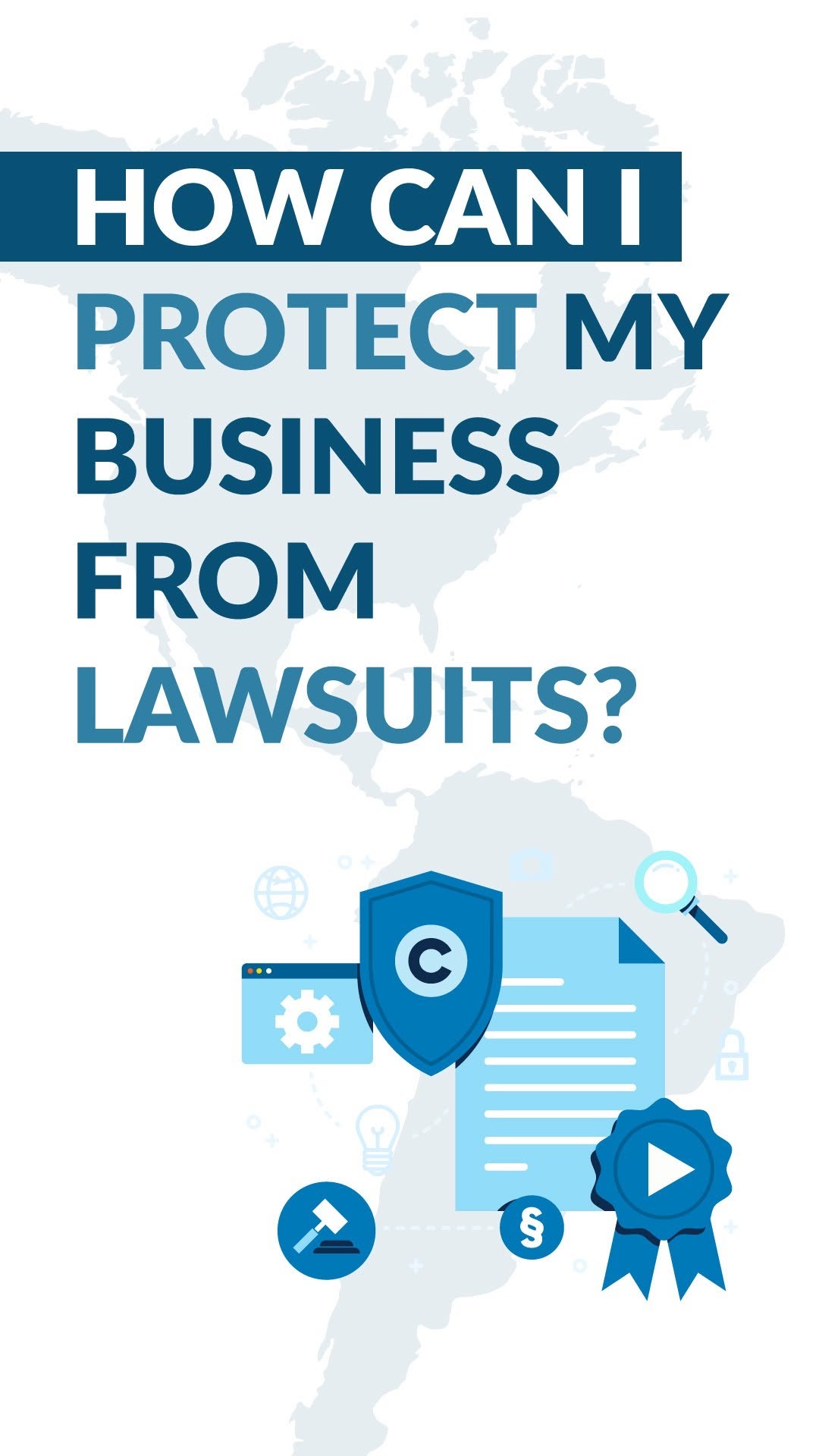
Running a business is hard enough — lawsuits shouldn’t make it harder. 🚫 Protect your business with the right legal strategies and expert tools from Global Law Experts. Let’s secure your future together! 💼
🌍Explore the details on our website.
➡️www.globallawexperts.com
#GlobalLawExperts #CommercialLaw #BusinessLaw #LegalAdvice #BusinessGrowth #LegalTips #BusinessStrategy #LegalCompliance #Law #LegalKnowledge #LegalAwareness #Law101 #LegalEducation #IntellectualProperty #Infringed #Ecommerce #LegalBranding
Global Law Experts is dedicated to providing exceptional legal services to clients around the world. With a vast network of highly skilled and experienced lawyers, we are committed to delivering innovative and tailored solutions to meet the diverse needs of our clients in various jurisdictions.
Thinking of buying property in Brazil? Start with a full legal safety net.
✔️ Check title and ownership history
✔️ Verify no debts or disputes
✔️ Confirm zoning and permits.
#BrazilProperty #RealEstateInvesting #LegalDueDiligence #ForeignInvestment #PropertyLaw #GlobalRealEstate #InvestmentRisk #BrazilLaw
When your international business faces financial distress, quick action is key! 🔑 Negotiating with creditors, restructuring debt, and understanding insolvency laws can help regain stability. Global Law Experts is here to guide you through your options.
🌍Explore the details on our website.
🔗Link in bio
#GlobalLawExperts #CommercialLaw #BusinessLaw #LegalAdvice #BusinessGrowth #LegalTips #BusinessStrategy #LegalCompliance #Law #LegalKnowledge #LegalAwareness #Law101 #LegalEducation #IntellectualProperty
Thinking of buying property in Brazil? Don’t stop at the contract or key handover. Make sure the title is officially registered before calling it yours.
#BrazilRealEstate #PropertyLaw #GlobalInvestment #ForeignInvestors #LegalTips #DueDiligence #RealEstateRegistration #SecureInvestment
Getting a termination notice right now? Know your rights. Valid reason, fair process, proper notice they matter. Don’t let a bad dismissal walk away without accountability.
#EmploymentLaw #WorkerRights #Termination #LaborLaw #FairDismissal #WorkplaceJustice #LegalAwareness #GlobalWorkforce
Running a business is hard enough — lawsuits shouldn’t make it harder. 🚫 Protect your business with the right legal strategies and expert tools from Global Law Experts. Let’s secure your future together! 💼
🌍Explore the details on our website.
➡️www.globallawexperts.com
#GlobalLawExperts #CommercialLaw #BusinessLaw #LegalAdvice #BusinessGrowth #LegalTips #BusinessStrategy #LegalCompliance #Law #LegalKnowledge #LegalAwareness #Law101 #LegalEducation #IntellectualProperty #Infringed #Ecommerce #LegalBranding

Send welcome message