[codicts-css-switcher id=”346″]

Global Law Experts Logo

Restructuring Lawyers Worldwide.

Global Law Experts

Meet Our Restructuring Lawyers

Discover top independent Restructuring lawyers recognized by Global Law Experts. Connect with expert legal professionals worldwide.

Legal
Country
Restructuring
Legal
Country
Restructuring
2 results

Juan Font Servera

  • GOLD

Email:

Phone:

+34971*****
  • GOLD

Juan Font Servera

  • GOLD

Juan Font Servera

  • GOLD
Restructuring Law in Spain
  • FONT MORA SAINZ DE BARANDA
  • GOLD

Dr. Anja Dachner

  • GOLD

Email:

Phone:

+49 (0*****
Lawyer with straight blonde hair, wearing a black blazer, in a professional headshot setting.
Kliemt HR Lawyers logo featuring a modern design and legal association with human resources law.
Lawyer with straight blonde hair, wearing a black blazer, in a professional headshot setting.
  • GOLD
Lawyer with straight blonde hair, wearing a black blazer, in a professional headshot setting.

Dr. Anja Dachner

  • GOLD

Dr. Anja Dachner

  • GOLD
Restructuring Law in Germany
  • Kliemt.HR Lawyers
  • GOLD

Restructuring News

Find Expert Restructuring Lawyers Through Global Law Experts

Navigate Financial Renewal with Expert Restructuring Counsel

Restructuring law focuses on reorganizing the legal, operational, and financial structures of businesses facing fiscal distress or insolvency. This practice area involves negotiating debt settlements, managing formal bankruptcy filings, and implementing turnaround strategies to preserve company value. Attorneys work to protect the interests of debtors and creditors while ensuring compliance with complex regulations.

Global Law Experts connects you with premier restructuring specialists who excel in stabilizing distressed organizations. Every practitioner is meticulously vetted for their ability to navigate high-stakes negotiations and cross-border insolvency frameworks. Whether you are executing a private workout or a court-led reorganization, our experts provide the strategic advocacy needed to protect your business assets.

Professional Restructuring Help You Can Trust

We will help match you with a qualified Restructuring law specialist who can offer reliable advice, clarify your options, and guide you through the next steps in the legal process.
Main Lead Capture Form - Home

Every GLE member is independently vetted by practice area and jurisdiction.

Client Success Stories

Testimonial-by-Jonathan-Gilmour.png
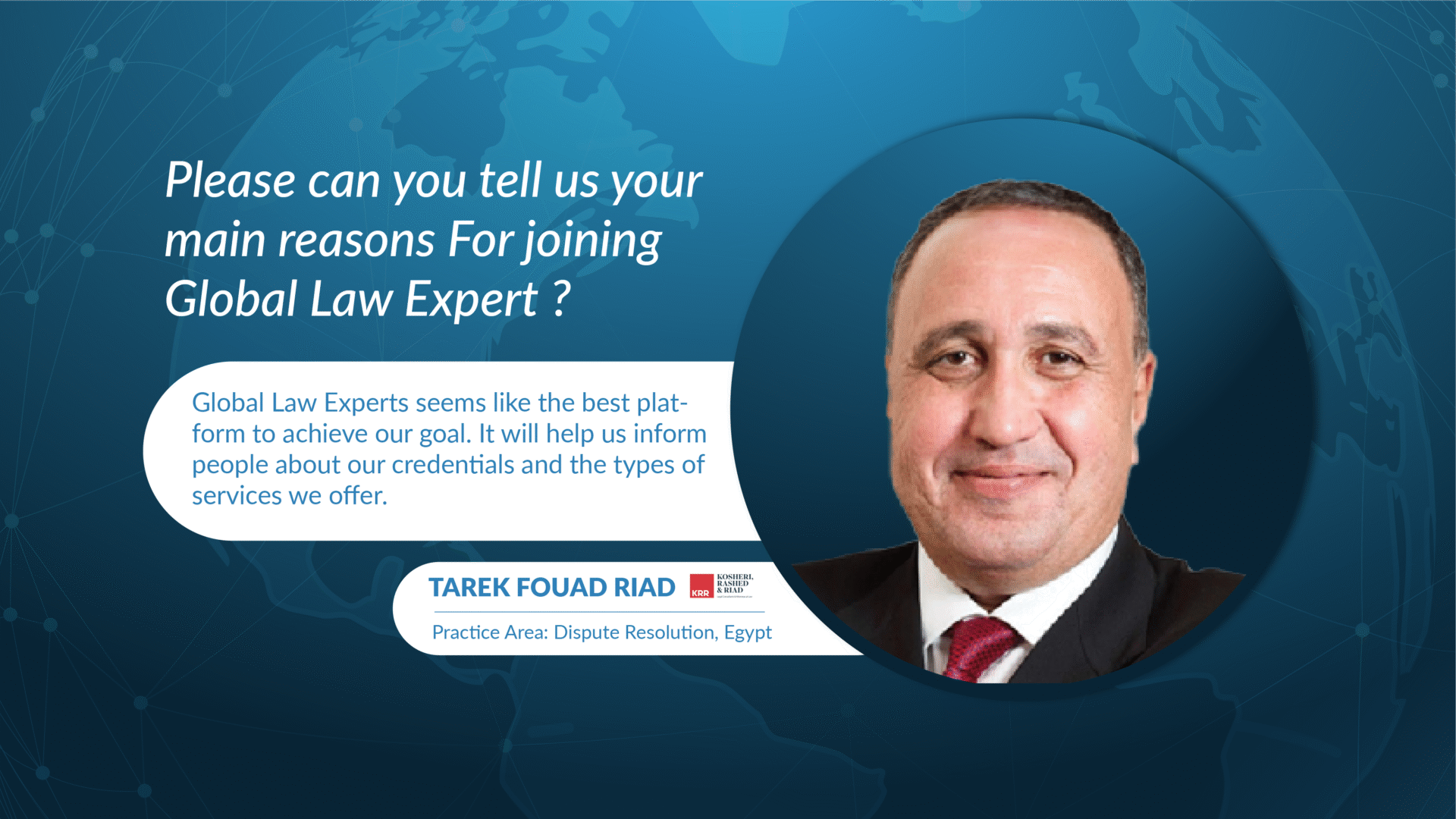
Testimonial-by-Tarek-Fouad-Riad.png
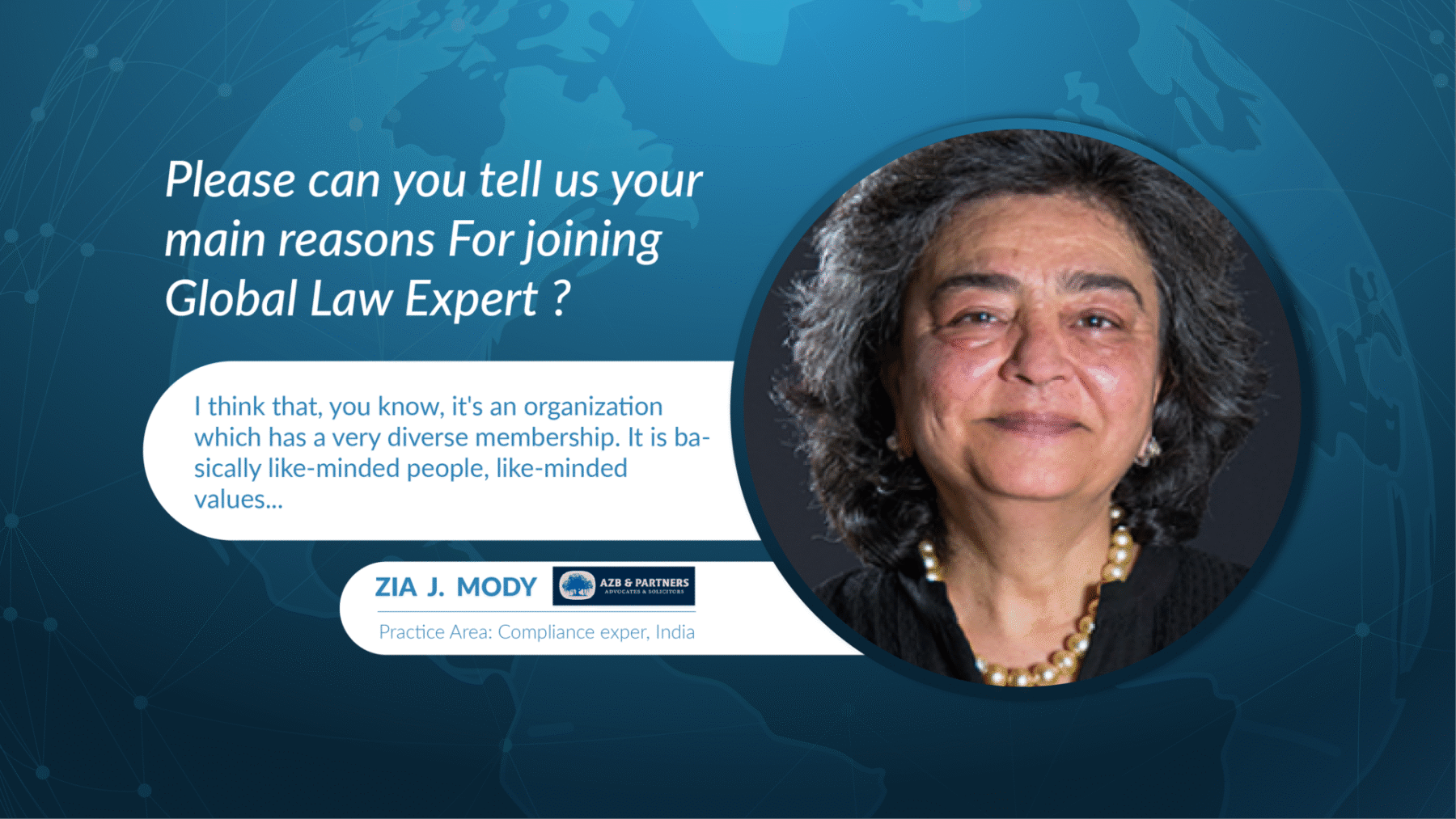
Testimonial-by-Zia-J.-Mody.png
Testimonial-by-Virginie-Tassin-Campanella.png
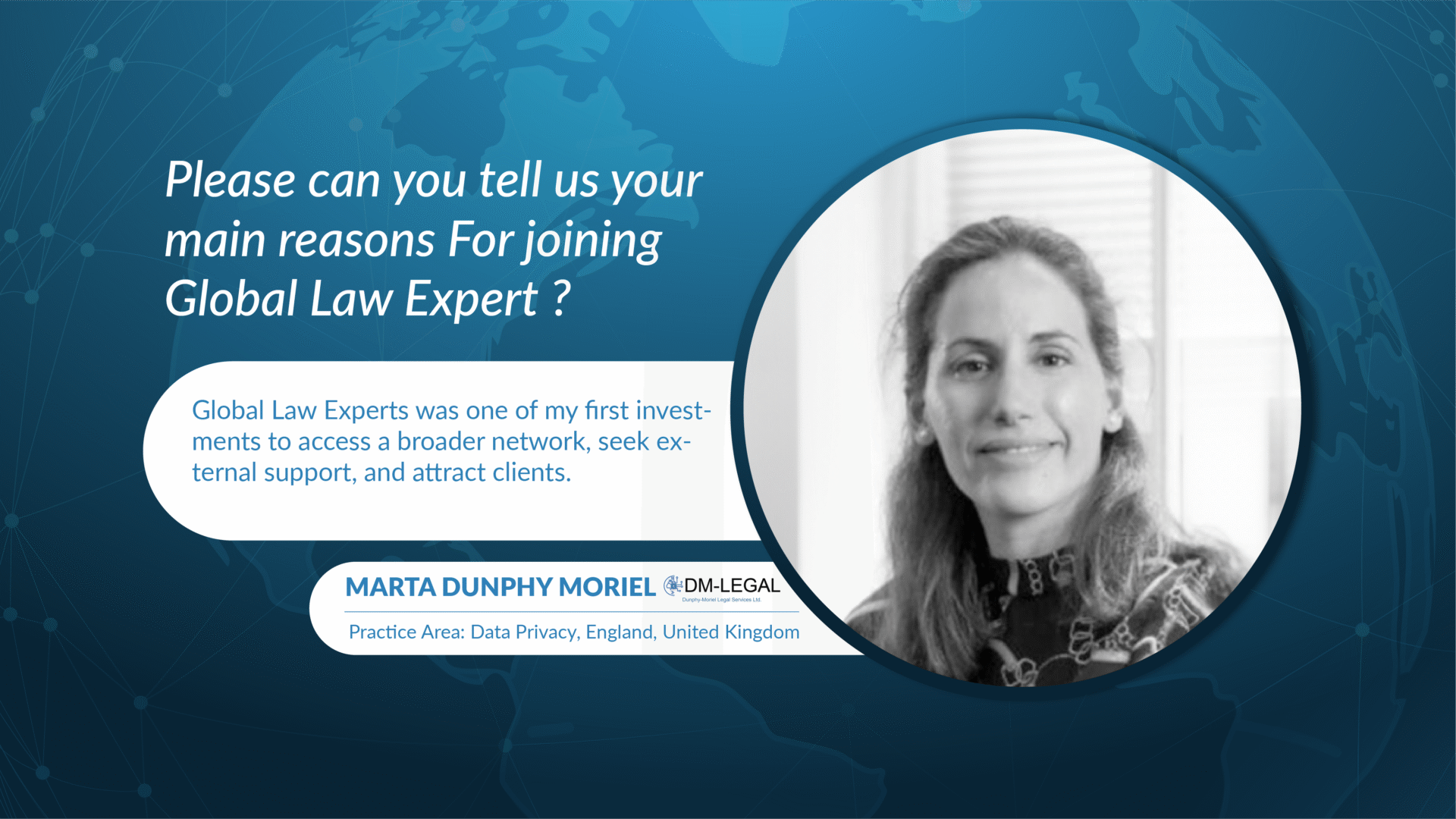
Testimonial-by-Marta-Dunphy-Moriel.png
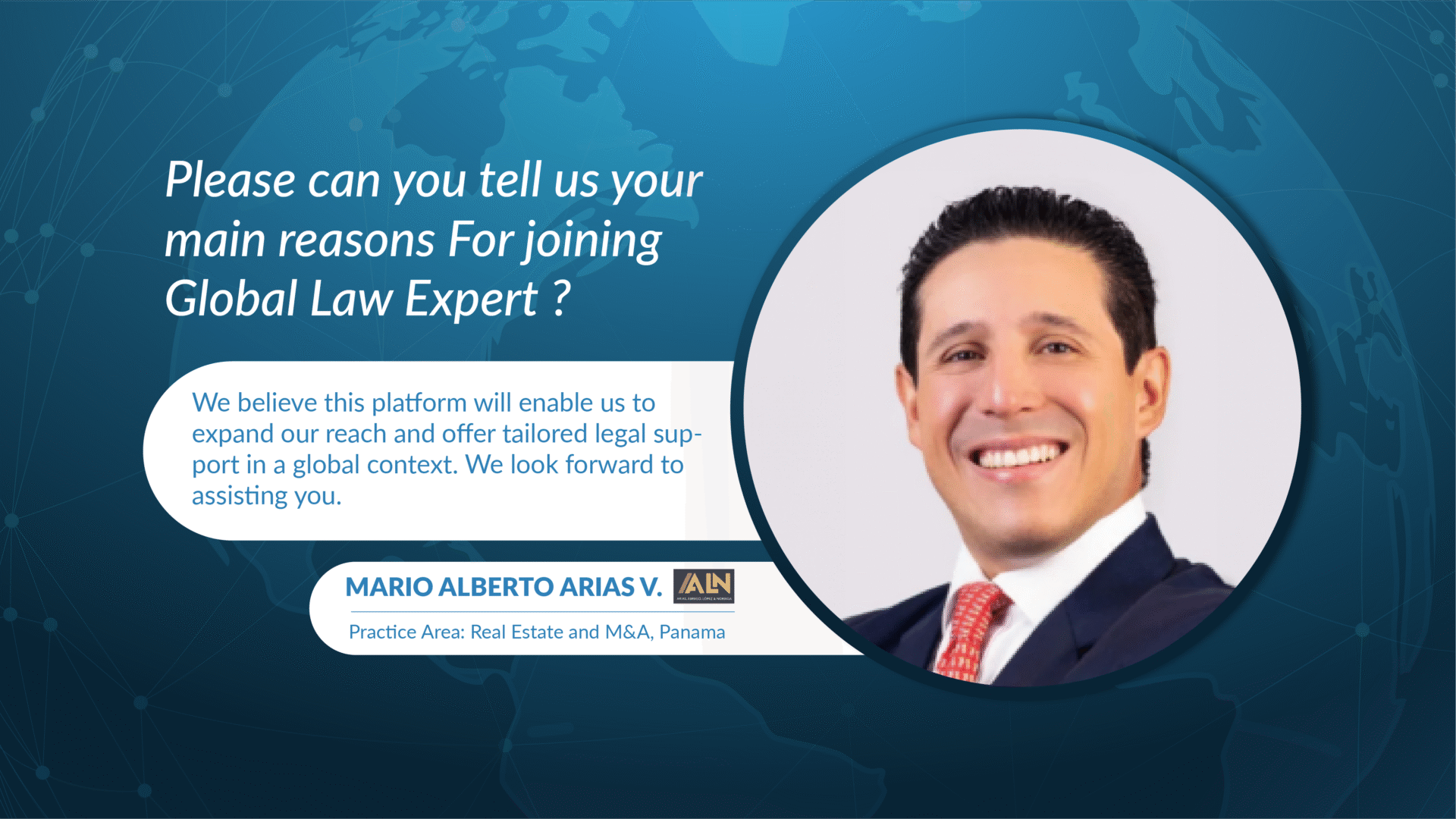
Testimonial-by-Mario-Alberto-Arias-V.png
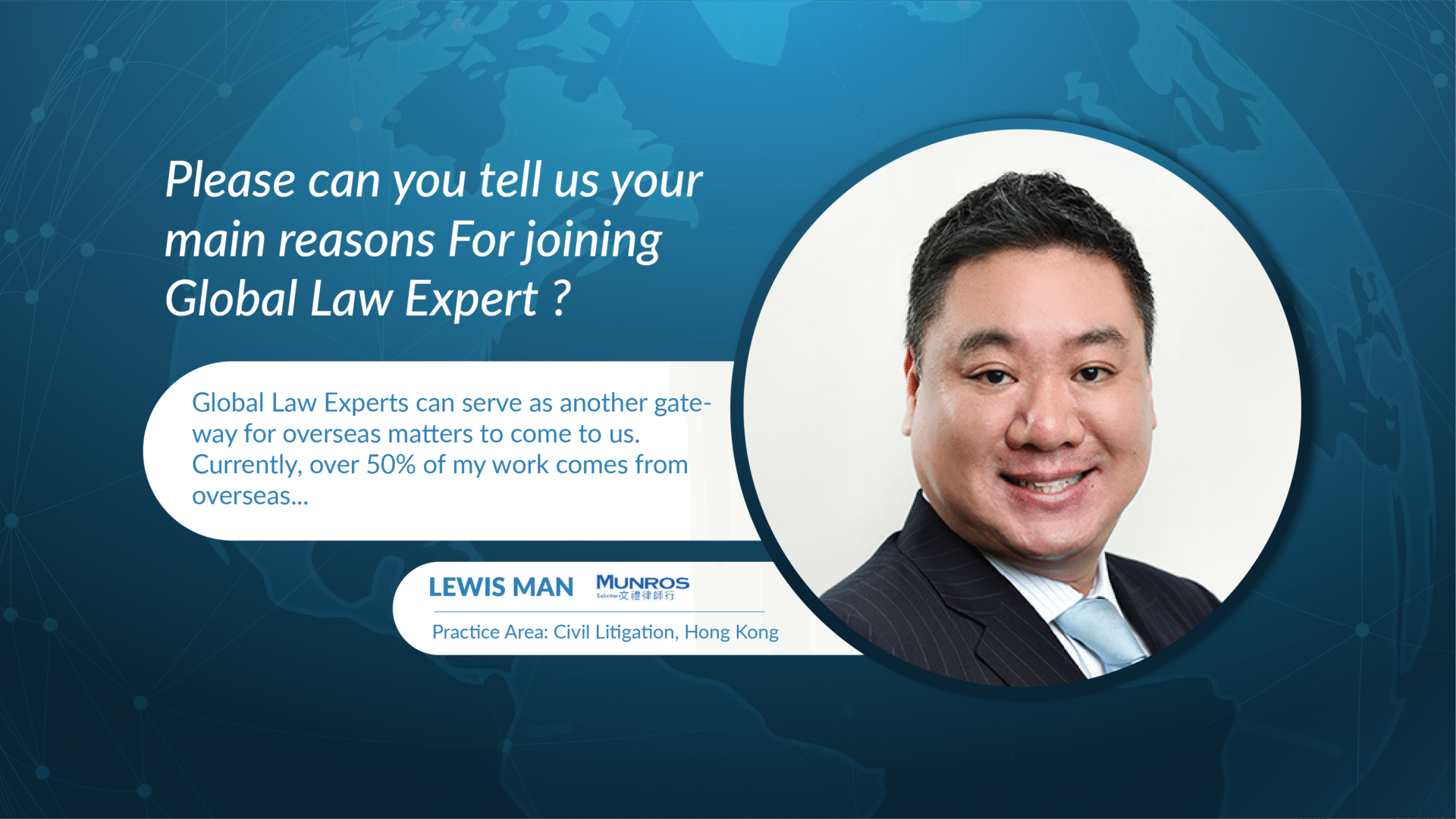
Testimonial-by-Lewis-Man.png
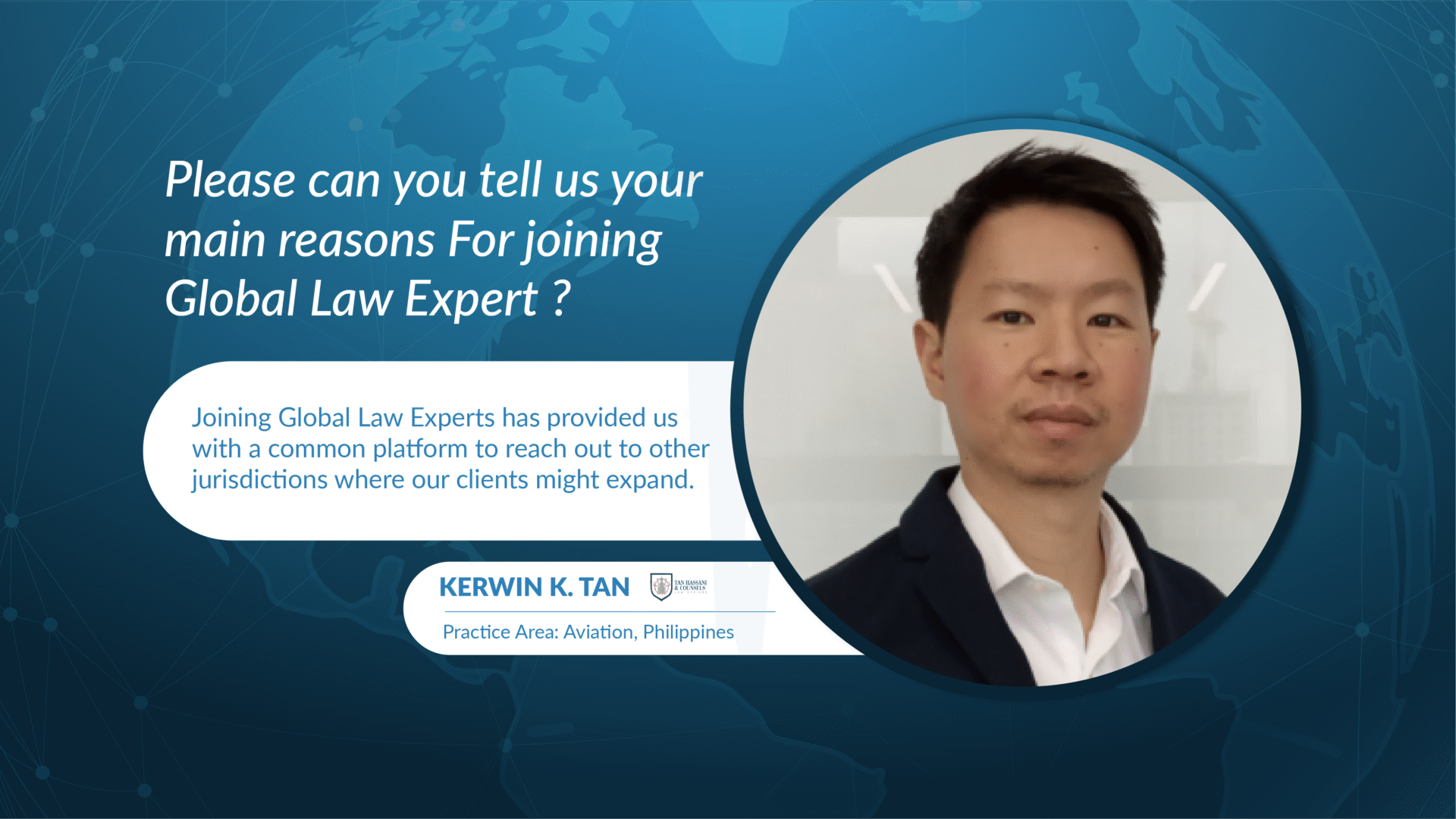
Testimonial-by-Kerwin-K.-Tan.png
Testimonial-by-Elena-Sadovskaya.png
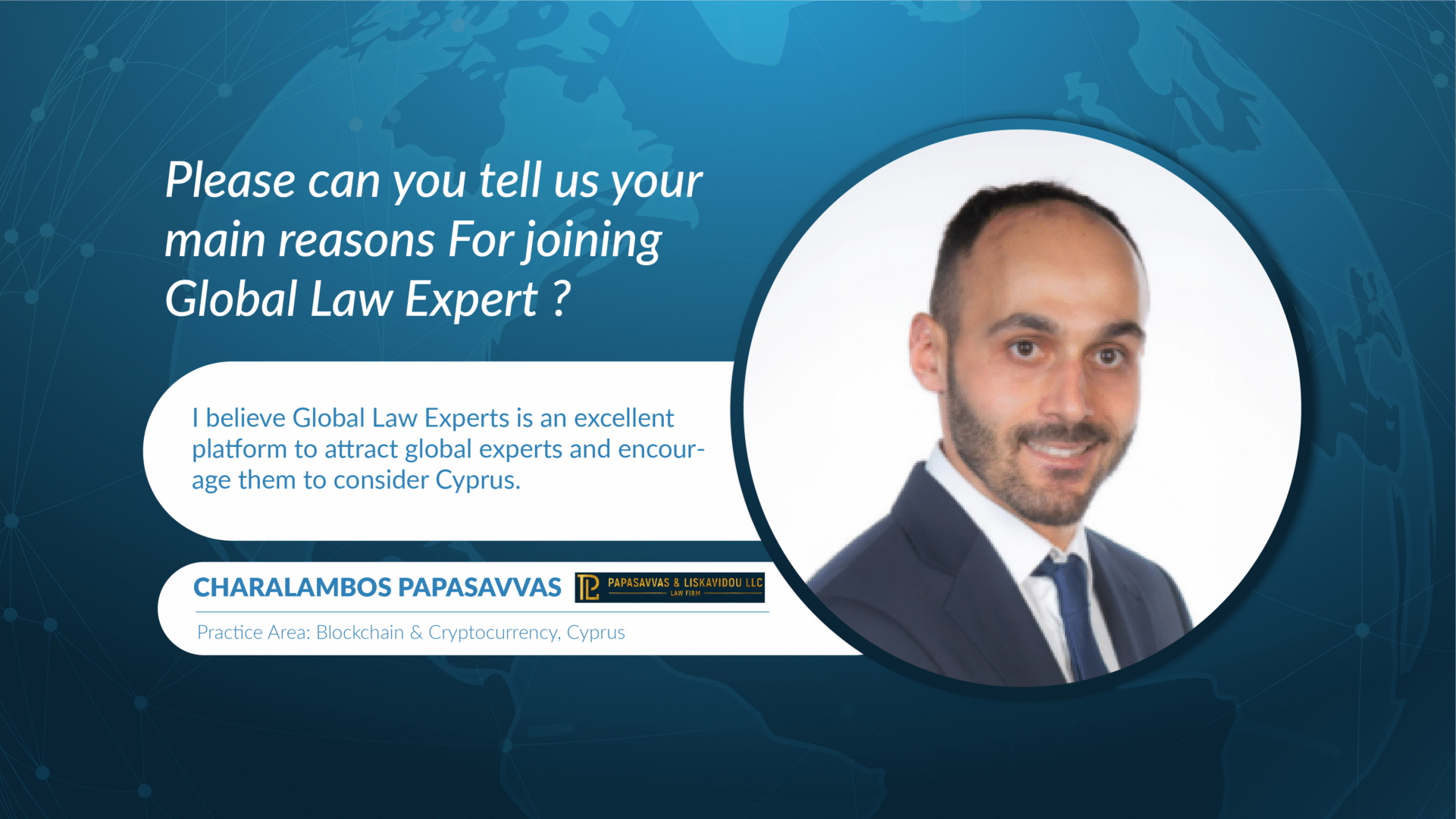
Testimonial-by-Charalambos-Papasavvas.png

Restructuring FAQ's

Restructuring is the operational or financial surgery performed to save a company while it is still alive, whereas bankruptcy is often the funeral or the life support machine. Restructuring involves negotiating with creditors to lower debts outside of court to avoid the stigma of failure. Bankruptcy, like Chapter 11 in the US or Administration in the UK, is a formal court process used when consensual talks fail. In 2023, US commercial Chapter 11 filings jumped by 72%, showing that many companies use bankruptcy legally to restructure rather than just to shut down.


Creditors agree because liquidation is usually a financial disaster where they get paid pennies on the dollar. In a restructuring, they might agree to take a “haircut” (partial repayment) because receiving 70 cents on the dollar from a living company is mathematically better than receiving 5 cents from a dead one sold for scrap. Lawyers present a “comparator report” to prove that the restructuring deal offers a better return than the alternative of immediate insolvency.

A debt-for-equity swap is a transaction where creditors agree to cancel the money the company owes them in exchange for receiving shares in the company. The lawyer drafts the exchange agreement and handles the corporate governance changes, as the lenders effectively become the new owners. This removes the suffocating interest payments from the company’s cash flow, giving it a fresh start. It is common in major distressed cases; for example, many UK high street retailers have used this mechanism to survive crushing debt loads.

When a company runs out of cash, the director’s legal duty shifts immediately from serving the shareholders to protecting the creditors. If you continue to spend money when you know the company cannot be saved, you can be sued personally for “Wrongful Trading” in the UK or breach of fiduciary duty in the US. A lawyer helps you create a “defense file” by documenting every board decision to prove you acted reasonably to minimize loss to creditors.

Yes, a standstill agreement is a critical “pause button” for litigation. A lawyer negotiates this contract to legally bind the creditors, preventing them from filing lawsuits or demanding immediate payment for a set period, usually 30 to 90 days. This breathing room allows the company to open its books to the lenders and negotiate a long-term restructuring plan without the chaos of fighting a court battle at the same time.

A “pre-pack” is a legal strategy where the sale of the business is negotiated before the company officially enters insolvency and is executed immediately after the administrator is appointed. It is legal and popular in the UK because it preserves the value of the brand and jobs, which would be destroyed by weeks of public trading in administration. However, it is controversial because unsecured creditors often feel left out of the deal, so strict regulations now require independent evaluators to review the sale price.

A cram-down is a powerful legal tool used in US Chapter 11 and UK Restructuring Plans to force dissenting creditors to accept a deal if the majority agrees. A lawyer must prove to the court that the plan is “fair and equitable” and that the dissenting creditors are no worse off than they would be in a liquidation. This prevents a small “ransom” group of hedge funds from blocking a deal that saves the company for everyone else.

This depends heavily on the jurisdiction. In the UK, the “TUPE” regulations strictly protect employees, meaning their contracts and seniority transfer automatically to the new owner of the business; you cannot simply fire them to cut costs. In the US, the rules are harsher for workers, as Chapter 11 allows a company to reject collective bargaining agreements and modify retiree benefits if the court agrees it is necessary for the company’s survival.

Restructuring FAQ's

Restructuring is the operational or financial surgery performed to save a company while it is still alive, whereas bankruptcy is often the funeral or the life support machine. Restructuring involves negotiating with creditors to lower debts outside of court to avoid the stigma of failure. Bankruptcy, like Chapter 11 in the US or Administration in the UK, is a formal court process used when consensual talks fail. In 2023, US commercial Chapter 11 filings jumped by 72%, showing that many companies use bankruptcy legally to restructure rather than just to shut down.

Creditors agree because liquidation is usually a financial disaster where they get paid pennies on the dollar. In a restructuring, they might agree to take a "haircut" (partial repayment) because receiving 70 cents on the dollar from a living company is mathematically better than receiving 5 cents from a dead one sold for scrap. Lawyers present a "comparator report" to prove that the restructuring deal offers a better return than the alternative of immediate insolvency.

A debt-for-equity swap is a transaction where creditors agree to cancel the money the company owes them in exchange for receiving shares in the company. The lawyer drafts the exchange agreement and handles the corporate governance changes, as the lenders effectively become the new owners. This removes the suffocating interest payments from the company's cash flow, giving it a fresh start. It is common in major distressed cases; for example, many UK high street retailers have used this mechanism to survive crushing debt loads.

When a company runs out of cash, the director's legal duty shifts immediately from serving the shareholders to protecting the creditors. If you continue to spend money when you know the company cannot be saved, you can be sued personally for "Wrongful Trading" in the UK or breach of fiduciary duty in the US. A lawyer helps you create a "defense file" by documenting every board decision to prove you acted reasonably to minimize loss to creditors.

Yes, a standstill agreement is a critical "pause button" for litigation. A lawyer negotiates this contract to legally bind the creditors, preventing them from filing lawsuits or demanding immediate payment for a set period, usually 30 to 90 days. This breathing room allows the company to open its books to the lenders and negotiate a long-term restructuring plan without the chaos of fighting a court battle at the same time.

A "pre-pack" is a legal strategy where the sale of the business is negotiated before the company officially enters insolvency and is executed immediately after the administrator is appointed. It is legal and popular in the UK because it preserves the value of the brand and jobs, which would be destroyed by weeks of public trading in administration. However, it is controversial because unsecured creditors often feel left out of the deal, so strict regulations now require independent evaluators to review the sale price.

A cram-down is a powerful legal tool used in US Chapter 11 and UK Restructuring Plans to force dissenting creditors to accept a deal if the majority agrees. A lawyer must prove to the court that the plan is "fair and equitable" and that the dissenting creditors are no worse off than they would be in a liquidation. This prevents a small "ransom" group of hedge funds from blocking a deal that saves the company for everyone else.

This depends heavily on the jurisdiction. In the UK, the "TUPE" regulations strictly protect employees, meaning their contracts and seniority transfer automatically to the new owner of the business; you cannot simply fire them to cut costs. In the US, the rules are harsher for workers, as Chapter 11 allows a company to reject collective bargaining agreements and modify retiree benefits if the court agrees it is necessary for the company's survival.

Join
who are already getting the benefits
0
Sign up for the latest legal briefings and news within Global Law Experts’ community, as well as a whole host of features, editorial and conference updates direct to your email inbox. Naturally you can unsubscribe at any time.
Newsletter Sign Up
About Us

Global Law Experts is dedicated to providing exceptional legal services to clients around the world. With a vast network of highly skilled and experienced lawyers, we are committed to delivering innovative and tailored solutions to meet the diverse needs of our clients in various jurisdictions.

Global Law Experts App

Now Available on the App & Google Play Stores.

Social Posts
[wp_social_ninja id="50714" platform="instagram"]

See More:

Contact Us

Stay Informed

Join Mailing List
About Us

Global Law Experts is dedicated to providing exceptional legal services to clients around the world. With a vast network of highly skilled and experienced lawyers, we are committed to delivering innovative and tailored solutions to meet the diverse needs of our clients in various jurisdictions.

Social Posts
[wp_social_ninja id="50714" platform="instagram"]

See More:

Global Law Experts App

Now Available on the App & Google Play Stores.

Contact Us

Stay Informed

Join Mailing List

GLE

Lawyer Profile Page - Lead Capture
GLE-Logo-White
Lawyer Profile Page - Lead Capture
Lawyer with straight blonde hair, wearing a black blazer, in a professional headshot setting.

Dr. Anja Dachner

Send welcome message

Custom Message