[codicts-css-switcher id=”346″]

Global Law Experts Logo

Pharmaceutical Lawyers Worldwide.

Global Law Experts

Meet Our Pharmaceutical Lawyers

Discover award-winning Pharmaceutical lawyers in our independent legal directory. Explore expertise and connect with top professionals worldwide.

Legal
Country
Pharmaceutical
Legal
Country
Pharmaceutical
5 results

Anke Krebs

  • GOLD

Email:

Phone:

+49221*****

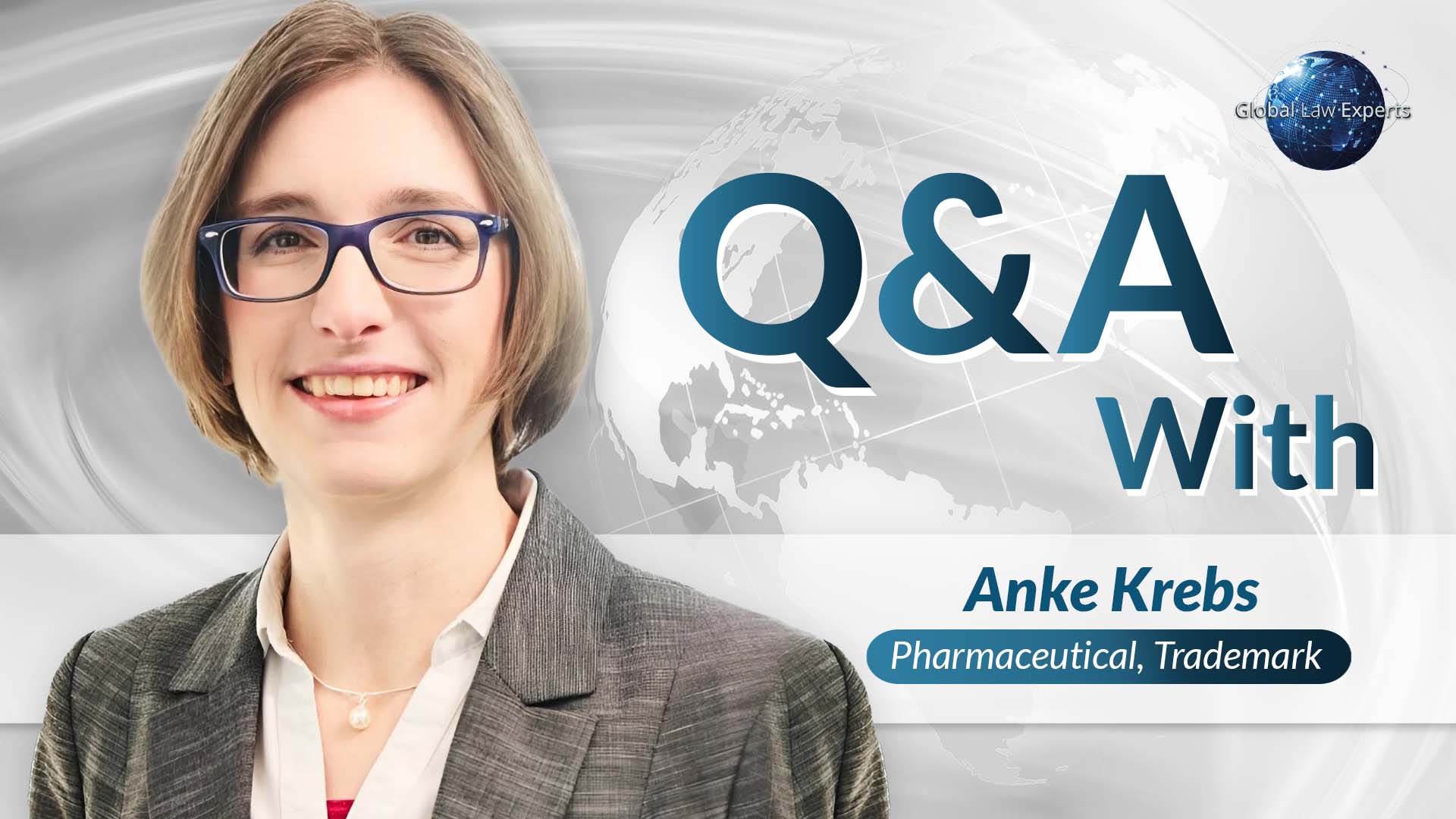
Anke Krebs

  • GOLD
Pharmaceutical Law in Germany
  • dompatent
  • GOLD

Maite Vázquez Calo

  • GOLD

Email:

Phone:

*****
Legal professional with short hair wearing a black blazer, posing for a portrait in a neutral backdrop.
VC BioLaw logo featuring stylized text and graphic elements in black, white, and gold colors.
Legal professional with short hair wearing a black blazer, posing for a portrait in a neutral backdrop.
  • GOLD
Legal professional with short hair wearing a black blazer, posing for a portrait in a neutral backdrop.

Maite Vázquez Calo

  • GOLD
Pharmaceutical Law in Spain
  • VC BioLaw
  • GOLD

Anna Banaszewska

  • GOLD

Email:

Phone:

+48 60*****
Photo-bigfwom26.png
Logo-dranna48.png
Photo-bigfwom26.png
Photo-bigfwom26.png

Anna Banaszewska

  • GOLD

Anna Banaszewska

  • GOLD
Pharmaceutical Law in Poland
  • Kancelaria Radcy Prawnego dr Anna Banaszewska

Anil Upadhyay

  • GOLD

Email:

Phone:

022 48*****
Anil Upadhyay
Arogya Legal
Anil Upadhyay

Anil Upadhyay

  • GOLD
Pharmaceutical Law in India
  • Arogya Legal

Sonia Selletti

  • GOLD

Email:

Phone:

+39.02*****
Sonia Selletti
Studio Astolfi e Associati
Sonia Selletti
Sonia Selletti

Sonia Selletti

  • GOLD

Sonia Selletti

  • GOLD
Pharmaceutical Law in Italy
  • Studio Astolfi e Associati

Pharmaceutical News

Find Expert Pharmaceutical Lawyers Through Global Law Experts

Accelerate Medical Innovation with Expert Pharmaceutical Counsel

Pharmaceutical law encompasses the rigorous legal and regulatory frameworks governing the lifecycle of drugs and medical devices—from initial laboratory discovery to global distribution. This practice involves navigating the high-stakes “patent dance” of intellectual property, securing marketing authorizations from agencies like the FDA or EMA, and ensuring adherence to strict Good Manufacturing Practices (GMP). Attorneys provide the technical and legal oversight necessary to manage clinical trial risks, defend against product liability claims, and ensure that life-saving innovations reach the market safely and ethically.

Global Law Experts connects you with premier pharmaceutical specialists who possess the unique blend of scientific and legal acumen required in this sector. These lawyers are established experts within their own fields, capable of handling complex patent litigation, multi-jurisdictional compliance, and intricate licensing agreements. Whether you are an emerging biotech firm or a global pharmaceutical leader, they provide the strategic advocacy needed to protect your pipeline and navigate the evolving landscape of global healthcare.

Pharmaceutical Related Videos

Professional Pharmaceutical Help You Can Trust

We will help match you with a qualified Pharmaceutical law specialist who can offer reliable advice, clarify your options, and guide you through the next steps in the legal process.
Main Lead Capture Form - Home

Every GLE member is independently vetted by practice area and jurisdiction.

Client Success Stories

Testimonial-by-Jonathan-Gilmour.png
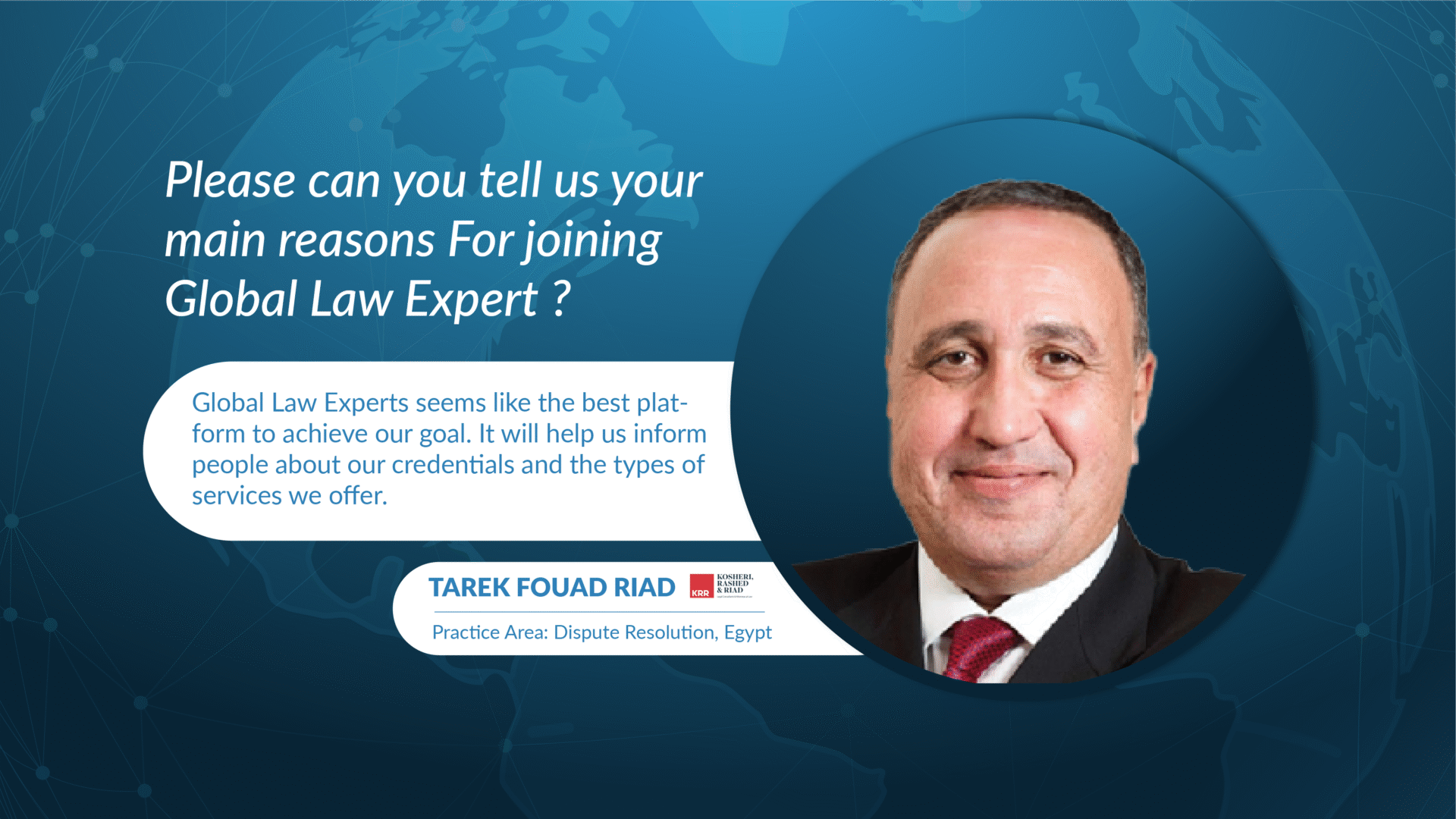
Testimonial-by-Tarek-Fouad-Riad.png
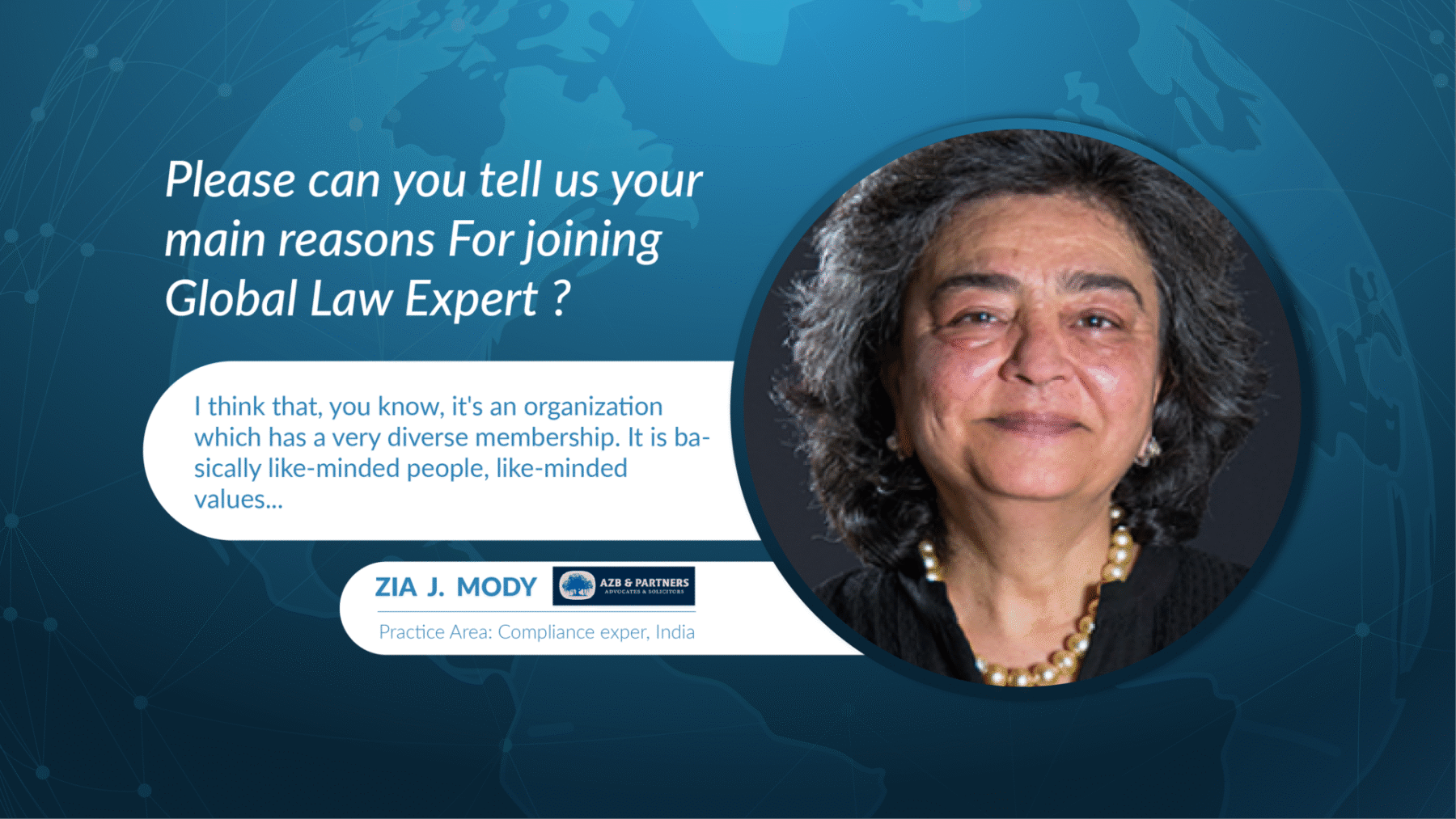
Testimonial-by-Zia-J.-Mody.png
Testimonial-by-Virginie-Tassin-Campanella.png
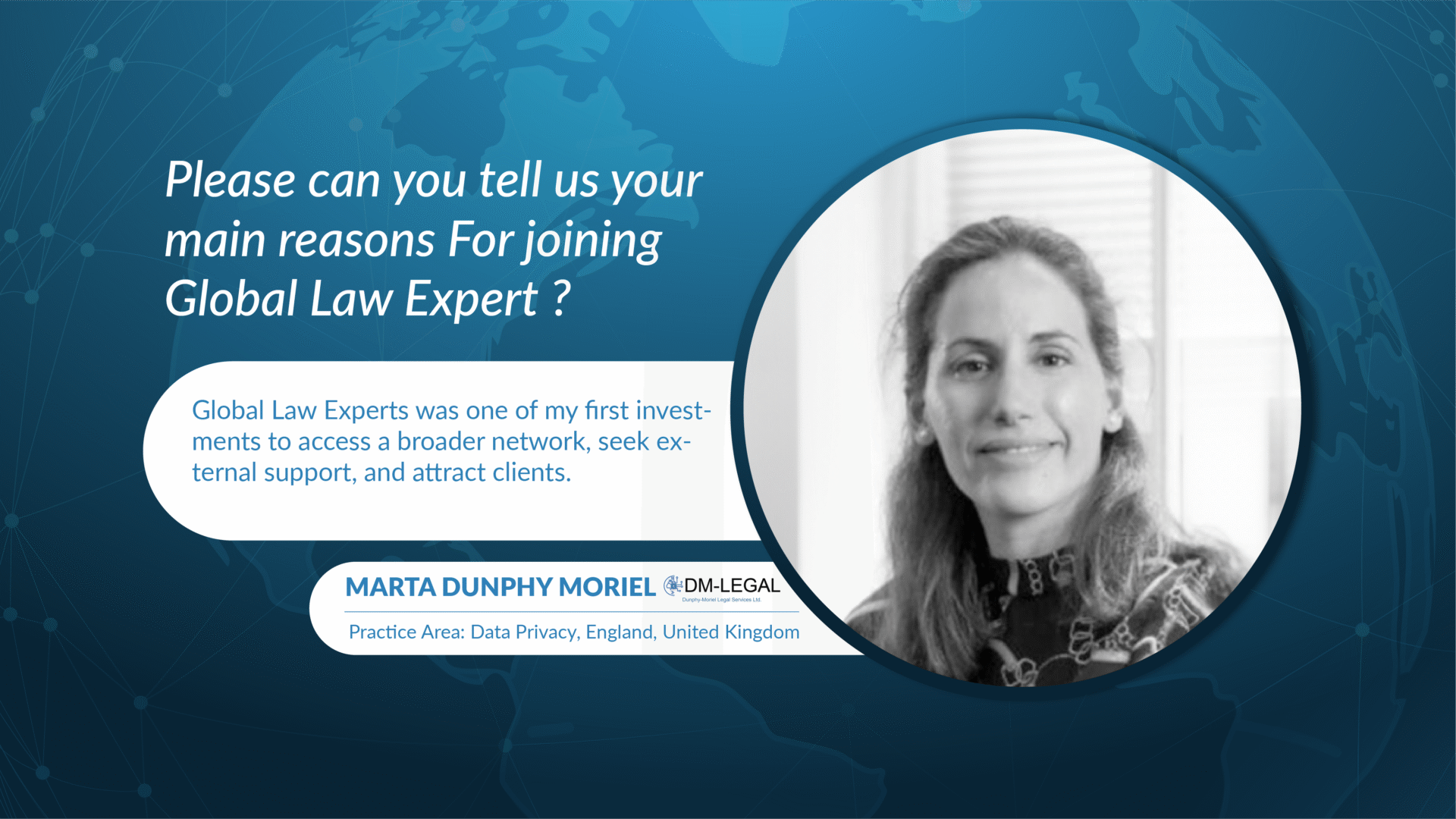
Testimonial-by-Marta-Dunphy-Moriel.png
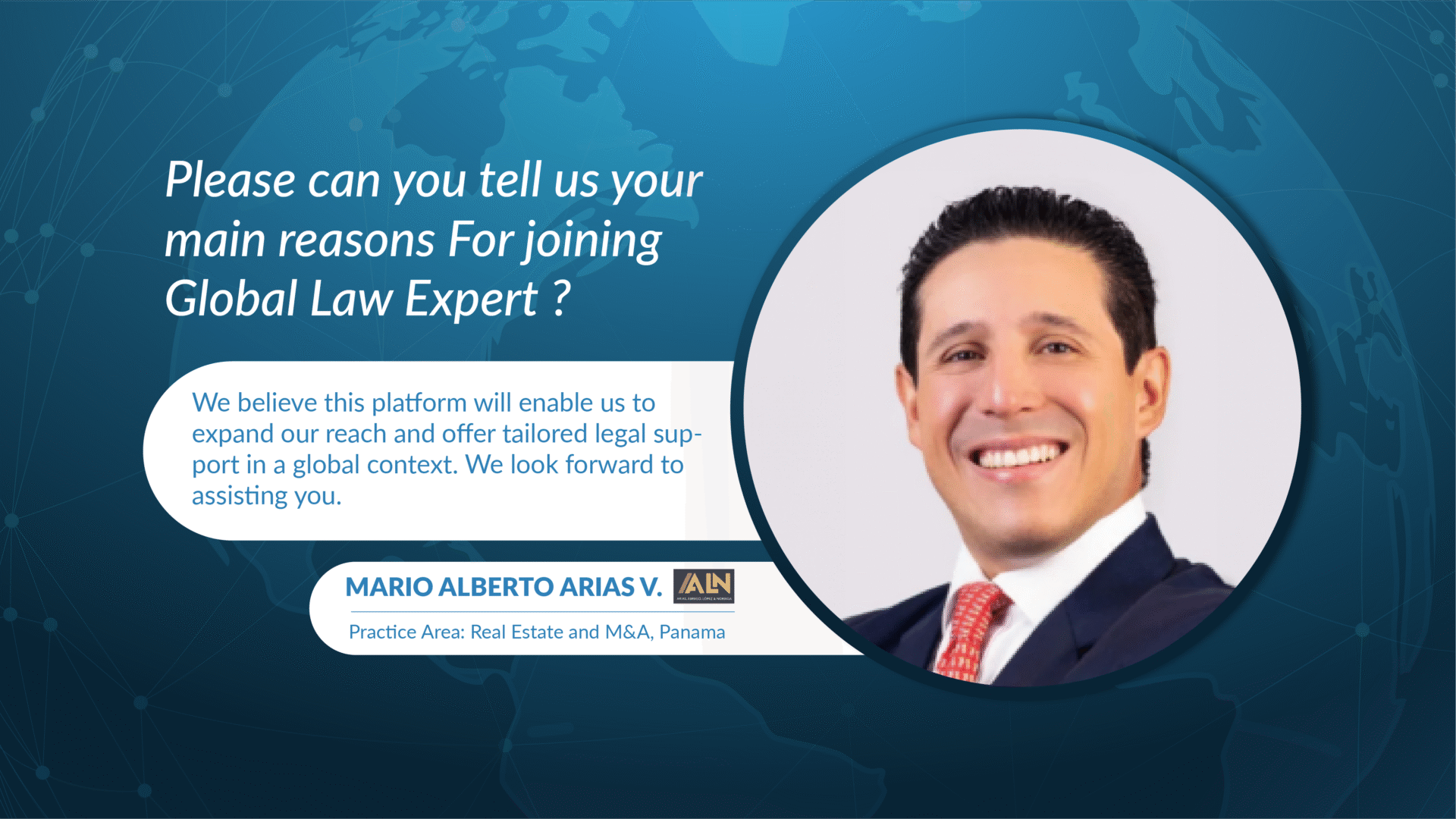
Testimonial-by-Mario-Alberto-Arias-V.png
Testimonial-by-Lewis-Man.png
Testimonial-by-Kerwin-K.-Tan.png
Testimonial-by-Elena-Sadovskaya.png
Testimonial-by-Charalambos-Papasavvas.png

Pharmaceutical FAQ's

A pharmaceutical lawyer acts as the “regulatory shepherd” for a drug, guiding it through the complex lifecycle from the lab to the pharmacy shelf. Their work is split into three main pillars: Regulatory Compliance (navigating FDA or EMA approval pathways), Intellectual Property (patenting new molecules to block competitors), and Commercial Contracting (drafting agreements for manufacturing, distribution, and clinical trials). They also defend the company in high-stakes litigation, such as product liability suits or government investigations into illegal marketing practices.


The Hatch-Waxman Act creates a “grand compromise” between innovation and competition. It allows generic drug makers to skip expensive clinical trials by filing an Abbreviated New Drug Application (ANDA), where they only need to prove their drug is bioequivalent to the brand-name version. In exchange, it gives brand-name companies periods of “market exclusivity” and the ability to sue generics for patent infringement before the generic launches, often triggering an automatic 30-month stay on the generic’s approval while the court decides the case.

While doctors are legally allowed to prescribe a drug for any use they see fit, pharmaceutical companies are strictly forbidden from marketing a drug for uses not approved by the FDA (“off-label”). A lawyer’s job is to review every piece of advertising and sales script to ensure it doesn’t cross this line. If a company is caught promoting off-label uses, it faces massive liability under the False Claims Act, which can lead to billions of dollars in fines and criminal charges for “misbranding” the product.

Since the 20-year patent clock starts ticking long before a drug is actually approved for sale, lawyers use statutory tools to win back lost time. They file for Patent Term Extension (PTE) to recover up to 5 years of the time lost during the FDA review process. They also pursue “Pediatric Exclusivity” (an extra 6 months of monopoly for testing the drug on children) and file secondary patents on new formulations or delivery methods (often called “evergreening”) to keep generic competitors at bay even after the main molecule patent expires.

Yes, because Clinical Trial Agreements (CTAs) contain dangerous liability traps. A lawyer negotiates the Indemnification Clause to ensure the hospital—not your company—is liable if they deviate from the protocol and injure a patient. Crucially, they also draft the “Intellectual Property” section to ensure that your company owns all the data and discoveries generated during the trial; without this, a university hospital could legally claim ownership of your drug’s test results, effectively holding your own data hostage.

The “patent cliff” is the sudden, catastrophic drop in revenue that occurs when a blockbuster drug’s patent expires and cheap generics flood the market (often dropping the price by 80-90%). Lawyers prepare for this by drafting “Authorized Generic” agreements, where the brand company launches its own generic version to capture some of that market. They also navigate the antitrust risks of “Pay-for-Delay” settlements, ensuring the company doesn’t illegally pay a generic competitor to stay out of the market, which is a top target for FTC enforcement.

Lawyers do not just set a price; they navigate complex statutory formulas like the Medicaid “Best Price” Rule, which requires companies to give the government the lowest price they offer to any commercial customer. Failure to calculate this correctly can result in massive fraud penalties. Under the new Inflation Reduction Act (IRA) in the US, lawyers now also represent companies in direct price negotiations with Medicare, submitting legal arguments to justify a higher price based on the drug’s unique clinical value compared to existing treatments.

Yes, the primary defense lawyers use is the “Learned Intermediary Doctrine.” This legal rule states that a drug manufacturer’s duty is to warn the doctor, not the patient. If the lawyer can prove that the company provided a clear, adequate warning label to the prescribing physician about a specific side effect, the company is often shielded from liability, even if the doctor failed to pass that warning on to the patient who was injured.

Pharmaceutical FAQ's

A pharmaceutical lawyer acts as the "regulatory shepherd" for a drug, guiding it through the complex lifecycle from the lab to the pharmacy shelf. Their work is split into three main pillars: Regulatory Compliance (navigating FDA or EMA approval pathways), Intellectual Property (patenting new molecules to block competitors), and Commercial Contracting (drafting agreements for manufacturing, distribution, and clinical trials). They also defend the company in high-stakes litigation, such as product liability suits or government investigations into illegal marketing practices.

The Hatch-Waxman Act creates a "grand compromise" between innovation and competition. It allows generic drug makers to skip expensive clinical trials by filing an Abbreviated New Drug Application (ANDA), where they only need to prove their drug is bioequivalent to the brand-name version. In exchange, it gives brand-name companies periods of "market exclusivity" and the ability to sue generics for patent infringement before the generic launches, often triggering an automatic 30-month stay on the generic's approval while the court decides the case.

While doctors are legally allowed to prescribe a drug for any use they see fit, pharmaceutical companies are strictly forbidden from marketing a drug for uses not approved by the FDA ("off-label"). A lawyer’s job is to review every piece of advertising and sales script to ensure it doesn't cross this line. If a company is caught promoting off-label uses, it faces massive liability under the False Claims Act, which can lead to billions of dollars in fines and criminal charges for "misbranding" the product.

Since the 20-year patent clock starts ticking long before a drug is actually approved for sale, lawyers use statutory tools to win back lost time. They file for Patent Term Extension (PTE) to recover up to 5 years of the time lost during the FDA review process. They also pursue "Pediatric Exclusivity" (an extra 6 months of monopoly for testing the drug on children) and file secondary patents on new formulations or delivery methods (often called "evergreening") to keep generic competitors at bay even after the main molecule patent expires.

Yes, because Clinical Trial Agreements (CTAs) contain dangerous liability traps. A lawyer negotiates the Indemnification Clause to ensure the hospital—not your company—is liable if they deviate from the protocol and injure a patient. Crucially, they also draft the "Intellectual Property" section to ensure that your company owns all the data and discoveries generated during the trial; without this, a university hospital could legally claim ownership of your drug's test results, effectively holding your own data hostage.


The "patent cliff" is the sudden, catastrophic drop in revenue that occurs when a blockbuster drug's patent expires and cheap generics flood the market (often dropping the price by 80-90%). Lawyers prepare for this by drafting "Authorized Generic" agreements, where the brand company launches its own generic version to capture some of that market. They also navigate the antitrust risks of "Pay-for-Delay" settlements, ensuring the company doesn't illegally pay a generic competitor to stay out of the market, which is a top target for FTC enforcement.

Lawyers do not just set a price; they navigate complex statutory formulas like the Medicaid "Best Price" Rule, which requires companies to give the government the lowest price they offer to any commercial customer. Failure to calculate this correctly can result in massive fraud penalties. Under the new Inflation Reduction Act (IRA) in the US, lawyers now also represent companies in direct price negotiations with Medicare, submitting legal arguments to justify a higher price based on the drug's unique clinical value compared to existing treatments.

Yes, the primary defense lawyers use is the "Learned Intermediary Doctrine." This legal rule states that a drug manufacturer's duty is to warn the doctor, not the patient. If the lawyer can prove that the company provided a clear, adequate warning label to the prescribing physician about a specific side effect, the company is often shielded from liability, even if the doctor failed to pass that warning on to the patient who was injured.

Join
who are already getting the benefits
0
Sign up for the latest legal briefings and news within Global Law Experts’ community, as well as a whole host of features, editorial and conference updates direct to your email inbox. Naturally you can unsubscribe at any time.
Newsletter Sign Up
About Us

Global Law Experts is dedicated to providing exceptional legal services to clients around the world. With a vast network of highly skilled and experienced lawyers, we are committed to delivering innovative and tailored solutions to meet the diverse needs of our clients in various jurisdictions.

Global Law Experts App

Now Available on the App & Google Play Stores.

Social Posts
[wp_social_ninja id="50714" platform="instagram"]

See More:

Contact Us

Stay Informed

Join Mailing List
About Us

Global Law Experts is dedicated to providing exceptional legal services to clients around the world. With a vast network of highly skilled and experienced lawyers, we are committed to delivering innovative and tailored solutions to meet the diverse needs of our clients in various jurisdictions.

Social Posts
[wp_social_ninja id="50714" platform="instagram"]

See More:

Global Law Experts App

Now Available on the App & Google Play Stores.

Contact Us

Stay Informed

Join Mailing List

GLE

Lawyer Profile Page - Lead Capture
GLE-Logo-White
Lawyer Profile Page - Lead Capture
Sonia Selletti

Sonia Selletti

Send welcome message

Custom Message