Global Law Experts
Lawyers
Countries Covered
Practice Areas
Discover independent Patent experts on Global Law Experts. Connect with top attorneys specializing in Patents worldwide.
No results available Reset filters?
posted 2 weeks ago
posted 3 weeks ago
posted 4 weeks ago
posted 1 month ago
posted 2 months ago
posted 2 months ago
posted 6 months ago
No results available Reset filters?
Patent law provides the legal framework for protecting novel inventions, granting inventors exclusive rights to their creations for a set period. This practice involves the entire lifecycle of an invention, from conducting prior art searches and drafting complex patent applications to navigating the rigorous examination process at national and international patent offices. Attorneys ensure that technical innovations in fields such as biotechnology, software, and engineering are properly defined and legally defensible against potential infringement.
Global Law Experts connects you with premier patent specialists who possess the specific technical backgrounds required to understand and protect your unique technology. These lawyers are established experts within their own fields, offering the foresight needed to manage global patent portfolios and execute strategic filing programs like the Patent Cooperation Treaty (PCT). Whether you are an individual inventor or a multinational R&D department, they provide the strategic advocacy required to transform intellectual capital into a secure commercial asset.
Every GLE member is independently vetted by practice area and jurisdiction.
The main difference is that a Patent Attorney can go to court for you, while a Patent Agent cannot. Both professionals have technical degrees (like engineering or biology) and have passed the rigorous “patent bar” exam, allowing them to draft and file patent applications with the USPTO. However, a Patent Attorney also holds a law degree and has passed a state bar exam, which legally permits them to litigate patent infringement cases, draft contracts like licensing agreements, and provide broader legal advice beyond just the patent office procedures.
The process typically starts with filing a “Provisional Application,” which is a lower-cost placeholder that locks in your filing date for 12 months but is never actually examined. Before that year is up, you must file a “Non-Provisional Application,” which effectively triggers the official review process where a government examiner searches for prior art and likely rejects your initial claims. You then enter the “prosecution” phase, arguing back and forth to narrow your claims until the examiner is satisfied, at which point you pay an issue fee to finally receive the granted patent.
To get a patent, your invention must first be “Novel,” meaning it is completely new and has never been described in public before you filed. It must also have “Utility,” which is a low bar requiring the invention to actually work and do something useful rather than being a theoretical concept. Finally, and most difficult to prove, it must be “Non-Obvious,” meaning a professional in your field would not have naturally thought to combine existing technologies to create your invention; if it is just a simple variation of an existing product, it will be rejected.
A prior art search is a strategic investigation to see if your idea already exists before you spend thousands of dollars on government filing fees. Since patent examiners reject applications if they find any public document (a previous patent, a blog post, or a scientific paper) that describes your invention, doing your own search helps you spot these hurdles early. If you find something similar, you can either abandon the project to save money or rewrite your application to specifically explain why your version is different and superior.
The PCT is a unified filing system used by over 150 countries that allows you to file one single “international” application instead of filing separate applications in every country immediately. While it does not grant an “international patent” itself, it buys you significant time—usually extending your deadline to enter foreign countries from 12 months to 30 months. This 18-month extension is critical for startups, as it gives them time to raise funding or test the market before spending the massive legal fees required to enter the “National Phase” in specific countries like the UK or Japan.
Patenting software is possible but legally difficult because you must prove the code solves a specific technical problem rather than just being an “abstract idea” running on a generic computer. In the US, following the Supreme Court’s Alice decision, purely financial or organizational business methods are frequently rejected unless they improve the functioning of the computer itself. In the UK, the rules are even stricter, requiring the software to have a “technical effect” that goes beyond normal physical interactions between the software and hardware.
If you sell your product or post it on social media before filing, you generally lose your patent rights immediately in most of the world due to “absolute novelty” rules. The United States is a rare exception that offers a one-year “grace period” allowing you to file within 12 months of your own public disclosure. However, relying on this is risky because if a competitor sees your disclosure and files their own patent first, or if you decide to expand to Europe later, your earlier public post will be used as evidence to kill your patent application abroad.
A standard utility patent lasts for 20 years from the date you originally filed the application, provided you pay the required fees to keep it alive. In the US, these “maintenance fees” are due at 3.5, 7.5, and 11.5 years, and costs rise significantly at each stage; in the UK, you must pay “renewal fees” annually starting from the fifth year. Once the 20-year term expires, the patent cannot be renewed, and the invention enters the public domain for anyone to copy and sell freely.

The main difference is that a Patent Attorney can go to court for you, while a Patent Agent cannot. Both professionals have technical degrees (like engineering or biology) and have passed the rigorous "patent bar" exam, allowing them to draft and file patent applications with the USPTO. However, a Patent Attorney also holds a law degree and has passed a state bar exam, which legally permits them to litigate patent infringement cases, draft contracts like licensing agreements, and provide broader legal advice beyond just the patent office procedures.
The process typically starts with filing a "Provisional Application," which is a lower-cost placeholder that locks in your filing date for 12 months but is never actually examined. Before that year is up, you must file a "Non-Provisional Application," which effectively triggers the official review process where a government examiner searches for prior art and likely rejects your initial claims. You then enter the "prosecution" phase, arguing back and forth to narrow your claims until the examiner is satisfied, at which point you pay an issue fee to finally receive the granted patent.
To get a patent, your invention must first be "Novel," meaning it is completely new and has never been described in public before you filed. It must also have "Utility," which is a low bar requiring the invention to actually work and do something useful rather than being a theoretical concept. Finally, and most difficult to prove, it must be "Non-Obvious," meaning a professional in your field would not have naturally thought to combine existing technologies to create your invention; if it is just a simple variation of an existing product, it will be rejected.
A prior art search is a strategic investigation to see if your idea already exists before you spend thousands of dollars on government filing fees. Since patent examiners reject applications if they find any public document (a previous patent, a blog post, or a scientific paper) that describes your invention, doing your own search helps you spot these hurdles early. If you find something similar, you can either abandon the project to save money or rewrite your application to specifically explain why your version is different and superior.
The PCT is a unified filing system used by over 150 countries that allows you to file one single "international" application instead of filing separate applications in every country immediately. While it does not grant an "international patent" itself, it buys you significant time—usually extending your deadline to enter foreign countries from 12 months to 30 months. This 18-month extension is critical for startups, as it gives them time to raise funding or test the market before spending the massive legal fees required to enter the "National Phase" in specific countries like the UK or Japan.
Patenting software is possible but legally difficult because you must prove the code solves a specific technical problem rather than just being an "abstract idea" running on a generic computer. In the US, following the Supreme Court's Alice decision, purely financial or organizational business methods are frequently rejected unless they improve the functioning of the computer itself. In the UK, the rules are even stricter, requiring the software to have a "technical effect" that goes beyond normal physical interactions between the software and hardware.
If you sell your product or post it on social media before filing, you generally lose your patent rights immediately in most of the world due to "absolute novelty" rules. The United States is a rare exception that offers a one-year "grace period" allowing you to file within 12 months of your own public disclosure. However, relying on this is risky because if a competitor sees your disclosure and files their own patent first, or if you decide to expand to Europe later, your earlier public post will be used as evidence to kill your patent application abroad.
A standard utility patent lasts for 20 years from the date you originally filed the application, provided you pay the required fees to keep it alive. In the US, these "maintenance fees" are due at 3.5, 7.5, and 11.5 years, and costs rise significantly at each stage; in the UK, you must pay "renewal fees" annually starting from the fifth year. Once the 20-year term expires, the patent cannot be renewed, and the invention enters the public domain for anyone to copy and sell freely.

Global Law Experts is dedicated to providing exceptional legal services to clients around the world. With a vast network of highly skilled and experienced lawyers, we are committed to delivering innovative and tailored solutions to meet the diverse needs of our clients in various jurisdictions.
Thinking of buying property in Brazil? Start with a full legal safety net.
✔️ Check title and ownership history
✔️ Verify no debts or disputes
✔️ Confirm zoning and permits.
#BrazilProperty #RealEstateInvesting #LegalDueDiligence #ForeignInvestment #PropertyLaw #GlobalRealEstate #InvestmentRisk #BrazilLaw
When your international business faces financial distress, quick action is key! 🔑 Negotiating with creditors, restructuring debt, and understanding insolvency laws can help regain stability. Global Law Experts is here to guide you through your options.


🌍Explore the details on our website.
🔗Link in bio
#GlobalLawExperts #CommercialLaw #BusinessLaw #LegalAdvice #BusinessGrowth #LegalTips #BusinessStrategy #LegalCompliance #Law #LegalKnowledge #LegalAwareness #Law101 #LegalEducation #IntellectualProperty
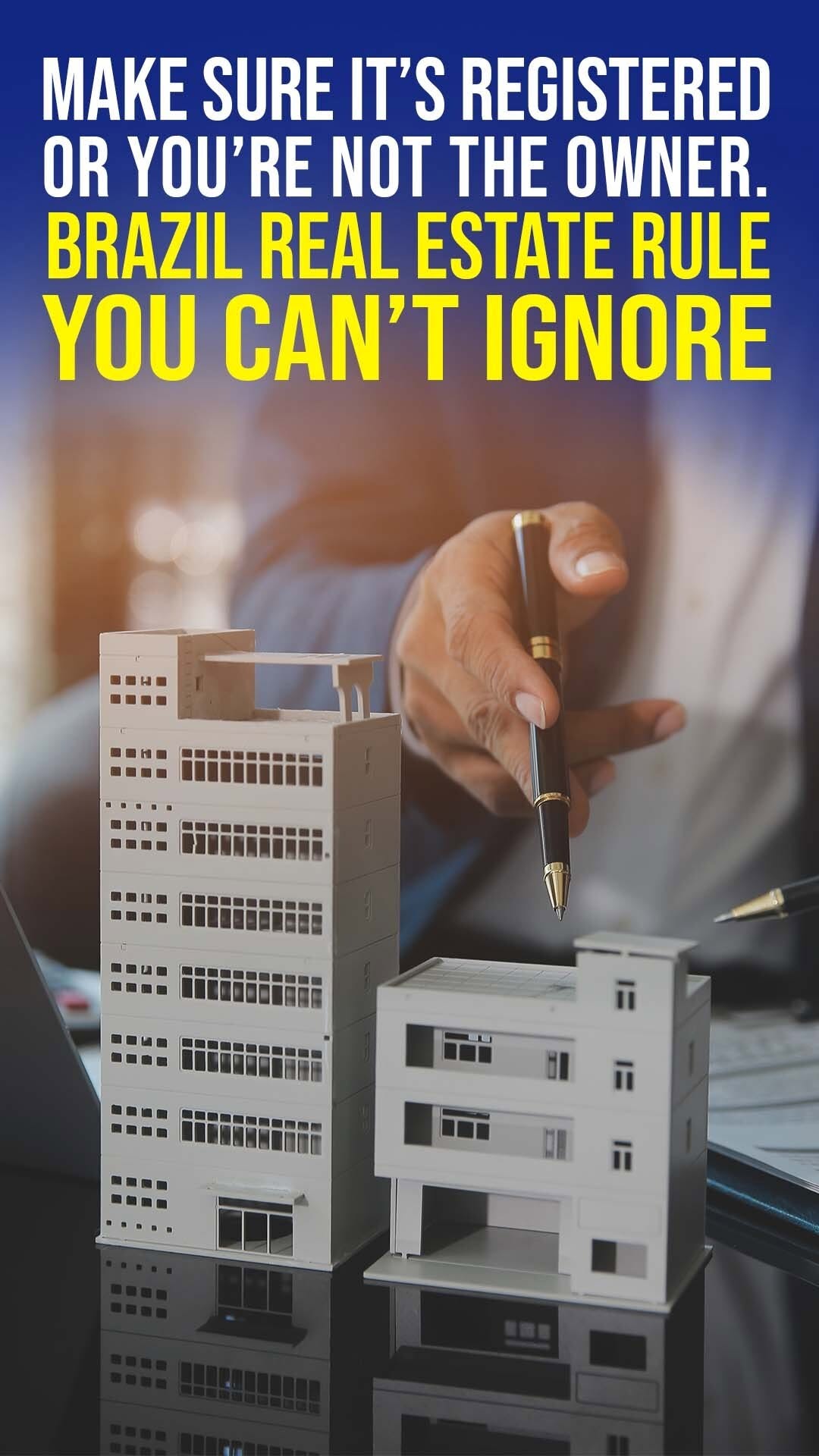
Thinking of buying property in Brazil? Don’t stop at the contract or key handover. Make sure the title is officially registered before calling it yours.
#BrazilRealEstate #PropertyLaw #GlobalInvestment #ForeignInvestors #LegalTips #DueDiligence #RealEstateRegistration #SecureInvestment
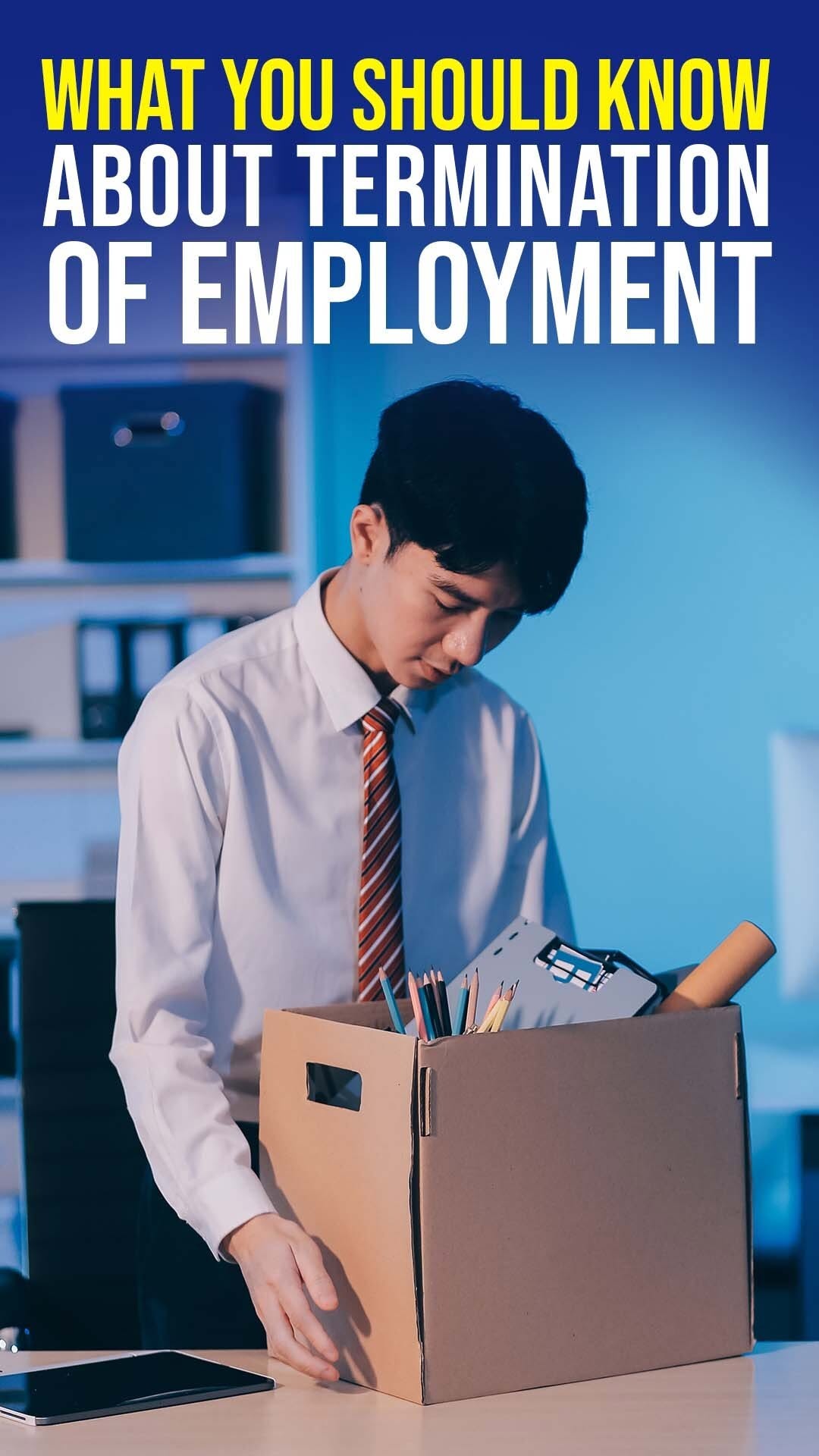
Getting a termination notice right now? Know your rights. Valid reason, fair process, proper notice they matter. Don’t let a bad dismissal walk away without accountability.
#EmploymentLaw #WorkerRights #Termination #LaborLaw #FairDismissal #WorkplaceJustice #LegalAwareness #GlobalWorkforce
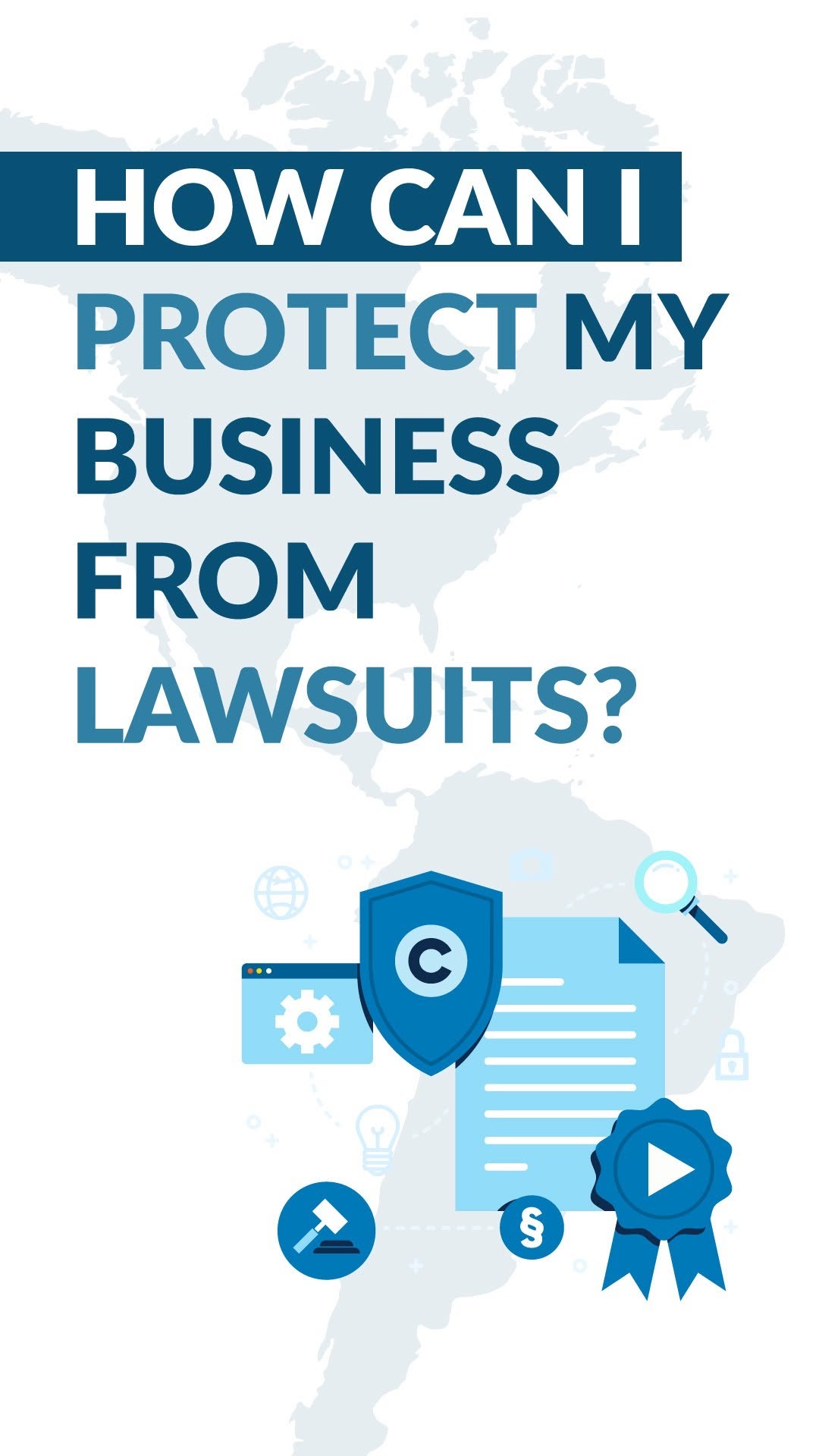
Running a business is hard enough — lawsuits shouldn’t make it harder. 🚫 Protect your business with the right legal strategies and expert tools from Global Law Experts. Let’s secure your future together! 💼
🌍Explore the details on our website.
➡️www.globallawexperts.com
#GlobalLawExperts #CommercialLaw #BusinessLaw #LegalAdvice #BusinessGrowth #LegalTips #BusinessStrategy #LegalCompliance #Law #LegalKnowledge #LegalAwareness #Law101 #LegalEducation #IntellectualProperty #Infringed #Ecommerce #LegalBranding
Global Law Experts is dedicated to providing exceptional legal services to clients around the world. With a vast network of highly skilled and experienced lawyers, we are committed to delivering innovative and tailored solutions to meet the diverse needs of our clients in various jurisdictions.
Thinking of buying property in Brazil? Start with a full legal safety net.
✔️ Check title and ownership history
✔️ Verify no debts or disputes
✔️ Confirm zoning and permits.
#BrazilProperty #RealEstateInvesting #LegalDueDiligence #ForeignInvestment #PropertyLaw #GlobalRealEstate #InvestmentRisk #BrazilLaw
When your international business faces financial distress, quick action is key! 🔑 Negotiating with creditors, restructuring debt, and understanding insolvency laws can help regain stability. Global Law Experts is here to guide you through your options.
🌍Explore the details on our website.
🔗Link in bio
#GlobalLawExperts #CommercialLaw #BusinessLaw #LegalAdvice #BusinessGrowth #LegalTips #BusinessStrategy #LegalCompliance #Law #LegalKnowledge #LegalAwareness #Law101 #LegalEducation #IntellectualProperty
Thinking of buying property in Brazil? Don’t stop at the contract or key handover. Make sure the title is officially registered before calling it yours.
#BrazilRealEstate #PropertyLaw #GlobalInvestment #ForeignInvestors #LegalTips #DueDiligence #RealEstateRegistration #SecureInvestment
Getting a termination notice right now? Know your rights. Valid reason, fair process, proper notice they matter. Don’t let a bad dismissal walk away without accountability.
#EmploymentLaw #WorkerRights #Termination #LaborLaw #FairDismissal #WorkplaceJustice #LegalAwareness #GlobalWorkforce
Running a business is hard enough — lawsuits shouldn’t make it harder. 🚫 Protect your business with the right legal strategies and expert tools from Global Law Experts. Let’s secure your future together! 💼
🌍Explore the details on our website.
➡️www.globallawexperts.com
#GlobalLawExperts #CommercialLaw #BusinessLaw #LegalAdvice #BusinessGrowth #LegalTips #BusinessStrategy #LegalCompliance #Law #LegalKnowledge #LegalAwareness #Law101 #LegalEducation #IntellectualProperty #Infringed #Ecommerce #LegalBranding
Send welcome message