[codicts-css-switcher id=”346″]

Global Law Experts Logo

International Family Lawyers Worldwide.

Global Law Experts

Meet Our International Family Lawyers

Discover top International Family legal experts in our independent lawyer network. Connect with recognized professionals worldwide.

Legal
Country
International Family
Legal
Country
International Family
3 results

Mukhtar Gharib

  • GOLD

Email:

Phone:

+971 2*****
Legal professional in traditional attire, facing the camera, presenting a confident expression against a dark background.
Legal consultancy firm logo featuring "AL GHARIB & Partners L.L.C" with text in English and Arabic.
Legal professional in traditional attire, facing the camera, presenting a confident expression against a dark background.

Mukhtar Gharib

  • GOLD

Mukhtar Gharib

  • GOLD
International Family Law in United Arab Emirates
  • AlGharib & Partners Advocates and Legal Consultants LLC
  • GOLD

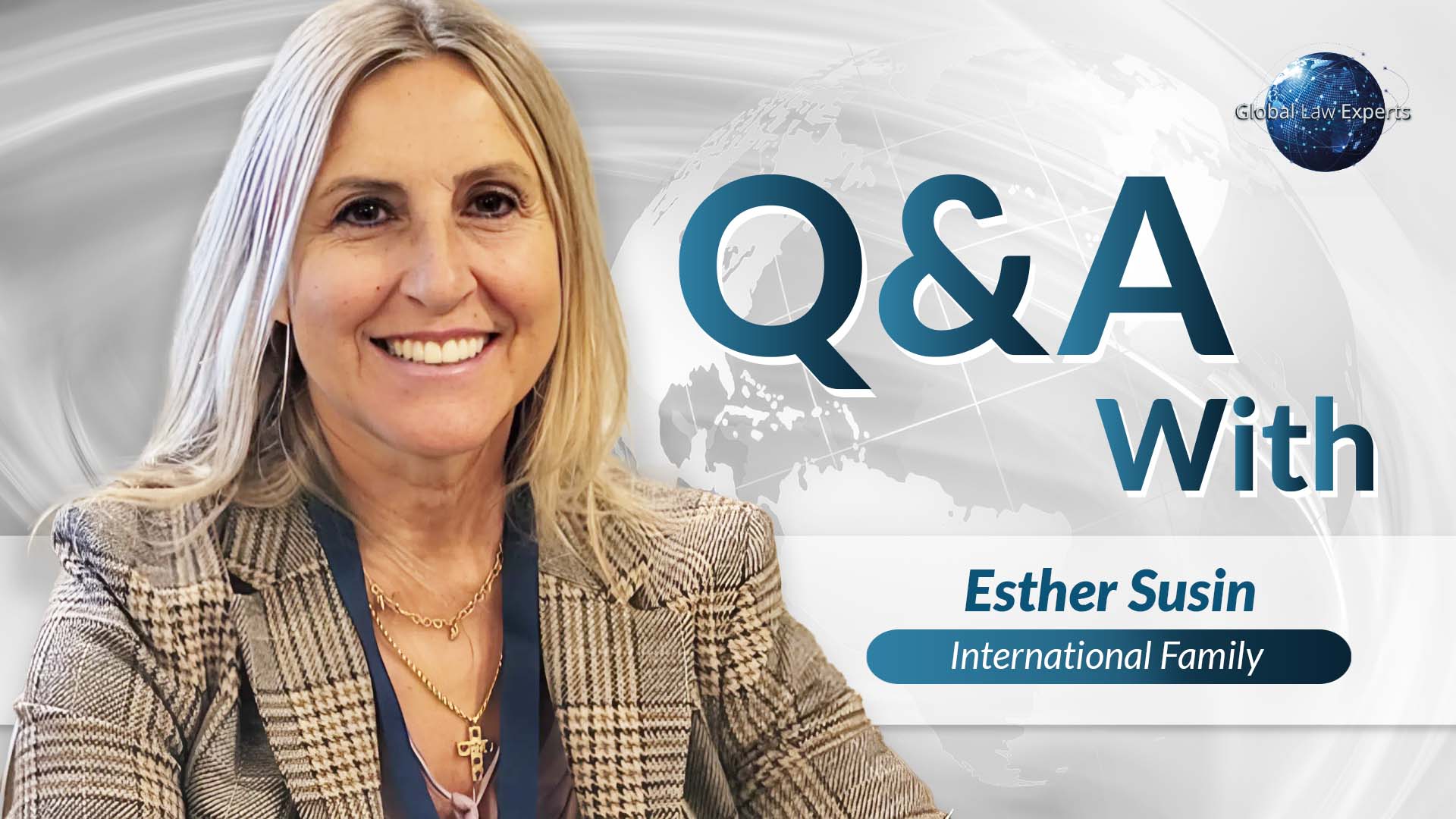
Esther Susin

  • GOLD

Email:

Phone:

+34 93*****
Photo-Esther Susin16.png
Copied-Logo-Esther Susin7.png
Photo-Esther Susin16.png
  • GOLD
Photo-Esther Susin16.png

Esther Susin

  • GOLD

Esther Susin

  • GOLD
International Family
  • E Susin International Law Firm
  • GOLD

Richard Min

  • GOLD

Email:

Phone:

212-23*****
Richard Min
Green Kaminer Min & Rockmore LLP
Richard Min

Richard Min

  • GOLD

Richard Min

  • GOLD
International Family Law in USA
  • Green Kaminer Min & Rockmore LLP

International Family News

Find Expert International Family Lawyers Through Global Law Experts

Reshape Global Domestic Relations with Expert International Family Counsel

International family law governs legal disputes and arrangements involving families whose members, assets, or residences span across multiple sovereign borders. This practice is critical for navigating the conflict of laws in sensitive matters such as cross-border divorce, the recognition of foreign prenuptial agreements, and complex financial settlements involving global property portfolios. Attorneys provide the essential framework for applying international treaties, most notably the Hague Convention, to resolve jurisdictional “forum shopping” and ensure the legal protection of family interests worldwide.

Global Law Experts connects you with premier international family specialists who possess the cultural sensitivity and legal fluency required to handle high-stakes domestic issues. These lawyers are established experts within their own fields, offering the tactical foresight needed to manage international parental child abduction cases, the enforcement of multi-jurisdictional maintenance orders, and the nuances of “habitual residence” determinations. Whether you are seeking to protect personal wealth during a global dissolution of marriage or navigating the complexities of international adoption, they provide the strategic advocacy needed to secure your family’s future across any border.

International Family Related Videos

Professional International Family Help You Can Trust

We will help match you with a qualified International Family law specialist who can offer reliable advice, clarify your options, and guide you through the next steps in the legal process.
Main Lead Capture Form - Home

Every GLE member is independently vetted by practice area and jurisdiction.

Client Success Stories

Testimonial-by-Jonathan-Gilmour.png
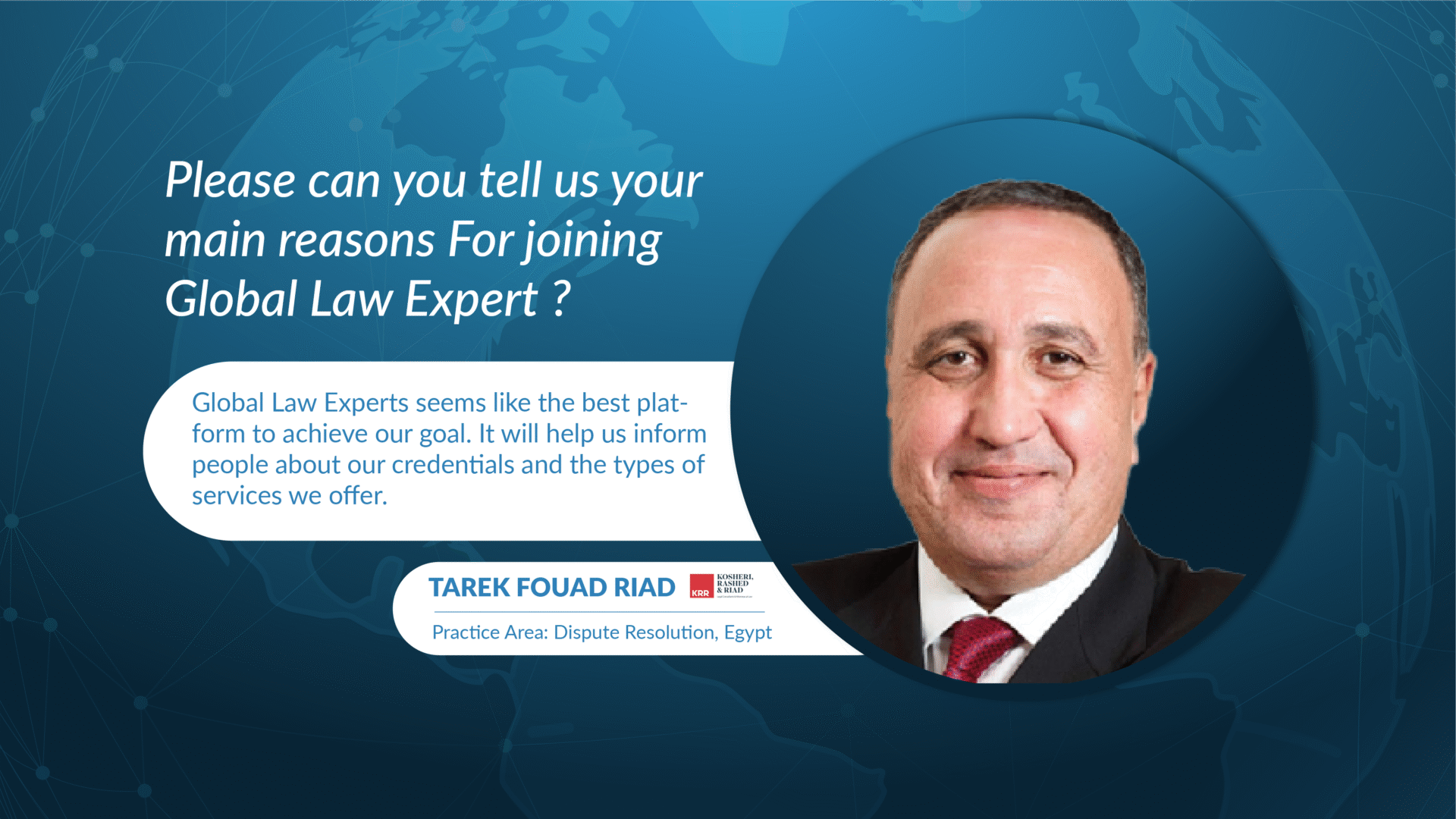
Testimonial-by-Tarek-Fouad-Riad.png
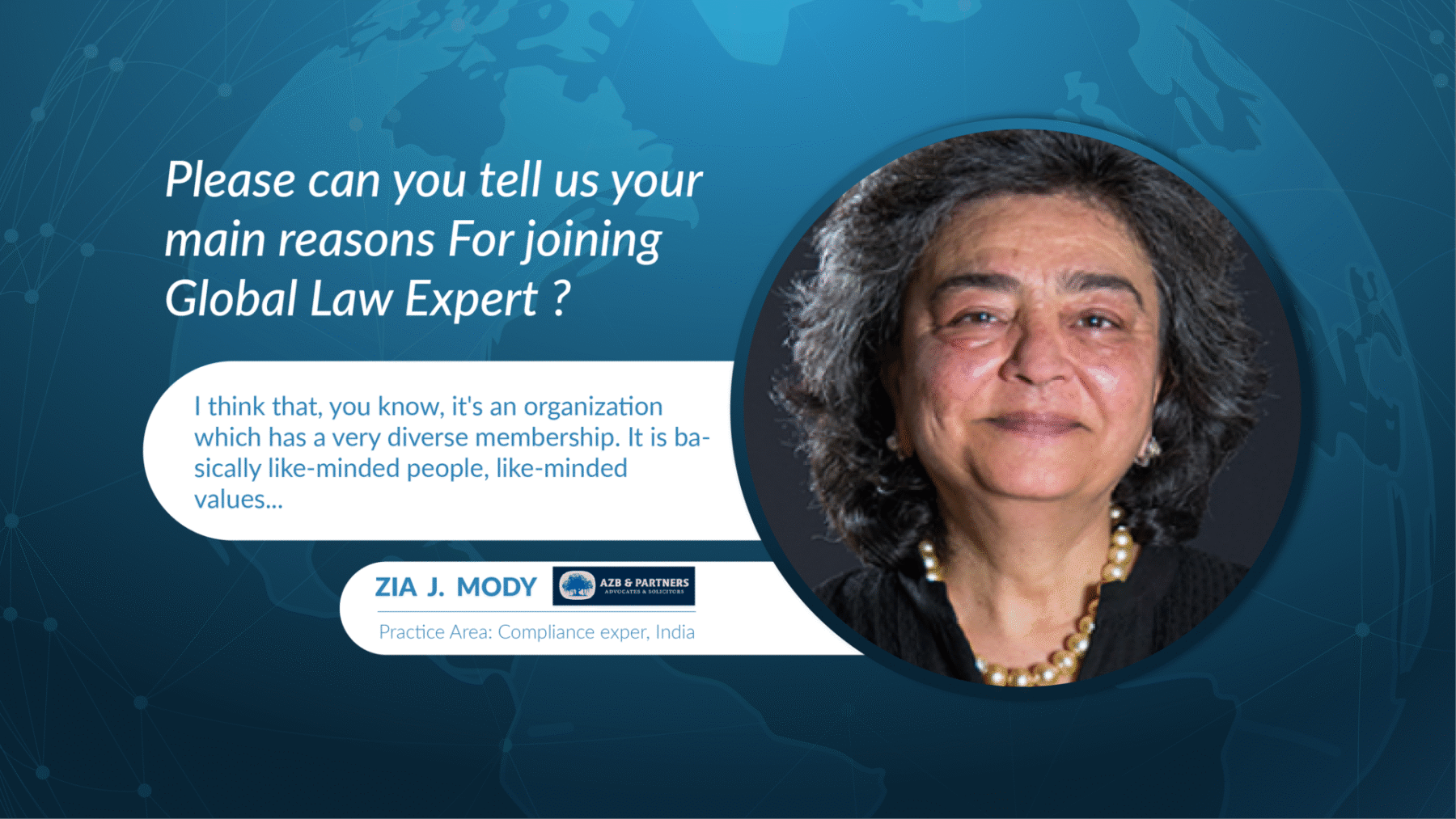
Testimonial-by-Zia-J.-Mody.png
Testimonial-by-Virginie-Tassin-Campanella.png
Testimonial-by-Marta-Dunphy-Moriel.png
Testimonial-by-Mario-Alberto-Arias-V.png
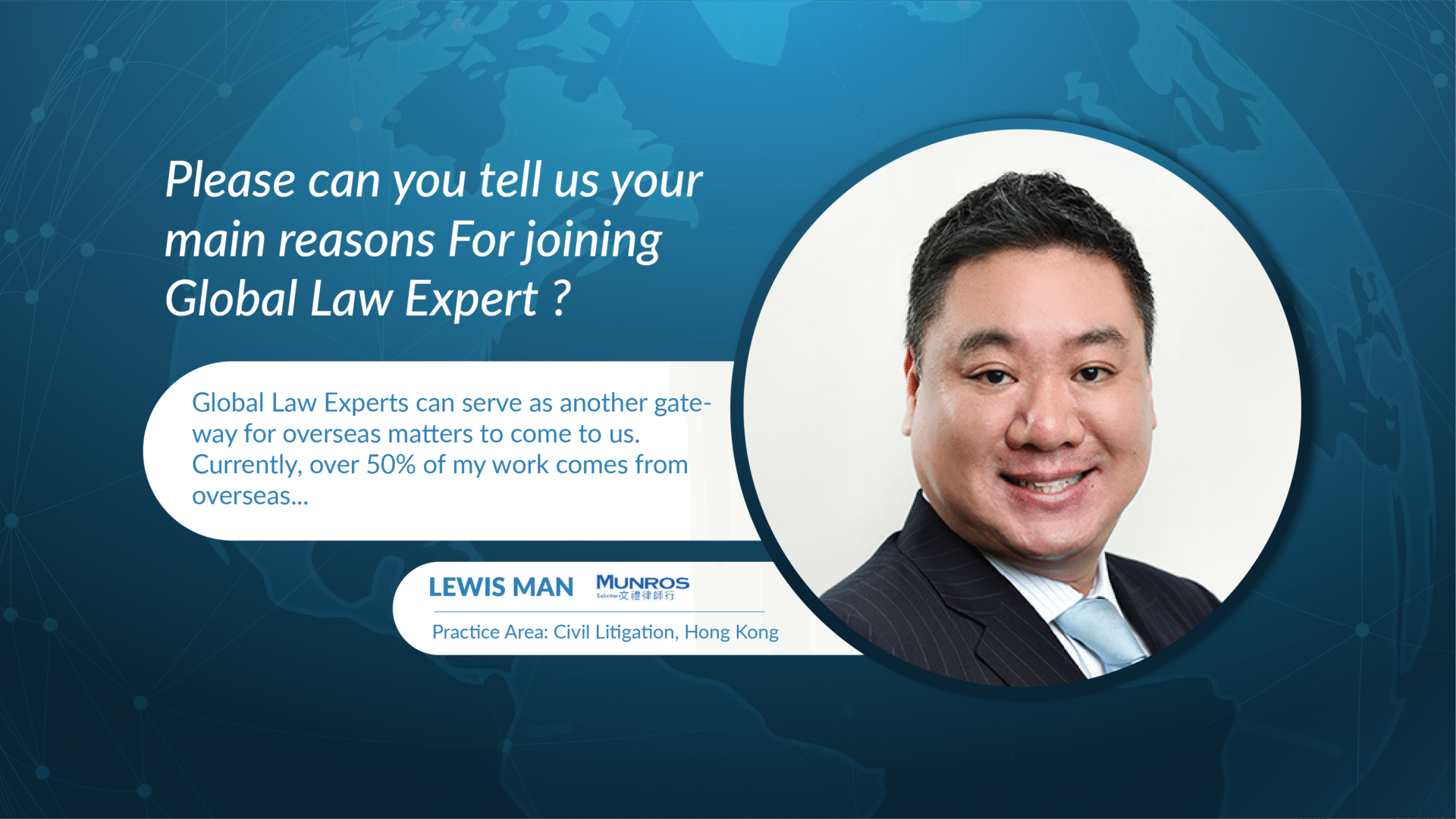
Testimonial-by-Lewis-Man.png
Testimonial-by-Kerwin-K.-Tan.png
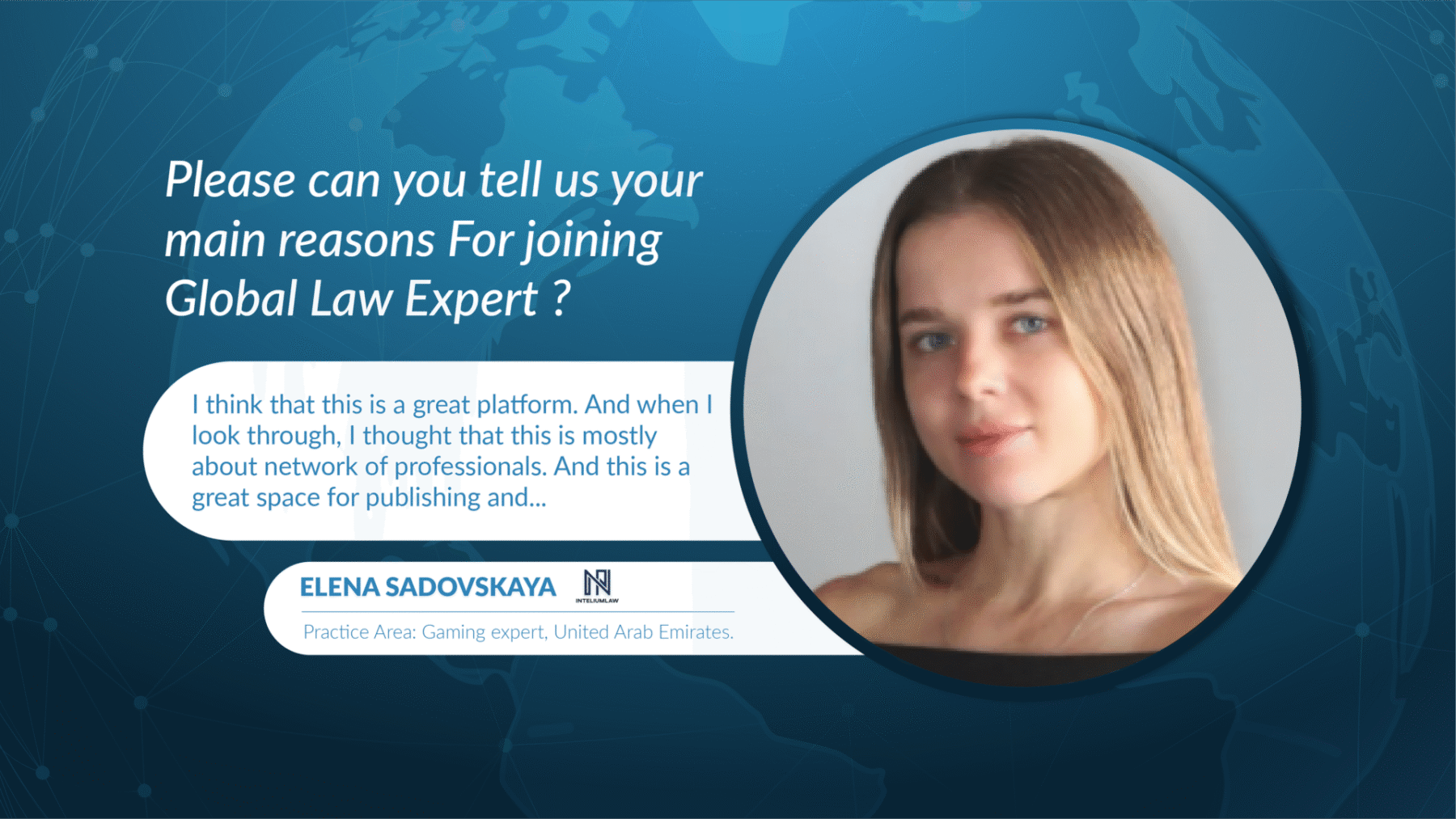
Testimonial-by-Elena-Sadovskaya.png
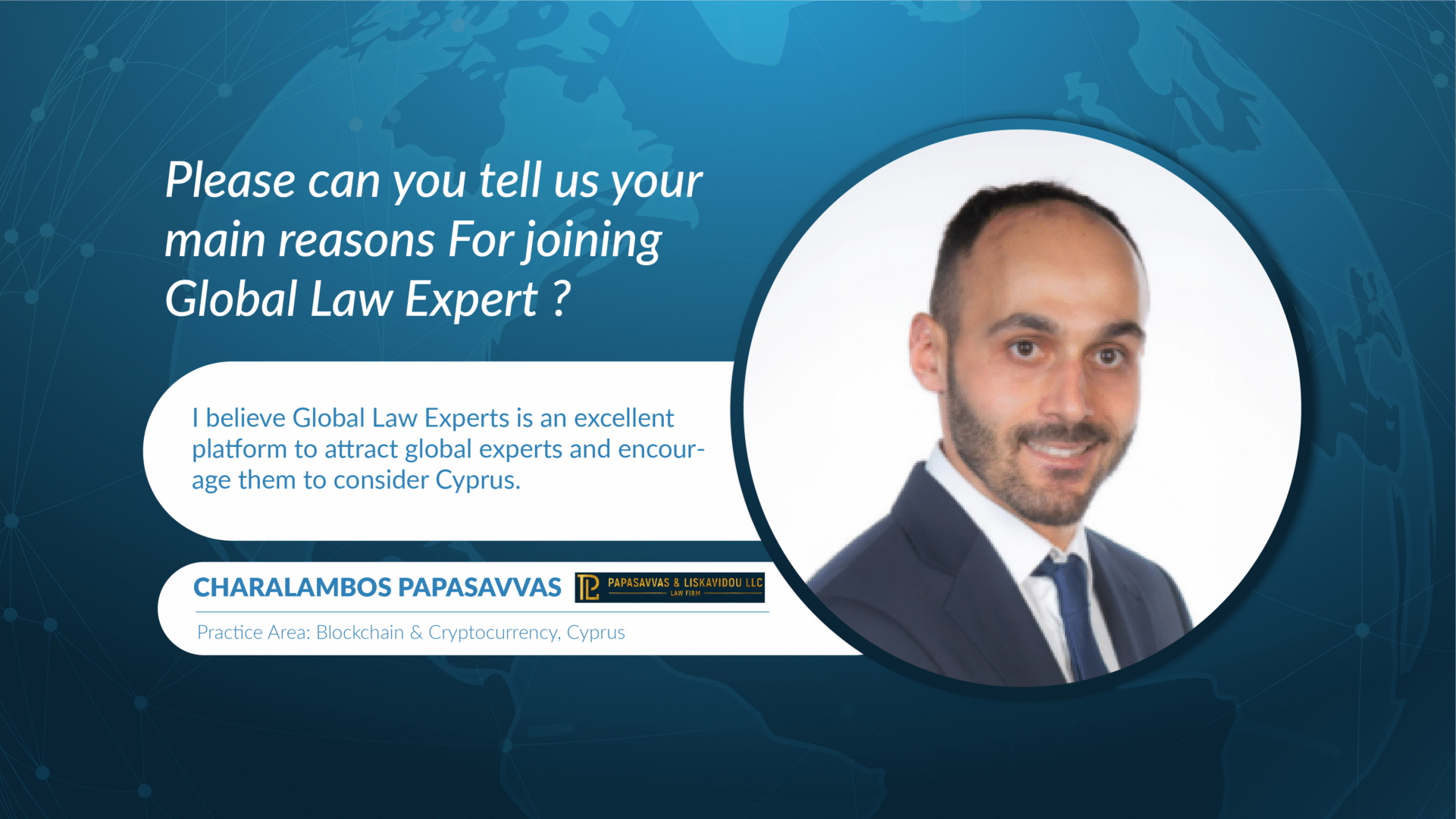
Testimonial-by-Charalambos-Papasavvas.png

International Family FAQ's

An International Family lawyer navigates the complex intersection of domestic family statutes and international treaties. Their practice focuses primarily on cross-border divorces where spouses have different nationalities or live in different countries, and the critical decision of “forum” (which country’s courts hear the case) can drastically alter financial outcomes. Beyond divorce, they handle high-stakes children’s issues, including international abduction under the Hague Convention, “leave to remove” applications for parents wishing to relocate abroad, and the recognition of foreign adoption or surrogacy orders to ensure a child’s legal status is secure in their new home country.

The Hague Convention on the Civil Aspects of International Child Abduction is a treaty designed to secure the prompt return of children wrongfully removed or retained abroad. It is not a custody hearing; rather, it is a jurisdictional mechanism that freezes the legal status quo, requiring the court in the new country to send the child back to their “habitual residence” so the original courts can decide custody. A lawyer works with the “Central Authority” in both nations to file a return order, arguing that the removal breached your rights of custody, while simultaneously defending against exceptions the abductor might raise, such as a “grave risk of harm” to the child upon return.

No, moving a child internationally without the other parent’s consent or a court order is illegal and constitutes child abduction, potentially triggering criminal charges and a Hague Convention return proceeding. If the other parent refuses to consent, you must apply to the court for “Leave to Remove” (or permission to relocate), where a judge will scrutinize your plan to ensure the move is in the child’s best interests—not just yours. You must prove you have a viable plan for housing, schooling, and financing in the new country, and crucially, demonstrate exactly how you will maintain the child’s relationship with the “left behind” parent through travel and technology.


Courts determine jurisdiction based on connecting factors like where the couple has their “habitual residence,” where they are domiciled, or their nationality. In many jurisdictions, particularly in the EU, the “lis pendens” rule applies, meaning the first court seized of the matter secures jurisdiction, leading to a “race to court” where the faster filing spouse locks in the legal system most favorable to them. In other systems like the UK or US, courts may use the doctrine of forum non conveniens to decline a case if they believe another country is a more appropriate place to hear the dispute, requiring lawyers to argue complex “closest connection” tests.

There is no automatic global validity for prenuptial agreements, and relying on a single document across borders is legally dangerous. Civil Law countries (like France or Germany) often use strict “marriage contracts” that are binding, whereas Common Law countries (like the UK) traditionally viewed them as merely persuasive, though this is changing. To ensure protection, international lawyers often draft “mirror agreements”—separate contracts signed in each relevant jurisdiction that reflect the same terms but comply with local procedural rules, preventing a judge in one country from throwing out the agreement because it lacked a specific local formality.

Enforcing support abroad used to be nearly impossible, but treaties like the 2007 Hague Maintenance Convention and reciprocal enforcement agreements (like REMO in the UK) have created legal pathways to collect money internationally. A lawyer registers your domestic support order in the paying parent’s new country, effectively converting it into a local judgment that foreign authorities can enforce through wage garnishment or asset seizure. However, this process is bureaucratic and slow, often requiring the lawyer to prove that the original court had proper jurisdiction over the debtor to prevent them from challenging the debt on technical grounds.

The primary risk is “limping parentage,” where the intended parents are recognized as legal parents in the surrogate’s country but not in their home country, leaving the child stateless and unable to travel. For example, while a California court might grant a pre-birth order naming you the parent, your home country might view the surrogate as the legal mother until a formal adoption or parental order is completed months later. A lawyer manages this “immigration gap” by securing emergency travel documents and ensuring that DNA testing and local court filings meet the strict citizenship requirements of the parents’ home nation.

Courts generally have “in personam” jurisdiction over the spouses, meaning they can order a husband to transfer a French villa to his wife even if the court is in London, but enforcing that order is difficult if he refuses. If the foreign land registry refuses to recognize the divorce order, a lawyer may need to initiate parallel proceedings in that country to domesticate the judgment. Furthermore, lawyers must navigate “conflict of laws” regarding marital regimes; for instance, a couple married in South Africa might be subject to a “community of property” regime that dictates a 50/50 split of worldwide assets, regardless of where they currently live or where the assets are parked.

International Family FAQ's

An International Family lawyer navigates the complex intersection of domestic family statutes and international treaties. Their practice focuses primarily on cross-border divorces where spouses have different nationalities or live in different countries, and the critical decision of "forum" (which country's courts hear the case) can drastically alter financial outcomes. Beyond divorce, they handle high-stakes children's issues, including international abduction under the Hague Convention, "leave to remove" applications for parents wishing to relocate abroad, and the recognition of foreign adoption or surrogacy orders to ensure a child's legal status is secure in their new home country.

The Hague Convention on the Civil Aspects of International Child Abduction is a treaty designed to secure the prompt return of children wrongfully removed or retained abroad. It is not a custody hearing; rather, it is a jurisdictional mechanism that freezes the legal status quo, requiring the court in the new country to send the child back to their "habitual residence" so the original courts can decide custody. A lawyer works with the "Central Authority" in both nations to file a return order, arguing that the removal breached your rights of custody, while simultaneously defending against exceptions the abductor might raise, such as a "grave risk of harm" to the child upon return.

No, moving a child internationally without the other parent's consent or a court order is illegal and constitutes child abduction, potentially triggering criminal charges and a Hague Convention return proceeding. If the other parent refuses to consent, you must apply to the court for "Leave to Remove" (or permission to relocate), where a judge will scrutinize your plan to ensure the move is in the child's best interests—not just yours. You must prove you have a viable plan for housing, schooling, and financing in the new country, and crucially, demonstrate exactly how you will maintain the child's relationship with the "left behind" parent through travel and technology.

Courts determine jurisdiction based on connecting factors like where the couple has their "habitual residence," where they are domiciled, or their nationality. In many jurisdictions, particularly in the EU, the "lis pendens" rule applies, meaning the first court seized of the matter secures jurisdiction, leading to a "race to court" where the faster filing spouse locks in the legal system most favorable to them. In other systems like the UK or US, courts may use the doctrine of forum non conveniens to decline a case if they believe another country is a more appropriate place to hear the dispute, requiring lawyers to argue complex "closest connection" tests.


There is no automatic global validity for prenuptial agreements, and relying on a single document across borders is legally dangerous. Civil Law countries (like France or Germany) often use strict "marriage contracts" that are binding, whereas Common Law countries (like the UK) traditionally viewed them as merely persuasive, though this is changing. To ensure protection, international lawyers often draft "mirror agreements"—separate contracts signed in each relevant jurisdiction that reflect the same terms but comply with local procedural rules, preventing a judge in one country from throwing out the agreement because it lacked a specific local formality.

Enforcing support abroad used to be nearly impossible, but treaties like the 2007 Hague Maintenance Convention and reciprocal enforcement agreements (like REMO in the UK) have created legal pathways to collect money internationally. A lawyer registers your domestic support order in the paying parent's new country, effectively converting it into a local judgment that foreign authorities can enforce through wage garnishment or asset seizure. However, this process is bureaucratic and slow, often requiring the lawyer to prove that the original court had proper jurisdiction over the debtor to prevent them from challenging the debt on technical grounds.

The primary risk is "limping parentage," where the intended parents are recognized as legal parents in the surrogate's country but not in their home country, leaving the child stateless and unable to travel. For example, while a California court might grant a pre-birth order naming you the parent, your home country might view the surrogate as the legal mother until a formal adoption or parental order is completed months later. A lawyer manages this "immigration gap" by securing emergency travel documents and ensuring that DNA testing and local court filings meet the strict citizenship requirements of the parents' home nation.

Courts generally have "in personam" jurisdiction over the spouses, meaning they can order a husband to transfer a French villa to his wife even if the court is in London, but enforcing that order is difficult if he refuses. If the foreign land registry refuses to recognize the divorce order, a lawyer may need to initiate parallel proceedings in that country to domesticate the judgment. Furthermore, lawyers must navigate "conflict of laws" regarding marital regimes; for instance, a couple married in South Africa might be subject to a "community of property" regime that dictates a 50/50 split of worldwide assets, regardless of where they currently live or where the assets are parked.

Join
who are already getting the benefits
0
Sign up for the latest legal briefings and news within Global Law Experts’ community, as well as a whole host of features, editorial and conference updates direct to your email inbox. Naturally you can unsubscribe at any time.
Newsletter Sign Up
About Us

Global Law Experts is dedicated to providing exceptional legal services to clients around the world. With a vast network of highly skilled and experienced lawyers, we are committed to delivering innovative and tailored solutions to meet the diverse needs of our clients in various jurisdictions.

Global Law Experts App

Now Available on the App & Google Play Stores.

Social Posts
[wp_social_ninja id="50714" platform="instagram"]

See More:

Contact Us

Stay Informed

Join Mailing List
About Us

Global Law Experts is dedicated to providing exceptional legal services to clients around the world. With a vast network of highly skilled and experienced lawyers, we are committed to delivering innovative and tailored solutions to meet the diverse needs of our clients in various jurisdictions.

Social Posts
[wp_social_ninja id="50714" platform="instagram"]

See More:

Global Law Experts App

Now Available on the App & Google Play Stores.

Contact Us

Stay Informed

Join Mailing List

GLE

Lawyer Profile Page - Lead Capture
GLE-Logo-White
Lawyer Profile Page - Lead Capture
Richard Min

Richard Min

Send welcome message

Custom Message