[codicts-css-switcher id=”346″]

Global Law Experts Logo

Energy Lawyers Worldwide.

Global Law Experts

Meet Our Energy Lawyers

Discover top Energy lawyers worldwide on Global Law Experts. Connect with independent legal experts in Energy law for your legal needs.

Legal
Country
Energy
Legal
Country
Energy
7 results

Evangelos N. Courakis

  • GOLD

Email:

Phone:

+30210*****
  • GOLD

Evangelos N. Courakis

Evangelos N. Courakis

  • GOLD

Evangelos N. Courakis

  • GOLD
Energy Law in Greece
  • KOUTALIDIS | LAW FIRM
  • GOLD

Aboubacar Sidiki Kanté

  • GOLD

Email:

Phone:

+224 6*****
Professional man wearing glasses and a suit, looking confidently at the camera.
Logo for legal firm "Ask Avocats" featuring geometric shapes in green and blue on a black background.
Professional man wearing glasses and a suit, looking confidently at the camera.
  • GOLD

Aboubacar Sidiki Kanté

Logo for legal firm "Ask Avocats" featuring geometric shapes in green and blue on a black background.
Professional man wearing glasses and a suit, looking confidently at the camera.

Aboubacar Sidiki Kanté

  • GOLD

Aboubacar Sidiki Kanté

  • GOLD
Energy Law in Guinea
  • ASK AVOCATS
  • GOLD

Madiyar Bekturganov

  • GOLD

Email:

Phone:

+77017*****
Attorney in formal attire, with glasses, posing for a professional portrait against a plain background.
Law firm logo displaying "Zan Hub" with "Attorneys Group Zanger" text above in an elegant font.
Attorney in formal attire, with glasses, posing for a professional portrait against a plain background.
  • GOLD
Attorney in formal attire, with glasses, posing for a professional portrait against a plain background.

Madiyar Bekturganov

  • GOLD

Madiyar Bekturganov

  • GOLD
Energy Law in Kazakhstan
  • Zan Hub LLP
  • GOLD

Saurav Kumar

  • GOLD

Email:

Phone:

+91 11*****
Photo-saurav35.png
Logo-Saurav Kumar-29.png
Photo-saurav35.png
  • GOLD

Saurav Kumar

Logo-Saurav Kumar-29.png

Saurav Kumar

  • GOLD
Energy
  • Induslaw
  • GOLD

Jon Paul Mouttet

  • GOLD

Email:

Phone:

(868) *****
Jon Paul Mouttet
Fitzwilliam Stone Furness-Smith & Morgan
Jon Paul Mouttet
  • GOLD
Jon Paul Mouttet

Jon Paul Mouttet

  • GOLD

Jon Paul Mouttet

  • GOLD
Energy Law in Trinidad and Tobago
  • Fitzwilliam Stone Furness-Smith & Morgan
  • GOLD

Ron Galea Cavallazzi

  • GOLD

Email:

Phone:

(+356)*****
Photo-rongalea13.png
Logo-camilleri12.png
Photo-rongalea13.png

Ron Galea Cavallazzi

Logo-camilleri12.png
Photo-rongalea13.png

Ron Galea Cavallazzi

  • GOLD

Ron Galea Cavallazzi

  • GOLD
Energy Law in Malta
  • Camilleri Preziosi Advocates

Eleni Svoronou

  • GOLD

Email:

Phone:

*****
  • GOLD

Eleni Svoronou

  • GOLD

Eleni Svoronou

  • GOLD
Energy Law in Greece
  • KOUTALIDIS | LAW FIRM
  • GOLD

Energy News

Find Expert Energy Lawyers Through Global Law Experts

Fuel Global Innovation with Expert Energy Counsel

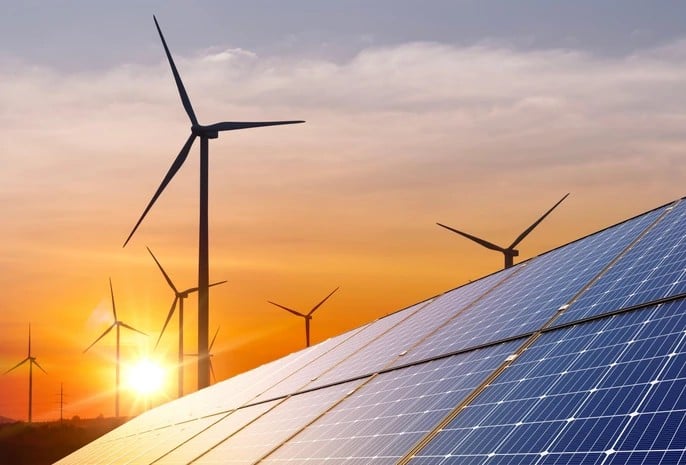
Energy law is the specialized legal discipline governing the creation, distribution, and regulation of power. It serves as the foundation for both traditional fossil fuel extraction and the rapidly evolving Energy Transition toward renewables like solar, wind, and green hydrogen. Attorneys provide the essential framework for navigating Grid Interconnection agreements, ensuring compliance with Nuclear Regulatory standards, and managing the complexities of Offtake Agreements. This practice is vital for balancing the urgent demand for energy security with the stringent requirements of environmental and climate change legislation.

Global Law Experts connects you with premier energy specialists who possess the technical and commercial depth required to lead multi-billion dollar projects. These practitioners are established experts within their own fields, offering the tactical foresight needed to handle Power Purchase Agreements (PPAs), navigate the “merchant risk” of deregulated markets, and manage the decommissioning of legacy assets. Whether you are a private equity firm investing in battery storage or a national utility modernizing a smart grid, they provide the strategic advocacy and regulatory fluency needed to power any legal forum.

Energy Related Videos

Professional Energy Help You Can Trust

We will help match you with a qualified Energy law specialist who can offer reliable advice, clarify your options, and guide you through the next steps in the legal process.
Main Lead Capture Form - Home

Every GLE member is independently vetted by practice area and jurisdiction.

Client Success Stories

Testimonial-by-Jonathan-Gilmour.png
Testimonial-by-Tarek-Fouad-Riad.png
Testimonial-by-Zia-J.-Mody.png
Testimonial-by-Virginie-Tassin-Campanella.png
Testimonial-by-Marta-Dunphy-Moriel.png
Testimonial-by-Mario-Alberto-Arias-V.png
Testimonial-by-Lewis-Man.png
Testimonial-by-Kerwin-K.-Tan.png
Testimonial-by-Elena-Sadovskaya.png
Testimonial-by-Charalambos-Papasavvas.png

Energy FAQ's

An Energy lawyer manages the legal and regulatory lifecycle of power generation and resource extraction projects. They act as strategic advisors for oil, gas, and renewable energy companies, navigating the complex federal and state regulations (such as those from the FERC or EPA) that govern how energy is produced, transported, and sold. Beyond regulatory compliance, they draft and negotiate the high-value commercial contracts required to build infrastructure—such as Engineering, Procurement, and Construction (EPC) agreements—and handle the transactional work for buying or selling energy assets, ensuring that environmental liabilities and land rights are properly transferred.


Yes, legal counsel is essential because a PPA is a complex, long-term contract (often 15–20 years) that serves as the project’s primary revenue guarantee. A lawyer allocates critical financial risks between the generator and the off-taker, strictly defining terms regarding “curtailment” (when the grid forces the plant to stop producing), negative pricing, and basis risk (price differences between locations). If these clauses are not drafted precisely, a developer may find themselves locked into a decades-long agreement that forces them to operate at a loss whenever market conditions fluctuate, with no legal ability to terminate the deal.

A lawyer assists by structuring the project to meet the strict “bankability” requirements of lenders and tax equity investors. They design complex investment vehicles, such as “partnership flips” or “sale-leasebacks,” which allow investors to monetize federal tax credits (like the ITC or PTC) in exchange for providing upfront capital. The lawyer also conducts rigorous due diligence on the project’s permits and land leases to prove to the bank that the project has the unshakeable legal right to operate for its entire lifespan, securing the non-recourse debt needed for construction.

The approval process is a multi-layered regulatory maze involving federal, state, and local authorities. A lawyer identifies and secures the necessary permits, which typically include interconnection approval from the grid operator (ISO/RTO), environmental impact assessments under laws like NEPA, and construction certificates from state utility commissions. They also navigate local zoning ordinances and secure land use permits, often representing the project at public hearings to overcome opposition from community groups or environmental activists who might challenge the project’s placement.

Lawyers resolve disputes that typically arise over royalty payments and the continuation of lease rights. They litigate complex accounting disagreements regarding “post-production costs,” where landowners claim the energy company illegally deducted gathering and transportation fees from their royalty checks. Additionally, lawyers defend or challenge the validity of leases based on “habendum clauses,” arguing whether the company is producing enough oil to legally hold the lease (producing in “paying quantities”) or if the lease has expired due to inactivity, allowing the landowner to sign a new deal with a different operator.

Yes, a lawyer is critical for navigating the increasingly congested “interconnection queues” managed by grid operators like PJM or CAISO. They negotiate the Interconnection Service Agreement (ISA) to protect the developer from excessive cost-sharing requirements, ensuring the project isn’t unfairly forced to pay for unrelated grid upgrades deep in the network. If the grid operator misses study deadlines or changes the technical requirements mid-process, a lawyer challenges these delays through regulatory dispute procedures to prevent the project from dying in the queue.

In energy M&A, a lawyer focuses on asset-specific due diligence to uncover environmental liabilities and regulatory risks that don’t appear on a standard balance sheet. They scrutinize the target company’s compliance history to ensure the buyer isn’t inheriting millions of dollars in future cleanup costs for old oil spills or leaking pipelines. They also manage the transfer of non-assignable permits and government licenses, structuring the deal (often as a stock sale rather than an asset sale) to ensure the facility retains its legal authority to operate the moment ownership changes hands.

Legally, carbon trading relies on a robust system of verification and contract law to prevent fraud and “double counting.” A lawyer ensures that the carbon credits—whether in a mandatory “Cap-and-Trade” market or the voluntary market—meet strict standards of “additionality,” proving the carbon reduction wouldn’t have happened anyway. They draft the emission reduction purchase agreements (ERPAs) that define who owns the rights to the carbon offset and oversee the formal “retirement” of the credit in a public registry, ensuring the buyer can legally claim the environmental benefit without risk of greenwashing litigation.

Energy FAQ's

An Energy lawyer manages the legal and regulatory lifecycle of power generation and resource extraction projects. They act as strategic advisors for oil, gas, and renewable energy companies, navigating the complex federal and state regulations (such as those from the FERC or EPA) that govern how energy is produced, transported, and sold. Beyond regulatory compliance, they draft and negotiate the high-value commercial contracts required to build infrastructure—such as Engineering, Procurement, and Construction (EPC) agreements—and handle the transactional work for buying or selling energy assets, ensuring that environmental liabilities and land rights are properly transferred.

Yes, legal counsel is essential because a PPA is a complex, long-term contract (often 15–20 years) that serves as the project's primary revenue guarantee. A lawyer allocates critical financial risks between the generator and the off-taker, strictly defining terms regarding "curtailment" (when the grid forces the plant to stop producing), negative pricing, and basis risk (price differences between locations). If these clauses are not drafted precisely, a developer may find themselves locked into a decades-long agreement that forces them to operate at a loss whenever market conditions fluctuate, with no legal ability to terminate the deal.

A lawyer assists by structuring the project to meet the strict "bankability" requirements of lenders and tax equity investors. They design complex investment vehicles, such as "partnership flips" or "sale-leasebacks," which allow investors to monetize federal tax credits (like the ITC or PTC) in exchange for providing upfront capital. The lawyer also conducts rigorous due diligence on the project's permits and land leases to prove to the bank that the project has the unshakeable legal right to operate for its entire lifespan, securing the non-recourse debt needed for construction.

The approval process is a multi-layered regulatory maze involving federal, state, and local authorities. A lawyer identifies and secures the necessary permits, which typically include interconnection approval from the grid operator (ISO/RTO), environmental impact assessments under laws like NEPA, and construction certificates from state utility commissions. They also navigate local zoning ordinances and secure land use permits, often representing the project at public hearings to overcome opposition from community groups or environmental activists who might challenge the project's placement.

Lawyers resolve disputes that typically arise over royalty payments and the continuation of lease rights. They litigate complex accounting disagreements regarding "post-production costs," where landowners claim the energy company illegally deducted gathering and transportation fees from their royalty checks. Additionally, lawyers defend or challenge the validity of leases based on "habendum clauses," arguing whether the company is producing enough oil to legally hold the lease (producing in "paying quantities") or if the lease has expired due to inactivity, allowing the landowner to sign a new deal with a different operator.

Yes, a lawyer is critical for navigating the increasingly congested "interconnection queues" managed by grid operators like PJM or CAISO. They negotiate the Interconnection Service Agreement (ISA) to protect the developer from excessive cost-sharing requirements, ensuring the project isn't unfairly forced to pay for unrelated grid upgrades deep in the network. If the grid operator misses study deadlines or changes the technical requirements mid-process, a lawyer challenges these delays through regulatory dispute procedures to prevent the project from dying in the queue.

In energy M&A, a lawyer focuses on asset-specific due diligence to uncover environmental liabilities and regulatory risks that don't appear on a standard balance sheet. They scrutinize the target company's compliance history to ensure the buyer isn't inheriting millions of dollars in future cleanup costs for old oil spills or leaking pipelines. They also manage the transfer of non-assignable permits and government licenses, structuring the deal (often as a stock sale rather than an asset sale) to ensure the facility retains its legal authority to operate the moment ownership changes hands.

Legally, carbon trading relies on a robust system of verification and contract law to prevent fraud and "double counting." A lawyer ensures that the carbon credits—whether in a mandatory "Cap-and-Trade" market or the voluntary market—meet strict standards of "additionality," proving the carbon reduction wouldn't have happened anyway. They draft the emission reduction purchase agreements (ERPAs) that define who owns the rights to the carbon offset and oversee the formal "retirement" of the credit in a public registry, ensuring the buyer can legally claim the environmental benefit without risk of greenwashing litigation.

Join
who are already getting the benefits
0
Sign up for the latest legal briefings and news within Global Law Experts’ community, as well as a whole host of features, editorial and conference updates direct to your email inbox. Naturally you can unsubscribe at any time.
Newsletter Sign Up
About Us

Global Law Experts is dedicated to providing exceptional legal services to clients around the world. With a vast network of highly skilled and experienced lawyers, we are committed to delivering innovative and tailored solutions to meet the diverse needs of our clients in various jurisdictions.

Global Law Experts App

Now Available on the App & Google Play Stores.

Social Posts
[wp_social_ninja id="50714" platform="instagram"]

See More:

Contact Us

Stay Informed

Join Mailing List
About Us

Global Law Experts is dedicated to providing exceptional legal services to clients around the world. With a vast network of highly skilled and experienced lawyers, we are committed to delivering innovative and tailored solutions to meet the diverse needs of our clients in various jurisdictions.

Social Posts
[wp_social_ninja id="50714" platform="instagram"]

See More:

Global Law Experts App

Now Available on the App & Google Play Stores.

Contact Us

Stay Informed

Join Mailing List

GLE

Lawyer Profile Page - Lead Capture
GLE-Logo-White
Lawyer Profile Page - Lead Capture

Eleni Svoronou

Send welcome message

Custom Message