Global Law Experts
Lawyers
Countries Covered
Practice Areas
Discover independent Copyright lawyers worldwide on Global Law Experts. Explore award-winning legal experts in Copyright law.
No results available Reset filters?
posted 8 months ago
No results available Reset filters?
Copyright law safeguards original works of authorship, including art, literature, music, software, and digital content. Whether you’re securing rights, enforcing protections, or defending against infringement claims, having experienced legal guidance is essential to protect your creative assets.
Global Law Experts connects you with skilled copyright lawyers who provide strategic, tailored counsel for creators, businesses, and organizations. Our vetted specialists assist with registration, licensing agreements, infringement disputes, enforcement, and digital rights management—helping you maximize the value of your intellectual property and resolve copyright challenges with confidence.
Every GLE member is independently vetted by practice area and jurisdiction.
While both protect intellectual property, they cover completely different assets. A Copyright Lawyer protects original creative works fixed in a tangible medium, such as books, music, software code, and paintings. A Trademark Lawyer protects brand identifiers that distinguish your business from others, such as logos, slogans, and brand names. You need a copyright lawyer if someone pirates your novel, but you need a trademark lawyer if a competitor starts selling shoes with a logo that looks just like yours.

Technically, no; copyright exists the moment you create the work and “fix” it in a tangible form (like writing it on paper or saving it to a hard drive). However, in the United States, you generally must register with the U.S. Copyright Office before you can file a lawsuit to enforce your rights. Furthermore, registering promptly (usually within 3 months of publication) is critical because it allows you to sue for “Statutory Damages” (up to $150,000 per infringement) and attorney fees, rather than just the actual money you lost, which is often hard to prove.
A lawyer acts as your enforcer, escalating the pressure until the thief stops. They typically start by sending a formal “Cease and Desist” letter, which warns the infringer of the legal consequences if they don’t remove the content immediately. If that is ignored, the lawyer can file a copyright infringement lawsuit in federal court to seek an injunction (a court order forcing them to stop) and monetary damages. In the US, they can also utilize the Copyright Claims Board (CCB) for smaller disputes up to $30,000, which is a faster and cheaper alternative to federal court.
“Fair Use” is a complex legal defense that allows you to use copyrighted material without permission for limited purposes like criticism, news reporting, or education. It is not a black-and-white rule (e.g., “using 10 seconds is okay” is a myth); it is a balancing test based on four factors, including whether your use is “transformative” and whether it hurts the original creator’s market. A lawyer analyzes your specific project against these four factors to give you a “Risk Opinion,” telling you if your use is likely legal or if it will get you sued.
No, absolutely not. The idea that mailing a copy of your work to yourself creates a sealed, dated proof of ownership is a persistent legal myth with practically zero value in modern court. In the US, the only prima facie evidence of the validity of your copyright that courts truly respect is a formal registration certificate from the U.S. Copyright Office. Relying on a postmarked envelope instead of proper registration is a fatal mistake that can leave you defenseless against infringement.
A lawyer drafts and sends a “Takedown Notice” under the Digital Millennium Copyright Act (DMCA) directly to the internet service provider (ISP) or platform hosting the stolen content (like YouTube or a web host). This legal document must contain specific elements—such as a declaration under penalty of perjury that you own the rights—to force the host to remove the content expeditiously. Lawyers ensure this notice is technically perfect, as sending a false or incomplete DMCA notice can actually open you up to liability for damages.
This is the most common trap in the creative industry. By default, the creator (freelancer) owns the copyright, even if the client paid for it, unless there is a written contract stating otherwise. To transfer ownership to the client, the contract must explicitly say the work is a “Work Made for Hire” (if it fits specific legal categories) or include a clear “Copyright Assignment” clause. Without this written agreement, the client usually only gets a limited “license” to use the work, not full ownership of it.
Yes, because while there is no such thing as a single “International Copyright,” strictly speaking, most countries are signatories to the Berne Convention. This treaty ensures that copyright valid in one country (like the US or UK) is automatically recognized in over 180 other member countries. A lawyer helps you navigate the specific enforcement nuances in foreign jurisdictions—such as China or Europe—where the procedures for stopping pirates might differ significantly from your home country.
While both protect intellectual property, they cover completely different assets. A Copyright Lawyer protects original creative works fixed in a tangible medium, such as books, music, software code, and paintings. A Trademark Lawyer protects brand identifiers that distinguish your business from others, such as logos, slogans, and brand names. You need a copyright lawyer if someone pirates your novel, but you need a trademark lawyer if a competitor starts selling shoes with a logo that looks just like yours.

Technically, no; copyright exists the moment you create the work and "fix" it in a tangible form (like writing it on paper or saving it to a hard drive). However, in the United States, you generally must register with the U.S. Copyright Office before you can file a lawsuit to enforce your rights. Furthermore, registering promptly (usually within 3 months of publication) is critical because it allows you to sue for "Statutory Damages" (up to $150,000 per infringement) and attorney fees, rather than just the actual money you lost, which is often hard to prove.
A lawyer acts as your enforcer, escalating the pressure until the thief stops. They typically start by sending a formal "Cease and Desist" letter, which warns the infringer of the legal consequences if they don't remove the content immediately. If that is ignored, the lawyer can file a copyright infringement lawsuit in federal court to seek an injunction (a court order forcing them to stop) and monetary damages. In the US, they can also utilize the Copyright Claims Board (CCB) for smaller disputes up to $30,000, which is a faster and cheaper alternative to federal court.
"Fair Use" is a complex legal defense that allows you to use copyrighted material without permission for limited purposes like criticism, news reporting, or education. It is not a black-and-white rule (e.g., "using 10 seconds is okay" is a myth); it is a balancing test based on four factors, including whether your use is "transformative" and whether it hurts the original creator's market. A lawyer analyzes your specific project against these four factors to give you a "Risk Opinion," telling you if your use is likely legal or if it will get you sued.
No, absolutely not. The idea that mailing a copy of your work to yourself creates a sealed, dated proof of ownership is a persistent legal myth with practically zero value in modern court. In the US, the only prima facie evidence of the validity of your copyright that courts truly respect is a formal registration certificate from the U.S. Copyright Office. Relying on a postmarked envelope instead of proper registration is a fatal mistake that can leave you defenseless against infringement.
A lawyer drafts and sends a "Takedown Notice" under the Digital Millennium Copyright Act (DMCA) directly to the internet service provider (ISP) or platform hosting the stolen content (like YouTube or a web host). This legal document must contain specific elements—such as a declaration under penalty of perjury that you own the rights—to force the host to remove the content expeditiously. Lawyers ensure this notice is technically perfect, as sending a false or incomplete DMCA notice can actually open you up to liability for damages.
This is the most common trap in the creative industry. By default, the creator (freelancer) owns the copyright, even if the client paid for it, unless there is a written contract stating otherwise. To transfer ownership to the client, the contract must explicitly say the work is a "Work Made for Hire" (if it fits specific legal categories) or include a clear "Copyright Assignment" clause. Without this written agreement, the client usually only gets a limited "license" to use the work, not full ownership of it.
Yes, because while there is no such thing as a single "International Copyright," strictly speaking, most countries are signatories to the Berne Convention. This treaty ensures that copyright valid in one country (like the US or UK) is automatically recognized in over 180 other member countries. A lawyer helps you navigate the specific enforcement nuances in foreign jurisdictions—such as China or Europe—where the procedures for stopping pirates might differ significantly from your home country.
Global Law Experts is dedicated to providing exceptional legal services to clients around the world. With a vast network of highly skilled and experienced lawyers, we are committed to delivering innovative and tailored solutions to meet the diverse needs of our clients in various jurisdictions.
Thinking of buying property in Brazil? Start with a full legal safety net.
✔️ Check title and ownership history
✔️ Verify no debts or disputes
✔️ Confirm zoning and permits.
#BrazilProperty #RealEstateInvesting #LegalDueDiligence #ForeignInvestment #PropertyLaw #GlobalRealEstate #InvestmentRisk #BrazilLaw
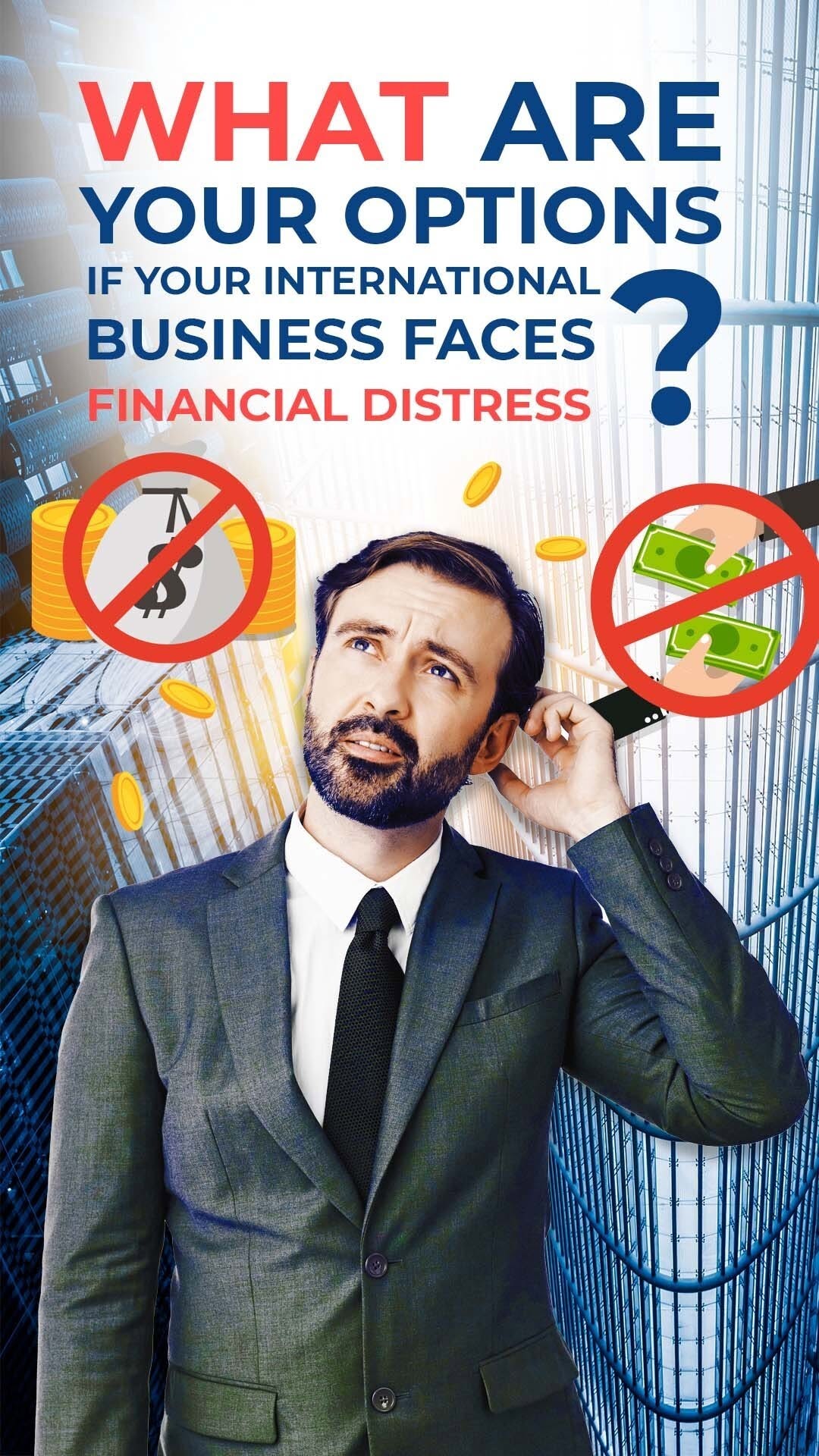
When your international business faces financial distress, quick action is key! 🔑 Negotiating with creditors, restructuring debt, and understanding insolvency laws can help regain stability. Global Law Experts is here to guide you through your options.
🌍Explore the details on our website.
🔗Link in bio
#GlobalLawExperts #CommercialLaw #BusinessLaw #LegalAdvice #BusinessGrowth #LegalTips #BusinessStrategy #LegalCompliance #Law #LegalKnowledge #LegalAwareness #Law101 #LegalEducation #IntellectualProperty
Thinking of buying property in Brazil? Don’t stop at the contract or key handover. Make sure the title is officially registered before calling it yours.

#BrazilRealEstate #PropertyLaw #GlobalInvestment #ForeignInvestors #LegalTips #DueDiligence #RealEstateRegistration #SecureInvestment
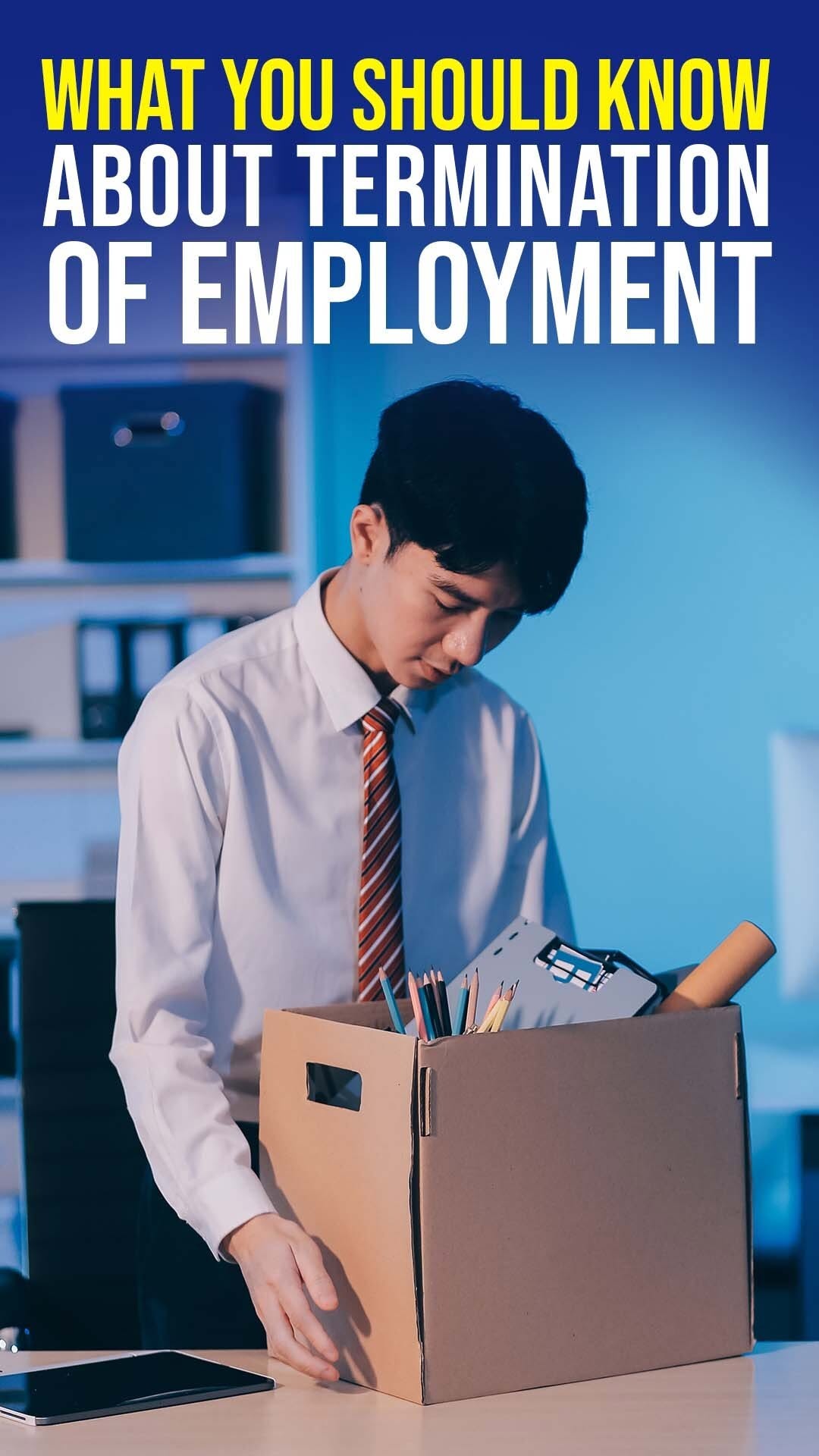
Getting a termination notice right now? Know your rights. Valid reason, fair process, proper notice they matter. Don’t let a bad dismissal walk away without accountability.
#EmploymentLaw #WorkerRights #Termination #LaborLaw #FairDismissal #WorkplaceJustice #LegalAwareness #GlobalWorkforce
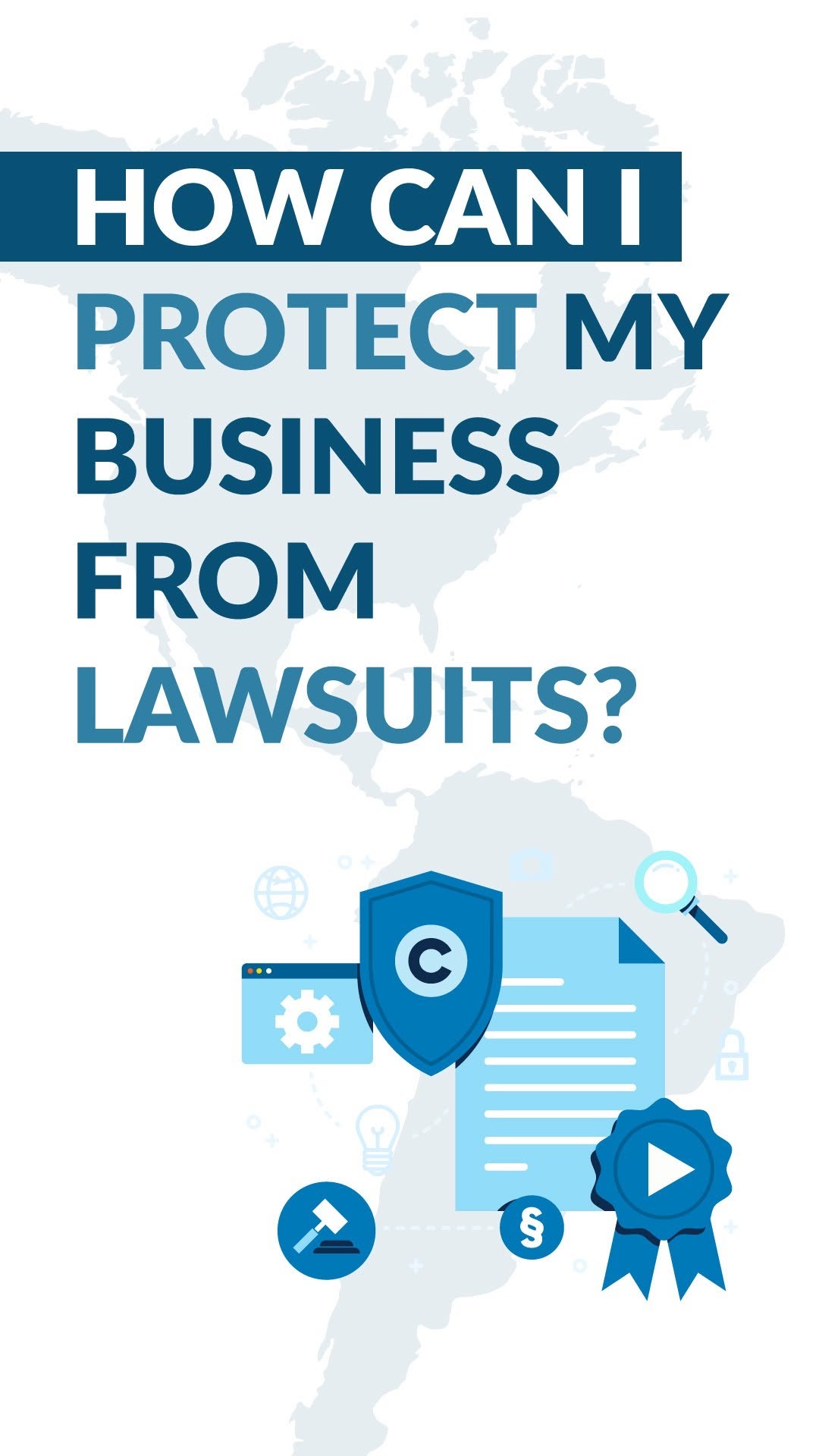
Running a business is hard enough — lawsuits shouldn’t make it harder. 🚫 Protect your business with the right legal strategies and expert tools from Global Law Experts. Let’s secure your future together! 💼
🌍Explore the details on our website.
➡️www.globallawexperts.com
#GlobalLawExperts #CommercialLaw #BusinessLaw #LegalAdvice #BusinessGrowth #LegalTips #BusinessStrategy #LegalCompliance #Law #LegalKnowledge #LegalAwareness #Law101 #LegalEducation #IntellectualProperty #Infringed #Ecommerce #LegalBranding
Global Law Experts is dedicated to providing exceptional legal services to clients around the world. With a vast network of highly skilled and experienced lawyers, we are committed to delivering innovative and tailored solutions to meet the diverse needs of our clients in various jurisdictions.
Thinking of buying property in Brazil? Start with a full legal safety net.
✔️ Check title and ownership history
✔️ Verify no debts or disputes
✔️ Confirm zoning and permits.
#BrazilProperty #RealEstateInvesting #LegalDueDiligence #ForeignInvestment #PropertyLaw #GlobalRealEstate #InvestmentRisk #BrazilLaw
When your international business faces financial distress, quick action is key! 🔑 Negotiating with creditors, restructuring debt, and understanding insolvency laws can help regain stability. Global Law Experts is here to guide you through your options.
🌍Explore the details on our website.
🔗Link in bio
#GlobalLawExperts #CommercialLaw #BusinessLaw #LegalAdvice #BusinessGrowth #LegalTips #BusinessStrategy #LegalCompliance #Law #LegalKnowledge #LegalAwareness #Law101 #LegalEducation #IntellectualProperty
Thinking of buying property in Brazil? Don’t stop at the contract or key handover. Make sure the title is officially registered before calling it yours.

#BrazilRealEstate #PropertyLaw #GlobalInvestment #ForeignInvestors #LegalTips #DueDiligence #RealEstateRegistration #SecureInvestment
Getting a termination notice right now? Know your rights. Valid reason, fair process, proper notice they matter. Don’t let a bad dismissal walk away without accountability.
#EmploymentLaw #WorkerRights #Termination #LaborLaw #FairDismissal #WorkplaceJustice #LegalAwareness #GlobalWorkforce
Running a business is hard enough — lawsuits shouldn’t make it harder. 🚫 Protect your business with the right legal strategies and expert tools from Global Law Experts. Let’s secure your future together! 💼
🌍Explore the details on our website.
➡️www.globallawexperts.com
#GlobalLawExperts #CommercialLaw #BusinessLaw #LegalAdvice #BusinessGrowth #LegalTips #BusinessStrategy #LegalCompliance #Law #LegalKnowledge #LegalAwareness #Law101 #LegalEducation #IntellectualProperty #Infringed #Ecommerce #LegalBranding
Send welcome message