[codicts-css-switcher id=”346″]

Global Law Experts Logo

Alternative Dispute Resolution Lawyers Worldwide.

Global Law Experts

Meet Our Alternative Dispute Resolution Lawyers

Discover top Alternative Dispute Resolution lawyers worldwide on Global Law Experts. Independent legal experts offering expertise in resolving disputes.

Legal
Country
Alternative Dispute Resolution
Legal
Country
Alternative Dispute Resolution
2 results

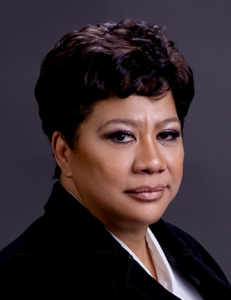
Roelf Nel

  • GOLD

Email:

Phone:

+27873*****

Roelf Nel

  • GOLD
Alternative Dispute Resolution Law in South Africa
  • RN Inc.
  • GOLD

Anne Desiree Armanda Theotis

  • GOLD

Email:

Phone:

+260-2*****
Photo-Anne Desiree Armanda Theotis4.png
Logo-tm43.png
Photo-Anne Desiree Armanda Theotis4.png
  • GOLD
Photo-Anne Desiree Armanda Theotis4.png

Anne Desiree Armanda Theotis

  • GOLD

Anne Desiree Armanda Theotis

  • GOLD
Alternative Dispute Resolution Law in Zambia
  • Theotis Mutemi
  • GOLD

Alternative Dispute Resolution News

Find Expert Alternative Dispute Resolution Lawyers Through Global Law Experts

Resolve Conflicts Efficiently with Expert Alternative Dispute Resolution Counsel

Alternative dispute resolution (ADR) offers effective, cost-efficient solutions for resolving commercial and civil disputes outside traditional courtroom litigation. Whether you’re considering mediation, arbitration, or negotiation, having experienced legal guidance ensures your interests are protected throughout the process.

Global Law Experts connects you with skilled ADR lawyers who provide strategic counsel tailored to your dispute and goals. Our vetted specialists help you choose the best resolution method, manage proceedings, and secure fair settlements—saving time, reducing costs, and preserving business relationships.

Alternative Dispute Resolution Related Videos

Professional Alternative Dispute Resolution Help You Can Trust

We will help match you with a qualified Alternative Dispute Resolution law specialist who can offer reliable advice, clarify your options, and guide you through the next steps in the legal process.
Main Lead Capture Form - Home

Every GLE member is independently vetted by practice area and jurisdiction.

Client Success Stories

Testimonial-by-Jonathan-Gilmour.png
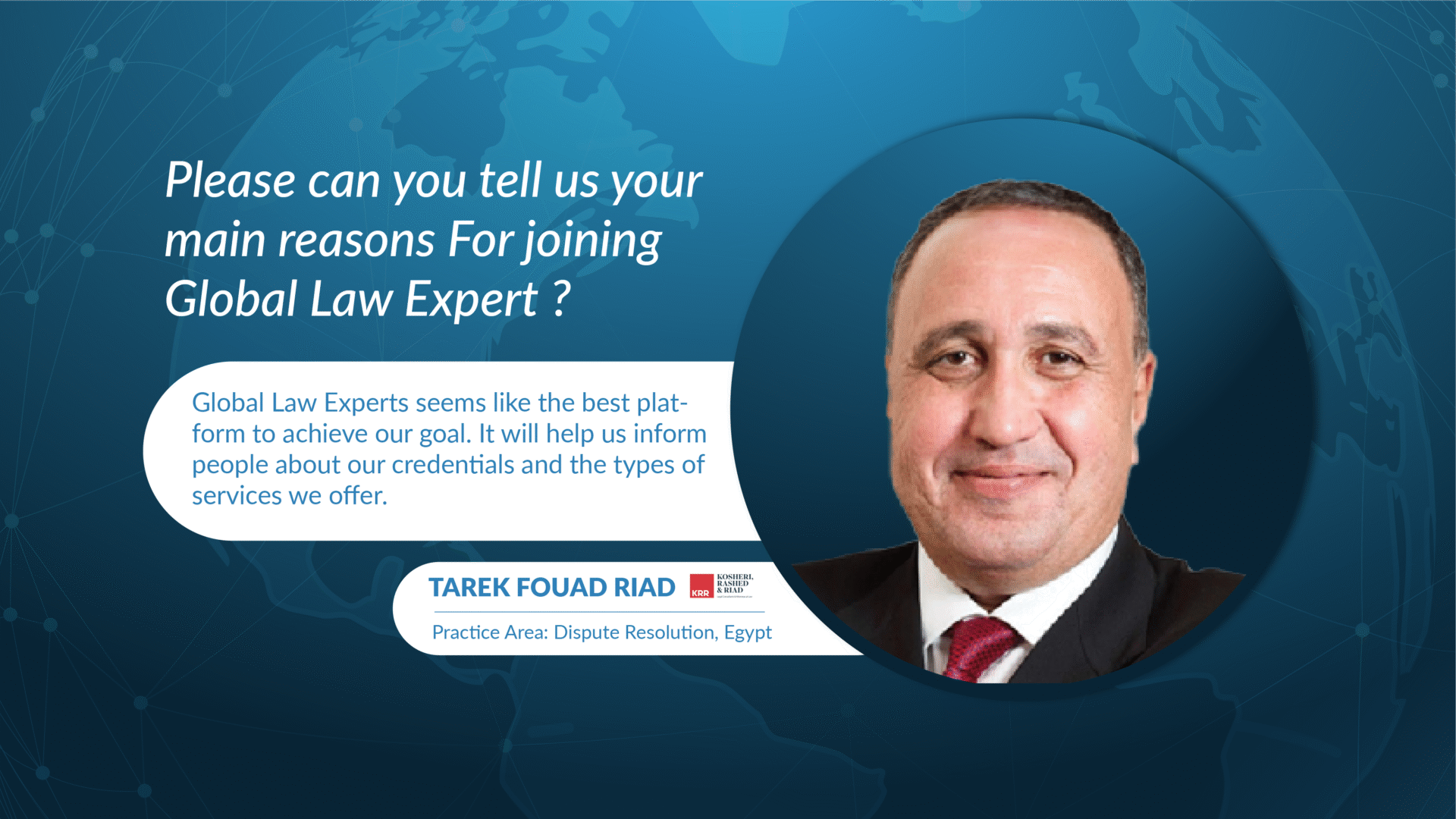
Testimonial-by-Tarek-Fouad-Riad.png
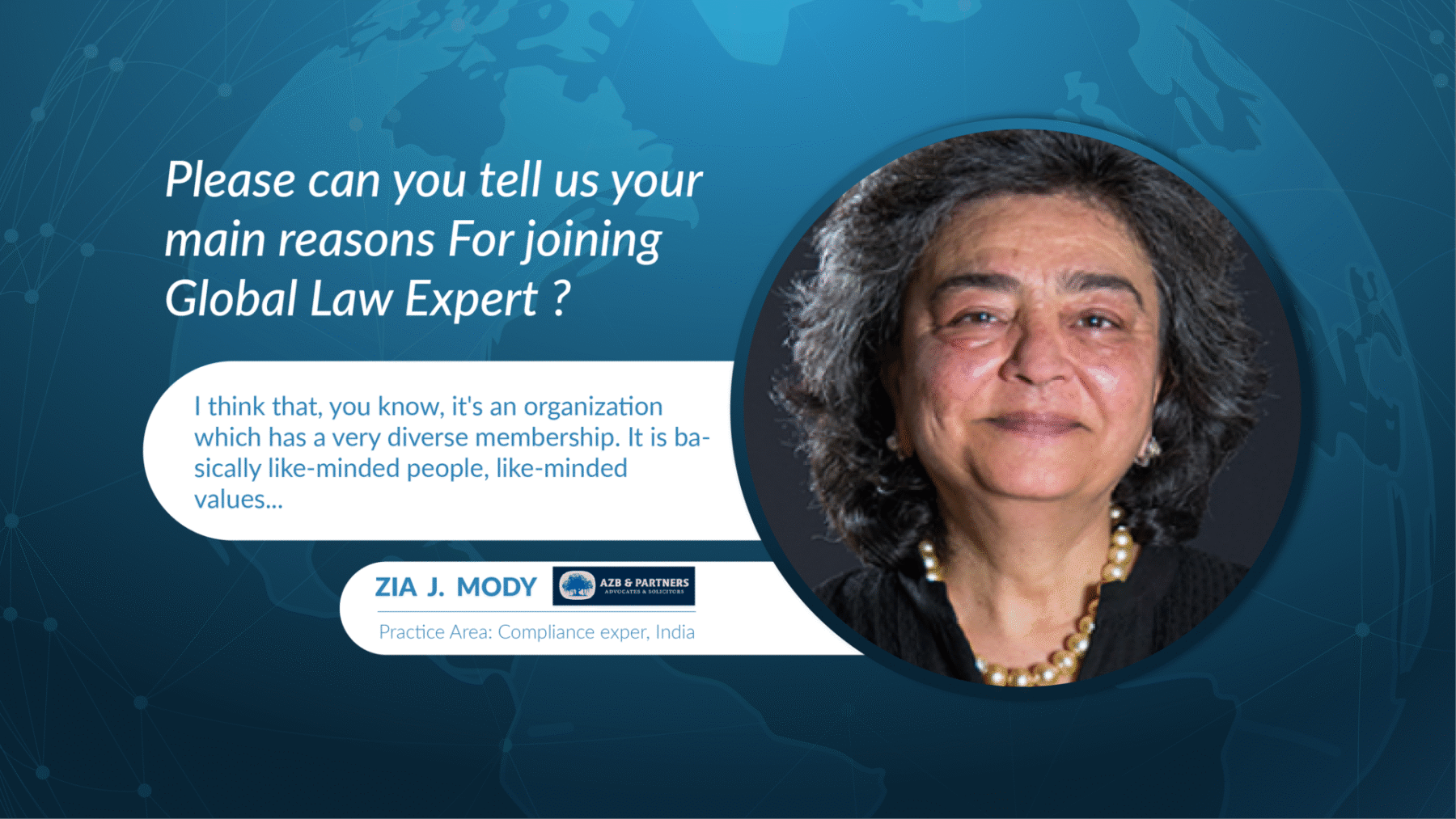
Testimonial-by-Zia-J.-Mody.png
Testimonial-by-Virginie-Tassin-Campanella.png
Testimonial-by-Marta-Dunphy-Moriel.png
Testimonial-by-Mario-Alberto-Arias-V.png
Testimonial-by-Lewis-Man.png
Testimonial-by-Kerwin-K.-Tan.png
Testimonial-by-Elena-Sadovskaya.png
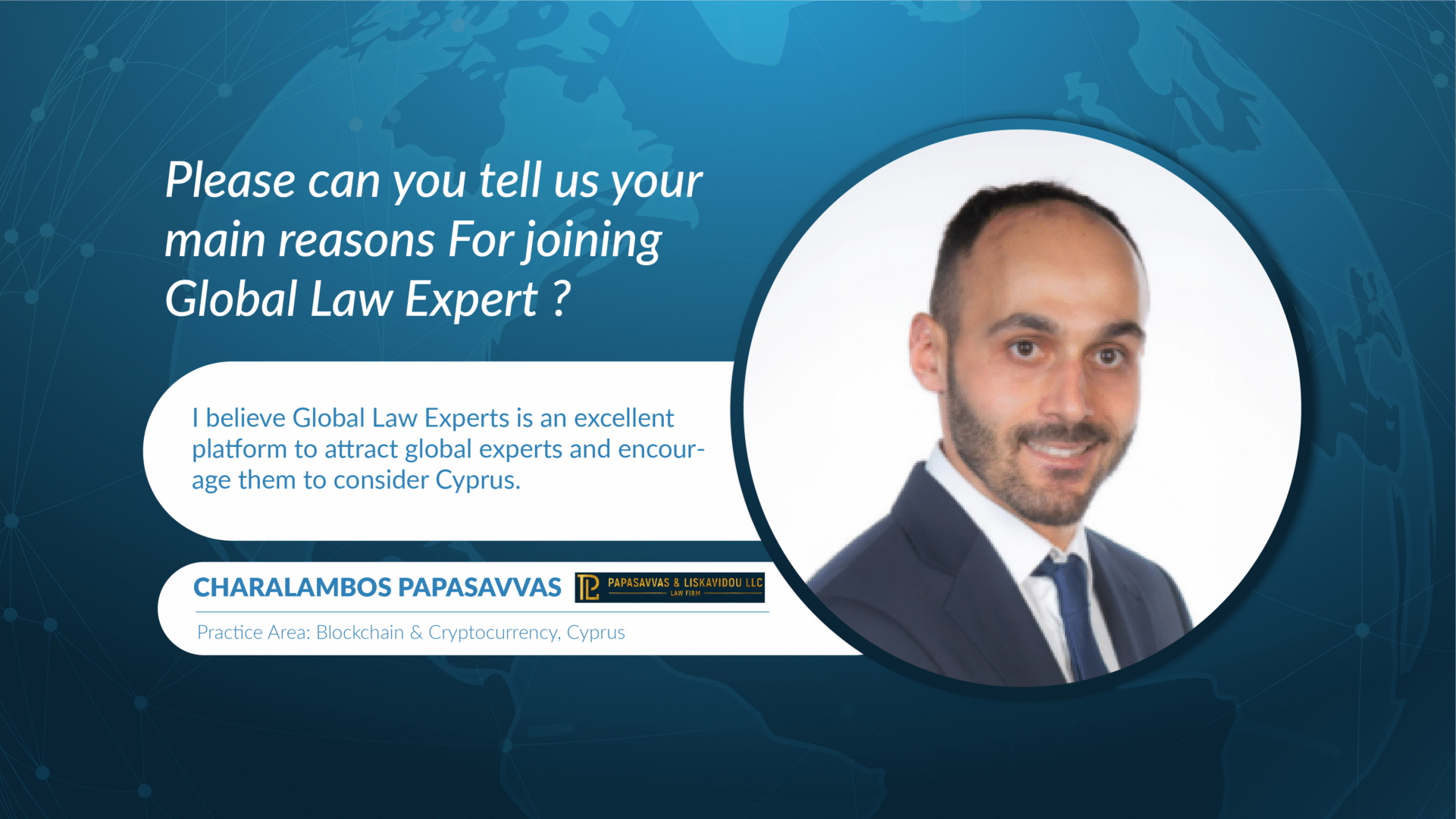
Testimonial-by-Charalambos-Papasavvas.png

Alternative Dispute Resolution FAQ's

A lawyer in ADR acts as your strategic guide to resolving conflicts outside the courtroom, helping you save time and money. Instead of just fighting a war, they advise you on whether to negotiate, mediate, or arbitrate based on your specific goals. They draft the necessary settlement agreements to ensure they are legally enforceable and, in arbitration, they present evidence and cross-examine witnesses just like they would in a trial, but in a more private setting.

The main difference is who makes the final decision. Mediation is a voluntary process where a neutral third party (the mediator) helps both sides negotiate a compromise, but the mediator has no power to force a decision; if you don’t agree, you can walk away. Arbitration is more like a private court trial where a neutral arbitrator (often a retired judge) hears evidence and makes a final, binding decision that you must follow, whether you like the result or not.

While you are not legally required to have a lawyer present, having one is highly recommended if the dispute involves significant money or complex legal rights. A lawyer ensures you don’t get “steamrolled” during negotiations and prevents you from agreeing to a settlement that looks good on paper but hurts you legally in the long run. At the very least, you should have a lawyer review the final “Memorandum of Understanding” before you sign it to ensure it is binding and fair.

Yes, in almost all cases, an arbitrator’s decision is as binding as a court judgment. Once the arbitrator issues the “award,” the winning party can take it to a regular court to have it “confirmed,” turning it into an enforceable government order. Unlike a court trial where you can easily appeal if the judge makes a mistake, arbitration is designed to be final; you generally agree beforehand that you will accept the result to bring closure to the dispute.

ADR is statistically far cheaper than litigation because it cuts out the endless procedural delays and court appearances that drive up legal fees. For example, the American Arbitration Association reports that cases are often resolved months or years faster than federal court trials, saving parties tens of thousands of dollars in billable hours. While you still pay for the arbitrator’s time (unlike a free public judge), the speed of the process usually results in a significantly lower total bill.

Yes, if the losing party refuses to pay up after arbitration, a lawyer is essential to turn that private “award” into public cash. They file a petition in state or federal court to “confirm” the arbitration award, which effectively converts it into a standard court judgment. Once confirmed, your lawyer can use the full power of the state to collect the money, including seizing bank accounts, placing liens on property, or garnishing wages.

ADR is best for disputes where the parties want to maintain a relationship or keep the matter private, such as business partnership disagreements, divorce, or construction contracts. It is also ideal for highly technical industries—like software development or biotech—where you can choose an arbitrator who is an expert in that specific field, rather than getting a random judge who may not understand the technical details of your case.

Appealing an arbitration award is extremely difficult and rarely successful. Courts will not overturn an award just because the arbitrator made a mistake of fact or law; they will only step in for “extraordinary” reasons, such as proving the arbitrator was corrupt, accepted a bribe, or had a secret conflict of interest. This “finality” is a double-edged sword: it guarantees the dispute ends quickly, but it means you have very little recourse if the decision goes against you.

Alternative Dispute Resolution FAQ's

A lawyer in ADR acts as your strategic guide to resolving conflicts outside the courtroom, helping you save time and money. Instead of just fighting a war, they advise you on whether to negotiate, mediate, or arbitrate based on your specific goals. They draft the necessary settlement agreements to ensure they are legally enforceable and, in arbitration, they present evidence and cross-examine witnesses just like they would in a trial, but in a more private setting.

The main difference is who makes the final decision. Mediation is a voluntary process where a neutral third party (the mediator) helps both sides negotiate a compromise, but the mediator has no power to force a decision; if you don't agree, you can walk away. Arbitration is more like a private court trial where a neutral arbitrator (often a retired judge) hears evidence and makes a final, binding decision that you must follow, whether you like the result or not.

While you are not legally required to have a lawyer present, having one is highly recommended if the dispute involves significant money or complex legal rights. A lawyer ensures you don't get "steamrolled" during negotiations and prevents you from agreeing to a settlement that looks good on paper but hurts you legally in the long run. At the very least, you should have a lawyer review the final "Memorandum of Understanding" before you sign it to ensure it is binding and fair.

Yes, in almost all cases, an arbitrator’s decision is as binding as a court judgment. Once the arbitrator issues the "award," the winning party can take it to a regular court to have it "confirmed," turning it into an enforceable government order. Unlike a court trial where you can easily appeal if the judge makes a mistake, arbitration is designed to be final; you generally agree beforehand that you will accept the result to bring closure to the dispute.

ADR is statistically far cheaper than litigation because it cuts out the endless procedural delays and court appearances that drive up legal fees. For example, the American Arbitration Association reports that cases are often resolved months or years faster than federal court trials, saving parties tens of thousands of dollars in billable hours. While you still pay for the arbitrator's time (unlike a free public judge), the speed of the process usually results in a significantly lower total bill.

Yes, if the losing party refuses to pay up after arbitration, a lawyer is essential to turn that private "award" into public cash. They file a petition in state or federal court to "confirm" the arbitration award, which effectively converts it into a standard court judgment. Once confirmed, your lawyer can use the full power of the state to collect the money, including seizing bank accounts, placing liens on property, or garnishing wages.

ADR is best for disputes where the parties want to maintain a relationship or keep the matter private, such as business partnership disagreements, divorce, or construction contracts. It is also ideal for highly technical industries—like software development or biotech—where you can choose an arbitrator who is an expert in that specific field, rather than getting a random judge who may not understand the technical details of your case.

Appealing an arbitration award is extremely difficult and rarely successful. Courts will not overturn an award just because the arbitrator made a mistake of fact or law; they will only step in for "extraordinary" reasons, such as proving the arbitrator was corrupt, accepted a bribe, or had a secret conflict of interest. This "finality" is a double-edged sword: it guarantees the dispute ends quickly, but it means you have very little recourse if the decision goes against you.

Join
who are already getting the benefits
0
Sign up for the latest legal briefings and news within Global Law Experts’ community, as well as a whole host of features, editorial and conference updates direct to your email inbox. Naturally you can unsubscribe at any time.
Newsletter Sign Up
About Us

Global Law Experts is dedicated to providing exceptional legal services to clients around the world. With a vast network of highly skilled and experienced lawyers, we are committed to delivering innovative and tailored solutions to meet the diverse needs of our clients in various jurisdictions.

Global Law Experts App

Now Available on the App & Google Play Stores.

Social Posts
[wp_social_ninja id="50714" platform="instagram"]

See More:

Contact Us

Stay Informed

Join Mailing List
About Us

Global Law Experts is dedicated to providing exceptional legal services to clients around the world. With a vast network of highly skilled and experienced lawyers, we are committed to delivering innovative and tailored solutions to meet the diverse needs of our clients in various jurisdictions.

Social Posts
[wp_social_ninja id="50714" platform="instagram"]

See More:

Global Law Experts App

Now Available on the App & Google Play Stores.

Contact Us

Stay Informed

Join Mailing List

GLE

Lawyer Profile Page - Lead Capture
GLE-Logo-White
Lawyer Profile Page - Lead Capture
Photo-Anne Desiree Armanda Theotis4.png

Anne Desiree Armanda Theotis

Send welcome message

Custom Message