

|
|
Good morning from the GLE Editorial desk. Across Africa the rules around capital, tax and data are being rewritten at once. Nigeria's overhauled tax regime is now live, Uganda has pulled back its sweeping sovereignty law, Egypt's fintech sector is scaling fast, and Kenya and South Africa are sharpening enforcement on data and public procurement. For counsel advising investors and businesses across the continent, several regimes shifted in the same window.
Joel Gordon, Editorial · Global Law Experts
|
|
Quick digest
|
|
Nigeria's consolidated Tax Act took effect on 1 January 2026, lifting company capital gains tax toward 30% while exempting most investors and reshaping incentives.
|
|
|
Uganda's Protection of Sovereignty Act, signed then heavily amended after public outcry, has narrowed from broad commercial control to foreign political financing, easing the alarm for investors.
|
|
|
Egypt has become one of Africa's "Big Four" fintech markets, with payment providers and startups multiplying across more than a dozen fintech subsectors.
|
|
|
Kenya has entered a tougher data-protection enforcement phase, with new compliance-audit rules, an amendment bill in play and a landmark biometric-deletion ruling.
|
|
|
South Africa's draft Public Procurement Regulations 2026 introduce a multi-criteria scoring matrix for infrastructure and government contracts, with consultation just closed.
|
|
|
|
Jurisdictions covered
Uganda · Nigeria · Egypt · Kenya · South Africa · Morocco · Ghana · Botswana
Lawyers featured in this edition
Ernestilla Bahati · Emokiniovo Dafe-Akpedeye · Ostern Mutero · Racheal Kyomuhangi · Birungyi Cephas Kagyenda · Dennis Otatiina
|
|
What mattered this fortnight
|

Nigeria's Consolidated Tax Act Is Now Live, Reshaping the Numbers for Companies and Investors
Nigeria's Tax Act 2025 took effect on 1 January 2026, repealing and consolidating the Companies Income Tax, Personal Income Tax, VAT, Capital Gains Tax and Stamp Duties regimes into a single modernised code. Company capital gains tax rises from a flat 10% toward 30%, with proceeds reinvested in Nigerian company shares within the year exempted proportionally, while the framework also widens investor exemptions and lifts the personal-income-tax floor.
Why it matters for counsel: Every company and investor with Nigerian exposure needs to re-run the numbers against the consolidated code, especially on disposals where the higher capital gains rate and the reinvestment relief change deal structuring. The single-code design simplifies the map, but the rates and reliefs reward careful planning.
|
|
|

| |
UGANDA · FOREIGN INVESTMENT |
Uganda Walks Back Its Sovereignty Law, and for Investors It Is Largely Business as Usual
Uganda's Protection of Sovereignty Act, signed in its original form to curb foreign funding broadly, was substantially amended after an unprecedented public outcry, narrowing its reach from broad commercial regulation to foreign political financing. The term "foreigner" is now confined to non-Ugandan citizens, foreign governments and foreign-incorporated entities engaged in or financing political activity, and funding received by entities regulated under an Act of Parliament for lawful activities is exempt.
Why it matters for counsel: The amended Act removes much of the commercial alarm the first draft created, but counsel should still map whether any client activity could be read as political financing and confirm the regulated-entity exemption applies. The headline risk has eased; the line-drawing has not gone away.
Read the full analysis →
|
|
|

| |
EGYPT · FINTECH & CAPITAL MARKETS |
Egypt Cements Its Place Among Africa's Fintech Heavyweights as the Sector Scales
Egypt has emerged as one of Africa's "Big Four" fintech markets, with the number of fintech startups and payment service providers growing more than fivefold in recent years to over 170 companies across more than a dozen subsectors. The growth is drawing capital and regulatory attention in equal measure, positioning the country as a cornerstone of the wider MENA digital-finance build-out.
Why it matters for counsel: Rapid sector growth pulls licensing, payments regulation and capital-raising into sharper focus, and investors entering the space need to align with the evolving FSC and central-bank frameworks early. The opportunity is real, but so is the compliance and structuring work behind a scalable Egyptian fintech.
Read the full analysis →
|
|
|

Kenya's Data Regime Grows Teeth: Audit Rules, an Amendment Bill and a Landmark Deletion Order
Kenya has moved into a tougher data-protection enforcement phase, with the Office of the Data Protection Commissioner publishing draft compliance-audit regulations and a Data Protection (Amendment) Bill, 2025 aiming to sharpen enforcement, clarify data-sharing and address AI. A landmark ruling ordered the blanket deletion of biometric data collected from Kenyan citizens, signalling that regulators and courts are now willing to act.
Why it matters for counsel: Organisations handling Kenyan personal data, especially data-rich financial and digital businesses, should expect structured audits and real enforcement rather than paper compliance. Getting data-governance, audit-readiness and lawful-basis records in order is now an operational priority, not a future one.
Read the full analysis →
|
|
|

| |
SOUTH AFRICA · PROCUREMENT & INFRASTRUCTURE |
South Africa's New Procurement Rules Reset How Infrastructure Contracts Are Won
Under the Public Procurement Act 2024, the National Treasury published draft General Public Procurement Regulations in April 2026, with the consultation period running to mid-June. The proposed framework introduces a multi-criteria matrix in which price is only one factor, and functionality, capability and preference must each clear a minimum 70% score, with infrastructure and capital-asset procurement carved out for specific mandatory rules.
Why it matters for counsel: Contractors and developers bidding for South African public work need to rebuild their bid strategy around the scoring matrix, since a sub-70% score in any single category means automatic disqualification. Getting functionality and capability evidence right becomes as important as price.
Read the full analysis →
|
|
|
|
|
|
MOROCCO – INVESTMENT & CAPITAL MARKETS
Morocco Expands Its Capital Market Authority's Powers as FDI Rebounds
Morocco's investment-law overhaul widens the Capital Market Authority's oversight, gives custodian banks enhanced watchdog roles and requires fund managers to run regular stress tests, as the country posts a sharp FDI rebound. Fund and investment managers active in Morocco should align governance and stress-testing with the expanded supervisory expectations.
|
|
EGYPT – PAYMENTS
Egypt's Payment-Provider Boom Pulls Licensing and Oversight Into the Spotlight
The rapid multiplication of payment service providers and fintech startups is concentrating regulatory attention on licensing, consumer protection and AML across Egypt's digital-finance sector. New entrants should confirm the right licence and AML perimeter before scaling, not after.
|
|
|
|
|
NIGERIA – CAPITAL GAINS
The Reinvestment Relief Is the Key to Nigeria's Higher Capital Gains Tax
With company capital gains tax rising under the new Tax Act, proceeds above a set threshold that are reinvested in Nigerian company shares within the same year are exempted proportionally. Sellers should plan disposals and reinvestment timing together to use the relief rather than lose it.
|
|
WEST AFRICA – DATA PROTECTION
Ghana and Nigeria Move to Close Gaps in Their Data-Protection Regimes
As African data-protection laws begin to bite, Ghana and Nigeria are among the jurisdictions moving to tighten and enforce existing legislation rather than simply legislate. Businesses operating across West Africa should treat data compliance as a live enforcement risk, not a dormant statute.
|
|
|
|
|
KENYA – BIOMETRICS
A Court-Ordered Biometric Deletion Sets the Tone for Kenyan Enforcement
A ruling ordering the blanket deletion of biometric data collected from Kenyan citizens has become a marker for how seriously regulators and courts now treat data rights. Companies collecting sensitive or biometric data in Kenya should reassess lawful basis, retention and deletion controls.
|
|
UGANDA – FOREIGN FUNDING
The Regulated-Entity Exemption Is the Key Detail in Uganda's Revised Law
Under the amended Protection of Sovereignty Act, funding received from a foreigner by an entity regulated under an Act of Parliament for its lawful activities is exempt, sparing most ordinary commercial operations. Businesses should confirm they fall within a recognised regulated category and document that status.
|
|
|
|
|
SOUTH AFRICA – DATA PROTECTION
POPIA Now Demands a 30-Day Turnaround on Erasure and Rectification Requests
South Africa now requires organisations to respond to data erasure and rectification requests within 30 days, tightening the operational demands of POPIA compliance. Data-request handling processes should be timed and resourced to hit the 30-day window reliably.
|
|
BOTSWANA – DATA PROTECTION
New Data-Protection Laws Take Hold Across Southern Africa, Including Botswana
Botswana is among the African states where new data-protection laws have come into force, adding to a fast-maturing regional compliance map. Groups operating across Southern Africa should map obligations country by country rather than assume a single regional standard.
|
|
|
Member spotlight

|
Ernestilla Bahati
EM & Co Advocates · Tanzania · Company
On 28 May 2026 Ernestilla Bahati, founder and managing partner of EM & Co Advocates, spoke at Mackrell International's "Navigating the Tanzanian Mining Sector" webinar, walking global investors through the country's mining laws, regulators and licensing regime. Watch her GLE Q&A on company law in Tanzania.
|

|
Emokiniovo Dafe-Akpedeye
Compos Mentis Legal Practitioners · Nigeria · Dispute Resolution
"When deciding what clause to put in an arbitration agreement, the first thing we look at is enforcement: where do you eventually want to enforce the award? It can be better to choose a seat where you actually want to enforce it."
On choosing an arbitration seat, at a recent GLE dispute resolution roundtable. Watch her GLE Q&A.
|

|
Ostern Mutero
Sawyer & Mkushi · Zimbabwe · Property
A director and principal partner at Sawyer & Mkushi with more than 30 years as a litigator across property, finance and commercial matters in Zimbabwe. Watch his GLE Q&A on property law.
|

|
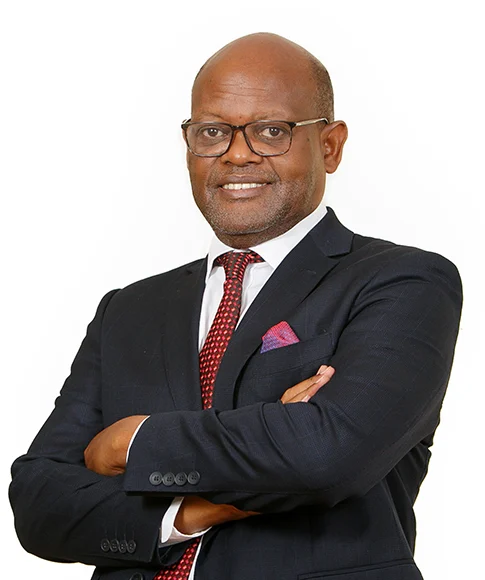
Racheal Kyomuhangi
Jade Advocates · Uganda · Intellectual Property
Read Racheal Kyomuhangi's GLE article on why ZARA failed to claim invented-word status in a Ugandan trademark dispute.
|
|
Birungyi Cephas Kagyenda
Birungyi, Barata & Associates · Uganda · Tax
Read Birungyi Cephas Kagyenda's GLE article on Uganda's 30% tax-deposit rule for appeals and whether justice should come at a fee.
|

|
Dennis Otatiina
Dentons Advocates · Uganda · Dispute Resolution
"Why don't you take a haircut now, go back to your business and make money, instead of arbitrating just to prove a point?"
On the real cost of fighting a dispute, at a recent GLE roundtable. Dennis also joined a GLE LinkedIn Live this June.
|
|
|
What we're tracking next
|
|
After 15 June: with consultation on South Africa's draft Public Procurement Regulations closed, watch for the final regulations that will lock in the scoring matrix for infrastructure and government contracts. |
|
|
Through 2026: Nigeria's consolidated Tax Act beds in, with transition guidance and administrative practice under the new Revenue Service worth tracking as the first filing cycles run. |
|
|
Ongoing: Kenya's Data Protection (Amendment) Bill, 2025 and new compliance-audit rules advance, and data-protection enforcement continues to harden across the continent. |
|
|
Open calls for commentary
Every edition of this briefing reaches senior lawyers across the global legal community, together with the in-house counsel and business decision-makers who turn to Global Law Experts for verified intelligence on the developments shaping their markets.
When you contribute, your reading of a development becomes the practitioner voice that audience reads, published under your name, your firm and your jurisdiction. It is a direct way to be seen by your peers and by prospective clients as a leading authority on the issues moving in your market.
If a legal or regulatory development in your jurisdiction is worth flagging for the next edition, reply to this email with your jurisdiction and your take. We attribute every contributor by name, firm and country.
|
|
Contributors this fortnight
Ernestilla Bahati, EM & Co Advocates, Tanzania
Emokiniovo Dafe-Akpedeye, Compos Mentis Legal Practitioners, Nigeria
Ostern Mutero, Sawyer & Mkushi, Zimbabwe
Racheal Kyomuhangi, Jade Advocates, Uganda
Birungyi Cephas Kagyenda, Birungyi, Barata & Associates, Uganda
Dennis Otatiina, Dentons Advocates, Uganda
More from GLE
2,000 members across 140+ countries
Unsubscribe ·
View online ·
Member dashboard
|
|