
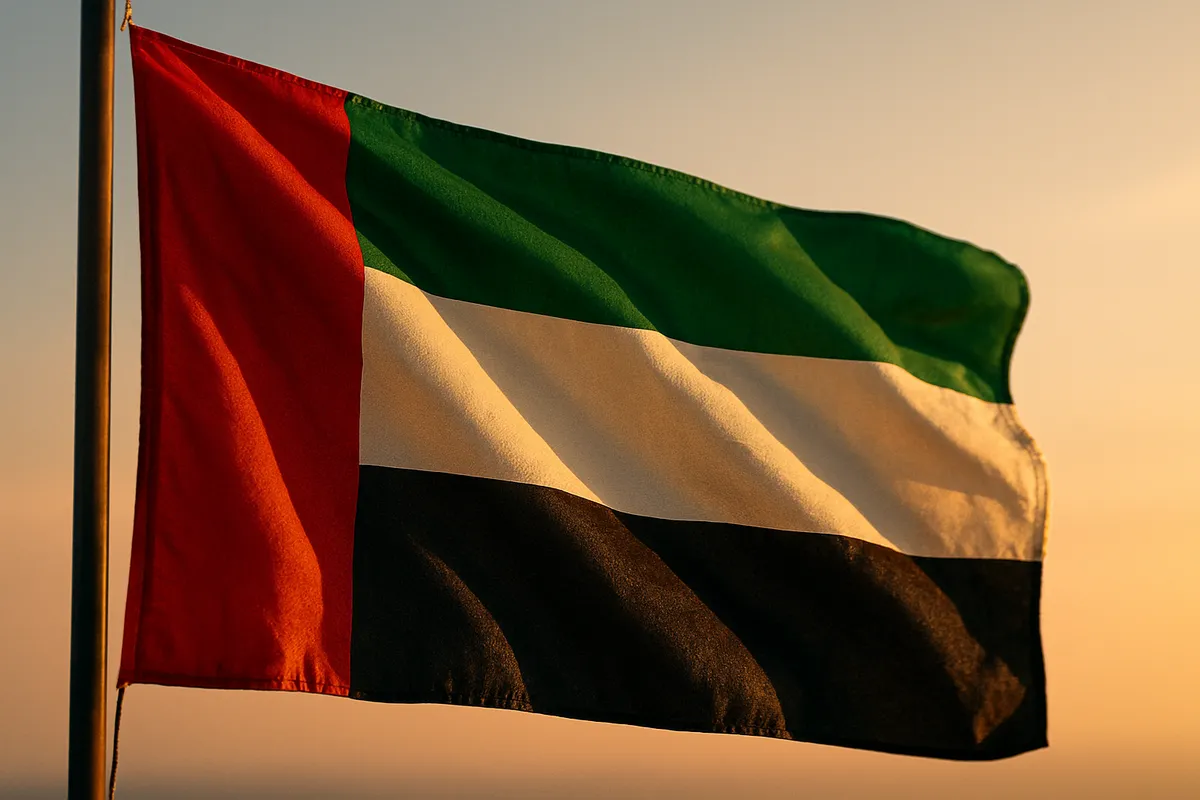

Whether you are a foreign entrepreneur, an international corporation expanding into the Middle East, or a resident founder launching a new venture, understanding the legal requirements for company setup in the UAE is the essential first step. The United Arab Emirates offers three distinct jurisdictions for incorporation: mainland, free zone, and offshore, each with its own ownership rules, licensing authorities, office requirements, and compliance obligations. This attorney-reviewed guide translates official government regulations into a practical, step-by-step framework so you can choose the right structure, prepare the correct documents, and move through the registration process with confidence.
UAE law permits nationals, GCC citizens, foreign individuals and corporate entities to establish businesses. The jurisdiction you select determines your ownership ceiling, permitted activities, visa entitlements and tax treatment. At the highest level, founders must decide among three pathways:
Each pathway involves a defined sequence: choose your jurisdiction and activity, reserve a trade name, draft constitutional documents (Memorandum of Association or articles of incorporation), secure an office address, obtain initial approvals, pay government fees, receive your trade licence and complete post-incorporation registrations (employer card, corporate tax, VAT). The sections below detail every requirement.
Mainland licences are issued by the relevant emirate authority, for example, the Dubai Department of Economy and Tourism or Abu Dhabi’s Department of Economic Development. These licences fall into four primary categories:
The official UAE government portal outlines the step-by-step mainland registration process, including name reservation, initial approval and licence issuance. Mainland companies may trade freely throughout the UAE and internationally, making this the default choice for businesses that need direct access to the domestic market.
Each free zone is governed by its own authority and issues licences tailored to the zone’s industry focus technology, media, healthcare, commodities, logistics and more. Free zone licences generally mirror the mainland categories (commercial, professional, industrial, service) but come with zone-specific activity lists. Key characteristics include:
Offshore companies available in jurisdictions such as JAFZA Offshore, RAK ICC, and ADGM are used primarily for international asset holding, intellectual-property ownership, and cross-border invoicing. They enjoy 100 % foreign ownership and no corporate tax on qualifying income, but they cannot conduct business within the UAE, lease a physical office on the mainland, or sponsor employee visas (with limited exceptions in certain jurisdictions).
The table below provides a side-by-side comparison to help founders weigh the practical differences in company setup UAE options:
| Factor | Mainland | Free Zone | Offshore |
|---|---|---|---|
| Ownership | Up to 100 % foreign (activity-dependent) | 100 % foreign (standard) | 100 % foreign |
| Office requirement | Physical office mandatory (Ejari/tenancy) | Flexi-desk to full office (zone-dependent) | Registered agent only |
| Trade within the UAE mainland | Unrestricted | Restricted requires a branch or distributor | Not permitted |
| Typical timeline | 2–6 weeks | 5–15 business days | 3–10 business days |
| Visa quota | Based on office size | Based on the package/office tier | None (generally) |
| Typical cost band | AED 15,000–50,000+ | AED 12,000–75,000+ | AED 10,000–25,000+ |
| Issuing authority | Emirate DET / DED | Free zone authority | Offshore registrar (e.g., RAK ICC, JAFZA) |
Note: Cost ranges are indicative and vary by emirate, activity, office grade, and number of visas. Always confirm current fee schedules with the relevant authority.
The LLC is the most popular mainland structure for small-to-medium enterprises. Shareholders’ liability is limited to their capital contributions. Formation requires at least one shareholder (individual or corporate), a manager, a registered office, and a Memorandum of Association (MOA) that sets out share distribution, management authority, and profit-sharing arrangements. LLCs must appoint an auditor and file annual financial statements in most emirates.
A foreign company may open a branch in the UAE to carry out activities identical to those of the parent. The branch has no separate legal personality; the parent company bears full liability. Document requirements include a board resolution from the parent, an attested copy of the parent’s certificate of incorporation and financial statements, plus appointment of a local manager. A Local Service Agent (LSA) may be required for mainland branches (see the ownership section below).
A representative office may promote the parent company’s products and services but cannot engage in commercial transactions, sign contracts, or generate revenue within the UAE. This structure suits multinationals conducting market research or building relationships before full entry.
Free zone entities benefit from simplified governance, often without the need for notarised MOAs, and offer fast digital registration through the zone’s one-stop portal.
A solo tech consultant serving international clients may choose an FZE in a technology-free zone for speed and cost efficiency. A retail brand planning to sell in malls across Dubai and Abu Dhabi would need a mainland LLC. A multinational holding group seeking an intermediate holding vehicle for regional subsidiaries might opt for an offshore company in RAK ICC or ADGM.
Historically, mainland LLCs required a UAE national to hold at least 51 % of shares. Significant policy reforms have altered this position. The MOET and individual emirates now permit 100 % foreign ownership for a wide range of commercial and industrial activities. Certain strategic activities (e.g., hydrocarbons, defence, banking) remain subject to Emirati ownership or partnership requirements. Founders should confirm whether their chosen activity falls within the positive list of activities eligible for full foreign ownership.
Free zones have always permitted 100 % foreign ownership as a foundational benefit. No local sponsor or partner is needed.
Offshore jurisdictions in the UAE follow international norms: shareholders may be entirely foreign, with no requirement for an Emirati partner.
Where a sponsor or LSA is still required, for example, for certain professional-licence activities on the mainland, founders should negotiate the arrangement carefully. Key contractual points include:
Failing to address these issues at the drafting stage is one of the most common and expensive mistakes in the company setup UAE processes. Independent legal review of any sponsor or LSA agreement is strongly recommended.
UAE federal law does not prescribe a single minimum share capital for all LLCs; however, certain emirates and activity categories set specific thresholds. Private joint-stock companies have higher statutory minimums (typically AED 5 million). Free zones set their own minimum capital requirements, which may range from as little as AED 1,000 to AED 300,000 or more depending on the zone and activity.
Some jurisdictions distinguish between authorised capital (the maximum the company may issue) and paid-up capital (the amount actually deposited). Founders should confirm with the relevant authority whether capital must be deposited into a bank escrow account before licence issuance or whether a capital declaration suffices.
Most UAE banks require a bank introduction letter from the licensing authority, attested incorporation documents and a minimum opening deposit. Capital deposit evidence may be needed to finalise certain licence categories or to open corporate accounts with major banks.
The trade licence is your company’s legal permission to operate. It must be renewed annually (or per the licensing authority’s cycle). Failure to renew on time may result in fines, immigration system blocks, and reputational risk. For mainland companies, the process begins with name reservation and ends with the collection of the physical or digital licence from the relevant emirate portal.
Every mainland company that intends to sponsor employees must obtain an establishment card from the Ministry of Human Resources and Emiratisation (MOHRE). This card is the gateway to the labour system and is required before you can issue employment permits, register in the Wage Protection System (WPS) or sponsor residence visas.
All employment contracts must comply with federal labour law and be registered through MOHRE. Wages must be paid through the WPS. Visa quotas are determined by office size and licence type. Companies meeting Emiratisation thresholds (currently applicable to certain mainland private-sector employers with 50 or more employees) must hire a prescribed percentage of UAE nationals or face financial penalties.
The UAE’s federal corporate tax regime applies to financial years starting on or after 1 June 2023. Juridical persons, including mainland LLCs, branches, free zone companies and other taxable entities must register for corporate tax with the Federal Tax Authority (FTA) within the prescribed timeframe. The standard rate is 9 % on taxable income exceeding AED 375,000. Qualifying free zone persons may benefit from a 0 % rate on qualifying income, subject to strict substance and compliance conditions.
VAT registration is mandatory once taxable supplies and imports exceed AED 375,000 in a rolling 12-month period. Voluntary registration is available from AED 187,500. Registered businesses must file periodic VAT returns with the FTA and maintain records for at least five years.
Mainland LLCs in most emirates must appoint an external auditor and file audited financial statements annually. Free zone entities typically must submit audited accounts to their free zone authority. Offshore entities have lighter reporting but may face audit requirements from banking partners or foreign regulators.
Every mainland company must have a physical office address supported by a valid tenancy agreement (Ejari registration in Dubai, Tawtheeq in Abu Dhabi). The office space must meet the licensing authority’s minimum size requirements for the number of visas sought.
Many free zones offer flexi-desk or hot-desk packages as a lower-cost alternative to a full office, with a reduced visa allocation. “Virtual office” packages typically do not satisfy the requirements for visa sponsorship or banking; founders should verify with the specific free zone before committing.
UAE banks perform address verification as part of their KYC process. A lease agreement that matches the trade licence address is usually mandatory for corporate bank account opening.
| Phase | Mainland | Free Zone | Offshore |
|---|---|---|---|
| Name reservation | 1–3 days | 1–2 days | 1–2 days |
| Initial approval & document submission | 3–10 days | 2–5 days | 1–3 days |
| Office/tenancy confirmation | 1–2 weeks | 1–5 days | N/A |
| Licence issuance | 3–7 days | 1–5 days | 1–3 days |
| Post-licence registrations (MOHRE, tax, bank) | 1–3 weeks | 1–2 weeks | 1–2 weeks (bank only) |
| Total (approx.) | 2–6 weeks | 5–15 business days | 3–10 business days |
When preparing your Memorandum of Association or Local Service Agent agreement, ensure the following elements are addressed:
Government licence fees for a mainland LLC in Dubai typically range from AED 10,000 to AED 30,000 depending on the activity category. Free zone licence packages start from approximately AED 12,000 for a basic flexi-desk package and can exceed AED 75,000 for premium packages with multiple visas and dedicated office space. Offshore registration fees are generally AED 10,000–25,000.
Physical office rentals on the mainland range widely from AED 15,000 per year for a small shared office in a secondary emirate to AED 100,000+ in prime Dubai or Abu Dhabi locations. Visa costs (including medical, Emirates ID and stamping) typically run AED 3,000–7,000 per employee.
Where a Local Service Agent is required, annual fees typically range from AED 5,000 to AED 30,000 or more, depending on the emirate, activity, and negotiating position. Some sponsors request a percentage of revenue. Founders should treat any such demand with caution and seek independent legal advice before agreeing.
All figures are indicative as of 2025 and are subject to change. Costs vary by emirate, authority and activity type.
Navigating company setup in the UAE requires careful alignment of your business objectives with the right jurisdiction, legal structure, ownership model and compliance framework. From selecting the correct licence type and drafting a robust MOA to securing your MOHRE establishment card and FTA tax registration, each step has legal and commercial consequences that shape your company’s long-term position.

posted 22 minutes ago

posted 1 hour ago

posted 1 hour ago

posted 2 hours ago

posted 2 hours ago

posted 3 hours ago

posted 3 hours ago

posted 3 hours ago

posted 3 hours ago

posted 4 hours ago

posted 4 hours ago

posted 4 hours ago
No results available
Find the right Legal Expert for your business

Send welcome message