

A payment system is not a company — it is the infrastructure that moves money: the instruments, procedures and rules that allow funds to be transferred between participants. Understanding the main types matters for any business optimising how it pays and gets paid, and for the providers and regulators who keep those flows secure. Payment systems are usually classified along three lines. The first is value and role: wholesale (large-value) systems handle high-value interbank transfers, while retail systems process the everyday payments of consumers and businesses. The second is the settlement model. Real-time gross settlement (RTGS) systems settle each payment individually, immediately and irrevocably in central-bank money — examples include the US Fedwire, the euro area’s TARGET and the UK’s CHAPS. Deferred net settlement (DNS) systems instead batch and net payments, settling balances at set intervals — the model behind automated clearing house (ACH) networks. A growing third category, fast or instant payment systems such as FedNow, UPI, Pix and SEPA Instant, delivers near-immediate transfers around the clock.
The third axis is the instrument itself — cash, credit transfers, direct debits, card networks such as Visa and Mastercard, and electronic money or mobile wallets. Across all of these, central banks play a dual role as operators of core settlement systems and as the provider of the risk-free settlement asset, while private clearinghouses run many retail and large-value networks. Riding on this infrastructure are the licensed providers: in the EU, Payment Institutions authorised under PSD2 and Electronic Money Institutions under EMD2 — the key difference being that only an EMI may issue e-money — though the forthcoming PSD3 and Payment Services Regulation will reshape that distinction. This guide explains each layer and what it means in practice.
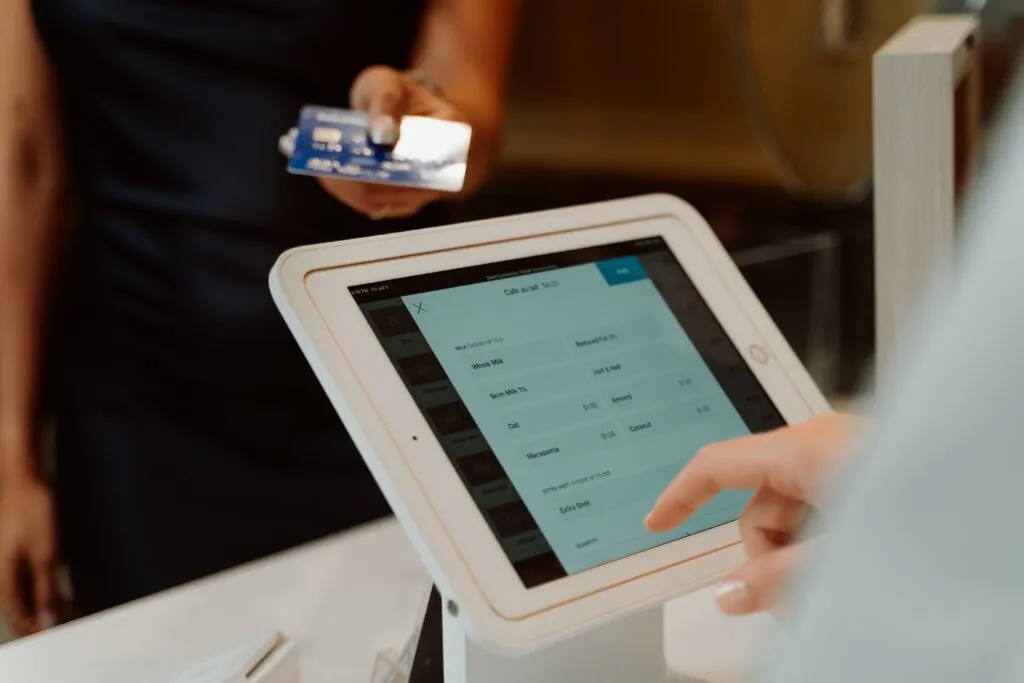
Payment systems are companies licensed to provide financial services. They enable online payments. If you intend to offer services globally, a payment system account would be a perfect solution.
The major advantage of payment systems is the speed of their operations. Bank transfers may take a business day or even 3 to 4 days. With the use of modern technologies, payment systems can boast immediate transactions.
Payment systems are of particular interest to business owners. They are eager to globalize and sell their goods and services on the Internet using online settlements. Buyers are also interested in payment systems as they enable easy and quick payment.
There are a number of features by which payment systems are classified into several types. Looking at the financing instruments, experts break up payment systems into the following groups:
The simplest classification is domestic and international payment systems. International systems such as Visa and Mastercard operate worldwide, while domestic payment systems are established within a specific country to ensure the security of national settlements.
Besides, payment systems can be divided into several types depending on the functionalities and scale of operations:
EMI (Electronic Money Institution) is an entity authorized to issue electronic money and enable payments associated with e-money.
Payment Service Providers (PSPs) are payment entities participating in the financial market and acting under the Law on Payment Services and Electronic Money. These entities are authorized to carry out payments in keeping with their registration and licensing conditions.
A payment entity’s function is to provide financial intermediation for client payments. Payment entities constitute a channel of cash flows that do not belong to them.
Opening a payment system account is easier, quicker, and more efficient than a traditional bank account. SBSB specialists are highly experienced in setting up accounts in payment systems. We will help you choose the optimum payment system for your business. If you have any questions, do not hesitate to contact us via our Telegram chat for a free consultation.
Sources:
Committee on Payment and Settlement Systems – Glossary of Terms
Federal Reserve payment systems
FedNow Is Coming in July. What Is It, and What Does It Do?
Photos sourced from Pexels
Stay informed with the latest legal developments at Global Law Experts