
Author
No results available
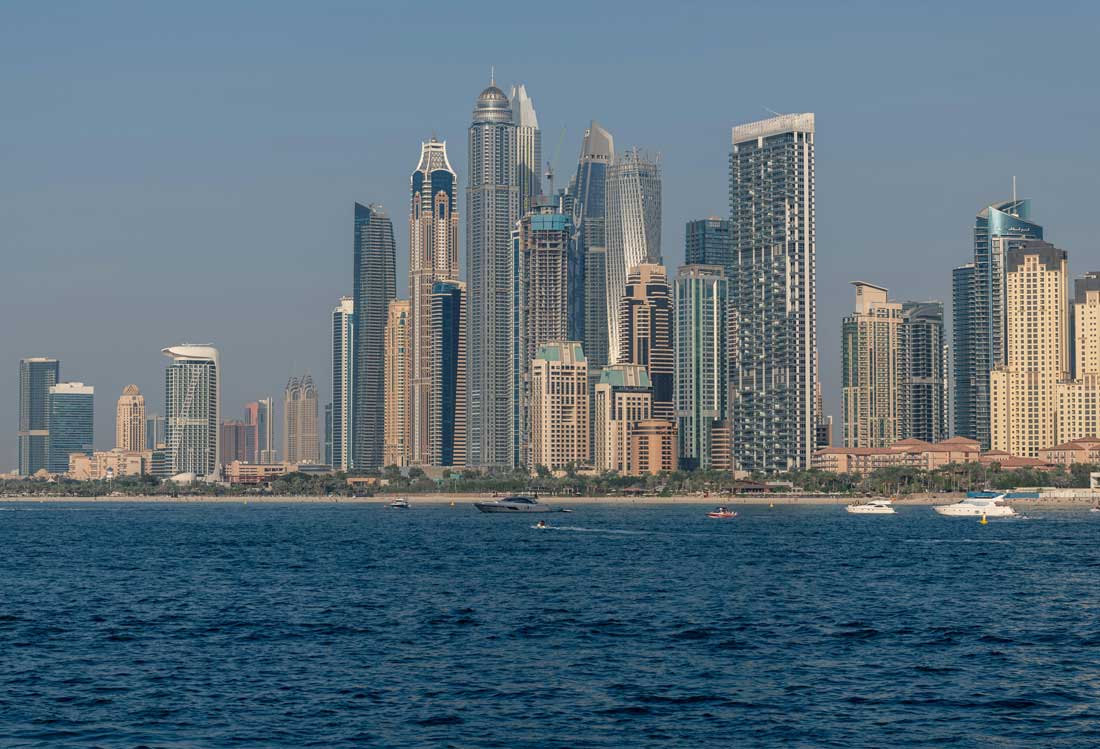
Each year, a steady stream of international brands evaluates expansion into Dubai and the wider UAE as part of a regional growth strategy.
Dubai International Airport handled close to 90 million passengers last year. The country’s largest malls report annual footfall in the tens of millions and retail sales across the UAE run into the hundreds of billions of dirhams.
For international brands looking at expansion into the region, the attraction is obvious but what tends to require more thought is how to translate that scale into a sustainable presence.
The first step is understanding what that demand is actually made up of.
From the outside, the market can look like one continuous stream of high spending consumers, but in reality, It’s shaped by several distinct groups who behave differently.
Emirati nationals represent a minority of the population but a significant share of high value discretionary spend while long term expat residents support everyday retail categories across fashion, food and lifestyle. On top of that sits a steady flow of visitors, with winter tourism in particular driving noticeable spikes in footfall and sales.
That means December and January can look very different from August. A concept built around tourist impulse purchasing behaves differently from one based on repeat residential spend. That means being clear about which audience you’re building around, and when that audience is most active will shape how the business performs over time. It also influences where you choose to meet them.
Prime retail space is concentrated in a relatively small number of flagship malls. Centres in Dubai and Abu Dhabi draw extremely high footfall, which is part of the appeal.
But that visibility comes at a cost. Rents in leading malls sit at the upper end of regional benchmarks and fit out expectations are high. In premium locations, occupancy commitments can take up a sizeable portion of projected revenue before staffing and marketing are even considered.
Choosing a site therefore goes well beyond brand positioning. The numbers need to work once trading settles into a steady pattern. A location that feels busy in its opening months still needs to make sense once performance becomes more predictable.
It’s also important to consider how you enter the market.
Some brands choose a local franchise partner and step into an existing setup with licences in place, established teams and relationships with key mall operators. Others set up their own entity, either on the mainland or in a free zone, and build the operation directly. Recent changes to foreign ownership rules have made that route more straightforward than it once was, but it still means taking responsibility for licensing, staffing and day-to-day oversight from the start.
Both models are common here. It all depends on goals. If moving fast matters most, a franchise route can make that easier. If staying close to the numbers and the brand is the priority, building your own operation often makes more sense.
The Emirates doesn’t lack spending power. In premium segments, transaction values can be strong and footfall in key locations is usually healthy. The hard part is maintaining interest beyond the opening phase.
High fixed costs are part of operating here. VAT at 5 percent may be modest, but it’s visible at checkout. Promotions run regularly and competition is always present.
For brands used to different cost structures at home, margins can settle at a level that feels tighter than first projected. Revenue may perform as planned yet returns require closer attention. That usually affects how quickly further expansion feels sensible.
Part of maintaining that steady performance is recognising how customers shop here.
Customers here are highly connected and social media plays a visible role in how products are found and compared. Many customers will have seen a product online before they walk into a store.
Having a physical store is still important, especially in high traffic malls, but it’s only part of the picture. When e commerce is built in from the start, it supports the store rather than competing with it and customers can move between both without thinking about it.
In cities like Dubai and Abu Dhabi, fast delivery is standard. If a size is missing in store, people expect it to be sent to their home quickly. If that option is not available, they will often buy it somewhere else.
A lot of international retailers use the UAE as their first port of entry into the region because it allows them to see how the brand performs in the Gulf without committing to the largest market immediately. Testing a concept in Dubai before expanding into larger neighbouring markets has become common practice.
That then builds confidence when looking to expand, with Saudi often the next step. The consumer base is a lot bigger and retail development is moving fast, but while the two markets are closely connected, they’re not interchangeable.
Negotiations can take longer. Site pipelines move on a different timetable and consumer behaviour varies by location.
Experience in the UAE is useful, particularly when it comes to pricing discipline and cost control but expansion beyond usually involves recalibrating pace and capital commitment rather than simply replicating the same formula.
The UAE is one of the most attractive retail destinations globally. At the same time, it’s a market where competition is intense and expectations are high.
Any expansion plan should focus on three simple principles. First, understand your real customer and don’t rely on assumptions from other markets. Second, treat location and lease commitments as long term financial decisions, not branding exercises. Third, build operations, digital channels and staffing plans that support consistent execution.
Those that approach expansion with clear strategy and realistic numbers are far more likely to convert early excitement into durable commercial success.

posted 13 minutes ago

posted 34 minutes ago

posted 45 minutes ago

posted 53 minutes ago
posted 2 hours ago

posted 2 hours ago

posted 2 hours ago
posted 2 hours ago
posted 3 hours ago
posted 3 hours ago

posted 3 hours ago

posted 3 hours ago
No results available
Find the right Legal Expert for your business

Send welcome message