[codicts-css-switcher id=”346″]

Global Law Experts Logo

Urban Development Lawyers Worldwide.

Global Law Experts

Meet Our Urban Development Lawyers

Discover independent Urban Development legal experts worldwide on Global Law Experts. Explore our network of recognized attorneys for your legal needs.

Legal
Urban Development
Legal
Country
Urban Development

No results available Reset filters?

Find Expert Urban Development Lawyers Through Global Law Experts

Drive Smart Growth with Expert Urban Development Counsel

Urban development projects involve complex planning, regulatory approvals, and legal challenges. Whether managing land acquisitions, zoning issues, or large-scale construction projects, having the right legal guidance is essential.

Global Law Experts connects you with experienced urban development lawyers who provide strategic counsel for developers, municipalities, and investors. Our vetted specialists help navigate planning regulations, secure permits, and structure deals efficiently, ensuring your projects succeed while minimizing risk.

Professional Urban Development Help You Can Trust

We will help match you with a qualified Urban Development law specialist who can offer reliable advice, clarify your options, and guide you through the next steps in the legal process.
Main Lead Capture Form - Home

Every GLE member is independently vetted by practice area and jurisdiction.

Client Success Stories

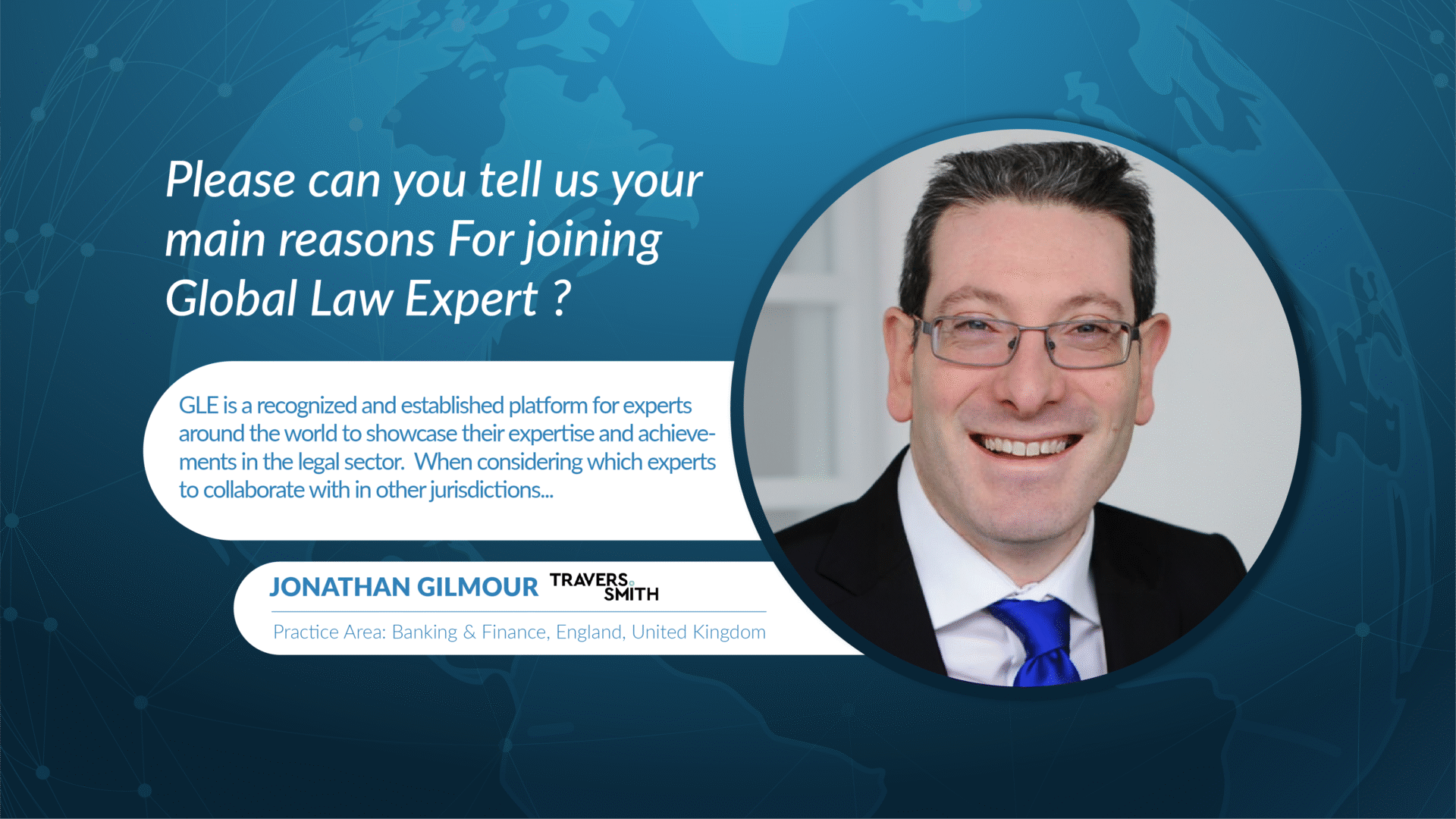
Testimonial-by-Jonathan-Gilmour.png
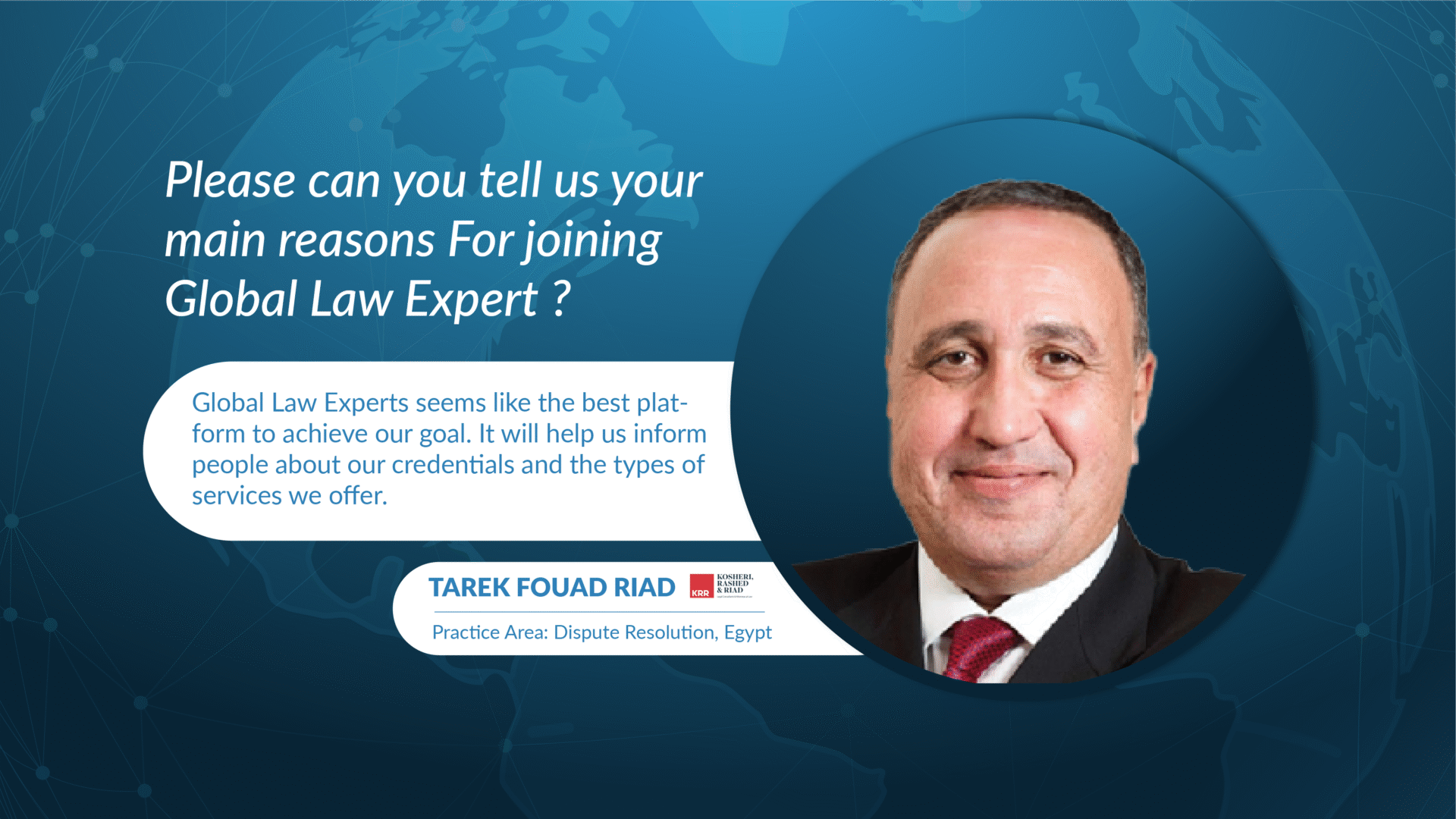
Testimonial-by-Tarek-Fouad-Riad.png
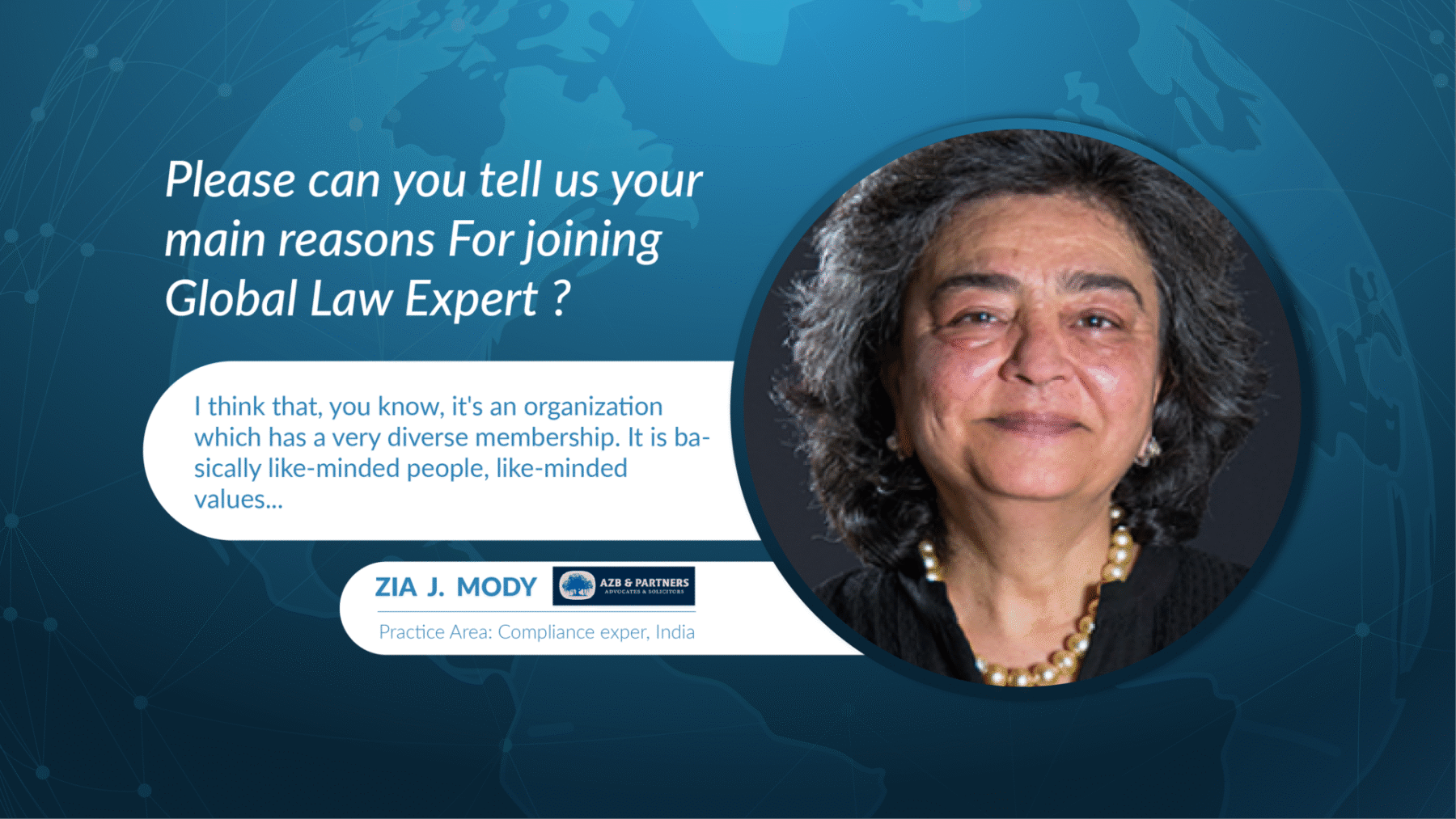
Testimonial-by-Zia-J.-Mody.png
Testimonial-by-Virginie-Tassin-Campanella.png
Testimonial-by-Marta-Dunphy-Moriel.png
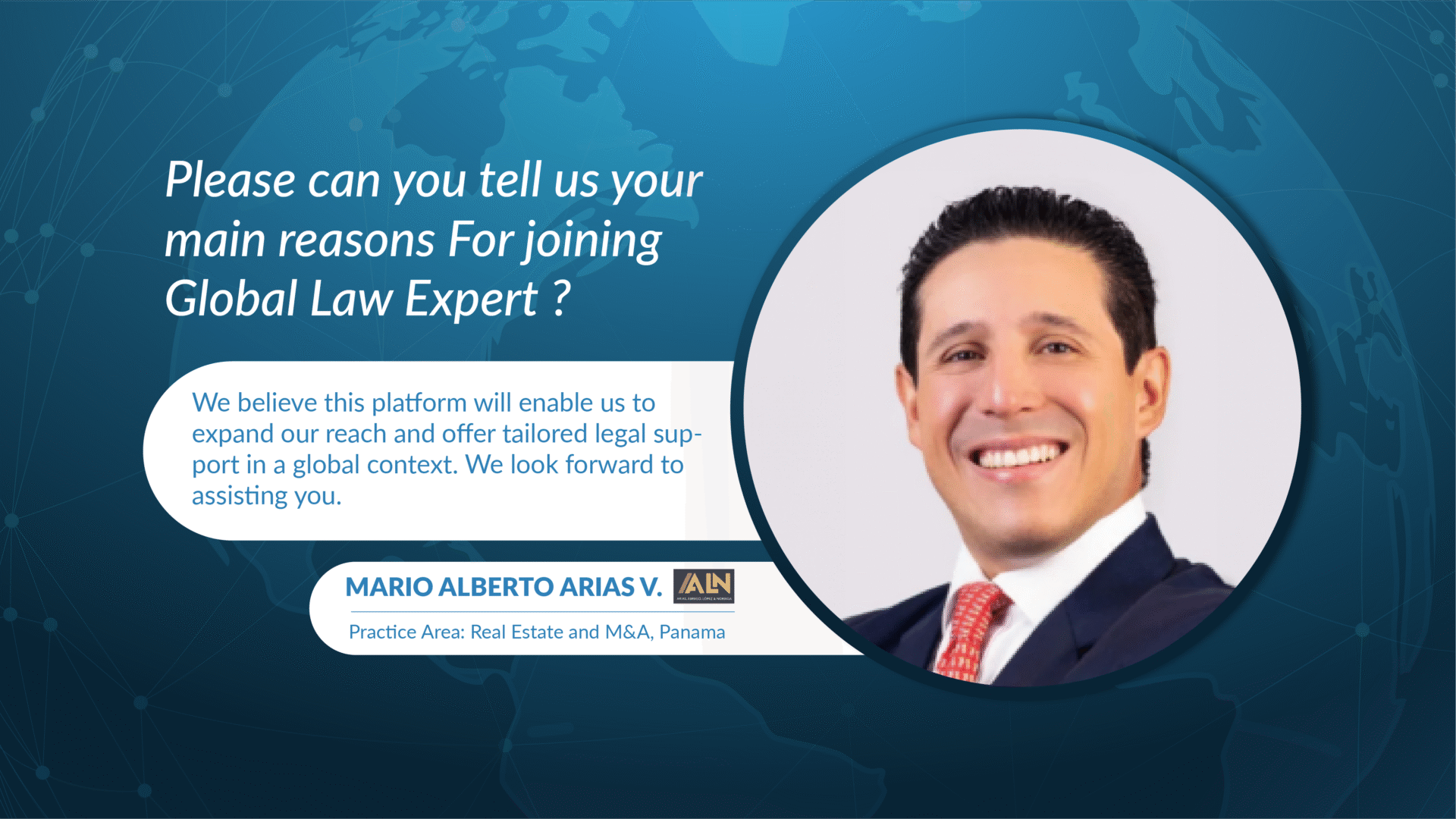
Testimonial-by-Mario-Alberto-Arias-V.png
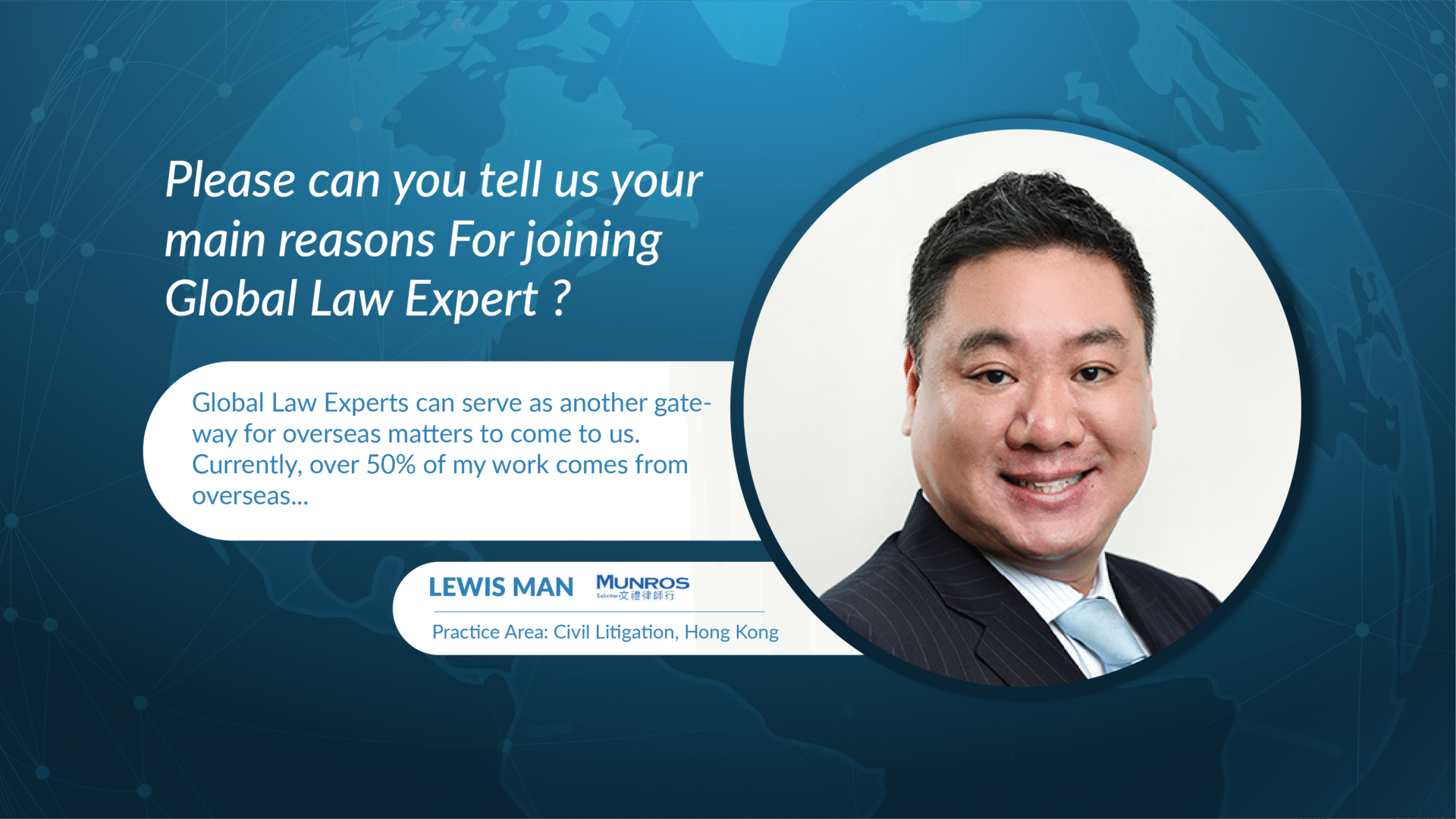
Testimonial-by-Lewis-Man.png
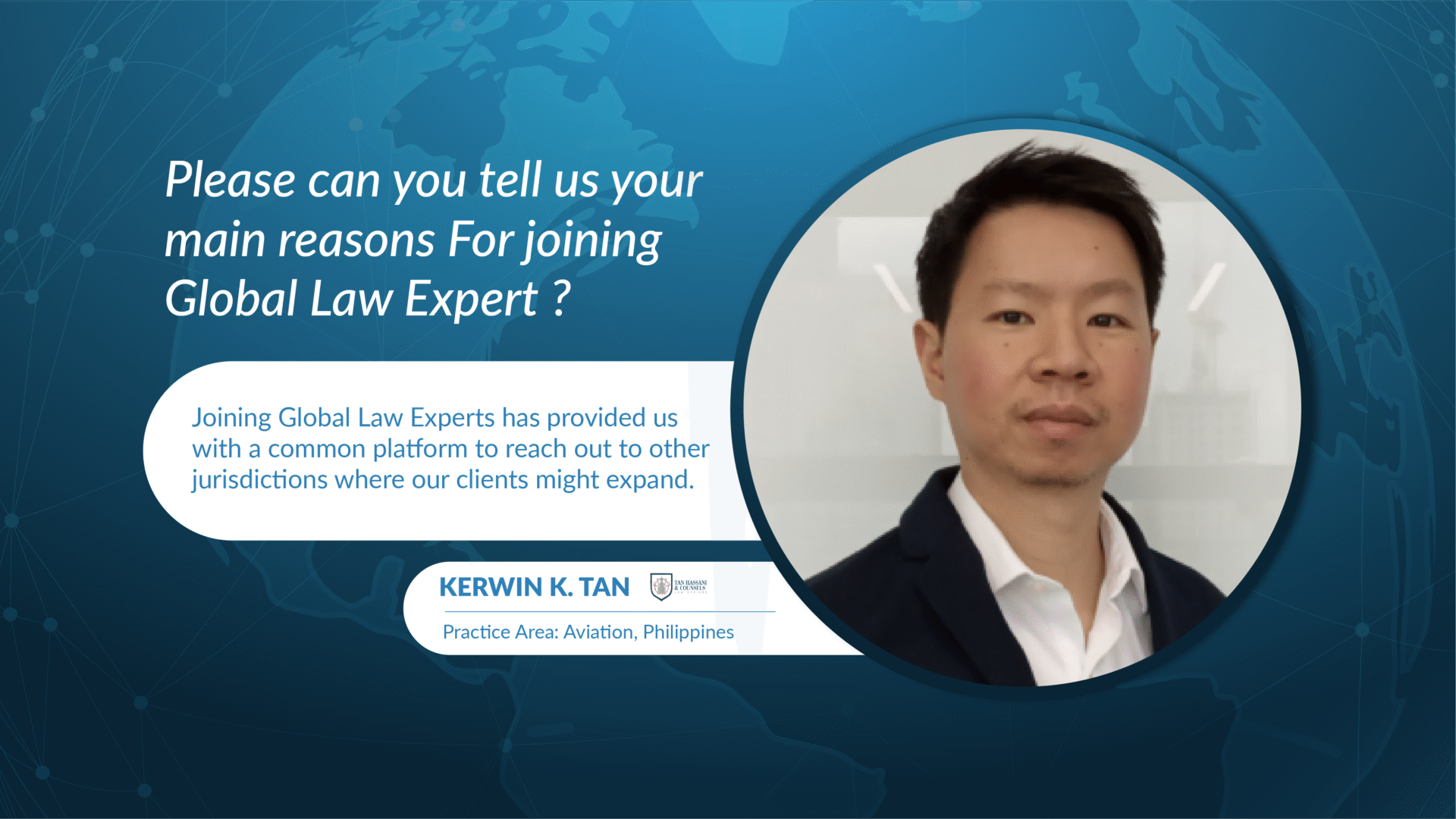
Testimonial-by-Kerwin-K.-Tan.png
Testimonial-by-Elena-Sadovskaya.png
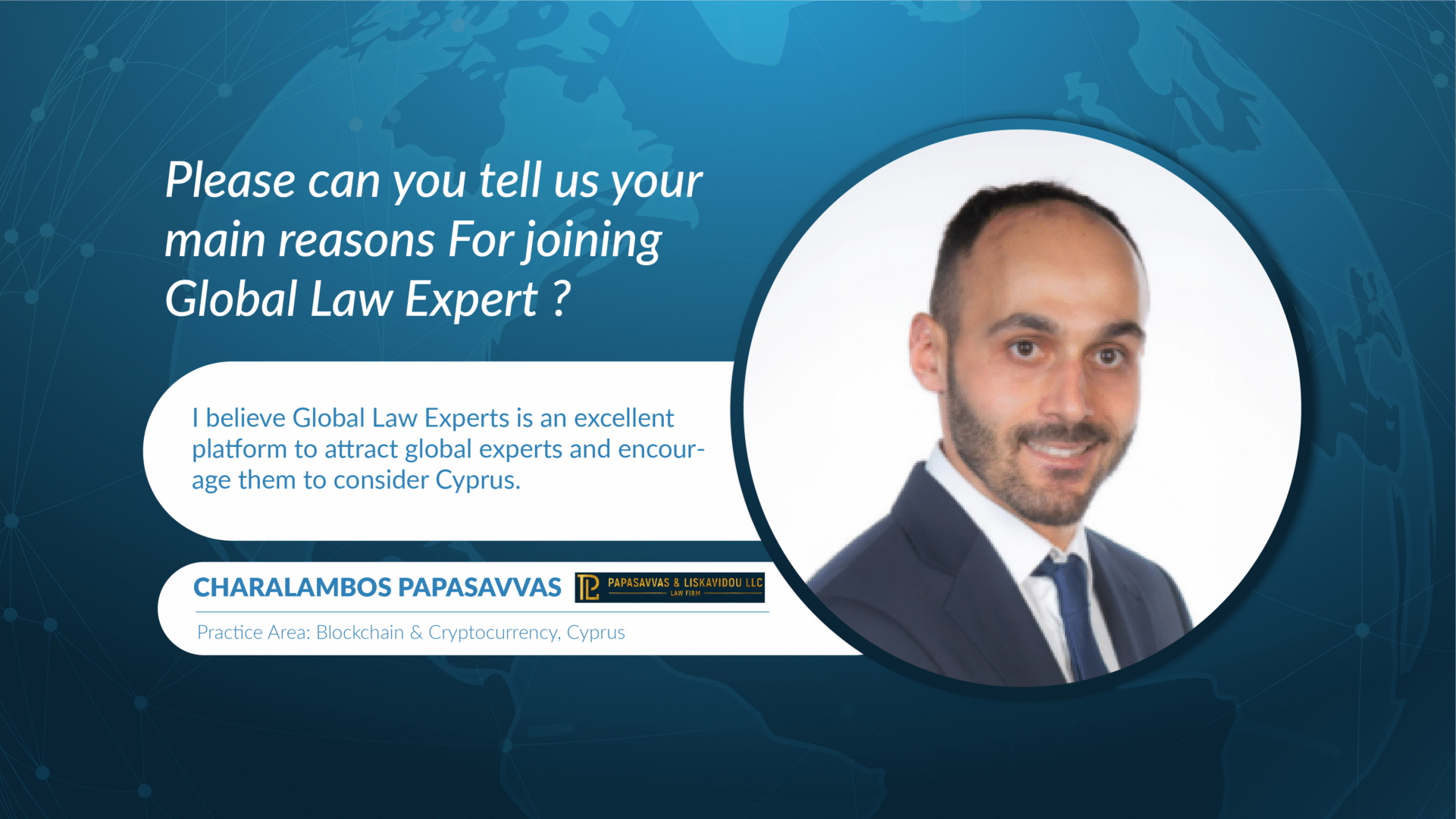
Testimonial-by-Charalambos-Papasavvas.png

Urban Development FAQ's

An Urban Development lawyer acts as a bridge between private developers and local government to get major projects built. Unlike a standard real estate attorney who handles buying and selling property, an urban development lawyer focuses on land use, zoning regulations, and securing the necessary government approvals. They guide complex projects through public hearings, negotiate infrastructure improvements, and ensure that a new building complies with the city’s long-term master plan.


While you are not legally required to have a lawyer, attempting to get a zoning variance without one is risky and often unsuccessful. A variance is a request to break the rules, so the burden of proof is high; you must prove to a board that strict enforcement of the code would cause you “undue hardship.” A lawyer knows how to frame your argument technically and politically to convince the zoning board that your request is reasonable and won’t harm the neighborhood.

If your permit is denied, a lawyer can immediately file an administrative appeal to challenge the decision before a board of standards or appeals. They will review the city’s specific reasons for rejection—often technical code violations or zoning misinterpretations—and work with architects to adjust the plans or argue that the city applied the law incorrectly. If the administrative appeal fails, a lawyer can take the matter to court to force the city to issue the permit.

Eminent domain is the power of the government to seize private property for public use, provided they pay the owner “just compensation.” A lawyer can fight this process by arguing that the seizure isn’t truly for “public use” or, more commonly, by proving that the government’s offer of payment is far too low. In many cases, a skilled attorney can negotiate a significantly higher payout by presenting independent appraisals that reflect the property’s true development potential.

In a Public-Private Partnership (P3), a lawyer structures the complex contracts that define how risks and rewards are shared between a government entity and a private developer. They draft agreements detailing who pays for construction, who operates the facility, and how revenue is split over decades. Their goal is to protect the private company from changing political tides while ensuring the government gets the public infrastructure it needs without bearing all the financial risk.

The main difference is that real estate law focuses on the transaction—buying, selling, leasing, and financing property—while urban development law focuses on the regulation and transformation of that property. A real estate lawyer makes sure you legally own the land; an urban development lawyer makes sure you are legally allowed to build a skyscraper on it. Urban development deals heavily with politics, environmental impact studies, and city planning codes that standard real estate transactions rarely touch.

When local groups oppose a new development, a lawyer can negotiate a “Community Benefits Agreement” (CBA) to resolve the conflict. This is a legally binding contract where the developer agrees to provide specific perks—like affordable housing units, local hiring quotas, or funding for a new park—in exchange for the community dropping their opposition. A lawyer ensures these promises are clear, enforceable, and financially feasible for the developer so the project can move forward.

Air rights refer to the empty space above a property that can be developed; if a building is shorter than the zoning code allows, it has “unused” air rights. A lawyer can help transfer these rights to a neighboring property through a process often called a “zoning lot merger” or “Transfer of Development Rights” (TDR). This legal maneuver allows the neighbor to build a taller tower than usually permitted by purchasing the “sky” from the shorter building next door.

Urban Development FAQ's

An Urban Development lawyer acts as a bridge between private developers and local government to get major projects built. Unlike a standard real estate attorney who handles buying and selling property, an urban development lawyer focuses on land use, zoning regulations, and securing the necessary government approvals. They guide complex projects through public hearings, negotiate infrastructure improvements, and ensure that a new building complies with the city's long-term master plan.

While you are not legally required to have a lawyer, attempting to get a zoning variance without one is risky and often unsuccessful. A variance is a request to break the rules, so the burden of proof is high; you must prove to a board that strict enforcement of the code would cause you "undue hardship." A lawyer knows how to frame your argument technically and politically to convince the zoning board that your request is reasonable and won't harm the neighborhood.

If your permit is denied, a lawyer can immediately file an administrative appeal to challenge the decision before a board of standards or appeals. They will review the city's specific reasons for rejection—often technical code violations or zoning misinterpretations—and work with architects to adjust the plans or argue that the city applied the law incorrectly. If the administrative appeal fails, a lawyer can take the matter to court to force the city to issue the permit.

Eminent domain is the power of the government to seize private property for public use, provided they pay the owner "just compensation." A lawyer can fight this process by arguing that the seizure isn't truly for "public use" or, more commonly, by proving that the government's offer of payment is far too low. In many cases, a skilled attorney can negotiate a significantly higher payout by presenting independent appraisals that reflect the property's true development potential.

In a Public-Private Partnership (P3), a lawyer structures the complex contracts that define how risks and rewards are shared between a government entity and a private developer. They draft agreements detailing who pays for construction, who operates the facility, and how revenue is split over decades. Their goal is to protect the private company from changing political tides while ensuring the government gets the public infrastructure it needs without bearing all the financial risk.

The main difference is that real estate law focuses on the transaction—buying, selling, leasing, and financing property—while urban development law focuses on the regulation and transformation of that property. A real estate lawyer makes sure you legally own the land; an urban development lawyer makes sure you are legally allowed to build a skyscraper on it. Urban development deals heavily with politics, environmental impact studies, and city planning codes that standard real estate transactions rarely touch.

When local groups oppose a new development, a lawyer can negotiate a "Community Benefits Agreement" (CBA) to resolve the conflict. This is a legally binding contract where the developer agrees to provide specific perks—like affordable housing units, local hiring quotas, or funding for a new park—in exchange for the community dropping their opposition. A lawyer ensures these promises are clear, enforceable, and financially feasible for the developer so the project can move forward.

Air rights refer to the empty space above a property that can be developed; if a building is shorter than the zoning code allows, it has "unused" air rights. A lawyer can help transfer these rights to a neighboring property through a process often called a "zoning lot merger" or "Transfer of Development Rights" (TDR). This legal maneuver allows the neighbor to build a taller tower than usually permitted by purchasing the "sky" from the shorter building next door.

Join
who are already getting the benefits
0
Sign up for the latest legal briefings and news within Global Law Experts’ community, as well as a whole host of features, editorial and conference updates direct to your email inbox. Naturally you can unsubscribe at any time.
Newsletter Sign Up
About Us

Global Law Experts is dedicated to providing exceptional legal services to clients around the world. With a vast network of highly skilled and experienced lawyers, we are committed to delivering innovative and tailored solutions to meet the diverse needs of our clients in various jurisdictions.

Global Law Experts App

Now Available on the App & Google Play Stores.

Social Posts
[wp_social_ninja id="50714" platform="instagram"]

See More:

Contact Us

Stay Informed

Join Mailing List
About Us

Global Law Experts is dedicated to providing exceptional legal services to clients around the world. With a vast network of highly skilled and experienced lawyers, we are committed to delivering innovative and tailored solutions to meet the diverse needs of our clients in various jurisdictions.

Social Posts
[wp_social_ninja id="50714" platform="instagram"]

See More:

Global Law Experts App

Now Available on the App & Google Play Stores.

Contact Us

Stay Informed

Join Mailing List

GLE

Lawyer Profile Page - Lead Capture
GLE-Logo-White
Lawyer Profile Page - Lead Capture

Testimonial by Charalambos Papasavvas

Send welcome message

Custom Message