[codicts-css-switcher id=”346″]

Global Law Experts Logo

Unfair Competition Lawyers Worldwide.

Global Law Experts

Meet Our Unfair Competition Lawyers

Find independent Unfair Competition lawyers worldwide and explore their expertise on Global Law Experts, a trusted legal directory platform. Connect with award-winning legal experts today.

Legal
Unfair Competition
Legal
Country
Unfair Competition

No results available Reset filters?

Unfair Competition News

Find Expert Unfair Competition Lawyers Through Global Law Experts

Defend Your Market Position with Expert Unfair Competition Counsel

Unfair competition can damage your brand, profits, and business reputation. Whether you’re dealing with trade secret theft, false advertising, or anti-competitive conduct, having the right legal partner is essential.

Global Law Experts connects you with experienced unfair competition lawyers who provide strategic and tailored solutions to protect your commercial interests. From enforcing your rights to stopping unlawful business practices, our vetted specialists help you compete fairly and confidently in the marketplace.

Unfair Competition Related Videos

Professional Unfair Competition Help You Can Trust

We will help match you with a qualified Unfair Competition law specialist who can offer reliable advice, clarify your options, and guide you through the next steps in the legal process.
Main Lead Capture Form - Home

Every GLE member is independently vetted by practice area and jurisdiction.

Client Success Stories

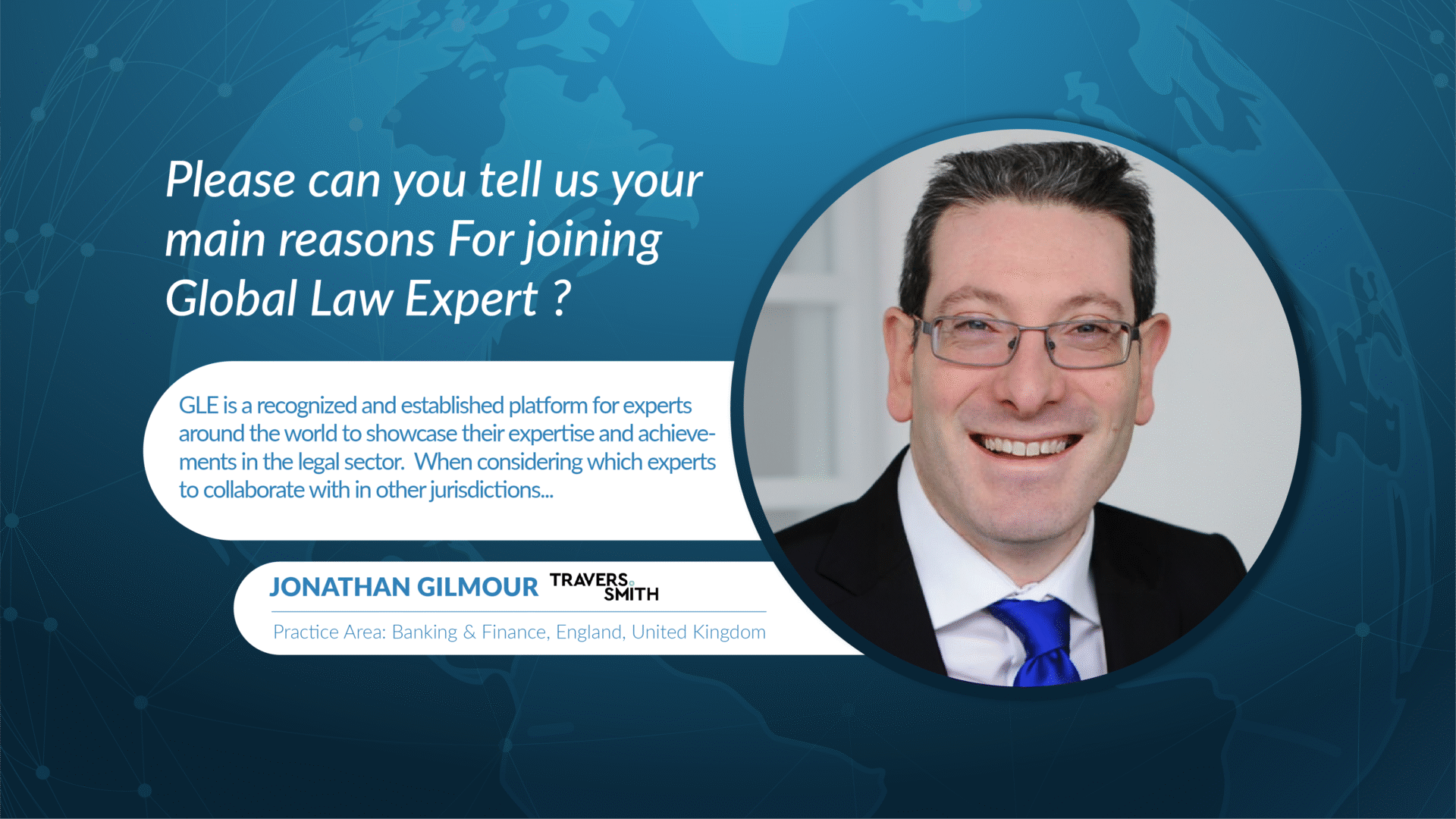
Testimonial-by-Jonathan-Gilmour.png
Testimonial-by-Tarek-Fouad-Riad.png
Testimonial-by-Zia-J.-Mody.png
Testimonial-by-Virginie-Tassin-Campanella.png
Testimonial-by-Marta-Dunphy-Moriel.png
Testimonial-by-Mario-Alberto-Arias-V.png
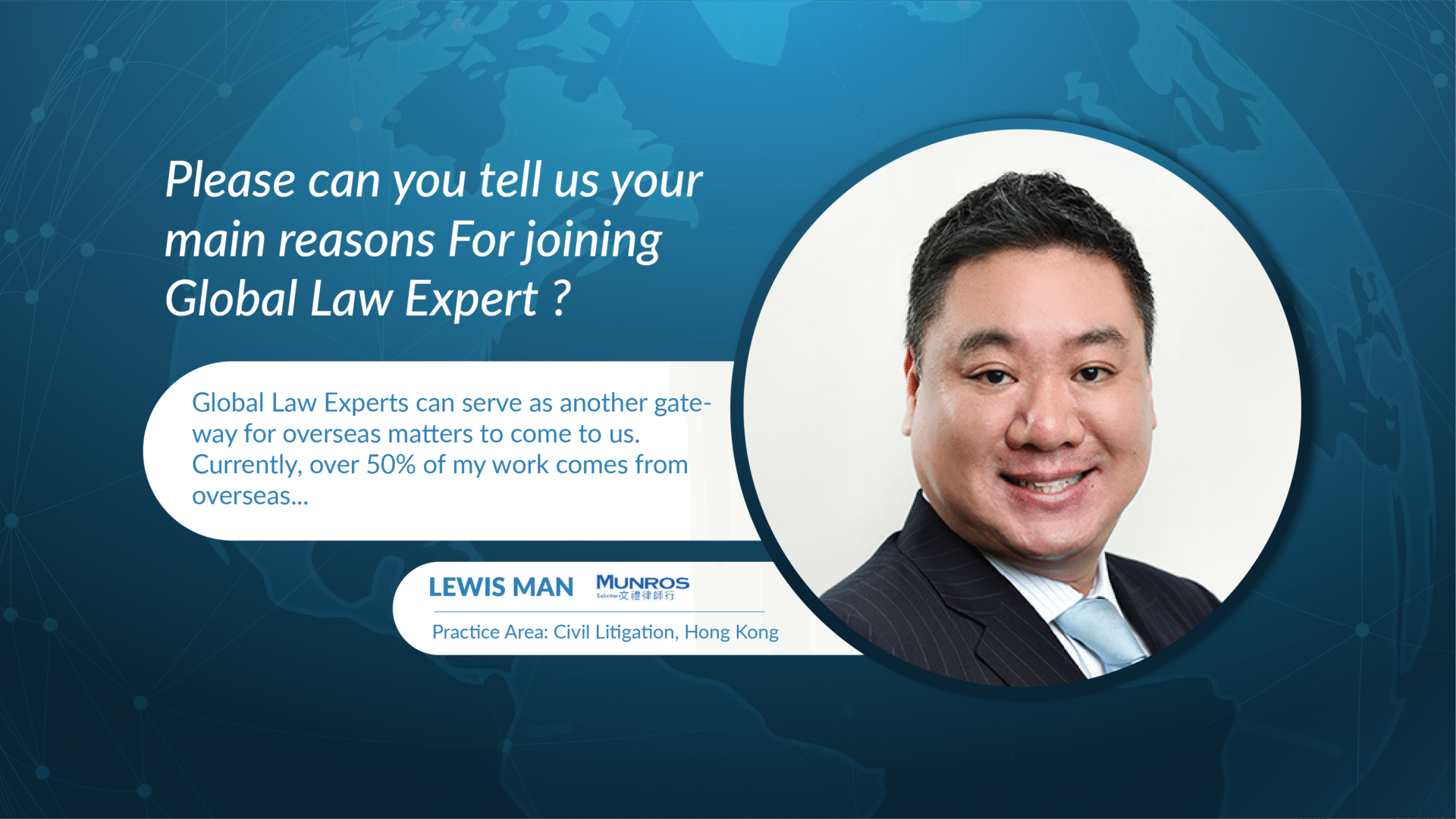
Testimonial-by-Lewis-Man.png
Testimonial-by-Kerwin-K.-Tan.png
Testimonial-by-Elena-Sadovskaya.png
Testimonial-by-Charalambos-Papasavvas.png

Unfair Competition FAQ's

An Unfair Competition lawyer handles a broad range of disputes where one business uses deceptive tactics to gain an illegal advantage over another. This goes beyond simple rivalry; it covers specific legal torts including false advertising, “passing off” (making your product look like a famous competitor’s), stealing trade secrets, and bait-and-switch selling. Their goal is to stop the deceptive behavior, often through an emergency court order known as an injunction, and recover financial losses caused by the diversion of customers.


Unfair competition is an “umbrella term” for any dishonest business practice that harms consumers or other businesses. While state laws vary, the core definition involves confusing the public or misappropriating the hard work of others. For example, under Section 43(a) of the U.S. Lanham Act, this includes false designations of origin and misleading descriptions of facts. In the United Kingdom, this is often covered under the common law of “passing off,” which requires proving that the competitor misrepresented their goods as yours and damaged your goodwill.

If a competitor makes false claims that steal your market share, a lawyer can sue to force them to stop and potentially pay for “corrective advertising” to fix the public’s perception. This is a high-stakes area; for example, false health claims or deceptive “greenwashing” can lead to massive liabilities, similar to the Volkswagen emissions scandal which resulted in over $30 billion in fines and settlements. A lawyer helps you navigate the strict burden of proof required to show that the ad actually deceived a “substantial segment” of the audience

Think of trademark infringement as a specific circle inside the larger circle of unfair competition. Trademark infringement deals strictly with the unauthorized use of a registered symbol, logo, or name. Unfair competition is much broader; it protects against the “total image” or “look and feel” of a product (known as trade dress) and other deceptive acts even if no specific trademark was technically violated. Essentially, you can be guilty of unfair competition even if you didn’t copy a logo exactly, simply by confusing the customer.

Yes, you can sue under laws like the federal Defend Trade Secrets Act (DTSA) in the U.S. if an employee takes confidential information—like client lists, algorithms, or manufacturing processes—to a rival. This is a massive economic issue; the U.S. Chamber of Commerce estimates that trade secret theft costs the U.S. economy between $300 billion and $600 billion annually. A lawyer can file for a temporary restraining order (TRO) to immediately stop the employee from using or sharing that data before it causes irreversible harm.

You can typically recover three types of financial remedies: your actual lost profits (money you would have made if the competitor hadn’t lied), the competitor’s ill-gotten profits (known as “disgorgement”), and attorney’s fees in exceptional cases. In some jurisdictions, if the conduct was willful or malicious, the court may award “treble damages,” meaning they triple the final amount the defendant has to pay as a punishment to deter future bad behavior.

Proving deception often requires more than just your opinion; it frequently demands consumer surveys and expert testimony to show that regular buyers were actually confused or misled. In the U.S., a plaintiff must often prove that the deception was “material,” meaning it was significant enough to influence a customer’s purchasing decision. Lawyers work with survey experts to gather this data, as courts generally look for evidence that at least 15-20% of the targeted audience was deceived.

Yes, drafting a non-compete requires extreme legal precision because courts and regulators are increasingly hostile toward them. In the U.S., where roughly one in five workers is bound by a non-compete, the Federal Trade Commission (FTC) has pushed to ban them, creating a volatile legal landscape. A lawyer ensures your agreement is “narrowly tailored” in terms of geography and time limit so it survives judicial scrutiny, rather than being tossed out as an illegal restraint on trade.

Unfair Competition FAQ's

An Unfair Competition lawyer handles a broad range of disputes where one business uses deceptive tactics to gain an illegal advantage over another. This goes beyond simple rivalry; it covers specific legal torts including false advertising, "passing off" (making your product look like a famous competitor's), stealing trade secrets, and bait-and-switch selling. Their goal is to stop the deceptive behavior, often through an emergency court order known as an injunction, and recover financial losses caused by the diversion of customers.

Unfair competition is an "umbrella term" for any dishonest business practice that harms consumers or other businesses. While state laws vary, the core definition involves confusing the public or misappropriating the hard work of others. For example, under Section 43(a) of the U.S. Lanham Act, this includes false designations of origin and misleading descriptions of facts. In the United Kingdom, this is often covered under the common law of "passing off," which requires proving that the competitor misrepresented their goods as yours and damaged your goodwill.

If a competitor makes false claims that steal your market share, a lawyer can sue to force them to stop and potentially pay for "corrective advertising" to fix the public's perception. This is a high-stakes area; for example, false health claims or deceptive "greenwashing" can lead to massive liabilities, similar to the Volkswagen emissions scandal which resulted in over $30 billion in fines and settlements. A lawyer helps you navigate the strict burden of proof required to show that the ad actually deceived a "substantial segment" of the audience

Think of trademark infringement as a specific circle inside the larger circle of unfair competition. Trademark infringement deals strictly with the unauthorized use of a registered symbol, logo, or name. Unfair competition is much broader; it protects against the "total image" or "look and feel" of a product (known as trade dress) and other deceptive acts even if no specific trademark was technically violated. Essentially, you can be guilty of unfair competition even if you didn't copy a logo exactly, simply by confusing the customer.

Yes, you can sue under laws like the federal Defend Trade Secrets Act (DTSA) in the U.S. if an employee takes confidential information—like client lists, algorithms, or manufacturing processes—to a rival. This is a massive economic issue; the U.S. Chamber of Commerce estimates that trade secret theft costs the U.S. economy between $300 billion and $600 billion annually. A lawyer can file for a temporary restraining order (TRO) to immediately stop the employee from using or sharing that data before it causes irreversible harm.

You can typically recover three types of financial remedies: your actual lost profits (money you would have made if the competitor hadn't lied), the competitor's ill-gotten profits (known as "disgorgement"), and attorney's fees in exceptional cases. In some jurisdictions, if the conduct was willful or malicious, the court may award "treble damages," meaning they triple the final amount the defendant has to pay as a punishment to deter future bad behavior.

Proving deception often requires more than just your opinion; it frequently demands consumer surveys and expert testimony to show that regular buyers were actually confused or misled. In the U.S., a plaintiff must often prove that the deception was "material," meaning it was significant enough to influence a customer's purchasing decision. Lawyers work with survey experts to gather this data, as courts generally look for evidence that at least 15-20% of the targeted audience was deceived.

Yes, drafting a non-compete requires extreme legal precision because courts and regulators are increasingly hostile toward them. In the U.S., where roughly one in five workers is bound by a non-compete, the Federal Trade Commission (FTC) has pushed to ban them, creating a volatile legal landscape. A lawyer ensures your agreement is "narrowly tailored" in terms of geography and time limit so it survives judicial scrutiny, rather than being tossed out as an illegal restraint on trade.

Join
who are already getting the benefits
0
Sign up for the latest legal briefings and news within Global Law Experts’ community, as well as a whole host of features, editorial and conference updates direct to your email inbox. Naturally you can unsubscribe at any time.
Newsletter Sign Up
About Us

Global Law Experts is dedicated to providing exceptional legal services to clients around the world. With a vast network of highly skilled and experienced lawyers, we are committed to delivering innovative and tailored solutions to meet the diverse needs of our clients in various jurisdictions.

Global Law Experts App

Now Available on the App & Google Play Stores.

Social Posts
[wp_social_ninja id="50714" platform="instagram"]

See More:

Contact Us

Stay Informed

Join Mailing List
About Us

Global Law Experts is dedicated to providing exceptional legal services to clients around the world. With a vast network of highly skilled and experienced lawyers, we are committed to delivering innovative and tailored solutions to meet the diverse needs of our clients in various jurisdictions.

Social Posts
[wp_social_ninja id="50714" platform="instagram"]

See More:

Global Law Experts App

Now Available on the App & Google Play Stores.

Contact Us

Stay Informed

Join Mailing List

GLE

Lawyer Profile Page - Lead Capture
GLE-Logo-White
Lawyer Profile Page - Lead Capture

Empowering Polish Businesses: Maciej Lipinski Joins Global Law Experts in Unfair Competition Law

Send welcome message

Custom Message