[codicts-css-switcher id=”346″]

Global Law Experts Logo

Trust & Estates Lawyers Worldwide.

Global Law Experts

Meet Our Trust & Estates Lawyers

Discover independent Trust & Estates legal experts on Global Law Experts. Connect with award-winning lawyers in the field of Trust & Estates.

Legal
Country
Trust & Estates
Legal
Country
Trust & Estates
5 results

Trust & Estates News

Find Expert Trust & Estates Lawyers Through Global Law Experts

Protect Your Legacy with Expert Trust & Estates Counsel

Trust and estates planning ensures your assets are preserved, managed, and passed on according to your wishes. Whether you are setting up trusts, drafting estate plans, or handling probate matters, having the right legal guidance is essential.

Global Law Experts connects you with experienced trust and estates lawyers who provide tailored solutions to protect your family, wealth, and legacy. From simple estate planning to complex trust structures, our vetted specialists deliver strategic counsel that gives you lasting peace of mind.

Professional Trust & Estates Help You Can Trust

We will help match you with a qualified Trust & Estates law specialist who can offer reliable advice, clarify your options, and guide you through the next steps in the legal process.
Main Lead Capture Form - Home

Every GLE member is independently vetted by practice area and jurisdiction.

Client Success Stories

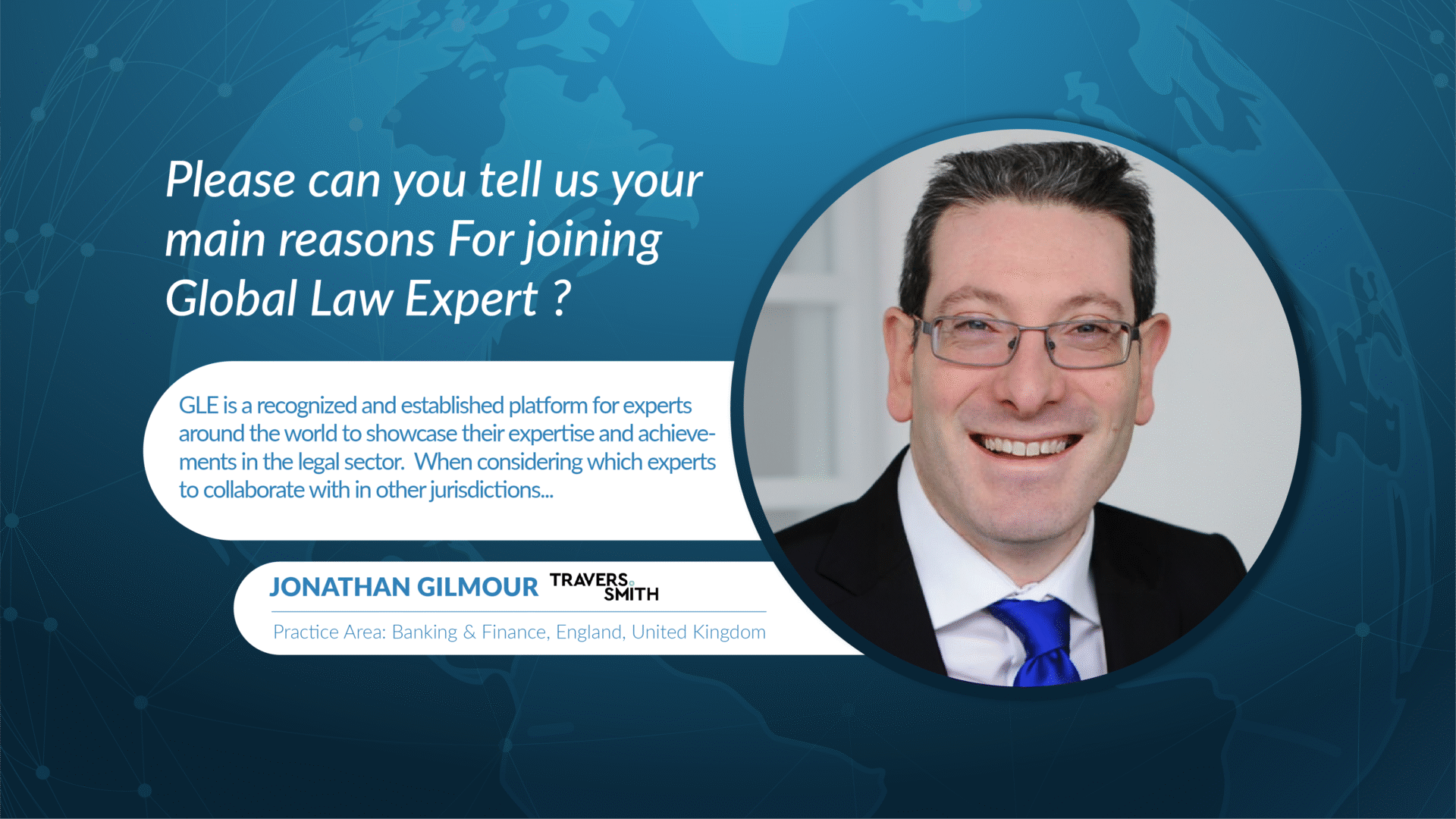
Testimonial-by-Jonathan-Gilmour.png
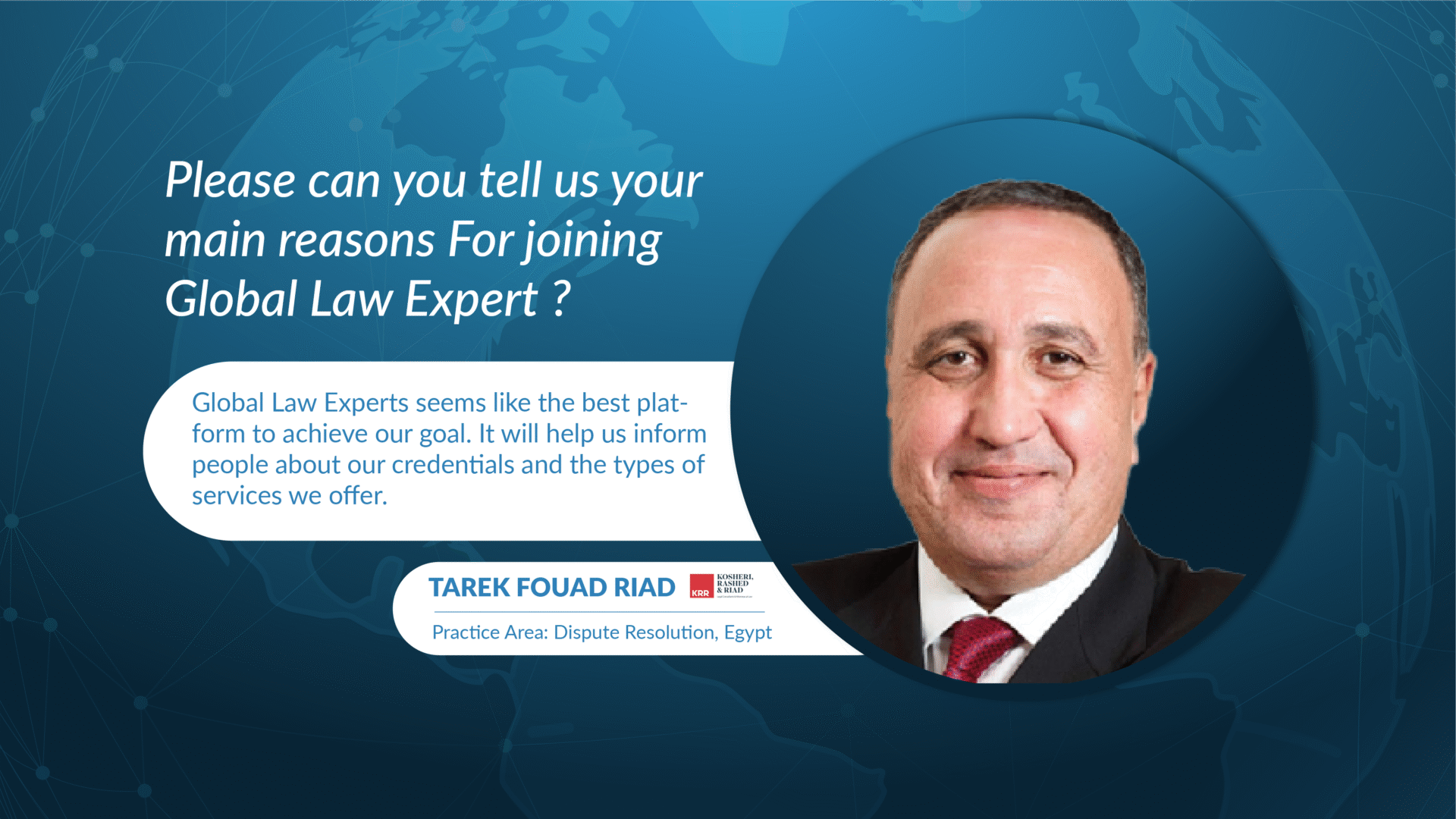
Testimonial-by-Tarek-Fouad-Riad.png
Testimonial-by-Zia-J.-Mody.png
Testimonial-by-Virginie-Tassin-Campanella.png
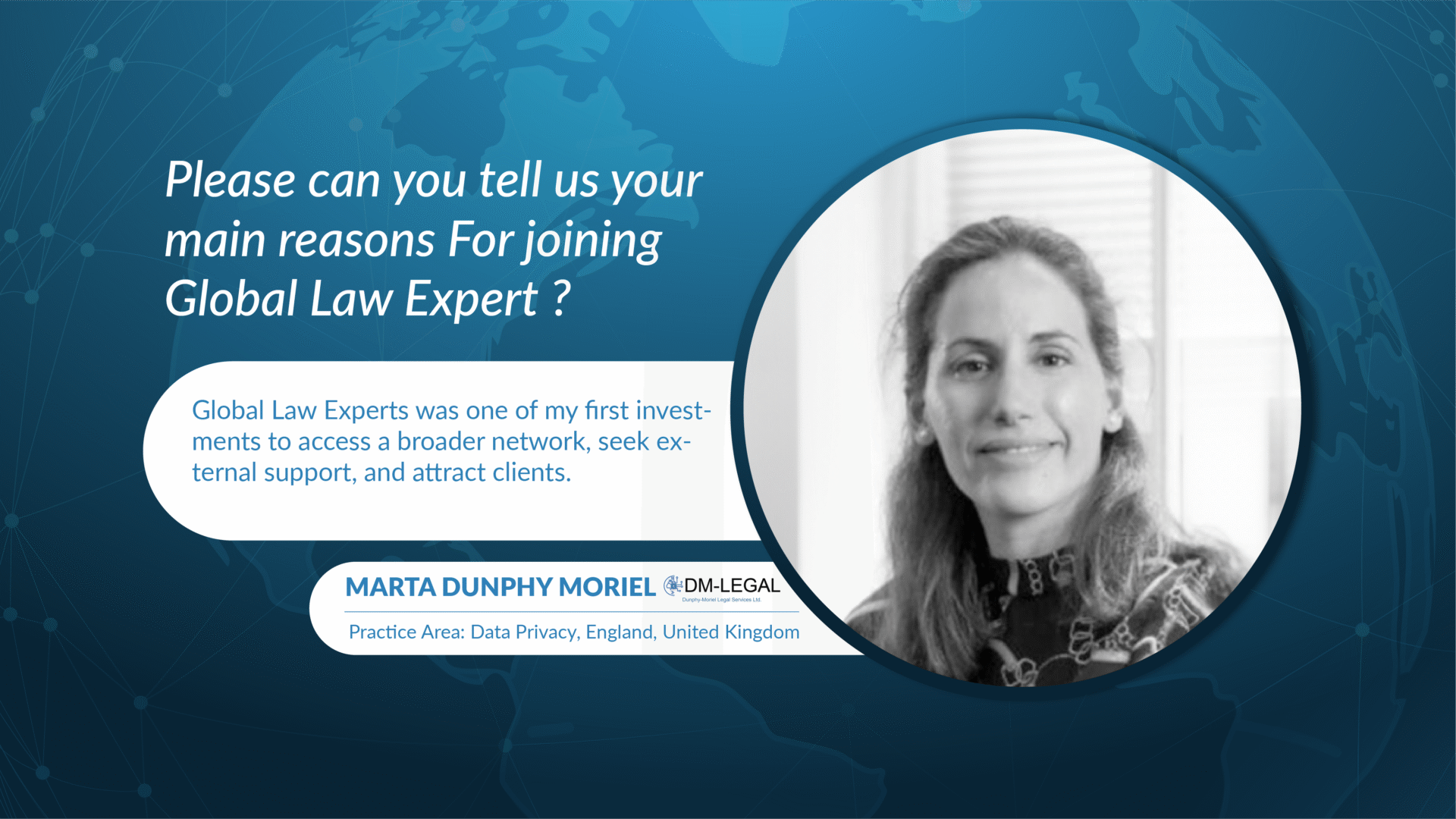
Testimonial-by-Marta-Dunphy-Moriel.png
Testimonial-by-Mario-Alberto-Arias-V.png
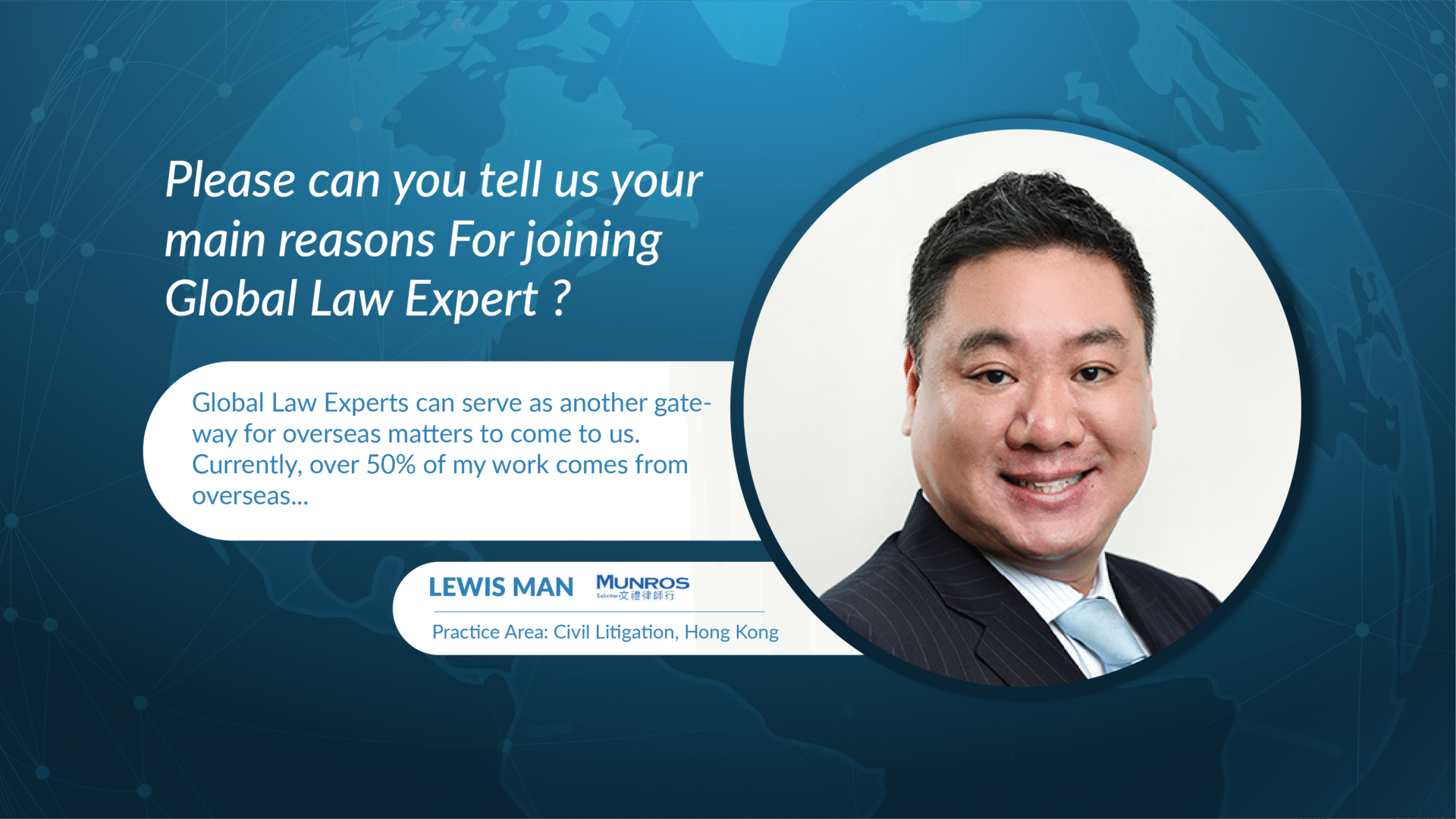
Testimonial-by-Lewis-Man.png
Testimonial-by-Kerwin-K.-Tan.png
Testimonial-by-Elena-Sadovskaya.png
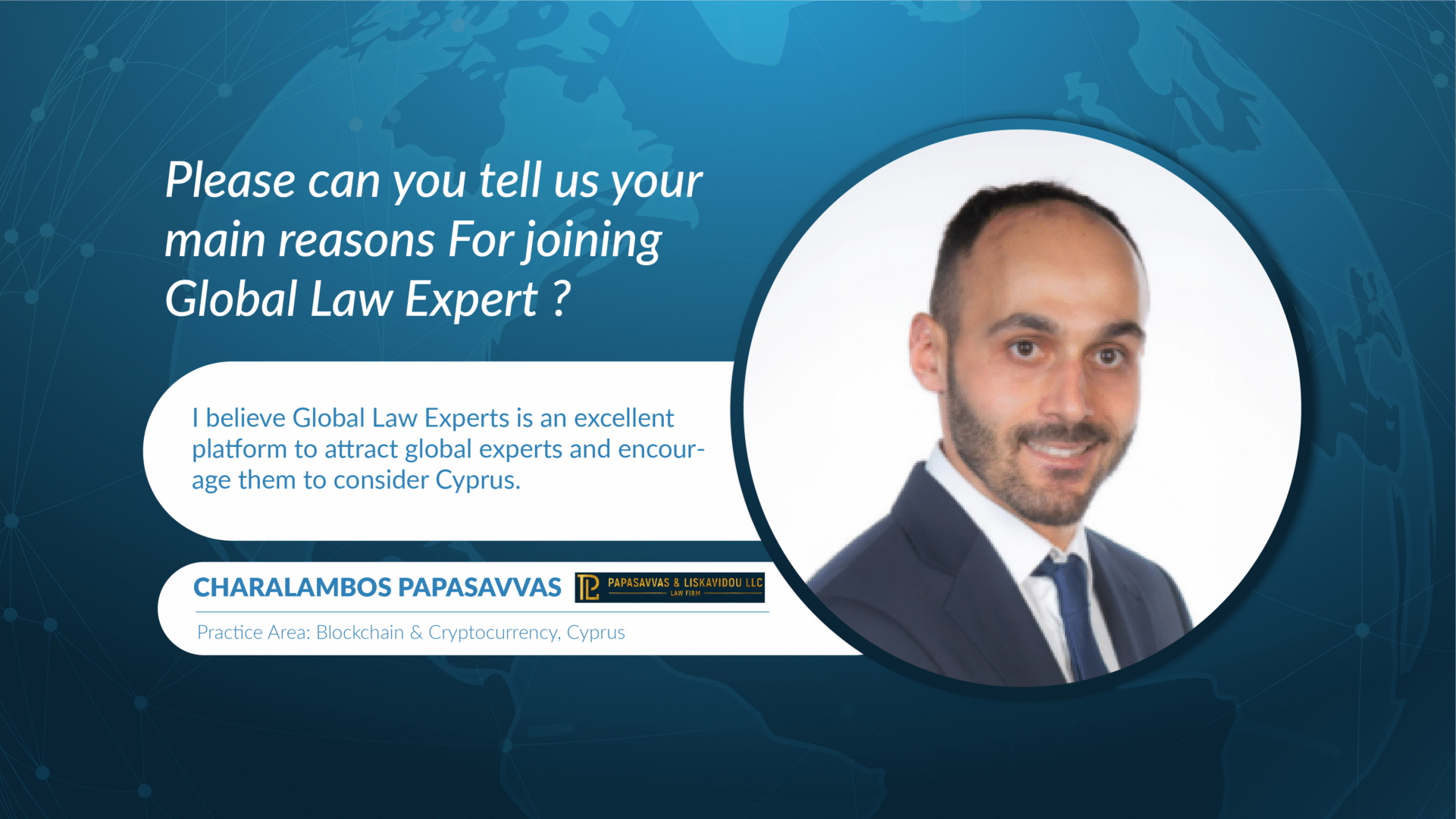
Testimonial-by-Charalambos-Papasavvas.png

Trust & Estates FAQ's

A Trust & Estates lawyer is a specialist who helps you structure the distribution of your assets to ensure your wealth is preserved for future generations rather than being eroded by taxes and court fees. Their role goes beyond just writing a Will; they design comprehensive legal vehicles—like trusts—to protect beneficiaries, minimize the burden of the “death tax” (federal estate tax or UK inheritance tax), and plan for potential incapacity. They also act as counselors during the emotional process of administering a deceased loved one’s estate, guiding families through the legal maze of probate.

The main difference is control and flexibility. A revocable trust (often called a Living Trust) allows you to retain full control over your assets and change the terms at any time while you are alive; its primary goal is to avoid the public hassle of probate court. An irrevocable trust, once signed, generally cannot be changed; you give up ownership of the assets forever, but in exchange, you gain powerful protection from creditors and can legally remove those assets from your taxable estate, which is critical for ultra-high-net-worth families.

Yes, tax mitigation is a massive part of their job, especially for estates exceeding government exemption thresholds. In the United States, the federal estate tax exemption is historically high (over $13.99 million per individual in 2025), so lawyers focus on minimizing state-level taxes or capital gains. In the United Kingdom, where the Inheritance Tax (IHT) threshold is frozen at just £325,000 (plus the residence nil-rate band), lawyers are essential for structuring gifts and trusts to prevent the government from taking 40% of your legacy.

Costs vary by complexity and region, but you are paying for a custom legal strategy rather than just a document. In the U.S., a comprehensive estate plan with a revocable living trust typically costs between $1,500 and $5,000. In the U.K., similar trust-based planning generally ranges from £1,000 to £3,000. While this is more expensive than a simple Will, it is often a fraction of the cost of probate, which can consume 3% to 7% of an estate’s total value in legal and court fees.


Yes, avoiding probate is often the primary goal of estate planning because probate is public, slow, and expensive. A lawyer achieves this by funding a Revocable Living Trust—essentially “retitling” your house, bank accounts, and investments from your individual name into the name of the Trust. They will also ensure you use “operation of law” tools, such as Transfer on Death (TOD) deeds and correct beneficiary designations on retirement accounts, to ensure assets skip the court system entirely and go straight to your heirs.

A trustee is a “fiduciary,” meaning they are held to the highest standard of the law and must act solely in the best interest of the beneficiaries. Their strict duties include the duty of loyalty (never using trust money for their own profit), the duty of impartiality (not favoring one beneficiary over another), and the duty of prudent administration (investing trust assets wisely). Breaching these duties—for example, by “borrowing” trust funds—can lead to personal financial liability and removal by a judge.

You should hire a trust litigation lawyer immediately if you suspect “undue influence” (someone manipulated the deceased), lack of capacity (the deceased had dementia when signing), or fraud. Speed is critical because the window to contest is short; for instance, in many U.S. states like California, you only have 120 days after receiving a formal notice to file a contest. Waiting too long can permanently bar you from recovering your inheritance, regardless of how valid your claim is.

A Special Needs Trust (SNT) is a vital legal tool designed to financially support a beneficiary with a disability without disqualifying them from essential government benefits like SSI or Medicaid. Since these government programs have strict asset limits (often as low as $2,000), giving money directly to a disabled loved one could cause them to lose their healthcare coverage. An SNT holds the money legally separately, allowing the trustee to pay for “extras” like therapy, travel, or electronics, enhancing the beneficiary’s quality of life while keeping their benefits intact.

Trust & Estates FAQ's

A Trust & Estates lawyer is a specialist who helps you structure the distribution of your assets to ensure your wealth is preserved for future generations rather than being eroded by taxes and court fees. Their role goes beyond just writing a Will; they design comprehensive legal vehicles—like trusts—to protect beneficiaries, minimize the burden of the "death tax" (federal estate tax or UK inheritance tax), and plan for potential incapacity. They also act as counselors during the emotional process of administering a deceased loved one's estate, guiding families through the legal maze of probate.

The main difference is control and flexibility. A revocable trust (often called a Living Trust) allows you to retain full control over your assets and change the terms at any time while you are alive; its primary goal is to avoid the public hassle of probate court. An irrevocable trust, once signed, generally cannot be changed; you give up ownership of the assets forever, but in exchange, you gain powerful protection from creditors and can legally remove those assets from your taxable estate, which is critical for ultra-high-net-worth families.

Yes, tax mitigation is a massive part of their job, especially for estates exceeding government exemption thresholds. In the United States, the federal estate tax exemption is historically high (over $13.99 million per individual in 2025), so lawyers focus on minimizing state-level taxes or capital gains. In the United Kingdom, where the Inheritance Tax (IHT) threshold is frozen at just £325,000 (plus the residence nil-rate band), lawyers are essential for structuring gifts and trusts to prevent the government from taking 40% of your legacy.

Costs vary by complexity and region, but you are paying for a custom legal strategy rather than just a document. In the U.S., a comprehensive estate plan with a revocable living trust typically costs between $1,500 and $5,000. In the U.K., similar trust-based planning generally ranges from £1,000 to £3,000. While this is more expensive than a simple Will, it is often a fraction of the cost of probate, which can consume 3% to 7% of an estate’s total value in legal and court fees.

Yes, avoiding probate is often the primary goal of estate planning because probate is public, slow, and expensive. A lawyer achieves this by funding a Revocable Living Trust—essentially "retitling" your house, bank accounts, and investments from your individual name into the name of the Trust. They will also ensure you use "operation of law" tools, such as Transfer on Death (TOD) deeds and correct beneficiary designations on retirement accounts, to ensure assets skip the court system entirely and go straight to your heirs.

A trustee is a "fiduciary," meaning they are held to the highest standard of the law and must act solely in the best interest of the beneficiaries. Their strict duties include the duty of loyalty (never using trust money for their own profit), the duty of impartiality (not favoring one beneficiary over another), and the duty of prudent administration (investing trust assets wisely). Breaching these duties—for example, by "borrowing" trust funds—can lead to personal financial liability and removal by a judge.

You should hire a trust litigation lawyer immediately if you suspect "undue influence" (someone manipulated the deceased), lack of capacity (the deceased had dementia when signing), or fraud. Speed is critical because the window to contest is short; for instance, in many U.S. states like California, you only have 120 days after receiving a formal notice to file a contest. Waiting too long can permanently bar you from recovering your inheritance, regardless of how valid your claim is.

A Special Needs Trust (SNT) is a vital legal tool designed to financially support a beneficiary with a disability without disqualifying them from essential government benefits like SSI or Medicaid. Since these government programs have strict asset limits (often as low as $2,000), giving money directly to a disabled loved one could cause them to lose their healthcare coverage. An SNT holds the money legally separately, allowing the trustee to pay for "extras" like therapy, travel, or electronics, enhancing the beneficiary's quality of life while keeping their benefits intact.

Join
who are already getting the benefits
0
Sign up for the latest legal briefings and news within Global Law Experts’ community, as well as a whole host of features, editorial and conference updates direct to your email inbox. Naturally you can unsubscribe at any time.
Newsletter Sign Up
About Us

Global Law Experts is dedicated to providing exceptional legal services to clients around the world. With a vast network of highly skilled and experienced lawyers, we are committed to delivering innovative and tailored solutions to meet the diverse needs of our clients in various jurisdictions.

Global Law Experts App

Now Available on the App & Google Play Stores.

Social Posts
[wp_social_ninja id="50714" platform="instagram"]

See More:

Contact Us

Stay Informed

Join Mailing List
About Us

Global Law Experts is dedicated to providing exceptional legal services to clients around the world. With a vast network of highly skilled and experienced lawyers, we are committed to delivering innovative and tailored solutions to meet the diverse needs of our clients in various jurisdictions.

Social Posts
[wp_social_ninja id="50714" platform="instagram"]

See More:

Global Law Experts App

Now Available on the App & Google Play Stores.

Contact Us

Stay Informed

Join Mailing List

GLE

Lawyer Profile Page - Lead Capture
GLE-Logo-White
Lawyer Profile Page - Lead Capture
Kedia Delahaye

Kedia Delahaye

Send welcome message

Custom Message