[codicts-css-switcher id=”346″]

Global Law Experts Logo

Trademark Lawyers Worldwide.

Global Law Experts

Meet Our Trademark Lawyers

Discover top trademark lawyers worldwide on Global Law Experts. Connect with independent legal experts recognized for their trademark expertise.

Legal
Country
Trademark
Legal
Country
Trademark
14 results

Trademark News

Find Expert Trademark Lawyers Through Global Law Experts

Secure Your Brand with Expert Trademark Counsel

Trademarks protect your brand identity, reputation, and market presence. Whether registering a new mark, managing international filings, or enforcing your rights, having the right legal guidance is essential.

Global Law Experts connects you with experienced trademark lawyers who provide strategic, tailored counsel. Our vetted specialists assist with trademark registration, protection, and enforcement, ensuring your brand remains secure and your intellectual property is fully defended.

Trademark Related Videos

Professional Trademark Help You Can Trust

We will help match you with a qualified Trademark law specialist who can offer reliable advice, clarify your options, and guide you through the next steps in the legal process.
Main Lead Capture Form - Home

Every GLE member is independently vetted by practice area and jurisdiction.

Client Success Stories

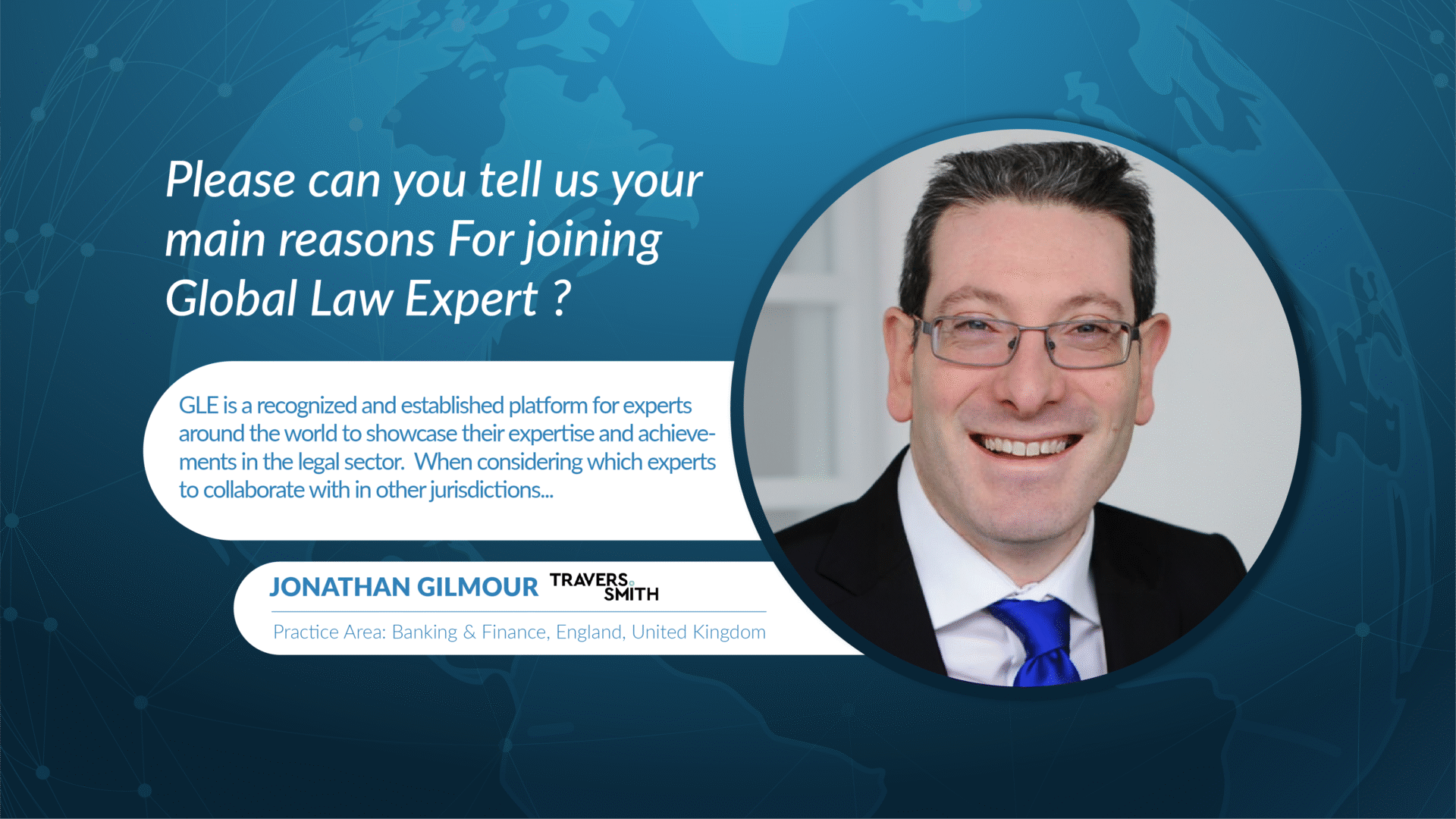
Testimonial-by-Jonathan-Gilmour.png
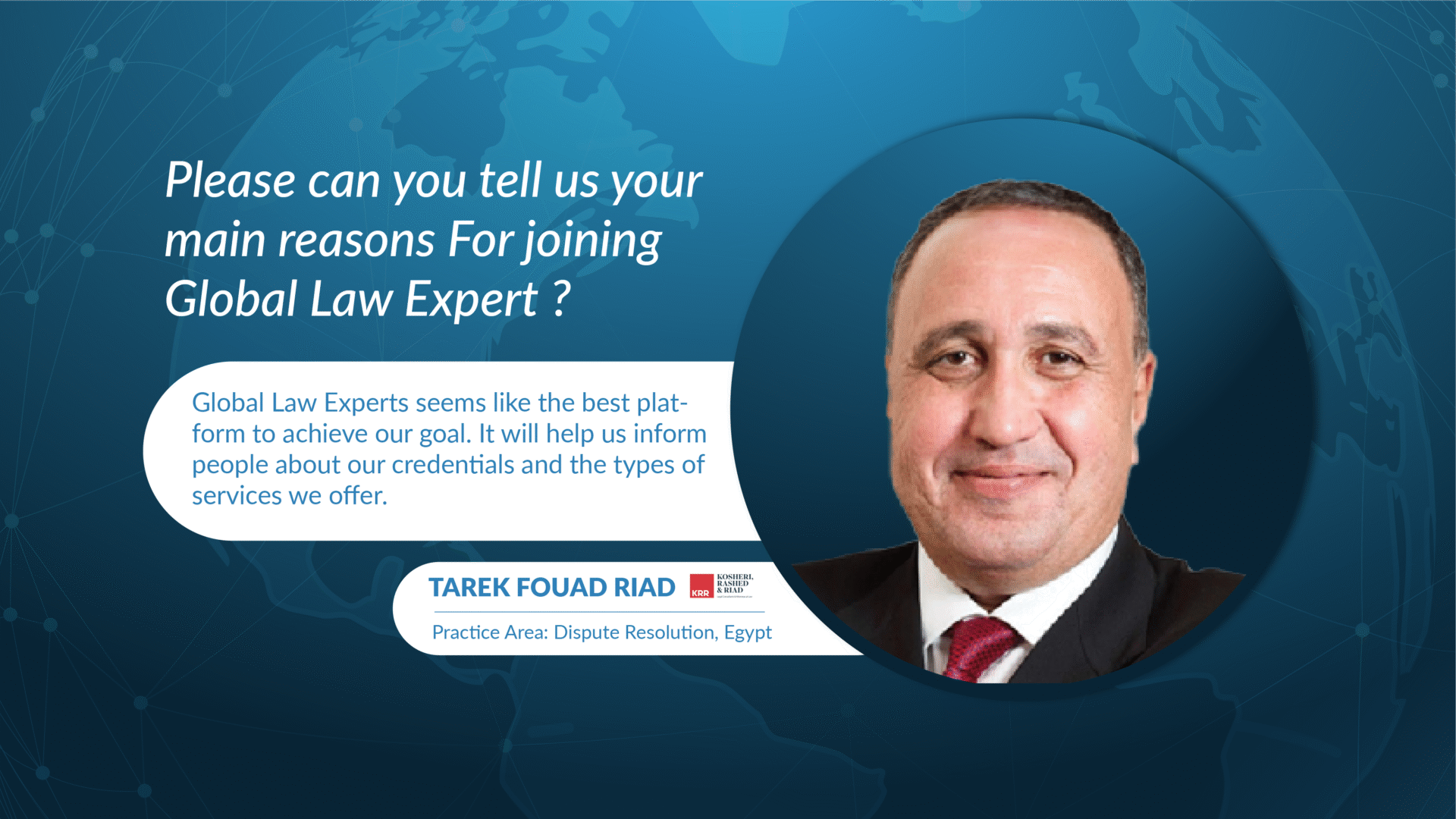
Testimonial-by-Tarek-Fouad-Riad.png
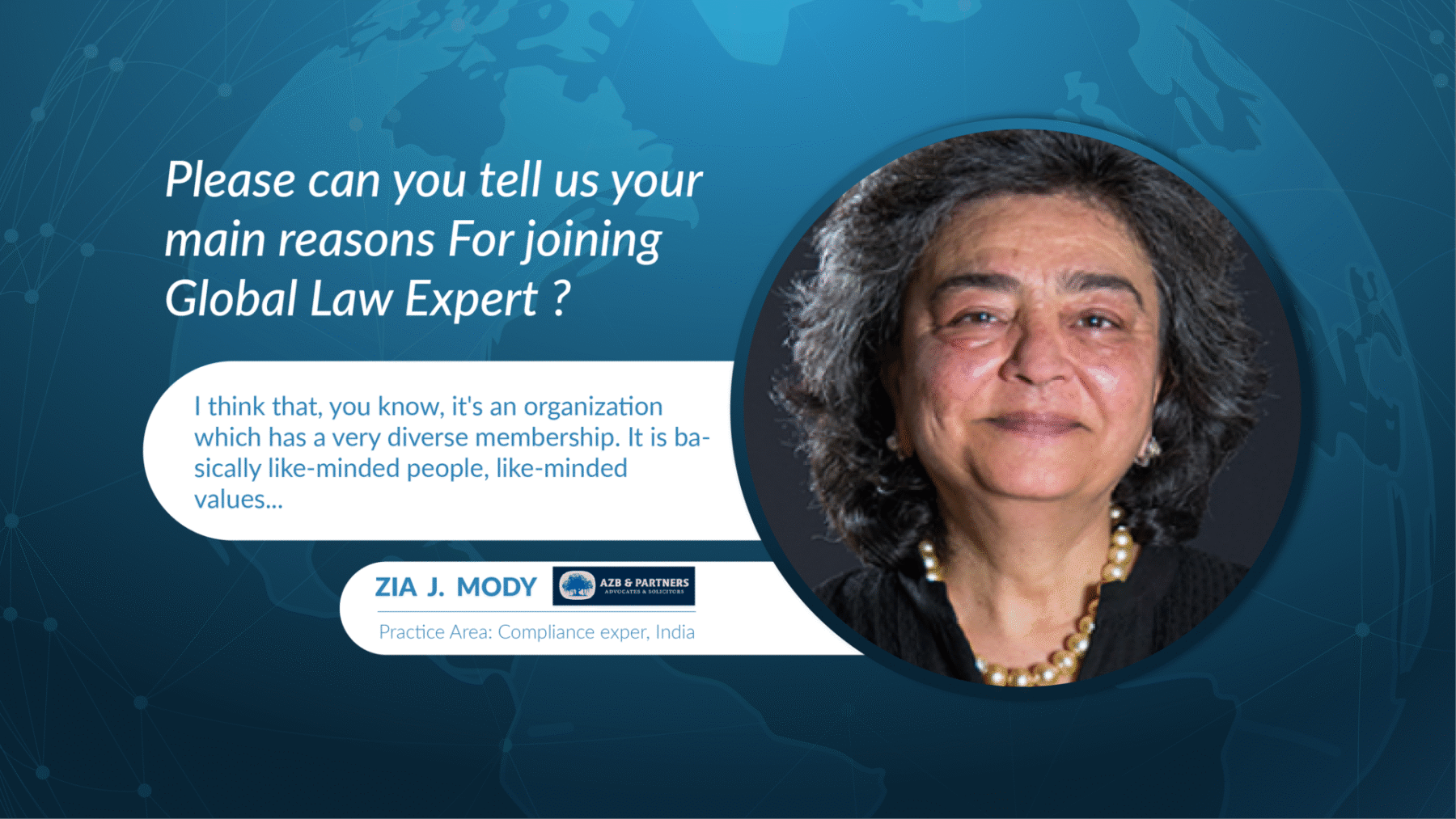
Testimonial-by-Zia-J.-Mody.png
Testimonial-by-Virginie-Tassin-Campanella.png
Testimonial-by-Marta-Dunphy-Moriel.png
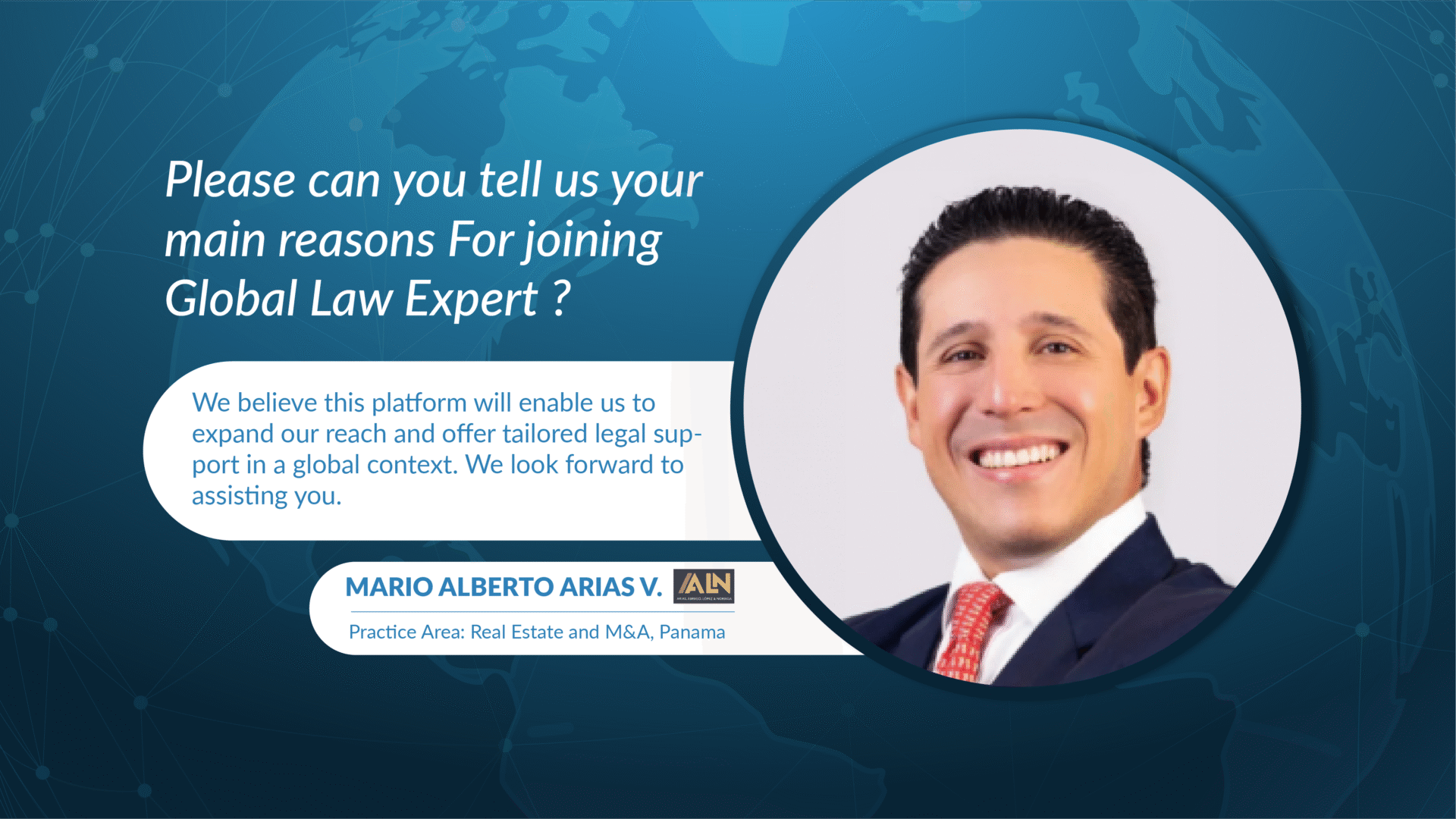
Testimonial-by-Mario-Alberto-Arias-V.png
Testimonial-by-Lewis-Man.png
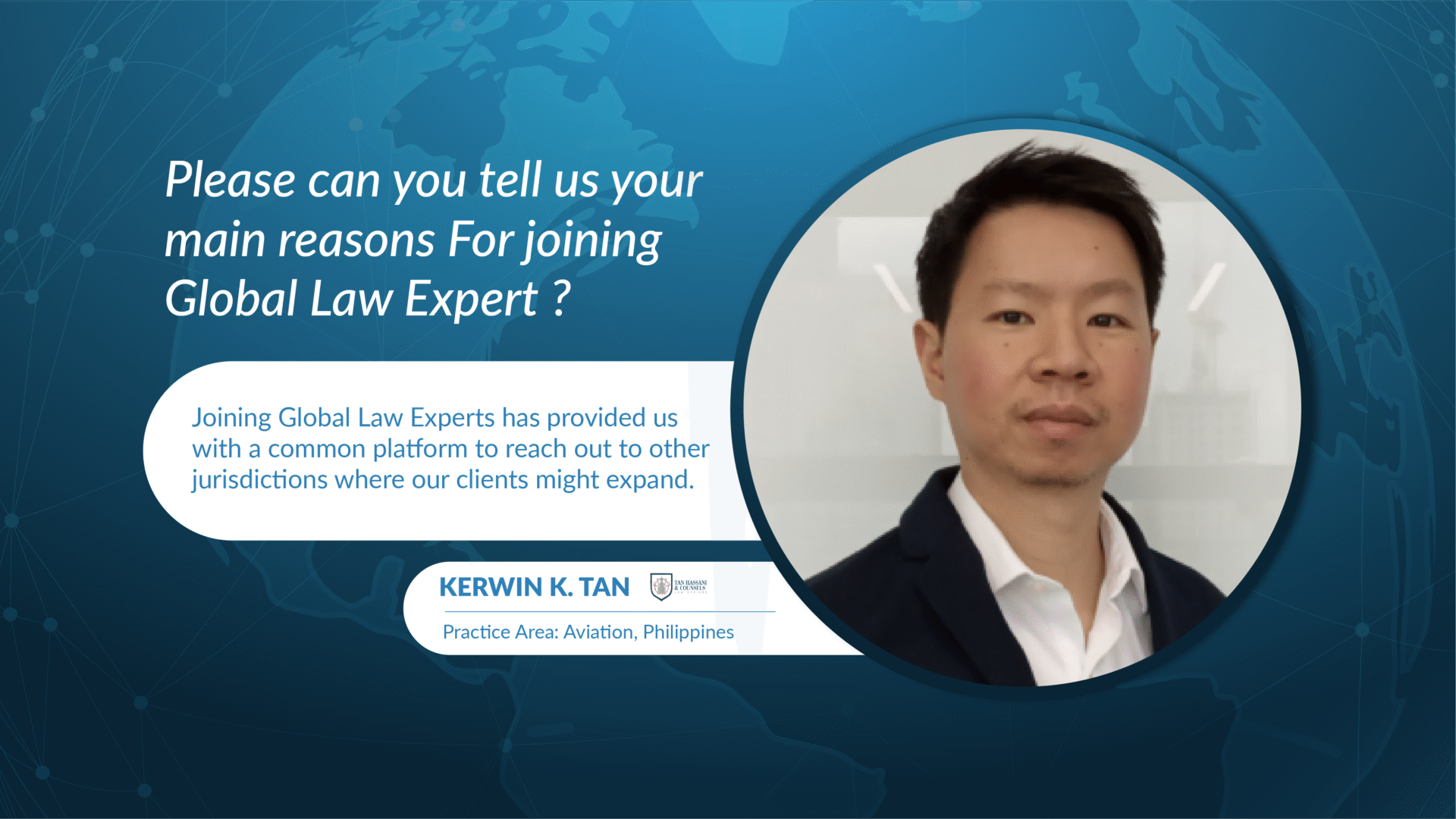
Testimonial-by-Kerwin-K.-Tan.png
Testimonial-by-Elena-Sadovskaya.png
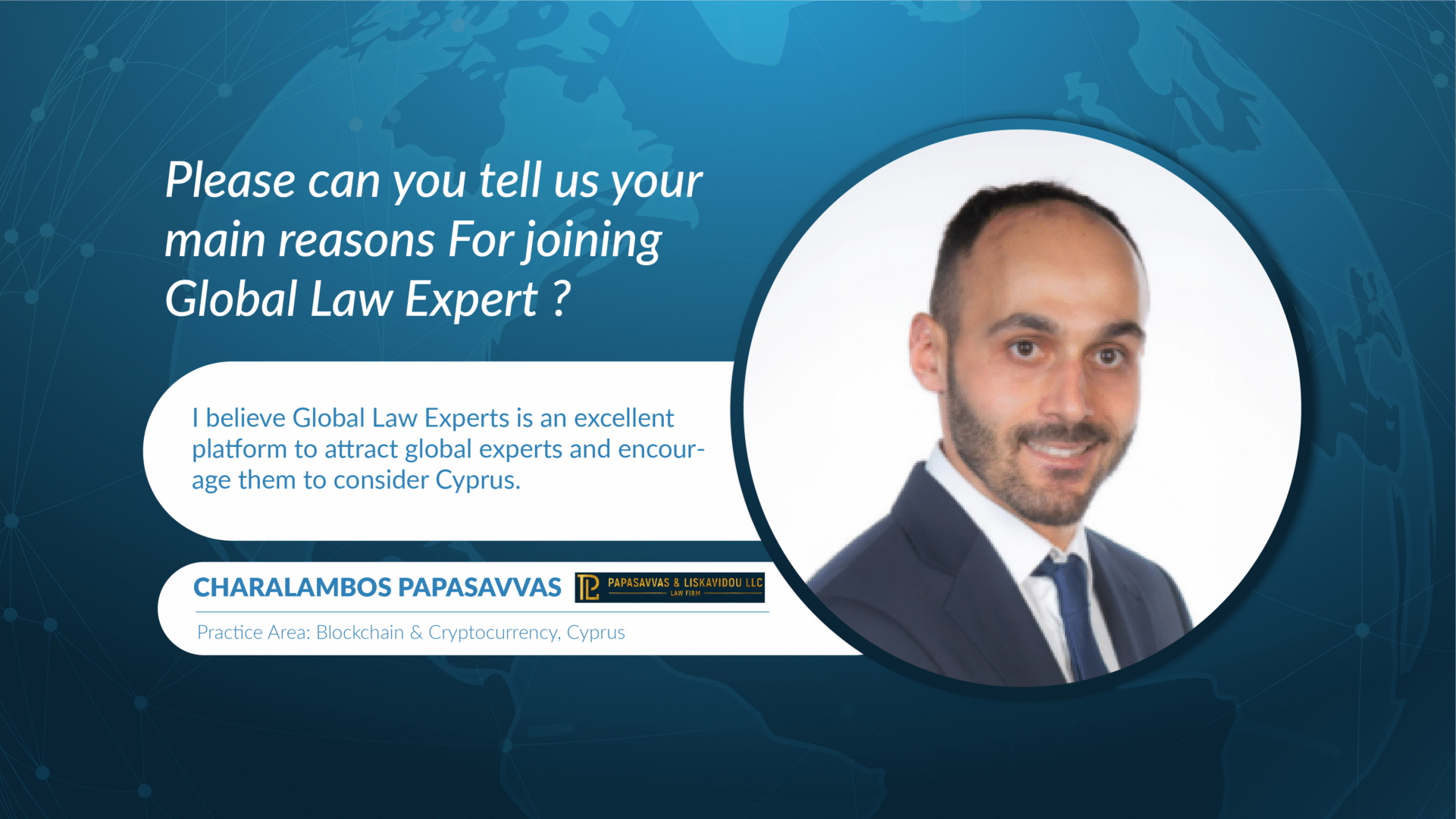
Testimonial-by-Charalambos-Papasavvas.png

Trademark FAQ's

Legally, no, but statistically, it is a smart investment. A study by the University of North Carolina found that trademark applications filed with the help of an attorney are 50% more likely to be approved than those filed by DIY applicants. An attorney ensures you choose the correct “class” of goods (there are 45 complex international classes) and drafts the description of your services precisely to avoid the “Office Actions” (government rejections) that trip up many unrepresented business owners.

The difference lies in what they protect: trademarks protect your brand identity, while copyrights protect your creative work. A trademark covers assets that distinguish your business in the marketplace, such as your company name, logo, slogan, or even a specific sound. A copyright, on the other hand, protects original artistic or literary works like books, songs, software code, and marketing videos. You trademark your brand name to stop competitors from using it; you copyright your website content to stop people from copying and pasting it.

Yes, a rejection (called an “Office Action”) is not the end of the road; it is an invitation to argue your case. Lawyers are trained to respond to these technical refusals, which affect roughly 60% of all applications. Whether the examiner claims your mark is “merely descriptive” or “confusingly similar” to an existing one, a lawyer can draft a legal brief citing prior case law or negotiate a “consent agreement” with the other brand to overcome the rejection and get your mark registered.

You must police your own mark because the government will not do it for you. If you find a copycat, the first step is usually having a lawyer send a formal “Cease and Desist” letter, which resolves over 95% of disputes without ever going to court. If they ignore you, your lawyer can escalate by filing a takedown request with platforms like Amazon or Instagram, or initiating litigation to seek an injunction and financial damages for the business they stole from you.

The timeline depends heavily on the country. In the United States, the process is currently slow due to backlogs, taking approximately 12 to 18 months from filing to registration, with the initial review alone taking about 6 months. In the United Kingdom, the process is much faster, typically taking just 3 to 4 months if there are no oppositions. A lawyer can help speed this up by ensuring your application is error-free so it doesn’t get stuck in administrative limbo.

Absolutely, and this is arguably the most valuable service they provide. While you can do a free “knockout search” on Google or government databases, a lawyer uses professional software to find “phonetic equivalents” (like “Kool” vs. “Cool”) and similar logos that won’t show up in a basic text search. This deep dive helps you avoid the disastrous scenario of spending thousands on branding and packaging only to be sued later by a company with a similar name you didn’t know existed.

Do not panic, but do not ignore it. Immediately send the letter to a trademark attorney before you reply; responding personally with an emotional email can be used against you in court. Your lawyer will assess if the threat is valid; often, these letters are just bullying tactics from companies that don’t actually have a strong case. Your attorney can reply with a “letter of denial” proving you aren’t infringing, or negotiate a “phase-out period” that allows you to rebrand gradually without paying a cent in damages.

Trademark FAQ's

Legally, no, but statistically, it is a smart investment. A study by the University of North Carolina found that trademark applications filed with the help of an attorney are 50% more likely to be approved than those filed by DIY applicants. An attorney ensures you choose the correct "class" of goods (there are 45 complex international classes) and drafts the description of your services precisely to avoid the "Office Actions" (government rejections) that trip up many unrepresented business owners.

The difference lies in what they protect: trademarks protect your brand identity, while copyrights protect your creative work. A trademark covers assets that distinguish your business in the marketplace, such as your company name, logo, slogan, or even a specific sound. A copyright, on the other hand, protects original artistic or literary works like books, songs, software code, and marketing videos. You trademark your brand name to stop competitors from using it; you copyright your website content to stop people from copying and pasting it.

Yes, a rejection (called an "Office Action") is not the end of the road; it is an invitation to argue your case. Lawyers are trained to respond to these technical refusals, which affect roughly 60% of all applications. Whether the examiner claims your mark is "merely descriptive" or "confusingly similar" to an existing one, a lawyer can draft a legal brief citing prior case law or negotiate a "consent agreement" with the other brand to overcome the rejection and get your mark registered.

You must police your own mark because the government will not do it for you. If you find a copycat, the first step is usually having a lawyer send a formal "Cease and Desist" letter, which resolves over 95% of disputes without ever going to court. If they ignore you, your lawyer can escalate by filing a takedown request with platforms like Amazon or Instagram, or initiating litigation to seek an injunction and financial damages for the business they stole from you.

The timeline depends heavily on the country. In the United States, the process is currently slow due to backlogs, taking approximately 12 to 18 months from filing to registration, with the initial review alone taking about 6 months. In the United Kingdom, the process is much faster, typically taking just 3 to 4 months if there are no oppositions. A lawyer can help speed this up by ensuring your application is error-free so it doesn't get stuck in administrative limbo.

Absolutely, and this is arguably the most valuable service they provide. While you can do a free "knockout search" on Google or government databases, a lawyer uses professional software to find "phonetic equivalents" (like "Kool" vs. "Cool") and similar logos that won't show up in a basic text search. This deep dive helps you avoid the disastrous scenario of spending thousands on branding and packaging only to be sued later by a company with a similar name you didn't know existed.

Do not panic, but do not ignore it. Immediately send the letter to a trademark attorney before you reply; responding personally with an emotional email can be used against you in court. Your lawyer will assess if the threat is valid; often, these letters are just bullying tactics from companies that don't actually have a strong case. Your attorney can reply with a "letter of denial" proving you aren't infringing, or negotiate a "phase-out period" that allows you to rebrand gradually without paying a cent in damages.



Join
who are already getting the benefits
0
Sign up for the latest legal briefings and news within Global Law Experts’ community, as well as a whole host of features, editorial and conference updates direct to your email inbox. Naturally you can unsubscribe at any time.
Newsletter Sign Up
About Us

Global Law Experts is dedicated to providing exceptional legal services to clients around the world. With a vast network of highly skilled and experienced lawyers, we are committed to delivering innovative and tailored solutions to meet the diverse needs of our clients in various jurisdictions.

Global Law Experts App

Now Available on the App & Google Play Stores.

Social Posts
[wp_social_ninja id="50714" platform="instagram"]

See More:

Contact Us

Stay Informed

Join Mailing List
About Us

Global Law Experts is dedicated to providing exceptional legal services to clients around the world. With a vast network of highly skilled and experienced lawyers, we are committed to delivering innovative and tailored solutions to meet the diverse needs of our clients in various jurisdictions.

Social Posts
[wp_social_ninja id="50714" platform="instagram"]

See More:

Global Law Experts App

Now Available on the App & Google Play Stores.

Contact Us

Stay Informed

Join Mailing List

GLE

Lawyer Profile Page - Lead Capture
GLE-Logo-White
Lawyer Profile Page - Lead Capture
Gabriella Sasvári

Gabriella Sasvári

Send welcome message

Custom Message