[codicts-css-switcher id=”346″]

Global Law Experts Logo

Technology Lawyers Worldwide.

Global Law Experts

Meet Our Technology Lawyers

Discover top Technology lawyers worldwide on Global Law Experts. Connect with independent legal experts for your Technology legal needs.

Legal
Country
Technology
Legal
Country
Technology
5 results

Jakub Koziol

  • GOLD

Email:

Phone:

+48600*****
Lawyer smiling and seated in a modern office with large windows and a professional appearance.
Logo design featuring a geometric heart shape alongside the text "THE HEART LEGAL" in bold font.
Lawyer smiling and seated in a modern office with large windows and a professional appearance.
  • GOLD
Lawyer smiling and seated in a modern office with large windows and a professional appearance.

Jakub Koziol

  • GOLD

Jakub Koziol

  • GOLD
Technology Law in Poland
  • The Heart Legal
  • GOLD

Jesus Osuna

  • GOLD

Email:

Phone:

+34932*****
Lawyer standing with arms crossed, smiling, in a neutral setting suitable for professional portraits.
Logo design featuring the text "add will" with a green accent, possibly representing a law firm or legal service.
Lawyer standing with arms crossed, smiling, in a neutral setting suitable for professional portraits.
  • GOLD

Jesus Osuna

  • GOLD
Technology Law in Spain
  • Addwill
  • GOLD

Geraldine Tan

  • GOLD

Email:

Phone:

+65630*****
  • GOLD

Geraldine Tan

  • GOLD
Technology Law in Singapore
  • Amica Law
  • GOLD

Yingzi Liu

  • GOLD

Email:

Phone:

86 10 *****
Professional woman smiling and posing confidently in a business attire.
Attorney consulting with client in law office, reviewing legal documents on desk with laptop and legal books nearby.
Professional woman smiling and posing confidently in a business attire.
  • GOLD

Yingzi Liu

  • GOLD
Art Law in China
  • Hylands Law Firm
  • GOLD

Mesrop Manukyan

  • GOLD

Email:

Phone:

+374 4*****
Photo-confiman33.png
Logo-mblegal32.png
Photo-confiman33.png

Mesrop Manukyan

  • GOLD
Technology Law in Armenia
  • MB Legal

Technology News

Find Expert Technology Lawyers Through Global Law Experts

Power Innovation with Expert Technology Law Counsel

Technology-driven businesses face rapid innovation, evolving regulations, and complex legal risks. Whether developing software, managing data protection, or structuring technology transactions, having the right legal guidance is essential.

Global Law Experts connects you with experienced technology lawyers who provide strategic counsel for startups, scale-ups, and global enterprises. Our vetted specialists assist with intellectual property, data privacy, licensing, and digital compliance, helping you innovate securely and sustainably.

Professional Technology Help You Can Trust

We will help match you with a qualified Technology law specialist who can offer reliable advice, clarify your options, and guide you through the next steps in the legal process.
Main Lead Capture Form - Home

Every GLE member is independently vetted by practice area and jurisdiction.

Client Success Stories

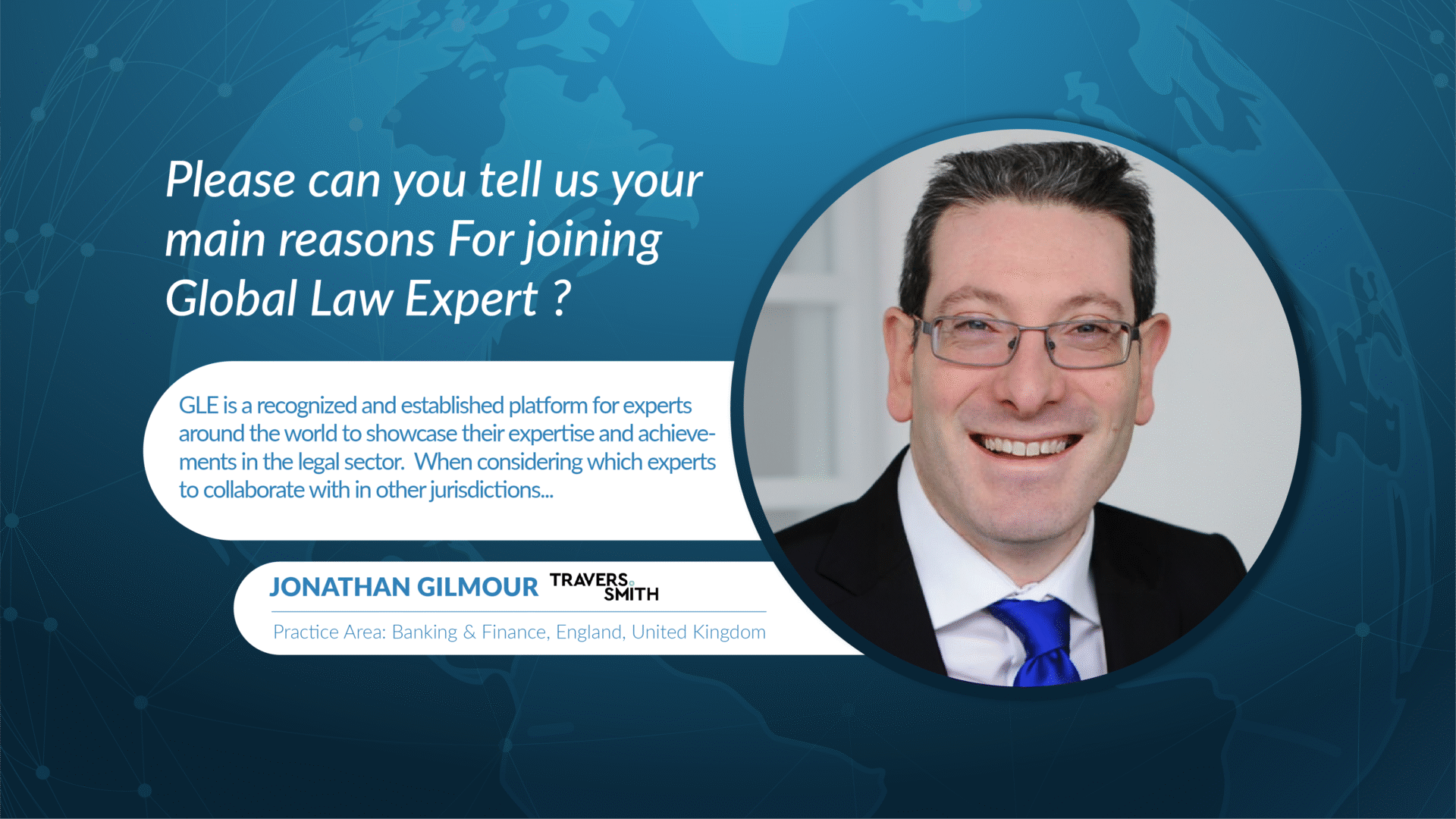
Testimonial-by-Jonathan-Gilmour.png
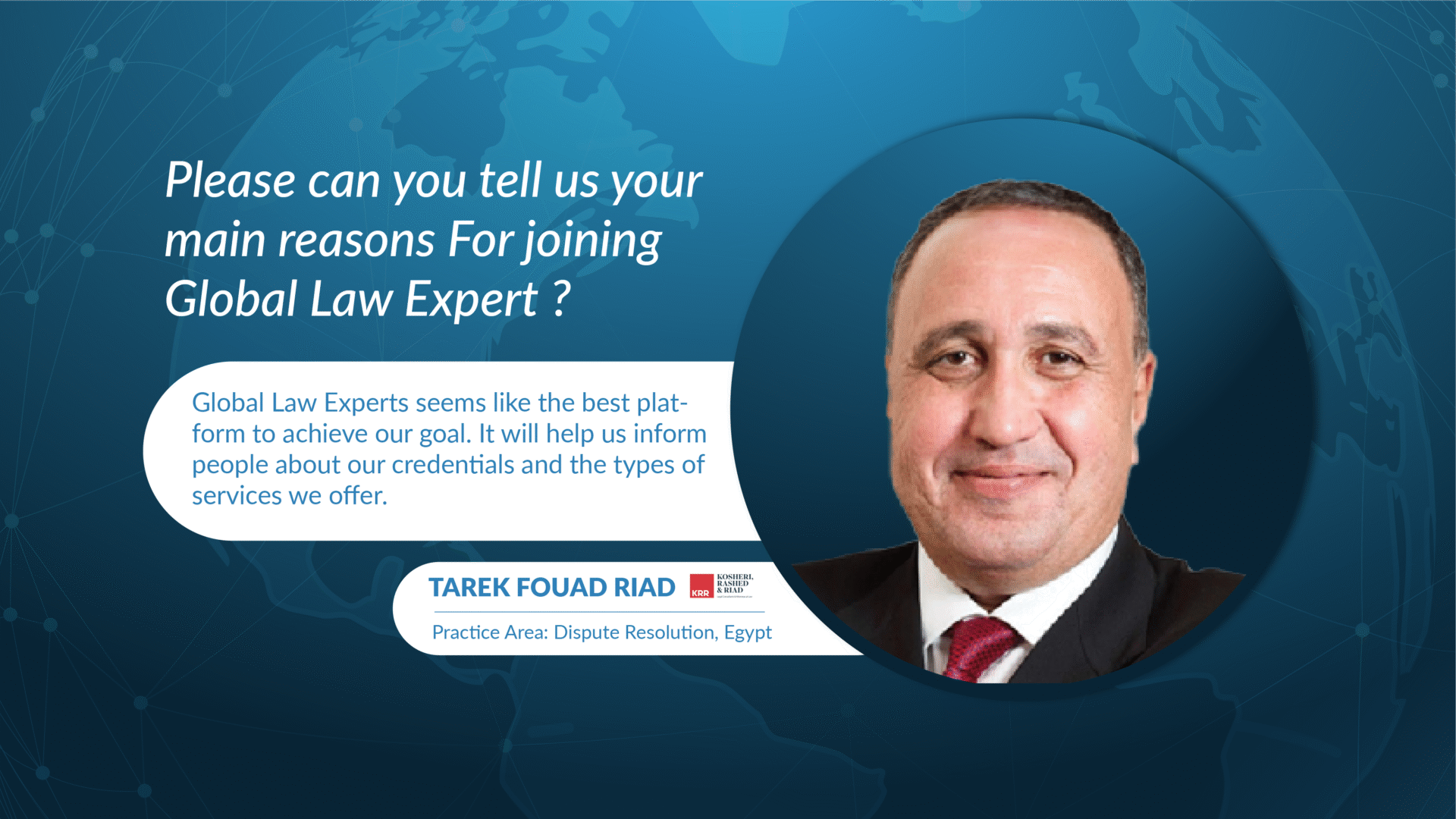
Testimonial-by-Tarek-Fouad-Riad.png
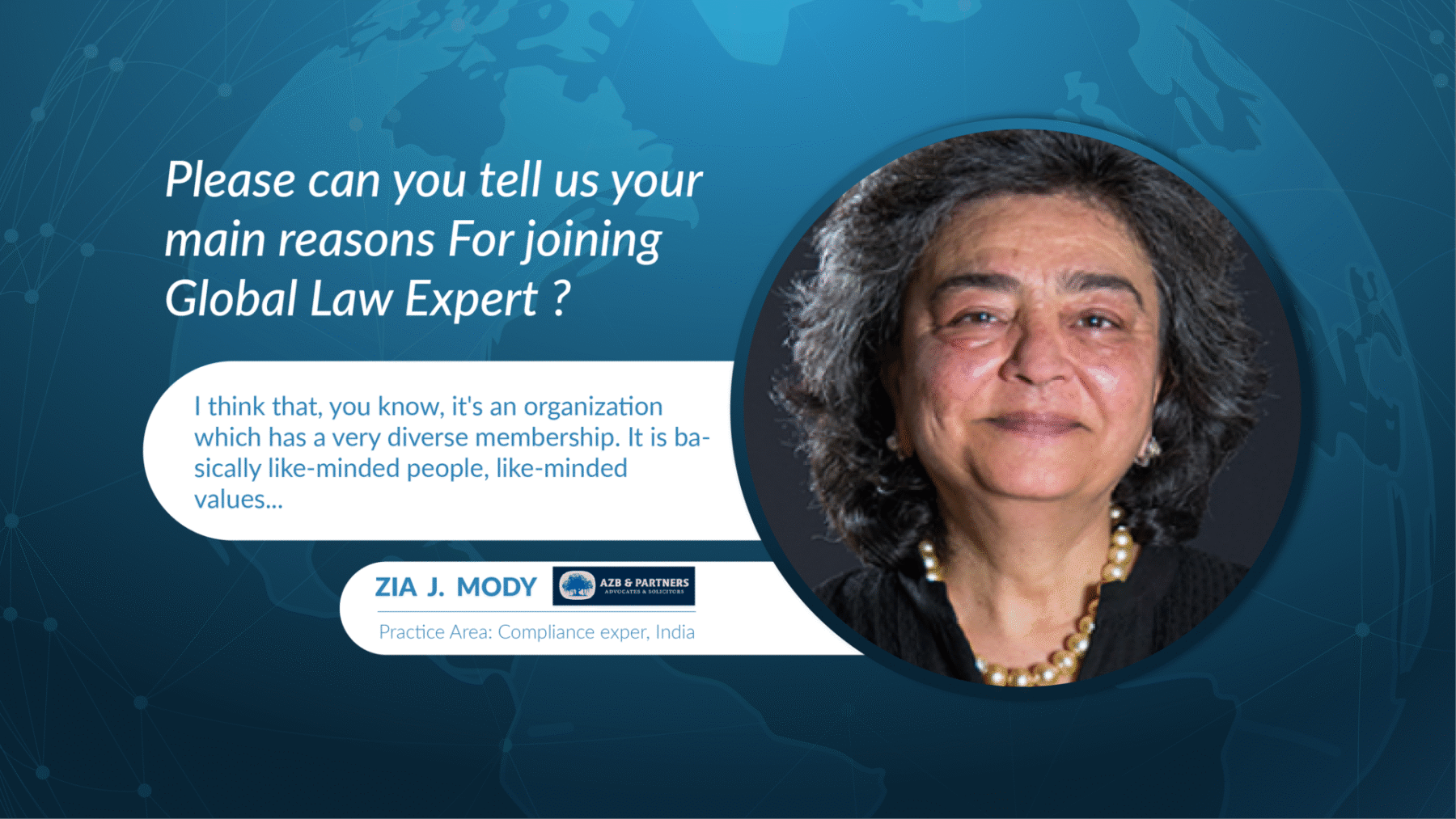
Testimonial-by-Zia-J.-Mody.png
Testimonial-by-Virginie-Tassin-Campanella.png
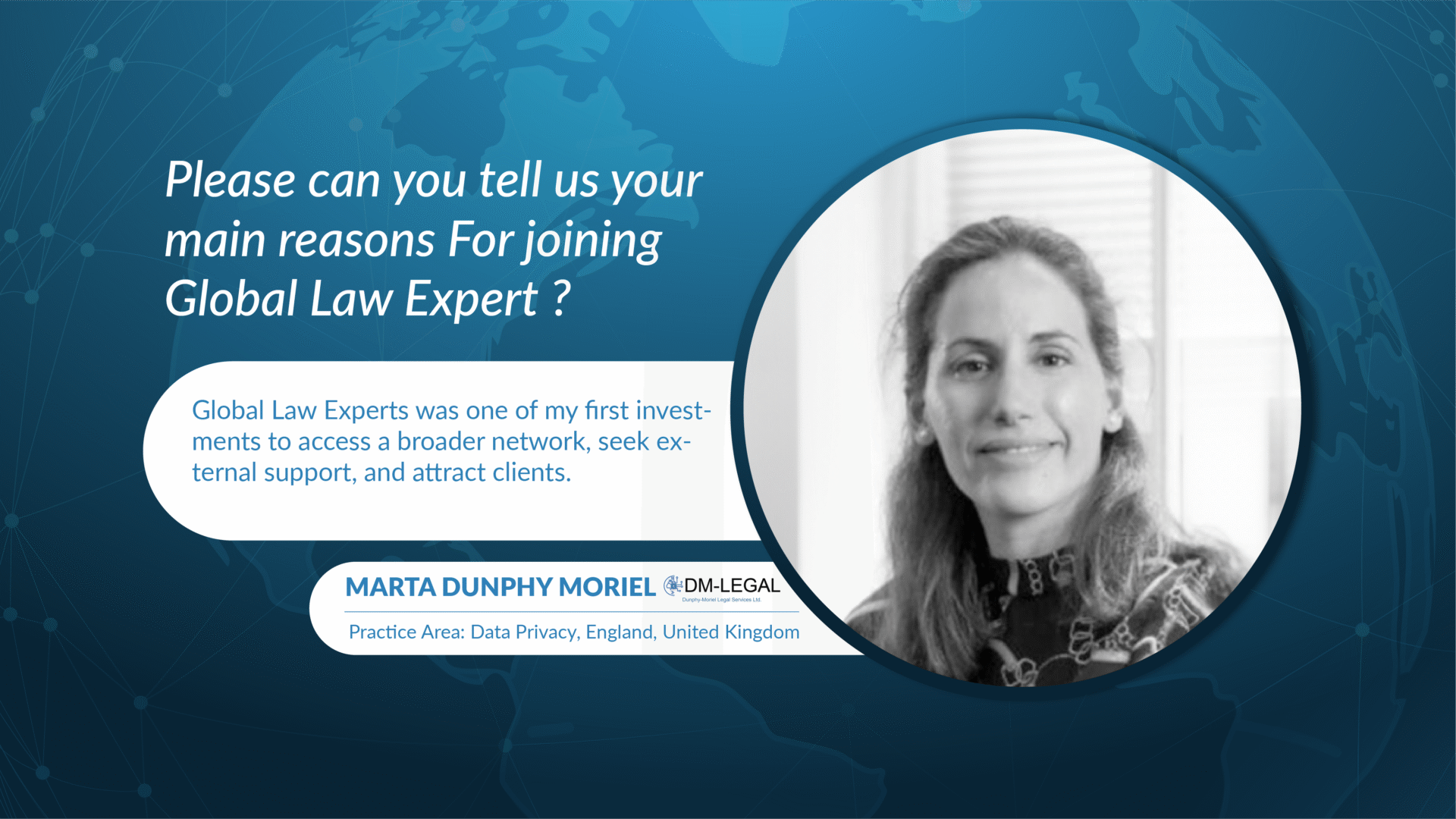
Testimonial-by-Marta-Dunphy-Moriel.png
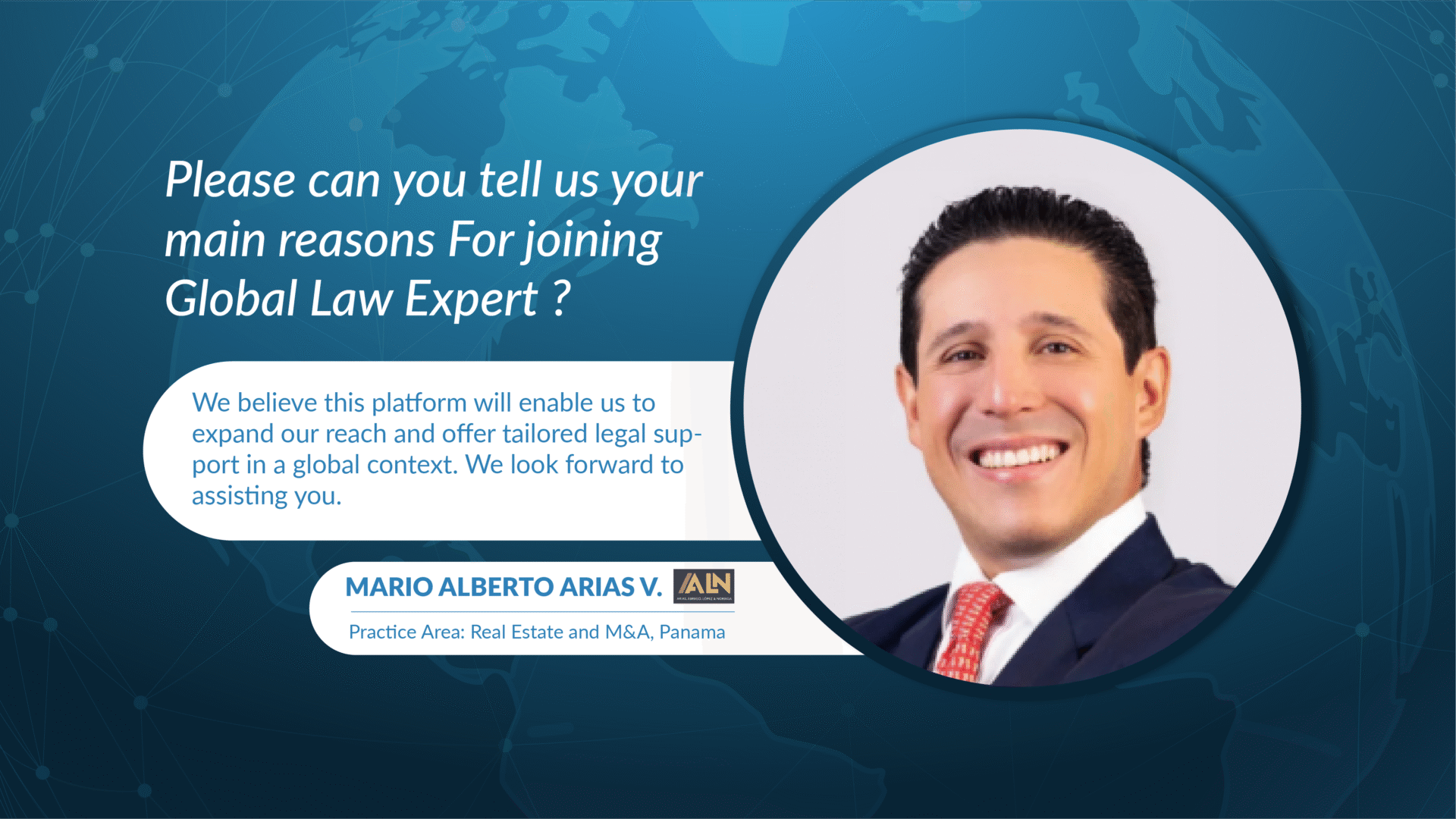
Testimonial-by-Mario-Alberto-Arias-V.png
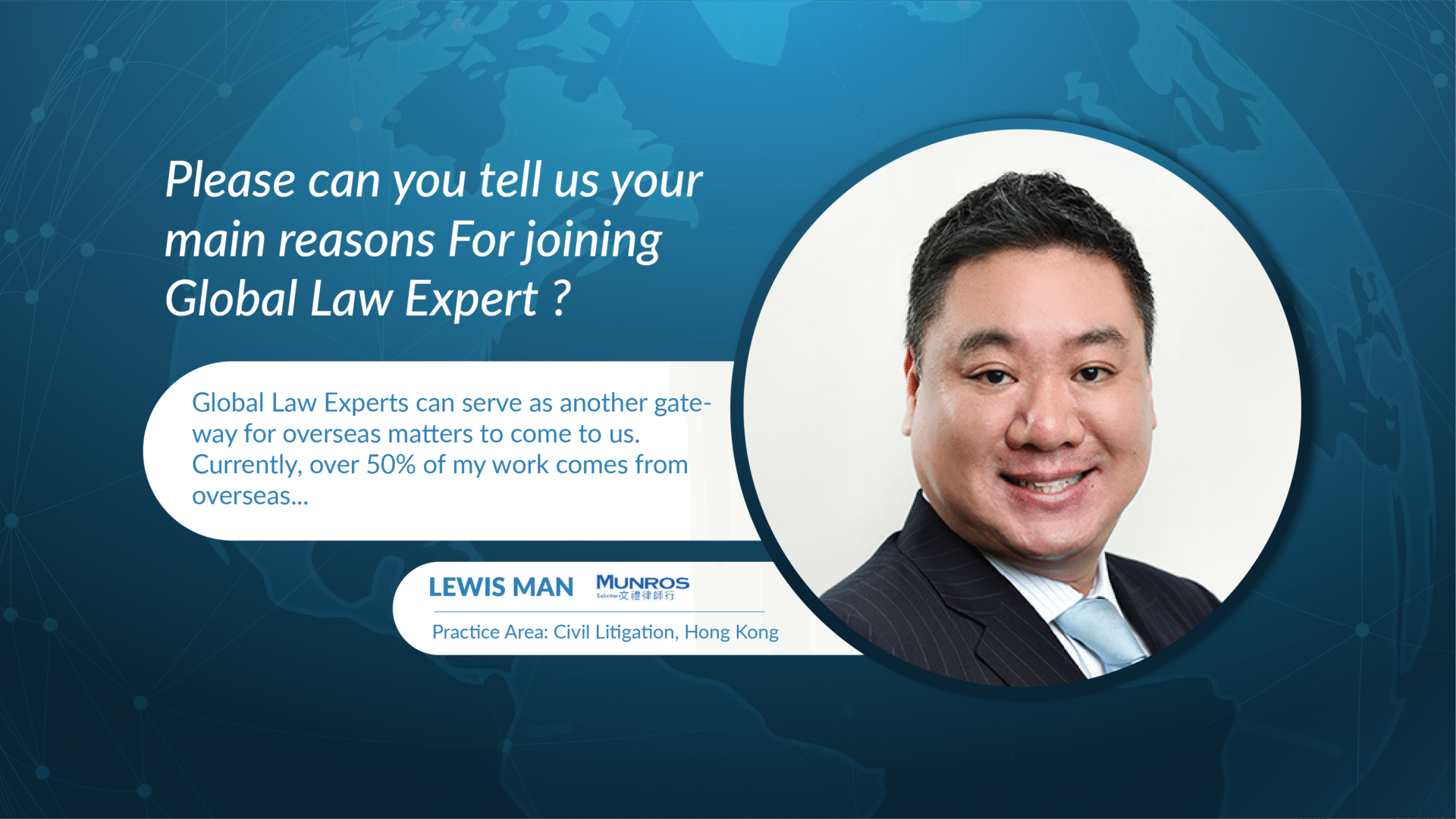
Testimonial-by-Lewis-Man.png
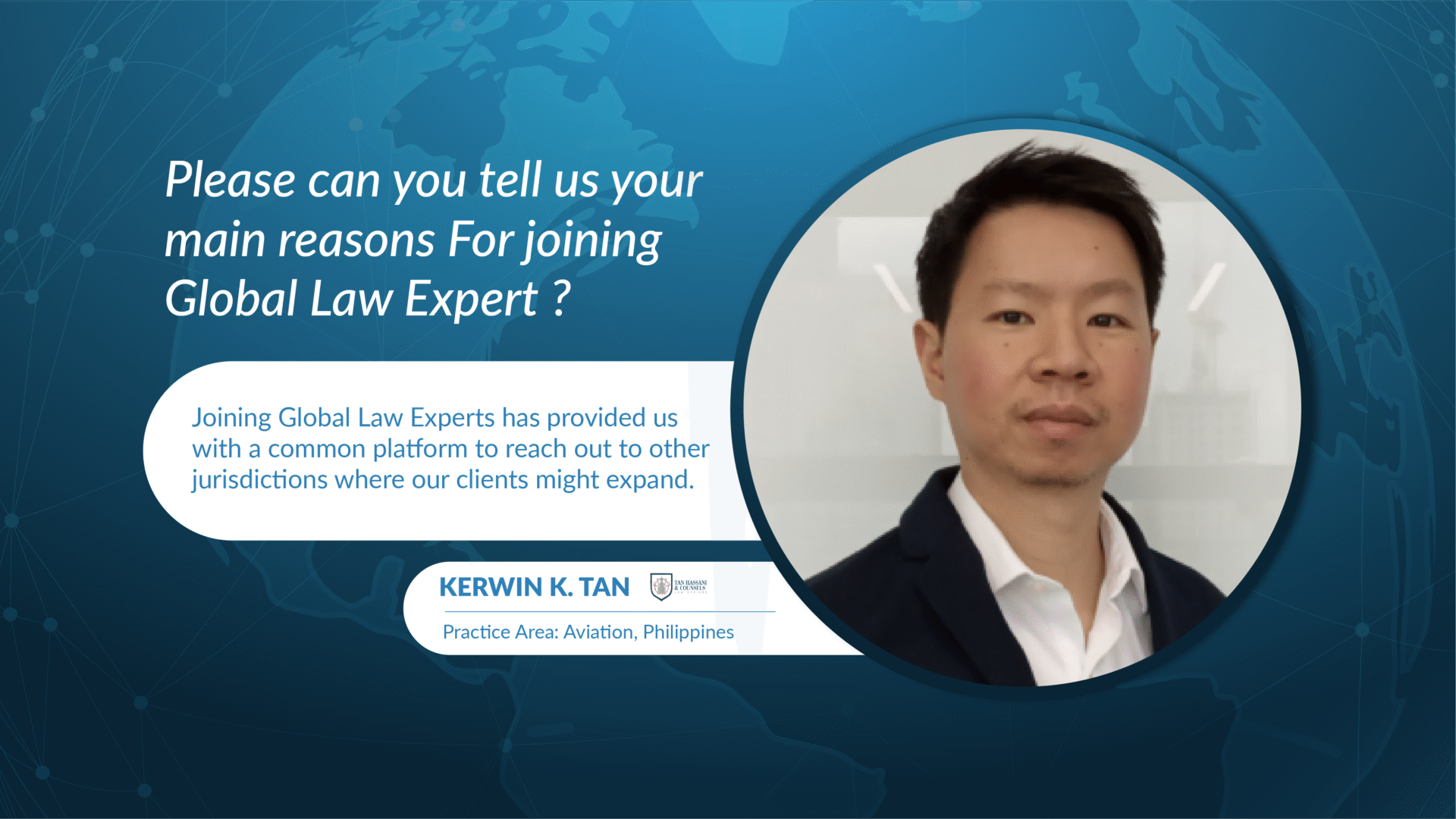
Testimonial-by-Kerwin-K.-Tan.png
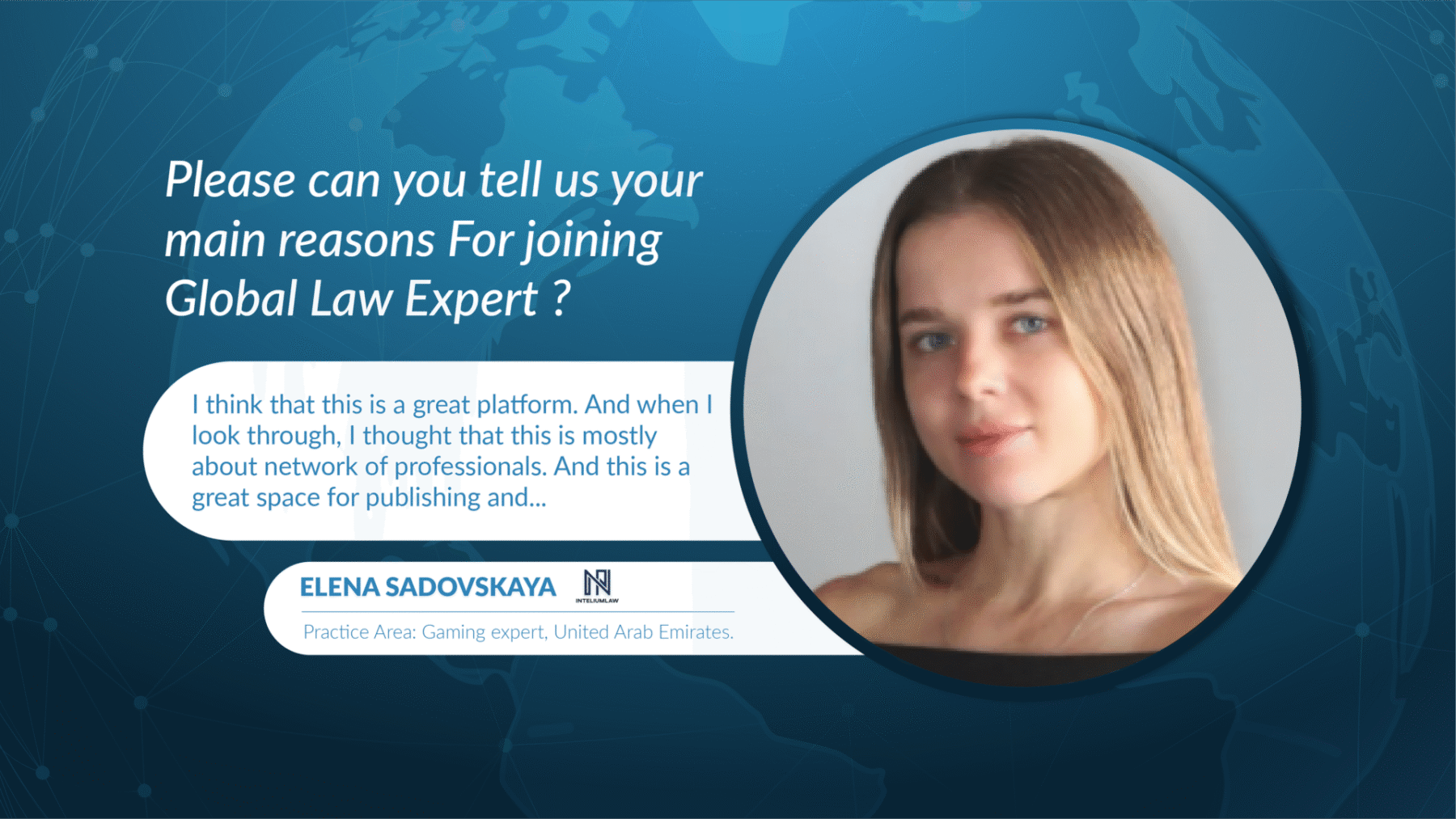
Testimonial-by-Elena-Sadovskaya.png
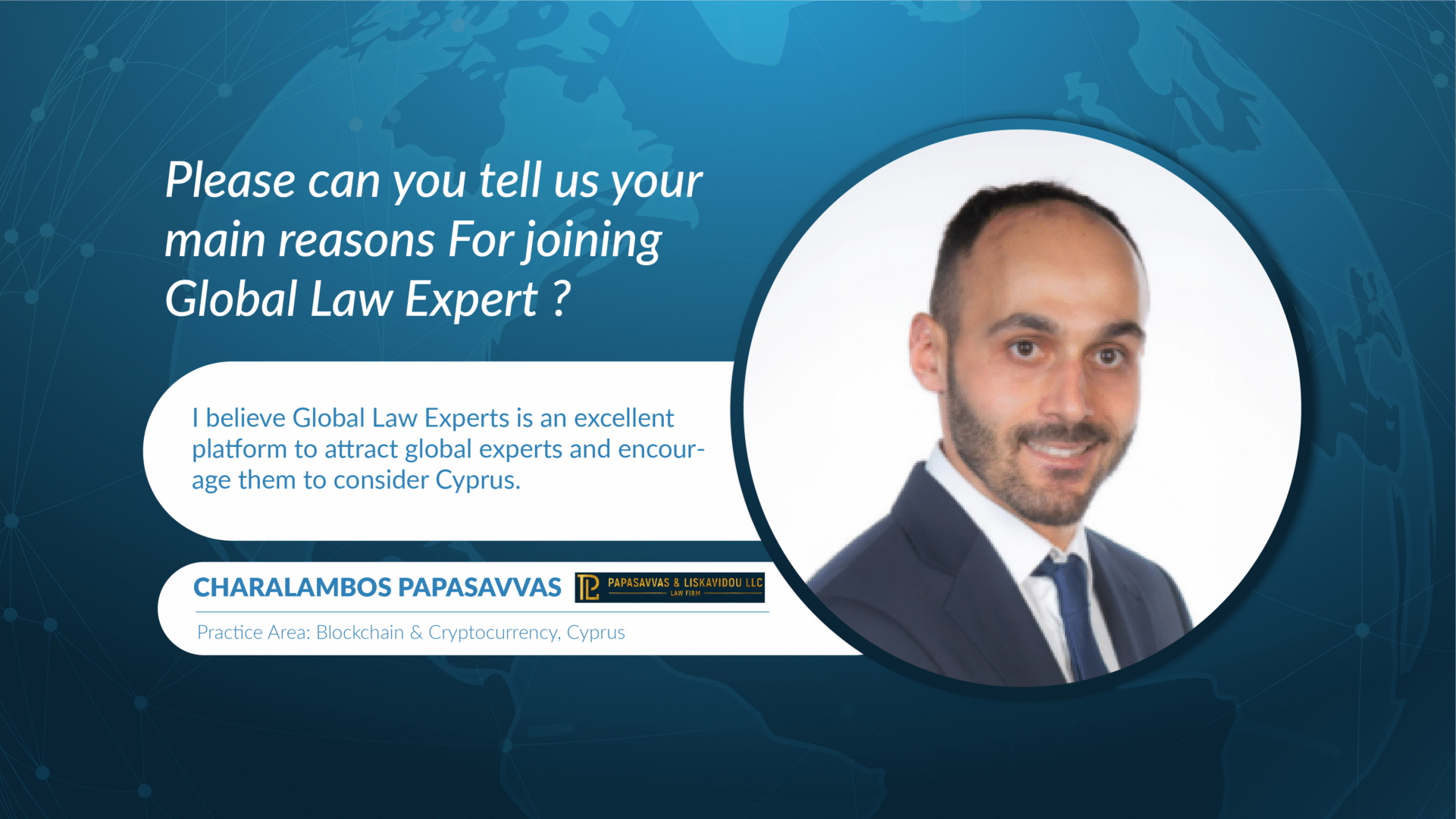
Testimonial-by-Charalambos-Papasavvas.png

Technology FAQ's

While the two fields overlap, an Intellectual Property (IP) lawyer focuses specifically on protecting your creations—filing patents, registering trademarks, and defending copyrights. A Technology lawyer, by contrast, is a broader business strategist who handles the commercialization and regulation of that technology. They draft the contracts that let you sell your software, ensure you comply with data privacy laws, and negotiate complex IT outsourcing deals, effectively acting as the “general contractor” for your tech business while bringing in the IP specialist only when needed.


Tech startups face unique “life-or-death” milestones that general business lawyers often mishandle, such as vesting schedules for founder equity and structuring intellectual property assignments. If a founder accidentally retains ownership of the code they wrote instead of assigning it to the company, it can kill a future venture capital deal instantly. A specialized lawyer ensures your “cap table” is clean for investors and that you don’t accidentally violate securities laws when issuing stock options to early employees.

A SaaS agreement is not a standard software license because the customer never actually “copies” the software onto their computer; they just access it remotely. A lawyer structures this as a subscription service contract, which is critical for revenue recognition and tax purposes. They also draft specific clauses for “data availability” and “service suspension” to ensure you have the legal right to shut off a non-paying customer’s access without being sued for business interruption.

Using AI introduces new liability risks, particularly regarding copyright and accuracy. In 2024, U.S. courts and the Copyright Office reaffirmed that AI-generated content generally cannot be copyrighted, meaning your competitors could legally copy your AI-generated marketing materials. Furthermore, if your business uses a generative AI tool that “hallucinates” (makes up false facts) and you publish that data, you could be liable for defamation or negligence, making a lawyer’s review of your “AI Acceptable Use Policy” essential.

Yes, because a data breach is a legal crisis, not just an IT problem. According to IBM’s 2024 report, the average cost of a data breach has reached $4.88 million, but having an incident response team including legal counsel can reduce this cost significantly. A lawyer ensures your internal investigation is protected by “attorney-client privilege” (so your private emails aren’t used against you in court) and guides you through the complex patchwork of 50 different state notification laws to avoid regulatory fines.

You typically have two main paths: copyright or trade secrets. Copyright automatically protects the literal code you write, but it doesn’t stop a competitor from writing different code that does the exact same thing. A lawyer often recommends a “Trade Secret” strategy for your core algorithms (your “secret sauce”), which involves strict non-disclosure agreements (NDAs) and security protocols, rather than publishing your code in a patent application where the whole world can see how it works.

An SLA is a technical promise—like guaranteeing your software will be online 99.9% of the time—but it carries financial consequences. A lawyer reviews the SLA to limit your financial exposure, ensuring that if your service goes down, you only owe the customer a small “service credit” (a discount on next month’s bill) rather than unlimited damages for their lost business revenue. Without this legal cap, a 30-minute outage could theoretically bankrupt a small software provider.

Technology FAQ's

While the two fields overlap, an Intellectual Property (IP) lawyer focuses specifically on protecting your creations—filing patents, registering trademarks, and defending copyrights. A Technology lawyer, by contrast, is a broader business strategist who handles the commercialization and regulation of that technology. They draft the contracts that let you sell your software, ensure you comply with data privacy laws, and negotiate complex IT outsourcing deals, effectively acting as the "general contractor" for your tech business while bringing in the IP specialist only when needed.

Tech startups face unique "life-or-death" milestones that general business lawyers often mishandle, such as vesting schedules for founder equity and structuring intellectual property assignments. If a founder accidentally retains ownership of the code they wrote instead of assigning it to the company, it can kill a future venture capital deal instantly. A specialized lawyer ensures your "cap table" is clean for investors and that you don't accidentally violate securities laws when issuing stock options to early employees.

A SaaS agreement is not a standard software license because the customer never actually "copies" the software onto their computer; they just access it remotely. A lawyer structures this as a subscription service contract, which is critical for revenue recognition and tax purposes. They also draft specific clauses for "data availability" and "service suspension" to ensure you have the legal right to shut off a non-paying customer's access without being sued for business interruption.

Using AI introduces new liability risks, particularly regarding copyright and accuracy. In 2024, U.S. courts and the Copyright Office reaffirmed that AI-generated content generally cannot be copyrighted, meaning your competitors could legally copy your AI-generated marketing materials. Furthermore, if your business uses a generative AI tool that "hallucinates" (makes up false facts) and you publish that data, you could be liable for defamation or negligence, making a lawyer's review of your "AI Acceptable Use Policy" essential.

Yes, because a data breach is a legal crisis, not just an IT problem. According to IBM’s 2024 report, the average cost of a data breach has reached $4.88 million, but having an incident response team including legal counsel can reduce this cost significantly. A lawyer ensures your internal investigation is protected by "attorney-client privilege" (so your private emails aren't used against you in court) and guides you through the complex patchwork of 50 different state notification laws to avoid regulatory fines.

You typically have two main paths: copyright or trade secrets. Copyright automatically protects the literal code you write, but it doesn't stop a competitor from writing different code that does the exact same thing. A lawyer often recommends a "Trade Secret" strategy for your core algorithms (your "secret sauce"), which involves strict non-disclosure agreements (NDAs) and security protocols, rather than publishing your code in a patent application where the whole world can see how it works.

An SLA is a technical promise—like guaranteeing your software will be online 99.9% of the time—but it carries financial consequences. A lawyer reviews the SLA to limit your financial exposure, ensuring that if your service goes down, you only owe the customer a small "service credit" (a discount on next month's bill) rather than unlimited damages for their lost business revenue. Without this legal cap, a 30-minute outage could theoretically bankrupt a small software provider.

Join
who are already getting the benefits
0
Sign up for the latest legal briefings and news within Global Law Experts’ community, as well as a whole host of features, editorial and conference updates direct to your email inbox. Naturally you can unsubscribe at any time.
Newsletter Sign Up
About Us

Global Law Experts is dedicated to providing exceptional legal services to clients around the world. With a vast network of highly skilled and experienced lawyers, we are committed to delivering innovative and tailored solutions to meet the diverse needs of our clients in various jurisdictions.


Global Law Experts App

Now Available on the App & Google Play Stores.

Social Posts
[wp_social_ninja id="50714" platform="instagram"]

See More:

Contact Us

Stay Informed

Join Mailing List
About Us

Global Law Experts is dedicated to providing exceptional legal services to clients around the world. With a vast network of highly skilled and experienced lawyers, we are committed to delivering innovative and tailored solutions to meet the diverse needs of our clients in various jurisdictions.

Social Posts
[wp_social_ninja id="50714" platform="instagram"]

See More:

Global Law Experts App

Now Available on the App & Google Play Stores.

Contact Us

Stay Informed

Join Mailing List

GLE

Lawyer Profile Page - Lead Capture
GLE-Logo-White
Lawyer Profile Page - Lead Capture
Photo-confiman33.png

Mesrop Manukyan

Send welcome message

Custom Message