Global Law Experts
Lawyers
Countries Covered
Practice Areas
Global Law Experts top search results to tackle law in Start-Ups: Tailored solutions for every legal challenge. Let experienced lawyers guide you through legal disputes and challenges with law insights and expertise knowledge. Our members hold proven strategies and solutions for every complex legal need.
Stay informed with comprehensive global Start-Ups law news, authored by a team of professional lawyers and curated by the esteemed Global Law Experts team. Explore updates from diverse practice areas and legal domains, offering valuable insights into the latest developments worldwide.
posted 2 weeks ago
No results available Reset filters?
Start-up law is a multidisciplinary practice designed to support emerging businesses from formation to a successful exit. This field encompasses critical services such as entity selection, founder agreements, and intellectual property protection. Dedicated attorneys guide entrepreneurs through seed funding rounds, venture capital negotiations, and regulatory compliance, ensuring a solid legal foundation that attracts investors and scales efficiently while mitigating early-stage risks.
Global Law Experts connects you with premier specialists who understand the unique pace and high stakes of the start-up ecosystem. Our network features vetted practitioners who provide tailored guidance on equity structures, employment contracts, and commercial scaling. Whether you are launching a disruptive technology or preparing for a Series A round, our experts provide the strategic, agile legal counsel necessary to turn your vision into a sustainable global enterprise.
Every GLE member is independently vetted by practice area and jurisdiction.
You don’t need a lawyer to brainstorm ideas, but you legally need one the moment you involve equity, intellectual property (IP), or other people’s money. You can often file basic incorporation papers yourself using online tools. However, you must hire a lawyer before you issue shares to co-founders, hire your first employee, or accept your first check from an angel investor. Fixing “DIY” legal mistakes—like accidentally giving a co-founder 50% of the company with no vesting—costs 10x more to fix later than to do right the first time.
At Pre-Seed, the legal work is “light” and standardized; you are mostly using SAFEs or Convertible Notes (5-10 page documents) to raise small amounts of cash quickly. By Series A, the game changes to a “Priced Round.” This involves selling actual preferred stock, which requires complex documents (100+ pages) outlining voting rights, board seats, and anti-dilution protections. Series A also triggers rigorous “due diligence,” where investors’ lawyers audit your corporate history, meaning your record-keeping must be flawless.

If you want Venture Capital, you must be a Delaware C-Corporation. VCs generally cannot invest in LLCs because their funds have tax-exempt partners (like pension funds) who are legally barred from receiving “pass-through” income that LLCs generate. Additionally, C-Corps allow you to issue different “classes” of stock (Common for founders, Preferred for investors) and qualify for Qualified Small Business Stock (QSBS) tax exemptions, which can save founders millions in taxes upon an exit.
A Founders’ Agreement is a “business prenup” that details who owns what and what happens if someone leaves. Vesting is the critical component: it means you earn your shares over time (usually 4 years) rather than getting them all on Day 1. Without vesting, a co-founder could quit after one month and walk away with 50% of your company, leaving you “uninvestable” because you don’t have enough equity left to sell to investors or give to employees.
A lawyer structures these as “deferred equity.” Instead of arguing about the company’s value today (which is hard for a new startup), the investor gives you cash now in exchange for the right to buy shares later at a discount. A Convertible Note is technically debt (it has an interest rate and maturity date), while a SAFE is not debt and is simpler. The lawyer’s main job here is to negotiate the “Valuation Cap”—the maximum price the investor will pay per share in the future—to prevent them from owning too much of your company if you become wildly successful.
Yes, this is the most common reason startups fail due diligence. If a freelance coder builds your app without signing a Proprietary Information and Inventions Assignment Agreement (PIIAA), they own the code, not your company. A lawyer ensures that every founder, employee, and contractor signs a document legally transferring their IP rights to the company. Without this clear “chain of title,” investors will view your company as worthless because you don’t actually own your product.
The main risk is tax non-compliance and securities violations. A lawyer sets up an Employee Stock Option Plan (ESOP) to grant options legally. If you just “promise” equity via email or give actual shares (instead of options) without a 409A Valuation (an appraisal of your stock price), your employees could get hit with massive, immediate tax bills before they’ve made a dime. Lawyers also ensure you don’t accidentally exceed the “500 shareholder” limit, which would force you to go public prematurely.
A lawyer prepares you for an exit by building a “Data Room”—a secure digital vault containing every contract, board minute, and employment agreement you’ve ever signed. When a buyer (like Google) wants to acquire you, their lawyers will tear this room apart looking for liabilities. If your lawyer has kept your “corporate hygiene” clean—meaning all shares are accounted for, IP is assigned, and lawsuits are disclosed—the deal proceeds. If not, the buyer may lower their price or walk away entirely.
You don't need a lawyer to brainstorm ideas, but you legally need one the moment you involve equity, intellectual property (IP), or other people's money. You can often file basic incorporation papers yourself using online tools. However, you must hire a lawyer before you issue shares to co-founders, hire your first employee, or accept your first check from an angel investor. Fixing "DIY" legal mistakes—like accidentally giving a co-founder 50% of the company with no vesting—costs 10x more to fix later than to do right the first time.
At Pre-Seed, the legal work is "light" and standardized; you are mostly using SAFEs or Convertible Notes (5-10 page documents) to raise small amounts of cash quickly. By Series A, the game changes to a "Priced Round." This involves selling actual preferred stock, which requires complex documents (100+ pages) outlining voting rights, board seats, and anti-dilution protections. Series A also triggers rigorous "due diligence," where investors' lawyers audit your corporate history, meaning your record-keeping must be flawless.

If you want Venture Capital, you must be a Delaware C-Corporation. VCs generally cannot invest in LLCs because their funds have tax-exempt partners (like pension funds) who are legally barred from receiving "pass-through" income that LLCs generate. Additionally, C-Corps allow you to issue different "classes" of stock (Common for founders, Preferred for investors) and qualify for Qualified Small Business Stock (QSBS) tax exemptions, which can save founders millions in taxes upon an exit.
A Founders' Agreement is a "business prenup" that details who owns what and what happens if someone leaves. Vesting is the critical component: it means you earn your shares over time (usually 4 years) rather than getting them all on Day 1. Without vesting, a co-founder could quit after one month and walk away with 50% of your company, leaving you "uninvestable" because you don't have enough equity left to sell to investors or give to employees.
A lawyer structures these as "deferred equity." Instead of arguing about the company's value today (which is hard for a new startup), the investor gives you cash now in exchange for the right to buy shares later at a discount. A Convertible Note is technically debt (it has an interest rate and maturity date), while a SAFE is not debt and is simpler. The lawyer's main job here is to negotiate the "Valuation Cap"—the maximum price the investor will pay per share in the future—to prevent them from owning too much of your company if you become wildly successful.
Yes, this is the most common reason startups fail due diligence. If a freelance coder builds your app without signing a Proprietary Information and Inventions Assignment Agreement (PIIAA), they own the code, not your company. A lawyer ensures that every founder, employee, and contractor signs a document legally transferring their IP rights to the company. Without this clear "chain of title," investors will view your company as worthless because you don't actually own your product.
The main risk is tax non-compliance and securities violations. A lawyer sets up an Employee Stock Option Plan (ESOP) to grant options legally. If you just "promise" equity via email or give actual shares (instead of options) without a 409A Valuation (an appraisal of your stock price), your employees could get hit with massive, immediate tax bills before they’ve made a dime. Lawyers also ensure you don't accidentally exceed the "500 shareholder" limit, which would force you to go public prematurely.
A lawyer prepares you for an exit by building a "Data Room"—a secure digital vault containing every contract, board minute, and employment agreement you’ve ever signed. When a buyer (like Google) wants to acquire you, their lawyers will tear this room apart looking for liabilities. If your lawyer has kept your "corporate hygiene" clean—meaning all shares are accounted for, IP is assigned, and lawsuits are disclosed—the deal proceeds. If not, the buyer may lower their price or walk away entirely.
Global Law Experts is dedicated to providing exceptional legal services to clients around the world. With a vast network of highly skilled and experienced lawyers, we are committed to delivering innovative and tailored solutions to meet the diverse needs of our clients in various jurisdictions.
Thinking of buying property in Brazil? Start with a full legal safety net.
✔️ Check title and ownership history
✔️ Verify no debts or disputes
✔️ Confirm zoning and permits.
#BrazilProperty #RealEstateInvesting #LegalDueDiligence #ForeignInvestment #PropertyLaw #GlobalRealEstate #InvestmentRisk #BrazilLaw
When your international business faces financial distress, quick action is key! 🔑 Negotiating with creditors, restructuring debt, and understanding insolvency laws can help regain stability. Global Law Experts is here to guide you through your options.
🌍Explore the details on our website.
🔗Link in bio
#GlobalLawExperts #CommercialLaw #BusinessLaw #LegalAdvice #BusinessGrowth #LegalTips #BusinessStrategy #LegalCompliance #Law #LegalKnowledge #LegalAwareness #Law101 #LegalEducation #IntellectualProperty
Thinking of buying property in Brazil? Don’t stop at the contract or key handover. Make sure the title is officially registered before calling it yours.
#BrazilRealEstate #PropertyLaw #GlobalInvestment #ForeignInvestors #LegalTips #DueDiligence #RealEstateRegistration #SecureInvestment
Getting a termination notice right now? Know your rights. Valid reason, fair process, proper notice they matter. Don’t let a bad dismissal walk away without accountability.
#EmploymentLaw #WorkerRights #Termination #LaborLaw #FairDismissal #WorkplaceJustice #LegalAwareness #GlobalWorkforce
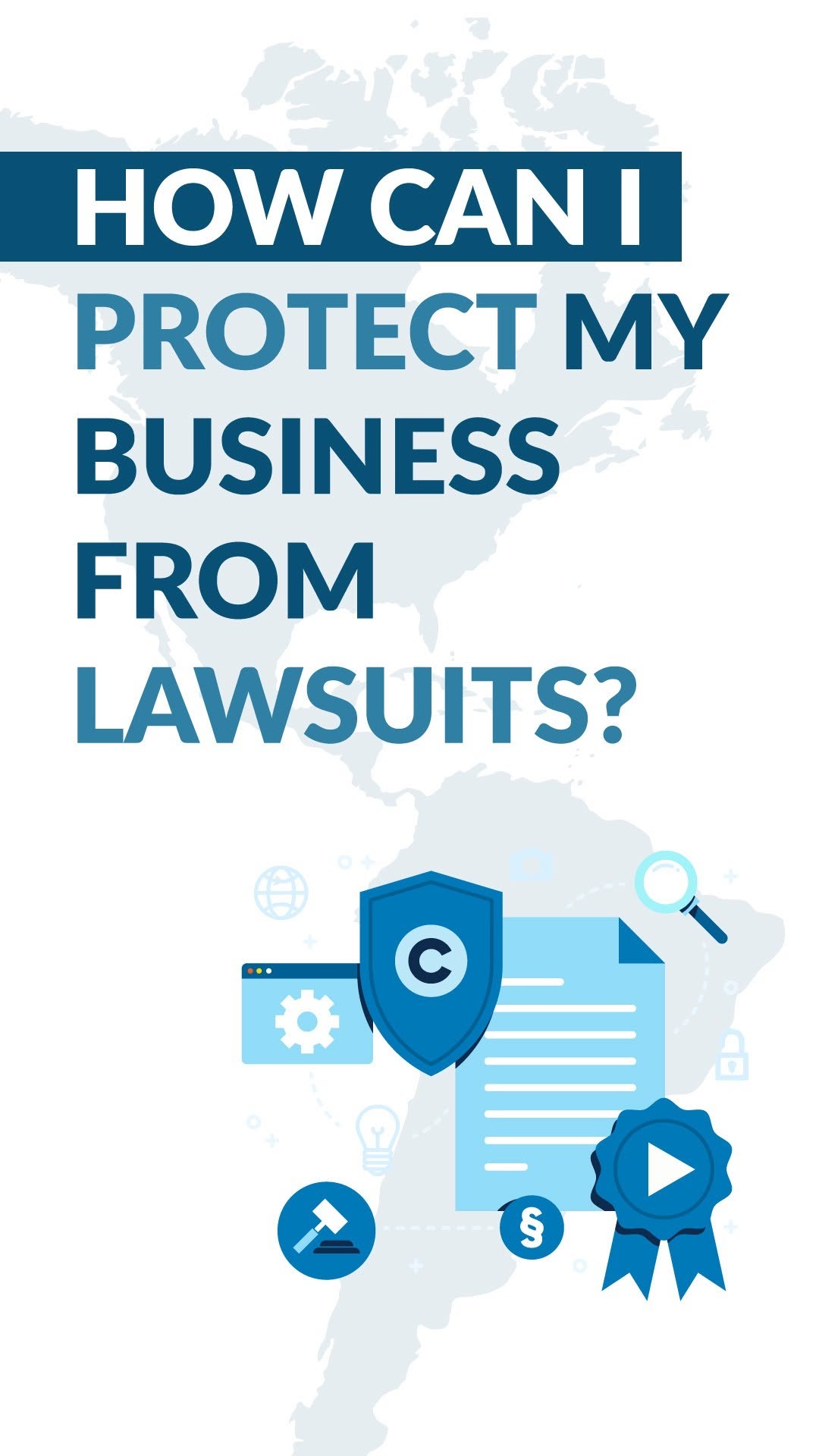
Running a business is hard enough — lawsuits shouldn’t make it harder. 🚫 Protect your business with the right legal strategies and expert tools from Global Law Experts. Let’s secure your future together! 💼
🌍Explore the details on our website.
➡️www.globallawexperts.com
#GlobalLawExperts #CommercialLaw #BusinessLaw #LegalAdvice #BusinessGrowth #LegalTips #BusinessStrategy #LegalCompliance #Law #LegalKnowledge #LegalAwareness #Law101 #LegalEducation #IntellectualProperty #Infringed #Ecommerce #LegalBranding
Global Law Experts is dedicated to providing exceptional legal services to clients around the world. With a vast network of highly skilled and experienced lawyers, we are committed to delivering innovative and tailored solutions to meet the diverse needs of our clients in various jurisdictions.
Thinking of buying property in Brazil? Start with a full legal safety net.
✔️ Check title and ownership history
✔️ Verify no debts or disputes
✔️ Confirm zoning and permits.
#BrazilProperty #RealEstateInvesting #LegalDueDiligence #ForeignInvestment #PropertyLaw #GlobalRealEstate #InvestmentRisk #BrazilLaw
When your international business faces financial distress, quick action is key! 🔑 Negotiating with creditors, restructuring debt, and understanding insolvency laws can help regain stability. Global Law Experts is here to guide you through your options.
🌍Explore the details on our website.
🔗Link in bio
#GlobalLawExperts #CommercialLaw #BusinessLaw #LegalAdvice #BusinessGrowth #LegalTips #BusinessStrategy #LegalCompliance #Law #LegalKnowledge #LegalAwareness #Law101 #LegalEducation #IntellectualProperty
Thinking of buying property in Brazil? Don’t stop at the contract or key handover. Make sure the title is officially registered before calling it yours.
#BrazilRealEstate #PropertyLaw #GlobalInvestment #ForeignInvestors #LegalTips #DueDiligence #RealEstateRegistration #SecureInvestment
Getting a termination notice right now? Know your rights. Valid reason, fair process, proper notice they matter. Don’t let a bad dismissal walk away without accountability.
#EmploymentLaw #WorkerRights #Termination #LaborLaw #FairDismissal #WorkplaceJustice #LegalAwareness #GlobalWorkforce
Running a business is hard enough — lawsuits shouldn’t make it harder. 🚫 Protect your business with the right legal strategies and expert tools from Global Law Experts. Let’s secure your future together! 💼
🌍Explore the details on our website.
➡️www.globallawexperts.com
#GlobalLawExperts #CommercialLaw #BusinessLaw #LegalAdvice #BusinessGrowth #LegalTips #BusinessStrategy #LegalCompliance #Law #LegalKnowledge #LegalAwareness #Law101 #LegalEducation #IntellectualProperty #Infringed #Ecommerce #LegalBranding
Send welcome message