[codicts-css-switcher id=”346″]

Global Law Experts Logo
Arnaud Tailfer Joins Global Law Experts as Exclusive Member for International Tax Law in France | GLE News

Sports Lawyers Worldwide.

Global Law Experts

Meet Our Sports Lawyers

Connect with independent Sports law experts from around the world on Global Law Experts. Discover award-winning lawyers for your legal needs.

Legal
Country
Sports
Legal
Country
Sports
6 results

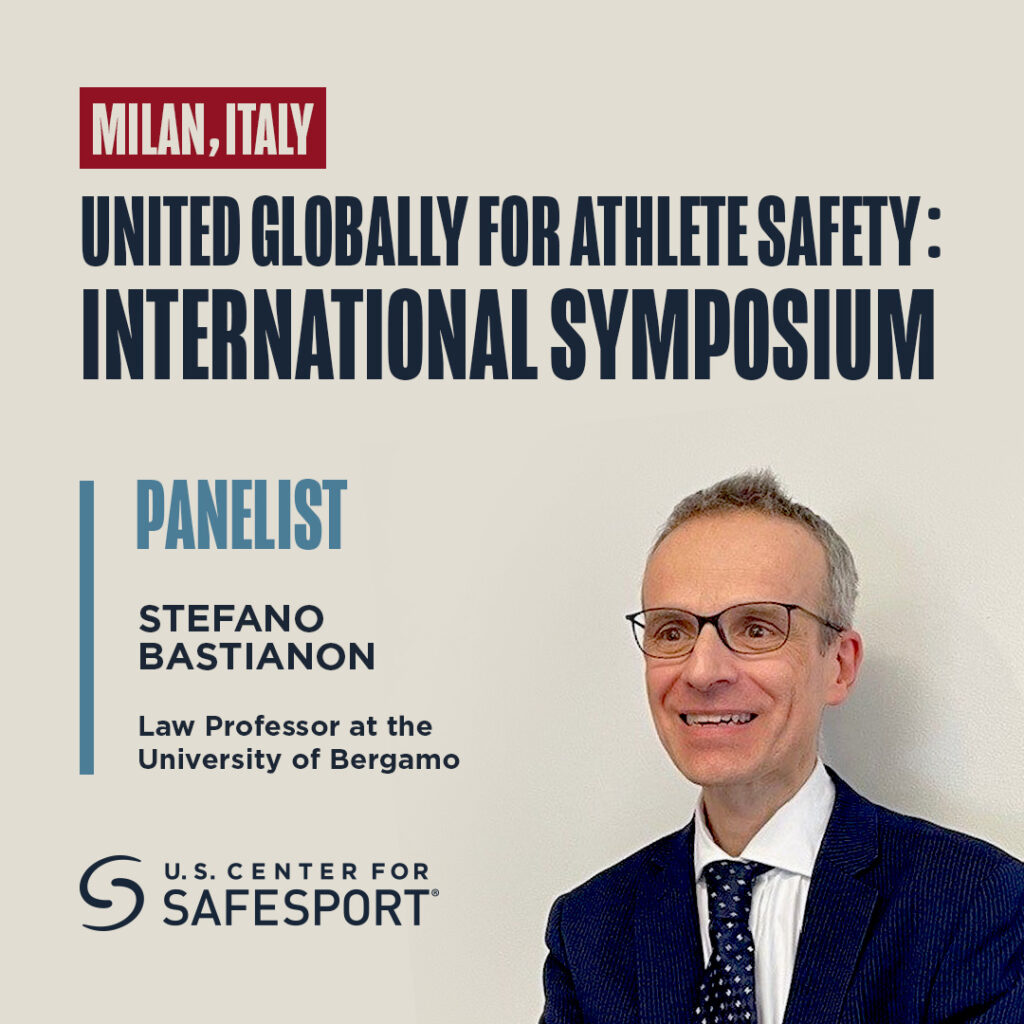
Stefano Bastianon

  • GOLD

Email:

Phone:

+39033*****
Professional with glasses smiling against a neutral background, dressed in a suit and tie.
Legal firm name displayed prominently, indicating its focus on providing legal services.
Professional with glasses smiling against a neutral background, dressed in a suit and tie.
  • GOLD

Stefano Bastianon

Legal firm name displayed prominently, indicating its focus on providing legal services.
Professional with glasses smiling against a neutral background, dressed in a suit and tie.

Stefano Bastianon

  • GOLD

Stefano Bastianon

  • GOLD
Sports Law in Italy
  • Studio Legale Bastianon Garavaglia
  • GOLD

Dr. Lucien W. Valloni

  • GOLD

Email:

Phone:

+41445*****
Lawyer smiling confidently in a professional suit against a plain background.
Legal professional discussing case details with client in modern law office setting.
Lawyer smiling confidently in a professional suit against a plain background.
  • GOLD
Lawyer smiling confidently in a professional suit against a plain background.

Dr. Lucien W. Valloni

  • GOLD

Dr. Lucien W. Valloni

  • GOLD
Sports Law in Switzerland
  • VALLONI ATTORNEYS AT LAW
  • GOLD

Abdulrahman Garoub

  • GOLD

Email:

Phone:

+96612*****
Lawyer smiling confidently with arms crossed in front of legal books in a law office setting.
Gàroub & Associates, attorneys and legal consultants, displayed with scales of justice in the background.
Lawyer smiling confidently with arms crossed in front of legal books in a law office setting.
  • GOLD
Lawyer smiling confidently with arms crossed in front of legal books in a law office setting.

Abdulrahman Garoub

  • GOLD

Abdulrahman Garoub

  • GOLD
Sports Law in Saudi Arabia
  • The Law Firm Of Majed Mohammed Garoub
  • GOLD

Yingzi Liu

  • GOLD

Email:

Phone:

86 10 *****
Professional woman smiling and posing confidently in a business attire.
Attorney consulting with client in law office, reviewing legal documents on desk with laptop and legal books nearby.
Professional woman smiling and posing confidently in a business attire.
  • GOLD

Yingzi Liu

  • GOLD
Art Law in China
  • Hylands Law Firm
  • GOLD

Isabel Margarit

  • GOLD

Email:

Phone:

+34 93*****
Isabel Margarit
Legesthorse logo featuring stylized letters, indicating a focus on equine and sports law.
Isabel Margarit
  • GOLD

Isabel Margarit

Legesthorse logo featuring stylized letters, indicating a focus on equine and sports law.
Isabel Margarit

Isabel Margarit

  • GOLD

Isabel Margarit

  • GOLD
Sports
  • Legesthorse
  • GOLD

Santosh Vikram Singh

  • GOLD

Email:

Phone:

+91 80*****
Santosh Vikram Singh
Fox Mandal
Santosh Vikram Singh

Santosh Vikram Singh

Fox Mandal
Santosh Vikram Singh

Santosh Vikram Singh

  • GOLD

Santosh Vikram Singh

  • GOLD
Sports Law in India
  • Fox Mandal

Sports News

Find Expert Sports Lawyers Through Global Law Experts

Master the Field with Expert Sports Law Counsel

Sports law is a dynamic field merging contract, intellectual property, and labor law to protect athletes and teams. This practice area is critical for managing high-stakes negotiations, securing NIL rights, and ensuring compliance with governing body regulations and anti-doping standards.

Global Law Experts connects you with elite specialists who possess a deep understanding of the fast-paced sports landscape. Every practitioner is vetted for their ability to provide sophisticated counsel on talent representation and media rights. Our experts provide the advocacy needed to win.

Sports Related Videos

Professional Sports Help You Can Trust

We will help match you with a qualified Sports law specialist who can offer reliable advice, clarify your options, and guide you through the next steps in the legal process.
Lead Enquiries Qualification

Every GLE member is independently vetted by practice area and jurisdiction.

Client Success Stories

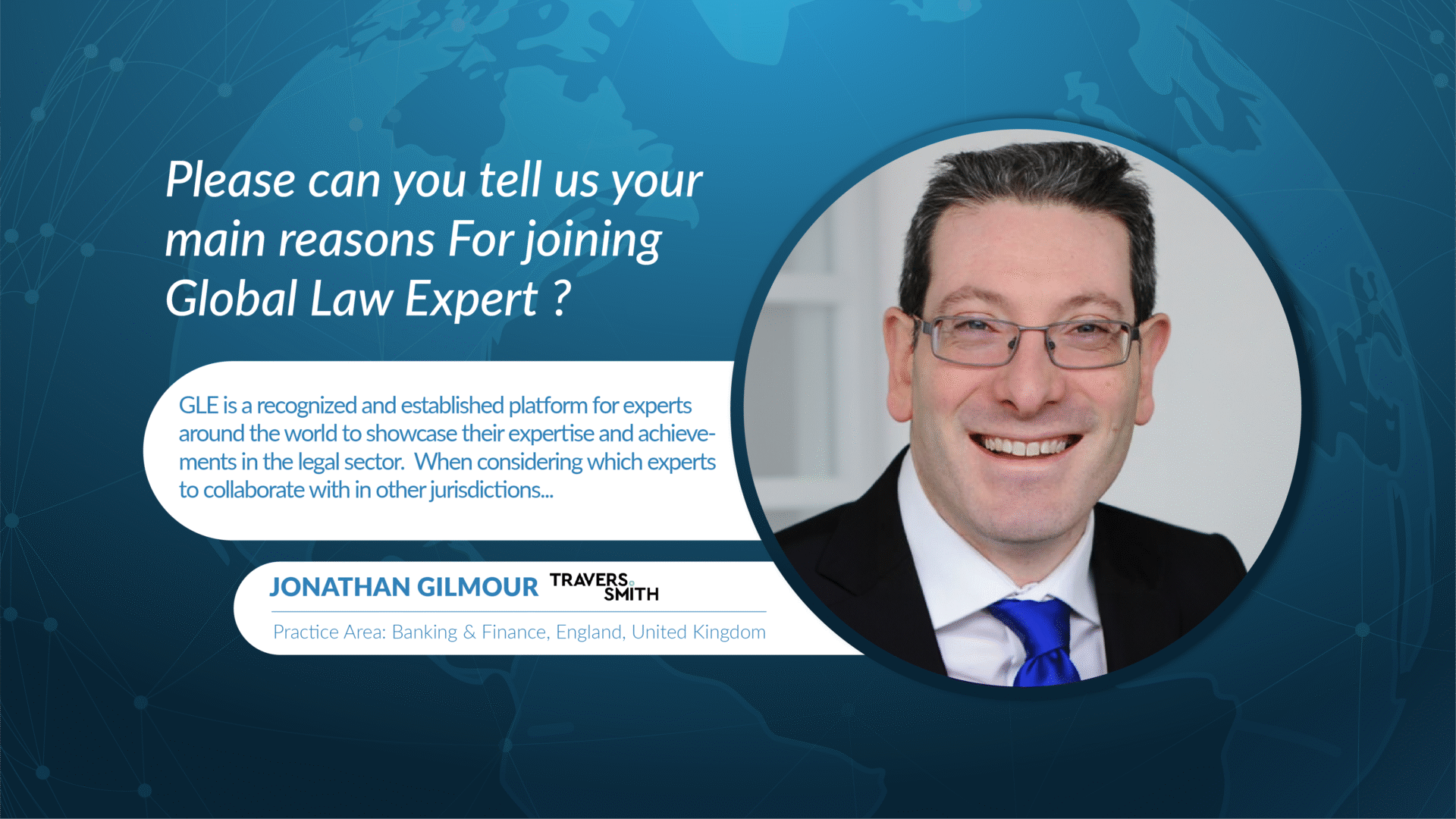
Testimonial-by-Jonathan-Gilmour.png
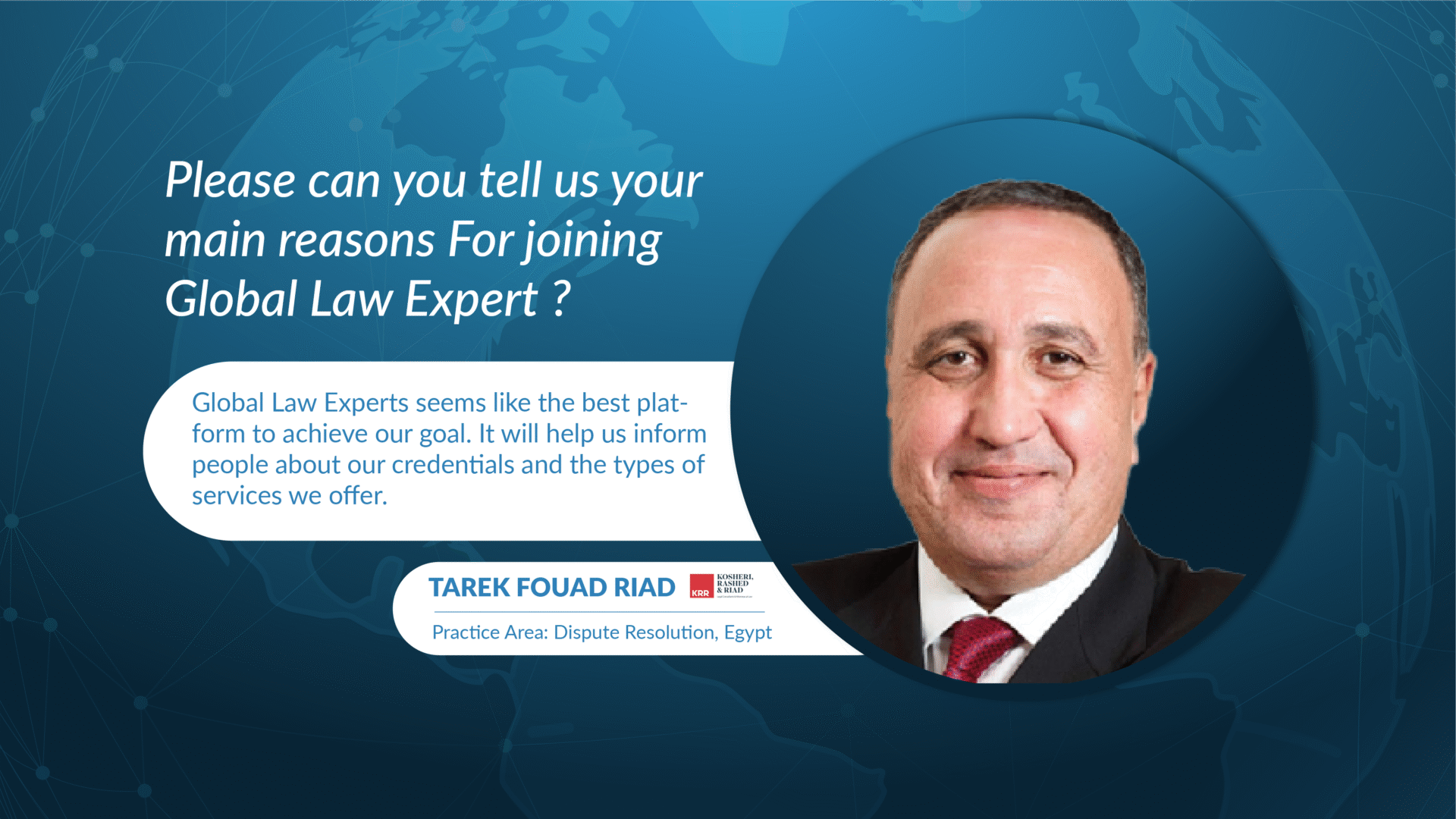
Testimonial-by-Tarek-Fouad-Riad.png
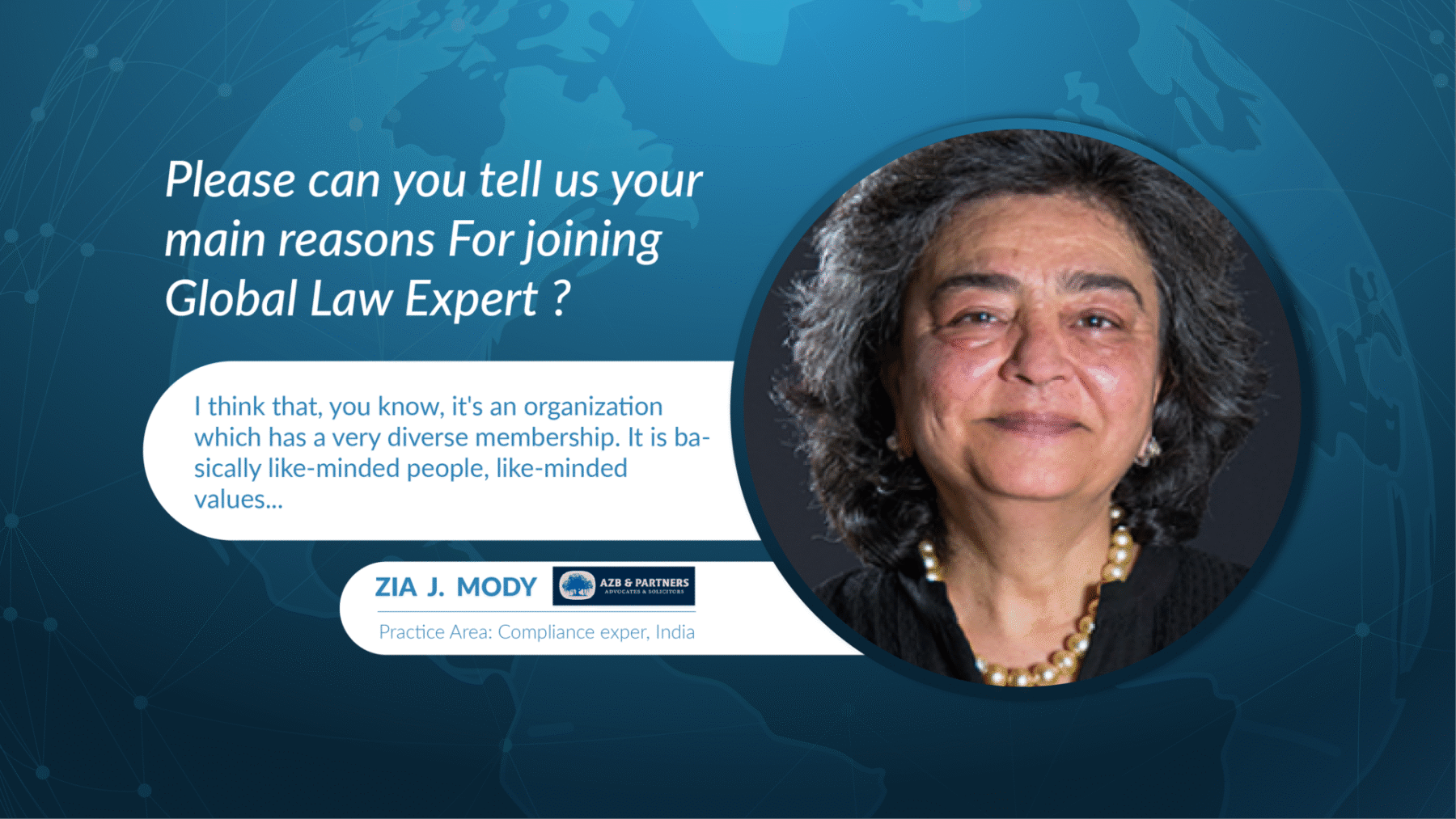
Testimonial-by-Zia-J.-Mody.png
Testimonial-by-Virginie-Tassin-Campanella.png
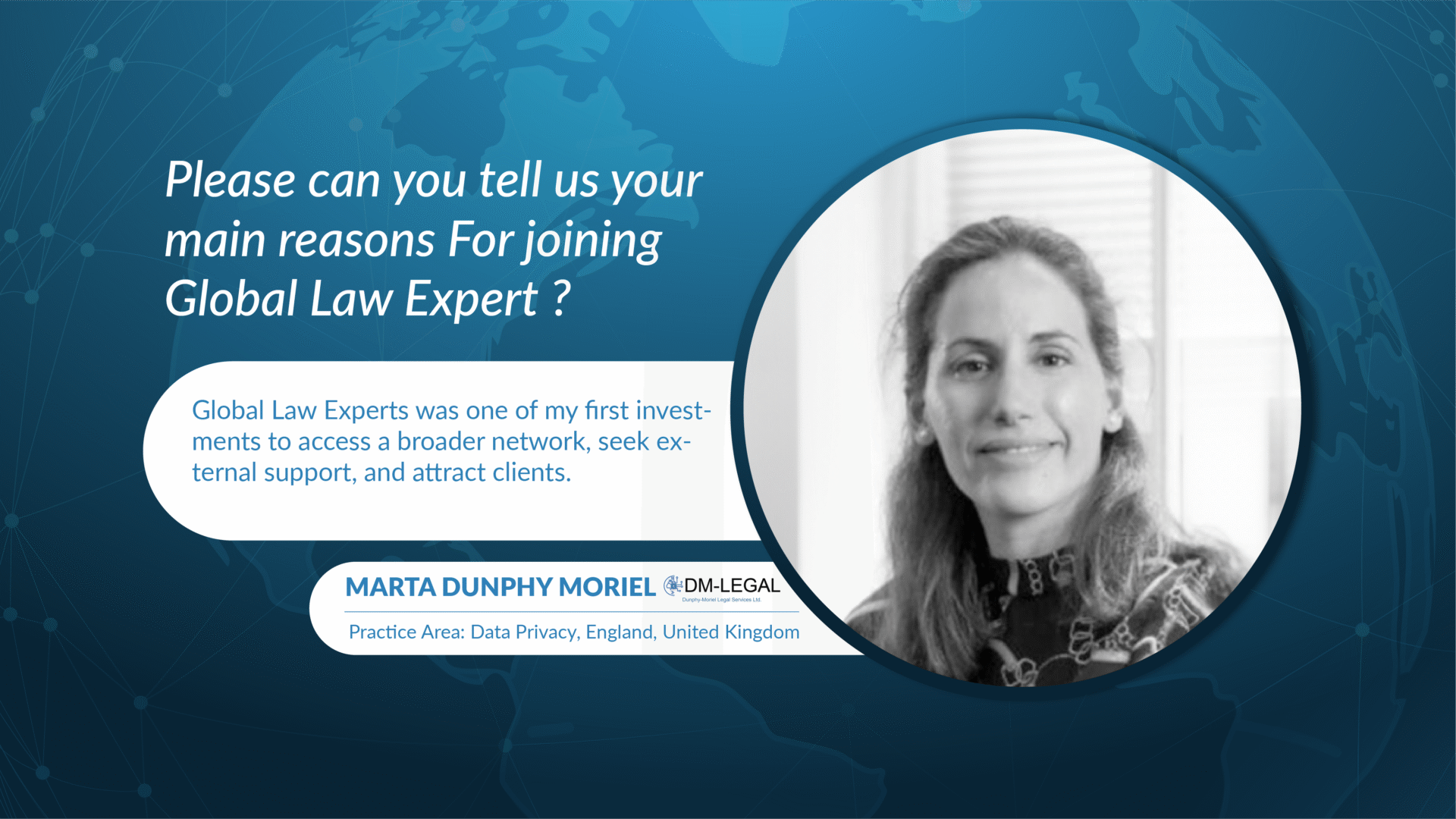
Testimonial-by-Marta-Dunphy-Moriel.png
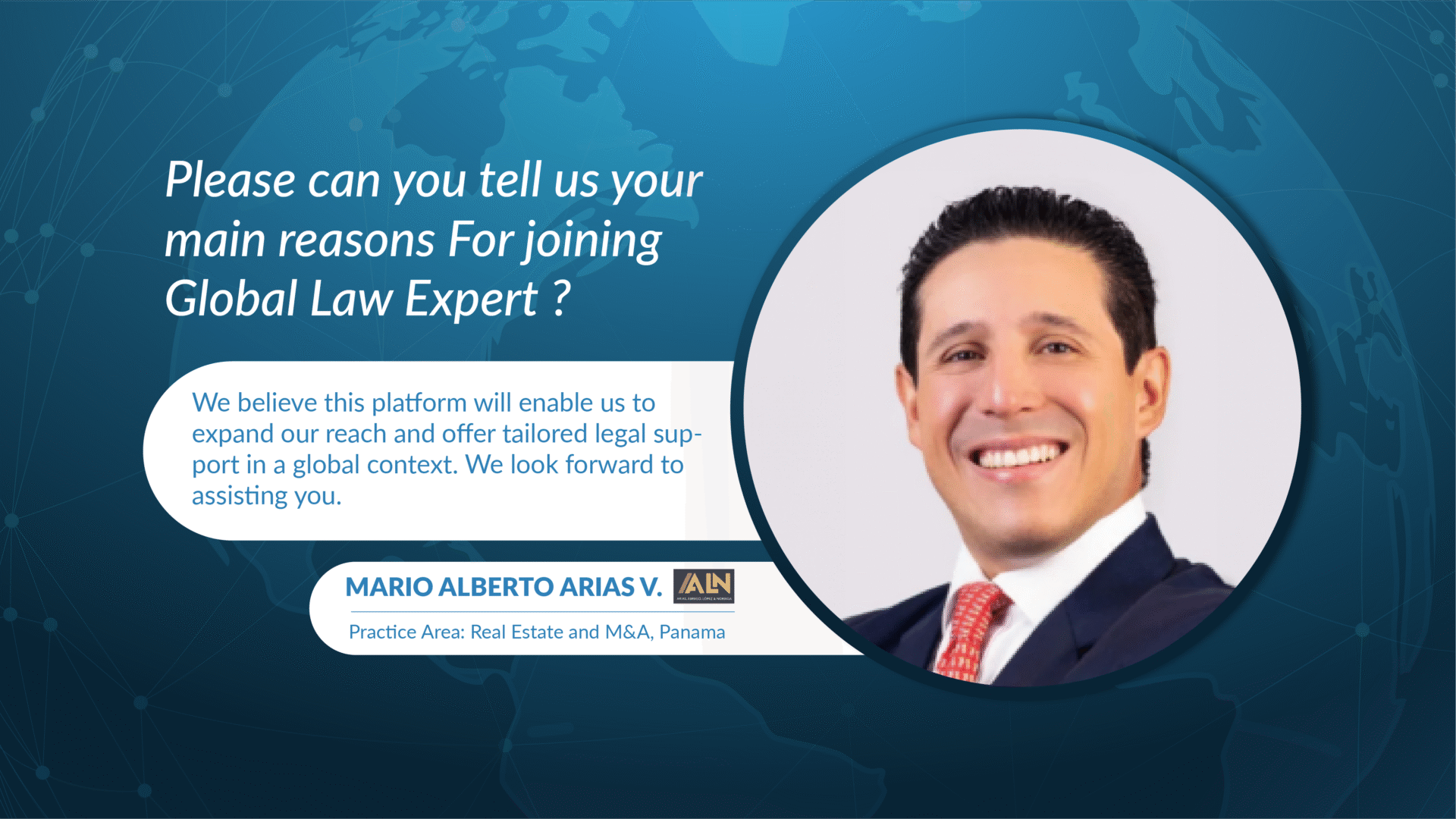
Testimonial-by-Mario-Alberto-Arias-V.png
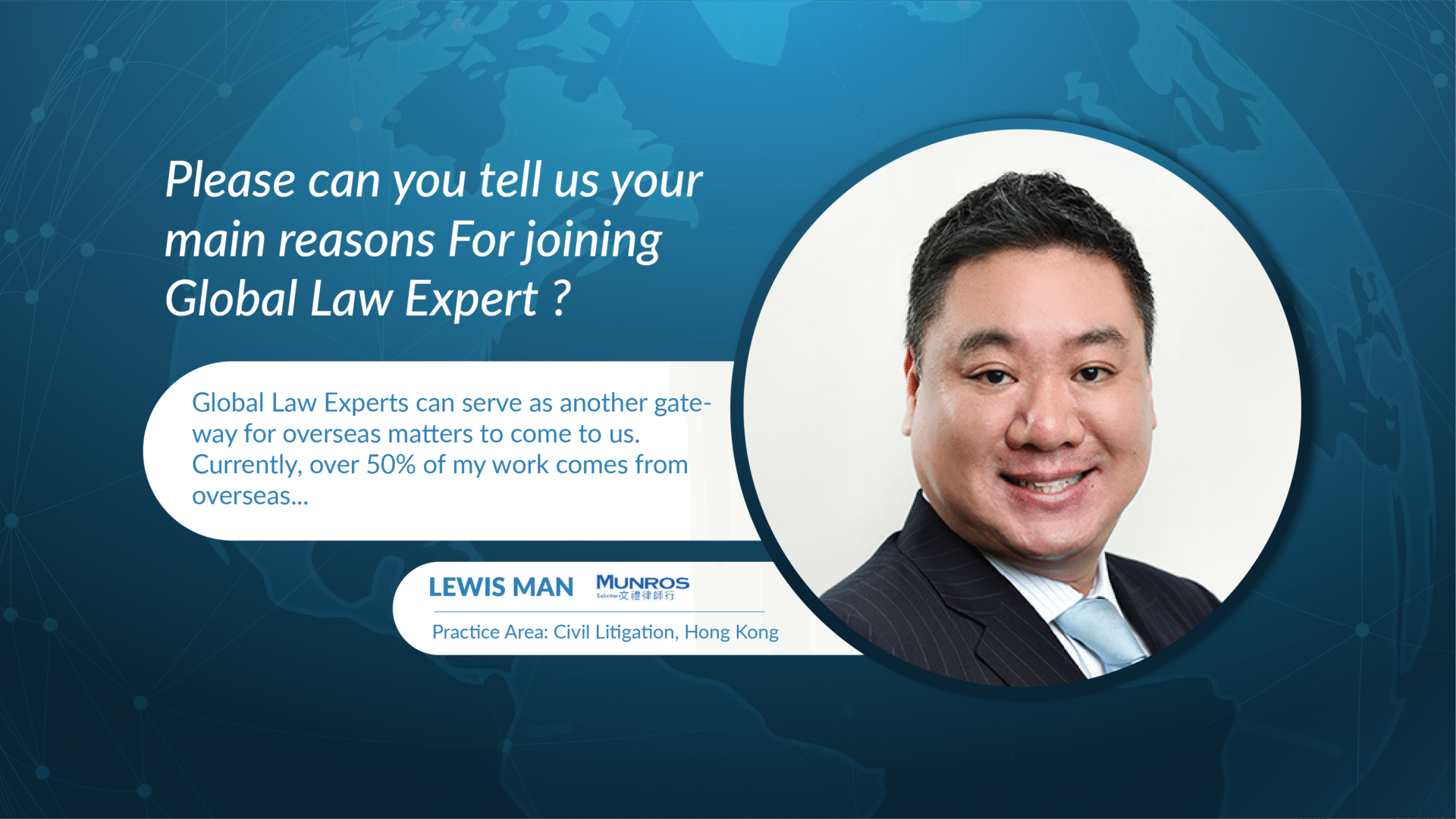
Testimonial-by-Lewis-Man.png
Testimonial-by-Kerwin-K.-Tan.png
Testimonial-by-Elena-Sadovskaya.png
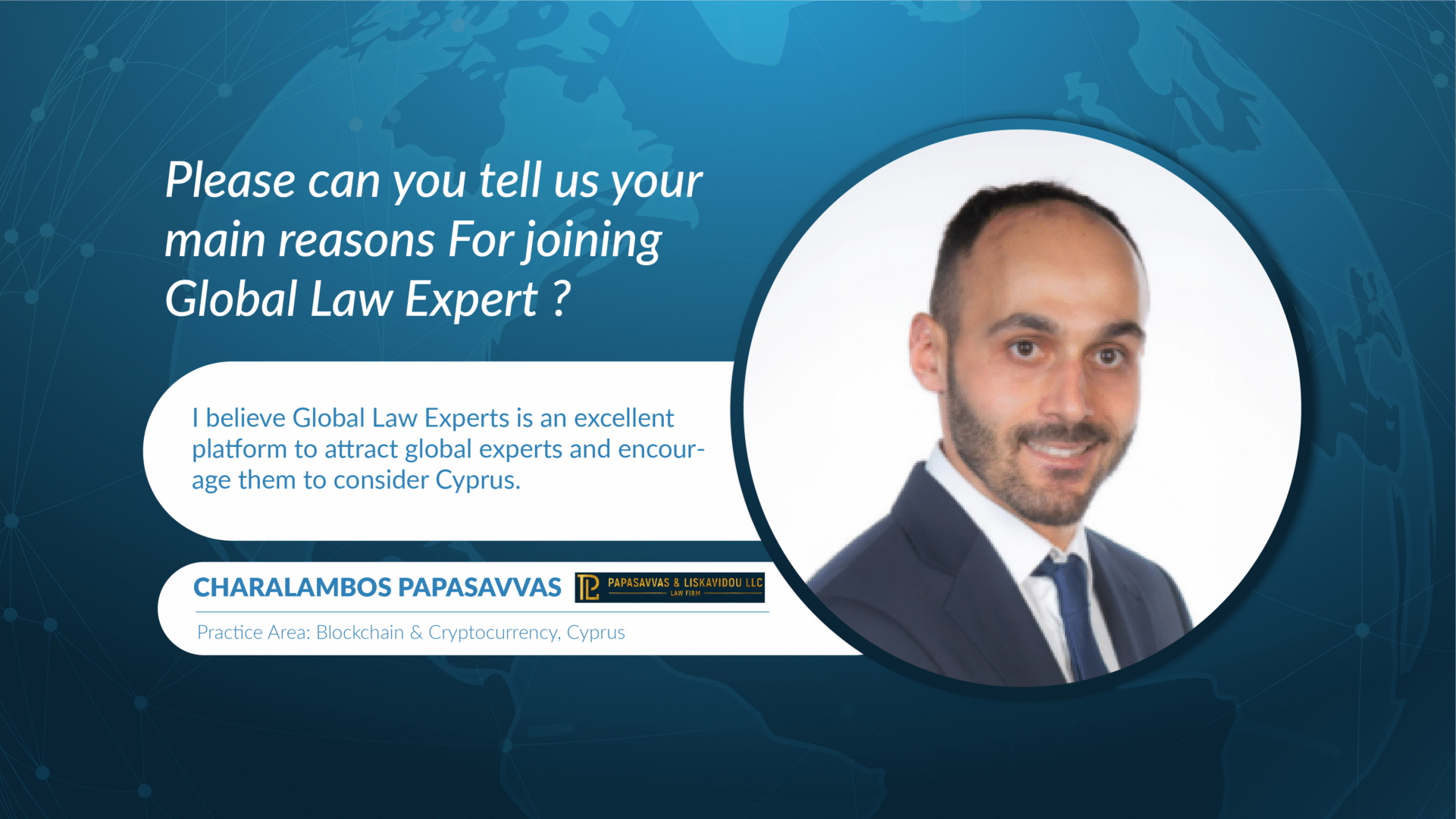
Testimonial-by-Charalambos-Papasavvas.png

Sports FAQ's

A sports lawyer acts as a commercial protector and regulatory navigator. For athletes, they negotiate employment contracts (salaries, bonuses), manage image rights deals, and defend against disciplinary actions (like doping bans). For clubs, they handle transfer negotiations, ensure compliance with league rules (like salary caps), and manage intellectual property. Essentially, they bridge the gap between labor law, contract law, and the specific “Lex Sportiva” (global sports law) that governs the industry.

International transfers are governed by the FIFA Transfer Matching System (TMS), a mandatory online platform. A lawyer or club official must upload specific data—transfer fee, payment schedule, and player details—to the system. Crucially, the buying club and the selling club must enter identical data; if there is a mismatch, the transfer is blocked. Once matched, the system issues an International Transfer Certificate (ITC). Without this digital “green light,” the player cannot legally register or play for the new club.

Based in Lausanne, Switzerland, the CAS is effectively the “Supreme Court of Sports.” It is the final authority for disputes that cannot be resolved by national federations. Lawyers argue cases here ranging from doping bans and match-fixing allegations to contract disputes between clubs over unpaid transfer fees. CAS decisions are binding and generally cannot be appealed to standard courts, making it the ultimate arbiter of global sports justice.

Yes, primarily to protect you from “Morality Clauses” and “Exclusivity” traps. Sponsors often include broad clauses allowing them to cancel the contract if you do anything “scandalous.” A lawyer narrows this definition so you don’t lose your income over a minor mistake. They also check exclusivity terms to ensure your personal shoe deal (e.g., with Nike) doesn’t breach your team’s kit deal (e.g., with Adidas), preventing you from being sued for breach of contract.

Anti-doping law operates on “Strict Liability,” meaning if a banned substance is in your body, you are guilty, regardless of intent. A lawyer’s role is to prove “No Significant Fault or Negligence” to reduce the ban length (e.g., from 4 years to 2 years). They do this by hiring scientific experts to prove the substance came from a contaminated supplement or food source, rather than intentional cheating. This is a highly technical defense requiring precise chain-of-custody evidence.

Image rights refer to the commercial value of an athlete’s name, face, and likeness. A lawyer sets up a separate Image Rights Company (IRC) to hold these rights. The club then pays a portion of the player’s remuneration to this company for marketing activities, rather than as salary. This is often tax-efficient because corporate tax rates are usually lower than top-tier income tax rates. However, tax authorities (like HMRC in the UK) scrutinize these deals aggressively, so a lawyer must ensure the structure is genuine and commercially justified.

Regulations like UEFA’s FFP or the Premier League’s PSR limit how much a club can lose. Lawyers help clubs comply by using “amortization.” When a player is bought for $100 million on a 5-year contract, the cost is booked as $20 million per year on the accounts, not a lump sum. Lawyers structure contract extensions to spread these costs further, effectively lowering the annual “hit” to the budget and allowing the club to sign more players without breaking the rules.

The biggest risk is Intellectual Property (IP) ownership. In football, no one owns the concept of the sport; anyone can start a league. In Esports, a publisher (like Riot Games or Valve) owns the game entirely. If the publisher changes the code, bans your team, or shuts down the server, your “stadium” disappears instantly. Lawyers must negotiate “participation agreements” that offer some security against the publisher arbitrarily destroying the team’s asset value.

Sports FAQ's

A sports lawyer acts as a commercial protector and regulatory navigator. For athletes, they negotiate employment contracts (salaries, bonuses), manage image rights deals, and defend against disciplinary actions (like doping bans). For clubs, they handle transfer negotiations, ensure compliance with league rules (like salary caps), and manage intellectual property. Essentially, they bridge the gap between labor law, contract law, and the specific "Lex Sportiva" (global sports law) that governs the industry.

International transfers are governed by the FIFA Transfer Matching System (TMS), a mandatory online platform. A lawyer or club official must upload specific data—transfer fee, payment schedule, and player details—to the system. Crucially, the buying club and the selling club must enter identical data; if there is a mismatch, the transfer is blocked. Once matched, the system issues an International Transfer Certificate (ITC). Without this digital "green light," the player cannot legally register or play for the new club.

Based in Lausanne, Switzerland, the CAS is effectively the "Supreme Court of Sports." It is the final authority for disputes that cannot be resolved by national federations. Lawyers argue cases here ranging from doping bans and match-fixing allegations to contract disputes between clubs over unpaid transfer fees. CAS decisions are binding and generally cannot be appealed to standard courts, making it the ultimate arbiter of global sports justice.

Yes, primarily to protect you from "Morality Clauses" and "Exclusivity" traps. Sponsors often include broad clauses allowing them to cancel the contract if you do anything "scandalous." A lawyer narrows this definition so you don't lose your income over a minor mistake. They also check exclusivity terms to ensure your personal shoe deal (e.g., with Nike) doesn't breach your team’s kit deal (e.g., with Adidas), preventing you from being sued for breach of contract.

Anti-doping law operates on "Strict Liability," meaning if a banned substance is in your body, you are guilty, regardless of intent. A lawyer’s role is to prove "No Significant Fault or Negligence" to reduce the ban length (e.g., from 4 years to 2 years). They do this by hiring scientific experts to prove the substance came from a contaminated supplement or food source, rather than intentional cheating. This is a highly technical defense requiring precise chain-of-custody evidence.

Image rights refer to the commercial value of an athlete's name, face, and likeness. A lawyer sets up a separate Image Rights Company (IRC) to hold these rights. The club then pays a portion of the player's remuneration to this company for marketing activities, rather than as salary. This is often tax-efficient because corporate tax rates are usually lower than top-tier income tax rates. However, tax authorities (like HMRC in the UK) scrutinize these deals aggressively, so a lawyer must ensure the structure is genuine and commercially justified.
Regulations like UEFA's FFP or the Premier League's PSR limit how much a club can lose. Lawyers help clubs comply by using "amortization." When a player is bought for $100 million on a 5-year contract, the cost is booked as $20 million per year on the accounts, not a lump sum. Lawyers structure contract extensions to spread these costs further, effectively lowering the annual "hit" to the budget and allowing the club to sign more players without breaking the rules.

The biggest risk is Intellectual Property (IP) ownership. In football, no one owns the concept of the sport; anyone can start a league. In Esports, a publisher (like Riot Games or Valve) owns the game entirely. If the publisher changes the code, bans your team, or shuts down the server, your "stadium" disappears instantly. Lawyers must negotiate "participation agreements" that offer some security against the publisher arbitrarily destroying the team's asset value.

Join
who are already getting the benefits
0
Sign up for the latest legal briefings and news within Global Law Experts’ community, as well as a whole host of features, editorial and conference updates direct to your email inbox. Naturally you can unsubscribe at any time.
Newsletter Sign Up
About Us

Global Law Experts is dedicated to providing exceptional legal services to clients around the world. With a vast network of highly skilled and experienced lawyers, we are committed to delivering innovative and tailored solutions to meet the diverse needs of our clients in various jurisdictions.

Global Law Experts App

Now Available on the App & Google Play Stores.

Social Posts
[wp_social_ninja id="50714" platform="instagram"]

See More:

Contact Us

Stay Informed

Join Mailing List
About Us

Global Law Experts is dedicated to providing exceptional legal services to clients around the world. With a vast network of highly skilled and experienced lawyers, we are committed to delivering innovative and tailored solutions to meet the diverse needs of our clients in various jurisdictions.

Social Posts
[wp_social_ninja id="50714" platform="instagram"]

See More:

Global Law Experts App

Now Available on the App & Google Play Stores.

Contact Us

Stay Informed

Join Mailing List

GLE

Santosh Vikram Singh

Santosh Vikram Singh

Send welcome message

Custom Message