[codicts-css-switcher id=”346″]

Global Law Experts Logo

Shipping Litigation Lawyers Worldwide.

Global Law Experts

Meet Our Shipping Litigation Lawyers

Discover award-winning Shipping Litigation lawyers in our global directory. Connect with independent legal experts for your shipping law needs.

Legal
Country
Shipping Litigation
Legal
Country
Shipping Litigation
One result

Shanen Nanoo

  • GOLD

Email:

Phone:

+65630*****
Lawyer posing in a professional suit against a bright office window backdrop.
Incisive Law LLC logo displayed on a black background, featuring the firm's name in white lettering.

Shanen Nanoo

  • GOLD
Shipping Litigation Law in Singapore
  • Incisive Law LLC
  • GOLD

Shipping Litigation News

Find Expert Shipping Litigation Lawyers Through Global Law Experts

Resolve Complex Maritime Disputes with Expert Shipping Litigation Counsel

Shipping litigation addresses global maritime disputes, covering “wet” issues like collisions and “dry” issues like charterparty conflicts. Attorneys navigate international conventions and vessel arrests to protect shipowners and insurers. Their expertise is vital for managing high-stakes arbitration and mitigating commercial risks at sea.

Global Law Experts connects you with premier shipping litigation specialists worldwide. Every practitioner is meticulously vetted to handle the technical complexities of maritime insurance and jurisdictional challenges. Whether resolving a cargo claim or a casualty event, our experts provide the strategic advocacy needed to protect your maritime assets.

Professional Shipping Litigation Help You Can Trust

We will help match you with a qualified Shipping Litigation law specialist who can offer reliable advice, clarify your options, and guide you through the next steps in the legal process.
Main Lead Capture Form - Home

Every GLE member is independently vetted by practice area and jurisdiction.

Client Success Stories

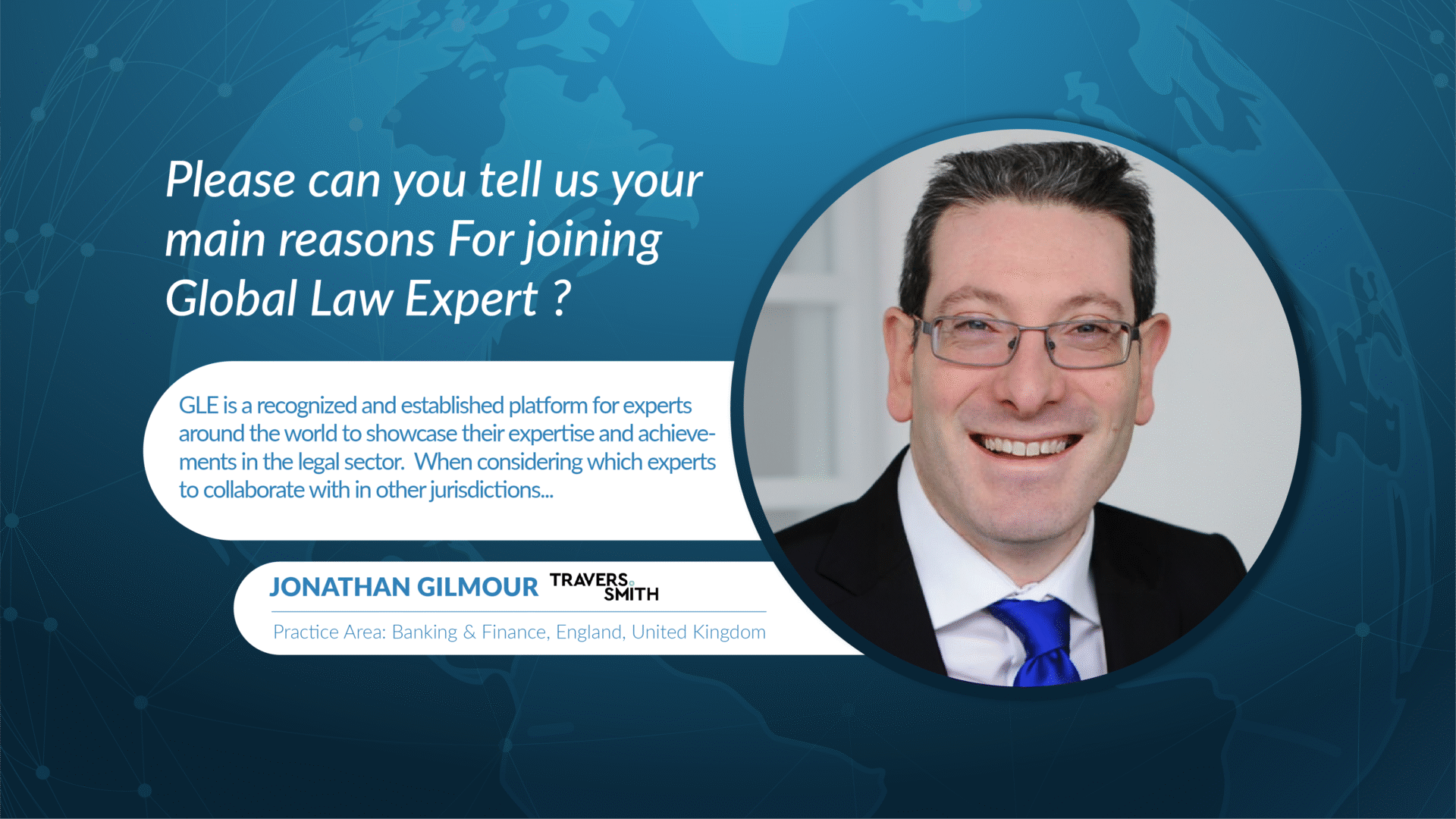
Testimonial-by-Jonathan-Gilmour.png
Testimonial-by-Tarek-Fouad-Riad.png
Testimonial-by-Zia-J.-Mody.png
Testimonial-by-Virginie-Tassin-Campanella.png
Testimonial-by-Marta-Dunphy-Moriel.png
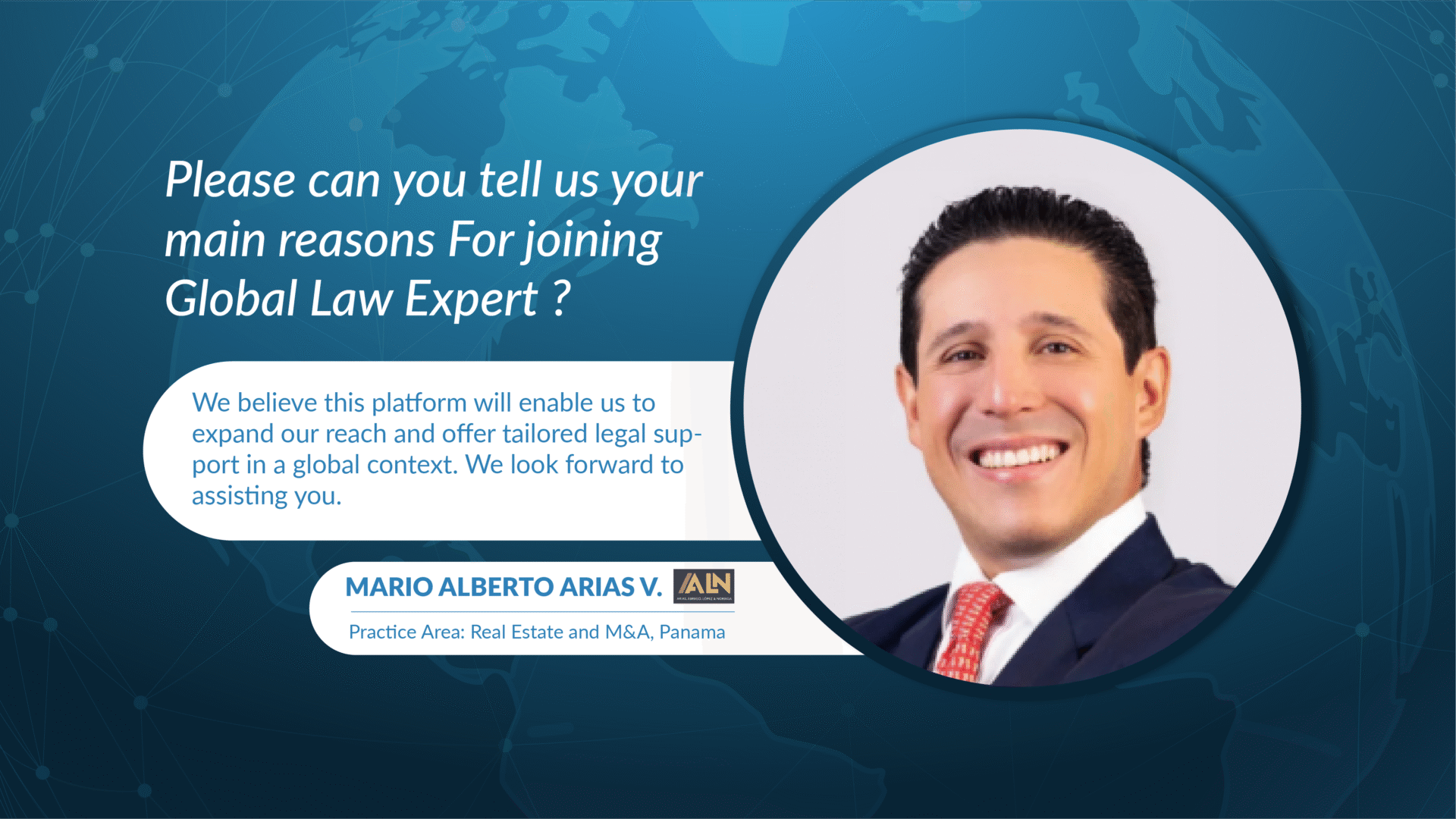
Testimonial-by-Mario-Alberto-Arias-V.png
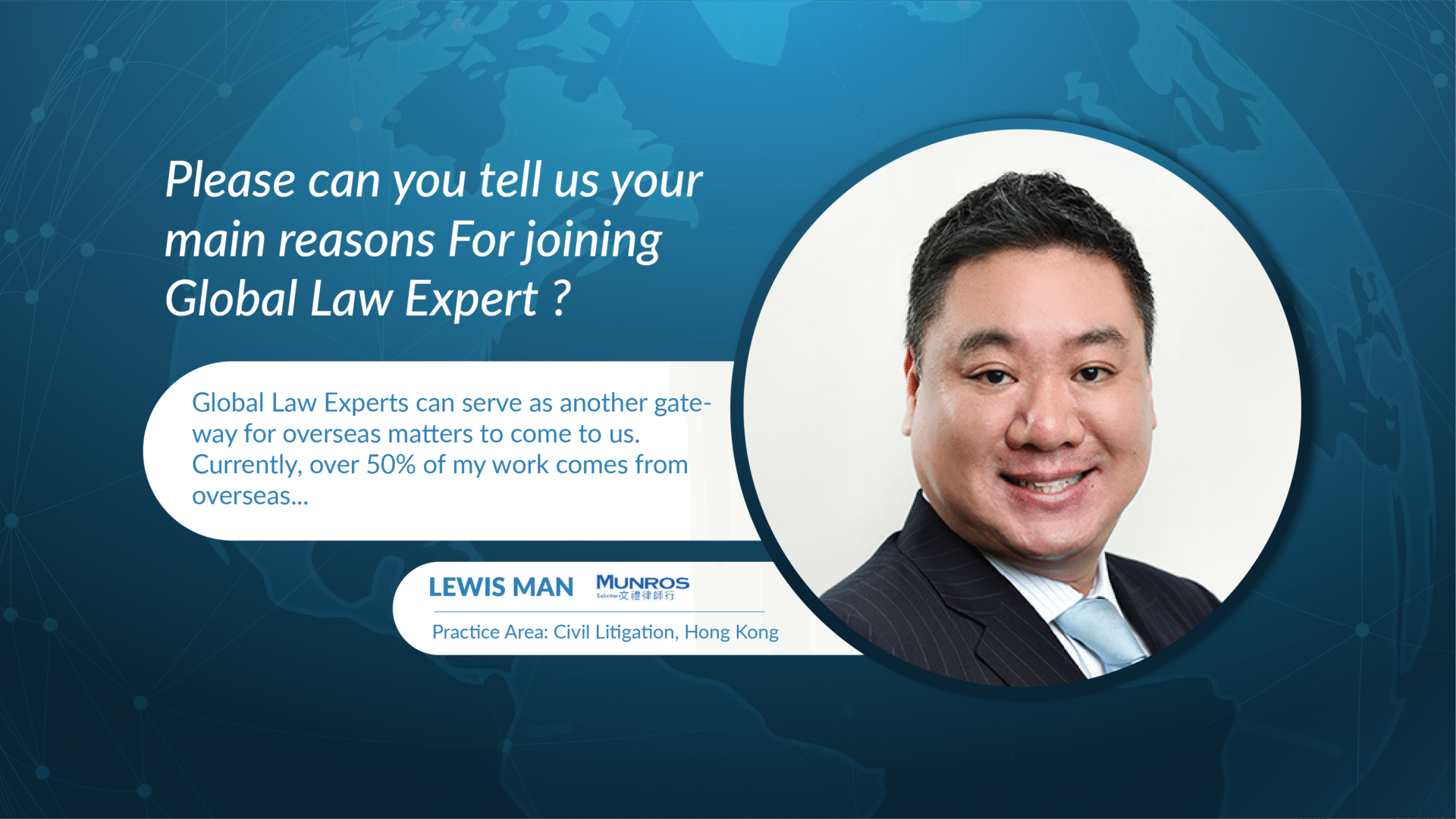
Testimonial-by-Lewis-Man.png
Testimonial-by-Kerwin-K.-Tan.png
Testimonial-by-Elena-Sadovskaya.png
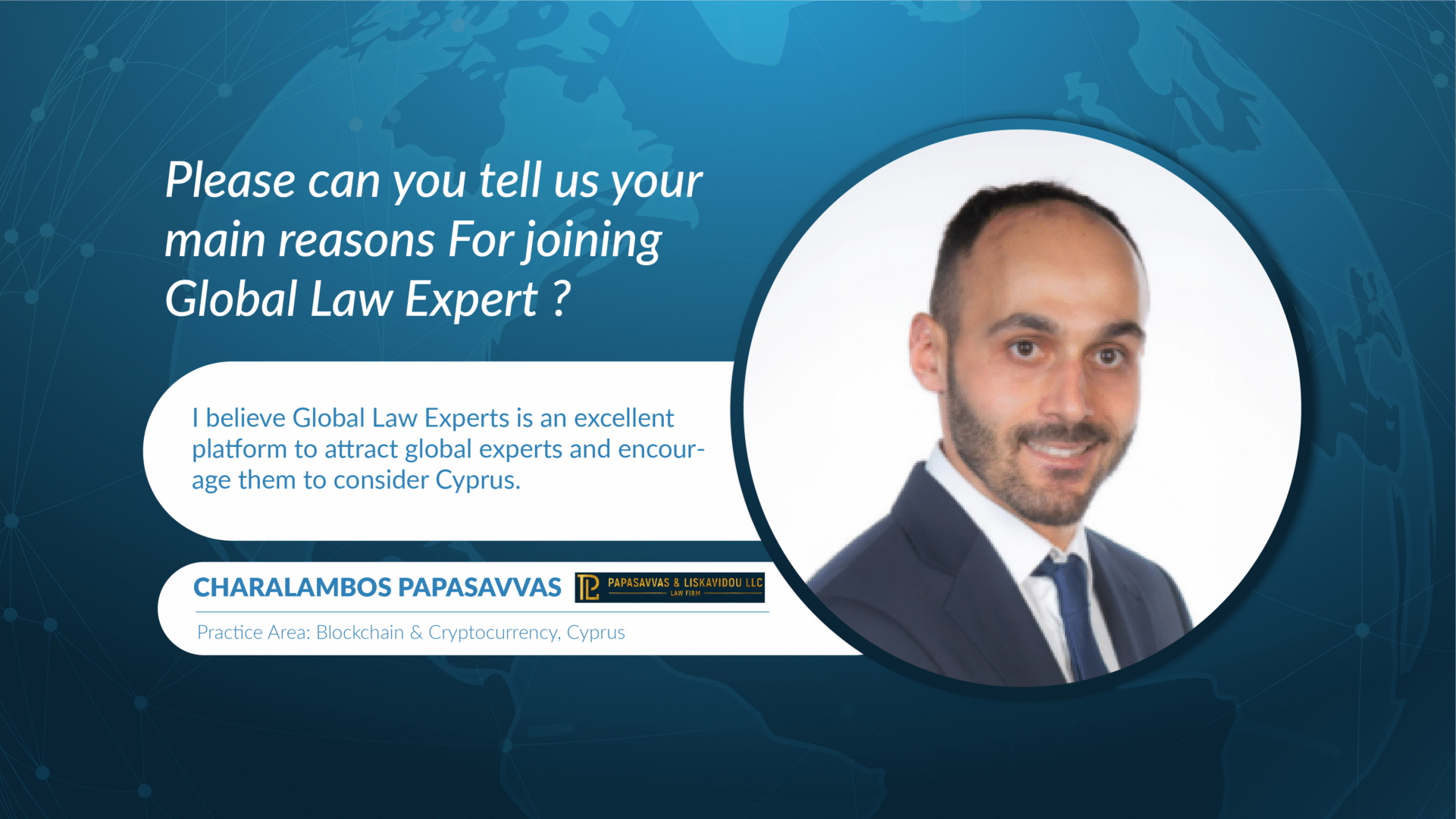
Testimonial-by-Charalambos-Papasavvas.png

Shipping Litigation FAQ's

A shipping litigation lawyer handles conflict on the high seas and in the boardroom. Their work falls into two buckets: “Wet” disputes involve physical accidents like collisions, groundings, salvage operations, and oil pollution. “Dry” disputes involve contracts, such as charterparty breaches, cargo damage claims, ship building disputes, and unpaid bunker (fuel) bills. They effectively act as the “emergency services” for the maritime industry, resolving crises that can cost millions of dollars a day in lost trade.


You can arrest a ship to secure a “maritime claim,” which is a specific list of debts defined by international conventions (like the 1952 or 1999 Arrest Conventions). Common grounds include unpaid crew wages, collision damage, loss of cargo, or unpaid suppliers (like fuel or repair yards). The arrest is an “in rem” action, meaning you technically sue the ship itself, not the owner. This forces the ship to stay in port until the owner provides security—usually a bank guarantee or cash—to cover the claim.

General Average is an ancient maritime principle that says “all for one, and one for all.” If a captain voluntarily sacrifices part of the ship or cargo to save the rest of the voyage (e.g., throwing containers overboard to lighten a ship during a storm), everyone who benefits must share the cost. This means even if your cargo arrived safely, you cannot pick it up until you pay your share of the lost containers’ value. Lawyers act as adjusters to calculate these complex contributions.

Demurrage is effectively a “parking ticket” for ships. If a charterer takes too long to load or unload cargo, they must pay the shipowner a daily penalty (often $20,000+ per day). Lawyers fight these claims by analyzing the “Statement of Facts” to see why the delay happened. If the delay was caused by bad weather or a crane breakdown, the charterer might be excused under the “laytime exceptions” clause, saving them from paying the fine.

The difference lies in what is being rented. In a Time Charter, you rent the ship for a period (e.g., 2 years); disputes usually involve the ship’s speed and fuel consumption (e.g., “You said this ship burns 30 tons of fuel a day, but it burns 40”). In a Voyage Charter, you rent the ship for a specific trip (e.g., A to B); disputes usually focus on “laytime” (how long loading took) and cargo safety. A lawyer determines which standard form contract (like NYPE vs. Gencon) applies to resolve the argument.

Collision damages are calculated based on the “proportion of blame.” If Ship A is 70% at fault and Ship B is 30% at fault, Ship A pays 70% of Ship B’s repair bill, and Ship B pays 30% of Ship A’s bill. Lawyers work with technical experts to reconstruct the accident using “VDR” (Voyage Data Recorder) black box data to argue these percentages. They also calculate “loss of use”—the profit the ship would have made while it was sitting in the repair drydock.

London dominates because of history, expertise, and the “English Law” standard. Most global shipping contracts automatically select English Law because it is predictable and commercially focused. The London Maritime Arbitrators Association (LMAA) handles more maritime disputes than any other venue globally. The arbitrators are industry experts (often ex-captains or brokers) rather than general judges, meaning they understand technical terms like “demurrage” without needing an explanation, making the process faster and more accurate.

This is a unique “get out of jail cheap” card for shipowners. Under the 1976 or 1996 LLMC Conventions, a shipowner can cap their total financial liability for an accident based on the ship’s size (tonnage), regardless of the actual damage caused. For example, if a small ship causes $100 million in damage, the owner might legally only have to pay $10 million. Lawyers often fight to “break the limit” by proving the owner acted with “reckless intent,” but this is notoriously difficult to prove in court.

Shipping Litigation FAQ's

A shipping litigation lawyer handles conflict on the high seas and in the boardroom. Their work falls into two buckets: "Wet" disputes involve physical accidents like collisions, groundings, salvage operations, and oil pollution. "Dry" disputes involve contracts, such as charterparty breaches, cargo damage claims, ship building disputes, and unpaid bunker (fuel) bills. They effectively act as the "emergency services" for the maritime industry, resolving crises that can cost millions of dollars a day in lost trade.

You can arrest a ship to secure a "maritime claim," which is a specific list of debts defined by international conventions (like the 1952 or 1999 Arrest Conventions). Common grounds include unpaid crew wages, collision damage, loss of cargo, or unpaid suppliers (like fuel or repair yards). The arrest is an "in rem" action, meaning you technically sue the ship itself, not the owner. This forces the ship to stay in port until the owner provides security—usually a bank guarantee or cash—to cover the claim.

General Average is an ancient maritime principle that says "all for one, and one for all." If a captain voluntarily sacrifices part of the ship or cargo to save the rest of the voyage (e.g., throwing containers overboard to lighten a ship during a storm), everyone who benefits must share the cost. This means even if your cargo arrived safely, you cannot pick it up until you pay your share of the lost containers' value. Lawyers act as adjusters to calculate these complex contributions.

Demurrage is effectively a "parking ticket" for ships. If a charterer takes too long to load or unload cargo, they must pay the shipowner a daily penalty (often $20,000+ per day). Lawyers fight these claims by analyzing the "Statement of Facts" to see why the delay happened. If the delay was caused by bad weather or a crane breakdown, the charterer might be excused under the "laytime exceptions" clause, saving them from paying the fine.

The difference lies in what is being rented. In a Time Charter, you rent the ship for a period (e.g., 2 years); disputes usually involve the ship's speed and fuel consumption (e.g., "You said this ship burns 30 tons of fuel a day, but it burns 40"). In a Voyage Charter, you rent the ship for a specific trip (e.g., A to B); disputes usually focus on "laytime" (how long loading took) and cargo safety. A lawyer determines which standard form contract (like NYPE vs. Gencon) applies to resolve the argument.

Collision damages are calculated based on the "proportion of blame." If Ship A is 70% at fault and Ship B is 30% at fault, Ship A pays 70% of Ship B's repair bill, and Ship B pays 30% of Ship A's bill. Lawyers work with technical experts to reconstruct the accident using "VDR" (Voyage Data Recorder) black box data to argue these percentages. They also calculate "loss of use"—the profit the ship would have made while it was sitting in the repair drydock.

London dominates because of history, expertise, and the "English Law" standard. Most global shipping contracts automatically select English Law because it is predictable and commercially focused. The London Maritime Arbitrators Association (LMAA) handles more maritime disputes than any other venue globally. The arbitrators are industry experts (often ex-captains or brokers) rather than general judges, meaning they understand technical terms like "demurrage" without needing an explanation, making the process faster and more accurate.

This is a unique "get out of jail cheap" card for shipowners. Under the 1976 or 1996 LLMC Conventions, a shipowner can cap their total financial liability for an accident based on the ship's size (tonnage), regardless of the actual damage caused. For example, if a small ship causes $100 million in damage, the owner might legally only have to pay $10 million. Lawyers often fight to "break the limit" by proving the owner acted with "reckless intent," but this is notoriously difficult to prove in court.

Join
who are already getting the benefits
0
Sign up for the latest legal briefings and news within Global Law Experts’ community, as well as a whole host of features, editorial and conference updates direct to your email inbox. Naturally you can unsubscribe at any time.
Newsletter Sign Up
About Us

Global Law Experts is dedicated to providing exceptional legal services to clients around the world. With a vast network of highly skilled and experienced lawyers, we are committed to delivering innovative and tailored solutions to meet the diverse needs of our clients in various jurisdictions.

Global Law Experts App

Now Available on the App & Google Play Stores.

Social Posts
[wp_social_ninja id="50714" platform="instagram"]

See More:

Contact Us

Stay Informed

Join Mailing List
About Us

Global Law Experts is dedicated to providing exceptional legal services to clients around the world. With a vast network of highly skilled and experienced lawyers, we are committed to delivering innovative and tailored solutions to meet the diverse needs of our clients in various jurisdictions.

Social Posts
[wp_social_ninja id="50714" platform="instagram"]

See More:

Global Law Experts App

Now Available on the App & Google Play Stores.

Contact Us

Stay Informed

Join Mailing List

GLE

Lawyer Profile Page - Lead Capture
GLE-Logo-White
Lawyer Profile Page - Lead Capture
Lawyer posing in a professional suit against a bright office window backdrop.

Shanen Nanoo

Send welcome message

Custom Message