[codicts-css-switcher id=”346″]

Global Law Experts Logo

Shipping Finance Lawyers Worldwide.

Global Law Experts

Meet Our Shipping Finance Lawyers

Connect with top independent Shipping Finance lawyers recognized by Global Law Experts. Discover expert legal assistance today.

Legal
Country
Shipping Finance
Legal
Country
Shipping Finance
One result

Sonia Horvathova

  • GOLD

Email:

Phone:

+30695*****
  • GOLD

Sonia Horvathova

  • GOLD

Sonia Horvathova

  • GOLD
Shipping Finance Law in Greece
  • Papapetros, Papangelis, Tatagia & Partners Law Firm (PPT Legal)
  • GOLD

Shipping Finance News

Find Expert Shipping Finance Lawyers Through Global Law Experts

Navigate Global Maritime Markets with Expert Shipping Finance Counsel

Shipping finance is a specialized area of banking law focused on the capital-intensive needs of the maritime industry. This practice area involves structuring complex loans, lease agreements, and credit facilities for vessel acquisition, newbuild construction, and fleet refinancing. Attorneys manage asset-based security interests, such as ship mortgages and assignments of insurance, while ensuring compliance with international maritime regulations and flag state requirements to protect the interests of both lenders and shipowners.

Global Law Experts connects you with premier shipping finance specialists who possess deep knowledge of international maritime banking. Every practitioner is meticulously vetted to handle the technical complexities of cross-border lending and multi-jurisdictional security registration. Whether you are a financial institution structuring a syndicated loan or a shipowner seeking capital for fleet expansion, our experts provide the strategic advocacy and transactional precision needed to secure your maritime investments.

Professional Shipping Finance Help You Can Trust

We will help match you with a qualified Shipping Finance law specialist who can offer reliable advice, clarify your options, and guide you through the next steps in the legal process.
Main Lead Capture Form - Home

Every GLE member is independently vetted by practice area and jurisdiction.

Client Success Stories

Testimonial-by-Jonathan-Gilmour.png
Testimonial-by-Tarek-Fouad-Riad.png
Testimonial-by-Zia-J.-Mody.png
Testimonial-by-Virginie-Tassin-Campanella.png
Testimonial-by-Marta-Dunphy-Moriel.png
Testimonial-by-Mario-Alberto-Arias-V.png
Testimonial-by-Lewis-Man.png
Testimonial-by-Kerwin-K.-Tan.png
Testimonial-by-Elena-Sadovskaya.png
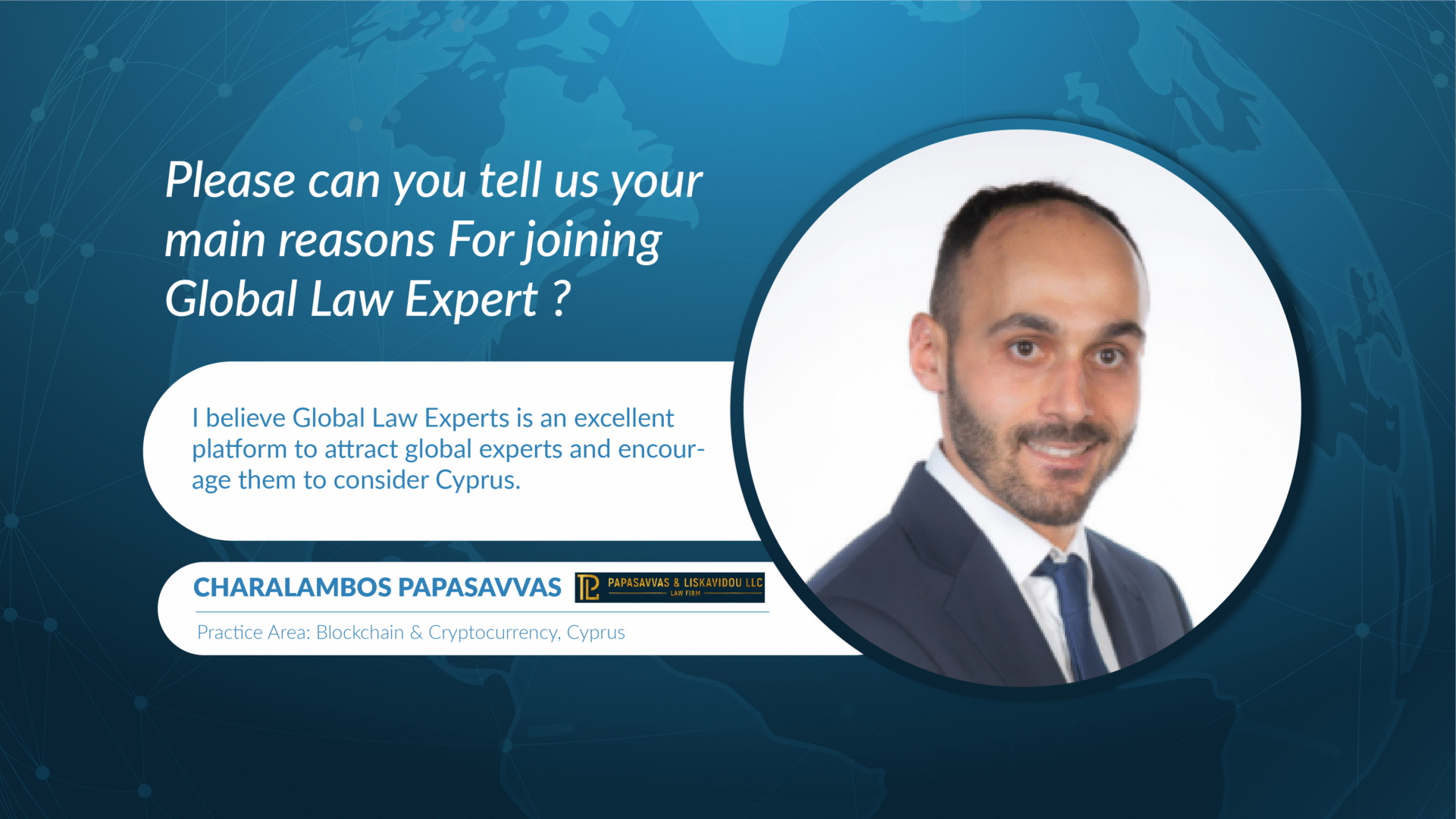
Testimonial-by-Charalambos-Papasavvas.png

Shipping Finance FAQ's

The primary difference is the extreme mobility and volatility of the asset. Unlike a factory that stays on a specific plot of land, a ship moves between different legal jurisdictions daily, meaning the asset securing the loan can literally sail away from the bank’s reach. Shipping finance lawyers must draft mortgages that are enforceable globally, not just locally. Additionally, ships face unique “maritime liens”—such as unpaid crew wages or salvage claims—that legally jump ahead of the bank’s mortgage in the payout queue, requiring stricter loan covenants to ensure the owner keeps the vessel debt-free.

A Sale and Leaseback is essentially a loan disguised as a property deal, widely used to raise capital. A shipowner sells their vessel to a leasing company (often based in China) for immediate cash, then immediately leases it back to operate it for a daily fee. The leasing company becomes the legal owner of the steel, offering them better security than a traditional mortgage. If the shipowner stops paying rent, the lessor doesn’t need to go through a lengthy foreclosure process; they simply cancel the charter and take their ship back.

A ship mortgage is a specialized security interest recorded directly with the ship’s Flag State registry (e.g., Panama, Liberia, or the Marshall Islands). It gives the lender a “priority right” to sell the ship if the loan isn’t repaid. A lawyer must ensure the mortgage is “perfected” by filing the correct statutory forms immediately; a delay of even 24 hours can be fatal if another creditor files a claim first. This registration acts as a global “do not touch” sign, warning other creditors that the bank has the first claim on the vessel’s value.

SPVs are used to “ring-fence” liability, following the “one-ship, one-company” rule. If a ship is owned directly by the parent company and causes a massive oil spill, the claimants could seize the entire fleet to pay for the damages. By placing each ship into its own separate SPV, lawyers ensure that a disaster on Ship A only bankrupts that specific SPV, leaving Ship B and the parent company’s assets safe from seizure. This structure is virtually mandatory for bank financing, as lenders want their collateral isolated from other business risks.

ECAs (like K-Sure in Korea or Sinosure in China) provide government-backed guarantees to banks lending money for ships built in their country. A lawyer helps you navigate the strict eligibility rules, proving that the “local content” of the ship—like the steel and engine—meets the agency’s threshold. They negotiate the “reimbursement agreement,” ensuring that if you default and the government pays the bank, the ECA’s terms for recovering that money from you aren’t overly aggressive or crippling.

The Poseidon Principles are a global framework where major banks agree to align their shipping loan portfolios with international climate goals. Practically, this means if your ship is a heavy polluter (“dirty” vessel), it will be significantly harder and more expensive to get a loan. Lawyers now draft “sustainability-linked” loan agreements where the interest rate fluctuates based on the ship’s carbon efficiency; if you retrofit the ship to be greener, your interest rate drops, incentivizing environmental compliance through financial rewards.

Legally, a bank cannot seize a ship on the high seas; they must wait for it to enter the territorial waters of a friendly jurisdiction. Lawyers track the vessel’s location data to predict its next port of call. Once it arrives, they hire local counsel to file an “in rem” arrest warrant with the local court. The moment the ship docks, a marshal boards the vessel and physically posts the warrant, legally “arresting” the ship and preventing it from leaving port until the debt is settled or the ship is sold.

This involves strategic “forum shopping.” Since shipping laws vary wildly between countries, a lawyer will advise the bank to wait until the ship sails to a “creditor-friendly” jurisdiction (like the US, UK, or Singapore) before arresting it, rather than trying to enforce a mortgage in a country with slow or corrupt courts. They coordinate legal teams across time zones to ensure the arrest papers are filed the exact moment the ship arrives, avoiding a scenario where the ship refuels and escapes before the court order is signed.

Shipping Finance FAQ's

The primary difference is the extreme mobility and volatility of the asset. Unlike a factory that stays on a specific plot of land, a ship moves between different legal jurisdictions daily, meaning the asset securing the loan can literally sail away from the bank’s reach. Shipping finance lawyers must draft mortgages that are enforceable globally, not just locally. Additionally, ships face unique "maritime liens"—such as unpaid crew wages or salvage claims—that legally jump ahead of the bank’s mortgage in the payout queue, requiring stricter loan covenants to ensure the owner keeps the vessel debt-free.

A Sale and Leaseback is essentially a loan disguised as a property deal, widely used to raise capital. A shipowner sells their vessel to a leasing company (often based in China) for immediate cash, then immediately leases it back to operate it for a daily fee. The leasing company becomes the legal owner of the steel, offering them better security than a traditional mortgage. If the shipowner stops paying rent, the lessor doesn't need to go through a lengthy foreclosure process; they simply cancel the charter and take their ship back.

A ship mortgage is a specialized security interest recorded directly with the ship's Flag State registry (e.g., Panama, Liberia, or the Marshall Islands). It gives the lender a "priority right" to sell the ship if the loan isn't repaid. A lawyer must ensure the mortgage is "perfected" by filing the correct statutory forms immediately; a delay of even 24 hours can be fatal if another creditor files a claim first. This registration acts as a global "do not touch" sign, warning other creditors that the bank has the first claim on the vessel's value.

SPVs are used to "ring-fence" liability, following the "one-ship, one-company" rule. If a ship is owned directly by the parent company and causes a massive oil spill, the claimants could seize the entire fleet to pay for the damages. By placing each ship into its own separate SPV, lawyers ensure that a disaster on Ship A only bankrupts that specific SPV, leaving Ship B and the parent company's assets safe from seizure. This structure is virtually mandatory for bank financing, as lenders want their collateral isolated from other business risks.

ECAs (like K-Sure in Korea or Sinosure in China) provide government-backed guarantees to banks lending money for ships built in their country. A lawyer helps you navigate the strict eligibility rules, proving that the "local content" of the ship—like the steel and engine—meets the agency's threshold. They negotiate the "reimbursement agreement," ensuring that if you default and the government pays the bank, the ECA’s terms for recovering that money from you aren't overly aggressive or crippling.

The Poseidon Principles are a global framework where major banks agree to align their shipping loan portfolios with international climate goals. Practically, this means if your ship is a heavy polluter ("dirty" vessel), it will be significantly harder and more expensive to get a loan. Lawyers now draft "sustainability-linked" loan agreements where the interest rate fluctuates based on the ship's carbon efficiency; if you retrofit the ship to be greener, your interest rate drops, incentivizing environmental compliance through financial rewards.

Legally, a bank cannot seize a ship on the high seas; they must wait for it to enter the territorial waters of a friendly jurisdiction. Lawyers track the vessel's location data to predict its next port of call. Once it arrives, they hire local counsel to file an "in rem" arrest warrant with the local court. The moment the ship docks, a marshal boards the vessel and physically posts the warrant, legally "arresting" the ship and preventing it from leaving port until the debt is settled or the ship is sold.

This involves strategic "forum shopping." Since shipping laws vary wildly between countries, a lawyer will advise the bank to wait until the ship sails to a "creditor-friendly" jurisdiction (like the US, UK, or Singapore) before arresting it, rather than trying to enforce a mortgage in a country with slow or corrupt courts. They coordinate legal teams across time zones to ensure the arrest papers are filed the exact moment the ship arrives, avoiding a scenario where the ship refuels and escapes before the court order is signed.

Join
who are already getting the benefits
0
Sign up for the latest legal briefings and news within Global Law Experts’ community, as well as a whole host of features, editorial and conference updates direct to your email inbox. Naturally you can unsubscribe at any time.
Newsletter Sign Up
About Us

Global Law Experts is dedicated to providing exceptional legal services to clients around the world. With a vast network of highly skilled and experienced lawyers, we are committed to delivering innovative and tailored solutions to meet the diverse needs of our clients in various jurisdictions.

Global Law Experts App

Now Available on the App & Google Play Stores.

Social Posts
[wp_social_ninja id="50714" platform="instagram"]

See More:

Contact Us

Stay Informed

Join Mailing List
About Us

Global Law Experts is dedicated to providing exceptional legal services to clients around the world. With a vast network of highly skilled and experienced lawyers, we are committed to delivering innovative and tailored solutions to meet the diverse needs of our clients in various jurisdictions.

Social Posts
[wp_social_ninja id="50714" platform="instagram"]

See More:

Global Law Experts App

Now Available on the App & Google Play Stores.

Contact Us

Stay Informed

Join Mailing List

GLE

Lawyer Profile Page - Lead Capture
GLE-Logo-White
Lawyer Profile Page - Lead Capture

Sonia Horvathova

Send welcome message

Custom Message