[codicts-css-switcher id=”346″]

Global Law Experts Logo

Resort Development Lawyers Worldwide.

Global Law Experts

Meet Our Resort Development Lawyers

Discover independent Resort Development lawyers worldwide on Global Law Experts. Connect with award-winning legal experts in Resort Development.

Legal
Country
Resort Development
Legal
Country
Resort Development
One result

Kenred Dorsett, CIPS, CRB, J.P.,

  • GOLD

Email:

Phone:

+1(242*****
Photosmilebma.png
Logo-kenred12.png
Photosmilebma.png

Kenred Dorsett, CIPS, CRB, J.P.,

Logo-kenred12.png
Photosmilebma.png

Kenred Dorsett, CIPS, CRB, J.P.,

  • GOLD

Kenred Dorsett, CIPS, CRB, J.P.,

  • GOLD
Corporate
  • Chancellors Chambers

Find Expert Resort Development Lawyers Through Global Law Experts

Lead World-Class Projects with Expert Resort Development Counsel

Resort development law governs the lifecycle of luxury hospitality projects, from initial land acquisition and zoning to long-term operational management. This practice area addresses complex environmental permits, construction contracts, and mixed-use structuring. Attorneys ensure compliance with local hospitality regulations while protecting investments through sophisticated financing and licensing agreements tailored to the tourism sector.

Global Law Experts connects you with premier development specialists who understand the unique demands of the hospitality industry. Every practitioner is meticulously vetted for their ability to navigate cross-border real estate laws and sustainable building mandates. Whether you are launching a boutique island retreat or a global hotel chain, our experts provide the strategic advocacy needed to transform ambitious visions into profitable, compliant destinations.

Professional Resort Development Help You Can Trust

We will help match you with a qualified Resort Development law specialist who can offer reliable advice, clarify your options, and guide you through the next steps in the legal process.
Main Lead Capture Form - Home

Every GLE member is independently vetted by practice area and jurisdiction.

Client Success Stories

Testimonial-by-Jonathan-Gilmour.png
Testimonial-by-Tarek-Fouad-Riad.png
Testimonial-by-Zia-J.-Mody.png
Testimonial-by-Virginie-Tassin-Campanella.png
Testimonial-by-Marta-Dunphy-Moriel.png
Testimonial-by-Mario-Alberto-Arias-V.png
Testimonial-by-Lewis-Man.png
Testimonial-by-Kerwin-K.-Tan.png
Testimonial-by-Elena-Sadovskaya.png
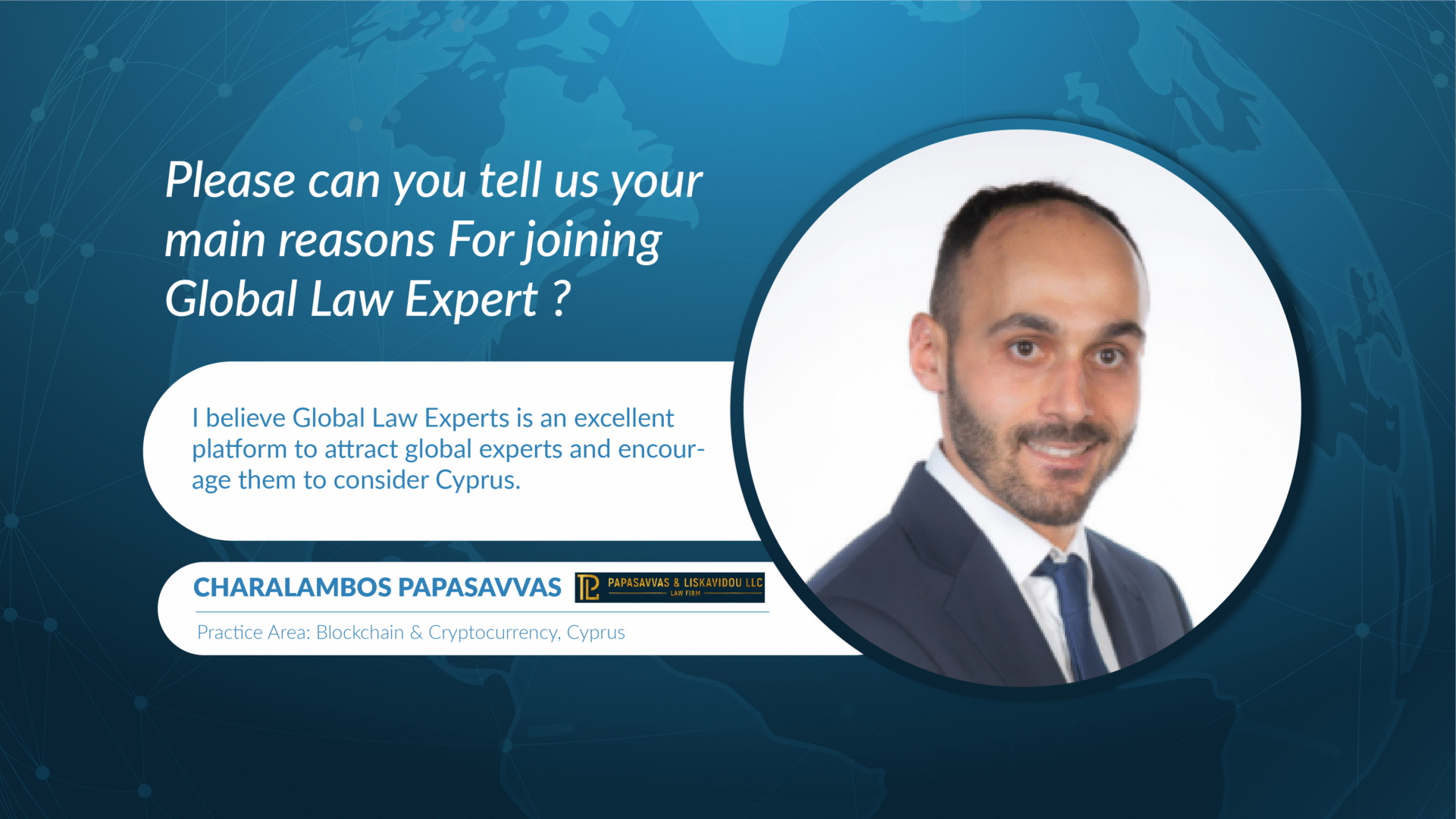
Testimonial-by-Charalambos-Papasavvas.png

Resort Development FAQ's

Standard real estate law focuses on the static ownership of land (selling a house or leasing an office), whereas Resort Development law focuses on the “operational” and “experiential” aspects of the asset. A resort is not just a building; it is a 24/7 operating business with complex layers of liability involving guest safety, liquor licensing, labor unions, and environmental compliance. Unlike a standard office tower, a resort often sits on “fragile” land (beaches, mountains) requiring specialized environmental permits and deals with transient guests rather than long-term tenants, triggering specific innkeeper laws.


Lawyers structure mixed-use resorts like a layer cake of legal rights, usually through a Master Declaration of Covenants, Conditions, and Restrictions (CC&Rs). This document acts as the “constitution” for the resort, defining how the hotel, private condos, and retail shops share the same infrastructure. Lawyers draft “Reciprocal Easement Agreements” (REAs) so that condo owners can legally walk through the hotel lobby to get to the pool, and they establish “cost centers” to ensure that the private residents don’t accidentally pay for the hotel’s laundry and electricity bills.

An HMA is the contract between the resort owner (you) and the brand (like Marriott or Four Seasons) that runs it. The most critical term to negotiate is the “Performance Test.” A lawyer drafts this clause to give you the right to fire the operator if they fail to meet specific profit targets for two consecutive years. Without this legal escape hatch, you could be trapped in a 30-year contract with an operator who is losing your money, with no way to terminate them without paying massive penalties.

Yes, because selling “time” in a property is legally dangerous. If you market it incorrectly (e.g., promising it will go up in value), the US SEC or UK FCA may classify your timeshare as a “financial security” rather than real estate. This triggers strict investment banking regulations that can bankrupt a project if ignored. A lawyer ensures your marketing materials strictly sell “vacation enjoyment” rather than “financial return” to keep you outside the scope of securities regulators.

Building on a coast or mountain triggers aggressive scrutiny from agencies like the US Army Corps of Engineers or local coastal commissions. Lawyers manage the Environmental Impact Statement (EIS), a massive legal document proving your resort won’t destroy local wetlands or endangered species habitats. They often negotiate “mitigation banking” deals, where you legally agree to preserve 50 acres of forest elsewhere in exchange for the right to build on 10 acres of beachfront, satisfying regulators that the net environmental impact is neutral.

Seasonal hiring creates a legal minefield regarding “benefits eligibility.” If a seasonal lifeguard works just one hour over the legal threshold (often 30 hours/week or 120 days), they may legally trigger an entitlement to health insurance or pension contributions, costing you millions. Lawyers draft specific “seasonal employment contracts” that clearly define the start and end dates of employment to prevent these workers from accidentally accruing the legal rights of permanent staff.

Yes, these are “high-impact” uses that almost always require a Conditional Use Permit (CUP) or special zoning variance. For casinos, lawyers must navigate the “sovereign land” issues if dealing with tribal gaming or strict state gaming commission licenses. For golf courses, the legal battle is usually over water rights; a lawyer must secure “appropriative rights” to legally pump the millions of gallons of water needed for irrigation, often years before the first hole is dug.

CAM fees are the monthly bills residents pay to maintain shared spaces like pools and roads. In a resort, this is controversial because residents hate paying for amenities that hotel guests also abuse. A lawyer structures the budget to separate “Residential CAM” (private lobby) from “Resort CAM” (shared pool). They also draft “subsidy agreements” where the hotel operator agrees to pay a larger share of the maintenance for high-traffic areas, legally protecting residents from subsidizing the hotel’s commercial operations.

Resort Development FAQ's

Standard real estate law focuses on the static ownership of land (selling a house or leasing an office), whereas Resort Development law focuses on the "operational" and "experiential" aspects of the asset. A resort is not just a building; it is a 24/7 operating business with complex layers of liability involving guest safety, liquor licensing, labor unions, and environmental compliance. Unlike a standard office tower, a resort often sits on "fragile" land (beaches, mountains) requiring specialized environmental permits and deals with transient guests rather than long-term tenants, triggering specific innkeeper laws.

Lawyers structure mixed-use resorts like a layer cake of legal rights, usually through a Master Declaration of Covenants, Conditions, and Restrictions (CC&Rs). This document acts as the "constitution" for the resort, defining how the hotel, private condos, and retail shops share the same infrastructure. Lawyers draft "Reciprocal Easement Agreements" (REAs) so that condo owners can legally walk through the hotel lobby to get to the pool, and they establish "cost centers" to ensure that the private residents don't accidentally pay for the hotel's laundry and electricity bills.

An HMA is the contract between the resort owner (you) and the brand (like Marriott or Four Seasons) that runs it. The most critical term to negotiate is the "Performance Test." A lawyer drafts this clause to give you the right to fire the operator if they fail to meet specific profit targets for two consecutive years. Without this legal escape hatch, you could be trapped in a 30-year contract with an operator who is losing your money, with no way to terminate them without paying massive penalties.

Yes, because selling "time" in a property is legally dangerous. If you market it incorrectly (e.g., promising it will go up in value), the US SEC or UK FCA may classify your timeshare as a "financial security" rather than real estate. This triggers strict investment banking regulations that can bankrupt a project if ignored. A lawyer ensures your marketing materials strictly sell "vacation enjoyment" rather than "financial return" to keep you outside the scope of securities regulators.

Building on a coast or mountain triggers aggressive scrutiny from agencies like the US Army Corps of Engineers or local coastal commissions. Lawyers manage the Environmental Impact Statement (EIS), a massive legal document proving your resort won't destroy local wetlands or endangered species habitats. They often negotiate "mitigation banking" deals, where you legally agree to preserve 50 acres of forest elsewhere in exchange for the right to build on 10 acres of beachfront, satisfying regulators that the net environmental impact is neutral.

Seasonal hiring creates a legal minefield regarding "benefits eligibility." If a seasonal lifeguard works just one hour over the legal threshold (often 30 hours/week or 120 days), they may legally trigger an entitlement to health insurance or pension contributions, costing you millions. Lawyers draft specific "seasonal employment contracts" that clearly define the start and end dates of employment to prevent these workers from accidentally accruing the legal rights of permanent staff.

Yes, these are "high-impact" uses that almost always require a Conditional Use Permit (CUP) or special zoning variance. For casinos, lawyers must navigate the "sovereign land" issues if dealing with tribal gaming or strict state gaming commission licenses. For golf courses, the legal battle is usually over water rights; a lawyer must secure "appropriative rights" to legally pump the millions of gallons of water needed for irrigation, often years before the first hole is dug.

CAM fees are the monthly bills residents pay to maintain shared spaces like pools and roads. In a resort, this is controversial because residents hate paying for amenities that hotel guests also abuse. A lawyer structures the budget to separate "Residential CAM" (private lobby) from "Resort CAM" (shared pool). They also draft "subsidy agreements" where the hotel operator agrees to pay a larger share of the maintenance for high-traffic areas, legally protecting residents from subsidizing the hotel's commercial operations.

Join
who are already getting the benefits
0
Sign up for the latest legal briefings and news within Global Law Experts’ community, as well as a whole host of features, editorial and conference updates direct to your email inbox. Naturally you can unsubscribe at any time.
Newsletter Sign Up
About Us

Global Law Experts is dedicated to providing exceptional legal services to clients around the world. With a vast network of highly skilled and experienced lawyers, we are committed to delivering innovative and tailored solutions to meet the diverse needs of our clients in various jurisdictions.

Global Law Experts App

Now Available on the App & Google Play Stores.

Social Posts
[wp_social_ninja id="50714" platform="instagram"]

See More:

Contact Us

Stay Informed

Join Mailing List
About Us

Global Law Experts is dedicated to providing exceptional legal services to clients around the world. With a vast network of highly skilled and experienced lawyers, we are committed to delivering innovative and tailored solutions to meet the diverse needs of our clients in various jurisdictions.

Social Posts
[wp_social_ninja id="50714" platform="instagram"]

See More:

Global Law Experts App

Now Available on the App & Google Play Stores.

Contact Us

Stay Informed

Join Mailing List

GLE

Lawyer Profile Page - Lead Capture
GLE-Logo-White
Lawyer Profile Page - Lead Capture
Photosmilebma.png

Kenred Dorsett, CIPS, CRB, J.P.,

Send welcome message

Custom Message