[codicts-css-switcher id=”346″]

Global Law Experts Logo

Public Lawyers Worldwide.

Global Law Experts

Meet Our Public Lawyers

Find independent Public legal experts worldwide. Connect with award-winning lawyers on Global Law Experts. Discover today!

Legal
Country
Public
Legal
Country
Public
3 results

Ioannis Sarakinos

  • GOLD

Email:

Phone:

+30211*****
Lawyer in a suit with a patterned tie, smiling against a neutral background.
Sarakinos Law logo featuring stylized "S" and name in gold on a dark background.
Lawyer in a suit with a patterned tie, smiling against a neutral background.
  • GOLD
Lawyer in a suit with a patterned tie, smiling against a neutral background.

Ioannis Sarakinos

  • GOLD
Compliance Law in Greece
  • Sarakinos Law
  • GOLD

Michaela Berry

  • GOLD

Email:

Phone:

+ 44 (*****
Michaela Berry
Sacker & Partners LLP
Michaela Berry
  • GOLD
Michaela Berry

Michaela Berry

  • GOLD

Michaela Berry

  • GOLD
Public Law in United Kingdom
  • Sacker & Partners LLP
  • GOLD

Francesco Cataldo

  • GOLD

Email:

Phone:

+39 06*****
Francesco Cataldo
Studio Legale Vaiano — Cataldo
Francesco Cataldo

Francesco Cataldo

Studio Legale Vaiano — Cataldo
Francesco Cataldo

Francesco Cataldo

  • GOLD

Francesco Cataldo

  • GOLD
Public Law in Italy
  • Studio Legale Vaiano — Cataldo

Public News

Find Expert Public Lawyers Through Global Law Experts

Uphold the Rule of Law with Expert Public Counsel

Public law governs the fundamental relationship between individuals and the state, ensuring that government bodies act within their legal authority. This practice encompasses constitutional, administrative, and criminal law, focusing on the powers of public institutions and the protection of individual rights. Attorneys in this field manage judicial reviews, challenge unlawful state actions, and advise on the legislative processes that shape society.

Global Law Experts connects you with premier public law specialists who possess a deep understanding of governmental oversight and civil liberties. These lawyers are established experts within their own fields, offering the strategic insight needed to navigate complex regulatory environments and administrative hearings. Whether you are seeking a judicial review or navigating government policy changes, they provide the advocacy required to hold authorities accountable.

Professional Public Help You Can Trust

We will help match you with a qualified Public law specialist who can offer reliable advice, clarify your options, and guide you through the next steps in the legal process.
Main Lead Capture Form - Home

Every GLE member is independently vetted by practice area and jurisdiction.

Client Success Stories

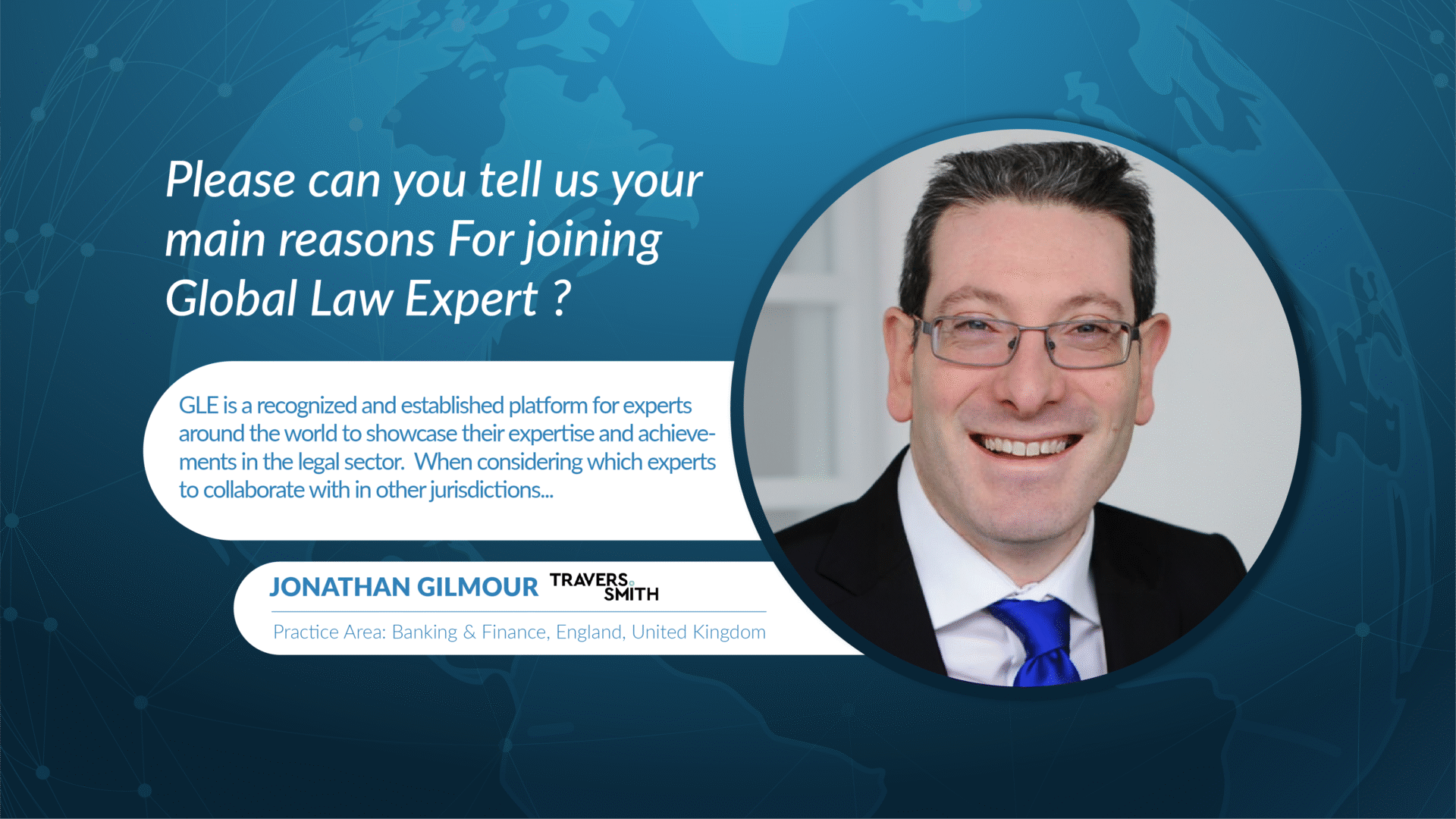
Testimonial-by-Jonathan-Gilmour.png
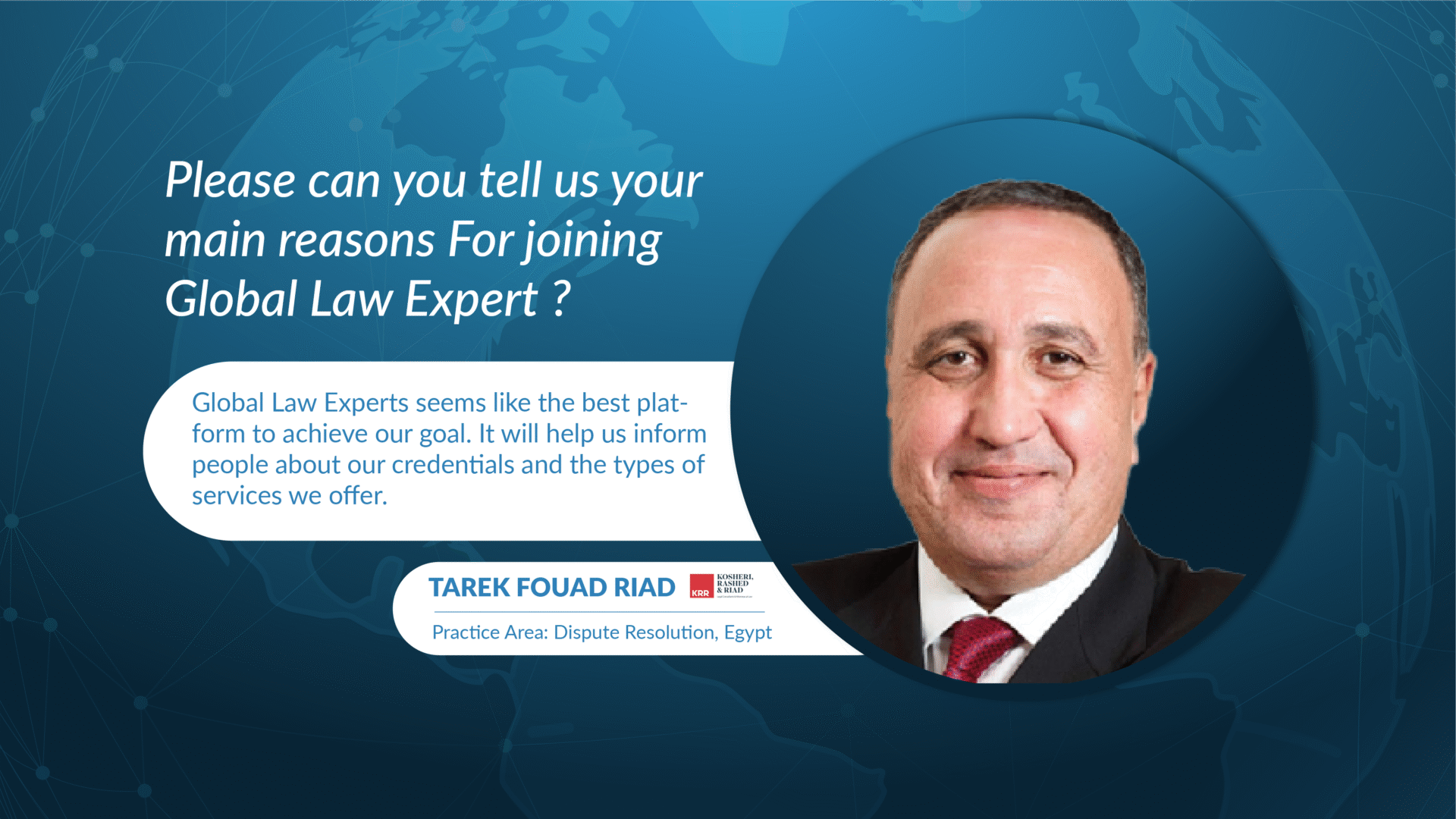
Testimonial-by-Tarek-Fouad-Riad.png
Testimonial-by-Zia-J.-Mody.png
Testimonial-by-Virginie-Tassin-Campanella.png
Testimonial-by-Marta-Dunphy-Moriel.png
Testimonial-by-Mario-Alberto-Arias-V.png
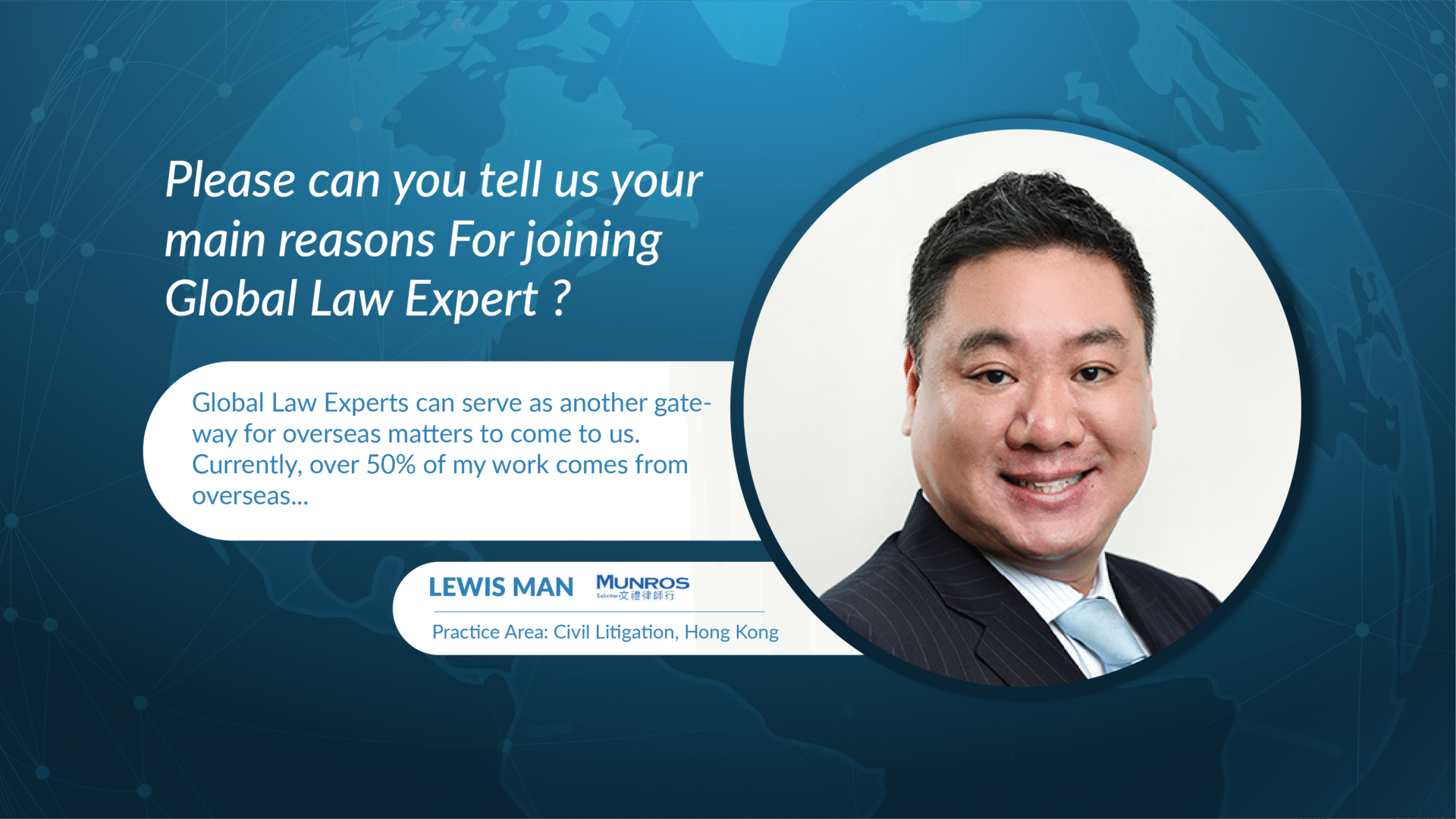
Testimonial-by-Lewis-Man.png
Testimonial-by-Kerwin-K.-Tan.png
Testimonial-by-Elena-Sadovskaya.png
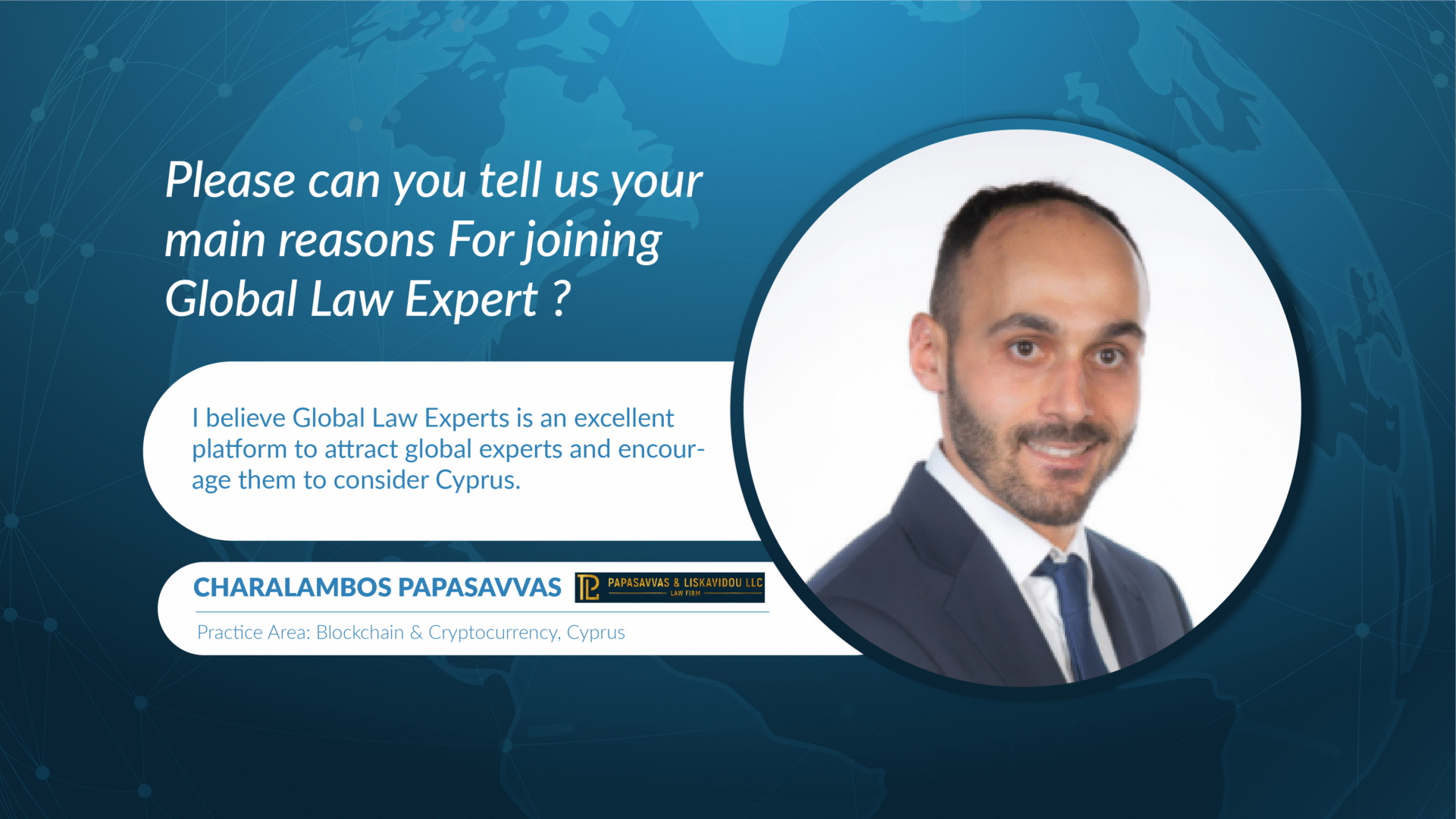
Testimonial-by-Charalambos-Papasavvas.png

Public FAQ's

Public Law governs the vertical relationship between the state and the individual, ensuring the government follows the rules (Constitutional, Administrative, and Criminal Law). Private Law handles horizontal disputes between individuals or private companies, such as contracts, torts, or property disputes. If you sue your neighbor over a fence, that is Private Law; if you sue the City Council for denying your building permit, that is Public Law.


Judicial Review is a court proceeding where a judge reviews the lawfulness of a decision made by a public body, rather than whether the decision was “right” or “wrong” on the merits. A lawyer uses this process to challenge decisions that are illegal, irrational, or procedurally unfair. It is a powerful tool; in the UK, thousands of Judicial Review applications are filed annually, forcing government departments to follow proper procedure rather than acting arbitrarily.

Yes, lawyers are experts at drafting FOI requests to extract specific data while navigating the complex exemptions governments use to hide it. They know how to phrase requests to avoid rejection for being “too broad” and can appeal if the agency claims the information is “commercially sensitive.” In the US, FOIA lawsuits filed by lawyers have hit record highs in recent years, proving that legal pressure is often necessary to force transparency from reluctant government agencies.

“Ultra vires” is Latin for “beyond the powers.” It occurs when a government body acts outside the specific legal authority granted to it by a statute. If a lawyer proves an agency acted ultra vires—like a local council fining you for something they have no legal right to regulate—the court will declare that decision “void ab initio,” meaning it effectively never existed legally. This is the foundational concept of checking government overreach.

A Public lawyer acts as a shield during investigations by regulators like the SEC or the UK’s FCA. They manage the flow of documents to ensure you comply with subpoenas without handing over privileged legal advice. Crucially, they prepare executives for “compelled interviews,” ensuring they answer truthfully without accidentally admitting to crimes they didn’t commit. Their goal is to contain the scope of the probe and negotiate a settlement before it turns into a public enforcement action.

Historically, “Sovereign Immunity” meant the state could do no wrong and couldn’t be sued. Today, laws like the US Federal Tort Claims Act waive this immunity in specific cases, allowing you to sue for operational negligence like a postal truck hitting your car. However, you generally still cannot sue for “discretionary policy decisions.” If the government makes a policy choice you dislike, you have to vote them out, not sue them; immunity still protects high-level political decision-making.

In the wake of national disasters like the Grenfell Tower fire or the COVID-19 pandemic, a Public Inquiry is established to find the truth. Lawyers play a central role here, representing “Core Participants” (victims, corporations, or officials) to examine evidence and cross-examine witnesses. Their job is to ensure their client’s narrative is heard and to influence the final report’s recommendations, which often reshape national laws for decades to come.

Human rights laws act as a “constitutional floor” that administrative decisions cannot drop below. In the UK, the Human Rights Act 1998 requires all public bodies to act compatibly with the European Convention on Human Rights. This means a lawyer can challenge a technically legal administrative decision—like deporting a foreign criminal—if it disproportionately violates their right to family life. It adds a layer of fundamental rights protection on top of standard bureaucratic procedure.

Public FAQ's

Public Law governs the vertical relationship between the state and the individual, ensuring the government follows the rules (Constitutional, Administrative, and Criminal Law). Private Law handles horizontal disputes between individuals or private companies, such as contracts, torts, or property disputes. If you sue your neighbor over a fence, that is Private Law; if you sue the City Council for denying your building permit, that is Public Law.

Judicial Review is a court proceeding where a judge reviews the lawfulness of a decision made by a public body, rather than whether the decision was "right" or "wrong" on the merits. A lawyer uses this process to challenge decisions that are illegal, irrational, or procedurally unfair. It is a powerful tool; in the UK, thousands of Judicial Review applications are filed annually, forcing government departments to follow proper procedure rather than acting arbitrarily.

Yes, lawyers are experts at drafting FOI requests to extract specific data while navigating the complex exemptions governments use to hide it. They know how to phrase requests to avoid rejection for being "too broad" and can appeal if the agency claims the information is "commercially sensitive." In the US, FOIA lawsuits filed by lawyers have hit record highs in recent years, proving that legal pressure is often necessary to force transparency from reluctant government agencies.

"Ultra vires" is Latin for "beyond the powers." It occurs when a government body acts outside the specific legal authority granted to it by a statute. If a lawyer proves an agency acted ultra vires—like a local council fining you for something they have no legal right to regulate—the court will declare that decision "void ab initio," meaning it effectively never existed legally. This is the foundational concept of checking government overreach.

A Public lawyer acts as a shield during investigations by regulators like the SEC or the UK's FCA. They manage the flow of documents to ensure you comply with subpoenas without handing over privileged legal advice. Crucially, they prepare executives for "compelled interviews," ensuring they answer truthfully without accidentally admitting to crimes they didn't commit. Their goal is to contain the scope of the probe and negotiate a settlement before it turns into a public enforcement action.

Historically, "Sovereign Immunity" meant the state could do no wrong and couldn't be sued. Today, laws like the US Federal Tort Claims Act waive this immunity in specific cases, allowing you to sue for operational negligence like a postal truck hitting your car. However, you generally still cannot sue for "discretionary policy decisions." If the government makes a policy choice you dislike, you have to vote them out, not sue them; immunity still protects high-level political decision-making.

In the wake of national disasters like the Grenfell Tower fire or the COVID-19 pandemic, a Public Inquiry is established to find the truth. Lawyers play a central role here, representing "Core Participants" (victims, corporations, or officials) to examine evidence and cross-examine witnesses. Their job is to ensure their client's narrative is heard and to influence the final report's recommendations, which often reshape national laws for decades to come.

Human rights laws act as a "constitutional floor" that administrative decisions cannot drop below. In the UK, the Human Rights Act 1998 requires all public bodies to act compatibly with the European Convention on Human Rights. This means a lawyer can challenge a technically legal administrative decision—like deporting a foreign criminal—if it disproportionately violates their right to family life. It adds a layer of fundamental rights protection on top of standard bureaucratic procedure.

Join
who are already getting the benefits
0
Sign up for the latest legal briefings and news within Global Law Experts’ community, as well as a whole host of features, editorial and conference updates direct to your email inbox. Naturally you can unsubscribe at any time.
Newsletter Sign Up
About Us

Global Law Experts is dedicated to providing exceptional legal services to clients around the world. With a vast network of highly skilled and experienced lawyers, we are committed to delivering innovative and tailored solutions to meet the diverse needs of our clients in various jurisdictions.

Global Law Experts App

Now Available on the App & Google Play Stores.

Social Posts
[wp_social_ninja id="50714" platform="instagram"]

See More:

Contact Us

Stay Informed

Join Mailing List
About Us

Global Law Experts is dedicated to providing exceptional legal services to clients around the world. With a vast network of highly skilled and experienced lawyers, we are committed to delivering innovative and tailored solutions to meet the diverse needs of our clients in various jurisdictions.

Social Posts
[wp_social_ninja id="50714" platform="instagram"]

See More:

Global Law Experts App

Now Available on the App & Google Play Stores.

Contact Us

Stay Informed

Join Mailing List

GLE

Lawyer Profile Page - Lead Capture
GLE-Logo-White
Lawyer Profile Page - Lead Capture
Francesco Cataldo

Francesco Cataldo

Send welcome message

Custom Message