[codicts-css-switcher id=”346″]

Global Law Experts Logo

Projects & Infrastructure Lawyers Worldwide.

Global Law Experts

Meet Our Projects & Infrastructure Lawyers

Connect with award-winning Projects & Infrastructure lawyers worldwide through Global Law Experts, an independent legal directory and awards platform. Discover expertise and find the right lawyer for your needs.

Legal
Country
Projects & Infrastructure
Legal
Country
Projects & Infrastructure
2 results

Marcin Jamrozik

  • GOLD

Email:

Phone:

+48 12*****
Photo-19-1.png
Logo-clients10-1.png
Photo-19-1.png

Marcin Jamrozik

  • GOLD

Marcin Jamrozik

  • GOLD
Projects & Infrastructure Law in Poland
  • Polowiec i Wspolnicy Sp. j.

Khemchand Thadani

  • GOLD

Email:

Phone:

+(60)3*****
Photo-budoman12.png
Logo-asladnan27.png

Khemchand Thadani

  • GOLD
Projects & Infrastructure Law in Malaysia
  • Adnan Sundra & Low

Projects & Infrastructure News

Find Expert Projects & Infrastructure Lawyers Through Global Law Experts

Build the Future with Expert Projects & Infrastructure Counsel

Projects and infrastructure law governs the development of large-scale physical assets, from transportation networks and utility grids to social infrastructure like schools and hospitals. This practice involves structuring complex financing models, managing environmental impacts, and drafting robust construction and concession agreements. Attorneys provide the critical legal architecture required to bring multi-billion dollar developments from the drawing board to operational reality.

Global Law Experts connects you with premier infrastructure specialists who possess deep knowledge of international engineering standards and local regulatory hurdles. These lawyers are established experts within their own fields, capable of managing the intricate risk allocation that defines major capital projects. Whether you are a project sponsor, a government entity, or a financier, they provide the strategic advocacy needed to navigate the entire project lifecycle and ensure long-term stability.

Professional Projects & Infrastructure Help You Can Trust

We will help match you with a qualified Projects & Infrastructure law specialist who can offer reliable advice, clarify your options, and guide you through the next steps in the legal process.
Main Lead Capture Form - Home

Every GLE member is independently vetted by practice area and jurisdiction.

Client Success Stories

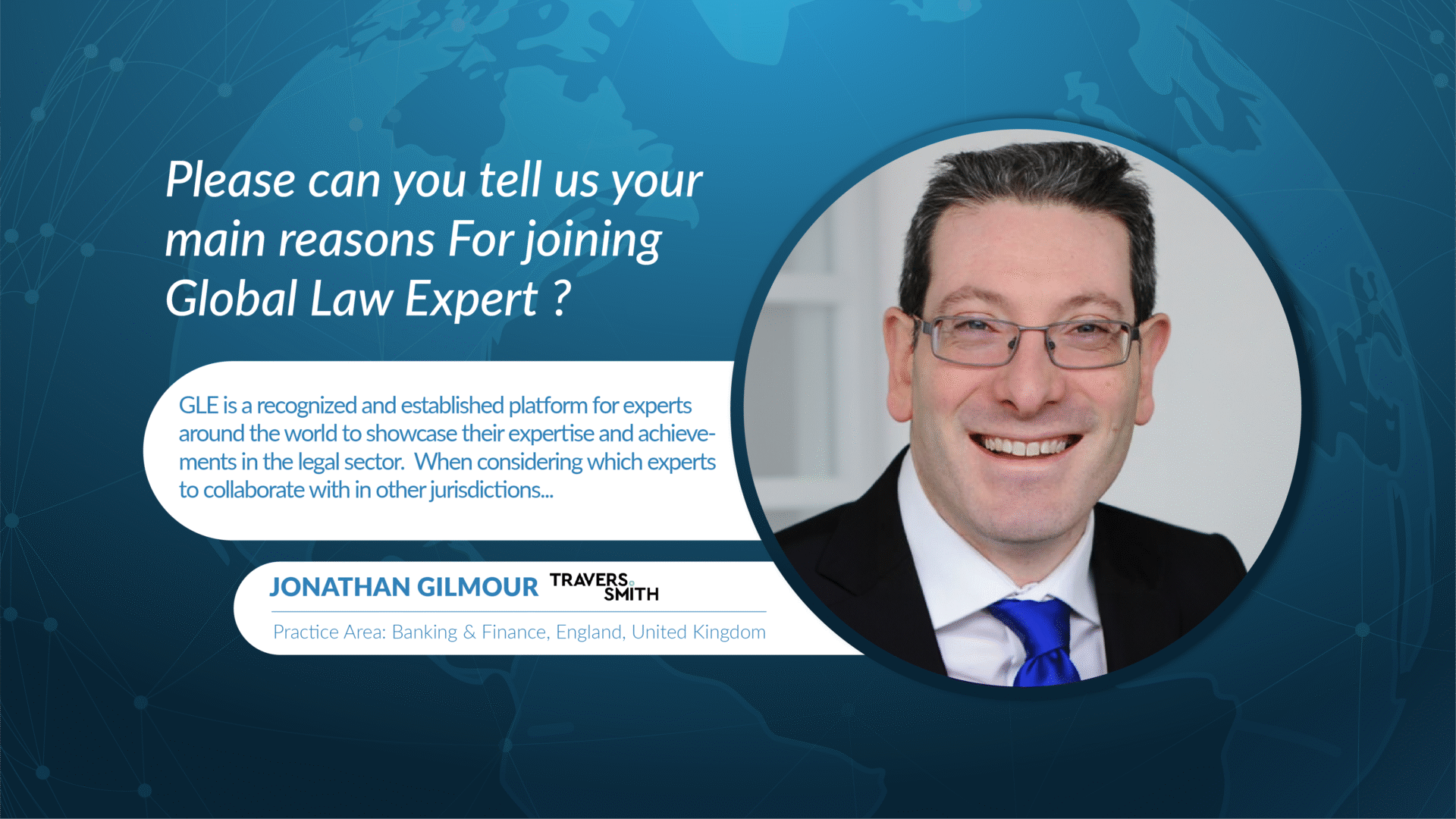
Testimonial-by-Jonathan-Gilmour.png
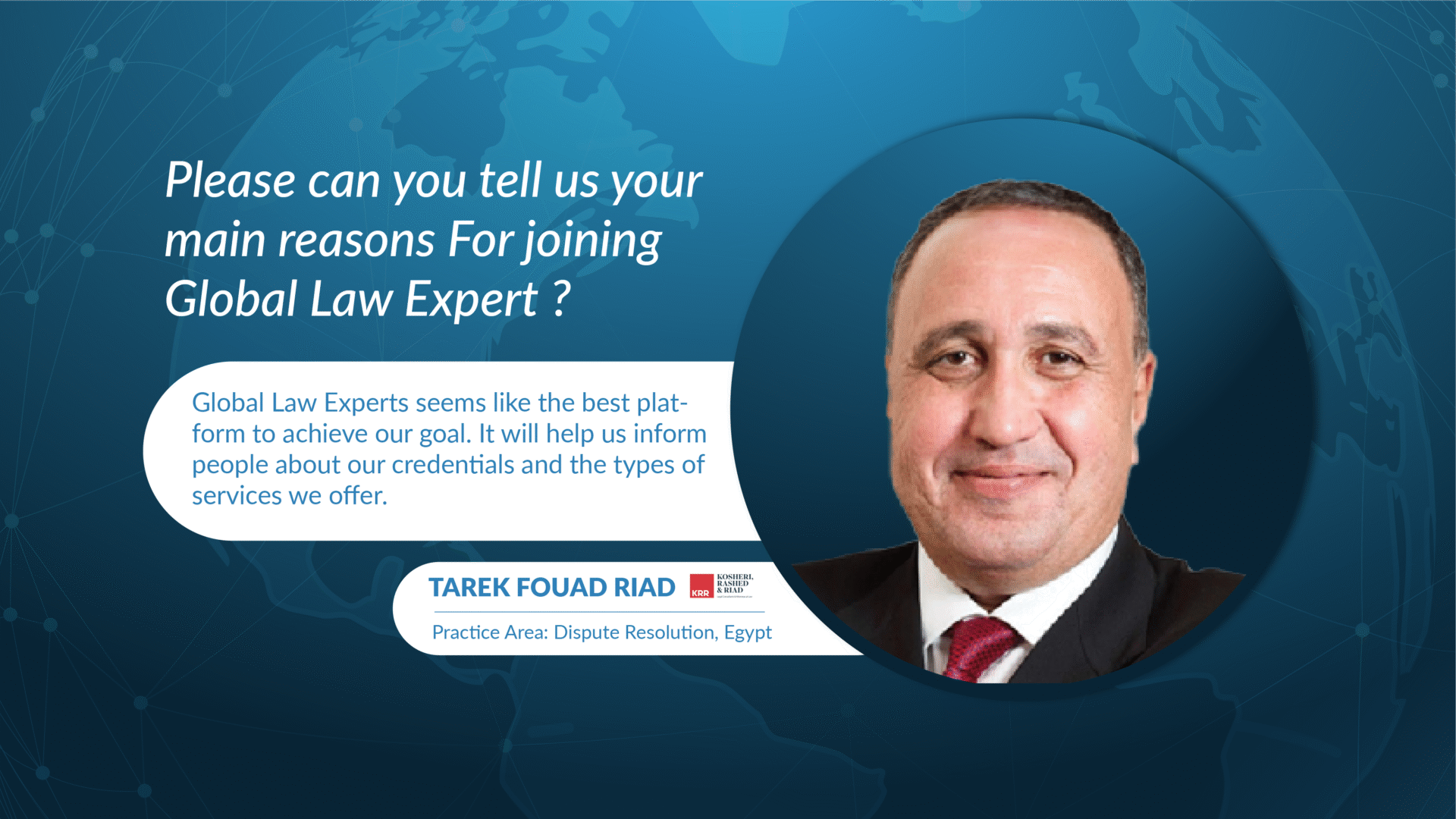
Testimonial-by-Tarek-Fouad-Riad.png
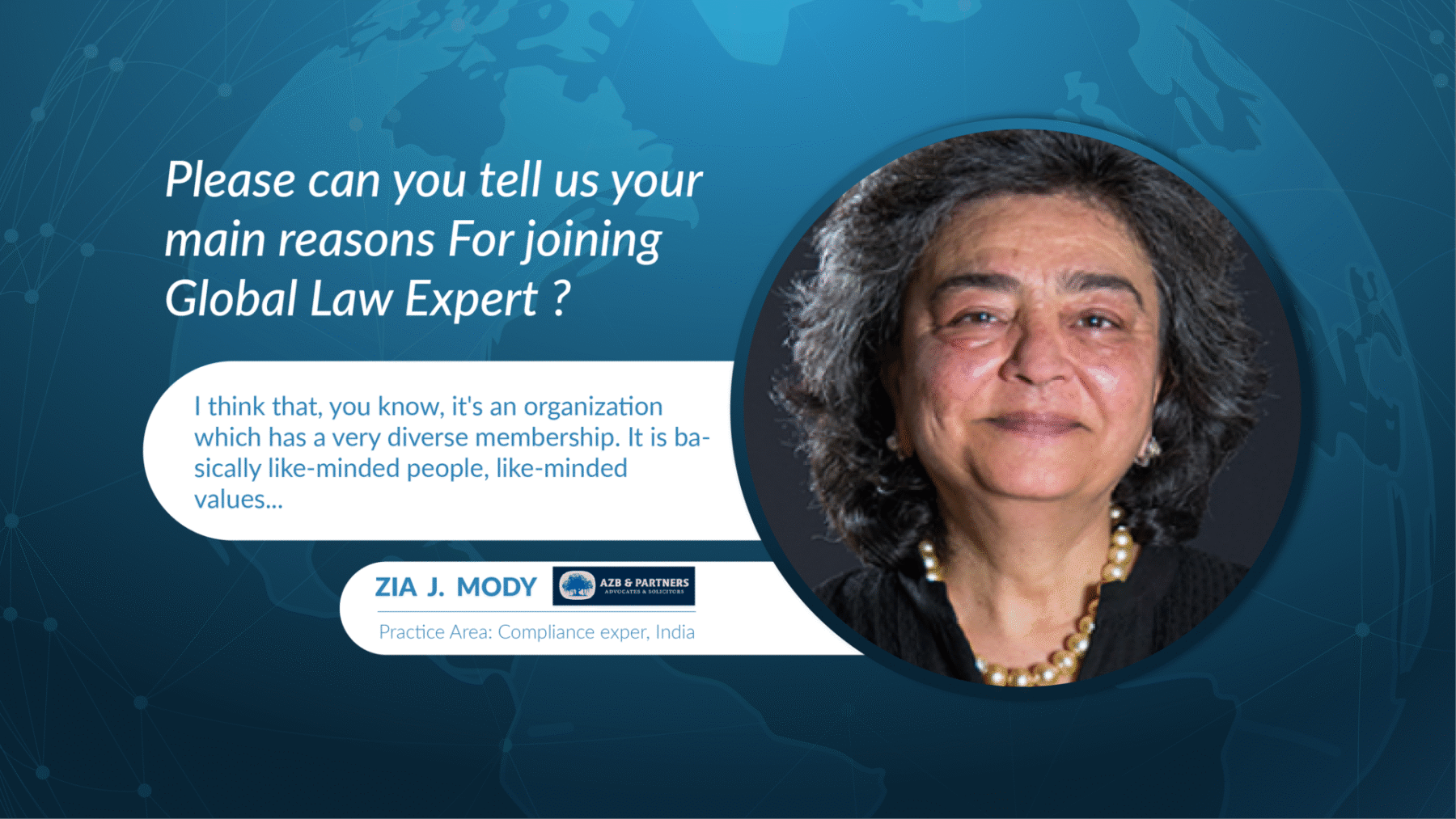
Testimonial-by-Zia-J.-Mody.png
Testimonial-by-Virginie-Tassin-Campanella.png
Testimonial-by-Marta-Dunphy-Moriel.png
Testimonial-by-Mario-Alberto-Arias-V.png
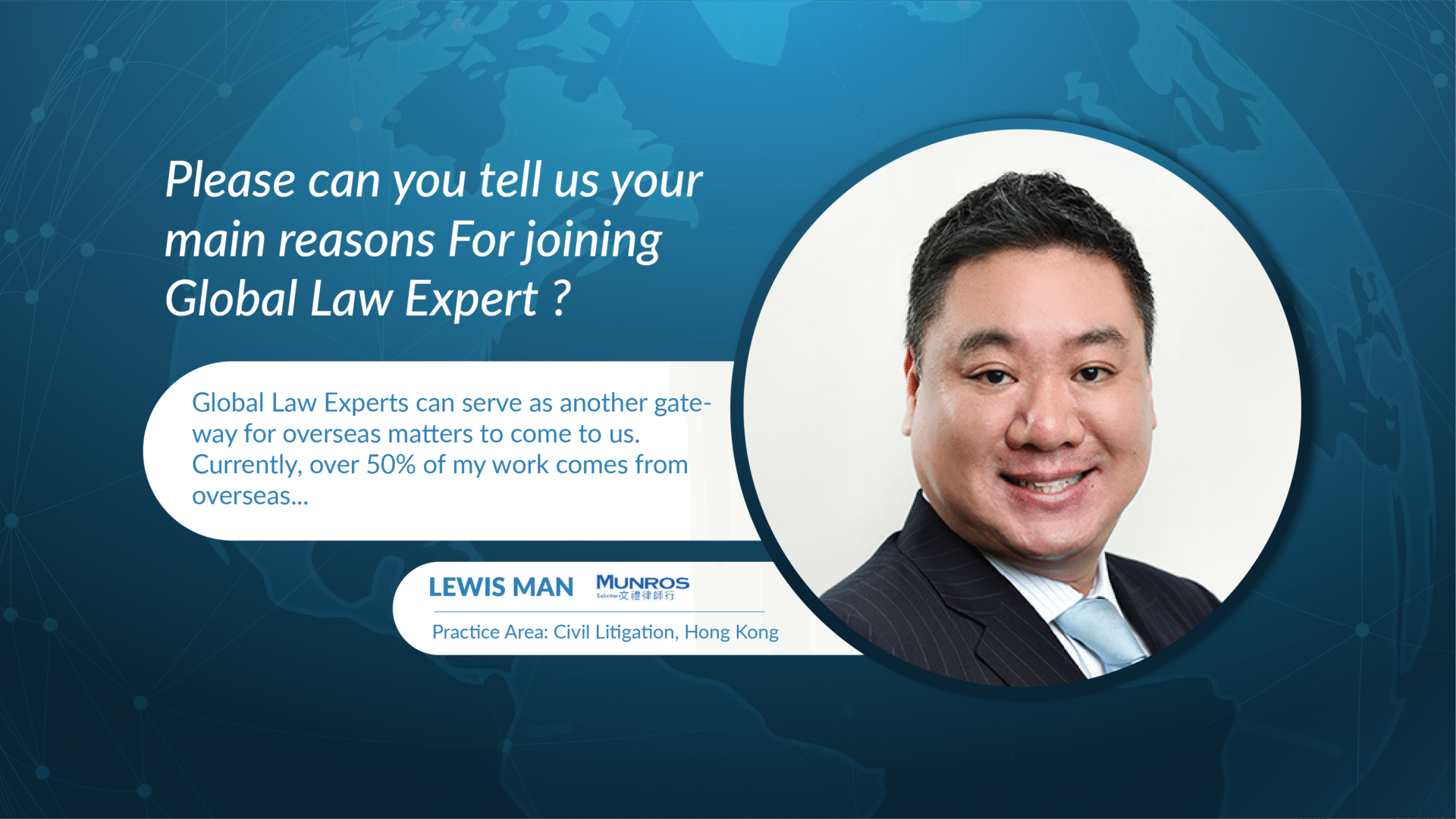
Testimonial-by-Lewis-Man.png
Testimonial-by-Kerwin-K.-Tan.png
Testimonial-by-Elena-Sadovskaya.png
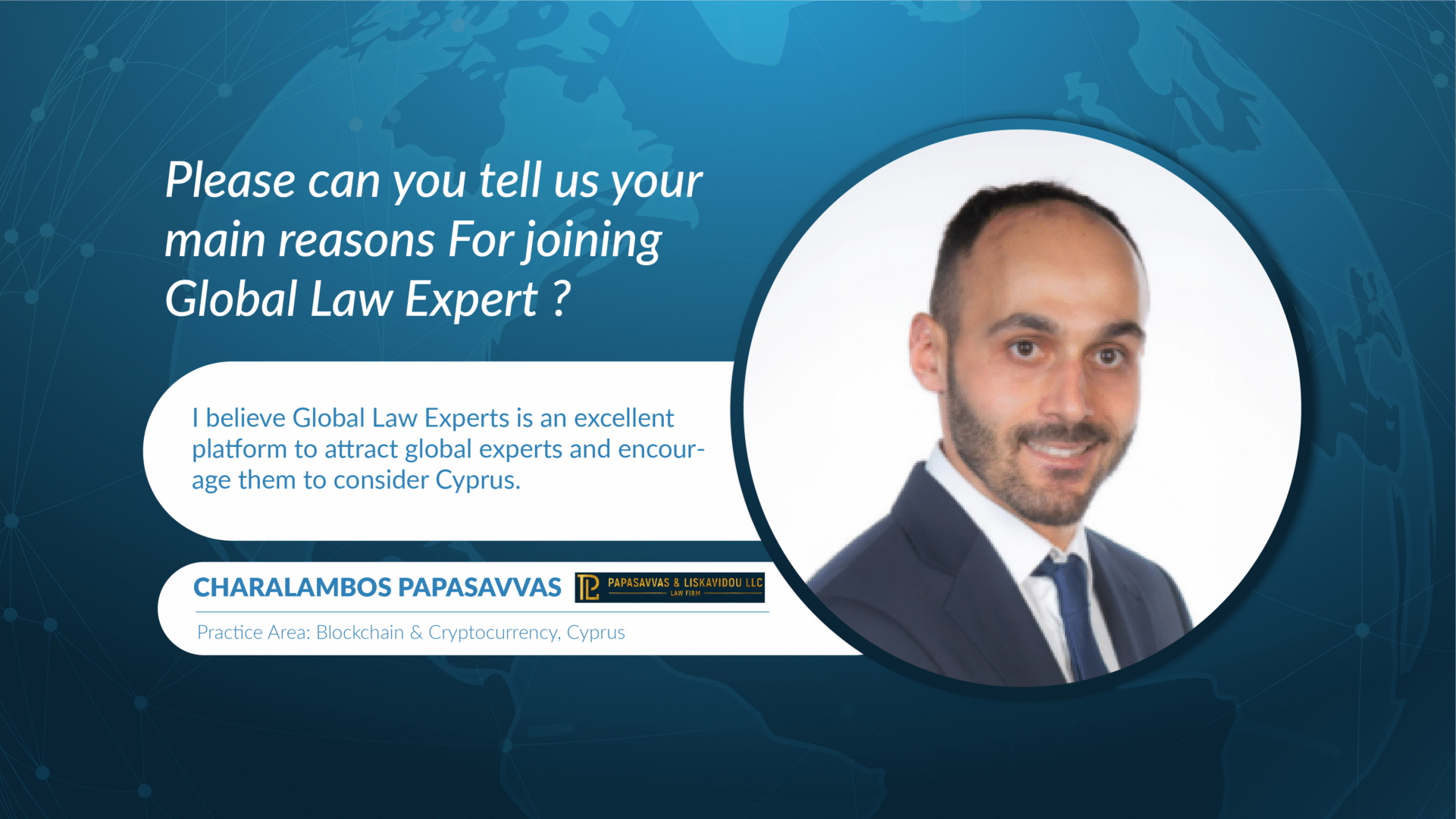
Testimonial-by-Charalambos-Papasavvas.png

Projects & Infrastructure FAQ's

While both work on the same building, they focus on different foundations. A Construction Lawyer handles the physical “bricks and mortar” issues, drafting contracts for builders and architects (like JCT or NEC forms) and fighting over defects or delays. A Projects Lawyer acts as a “financial architect,” focusing on the money and the deal structure. They create the “Special Purpose Vehicle” (SPV) to ring-fence risk, negotiate financing with banks to ensure the project is “bankable,” and draft the long-term operating agreements that keep the revenue flowing for decades after the ribbon is cut.

A PPP legally transfers the risk of “delivery” from the taxpayer to the private company. If the bridge or hospital is late or goes over budget, the private partner eats the loss, not the government. In exchange, the government retains “Political Risk” (like changes in law) and “Regulatory Risk.” These contracts are massive, long-term commitments; in the UK alone, there are over 700 PFI/PPP contracts, most of which lock the parties together for 25 to 30 years, requiring strict legal frameworks to survive decades of changing governments.

An EPC contract is the gold standard for bankability because it puts “single-point responsibility” on one contractor to deliver a completed facility for a fixed price by a fixed date. It is called “turnkey” because the legal obligation is to build everything so completely that the owner simply has to “turn the key” to start operations. This structure is essential for lenders because infrastructure projects are notoriously risky; industry data suggests that 9 out of 10 large projects experience cost overruns, so banks demand EPC contracts to cap that liability.

Lawyers generally cannot stop the government from taking land if it is for a valid “public use,” but they are critical in fighting for “Just Compensation.” They hire specialized appraisers to prove that the government’s offer is lower than the property’s “highest and best use” value. This negotiation is highly effective; statistics show that while the government holds the power to seize land, roughly 95% of eminent domain cases in the US settle before trial, often with the landowner receiving a significantly higher payout than the initial offer.

If a project’s Environmental Impact Statement (EIS) is legally flawed, opponents can sue to halt construction immediately. In the US, under the National Environmental Policy Act (NEPA), litigation is a primary driver of delay, with the average EIS review taking roughly 4.5 years to complete. A lawyer’s job is to “bulletproof” this document by ensuring it legally considers all reasonable alternatives. If they miss a single endangered species or water runoff calculation, a judge can revoke the building permits even if billions have already been spent.

A concession agreement grants a private company the right to collect revenue (like tolls or landing fees) from a public asset for a set period, typically 30 to 50 years, in exchange for building or upgrading it. Lawyers structure these deals to define the “Revenue Cap” (how much profit the company can make) and the “handback standards” (the quality the road must be in when returned to the state). They also negotiate “Minimum Revenue Guarantees” to protect the company if traffic falls below projections due to an economic recession.

A Dispute Adjudication Board (DAB) is a panel of three neutral experts appointed at the start of a project to resolve disagreements in real-time, preventing them from festering into lawsuits. Under standard contracts like FIDIC, a DAB’s decision is contractually binding and must be implemented immediately, even if one party is unhappy and plans to arbitrate later. They are incredibly effective at keeping projects moving; industry data indicates that over 90% of disputes referred to a DAB are resolved without needing to go to expensive litigation.

Force Majeure clauses excuse a party from performance during unforeseeable “Acts of God” like hurricanes, wars, or pandemics. However, lawyers in infrastructure projects must aggressively distinguish between a true Force Majeure (which usually just grants extra time) and a “Change in Law” (which often grants extra money). For example, if a new government regulation forces a construction site to shut down, a lawyer argues this is a compensable political risk, ensuring the contractor gets paid for the downtime rather than just receiving a deadline extension.

Projects & Infrastructure FAQ's

While both work on the same building, they focus on different foundations. A Construction Lawyer handles the physical "bricks and mortar" issues, drafting contracts for builders and architects (like JCT or NEC forms) and fighting over defects or delays. A Projects Lawyer acts as a "financial architect," focusing on the money and the deal structure. They create the "Special Purpose Vehicle" (SPV) to ring-fence risk, negotiate financing with banks to ensure the project is "bankable," and draft the long-term operating agreements that keep the revenue flowing for decades after the ribbon is cut.

A PPP legally transfers the risk of "delivery" from the taxpayer to the private company. If the bridge or hospital is late or goes over budget, the private partner eats the loss, not the government. In exchange, the government retains "Political Risk" (like changes in law) and "Regulatory Risk." These contracts are massive, long-term commitments; in the UK alone, there are over 700 PFI/PPP contracts, most of which lock the parties together for 25 to 30 years, requiring strict legal frameworks to survive decades of changing governments.

An EPC contract is the gold standard for bankability because it puts "single-point responsibility" on one contractor to deliver a completed facility for a fixed price by a fixed date. It is called "turnkey" because the legal obligation is to build everything so completely that the owner simply has to "turn the key" to start operations. This structure is essential for lenders because infrastructure projects are notoriously risky; industry data suggests that 9 out of 10 large projects experience cost overruns, so banks demand EPC contracts to cap that liability.

Lawyers generally cannot stop the government from taking land if it is for a valid "public use," but they are critical in fighting for "Just Compensation." They hire specialized appraisers to prove that the government's offer is lower than the property's "highest and best use" value. This negotiation is highly effective; statistics show that while the government holds the power to seize land, roughly 95% of eminent domain cases in the US settle before trial, often with the landowner receiving a significantly higher payout than the initial offer.

If a project's Environmental Impact Statement (EIS) is legally flawed, opponents can sue to halt construction immediately. In the US, under the National Environmental Policy Act (NEPA), litigation is a primary driver of delay, with the average EIS review taking roughly 4.5 years to complete. A lawyer’s job is to "bulletproof" this document by ensuring it legally considers all reasonable alternatives. If they miss a single endangered species or water runoff calculation, a judge can revoke the building permits even if billions have already been spent.

A concession agreement grants a private company the right to collect revenue (like tolls or landing fees) from a public asset for a set period, typically 30 to 50 years, in exchange for building or upgrading it. Lawyers structure these deals to define the "Revenue Cap" (how much profit the company can make) and the "handback standards" (the quality the road must be in when returned to the state). They also negotiate "Minimum Revenue Guarantees" to protect the company if traffic falls below projections due to an economic recession.

A Dispute Adjudication Board (DAB) is a panel of three neutral experts appointed at the start of a project to resolve disagreements in real-time, preventing them from festering into lawsuits. Under standard contracts like FIDIC, a DAB's decision is contractually binding and must be implemented immediately, even if one party is unhappy and plans to arbitrate later. They are incredibly effective at keeping projects moving; industry data indicates that over 90% of disputes referred to a DAB are resolved without needing to go to expensive litigation.

Force Majeure clauses excuse a party from performance during unforeseeable "Acts of God" like hurricanes, wars, or pandemics. However, lawyers in infrastructure projects must aggressively distinguish between a true Force Majeure (which usually just grants extra time) and a "Change in Law" (which often grants extra money). For example, if a new government regulation forces a construction site to shut down, a lawyer argues this is a compensable political risk, ensuring the contractor gets paid for the downtime rather than just receiving a deadline extension.

Join
who are already getting the benefits
0
Sign up for the latest legal briefings and news within Global Law Experts’ community, as well as a whole host of features, editorial and conference updates direct to your email inbox. Naturally you can unsubscribe at any time.
Newsletter Sign Up
About Us

Global Law Experts is dedicated to providing exceptional legal services to clients around the world. With a vast network of highly skilled and experienced lawyers, we are committed to delivering innovative and tailored solutions to meet the diverse needs of our clients in various jurisdictions.

Global Law Experts App

Now Available on the App & Google Play Stores.

Social Posts
[wp_social_ninja id="50714" platform="instagram"]

See More:

Contact Us

Stay Informed

Join Mailing List
About Us

Global Law Experts is dedicated to providing exceptional legal services to clients around the world. With a vast network of highly skilled and experienced lawyers, we are committed to delivering innovative and tailored solutions to meet the diverse needs of our clients in various jurisdictions.

Social Posts
[wp_social_ninja id="50714" platform="instagram"]

See More:

Global Law Experts App

Now Available on the App & Google Play Stores.

Contact Us

Stay Informed

Join Mailing List

GLE

Lawyer Profile Page - Lead Capture
GLE-Logo-White
Lawyer Profile Page - Lead Capture
Photo-budoman12.png

Khemchand Thadani

Send welcome message

Custom Message