[codicts-css-switcher id=”346″]

Global Law Experts Logo

Project Finance Lawyers Worldwide.

Global Law Experts

Meet Our Project Finance Lawyers

Discover independent Project Finance lawyers recognized by Global Law Experts. Connect with top legal experts for your project finance needs.

Legal
Country
Project Finance
Legal
Country
Project Finance
3 results

Zineb Idrissia Hamzi

  • GOLD

Email:

Phone:

+212 5*****
Professional woman in a tailored suit, posed confidently in an office setting, representing a legal professional.
Hamzi Law Firm logo featuring stylized text in black and red.
Professional woman in a tailored suit, posed confidently in an office setting, representing a legal professional.
  • GOLD

Zineb Idrissia Hamzi

  • GOLD
Project Finance Law in Morocco
  • Hamzi Law Firm
  • GOLD

Stéphane Ouedraogo

  • GOLD

Email:

Phone:

+ 226 *****
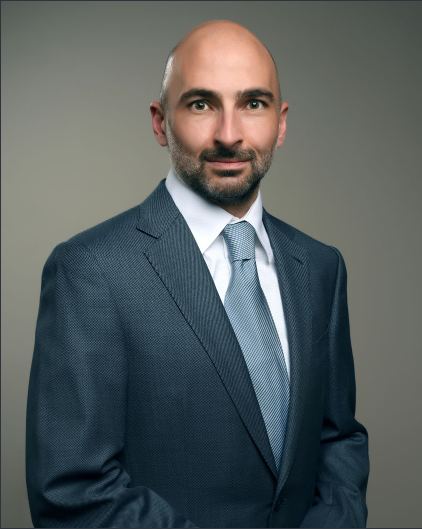
Un-known-Man.png
Logo-sari conseils.png
Un-known-Man.png
Un-known-Man.png

Stéphane Ouedraogo

  • GOLD
Project Finance Law in Burkina Faso
  • Sari Conseils

Margaret DSouza

  • GOLD

Email:

Phone:

+91224*****
Margaret DSouza
Margaret DSouza
Margaret DSouza

Margaret DSouza

  • GOLD

Margaret DSouza

  • GOLD
Project Finance Law in India
  • ALMT Legal Partners

Project Finance News

Find Expert Project Finance Lawyers Through Global Law Experts

Secure Large-Scale Capital with Expert Project Finance Counsel

Project finance is a specialized method of funding massive infrastructure and industrial developments where the project’s own cash flow—rather than the balance sheets of the sponsors—serves as the primary source of repayment. This practice involves the creation of a Special Purpose Vehicle (SPV) to isolate financial risk, alongside the negotiation of intricate inter-creditor agreements and security packages. Attorneys provide the structural expertise needed to balance the interests of lenders, equity investors, and government stakeholders.

Global Law Experts connects you with premier project finance specialists who understand the complexities of “off-balance-sheet” financing and cross-border risk mitigation. These lawyers are established experts within their own fields, offering the technical precision required to draft concession agreements, power purchase agreements (PPAs), and loan documentation. Whether you are financing a renewable energy plant or a deep-water port, they provide the strategic advocacy needed to reach financial close and ensure long-term viability.

Professional Project Finance Help You Can Trust

We will help match you with a qualified Project Finance law specialist who can offer reliable advice, clarify your options, and guide you through the next steps in the legal process.
Main Lead Capture Form - Home

Every GLE member is independently vetted by practice area and jurisdiction.

Client Success Stories

Testimonial-by-Jonathan-Gilmour.png
Testimonial-by-Tarek-Fouad-Riad.png
Testimonial-by-Zia-J.-Mody.png
Testimonial-by-Virginie-Tassin-Campanella.png
Testimonial-by-Marta-Dunphy-Moriel.png
Testimonial-by-Mario-Alberto-Arias-V.png
Testimonial-by-Lewis-Man.png
Testimonial-by-Kerwin-K.-Tan.png
Testimonial-by-Elena-Sadovskaya.png
Testimonial-by-Charalambos-Papasavvas.png

Project Finance FAQ's

The difference lies in what secures the loan. In corporate finance, lenders look at the entire balance sheet and history of the parent company to approve credit. In project finance, lenders ignore the parent company and look strictly at the future cash flow of the specific project being built, such as a wind farm or toll road. This “off-balance sheet” structure allows companies to fund massive infrastructure projects without putting their own corporate assets at risk if the specific project fails.

An SPV is a separate legal shell company created solely to own the project’s assets and liabilities. By isolating the project in this legal bubble, lawyers ensure that if the project goes bankrupt, the lenders cannot seize the assets of the parent company or developers. This “ring-fencing” is essential for minimizing contagion risk; without it, a single failed power plant project could drag a multinational corporation into insolvency.

Non-recourse financing means that if the borrower defaults, the bank can only seize the project’s physical assets and revenue, not the personal assets of the developers. Lenders agree to this risky arrangement because they charge significantly higher interest rates and fees to compensate for the danger. In the US, project finance loan margins can be significantly higher than standard corporate debt, making it a lucrative product for sophisticated banks willing to do the heavy due diligence.


A lawyer writes a strict “cash flow waterfall” clause into the accounts agreement that acts like a gravity-fed plumbing system for money. It mandates that every dollar of revenue must first pay for essential operations and taxes, then pay back the senior debt and interest, and finally fill mandatory reserve accounts. Only after all these buckets are full can the remaining “equity drip” flow down to the investors as profit, ensuring banks always get paid before the owners take a penny.

Step-in rights act as an emergency brake for lenders, allowing them to legally take control of a project if the management is failing or the contractor goes bust. Instead of immediately foreclosing and killing the deal, lenders “step in” to the shoes of the project company to fix the mess, such as hiring a new construction firm. This is critical in the UK Private Finance Initiative (PFI) sector, where keeping public assets like hospitals running is prioritized over simple asset liquidation.

Yes, because the off-take agreement is the only reason the bank is lending you money. Whether it is a Power Purchase Agreement (PPA) for a solar farm or a concession for a toll road, this contract guarantees your revenue stream. A lawyer ensures the terms are “bankable,” meaning the buyer is locked in for a long term (often 15 to 20 years) with fixed prices that cover your debt service, otherwise the project is financially unviable.

When building in unstable regions, lawyers negotiate coverage with agencies like the US International Development Finance Corporation (DFC) or the World Bank’s MIGA. This insurance pays out if a foreign government expropriates your assets, blocks you from converting currency, or destroys the project through political violence. It turns a wild geopolitical gamble into a calculated financial risk, allowing developers to build infrastructure in developing nations without fear of losing their entire investment to a coup.

The Equator Principles are a risk management framework adopted by financial institutions to ensure projects do not destroy the environment or violate human rights. If your project ignores these, over 130 major financial institutions worldwide will flatly refuse to fund it. A lawyer audits your environmental impact assessments to ensure they meet these strict global standards, effectively making ESG compliance a mandatory gatekeeper for accessing the billions of dollars available in international project capital.

Project Finance FAQ's

The difference lies in what secures the loan. In corporate finance, lenders look at the entire balance sheet and history of the parent company to approve credit. In project finance, lenders ignore the parent company and look strictly at the future cash flow of the specific project being built, such as a wind farm or toll road. This "off-balance sheet" structure allows companies to fund massive infrastructure projects without putting their own corporate assets at risk if the specific project fails.

An SPV is a separate legal shell company created solely to own the project's assets and liabilities. By isolating the project in this legal bubble, lawyers ensure that if the project goes bankrupt, the lenders cannot seize the assets of the parent company or developers. This "ring-fencing" is essential for minimizing contagion risk; without it, a single failed power plant project could drag a multinational corporation into insolvency.

Non-recourse financing means that if the borrower defaults, the bank can only seize the project's physical assets and revenue, not the personal assets of the developers. Lenders agree to this risky arrangement because they charge significantly higher interest rates and fees to compensate for the danger. In the US, project finance loan margins can be significantly higher than standard corporate debt, making it a lucrative product for sophisticated banks willing to do the heavy due diligence.

A lawyer writes a strict "cash flow waterfall" clause into the accounts agreement that acts like a gravity-fed plumbing system for money. It mandates that every dollar of revenue must first pay for essential operations and taxes, then pay back the senior debt and interest, and finally fill mandatory reserve accounts. Only after all these buckets are full can the remaining "equity drip" flow down to the investors as profit, ensuring banks always get paid before the owners take a penny.

Step-in rights act as an emergency brake for lenders, allowing them to legally take control of a project if the management is failing or the contractor goes bust. Instead of immediately foreclosing and killing the deal, lenders "step in" to the shoes of the project company to fix the mess, such as hiring a new construction firm. This is critical in the UK Private Finance Initiative (PFI) sector, where keeping public assets like hospitals running is prioritized over simple asset liquidation.

Yes, because the off-take agreement is the only reason the bank is lending you money. Whether it is a Power Purchase Agreement (PPA) for a solar farm or a concession for a toll road, this contract guarantees your revenue stream. A lawyer ensures the terms are "bankable," meaning the buyer is locked in for a long term (often 15 to 20 years) with fixed prices that cover your debt service, otherwise the project is financially unviable.

When building in unstable regions, lawyers negotiate coverage with agencies like the US International Development Finance Corporation (DFC) or the World Bank's MIGA. This insurance pays out if a foreign government expropriates your assets, blocks you from converting currency, or destroys the project through political violence. It turns a wild geopolitical gamble into a calculated financial risk, allowing developers to build infrastructure in developing nations without fear of losing their entire investment to a coup.

The Equator Principles are a risk management framework adopted by financial institutions to ensure projects do not destroy the environment or violate human rights. If your project ignores these, over 130 major financial institutions worldwide will flatly refuse to fund it. A lawyer audits your environmental impact assessments to ensure they meet these strict global standards, effectively making ESG compliance a mandatory gatekeeper for accessing the billions of dollars available in international project capital.

Join
who are already getting the benefits
0
Sign up for the latest legal briefings and news within Global Law Experts’ community, as well as a whole host of features, editorial and conference updates direct to your email inbox. Naturally you can unsubscribe at any time.
Newsletter Sign Up
About Us

Global Law Experts is dedicated to providing exceptional legal services to clients around the world. With a vast network of highly skilled and experienced lawyers, we are committed to delivering innovative and tailored solutions to meet the diverse needs of our clients in various jurisdictions.

Global Law Experts App

Now Available on the App & Google Play Stores.

Social Posts
[wp_social_ninja id="50714" platform="instagram"]

See More:

Contact Us

Stay Informed

Join Mailing List
About Us

Global Law Experts is dedicated to providing exceptional legal services to clients around the world. With a vast network of highly skilled and experienced lawyers, we are committed to delivering innovative and tailored solutions to meet the diverse needs of our clients in various jurisdictions.

Social Posts
[wp_social_ninja id="50714" platform="instagram"]

See More:

Global Law Experts App

Now Available on the App & Google Play Stores.

Contact Us

Stay Informed

Join Mailing List

GLE

Lawyer Profile Page - Lead Capture
GLE-Logo-White
Lawyer Profile Page - Lead Capture
Margaret DSouza

Margaret DSouza

Send welcome message

Custom Message