Global Law Experts
Lawyers
Countries Covered
Practice Areas
Discover independent Product Liability legal experts on Global Law Experts, a trusted legal directory and awards platform. Explore now!
No results available Reset filters?
posted 10 months ago
No results available Reset filters?
Product liability law focuses on the legal responsibility of manufacturers, distributors, and retailers for injuries or damages caused by defective products. This practice involves holding parties across the supply chain accountable when a product is found to have a design flaw, a manufacturing defect, or inadequate warnings. Attorneys navigate various theories of liability—including negligence, breach of warranty, and strict liability—to ensure that victims receive compensation and that safety standards remain a priority in the global marketplace.
Global Law Experts connects you with premier product liability specialists in over 140 countries. These lawyers are established experts within their own fields, possessing the technical and scientific insight required to challenge complex engineering or chemical evidence. Whether you are a corporation defending a mass tort claim or a consumer seeking redress for a faulty medical device or vehicle, they provide the strategic advocacy needed to resolve disputes and uphold rigorous quality standards.
Every GLE member is independently vetted by practice area and jurisdiction.
Strict liability is a legal rule that removes the need to prove a manufacturer was careless or “negligent.” In simple terms, if a product is defective and injures you, the manufacturer is liable even if they used the highest quality safety procedures and had no intention of causing harm. This doctrine, widely applied in the US and under the UK’s Consumer Protection Act 1987, shifts the burden of risk onto companies rather than consumers. It essentially means that profit-making entities must bear the cost of the injuries their products cause, regardless of how careful they tried to be.

These three categories define how a product is broken. A Design Defect means the product’s blueprint is inherently dangerous, so every single unit made is unsafe (e.g., a car model prone to flipping over). A Manufacturing Defect is an error on the assembly line where one specific unit differs from the intended design (e.g., a single bike with missing brake pads). A Marketing Defect involves a perfectly made product that is dangerous because it lacks proper instructions or warning labels (e.g., a medication not listing “drowsiness” as a side effect).
Lawyers act as the crisis interface between the company and regulators like the US Consumer Product Safety Commission (CPSC) or the UK Office for Product Safety and Standards. Their primary job is to determine if a defect crosses the legal threshold for a “substantial product hazard,” which triggers strict reporting deadlines—often requiring notification within 24 hours in the US. A lawyer also drafts the recall notice to ensure it effectively warns consumers without admitting unnecessary legal liability that could be used against the company in future lawsuits.
The key legal distinction is between “foreseeable” and “unforeseeable” misuse. If a consumer uses a chair as a step ladder and it breaks, a manufacturer might still be liable because standing on a chair is a predictable human behavior they should have designed for. However, if a consumer uses a toaster to heat a bathtub, that is likely “unforeseeable misuse,” which serves as a strong defense. A lawyer argues that the product was safe for its intended purpose and that the consumer’s reckless behavior broke the chain of causation.
Yes, under the “stream of commerce” doctrine, anyone who helps move a defective product from the factory to the consumer can be sued. Retailers and distributors are often named in lawsuits because the original manufacturer might be overseas (e.g., in China) and unreachable, or bankrupt. While retailers can often pass the legal costs back to the manufacturer through “indemnification” clauses in their supply contracts, they remain on the hook to the injured consumer if the manufacturer cannot pay.
Lawyers assess labels against industry standards like ANSI Z535 in the US, which dictates specific colors (Red for Danger, Orange for Warning) and signal words. A label is legally “inadequate” if it is buried in the manual, too small to read, or fails to explicitly state the consequence of the risk (e.g., saying “Caution: Hot” instead of “Danger: Risk of Severe Burns”). In court, the test is often whether the label was “conspicuous” enough to catch the eye of a reasonable user before the accident occurred.
This defense argues that the product was as safe as possible given the scientific knowledge and technology available at the time it was made. It prevents companies from being sued retroactively just because technology improved years later. For example, a car manufacturer cannot be sued for failing to put side airbags in a 1990 vehicle if that technology wasn’t standard industry practice back then. Lawyers use expert witnesses to prove the company met the highest safety standards that existed during the production year.
Class action waivers are fine-print clauses where consumers agree they cannot join a group lawsuit and must instead resolve disputes individually through arbitration. In the US, the Supreme Court’s 2011 AT&T v. Concepcion ruling made these highly enforceable, effectively blocking millions of consumers from suing over small defects (like a $20 faulty toaster) because individual lawsuits are too expensive to pursue. However, lawyers often challenge these waivers if they are “unconscionable” or if the arbitration process is rigged to favor the company.
Strict liability is a legal rule that removes the need to prove a manufacturer was careless or "negligent." In simple terms, if a product is defective and injures you, the manufacturer is liable even if they used the highest quality safety procedures and had no intention of causing harm. This doctrine, widely applied in the US and under the UK's Consumer Protection Act 1987, shifts the burden of risk onto companies rather than consumers. It essentially means that profit-making entities must bear the cost of the injuries their products cause, regardless of how careful they tried to be.

These three categories define how a product is broken. A Design Defect means the product’s blueprint is inherently dangerous, so every single unit made is unsafe (e.g., a car model prone to flipping over). A Manufacturing Defect is an error on the assembly line where one specific unit differs from the intended design (e.g., a single bike with missing brake pads). A Marketing Defect involves a perfectly made product that is dangerous because it lacks proper instructions or warning labels (e.g., a medication not listing "drowsiness" as a side effect).
Lawyers act as the crisis interface between the company and regulators like the US Consumer Product Safety Commission (CPSC) or the UK Office for Product Safety and Standards. Their primary job is to determine if a defect crosses the legal threshold for a "substantial product hazard," which triggers strict reporting deadlines—often requiring notification within 24 hours in the US. A lawyer also drafts the recall notice to ensure it effectively warns consumers without admitting unnecessary legal liability that could be used against the company in future lawsuits.
The key legal distinction is between "foreseeable" and "unforeseeable" misuse. If a consumer uses a chair as a step ladder and it breaks, a manufacturer might still be liable because standing on a chair is a predictable human behavior they should have designed for. However, if a consumer uses a toaster to heat a bathtub, that is likely "unforeseeable misuse," which serves as a strong defense. A lawyer argues that the product was safe for its intended purpose and that the consumer's reckless behavior broke the chain of causation.
Yes, under the "stream of commerce" doctrine, anyone who helps move a defective product from the factory to the consumer can be sued. Retailers and distributors are often named in lawsuits because the original manufacturer might be overseas (e.g., in China) and unreachable, or bankrupt. While retailers can often pass the legal costs back to the manufacturer through "indemnification" clauses in their supply contracts, they remain on the hook to the injured consumer if the manufacturer cannot pay.
Lawyers assess labels against industry standards like ANSI Z535 in the US, which dictates specific colors (Red for Danger, Orange for Warning) and signal words. A label is legally "inadequate" if it is buried in the manual, too small to read, or fails to explicitly state the consequence of the risk (e.g., saying "Caution: Hot" instead of "Danger: Risk of Severe Burns"). In court, the test is often whether the label was "conspicuous" enough to catch the eye of a reasonable user before the accident occurred.
This defense argues that the product was as safe as possible given the scientific knowledge and technology available at the time it was made. It prevents companies from being sued retroactively just because technology improved years later. For example, a car manufacturer cannot be sued for failing to put side airbags in a 1990 vehicle if that technology wasn't standard industry practice back then. Lawyers use expert witnesses to prove the company met the highest safety standards that existed during the production year.
Class action waivers are fine-print clauses where consumers agree they cannot join a group lawsuit and must instead resolve disputes individually through arbitration. In the US, the Supreme Court's 2011 AT&T v. Concepcion ruling made these highly enforceable, effectively blocking millions of consumers from suing over small defects (like a $20 faulty toaster) because individual lawsuits are too expensive to pursue. However, lawyers often challenge these waivers if they are "unconscionable" or if the arbitration process is rigged to favor the company.
Global Law Experts is dedicated to providing exceptional legal services to clients around the world. With a vast network of highly skilled and experienced lawyers, we are committed to delivering innovative and tailored solutions to meet the diverse needs of our clients in various jurisdictions.
Thinking of buying property in Brazil? Start with a full legal safety net.
✔️ Check title and ownership history
✔️ Verify no debts or disputes
✔️ Confirm zoning and permits.
#BrazilProperty #RealEstateInvesting #LegalDueDiligence #ForeignInvestment #PropertyLaw #GlobalRealEstate #InvestmentRisk #BrazilLaw
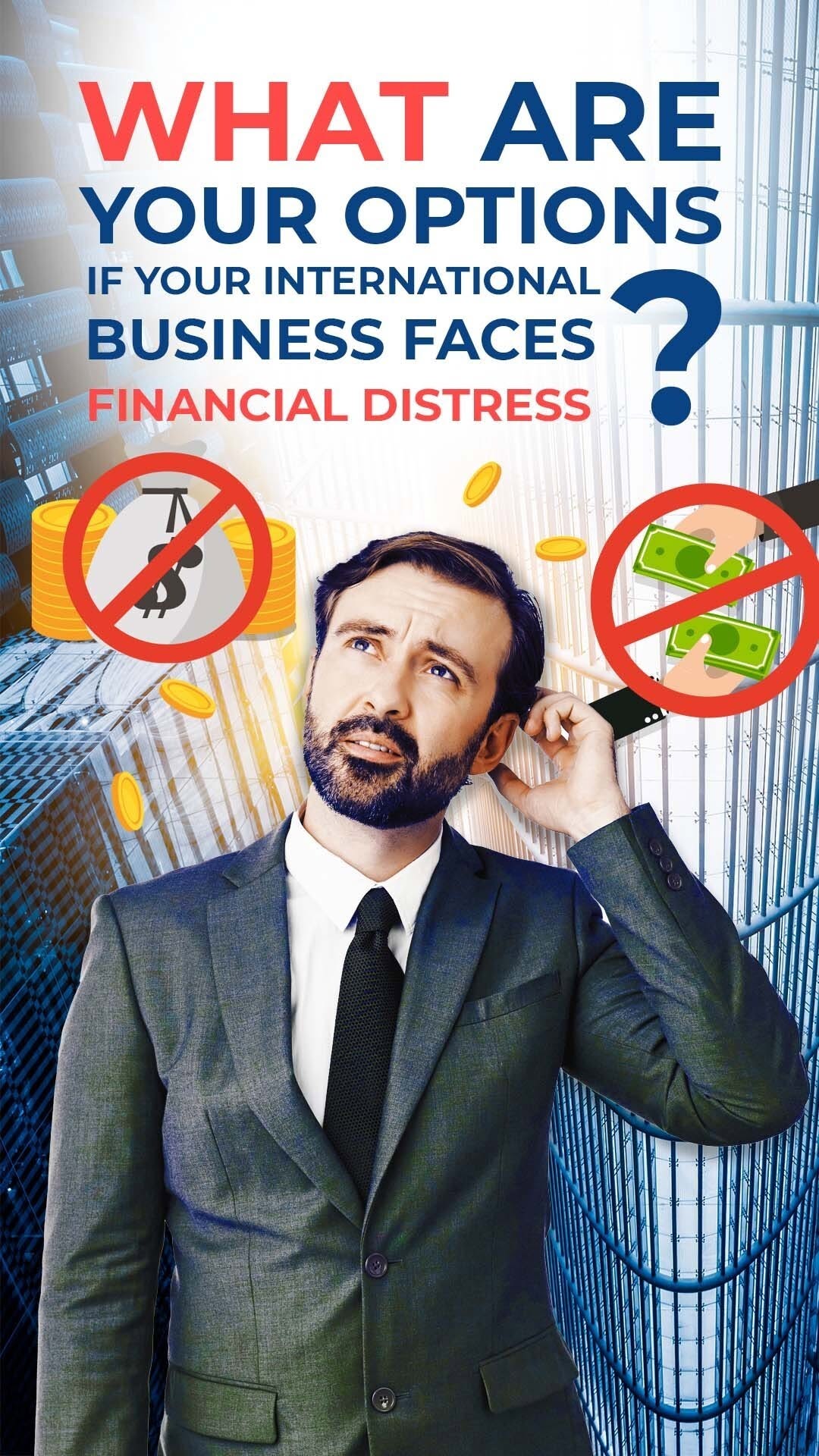
When your international business faces financial distress, quick action is key! 🔑 Negotiating with creditors, restructuring debt, and understanding insolvency laws can help regain stability. Global Law Experts is here to guide you through your options.
🌍Explore the details on our website.
🔗Link in bio
#GlobalLawExperts #CommercialLaw #BusinessLaw #LegalAdvice #BusinessGrowth #LegalTips #BusinessStrategy #LegalCompliance #Law #LegalKnowledge #LegalAwareness #Law101 #LegalEducation #IntellectualProperty
Thinking of buying property in Brazil? Don’t stop at the contract or key handover. Make sure the title is officially registered before calling it yours.
#BrazilRealEstate #PropertyLaw #GlobalInvestment #ForeignInvestors #LegalTips #DueDiligence #RealEstateRegistration #SecureInvestment
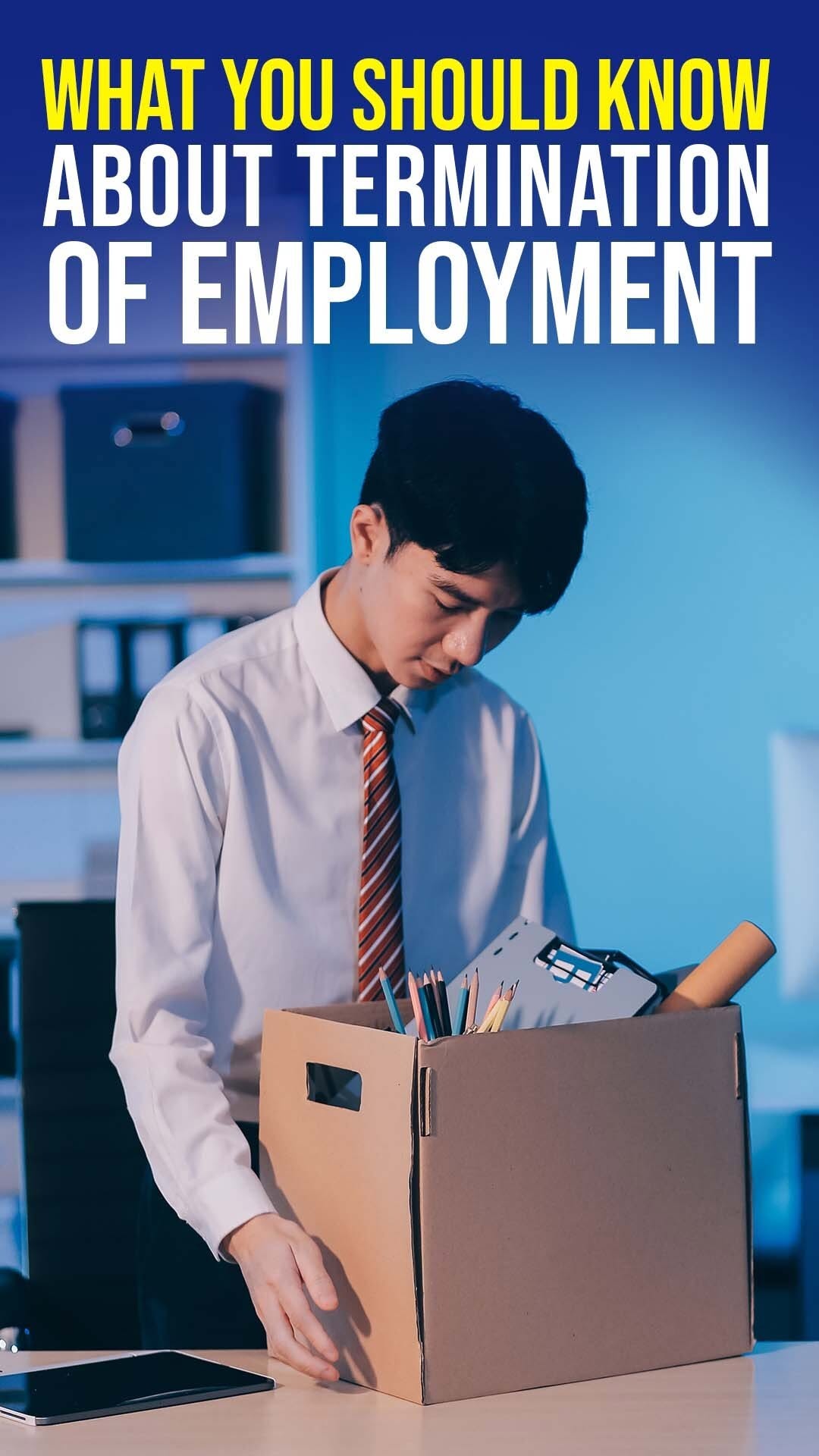
Getting a termination notice right now? Know your rights. Valid reason, fair process, proper notice they matter. Don’t let a bad dismissal walk away without accountability.
#EmploymentLaw #WorkerRights #Termination #LaborLaw #FairDismissal #WorkplaceJustice #LegalAwareness #GlobalWorkforce
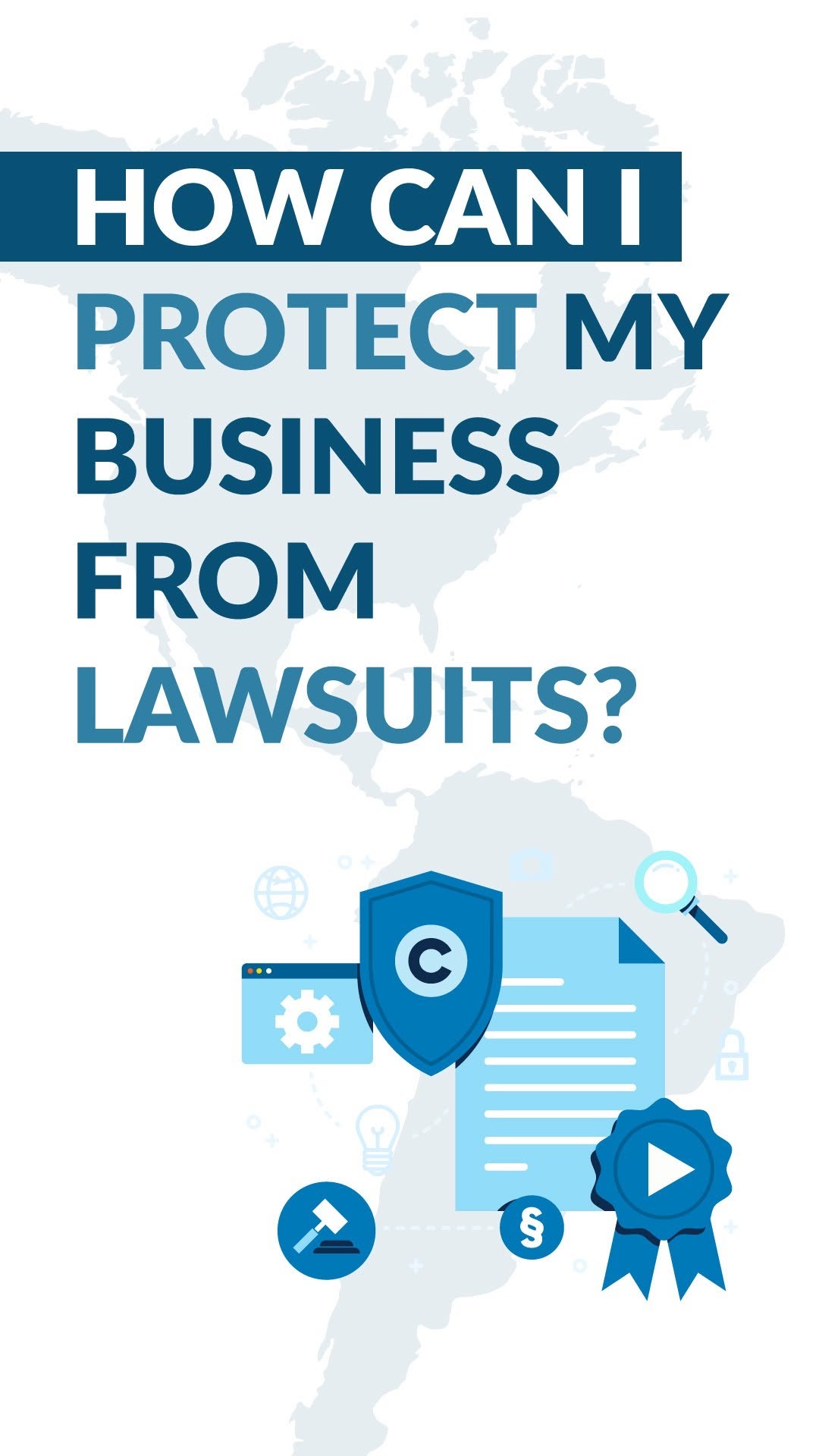
Running a business is hard enough — lawsuits shouldn’t make it harder. 🚫 Protect your business with the right legal strategies and expert tools from Global Law Experts. Let’s secure your future together! 💼
🌍Explore the details on our website.
➡️www.globallawexperts.com
#GlobalLawExperts #CommercialLaw #BusinessLaw #LegalAdvice #BusinessGrowth #LegalTips #BusinessStrategy #LegalCompliance #Law #LegalKnowledge #LegalAwareness #Law101 #LegalEducation #IntellectualProperty #Infringed #Ecommerce #LegalBranding
Global Law Experts is dedicated to providing exceptional legal services to clients around the world. With a vast network of highly skilled and experienced lawyers, we are committed to delivering innovative and tailored solutions to meet the diverse needs of our clients in various jurisdictions.
Thinking of buying property in Brazil? Start with a full legal safety net.
✔️ Check title and ownership history
✔️ Verify no debts or disputes
✔️ Confirm zoning and permits.
#BrazilProperty #RealEstateInvesting #LegalDueDiligence #ForeignInvestment #PropertyLaw #GlobalRealEstate #InvestmentRisk #BrazilLaw
When your international business faces financial distress, quick action is key! 🔑 Negotiating with creditors, restructuring debt, and understanding insolvency laws can help regain stability. Global Law Experts is here to guide you through your options.
🌍Explore the details on our website.
🔗Link in bio
#GlobalLawExperts #CommercialLaw #BusinessLaw #LegalAdvice #BusinessGrowth #LegalTips #BusinessStrategy #LegalCompliance #Law #LegalKnowledge #LegalAwareness #Law101 #LegalEducation #IntellectualProperty
Thinking of buying property in Brazil? Don’t stop at the contract or key handover. Make sure the title is officially registered before calling it yours.
#BrazilRealEstate #PropertyLaw #GlobalInvestment #ForeignInvestors #LegalTips #DueDiligence #RealEstateRegistration #SecureInvestment
Getting a termination notice right now? Know your rights. Valid reason, fair process, proper notice they matter. Don’t let a bad dismissal walk away without accountability.
#EmploymentLaw #WorkerRights #Termination #LaborLaw #FairDismissal #WorkplaceJustice #LegalAwareness #GlobalWorkforce
Running a business is hard enough — lawsuits shouldn’t make it harder. 🚫 Protect your business with the right legal strategies and expert tools from Global Law Experts. Let’s secure your future together! 💼
🌍Explore the details on our website.
➡️www.globallawexperts.com
#GlobalLawExperts #CommercialLaw #BusinessLaw #LegalAdvice #BusinessGrowth #LegalTips #BusinessStrategy #LegalCompliance #Law #LegalKnowledge #LegalAwareness #Law101 #LegalEducation #IntellectualProperty #Infringed #Ecommerce #LegalBranding
Send welcome message