[codicts-css-switcher id=”346″]

Global Law Experts Logo

Private M&A Lawyers Worldwide.

Global Law Experts

Meet Our Private M&A Lawyers

Discover top independent Private M&A lawyers worldwide on Global Law Experts. Connect with recognized legal experts in Private M&A today.

Legal
Country
Private M&A
Legal
Country
Private M&A
One result

Ghazal Hamedani​

  • GOLD

Email:

Phone:

416-63*****
Professional lawyer with long hair, wearing a blazer, against a plain white background.
Kalfa Law logo featuring stylized text in black, gold, and gray colors, representing a legal practice.
Professional lawyer with long hair, wearing a blazer, against a plain white background.
  • GOLD
Professional lawyer with long hair, wearing a blazer, against a plain white background.

Ghazal Hamedani​

  • GOLD
Private M&A Law in Canada
  • Kalfa Law
  • GOLD

Find Expert Private M&A Lawyers Through Global Law Experts

Execute Strategic Acquisitions with Expert Private M&A Counsel

Private Mergers and Acquisitions (M&A) involve the sale or purchase of companies that are not publicly traded. This practice is centered on the intricate negotiation of Share Purchase Agreements (SPAs) or Asset Purchase Agreements (APAs), where the parties must agree on valuation, indemnities, and post-closing obligations. Attorneys manage the entire deal flow, from initial due diligence and “red flag” reporting to the final execution of closing conditions, ensuring that risk is appropriately allocated between the buyer and the seller.

Global Law Experts connects you with premier M&A specialists who understand the nuances of private equity exits, management buy-outs (MBOs), and strategic bolt-on acquisitions. These lawyers are established experts within their own fields, offering the technical precision required to handle complex earn-out structures and escrow arrangements. Whether you are a founder selling your life’s work or a corporate entity expanding its footprint, they provide the strategic advocacy needed to close deals efficiently and secure commercial value.

Professional Private M&A Help You Can Trust

We will help match you with a qualified Private M&A law specialist who can offer reliable advice, clarify your options, and guide you through the next steps in the legal process.
Main Lead Capture Form - Home

Every GLE member is independently vetted by practice area and jurisdiction.

Client Success Stories

Testimonial-by-Jonathan-Gilmour.png
Testimonial-by-Tarek-Fouad-Riad.png
Testimonial-by-Zia-J.-Mody.png
Testimonial-by-Virginie-Tassin-Campanella.png
Testimonial-by-Marta-Dunphy-Moriel.png
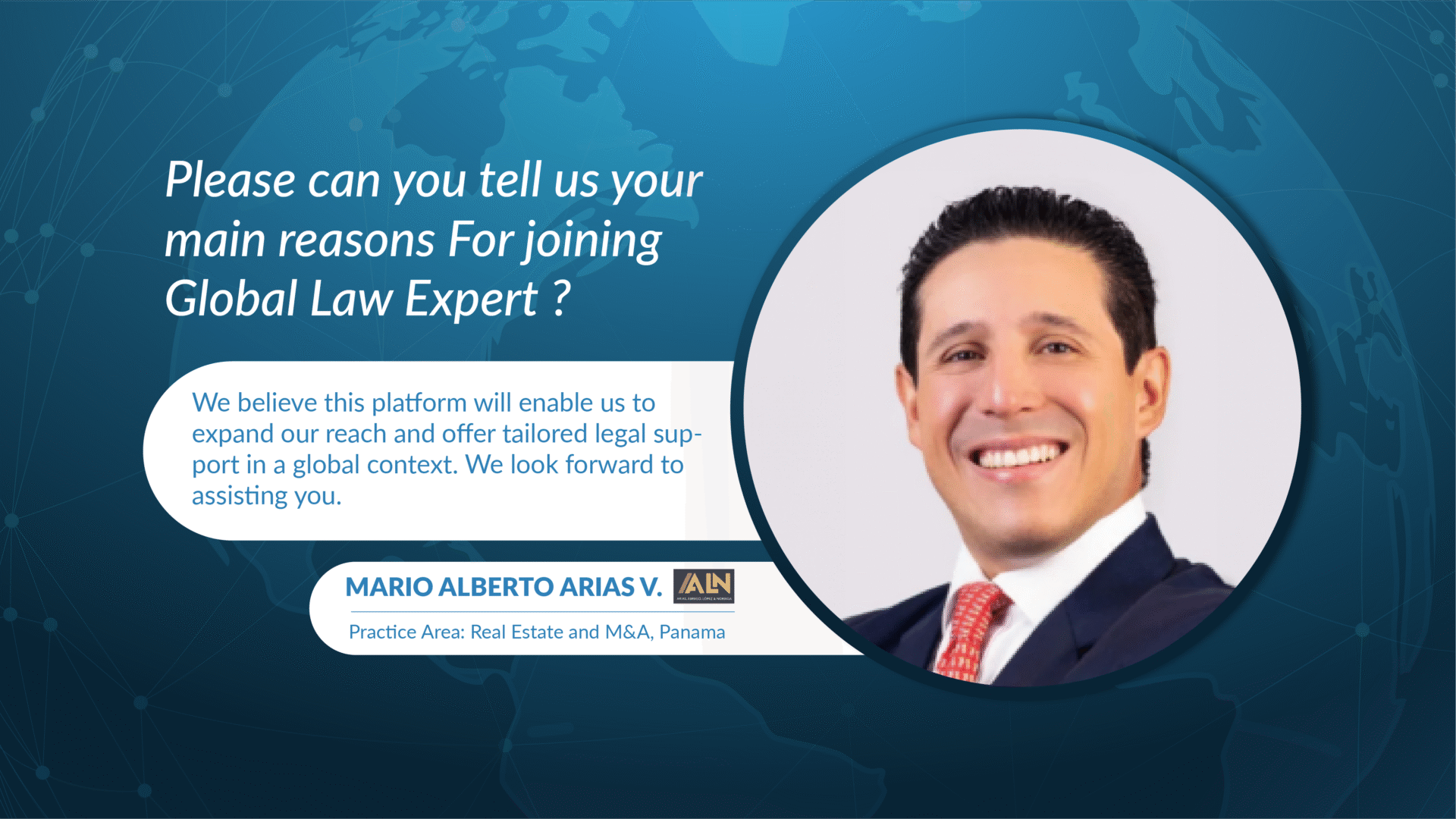
Testimonial-by-Mario-Alberto-Arias-V.png
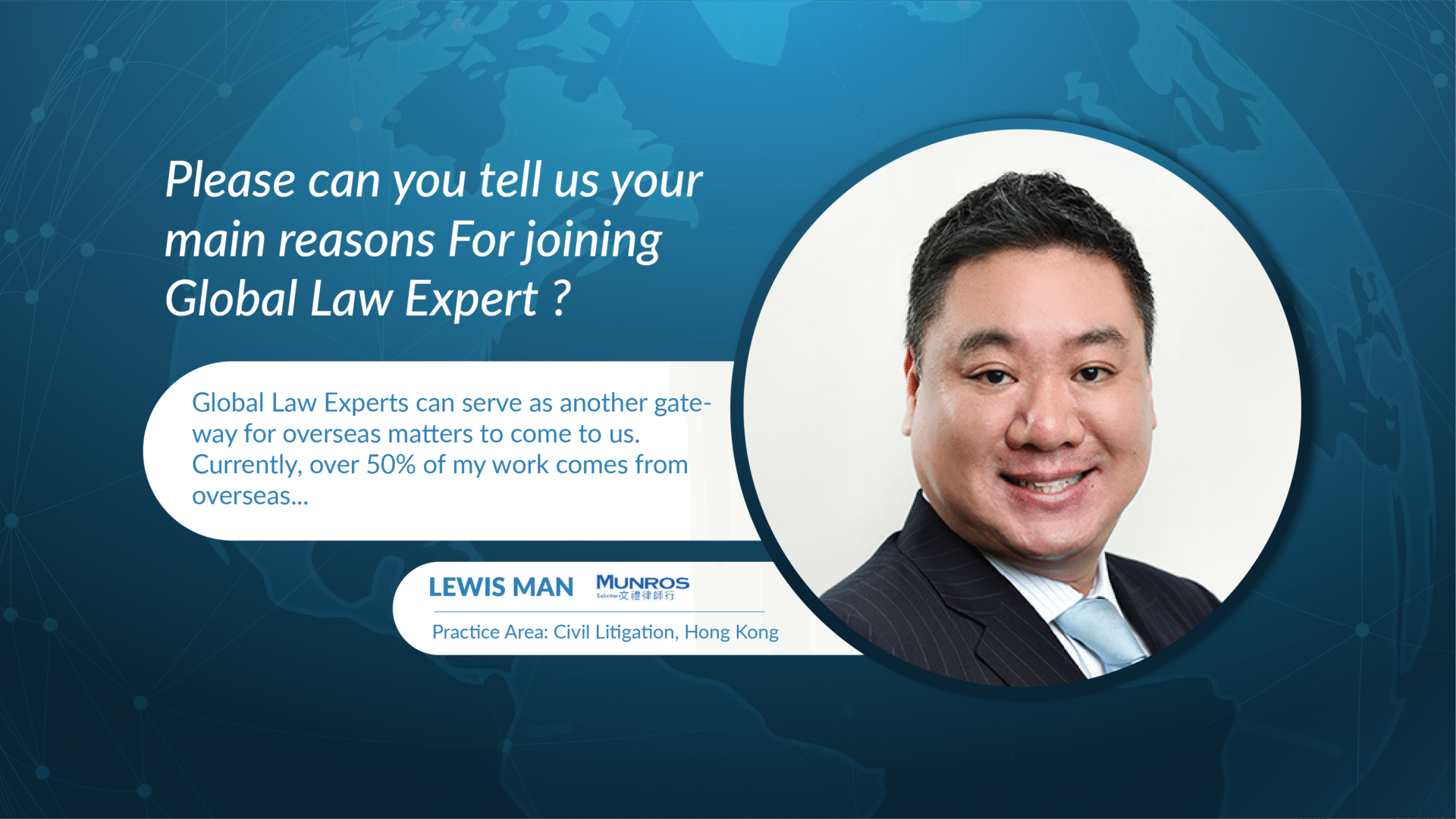
Testimonial-by-Lewis-Man.png
Testimonial-by-Kerwin-K.-Tan.png
Testimonial-by-Elena-Sadovskaya.png
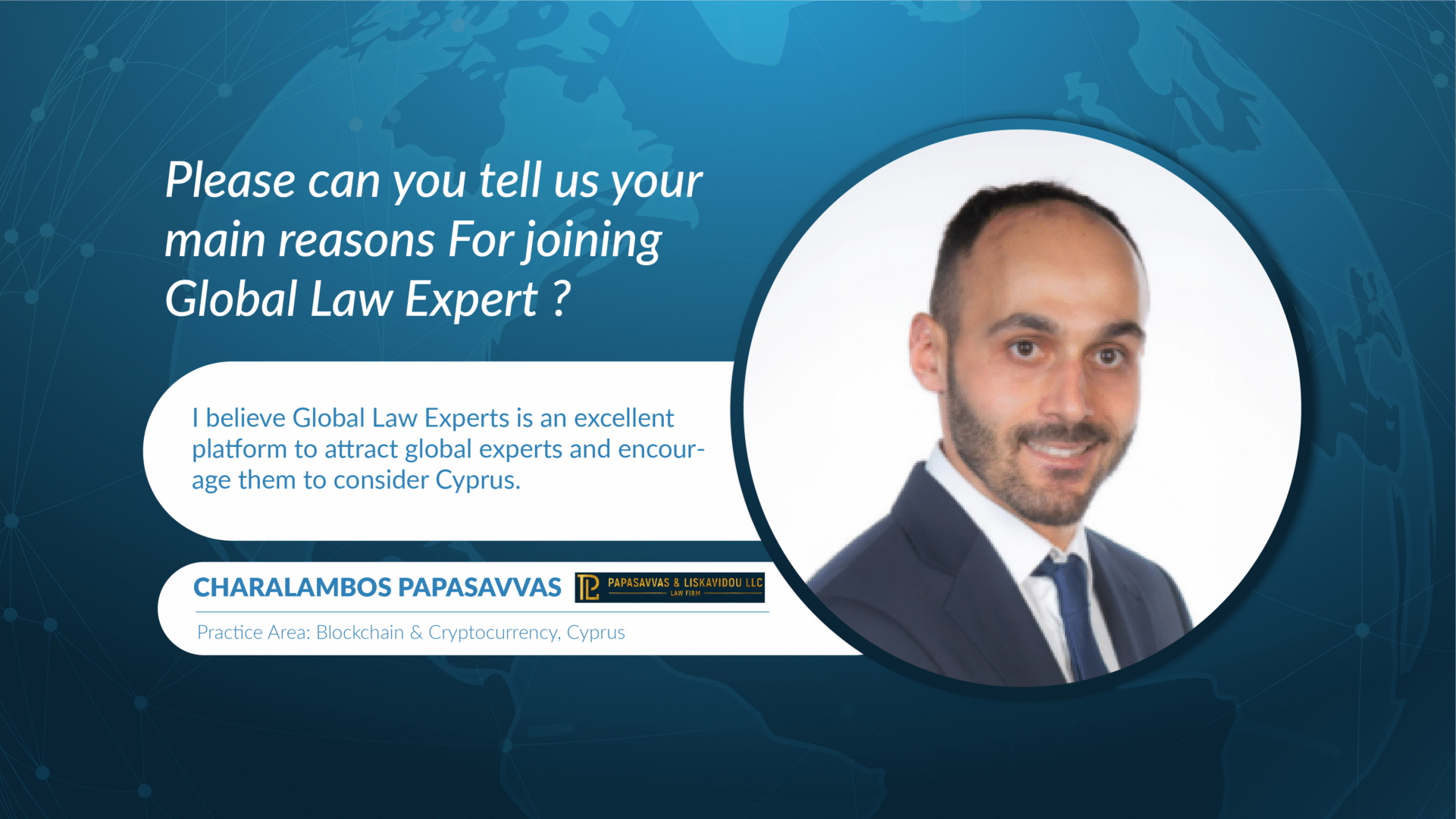
Testimonial-by-Charalambos-Papasavvas.png

Private M&A FAQ's

The core legal difference is the allocation of risk after the deal is signed. In a Public M&A deal (buying a company listed on the stock market), the rule is essentially “buyer beware” because the target is owned by thousands of anonymous shareholders who cannot personally verify business details. Once the deal closes, you generally have zero recourse if you find problems. In a Private M&A deal, you are buying from specific individuals or a firm, so you negotiate a contract filled with binding “Warranties and Indemnities” that allow you to sue the sellers directly for damages if the company has hidden debts or legal issues.

This choice depends on whether you prioritize certainty or precision. A “Locked Box” mechanism fixes the price at the moment of signing based on a historical balance sheet, which gives the seller certainty of value and prevents arguments later; this method is dominant in the UK and Europe. “Completion Accounts” adjust the final price months after the deal closes based on the actual cash and debt in the company on that specific day. While this ensures you pay exactly what the business is worth, it is historically more common in the US and frequently leads to post-closing accounting disputes.

W&I insurance is a policy that transfers the financial risk of a legal breach from the seller to an insurance company, meaning you sue the insurer rather than the former owners if a problem arises. You absolutely need a lawyer to negotiate this because insurers often try to exclude specific risks, like known pollution issues or tax liabilities, from the policy. Your lawyer must “paper the gap” to ensure that the coverage in the insurance policy matches the warranties in your purchase agreement perfectly, or you risk being left with no way to recover your money.

An earn-out bridges the gap when a buyer and seller cannot agree on a price by paying the seller extra money later only if the company hits specific future targets. Lawyers draft these clauses with extreme mathematical precision to prevent the buyer from “gaming” the system, such as artificially inflating expenses to lower profits and avoid paying the bonus. This is a critical legal safeguard because industry data suggests that roughly 20% to 30% of earn-outs result in a dispute, making them one of the most litigated parts of any M&A contract.

Signing is the moment the contract becomes legally binding, while closing is the moment money and shares actually change hands. There is often a gap of 30 to 90 days between these two events to fulfill “Conditions Precedent,” such as getting government antitrust approval or landlord consent to transfer a lease. During this interim period, your lawyer enforces a “standstill” clause that legally prevents the seller from doing anything drastic, like firing key staff or taking out huge loans, without your explicit permission.

Yes, and courts are much more willing to enforce non-competes against business sellers than they are against regular employees. The legal logic is that you paid a premium for the company’s “goodwill” and reputation, so it would be unfair for the seller to take your money and immediately open a rival shop next door to steal back the customers. A lawyer ensures the restriction is reasonable in terms of time (typically 3 to 5 years) and geography so that it holds up in court if the seller tries to break it.

An escrow account acts like a security deposit where a portion of the purchase price, typically around 10% of the total deal value, is sent to a neutral third-party bank account instead of the seller. If you discover a problem like a hidden lawsuit or an unpaid tax bill within the warranty period (usually 12 to 18 months), you can claim the money directly from this account without needing to sue the seller. Your lawyer negotiates a specific “release schedule” that dictates exactly when the remaining funds must be paid out to the seller if no claims are made.

If the misrepresentation was an honest mistake, you typically sue for “Breach of Warranty” to recover the difference in value, though your recovery is usually capped at a specific percentage of the purchase price. However, if your lawyer can prove the seller lied intentionally, which is legal fraud, that liability cap is shattered. In cases of proven fraud, you can sue for unlimited damages or potentially even “rescind” the entire deal, forcing the seller to take the company back and refund your full purchase price.


Private M&A FAQ's

The core legal difference is the allocation of risk after the deal is signed. In a Public M&A deal (buying a company listed on the stock market), the rule is essentially "buyer beware" because the target is owned by thousands of anonymous shareholders who cannot personally verify business details. Once the deal closes, you generally have zero recourse if you find problems. In a Private M&A deal, you are buying from specific individuals or a firm, so you negotiate a contract filled with binding "Warranties and Indemnities" that allow you to sue the sellers directly for damages if the company has hidden debts or legal issues.

This choice depends on whether you prioritize certainty or precision. A "Locked Box" mechanism fixes the price at the moment of signing based on a historical balance sheet, which gives the seller certainty of value and prevents arguments later; this method is dominant in the UK and Europe. "Completion Accounts" adjust the final price months after the deal closes based on the actual cash and debt in the company on that specific day. While this ensures you pay exactly what the business is worth, it is historically more common in the US and frequently leads to post-closing accounting disputes.

W&I insurance is a policy that transfers the financial risk of a legal breach from the seller to an insurance company, meaning you sue the insurer rather than the former owners if a problem arises. You absolutely need a lawyer to negotiate this because insurers often try to exclude specific risks, like known pollution issues or tax liabilities, from the policy. Your lawyer must "paper the gap" to ensure that the coverage in the insurance policy matches the warranties in your purchase agreement perfectly, or you risk being left with no way to recover your money.

An earn-out bridges the gap when a buyer and seller cannot agree on a price by paying the seller extra money later only if the company hits specific future targets. Lawyers draft these clauses with extreme mathematical precision to prevent the buyer from "gaming" the system, such as artificially inflating expenses to lower profits and avoid paying the bonus. This is a critical legal safeguard because industry data suggests that roughly 20% to 30% of earn-outs result in a dispute, making them one of the most litigated parts of any M&A contract.

Signing is the moment the contract becomes legally binding, while closing is the moment money and shares actually change hands. There is often a gap of 30 to 90 days between these two events to fulfill "Conditions Precedent," such as getting government antitrust approval or landlord consent to transfer a lease. During this interim period, your lawyer enforces a "standstill" clause that legally prevents the seller from doing anything drastic, like firing key staff or taking out huge loans, without your explicit permission.

Yes, and courts are much more willing to enforce non-competes against business sellers than they are against regular employees. The legal logic is that you paid a premium for the company's "goodwill" and reputation, so it would be unfair for the seller to take your money and immediately open a rival shop next door to steal back the customers. A lawyer ensures the restriction is reasonable in terms of time (typically 3 to 5 years) and geography so that it holds up in court if the seller tries to break it.

An escrow account acts like a security deposit where a portion of the purchase price, typically around 10% of the total deal value, is sent to a neutral third-party bank account instead of the seller. If you discover a problem like a hidden lawsuit or an unpaid tax bill within the warranty period (usually 12 to 18 months), you can claim the money directly from this account without needing to sue the seller. Your lawyer negotiates a specific "release schedule" that dictates exactly when the remaining funds must be paid out to the seller if no claims are made.

If the misrepresentation was an honest mistake, you typically sue for "Breach of Warranty" to recover the difference in value, though your recovery is usually capped at a specific percentage of the purchase price. However, if your lawyer can prove the seller lied intentionally, which is legal fraud, that liability cap is shattered. In cases of proven fraud, you can sue for unlimited damages or potentially even "rescind" the entire deal, forcing the seller to take the company back and refund your full purchase price.

Join
who are already getting the benefits
0
Sign up for the latest legal briefings and news within Global Law Experts’ community, as well as a whole host of features, editorial and conference updates direct to your email inbox. Naturally you can unsubscribe at any time.
Newsletter Sign Up
About Us

Global Law Experts is dedicated to providing exceptional legal services to clients around the world. With a vast network of highly skilled and experienced lawyers, we are committed to delivering innovative and tailored solutions to meet the diverse needs of our clients in various jurisdictions.

Global Law Experts App

Now Available on the App & Google Play Stores.

Social Posts
[wp_social_ninja id="50714" platform="instagram"]

See More:

Contact Us

Stay Informed

Join Mailing List
About Us

Global Law Experts is dedicated to providing exceptional legal services to clients around the world. With a vast network of highly skilled and experienced lawyers, we are committed to delivering innovative and tailored solutions to meet the diverse needs of our clients in various jurisdictions.

Social Posts
[wp_social_ninja id="50714" platform="instagram"]

See More:

Global Law Experts App

Now Available on the App & Google Play Stores.

Contact Us

Stay Informed

Join Mailing List

GLE

Lawyer Profile Page - Lead Capture
GLE-Logo-White
Lawyer Profile Page - Lead Capture
Professional lawyer with long hair, wearing a blazer, against a plain white background.

Ghazal Hamedani​

Send welcome message

Custom Message