[codicts-css-switcher id=”346″]

Global Law Experts Logo
Arnaud Tailfer Joins Global Law Experts as Exclusive Member for International Tax Law in France | GLE News

Merger Control Lawyers Worldwide.

Global Law Experts

Meet Our Merger Control Lawyers

Discover top Merger Control lawyers worldwide through Global Law Experts, a trusted legal directory. Connect with independent legal experts today.

Legal
Merger Control
Legal
Country
Merger Control

No results available Reset filters?

Find Expert Merger Control Lawyers Through Global Law Experts

Navigate Regulatory Hurdles with Expert Merger Control Counsel

Merger control is a critical component of antitrust and competition law, designed to prevent business combinations that may significantly impede effective competition. This practice involves the mandatory notification of transactions to regulatory bodies—such as the European Commission or the FTC—based on specific turnover or market share thresholds. Attorneys provide the strategic roadmap for navigating “Phase I” and “Phase II” investigations, coordinating multi-jurisdictional filings, and negotiating complex behavioral or structural remedies to ensure deal clearance.

Global Law Experts connects you with premier merger control specialists who possess the economic and legal sophistication required to manage high-stakes reviews. These lawyers are established experts within their own fields, offering the tactical foresight needed to handle “gun-jumping” risks and information exchange protocols during due diligence. Whether you are pursuing a global consolidation or a strategic domestic acquisition, they provide the strategic advocacy needed to overcome regulatory pushback and achieve a successful closing.

Professional Merger Control Help You Can Trust

We will help match you with a qualified Merger Control law specialist who can offer reliable advice, clarify your options, and guide you through the next steps in the legal process.
Lead Enquiries Qualification

Every GLE member is independently vetted by practice area and jurisdiction.

Client Success Stories

Testimonial-by-Jonathan-Gilmour.png
Testimonial-by-Tarek-Fouad-Riad.png
Testimonial-by-Zia-J.-Mody.png
Testimonial-by-Virginie-Tassin-Campanella.png
Testimonial-by-Marta-Dunphy-Moriel.png
Testimonial-by-Mario-Alberto-Arias-V.png
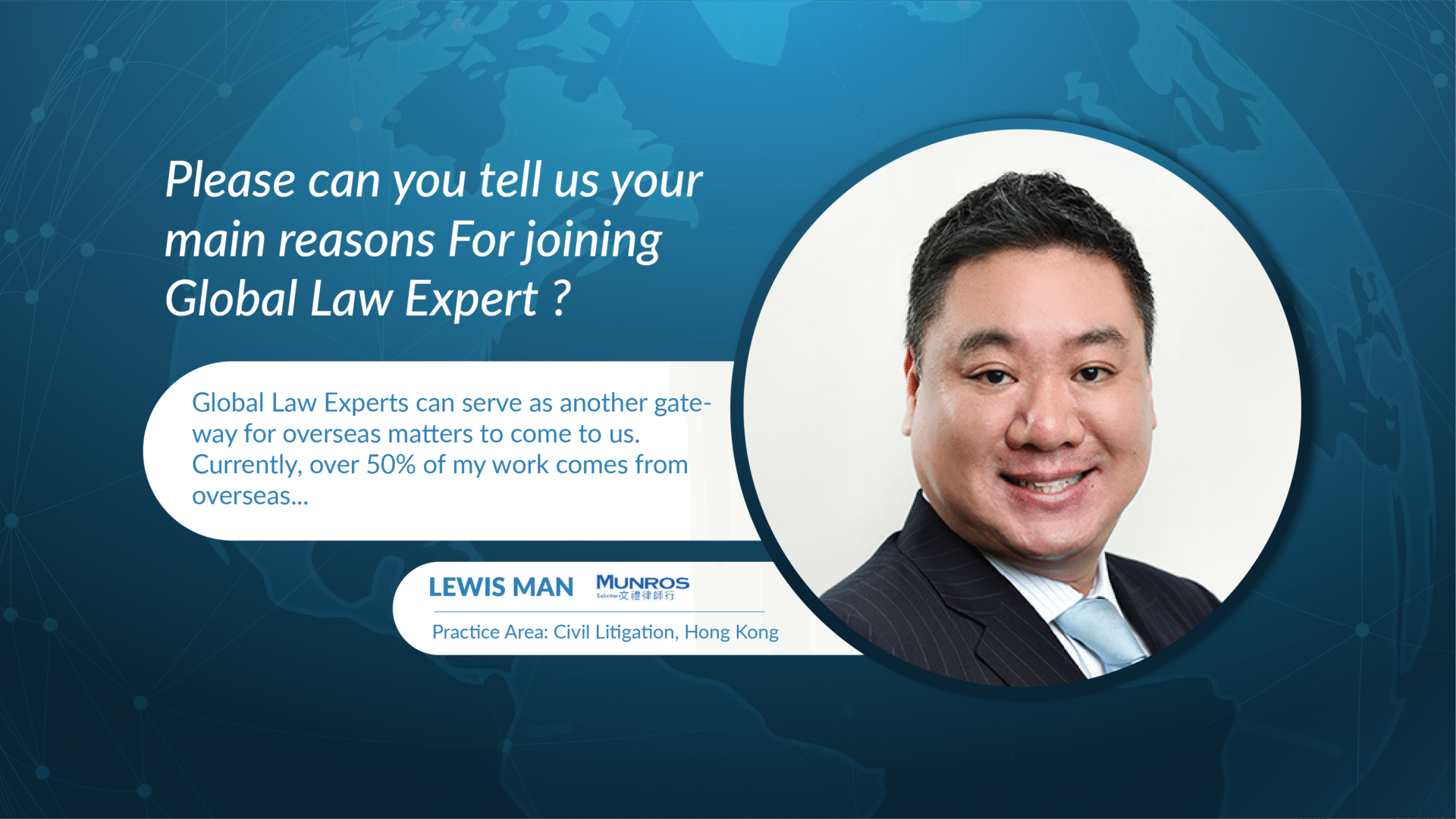
Testimonial-by-Lewis-Man.png
Testimonial-by-Kerwin-K.-Tan.png
Testimonial-by-Elena-Sadovskaya.png
Testimonial-by-Charalambos-Papasavvas.png

Merger Control FAQ's

Merger control is the government’s mandatory “traffic light” system for business deals, designed to prevent companies from becoming too powerful and creating a monopoly. It matters because it is often the single biggest hurdle to closing a deal; you cannot legally complete the purchase until regulators like the US Federal Trade Commission (FTC) or the UK Competition and Markets Authority (CMA) give you the green light. If they believe your deal will harm consumers by raising prices or reducing innovation, they have the power to block the transaction entirely or force you to sell off parts of the business.

The review process typically moves in two phases: a “Phase 1” preliminary review and a “Phase 2” in-depth investigation. In Phase 1, which usually lasts about 30 days in the US (under the Hart-Scott-Rodino Act), regulators conduct a quick check to see if the deal poses obvious risks; roughly 97% of deals are cleared here. If they find serious concerns, they open a Phase 2 investigation, which is a rigorous, months-long deep dive involving economic analysis and witness interviews to determine if the merger should be banned.


Gun-jumping occurs when the buyer and seller start acting like one company—such as coordinating prices, sharing sensitive customer data, or managing each other’s operations—before they get official legal clearance. It is strictly illegal because, until the deal closes, you are still competitors and must act independently. Regulators aggressively punish this behavior to ensure that if the deal is blocked, the companies can still function separately; penalties for gun-jumping can reach millions of dollars even if the merger itself is eventually approved.

Lawyers and economists define the “relevant market” by looking at two things: the product (what do you sell?) and the geography (where do you sell it?). They use tests like the “SSNIP test” to ask: if you raised prices by 5%, would customers switch to a different product or a different region? If the answer is no, you have a distinct market. If your deal combines the only two companies in that specific market—like the only two hospitals in a single city—regulators will likely flag it as a monopoly risk.

When regulators hate a deal, “remedies” are the compromises lawyers negotiate to save it. The most common solution is a “divestiture,” where the merging companies agree to sell off a specific overlapping business unit to a competitor to preserve competition. For example, if two gas station chains merge, they might agree to sell 50 specific stations to a third party. Lawyers draft “Fix-It-First” packages to present these solutions upfront, hoping to convince regulators that the sale removes the monopoly concern without needing a lawsuit.

No, you only file in countries where you hit specific financial targets, known as “turnover thresholds” or “nexus tests.” A lawyer analyzes the revenue of both the buyer and the target in every jurisdiction to see if it triggers a mandatory filing; for instance, you might need to file in Germany and Brazil but not in France. This “multi-jurisdictional analysis” is critical because filing thresholds change annually, and missing a filing in a minor market can still result in the local authority fining you or trying to unwind your global deal.

Failing to file the required paperwork is one of the most expensive administrative mistakes a company can make. In the United States, the penalty for violating the HSR Act is currently indexed to inflation and stands at over $53,000 per day of non-compliance, which can quickly add up to millions. In the United Kingdom, the CMA can fine a company up to 5% of its combined worldwide turnover for failing to notify or for breaching an order to stay separate during the review.

A “Second Request” is a massive, burdensome demand for information issued by US regulators when they escalate a review to Phase 2. It stops the clock on the deal until you comply, requiring you to produce millions of emails, internal strategy documents, and data sets. A lawyer manages this process by using “e-discovery” tools to filter relevant documents and negotiating with the government to narrow the scope of the request, aiming to achieve “substantial compliance” as fast as possible so the 30-day waiting period to close the deal can restart.

Merger Control FAQ's

Merger control is the government’s mandatory "traffic light" system for business deals, designed to prevent companies from becoming too powerful and creating a monopoly. It matters because it is often the single biggest hurdle to closing a deal; you cannot legally complete the purchase until regulators like the US Federal Trade Commission (FTC) or the UK Competition and Markets Authority (CMA) give you the green light. If they believe your deal will harm consumers by raising prices or reducing innovation, they have the power to block the transaction entirely or force you to sell off parts of the business.

The review process typically moves in two phases: a "Phase 1" preliminary review and a "Phase 2" in-depth investigation. In Phase 1, which usually lasts about 30 days in the US (under the Hart-Scott-Rodino Act), regulators conduct a quick check to see if the deal poses obvious risks; roughly 97% of deals are cleared here. If they find serious concerns, they open a Phase 2 investigation, which is a rigorous, months-long deep dive involving economic analysis and witness interviews to determine if the merger should be banned.

Gun-jumping occurs when the buyer and seller start acting like one company—such as coordinating prices, sharing sensitive customer data, or managing each other's operations—before they get official legal clearance. It is strictly illegal because, until the deal closes, you are still competitors and must act independently. Regulators aggressively punish this behavior to ensure that if the deal is blocked, the companies can still function separately; penalties for gun-jumping can reach millions of dollars even if the merger itself is eventually approved.

Lawyers and economists define the "relevant market" by looking at two things: the product (what do you sell?) and the geography (where do you sell it?). They use tests like the "SSNIP test" to ask: if you raised prices by 5%, would customers switch to a different product or a different region? If the answer is no, you have a distinct market. If your deal combines the only two companies in that specific market—like the only two hospitals in a single city—regulators will likely flag it as a monopoly risk.

When regulators hate a deal, "remedies" are the compromises lawyers negotiate to save it. The most common solution is a "divestiture," where the merging companies agree to sell off a specific overlapping business unit to a competitor to preserve competition. For example, if two gas station chains merge, they might agree to sell 50 specific stations to a third party. Lawyers draft "Fix-It-First" packages to present these solutions upfront, hoping to convince regulators that the sale removes the monopoly concern without needing a lawsuit.

No, you only file in countries where you hit specific financial targets, known as "turnover thresholds" or "nexus tests." A lawyer analyzes the revenue of both the buyer and the target in every jurisdiction to see if it triggers a mandatory filing; for instance, you might need to file in Germany and Brazil but not in France. This "multi-jurisdictional analysis" is critical because filing thresholds change annually, and missing a filing in a minor market can still result in the local authority fining you or trying to unwind your global deal.

Failing to file the required paperwork is one of the most expensive administrative mistakes a company can make. In the United States, the penalty for violating the HSR Act is currently indexed to inflation and stands at over $53,000 per day of non-compliance, which can quickly add up to millions. In the United Kingdom, the CMA can fine a company up to 5% of its combined worldwide turnover for failing to notify or for breaching an order to stay separate during the review.

A "Second Request" is a massive, burdensome demand for information issued by US regulators when they escalate a review to Phase 2. It stops the clock on the deal until you comply, requiring you to produce millions of emails, internal strategy documents, and data sets. A lawyer manages this process by using "e-discovery" tools to filter relevant documents and negotiating with the government to narrow the scope of the request, aiming to achieve "substantial compliance" as fast as possible so the 30-day waiting period to close the deal can restart.

Join
who are already getting the benefits
0
Sign up for the latest legal briefings and news within Global Law Experts’ community, as well as a whole host of features, editorial and conference updates direct to your email inbox. Naturally you can unsubscribe at any time.
Newsletter Sign Up
About Us

Global Law Experts is dedicated to providing exceptional legal services to clients around the world. With a vast network of highly skilled and experienced lawyers, we are committed to delivering innovative and tailored solutions to meet the diverse needs of our clients in various jurisdictions.

Global Law Experts App

Now Available on the App & Google Play Stores.

Social Posts
[wp_social_ninja id="50714" platform="instagram"]

See More:

Contact Us

Stay Informed

Join Mailing List
About Us

Global Law Experts is dedicated to providing exceptional legal services to clients around the world. With a vast network of highly skilled and experienced lawyers, we are committed to delivering innovative and tailored solutions to meet the diverse needs of our clients in various jurisdictions.

Social Posts
[wp_social_ninja id="50714" platform="instagram"]

See More:

Global Law Experts App

Now Available on the App & Google Play Stores.

Contact Us

Stay Informed

Join Mailing List

GLE

Testimonial by Charalambos Papasavvas

Send welcome message

Custom Message