[codicts-css-switcher id=”346″]

Global Law Experts Logo
Arnaud Tailfer Joins Global Law Experts as Exclusive Member for International Tax Law in France | GLE News

Litigation – Product Liability Lawyers Worldwide.

Global Law Experts

Meet Our Litigation – Product Liability Lawyers

Discover independent Litigation – Product Liability lawyers worldwide with Global Law Experts, a trusted legal directory and awards platform. Connect with recognized legal experts today.

Legal
Country
Litigation – Product Liability
Legal
Country
Litigation – Product Liability
One result

Benjamin Potier

  • GOLD

Email:

Phone:

+331 7*****
Lawyer in a tailored suit, standing against a dark background, looking confidently at the camera.
Legal logo of a law firm featuring the name "PC & Associés" along with "Société d'avocats".

Benjamin Potier

  • GOLD
Litigation – Product Liability
  • CPC & Associés
  • GOLD

Find Expert Litigation – Product Liability Lawyers Through Global Law Experts

Secure Brand Integrity with Expert Litigation – Product Liability  Counsel

Product liability litigation addresses the legal responsibility of manufacturers, distributors, and retailers for injuries caused by defective or dangerous products. This specialized area of litigation typically focuses on three types of defects: design defects, manufacturing defects, and “failure to warn” or marketing defects. Attorneys provide the technical and legal framework required to manage mass torts, class actions, and individual claims involving everything from pharmaceutical complications and medical devices to consumer electronics and automotive safety failures.

Global Law Experts connects you with premier product liability specialists who possess the resources and scientific literacy needed to challenge well-funded corporate entities or defend global brands. These lawyers are established experts within their own fields, offering the tactical depth required to coordinate multi-district litigation (MDL), manage expert witnesses in specialized engineering or toxicology fields, and navigate strict liability standards. Whether you are a plaintiff seeking justice for a catastrophic injury or a corporation defending a critical product line, they provide the strategic advocacy needed to manage reputational risk and achieve a decisive legal outcome.

Professional Litigation – Product Liability Help You Can Trust

We will help match you with a qualified Litigation – Product Liability law specialist who can offer reliable advice, clarify your options, and guide you through the next steps in the legal process.
Lead Enquiries Qualification

Every GLE member is independently vetted by practice area and jurisdiction.

Client Success Stories

Testimonial-by-Jonathan-Gilmour.png
Testimonial-by-Tarek-Fouad-Riad.png
Testimonial-by-Zia-J.-Mody.png
Testimonial-by-Virginie-Tassin-Campanella.png
Testimonial-by-Marta-Dunphy-Moriel.png
Testimonial-by-Mario-Alberto-Arias-V.png
Testimonial-by-Lewis-Man.png
Testimonial-by-Kerwin-K.-Tan.png
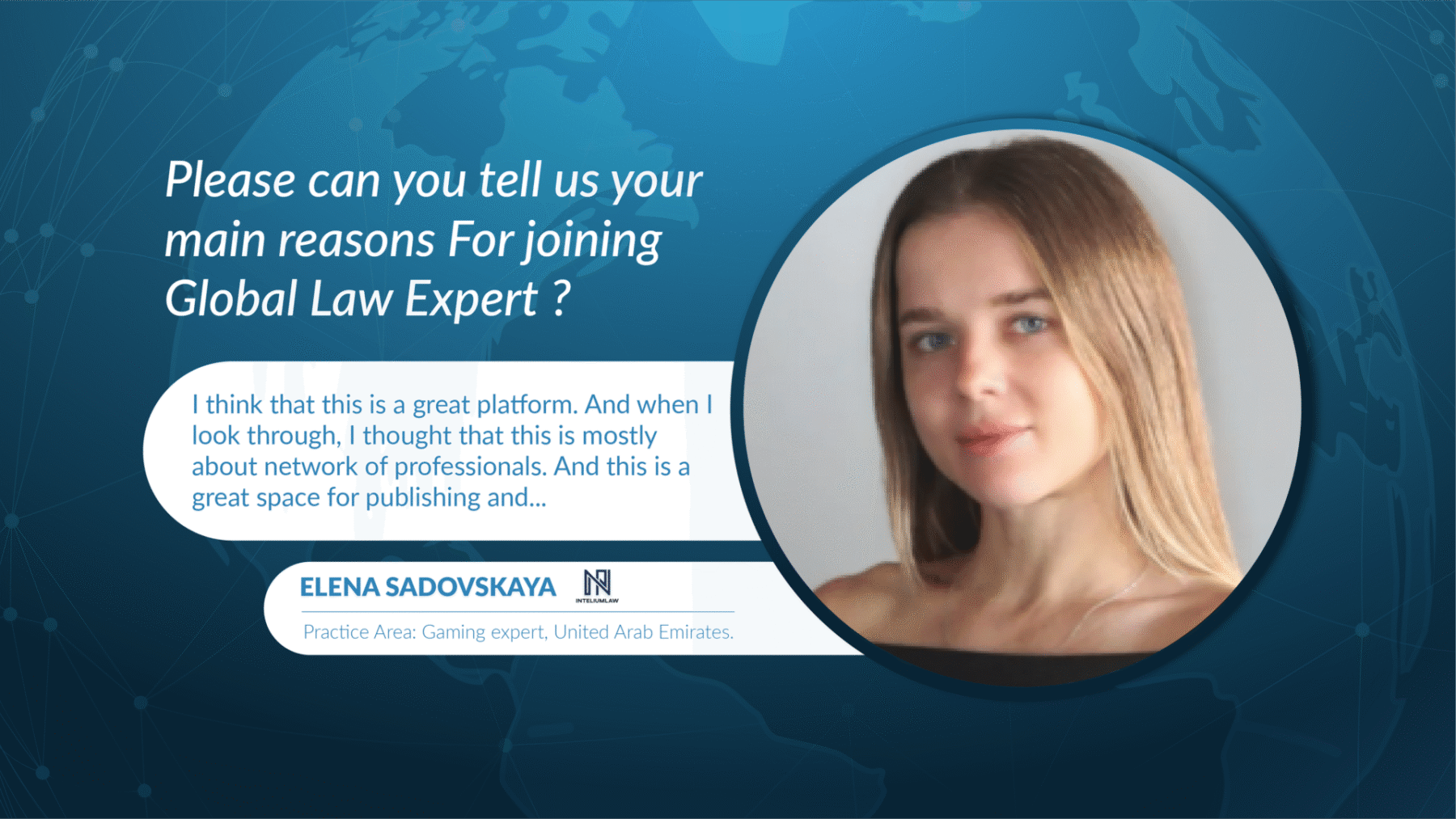
Testimonial-by-Elena-Sadovskaya.png
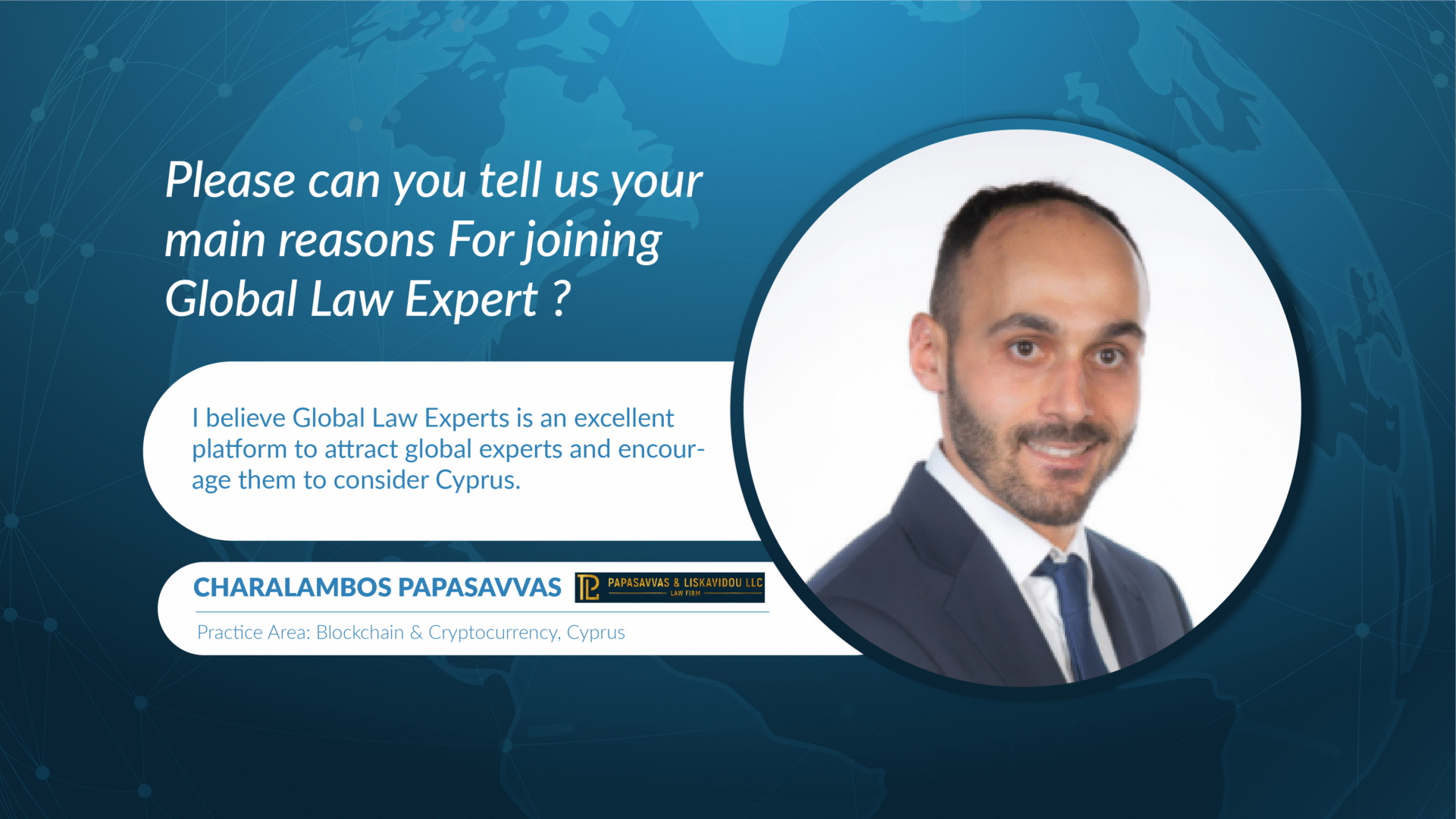
Testimonial-by-Charalambos-Papasavvas.png

Litigation – Product Liability FAQ's

A Product Liability lawyer handles cases where a consumer is injured by a defective or dangerous item, ranging from everyday household goods to complex industrial machinery. Their caseload typically involves three main categories: defective consumer goods (like exploding e-cigarettes or faulty airbags), dangerous pharmaceuticals (drugs with undisclosed side effects), and toxic torts (exposure to chemicals like asbestos or Roundup). In the UK and Europe, there has been a notable 10% rise in collective actions related to these products recently, driven largely by consumer protection groups.

These three categories define how the product is flawed. A design defect affects the entire product line because the blueprint itself is unsafe (e.g., a car model prone to rolling over). A manufacturing defect occurs when a single item departs from the intended design due to an error on the assembly line (e.g., one specific bottle of medicine is contaminated). A failure to warn (or marketing defect) happens when the product is made correctly but lacks necessary instructions or warning labels about non-obvious dangers, such as a medication failing to list a stroke risk.

Strict liability is a legal doctrine that simplifies the lawsuit by removing the need to prove the manufacturer was “careless” or “negligent.” Instead, you only need to prove that the product was unreasonably dangerous and that it caused your injury. This means a manufacturer can be held liable even if they used the highest quality materials and exercised extreme care during production, preventing them from using “we tried our best” as a valid legal defense.

Yes, these are often the highest-value cases in product liability law due to the severity of the injuries. A lawyer navigates the complex “preemption” defense often used by pharma companies, where they argue that FDA approval shields them from state lawsuits. Since these cases frequently impact thousands of patients—like the litigation surrounding pelvic mesh or opioid painkillers—lawyers often consolidate them into “Mass Torts” or Multi-District Litigation (MDL) to share discovery costs and speed up settlements.

You can typically sue any party in the product’s “chain of distribution.” This includes the manufacturer who made the part, the wholesaler who shipped it, and the retail store that sold it to you. This broad liability ensures that an injured consumer has a better chance of recovering damages, especially if the original foreign manufacturer is out of reach or bankrupt; in many US states, the retailer can be held fully liable just for placing the defective item on their shelf.

Proving causation is often the battleground of the lawsuit, requiring a lawyer to bridge the gap between the defect and the accident. They hire “subject matter experts”—such as biomechanical engineers or toxicologists—to testify that the injury was specifically caused by the product’s failure and not by user error or a pre-existing condition.

Companies frequently argue that the product was safe but the user behaved dangerously. The “Misuse” defense argues that the consumer used the product in an unforeseeable way (like using a lawnmower to trim a hedge), while the “Alteration” defense argues that the consumer modified the product (like removing a safety guard), thereby breaking the chain of liability. A lawyer counters this by proving that the misuse was “foreseeable” and that the manufacturer should have designed the product to prevent it.

Yes, but the bar for punitive damages is much higher than for standard compensation. You must prove that the company acted with “reckless disregard” or “malice,” such as hiding safety test results or calculating that paying lawsuits would be cheaper than fixing the defect (a famous example being the Ford Pinto case). While rare, these damages are intended to punish the corporation rather than just compensate the victim, and in the US, they can sometimes amount to millions of dollars on top of the actual damages.


Litigation – Product Liability FAQ's

A Product Liability lawyer handles cases where a consumer is injured by a defective or dangerous item, ranging from everyday household goods to complex industrial machinery. Their caseload typically involves three main categories: defective consumer goods (like exploding e-cigarettes or faulty airbags), dangerous pharmaceuticals (drugs with undisclosed side effects), and toxic torts (exposure to chemicals like asbestos or Roundup). In the UK and Europe, there has been a notable 10% rise in collective actions related to these products recently, driven largely by consumer protection groups.

These three categories define how the product is flawed. A design defect affects the entire product line because the blueprint itself is unsafe (e.g., a car model prone to rolling over). A manufacturing defect occurs when a single item departs from the intended design due to an error on the assembly line (e.g., one specific bottle of medicine is contaminated). A failure to warn (or marketing defect) happens when the product is made correctly but lacks necessary instructions or warning labels about non-obvious dangers, such as a medication failing to list a stroke risk.

Strict liability is a legal doctrine that simplifies the lawsuit by removing the need to prove the manufacturer was "careless" or "negligent." Instead, you only need to prove that the product was unreasonably dangerous and that it caused your injury. This means a manufacturer can be held liable even if they used the highest quality materials and exercised extreme care during production, preventing them from using "we tried our best" as a valid legal defense.

Yes, these are often the highest-value cases in product liability law due to the severity of the injuries. A lawyer navigates the complex "preemption" defense often used by pharma companies, where they argue that FDA approval shields them from state lawsuits. Since these cases frequently impact thousands of patients—like the litigation surrounding pelvic mesh or opioid painkillers—lawyers often consolidate them into "Mass Torts" or Multi-District Litigation (MDL) to share discovery costs and speed up settlements.

You can typically sue any party in the product's "chain of distribution." This includes the manufacturer who made the part, the wholesaler who shipped it, and the retail store that sold it to you. This broad liability ensures that an injured consumer has a better chance of recovering damages, especially if the original foreign manufacturer is out of reach or bankrupt; in many US states, the retailer can be held fully liable just for placing the defective item on their shelf.

Proving causation is often the battleground of the lawsuit, requiring a lawyer to bridge the gap between the defect and the accident. They hire "subject matter experts"—such as biomechanical engineers or toxicologists—to testify that the injury was specifically caused by the product's failure and not by user error or a pre-existing condition.

Companies frequently argue that the product was safe but the user behaved dangerously. The "Misuse" defense argues that the consumer used the product in an unforeseeable way (like using a lawnmower to trim a hedge), while the "Alteration" defense argues that the consumer modified the product (like removing a safety guard), thereby breaking the chain of liability. A lawyer counters this by proving that the misuse was "foreseeable" and that the manufacturer should have designed the product to prevent it.

Yes, but the bar for punitive damages is much higher than for standard compensation. You must prove that the company acted with "reckless disregard" or "malice," such as hiding safety test results or calculating that paying lawsuits would be cheaper than fixing the defect (a famous example being the Ford Pinto case). While rare, these damages are intended to punish the corporation rather than just compensate the victim, and in the US, they can sometimes amount to millions of dollars on top of the actual damages.

Join
who are already getting the benefits
0
Sign up for the latest legal briefings and news within Global Law Experts’ community, as well as a whole host of features, editorial and conference updates direct to your email inbox. Naturally you can unsubscribe at any time.
Newsletter Sign Up
About Us

Global Law Experts is dedicated to providing exceptional legal services to clients around the world. With a vast network of highly skilled and experienced lawyers, we are committed to delivering innovative and tailored solutions to meet the diverse needs of our clients in various jurisdictions.

Global Law Experts App

Now Available on the App & Google Play Stores.

Social Posts
[wp_social_ninja id="50714" platform="instagram"]

See More:

Contact Us

Stay Informed

Join Mailing List
About Us

Global Law Experts is dedicated to providing exceptional legal services to clients around the world. With a vast network of highly skilled and experienced lawyers, we are committed to delivering innovative and tailored solutions to meet the diverse needs of our clients in various jurisdictions.

Social Posts
[wp_social_ninja id="50714" platform="instagram"]

See More:

Global Law Experts App

Now Available on the App & Google Play Stores.

Contact Us

Stay Informed

Join Mailing List

GLE

Lawyer in a tailored suit, standing against a dark background, looking confidently at the camera.

Benjamin Potier

Send welcome message

Custom Message