Global Law Experts
Lawyers
Countries Covered
Practice Areas
Discover top Licensing lawyers worldwide on Global Law Experts, a trusted legal directory connecting you with independent legal experts.
No results available Reset filters?
posted 2 months ago
posted 2 months ago
posted 2 months ago
posted 2 months ago
posted 2 months ago
posted 2 months ago
No results available Reset filters?
Licensing law provides the legal bridge between ownership and monetization, allowing intellectual property (IP) owners to grant permissions to others to use their assets while retaining title. This practice is essential for the commercialization of patents, trademarks, copyrights, and trade secrets across various industries. Attorneys provide the necessary framework for drafting and negotiating complex agreements, defining the scope of use (exclusive vs. non-exclusive), geographic territories, and royalty structures to ensure that the value of the intangible asset is maximized and protected.
Global Law Experts connects you with premier licensing specialists who possess the commercial savvy required to structure high-value deals. These lawyers are established experts within their own fields, offering the tactical foresight needed to handle “white-label” agreements, cross-licensing arrangements, and the nuances of open-source software compliance. Whether you are a tech firm licensing a core algorithm or a global brand expanding through a franchise model, they provide the strategic advocacy needed to mitigate the risk of infringement and secure a sustainable revenue stream.
Every GLE member is independently vetted by practice area and jurisdiction.
A Licensing lawyer acts as the commercial bridge between your intellectual property and the market, drafting the contracts that allow others to “rent” your assets without stealing them. Their primary role is to structure the deal to maximize revenue while protecting ownership, ensuring that the “Grant Clause”—the core of the contract—clearly defines what is being transferred and what is held back. They also negotiate critical terms like “Indemnification” and “Warranties” to protect you from liability if your product accidentally infringes on a third party’s rights or causes injury.
The difference lies in competition and control. An Exclusive License grants the licensee sole rights to use the IP, meaning even you (the owner) cannot use it or license it to anyone else in that territory, effectively creating a monopoly for that partner. A Non-Exclusive License allows you to license the same IP to dozens of different companies simultaneously—like Microsoft licensing Windows to HP, Dell, and Lenovo—which maximizes market reach but prevents any single partner from having a competitive edge.

Royalty rates are usually structured as a percentage of “Net Sales” or a fixed fee per unit sold, but the devil is in the definitions. A lawyer negotiates heavily on what can be deducted from “Gross Sales” to arrive at “Net Sales”—ensuring that the licensee doesn’t deduct vague “marketing costs” that erode your profit. Rates vary wildly by industry; for instance, software royalties can range from 25% to 75% of revenue, while trademark licensing for consumer goods typically hovers between 3% and 10%.
Yes, primarily to draft a robust “End User License Agreement” (EULA) or SaaS Agreement that prevents reverse engineering and limits your liability for data breaches. Without a lawyer, you risk using a generic template that lacks “limitation of liability” caps, meaning a bug in your code that crashes a client’s server could leave you liable for millions in lost business damages. A lawyer also ensures your license complies with open-source software obligations, preventing you from accidentally infecting your proprietary code with “copyleft” requirements.
In the US, Section 365(n) of the Bankruptcy Code provides specific protection for licensees of intellectual property, allowing them to elect to keep using the IP even if the licensor rejects the contract in bankruptcy. Without this statutory protection (or similar clauses in other jurisdictions), a licensee could lose their right to the software or patent overnight, destroying their business. A lawyer ensures the contract specifically references these bankruptcy rights and often sets up a “source code escrow” to guarantee access to the code if the developer goes under.
Precision here prevents you from accidentally selling your global rights for a local price. “Territory” defines the geographic limit (e.g., “North America” vs. “Worldwide”), while “Field of Use” restricts the purpose (e.g., granting a patent license for “medical devices only” while saving the rights for “aerospace applications”). A lawyer drafts these definitions narrowly to allow you to monetize the same asset across multiple different industries and regions without conflict.
By default, usually no; the right to sublicense must be explicitly granted in the contract. If you allow sub-licensing, your lawyer will draft strict “pass-through” provisions to ensure that every sub-licensee is bound by the same rules as the original partner. They also ensure you get a cut of the sub-licensing revenue—often a percentage of what the main licensee receives—so that your partner doesn’t make more money acting as a middleman than you do as the creator.
An audit clause is your only real mechanism to verify honesty. It gives you the legal right to hire an independent accountant to inspect the licensee’s books and verify that the sales figures they reported match reality. Studies show that royalty under-reporting is common; an audit clause typically states that if an underpayment of more than 5% is found, the licensee must pay the full discrepancy plus the cost of the audit and interest, acting as a powerful deterrent against fraud.
A Licensing lawyer acts as the commercial bridge between your intellectual property and the market, drafting the contracts that allow others to "rent" your assets without stealing them. Their primary role is to structure the deal to maximize revenue while protecting ownership, ensuring that the "Grant Clause"—the core of the contract—clearly defines what is being transferred and what is held back. They also negotiate critical terms like "Indemnification" and "Warranties" to protect you from liability if your product accidentally infringes on a third party's rights or causes injury.
The difference lies in competition and control. An Exclusive License grants the licensee sole rights to use the IP, meaning even you (the owner) cannot use it or license it to anyone else in that territory, effectively creating a monopoly for that partner. A Non-Exclusive License allows you to license the same IP to dozens of different companies simultaneously—like Microsoft licensing Windows to HP, Dell, and Lenovo—which maximizes market reach but prevents any single partner from having a competitive edge.

Royalty rates are usually structured as a percentage of "Net Sales" or a fixed fee per unit sold, but the devil is in the definitions. A lawyer negotiates heavily on what can be deducted from "Gross Sales" to arrive at "Net Sales"—ensuring that the licensee doesn't deduct vague "marketing costs" that erode your profit. Rates vary wildly by industry; for instance, software royalties can range from 25% to 75% of revenue, while trademark licensing for consumer goods typically hovers between 3% and 10%.
Yes, primarily to draft a robust "End User License Agreement" (EULA) or SaaS Agreement that prevents reverse engineering and limits your liability for data breaches. Without a lawyer, you risk using a generic template that lacks "limitation of liability" caps, meaning a bug in your code that crashes a client's server could leave you liable for millions in lost business damages. A lawyer also ensures your license complies with open-source software obligations, preventing you from accidentally infecting your proprietary code with "copyleft" requirements.
In the US, Section 365(n) of the Bankruptcy Code provides specific protection for licensees of intellectual property, allowing them to elect to keep using the IP even if the licensor rejects the contract in bankruptcy. Without this statutory protection (or similar clauses in other jurisdictions), a licensee could lose their right to the software or patent overnight, destroying their business. A lawyer ensures the contract specifically references these bankruptcy rights and often sets up a "source code escrow" to guarantee access to the code if the developer goes under.
Precision here prevents you from accidentally selling your global rights for a local price. "Territory" defines the geographic limit (e.g., "North America" vs. "Worldwide"), while "Field of Use" restricts the purpose (e.g., granting a patent license for "medical devices only" while saving the rights for "aerospace applications"). A lawyer drafts these definitions narrowly to allow you to monetize the same asset across multiple different industries and regions without conflict.


By default, usually no; the right to sublicense must be explicitly granted in the contract. If you allow sub-licensing, your lawyer will draft strict "pass-through" provisions to ensure that every sub-licensee is bound by the same rules as the original partner. They also ensure you get a cut of the sub-licensing revenue—often a percentage of what the main licensee receives—so that your partner doesn't make more money acting as a middleman than you do as the creator.
An audit clause is your only real mechanism to verify honesty. It gives you the legal right to hire an independent accountant to inspect the licensee's books and verify that the sales figures they reported match reality. Studies show that royalty under-reporting is common; an audit clause typically states that if an underpayment of more than 5% is found, the licensee must pay the full discrepancy plus the cost of the audit and interest, acting as a powerful deterrent against fraud.
Global Law Experts is dedicated to providing exceptional legal services to clients around the world. With a vast network of highly skilled and experienced lawyers, we are committed to delivering innovative and tailored solutions to meet the diverse needs of our clients in various jurisdictions.
Thinking of buying property in Brazil? Start with a full legal safety net.
✔️ Check title and ownership history
✔️ Verify no debts or disputes
✔️ Confirm zoning and permits.
#BrazilProperty #RealEstateInvesting #LegalDueDiligence #ForeignInvestment #PropertyLaw #GlobalRealEstate #InvestmentRisk #BrazilLaw
When your international business faces financial distress, quick action is key! 🔑 Negotiating with creditors, restructuring debt, and understanding insolvency laws can help regain stability. Global Law Experts is here to guide you through your options.
🌍Explore the details on our website.
🔗Link in bio
#GlobalLawExperts #CommercialLaw #BusinessLaw #LegalAdvice #BusinessGrowth #LegalTips #BusinessStrategy #LegalCompliance #Law #LegalKnowledge #LegalAwareness #Law101 #LegalEducation #IntellectualProperty
Thinking of buying property in Brazil? Don’t stop at the contract or key handover. Make sure the title is officially registered before calling it yours.
#BrazilRealEstate #PropertyLaw #GlobalInvestment #ForeignInvestors #LegalTips #DueDiligence #RealEstateRegistration #SecureInvestment
Getting a termination notice right now? Know your rights. Valid reason, fair process, proper notice they matter. Don’t let a bad dismissal walk away without accountability.
#EmploymentLaw #WorkerRights #Termination #LaborLaw #FairDismissal #WorkplaceJustice #LegalAwareness #GlobalWorkforce
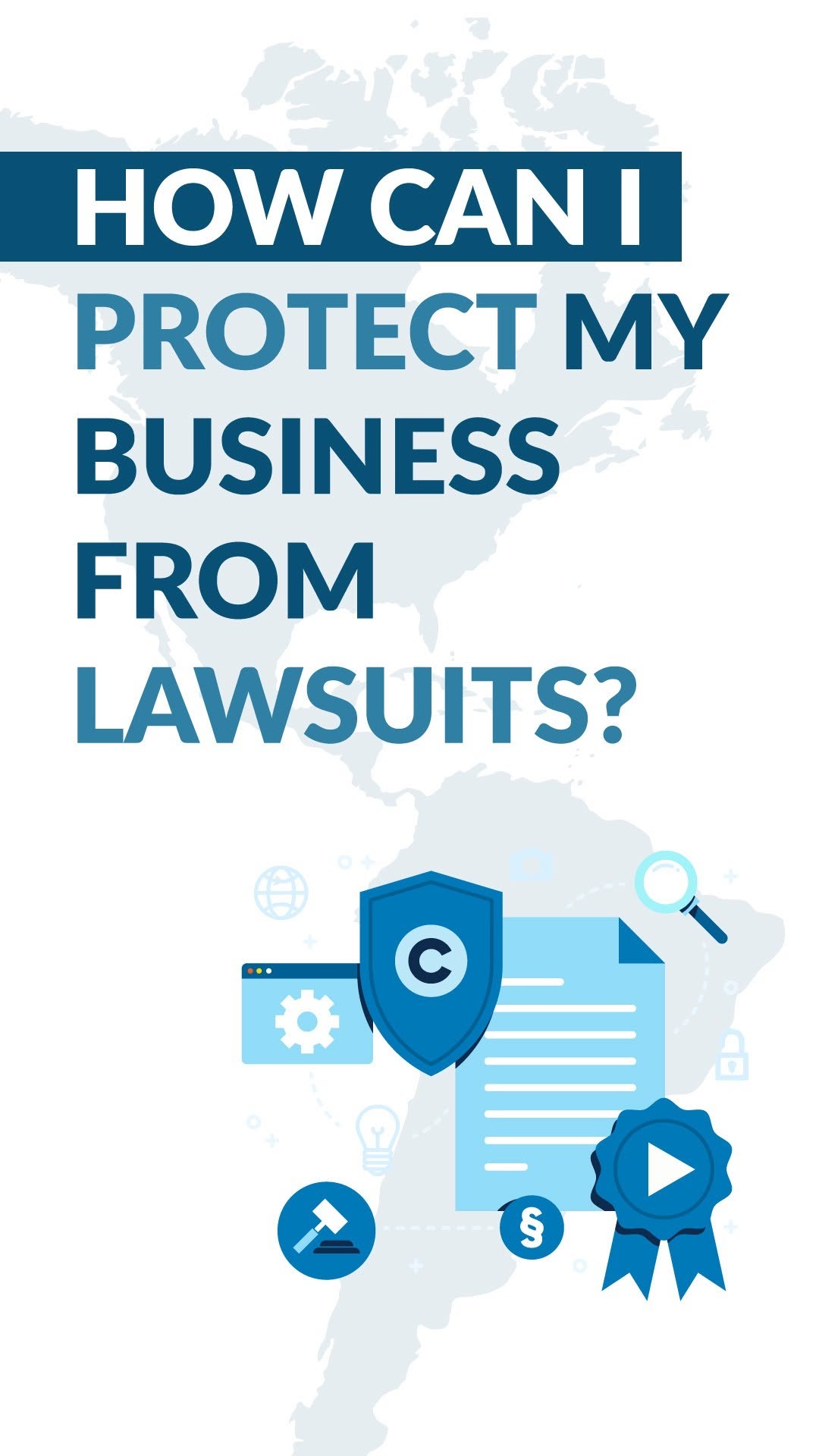
Running a business is hard enough — lawsuits shouldn’t make it harder. 🚫 Protect your business with the right legal strategies and expert tools from Global Law Experts. Let’s secure your future together! 💼
🌍Explore the details on our website.
➡️www.globallawexperts.com
#GlobalLawExperts #CommercialLaw #BusinessLaw #LegalAdvice #BusinessGrowth #LegalTips #BusinessStrategy #LegalCompliance #Law #LegalKnowledge #LegalAwareness #Law101 #LegalEducation #IntellectualProperty #Infringed #Ecommerce #LegalBranding
Global Law Experts is dedicated to providing exceptional legal services to clients around the world. With a vast network of highly skilled and experienced lawyers, we are committed to delivering innovative and tailored solutions to meet the diverse needs of our clients in various jurisdictions.
Thinking of buying property in Brazil? Start with a full legal safety net.
✔️ Check title and ownership history
✔️ Verify no debts or disputes
✔️ Confirm zoning and permits.
#BrazilProperty #RealEstateInvesting #LegalDueDiligence #ForeignInvestment #PropertyLaw #GlobalRealEstate #InvestmentRisk #BrazilLaw
When your international business faces financial distress, quick action is key! 🔑 Negotiating with creditors, restructuring debt, and understanding insolvency laws can help regain stability. Global Law Experts is here to guide you through your options.
🌍Explore the details on our website.
🔗Link in bio
#GlobalLawExperts #CommercialLaw #BusinessLaw #LegalAdvice #BusinessGrowth #LegalTips #BusinessStrategy #LegalCompliance #Law #LegalKnowledge #LegalAwareness #Law101 #LegalEducation #IntellectualProperty
Thinking of buying property in Brazil? Don’t stop at the contract or key handover. Make sure the title is officially registered before calling it yours.
#BrazilRealEstate #PropertyLaw #GlobalInvestment #ForeignInvestors #LegalTips #DueDiligence #RealEstateRegistration #SecureInvestment
Getting a termination notice right now? Know your rights. Valid reason, fair process, proper notice they matter. Don’t let a bad dismissal walk away without accountability.
#EmploymentLaw #WorkerRights #Termination #LaborLaw #FairDismissal #WorkplaceJustice #LegalAwareness #GlobalWorkforce
Running a business is hard enough — lawsuits shouldn’t make it harder. 🚫 Protect your business with the right legal strategies and expert tools from Global Law Experts. Let’s secure your future together! 💼
🌍Explore the details on our website.
➡️www.globallawexperts.com
#GlobalLawExperts #CommercialLaw #BusinessLaw #LegalAdvice #BusinessGrowth #LegalTips #BusinessStrategy #LegalCompliance #Law #LegalKnowledge #LegalAwareness #Law101 #LegalEducation #IntellectualProperty #Infringed #Ecommerce #LegalBranding
Send welcome message