[codicts-css-switcher id=”346″]

Global Law Experts Logo

Liability Lawyers Worldwide.

Global Law Experts

Meet Our Liability Lawyers

Discover independent liability lawyers worldwide on Global Law Experts, a trusted legal directory and recognition platform. Connect with top legal experts today!

Legal
Country
Liability
Legal
Country
Liability
One result

Marcel Lanz

  • GOLD

Email:

Phone:

+41628*****
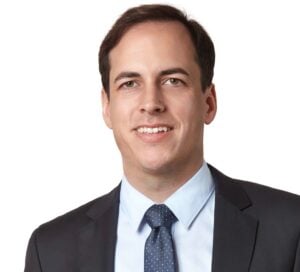
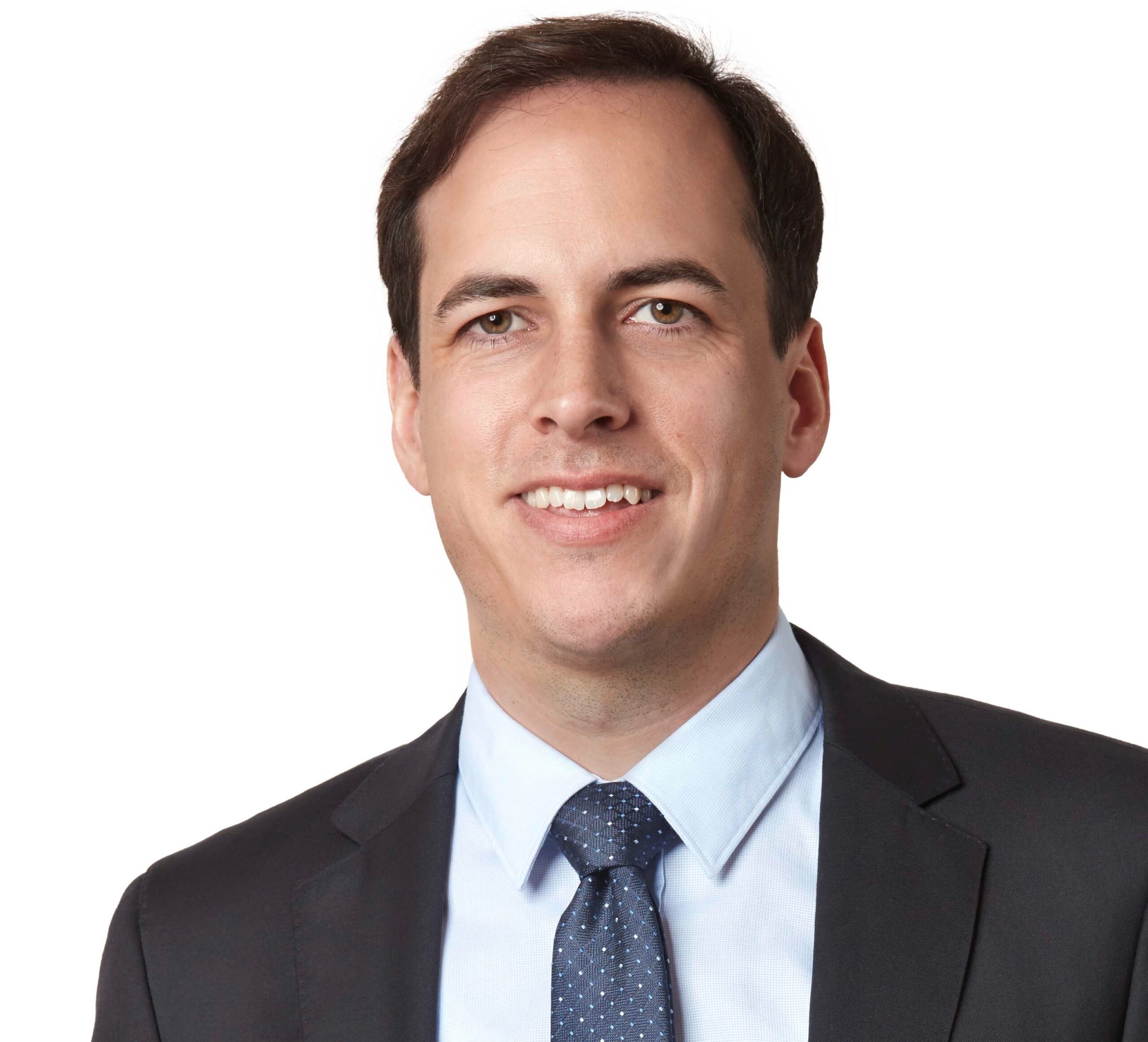
Lawyer in a suit smiling, posed against a neutral background.
Law firm logo with the name "Schärer Rechtsanwälte" displayed in a modern font.
Lawyer in a suit smiling, posed against a neutral background.

Marcel Lanz

  • GOLD

Marcel Lanz

  • GOLD
Liability Law in Switzerland
  • Schärer Rechtsanwalte
  • GOLD

Liability News

Find Expert Liability Lawyers Through Global Law Experts

Secure Risk Mitigation with Expert Liability Counsel

Liability law is the fundamental legal principle that determines who is responsible for a loss, debt, or injury. This practice area encompasses a broad spectrum of legal obligations, from contractual liabilities and professional errors to tortious acts and strict liability for dangerous activities. Attorneys provide the essential framework for assessing risk exposure, determining the “standard of care” applicable to specific industries, and establishing the causal link between a defendant’s actions and the resulting damages.

Global Law Experts connects you with premier liability specialists who possess the analytical rigor required to navigate complex indemnity clauses and multi-party disputes. These lawyers are established experts within their own fields, offering the tactical foresight needed to manage “vicarious liability” in corporate structures and the nuances of contributory versus comparative negligence. Whether you are a business owner seeking to limit exposure through robust liability waivers or an entity defending against a high-value claim, they provide the strategic advocacy needed to protect your financial interests and ensure a fair allocation of responsibility.

Professional Liability Help You Can Trust

We will help match you with a qualified Liability law specialist who can offer reliable advice, clarify your options, and guide you through the next steps in the legal process.
Main Lead Capture Form - Home

Every GLE member is independently vetted by practice area and jurisdiction.

Client Success Stories

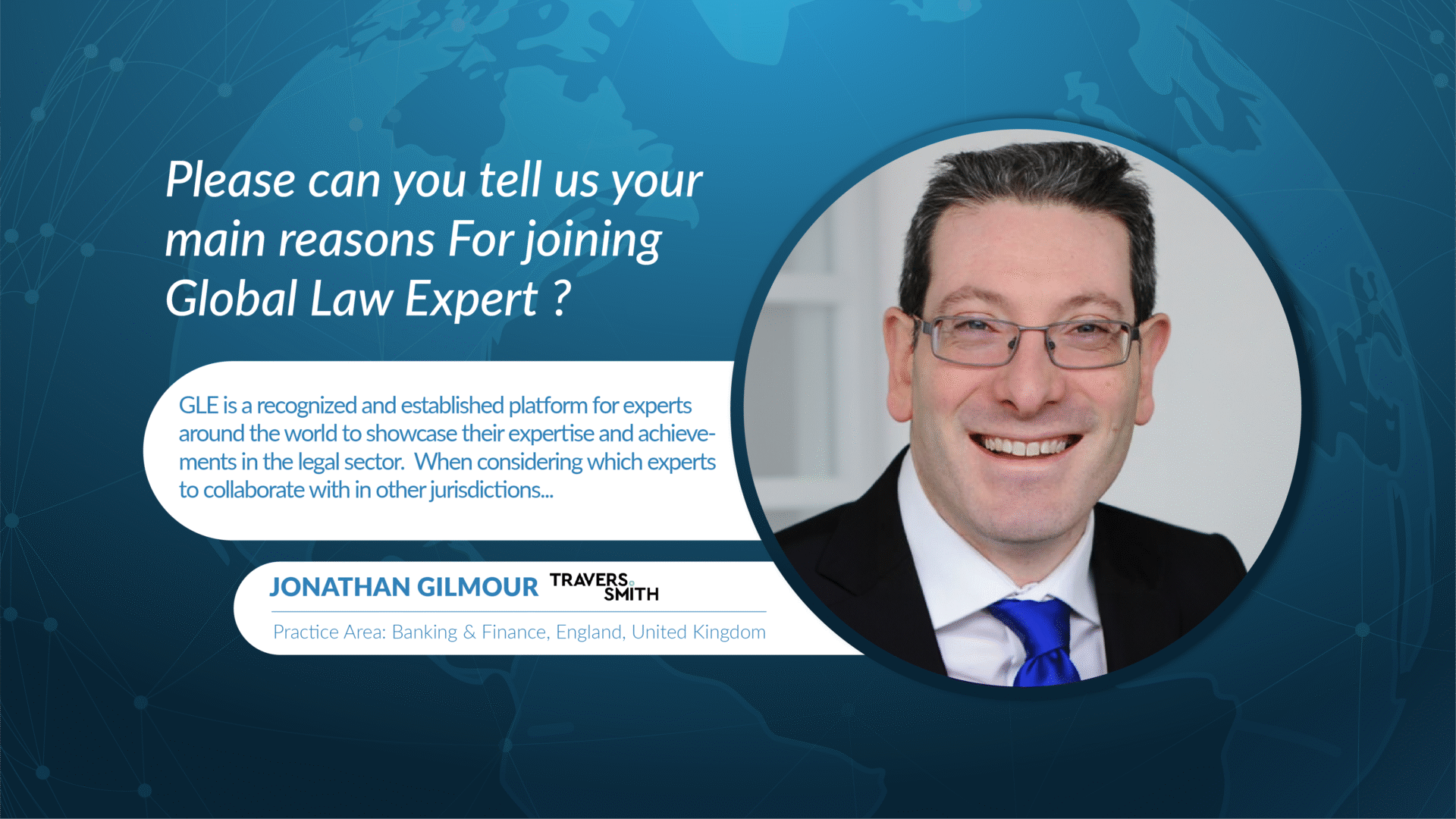
Testimonial-by-Jonathan-Gilmour.png
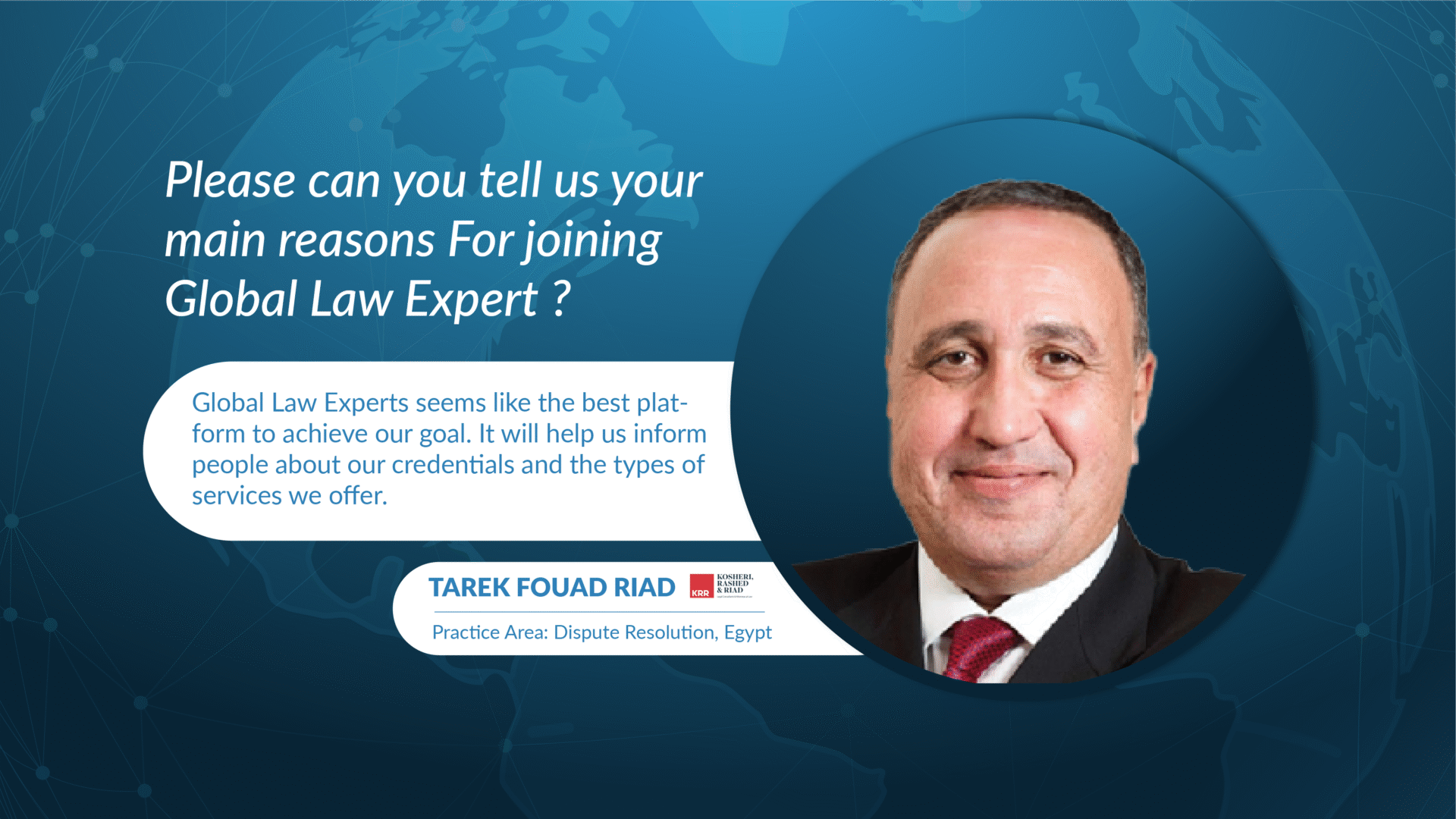
Testimonial-by-Tarek-Fouad-Riad.png
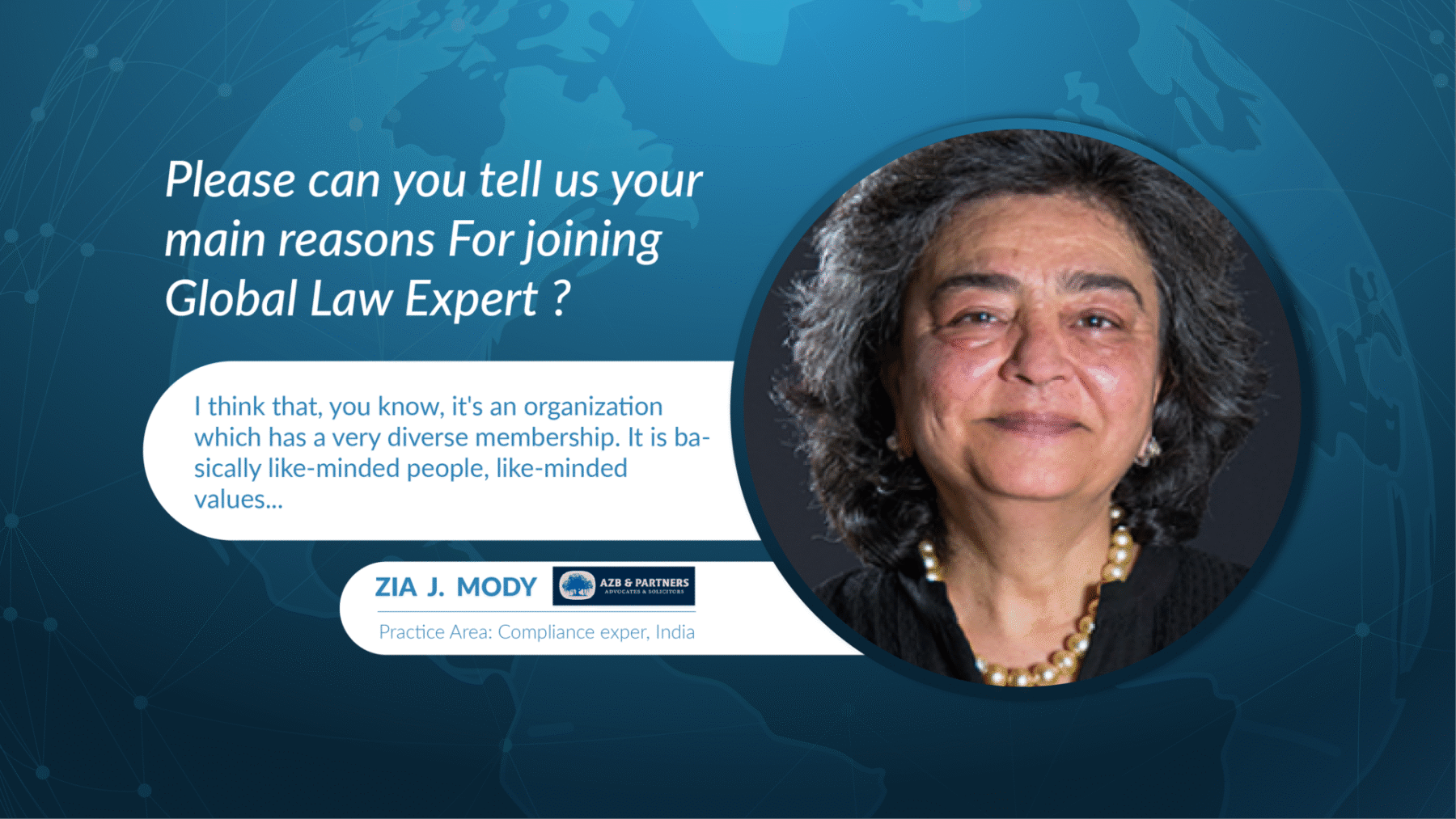
Testimonial-by-Zia-J.-Mody.png
Testimonial-by-Virginie-Tassin-Campanella.png
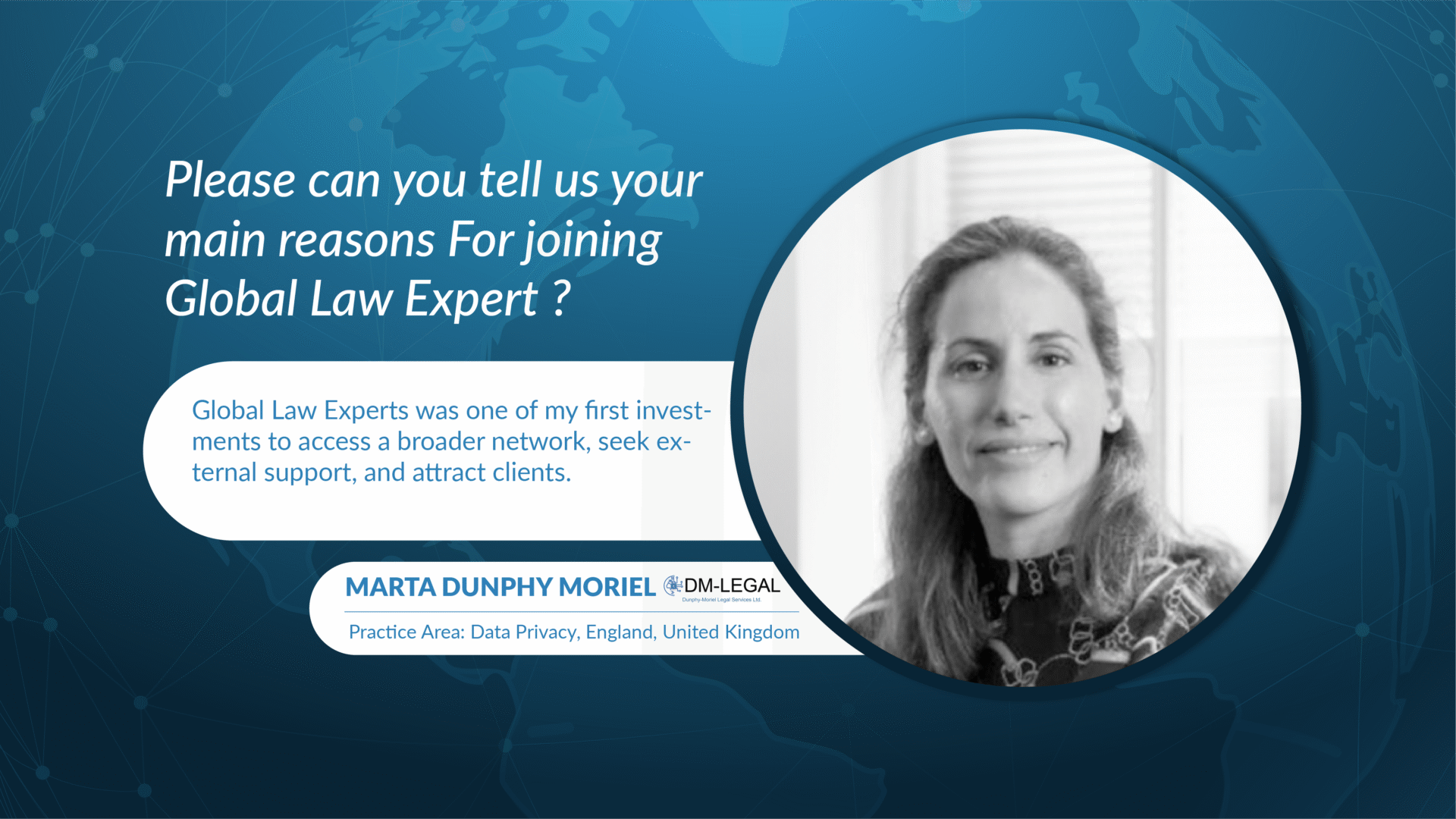
Testimonial-by-Marta-Dunphy-Moriel.png
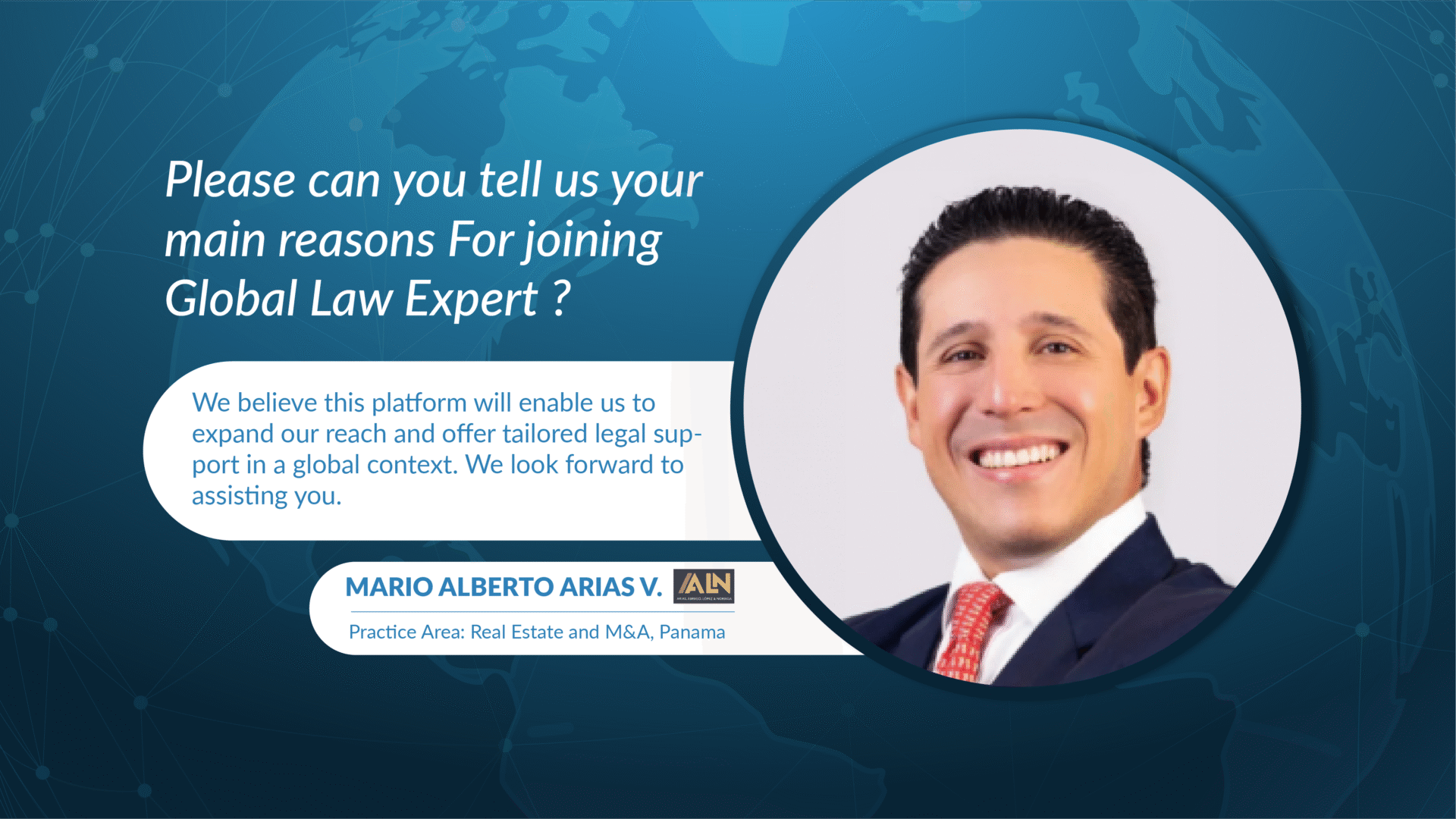
Testimonial-by-Mario-Alberto-Arias-V.png
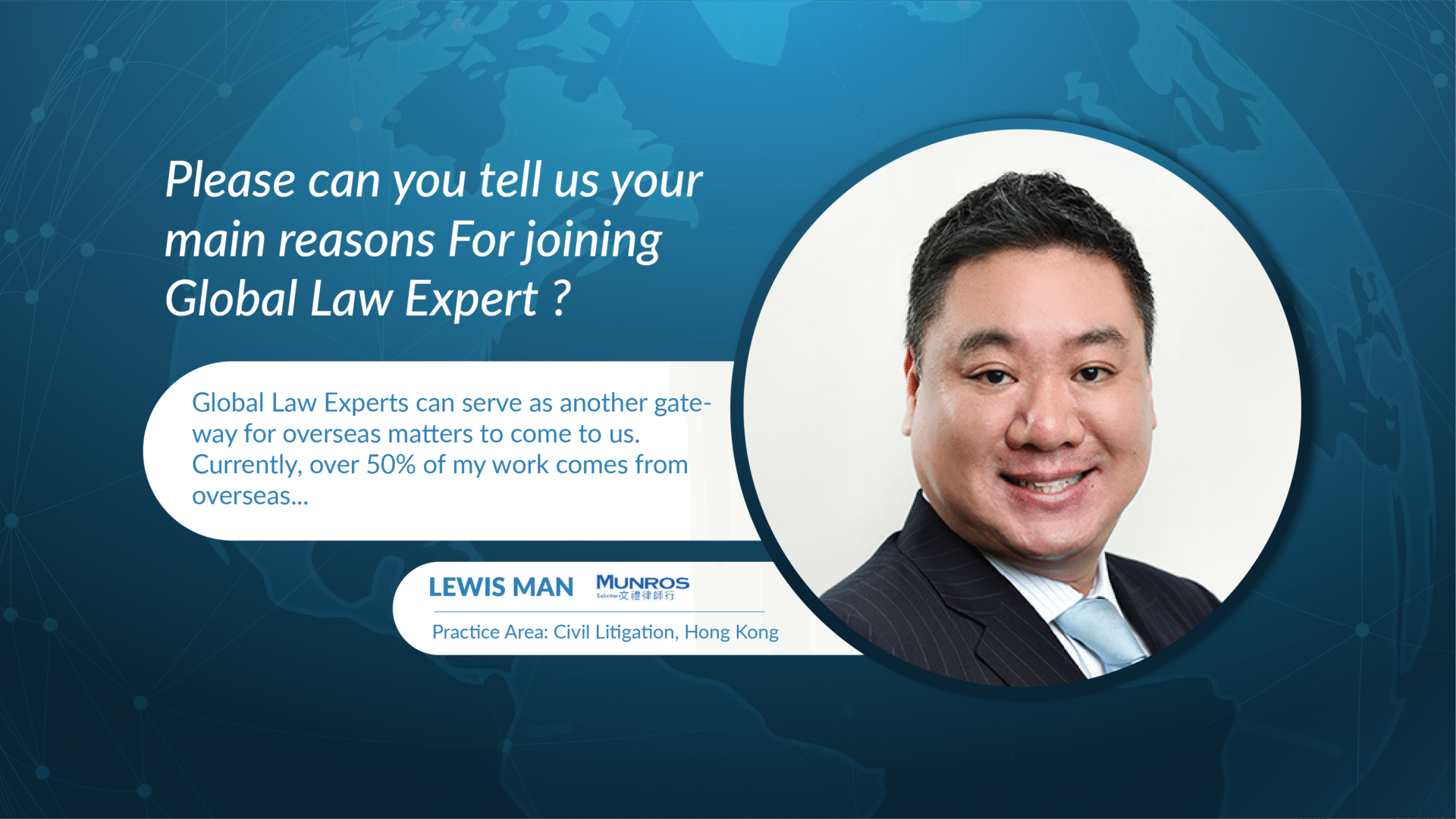
Testimonial-by-Lewis-Man.png
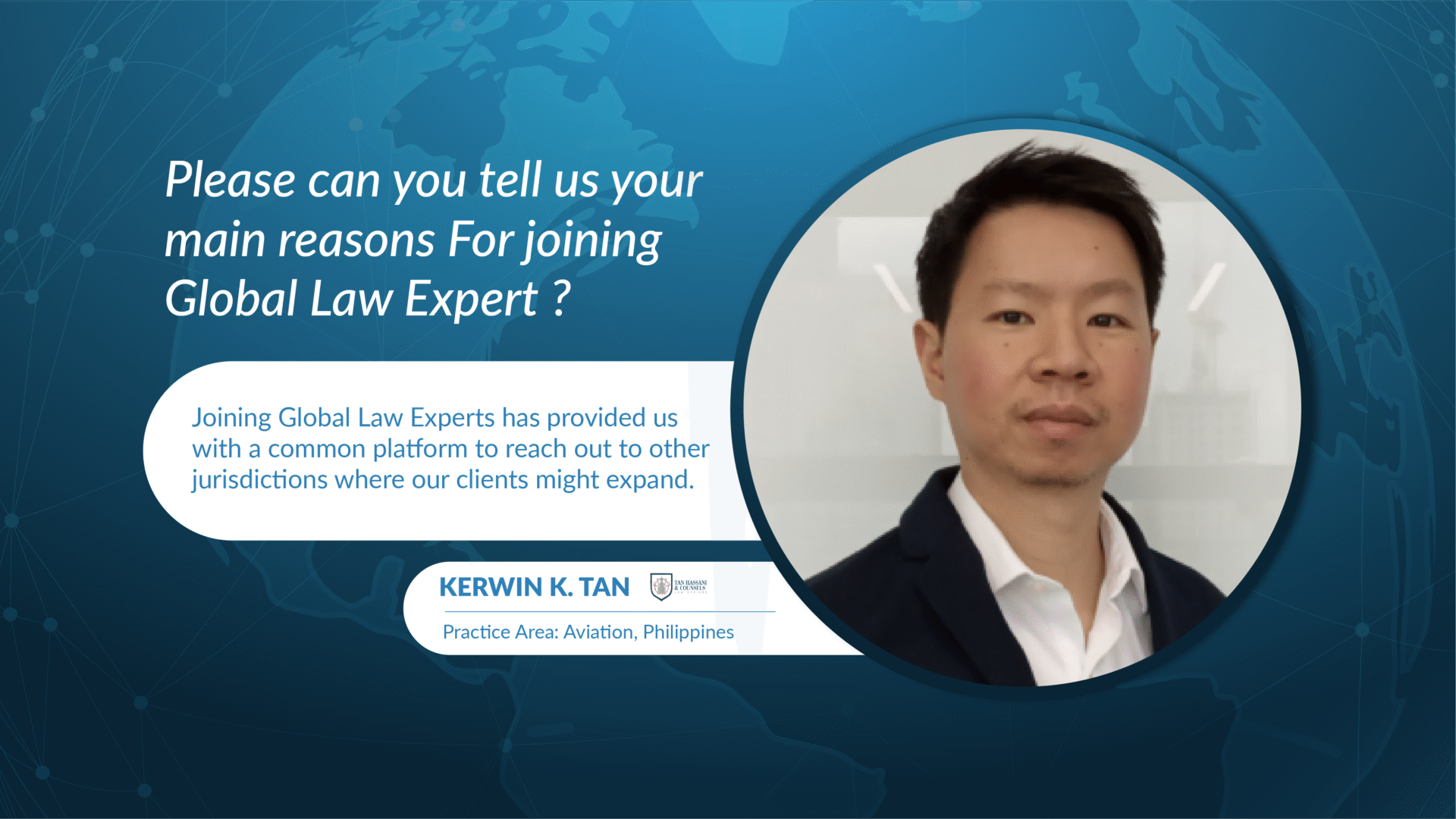
Testimonial-by-Kerwin-K.-Tan.png
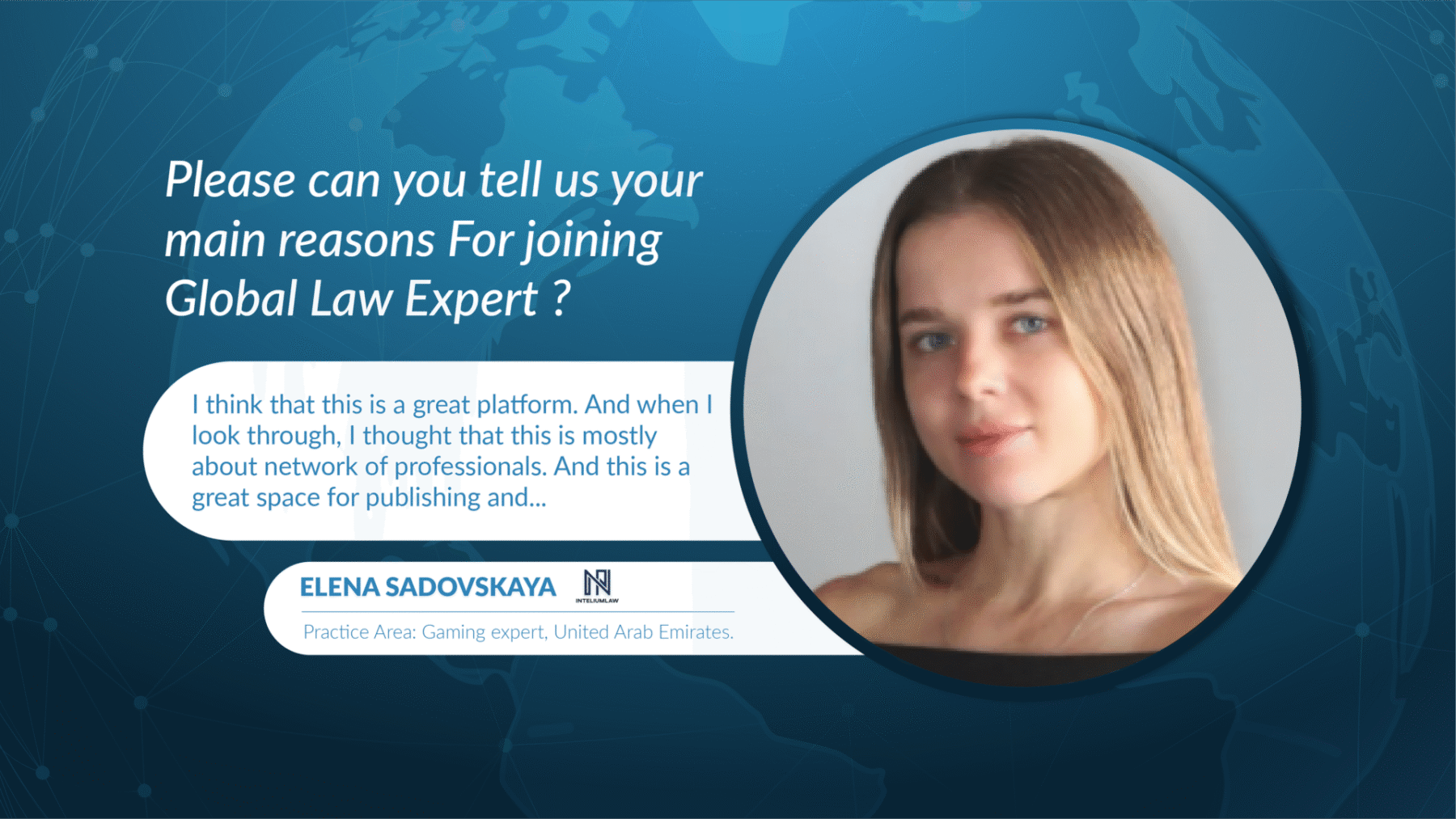
Testimonial-by-Elena-Sadovskaya.png
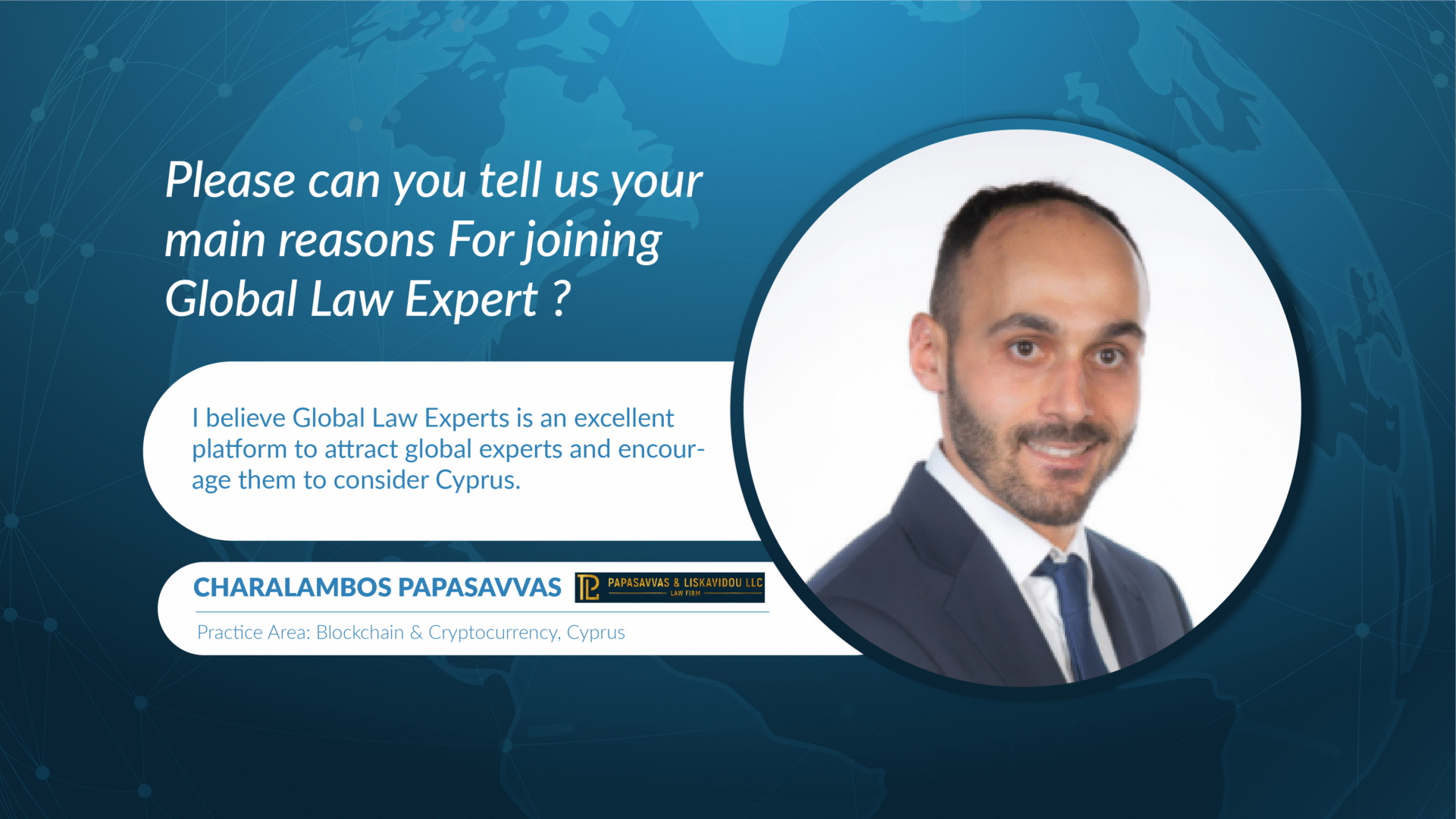
Testimonial-by-Charalambos-Papasavvas.png

Liability FAQ's

Legal liability generally falls into three main categories that dictate when you are financially responsible for harm. Strict Liability holds you responsible for damages regardless of fault or intent, commonly applied to ultra-hazardous activities like blasting or keeping wild animals. Vicarious Liability holds a superior (like an employer) responsible for the actions of a subordinate (like an employee) performed during work hours. Product Liability holds manufacturers and sellers accountable for placing a defective product into the hands of a consumer, even if they were careful during the manufacturing process.

To win a negligence claim in both US and UK courts, a plaintiff must prove four distinct elements: Duty (the defendant owed a legal obligation of care to the plaintiff), Breach (the defendant failed to meet that standard of care), Causation (that specific failure directly caused the injury), and Damages (the plaintiff suffered actual quantifiable harm). If any one of these links is broken—for example, if the defendant was careless but no actual injury occurred—the entire lawsuit fails.

Yes, under the doctrine of Respondeat Superior (“let the master answer”), a business is legally liable for the wrongful acts of its employees if those acts occurred within the “scope of employment.” This means if a delivery driver crashes while on a route, the company pays; however, if the driver crashes while running a personal errand two hours off-route, the company may avoid liability. This risk is why businesses carry general liability insurance, as employers are frequently sued for employee negligence even when management did nothing wrong personally.

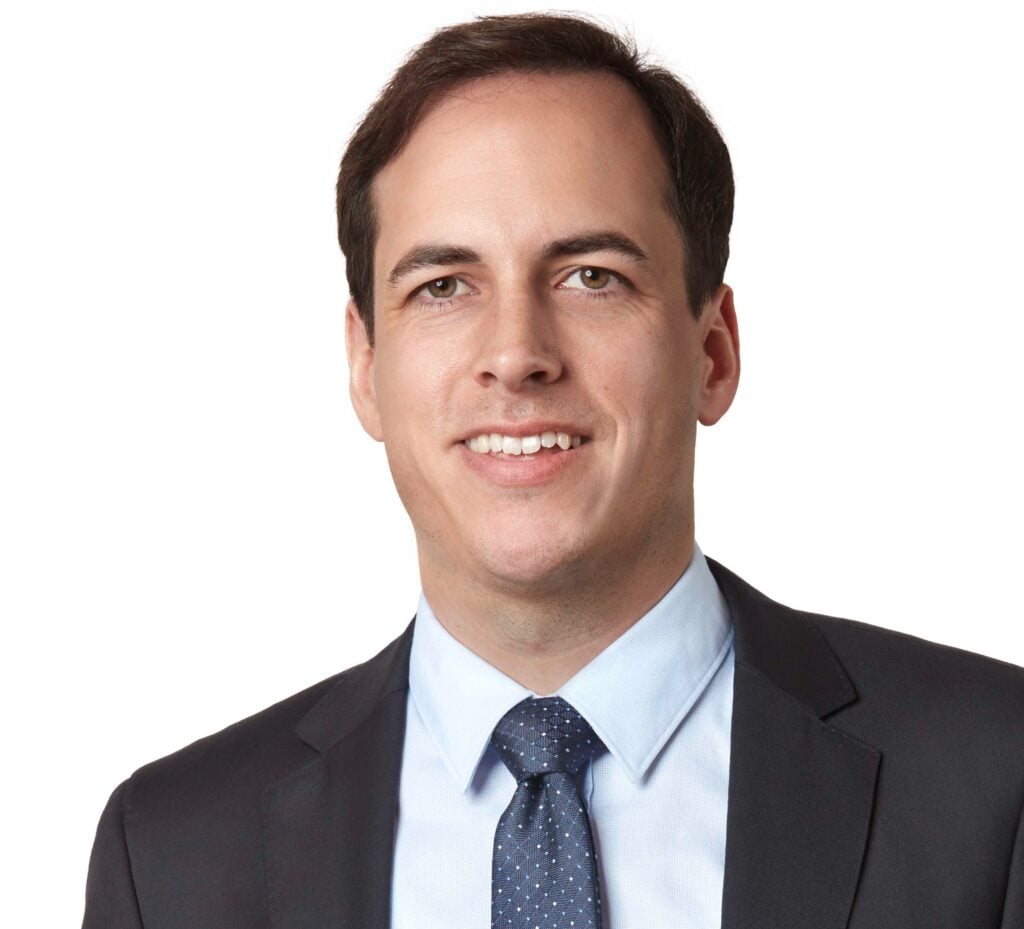
A lawyer defends these claims by attacking the link between the product and the injury, often arguing “Misuse” (the consumer used the product in a way not intended) or “Alteration” (the consumer modified the product after buying it). In the UK, the “State of the Art” defense allows manufacturers to argue that scientific knowledge at the time was not advanced enough to detect the defect. These defenses are critical because product liability awards can be massive; in the US, the average product liability jury award has historically exceeded $1 million according to insurance industry data.

Professional Liability, often called Errors & Omissions (E&O) or Malpractice insurance, covers negligence claims against service providers who give advice or specialized care. It is essential for doctors, lawyers, architects, and consultants because standard business liability policies exclude claims arising from “professional services.” The market for this insurance is huge—valued at over $48 billion globally—because a single error in a surgical procedure or a legal contract can result in multi-million dollar damages that would bankrupt a firm instantly.

A lawyer can draft a waiver to protect you from ordinary negligence (like a slip and fall), but no waiver can legally protect you from “Gross Negligence” or intentional misconduct. In the UK, under the Unfair Contract Terms Act 1977, you cannot exclude liability for death or personal injury caused by negligence at all. In the US, while waivers are generally enforceable for recreational activities (like skydiving), courts will strike them down if they are hidden in fine print or if the conduct was recklessly indifferent to safety.

This distinction determines who pays the bill when multiple defendants are at fault. Under Joint and Several Liability, a plaintiff can collect 100% of the damages from any single defendant, even if that defendant was only 1% at fault (a rule that heavily affects “deep pocket” defendants like cities or corporations). Under Proportionate Liability, which many US states have shifted toward to ensure fairness, a defendant is only required to pay for the specific percentage of damages equal to their share of the fault.

A lawyer analyzes the specific wording of the “Force Majeure” clause to see if the event (like a hurricane or pandemic) was explicitly listed and if it truly made performance impossible, not just expensive. During the COVID-19 pandemic, US and UK courts largely ruled that financial hardship or supply chain delays were not enough to trigger these clauses unless the government legally shut down the business. Without strict “impossibility” language, parties are usually expected to find a way to fulfill their contracts despite the disaster.

Liability FAQ's

Legal liability generally falls into three main categories that dictate when you are financially responsible for harm. Strict Liability holds you responsible for damages regardless of fault or intent, commonly applied to ultra-hazardous activities like blasting or keeping wild animals. Vicarious Liability holds a superior (like an employer) responsible for the actions of a subordinate (like an employee) performed during work hours. Product Liability holds manufacturers and sellers accountable for placing a defective product into the hands of a consumer, even if they were careful during the manufacturing process.

To win a negligence claim in both US and UK courts, a plaintiff must prove four distinct elements: Duty (the defendant owed a legal obligation of care to the plaintiff), Breach (the defendant failed to meet that standard of care), Causation (that specific failure directly caused the injury), and Damages (the plaintiff suffered actual quantifiable harm). If any one of these links is broken—for example, if the defendant was careless but no actual injury occurred—the entire lawsuit fails.

Yes, under the doctrine of Respondeat Superior ("let the master answer"), a business is legally liable for the wrongful acts of its employees if those acts occurred within the "scope of employment." This means if a delivery driver crashes while on a route, the company pays; however, if the driver crashes while running a personal errand two hours off-route, the company may avoid liability. This risk is why businesses carry general liability insurance, as employers are frequently sued for employee negligence even when management did nothing wrong personally.
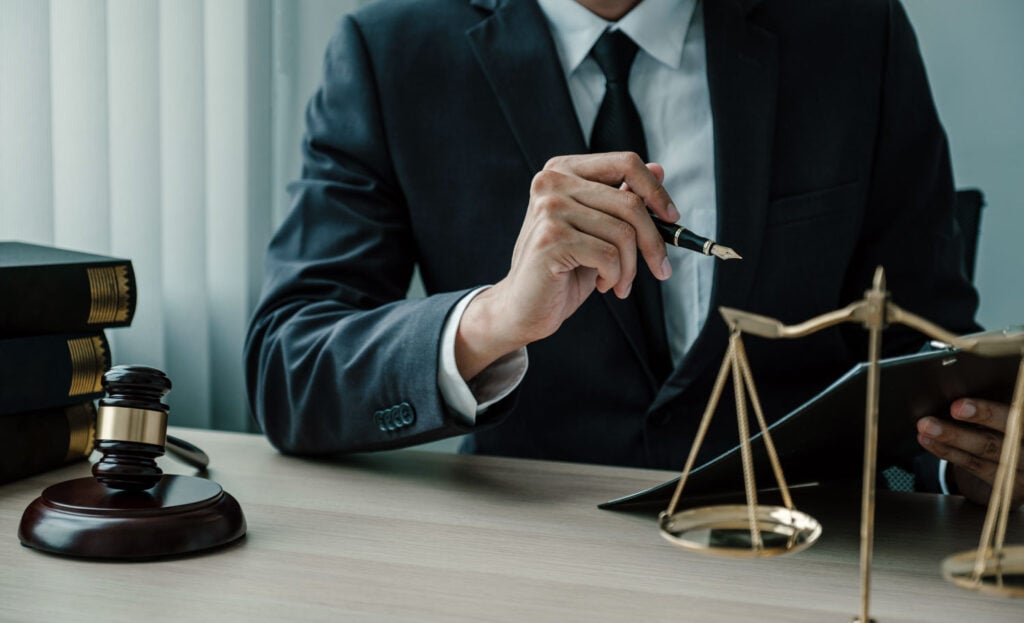
A lawyer defends these claims by attacking the link between the product and the injury, often arguing "Misuse" (the consumer used the product in a way not intended) or "Alteration" (the consumer modified the product after buying it). In the UK, the "State of the Art" defense allows manufacturers to argue that scientific knowledge at the time was not advanced enough to detect the defect. These defenses are critical because product liability awards can be massive; in the US, the average product liability jury award has historically exceeded $1 million according to insurance industry data.

Professional Liability, often called Errors & Omissions (E&O) or Malpractice insurance, covers negligence claims against service providers who give advice or specialized care. It is essential for doctors, lawyers, architects, and consultants because standard business liability policies exclude claims arising from "professional services." The market for this insurance is huge—valued at over $48 billion globally—because a single error in a surgical procedure or a legal contract can result in multi-million dollar damages that would bankrupt a firm instantly.

A lawyer can draft a waiver to protect you from ordinary negligence (like a slip and fall), but no waiver can legally protect you from "Gross Negligence" or intentional misconduct. In the UK, under the Unfair Contract Terms Act 1977, you cannot exclude liability for death or personal injury caused by negligence at all. In the US, while waivers are generally enforceable for recreational activities (like skydiving), courts will strike them down if they are hidden in fine print or if the conduct was recklessly indifferent to safety.

This distinction determines who pays the bill when multiple defendants are at fault. Under Joint and Several Liability, a plaintiff can collect 100% of the damages from any single defendant, even if that defendant was only 1% at fault (a rule that heavily affects "deep pocket" defendants like cities or corporations). Under Proportionate Liability, which many US states have shifted toward to ensure fairness, a defendant is only required to pay for the specific percentage of damages equal to their share of the fault.

A lawyer analyzes the specific wording of the "Force Majeure" clause to see if the event (like a hurricane or pandemic) was explicitly listed and if it truly made performance impossible, not just expensive. During the COVID-19 pandemic, US and UK courts largely ruled that financial hardship or supply chain delays were not enough to trigger these clauses unless the government legally shut down the business. Without strict "impossibility" language, parties are usually expected to find a way to fulfill their contracts despite the disaster.

Join
who are already getting the benefits
0
Sign up for the latest legal briefings and news within Global Law Experts’ community, as well as a whole host of features, editorial and conference updates direct to your email inbox. Naturally you can unsubscribe at any time.
Newsletter Sign Up
About Us

Global Law Experts is dedicated to providing exceptional legal services to clients around the world. With a vast network of highly skilled and experienced lawyers, we are committed to delivering innovative and tailored solutions to meet the diverse needs of our clients in various jurisdictions.

Global Law Experts App

Now Available on the App & Google Play Stores.

Social Posts
[wp_social_ninja id="50714" platform="instagram"]

See More:

Contact Us

Stay Informed

Join Mailing List
About Us

Global Law Experts is dedicated to providing exceptional legal services to clients around the world. With a vast network of highly skilled and experienced lawyers, we are committed to delivering innovative and tailored solutions to meet the diverse needs of our clients in various jurisdictions.

Social Posts
[wp_social_ninja id="50714" platform="instagram"]

See More:

Global Law Experts App

Now Available on the App & Google Play Stores.

Contact Us

Stay Informed

Join Mailing List

GLE

Lawyer Profile Page - Lead Capture
GLE-Logo-White
Lawyer Profile Page - Lead Capture
Lawyer in a suit smiling, posed against a neutral background.

Marcel Lanz

Send welcome message

Custom Message