Global Law Experts
Lawyers
Countries Covered
Practice Areas
Discover top independent Leasing law attorneys recognized by Global Law Experts. Explore our network of expert legal professionals today.
No results available Reset filters?
Leasing law governs the contractual arrangements where one party, the lessor, grants the use of an asset to another party, the lessee, for a specified period in exchange for payment. This practice spans a vast array of sectors, from high-value commercial real estate and retail spaces to industrial equipment, aircraft, and vehicle fleets. Attorneys provide the essential framework for negotiating maintenance obligations, “quiet enjoyment” covenants, and complex rent review mechanisms, ensuring that the allocation of risk and the protection of residual asset value are clearly defined.
Global Law Experts connects you with premier leasing specialists who possess the commercial insight required to structure sophisticated finance and operating leases. These lawyers are established experts within their own fields, offering the tactical foresight needed to handle “triple net” (NNN) leases, subletting restrictions, and the nuances of leasehold improvements. Whether you are a developer looking to secure an anchor tenant for a new shopping center or a corporation managing a global equipment portfolio, they provide the strategic advocacy needed to maximize your rights and ensure long-term operational flexibility.
No results available Reset filters?
Every GLE member is independently vetted by practice area and jurisdiction.
The primary legal difference is the level of consumer protection. Residential leases are heavily regulated by state laws to protect tenants’ basic right to shelter (e.g., limits on eviction and security deposits), whereas commercial leases are viewed as contracts between “sophisticated business entities” where the principle of caveat emptor (buyer beware) applies. This means a commercial lease allows for almost unlimited negotiation, but it also means the law generally will not save you from a bad deal you voluntarily signed.
Beyond just the monthly rent, the most financially critical terms are the “Rent Abatement” (free rent periods during construction), “Tenant Improvement Allowance” (cash from the landlord to build out your space), and the “Make Good” clause. The Make Good clause is often overlooked but dangerous; it legally requires you to strip the property back to its original bare-shell condition when you leave, a process that can cost tens of thousands of dollars in construction fees at the end of your tenancy.
Yes, because a Triple Net Lease shifts nearly all building risks from the landlord to you. In a standard NNN lease, you are responsible not just for rent, but also for property taxes, building insurance, and maintenance costs. A lawyer is essential to negotiate “caps” on these variable expenses so that you aren’t suddenly bankrupt if the building’s property tax assessment spikes by 30% or if the roof needs a total replacement during your term.
This depends entirely on whether you sign a “Full Repairing and Insuring” (FRI) lease or a “Gross” lease. In the UK and for many standalone US buildings, an FRI lease makes the tenant liable for everything, including the roof, foundations, and walls. A lawyer’s job is to carve out “structural defects” and “inherent defects” from your obligations, ensuring that you don’t end up paying a $50,000 bill to fix a foundation crack that existed long before you moved in.

Breaking a lease without a pre-negotiated “Break Clause” is difficult because landlords can often enforce “rent acceleration,” demanding the entire remaining value of the lease immediately. A lawyer can help by negotiating a “Surrender Agreement”—where you pay a smaller lump sum to walk away—or by finding a replacement tenant to “Assign” the lease to, which releases you from the obligation once the landlord consents to the new occupier.
“Security of Tenure” is a powerful statutory right, primarily in the UK (under the Landlord and Tenant Act 1954), that gives a business tenant the automatic right to renew their lease when it expires. In the US, this statutory right generally does not exist; your right to stay depends entirely on whether your lawyer negotiated a specific “Option to Renew” clause in the original contract. Without this protection, a successful business can be legally evicted simply because the lease term ended.
Disputes often arise when a landlord claims the “security deposit” to pay for “dilapidations” (damages) that are actually just normal wear and tear. A lawyer defends against this by comparing the exit condition report against the “Schedule of Condition” (photos taken when you moved in). In many jurisdictions, if a landlord fails to follow strict notification timelines for claiming damages—often 30 to 60 days—a lawyer can force the full return of the deposit plus penalties.
Most commercial leases contain an “Alienation” clause that forbids subletting without the landlord’s prior written consent. However, the law often adds that this consent “cannot be unreasonably withheld.” A lawyer ensures your request meets the legal standard of “reasonableness”—usually by proving the new subtenant is financially stable—and drafts the sublease to ensure you remain protected if the subtenant stops paying rent, for which you remain ultimately liable to the landlord.
The primary legal difference is the level of consumer protection. Residential leases are heavily regulated by state laws to protect tenants' basic right to shelter (e.g., limits on eviction and security deposits), whereas commercial leases are viewed as contracts between "sophisticated business entities" where the principle of caveat emptor (buyer beware) applies. This means a commercial lease allows for almost unlimited negotiation, but it also means the law generally will not save you from a bad deal you voluntarily signed.
Beyond just the monthly rent, the most financially critical terms are the "Rent Abatement" (free rent periods during construction), "Tenant Improvement Allowance" (cash from the landlord to build out your space), and the "Make Good" clause. The Make Good clause is often overlooked but dangerous; it legally requires you to strip the property back to its original bare-shell condition when you leave, a process that can cost tens of thousands of dollars in construction fees at the end of your tenancy.
Yes, because a Triple Net Lease shifts nearly all building risks from the landlord to you. In a standard NNN lease, you are responsible not just for rent, but also for property taxes, building insurance, and maintenance costs. A lawyer is essential to negotiate "caps" on these variable expenses so that you aren't suddenly bankrupt if the building’s property tax assessment spikes by 30% or if the roof needs a total replacement during your term.
This depends entirely on whether you sign a "Full Repairing and Insuring" (FRI) lease or a "Gross" lease. In the UK and for many standalone US buildings, an FRI lease makes the tenant liable for everything, including the roof, foundations, and walls. A lawyer’s job is to carve out "structural defects" and "inherent defects" from your obligations, ensuring that you don't end up paying a $50,000 bill to fix a foundation crack that existed long before you moved in.

Breaking a lease without a pre-negotiated "Break Clause" is difficult because landlords can often enforce "rent acceleration," demanding the entire remaining value of the lease immediately. A lawyer can help by negotiating a "Surrender Agreement"—where you pay a smaller lump sum to walk away—or by finding a replacement tenant to "Assign" the lease to, which releases you from the obligation once the landlord consents to the new occupier.
"Security of Tenure" is a powerful statutory right, primarily in the UK (under the Landlord and Tenant Act 1954), that gives a business tenant the automatic right to renew their lease when it expires. In the US, this statutory right generally does not exist; your right to stay depends entirely on whether your lawyer negotiated a specific "Option to Renew" clause in the original contract. Without this protection, a successful business can be legally evicted simply because the lease term ended.
Disputes often arise when a landlord claims the "security deposit" to pay for "dilapidations" (damages) that are actually just normal wear and tear. A lawyer defends against this by comparing the exit condition report against the "Schedule of Condition" (photos taken when you moved in). In many jurisdictions, if a landlord fails to follow strict notification timelines for claiming damages—often 30 to 60 days—a lawyer can force the full return of the deposit plus penalties.
Most commercial leases contain an "Alienation" clause that forbids subletting without the landlord's prior written consent. However, the law often adds that this consent "cannot be unreasonably withheld." A lawyer ensures your request meets the legal standard of "reasonableness"—usually by proving the new subtenant is financially stable—and drafts the sublease to ensure you remain protected if the subtenant stops paying rent, for which you remain ultimately liable to the landlord.
Global Law Experts is dedicated to providing exceptional legal services to clients around the world. With a vast network of highly skilled and experienced lawyers, we are committed to delivering innovative and tailored solutions to meet the diverse needs of our clients in various jurisdictions.
Thinking of buying property in Brazil? Start with a full legal safety net.
✔️ Check title and ownership history
✔️ Verify no debts or disputes
✔️ Confirm zoning and permits.
#BrazilProperty #RealEstateInvesting #LegalDueDiligence #ForeignInvestment #PropertyLaw #GlobalRealEstate #InvestmentRisk #BrazilLaw
When your international business faces financial distress, quick action is key! 🔑 Negotiating with creditors, restructuring debt, and understanding insolvency laws can help regain stability. Global Law Experts is here to guide you through your options.
🌍Explore the details on our website.
🔗Link in bio
#GlobalLawExperts #CommercialLaw #BusinessLaw #LegalAdvice #BusinessGrowth #LegalTips #BusinessStrategy #LegalCompliance #Law #LegalKnowledge #LegalAwareness #Law101 #LegalEducation #IntellectualProperty
Thinking of buying property in Brazil? Don’t stop at the contract or key handover. Make sure the title is officially registered before calling it yours.
#BrazilRealEstate #PropertyLaw #GlobalInvestment #ForeignInvestors #LegalTips #DueDiligence #RealEstateRegistration #SecureInvestment
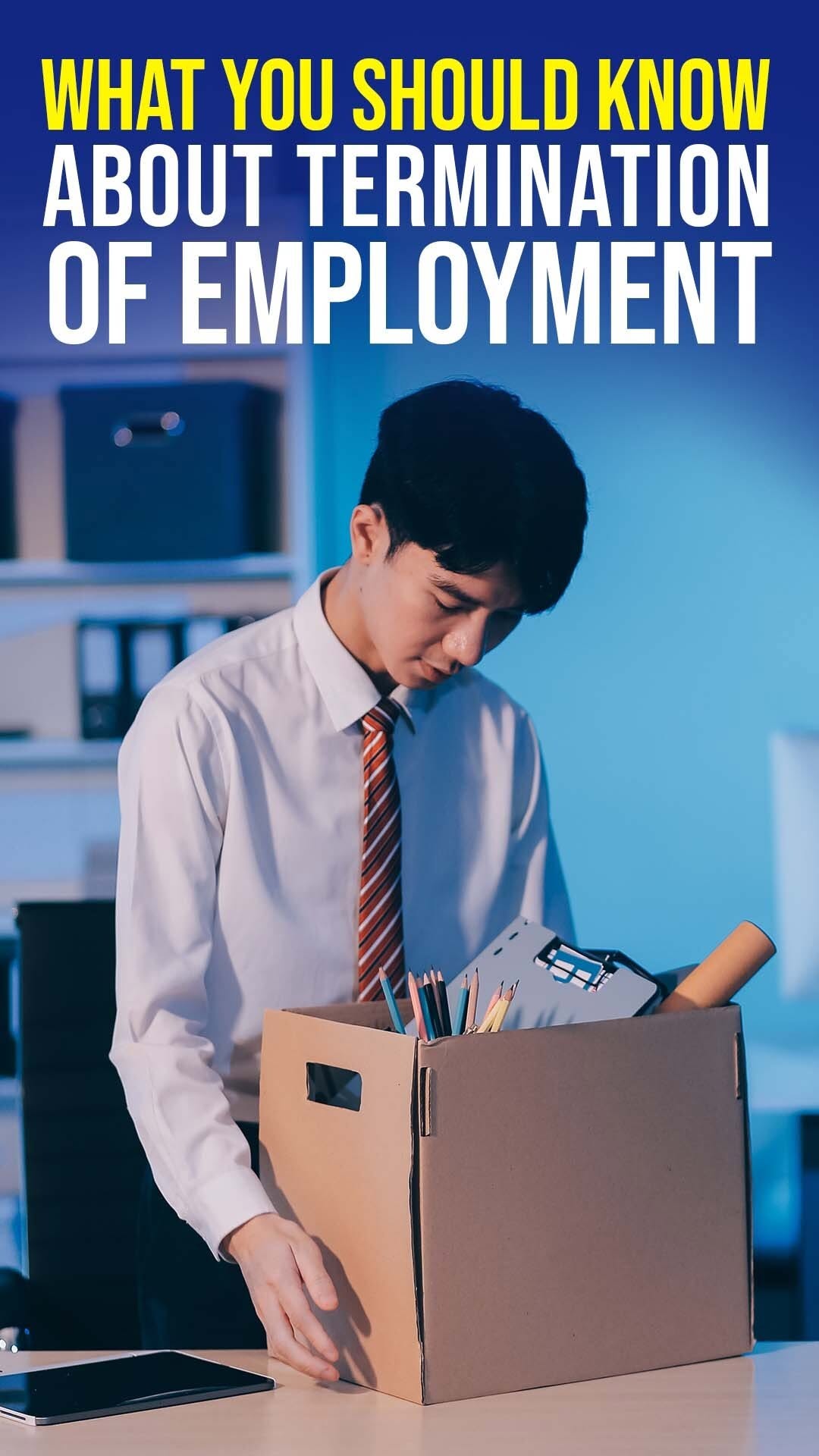
Getting a termination notice right now? Know your rights. Valid reason, fair process, proper notice they matter. Don’t let a bad dismissal walk away without accountability.
#EmploymentLaw #WorkerRights #Termination #LaborLaw #FairDismissal #WorkplaceJustice #LegalAwareness #GlobalWorkforce
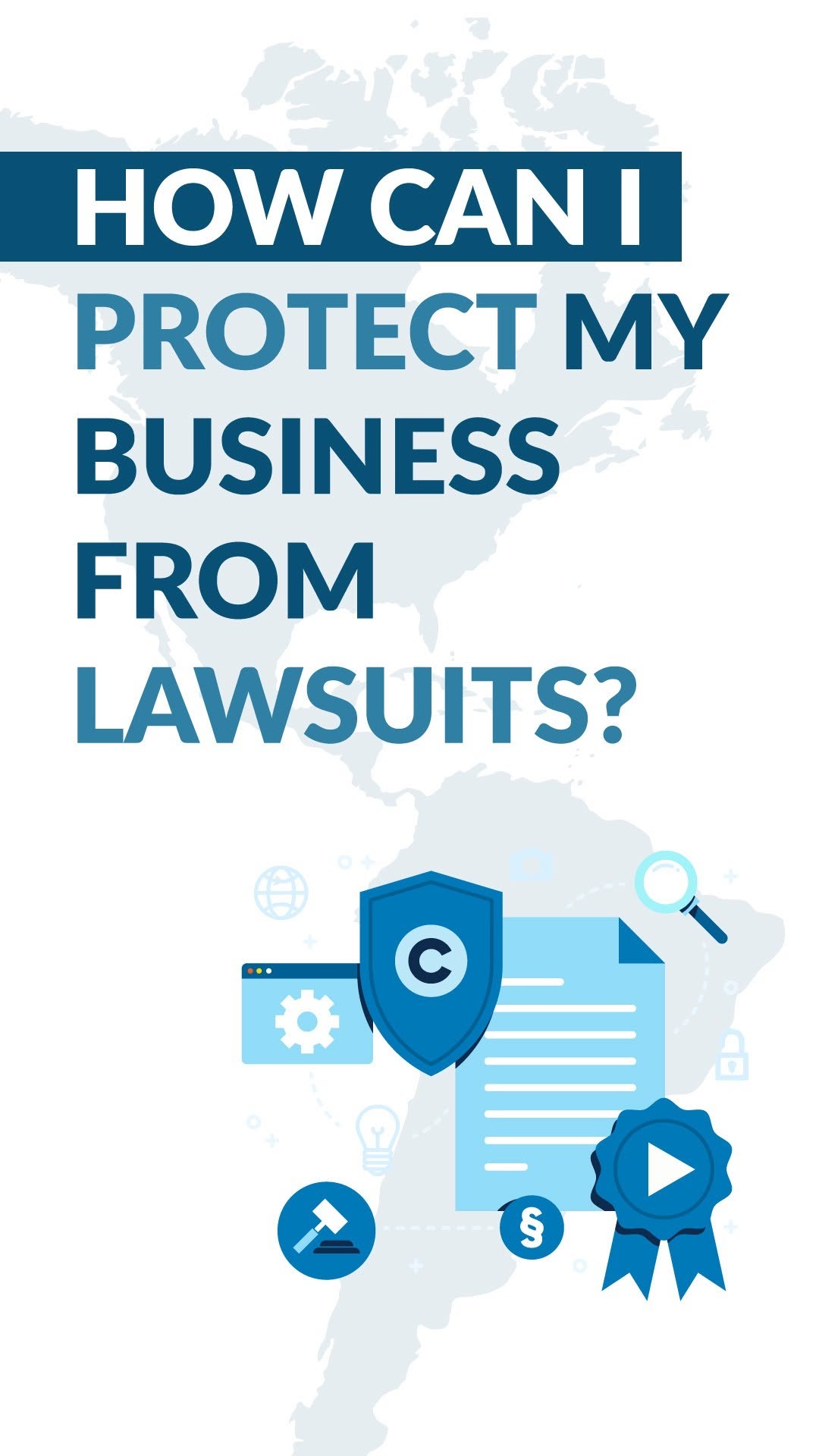
Running a business is hard enough — lawsuits shouldn’t make it harder. 🚫 Protect your business with the right legal strategies and expert tools from Global Law Experts. Let’s secure your future together! 💼
🌍Explore the details on our website.
➡️www.globallawexperts.com
#GlobalLawExperts #CommercialLaw #BusinessLaw #LegalAdvice #BusinessGrowth #LegalTips #BusinessStrategy #LegalCompliance #Law #LegalKnowledge #LegalAwareness #Law101 #LegalEducation #IntellectualProperty #Infringed #Ecommerce #LegalBranding
Global Law Experts is dedicated to providing exceptional legal services to clients around the world. With a vast network of highly skilled and experienced lawyers, we are committed to delivering innovative and tailored solutions to meet the diverse needs of our clients in various jurisdictions.
Thinking of buying property in Brazil? Start with a full legal safety net.
✔️ Check title and ownership history
✔️ Verify no debts or disputes
✔️ Confirm zoning and permits.
#BrazilProperty #RealEstateInvesting #LegalDueDiligence #ForeignInvestment #PropertyLaw #GlobalRealEstate #InvestmentRisk #BrazilLaw
When your international business faces financial distress, quick action is key! 🔑 Negotiating with creditors, restructuring debt, and understanding insolvency laws can help regain stability. Global Law Experts is here to guide you through your options.
🌍Explore the details on our website.
🔗Link in bio
#GlobalLawExperts #CommercialLaw #BusinessLaw #LegalAdvice #BusinessGrowth #LegalTips #BusinessStrategy #LegalCompliance #Law #LegalKnowledge #LegalAwareness #Law101 #LegalEducation #IntellectualProperty
Thinking of buying property in Brazil? Don’t stop at the contract or key handover. Make sure the title is officially registered before calling it yours.
#BrazilRealEstate #PropertyLaw #GlobalInvestment #ForeignInvestors #LegalTips #DueDiligence #RealEstateRegistration #SecureInvestment
Getting a termination notice right now? Know your rights. Valid reason, fair process, proper notice they matter. Don’t let a bad dismissal walk away without accountability.
#EmploymentLaw #WorkerRights #Termination #LaborLaw #FairDismissal #WorkplaceJustice #LegalAwareness #GlobalWorkforce
Running a business is hard enough — lawsuits shouldn’t make it harder. 🚫 Protect your business with the right legal strategies and expert tools from Global Law Experts. Let’s secure your future together! 💼
🌍Explore the details on our website.
➡️www.globallawexperts.com
#GlobalLawExperts #CommercialLaw #BusinessLaw #LegalAdvice #BusinessGrowth #LegalTips #BusinessStrategy #LegalCompliance #Law #LegalKnowledge #LegalAwareness #Law101 #LegalEducation #IntellectualProperty #Infringed #Ecommerce #LegalBranding
Send welcome message