[codicts-css-switcher id=”346″]

Global Law Experts Logo

Investment Funds Lawyers Worldwide.

Global Law Experts

Meet Our Investment Funds Lawyers

Discover top Investment Funds lawyers worldwide on Global Law Experts. Connect with independent legal experts for your investment needs.

Legal
Country
Investment Funds
Legal
Country
Investment Funds
2 results

Chris Humphries

  • GOLD

Email:

Phone:

+1 (34*****
Photo-araeuman5.png
Logo-stuarts3.png

Chris Humphries

  • GOLD
Investment Funds Law in Cayman Islands
  • Stuarts Humphries

Christopher Griffin

  • GOLD

Email:

Phone:

+44 (0*****
Photo-poman13-1.png
Logo-7-1.png
Photo-poman13-1.png
Photo-poman13-1.png

Christopher Griffin

  • GOLD
Investment Funds Law in Jersey
  • Carey Olsen

Investment Funds News

Find Expert Investment Funds Lawyers Through Global Law Experts

Fortify Capital Growth with Expert Investment Funds Counsel

Investment funds law governs the formation, regulation, and operation of collective investment vehicles, including private equity funds, hedge funds, real estate funds, and mutual funds. This practice is the backbone of the asset management industry, requiring a sophisticated understanding of how to pool capital from institutional and retail investors while adhering to strict fiduciary standards. Attorneys provide the essential framework for drafting private placement memorandums (PPMs), limited partnership agreements (LPAs), and ensuring compliance with complex regulatory regimes such as the Investment Advisers Act or the AIFMD.

Global Law Experts connects you with premier investment funds specialists who possess the commercial depth required to structure tax-efficient vehicles across various jurisdictions, from onshore financial centers to offshore hubs. These lawyers are established experts within their own fields, offering the tactical foresight needed to handle “side letter” negotiations, carried interest allocations, and the nuances of ESG integration in fund mandates. Whether you are a first-time manager launching a boutique venture fund or a global asset manager overseeing a multi-billion dollar platform, they provide the strategic advocacy needed to attract capital and ensure long-term operational integrity.

Professional Investment Funds Help You Can Trust

We will help match you with a qualified Investment Funds law specialist who can offer reliable advice, clarify your options, and guide you through the next steps in the legal process.
Main Lead Capture Form - Home

Every GLE member is independently vetted by practice area and jurisdiction.

Client Success Stories

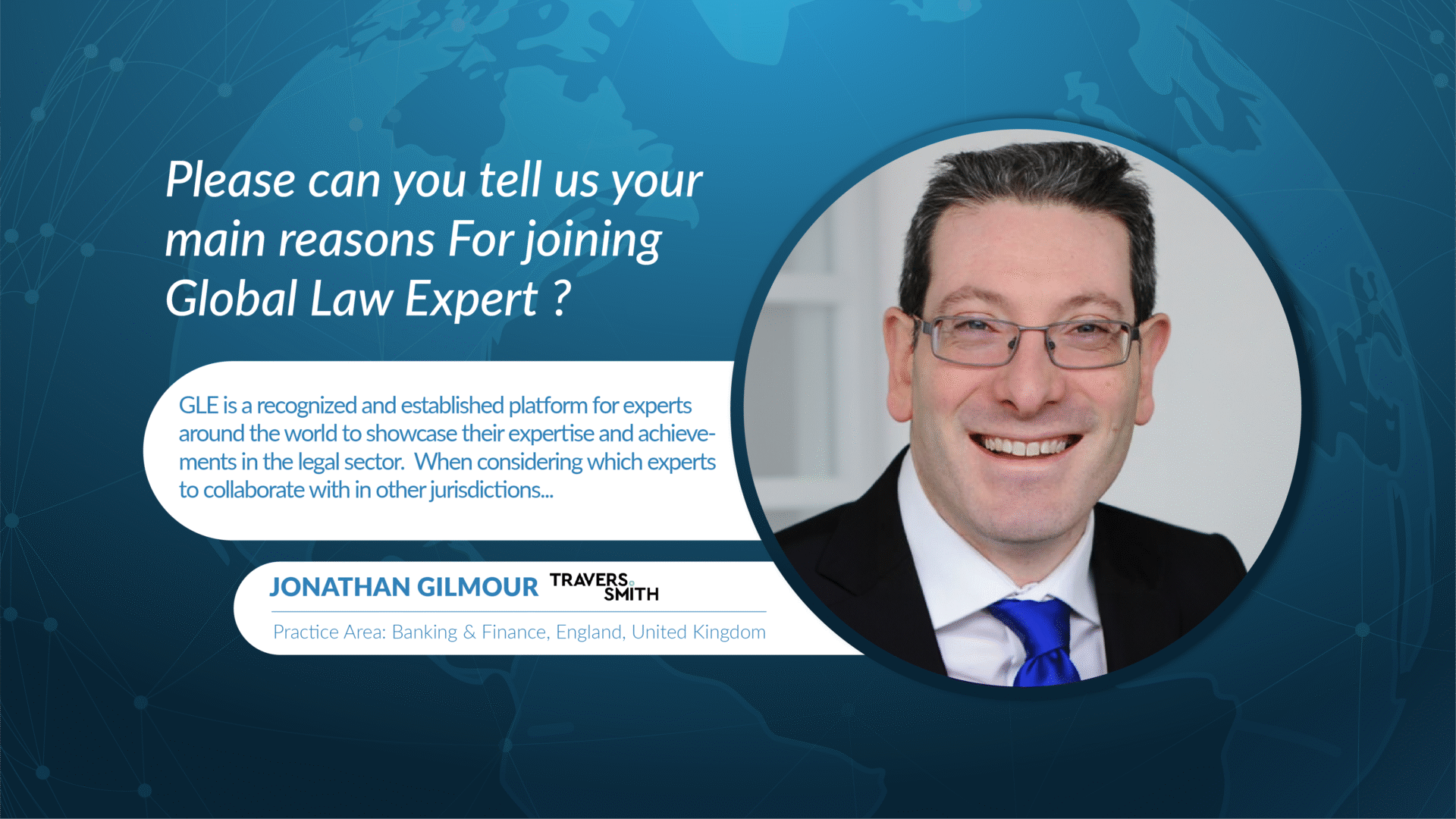
Testimonial-by-Jonathan-Gilmour.png
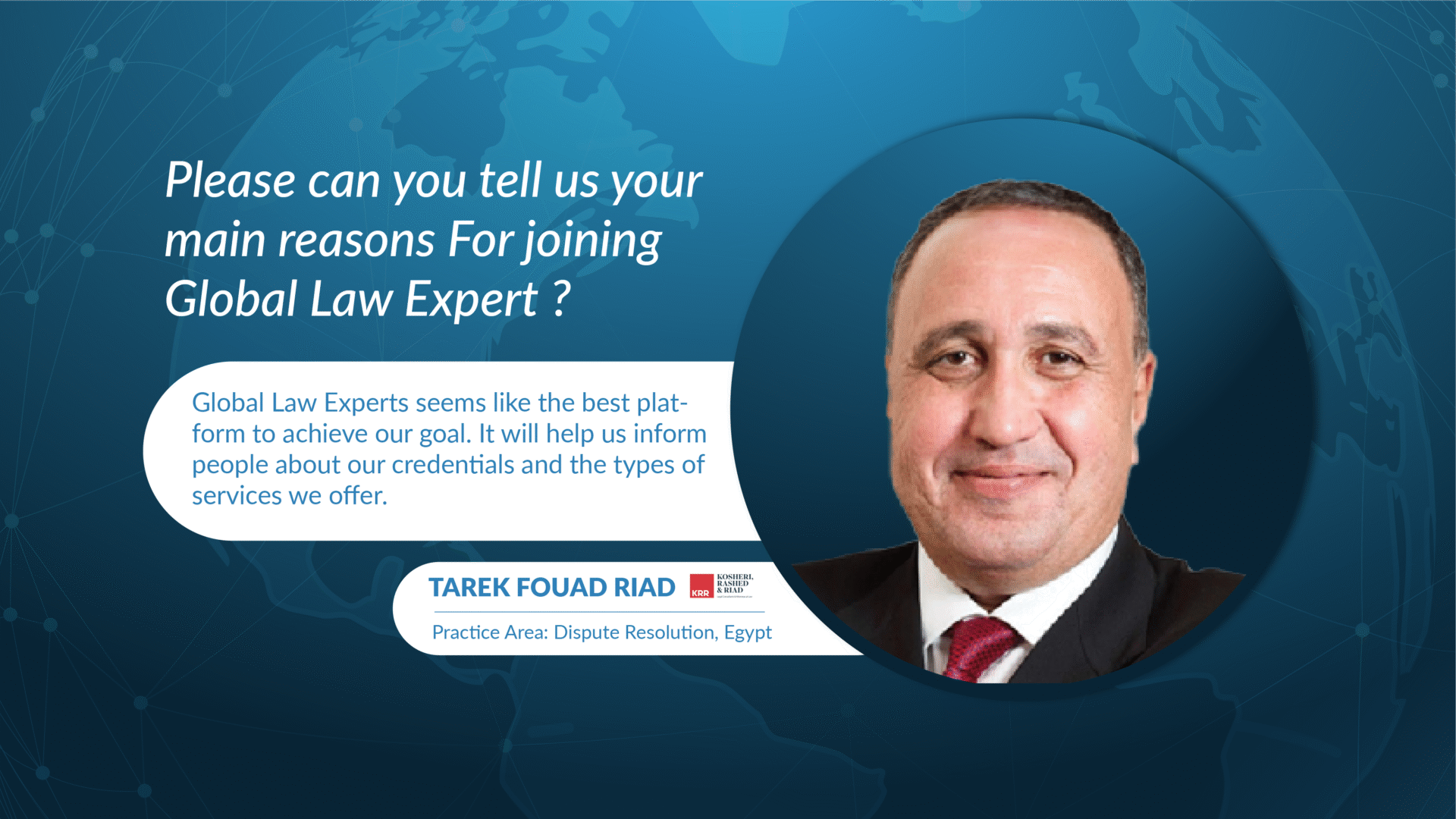
Testimonial-by-Tarek-Fouad-Riad.png
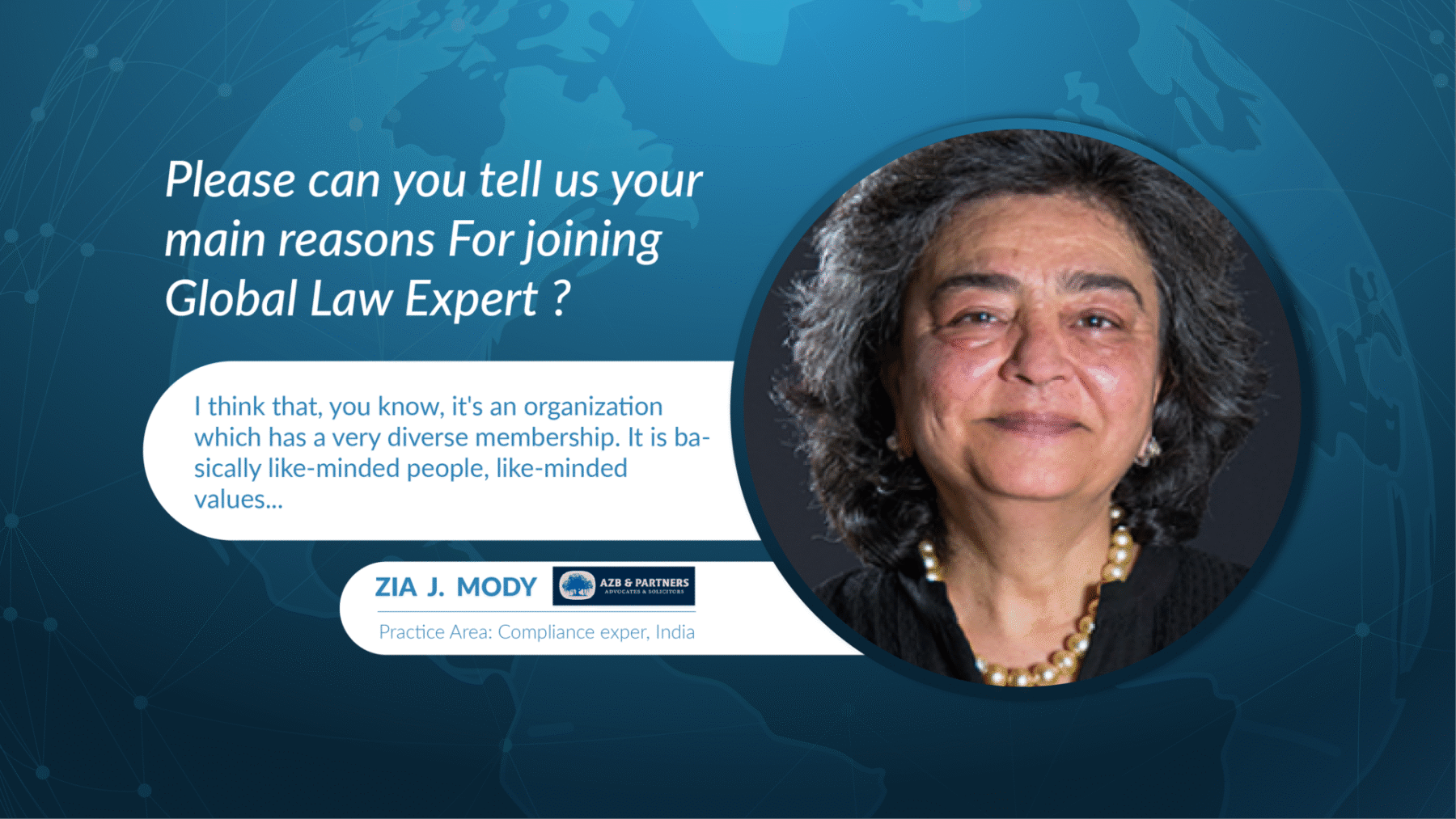
Testimonial-by-Zia-J.-Mody.png
Testimonial-by-Virginie-Tassin-Campanella.png
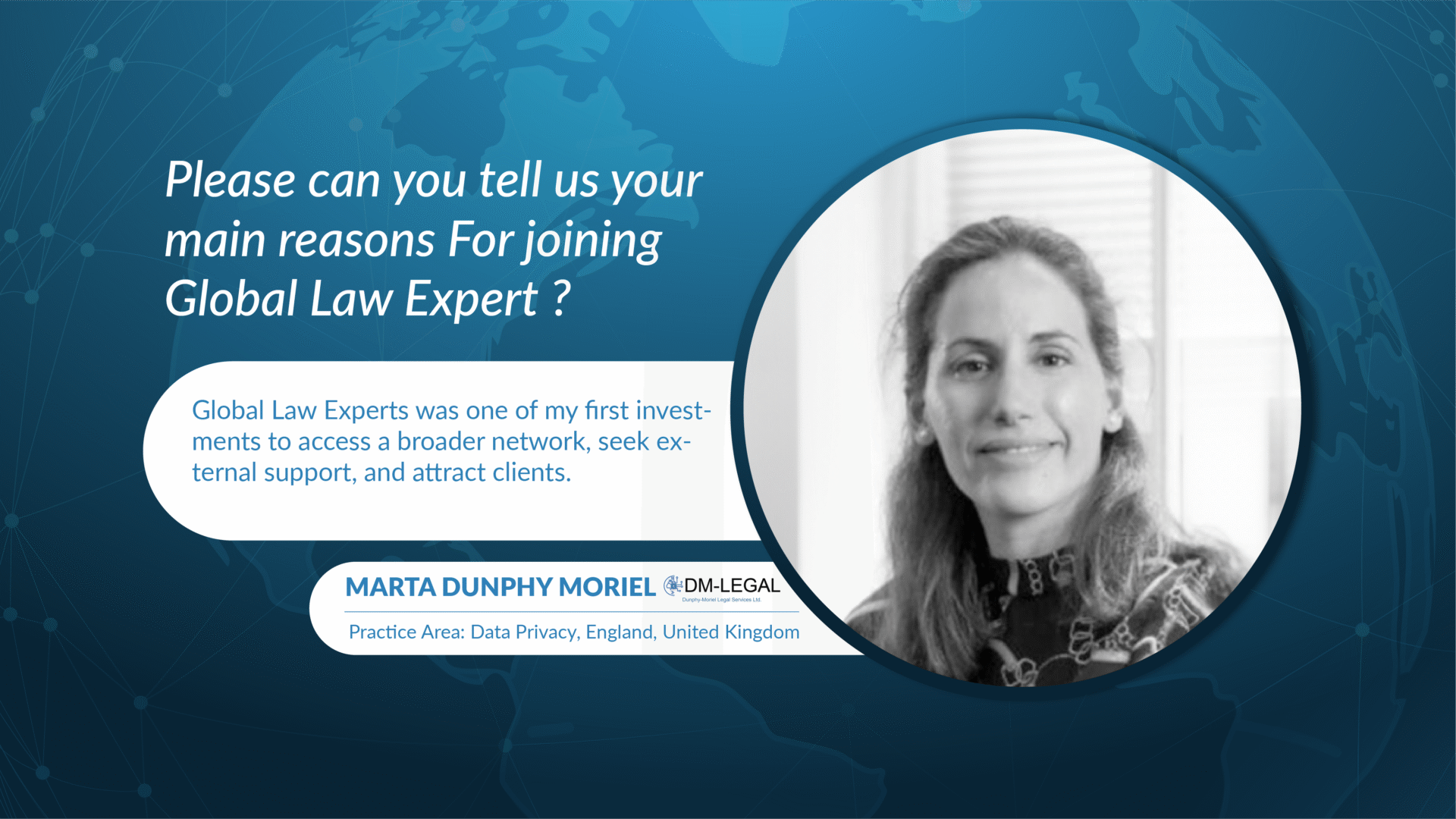
Testimonial-by-Marta-Dunphy-Moriel.png
Testimonial-by-Mario-Alberto-Arias-V.png
Testimonial-by-Lewis-Man.png
Testimonial-by-Kerwin-K.-Tan.png
Testimonial-by-Elena-Sadovskaya.png
Testimonial-by-Charalambos-Papasavvas.png

Investment Funds FAQ's

An Investment Funds lawyer acts as the structural architect for pooled capital, designing the legal entities that allow investors to combine their money for investment purposes. Their primary role is “formation,” which involves drafting the complex web of Limited Partnership Agreements and subscription documents that define the relationship between the fund manager (GP) and the investors (LPs). Beyond the initial launch, they act as regulatory compliance officers, navigating the maze of securities laws—such as the Investment Company Act in the US or AIFMD in Europe—to ensure the fund operates legally while maximizing tax efficiency for its diverse base of global investors.


A Master-Feeder structure is a sophisticated arrangement designed to gather capital from distinct groups of investors—typically US taxable investors and foreign or tax-exempt investors—into separate “feeder” funds that pool their assets into a single “master” fund for trading. This setup is industry standard because it allows the fund manager to execute trades in one central portfolio rather than splitting liquidity across multiple accounts, while simultaneously shielding foreign investors from US tax reporting requirements and allowing US investors to maintain their preferred tax treatment.

Yes, because the PPM is your primary liability shield, not just a marketing brochure. It is a dense legal disclosure document that lists every conceivable risk associated with your strategy—from market volatility to the loss of key personnel—to ensure investors are “informed” before they wire money. If your PPM is vague or omits a material risk that later causes a loss, disgruntled investors can sue you for securities fraud, arguing they were misled; a lawyer ensures these disclosures are robust enough to withstand such litigation.

The choice depends almost entirely on who your investors are and their tax status. Delaware is the gold standard for US taxable investors due to its predictable court system and flow-through tax treatment, while the Cayman Islands is the preferred jurisdiction for foreign and US tax-exempt investors (like pension funds) because it offers tax neutrality and does not impose a second layer of tax on the fund’s returns. A lawyer analyzes your target investor base to often set up both—a Delaware feeder for Americans and a Cayman feeder for the rest of the world—feeding into a central master fund.

Carried Interest (or “carry”) is the performance fee earned by the fund manager—typically 20% of the profits—which is the primary driver of wealth in the industry. A lawyer structures this payout to ensure it is legally classified as “capital gains” rather than ordinary income, which significantly reduces the tax rate the manager pays. They also draft the specific “waterfall” provisions in the partnership agreement that dictate exactly when this fee can be taken, often requiring the manager to return all capital to investors plus a “preferred return” hurdle before they see a dime of profit.

Lawyers act as the gatekeepers of the financial system by enforcing strict “Know Your Customer” (KYC) and “Anti-Money Laundering” (AML) protocols during the subscription process. They review investor questionnaires and background checks to verify the ultimate beneficial owner of the funds, ensuring that the money is not coming from sanctioned entities, terrorists, or criminal organizations. This due diligence is mandatory; failing to spot “dirty money” can result in the fund’s assets being frozen by regulators and the manager facing criminal prosecution.

The core legal difference lies in liquidity and the investment horizon. Hedge Funds are typically “open-ended,” allowing investors to redeem their money quarterly or annually, which forces the lawyer to draft strict notice periods and “gate” provisions to manage cash flow. Private Equity Funds are “closed-ended” illiquid vehicles where investor capital is locked up for 10 years or more, requiring the lawyer to draft complex “capital call” mechanisms where money is drawn down only when a deal is found, rather than being invested all at once.

Yes, winding up is a formal legal process, not just a matter of selling assets and closing the bank account. A lawyer guides the manager through the dissolution to ensure that all creditors are paid in the correct statutory order before any final distributions are made to investors, preventing future clawback lawsuits. They also handle the de-registration of the fund with regulatory bodies like the SEC or CIMA to officially terminate the fund’s existence and stop the clock on ongoing reporting fees and legal liabilities.

Investment Funds FAQ's

An Investment Funds lawyer acts as the structural architect for pooled capital, designing the legal entities that allow investors to combine their money for investment purposes. Their primary role is "formation," which involves drafting the complex web of Limited Partnership Agreements and subscription documents that define the relationship between the fund manager (GP) and the investors (LPs). Beyond the initial launch, they act as regulatory compliance officers, navigating the maze of securities laws—such as the Investment Company Act in the US or AIFMD in Europe—to ensure the fund operates legally while maximizing tax efficiency for its diverse base of global investors.

A Master-Feeder structure is a sophisticated arrangement designed to gather capital from distinct groups of investors—typically US taxable investors and foreign or tax-exempt investors—into separate "feeder" funds that pool their assets into a single "master" fund for trading. This setup is industry standard because it allows the fund manager to execute trades in one central portfolio rather than splitting liquidity across multiple accounts, while simultaneously shielding foreign investors from US tax reporting requirements and allowing US investors to maintain their preferred tax treatment.

Yes, because the PPM is your primary liability shield, not just a marketing brochure. It is a dense legal disclosure document that lists every conceivable risk associated with your strategy—from market volatility to the loss of key personnel—to ensure investors are "informed" before they wire money. If your PPM is vague or omits a material risk that later causes a loss, disgruntled investors can sue you for securities fraud, arguing they were misled; a lawyer ensures these disclosures are robust enough to withstand such litigation.

The choice depends almost entirely on who your investors are and their tax status. Delaware is the gold standard for US taxable investors due to its predictable court system and flow-through tax treatment, while the Cayman Islands is the preferred jurisdiction for foreign and US tax-exempt investors (like pension funds) because it offers tax neutrality and does not impose a second layer of tax on the fund's returns. A lawyer analyzes your target investor base to often set up both—a Delaware feeder for Americans and a Cayman feeder for the rest of the world—feeding into a central master fund.

Carried Interest (or "carry") is the performance fee earned by the fund manager—typically 20% of the profits—which is the primary driver of wealth in the industry. A lawyer structures this payout to ensure it is legally classified as "capital gains" rather than ordinary income, which significantly reduces the tax rate the manager pays. They also draft the specific "waterfall" provisions in the partnership agreement that dictate exactly when this fee can be taken, often requiring the manager to return all capital to investors plus a "preferred return" hurdle before they see a dime of profit.

Lawyers act as the gatekeepers of the financial system by enforcing strict "Know Your Customer" (KYC) and "Anti-Money Laundering" (AML) protocols during the subscription process. They review investor questionnaires and background checks to verify the ultimate beneficial owner of the funds, ensuring that the money is not coming from sanctioned entities, terrorists, or criminal organizations. This due diligence is mandatory; failing to spot "dirty money" can result in the fund's assets being frozen by regulators and the manager facing criminal prosecution.

The core legal difference lies in liquidity and the investment horizon. Hedge Funds are typically "open-ended," allowing investors to redeem their money quarterly or annually, which forces the lawyer to draft strict notice periods and "gate" provisions to manage cash flow. Private Equity Funds are "closed-ended" illiquid vehicles where investor capital is locked up for 10 years or more, requiring the lawyer to draft complex "capital call" mechanisms where money is drawn down only when a deal is found, rather than being invested all at once.

Yes, winding up is a formal legal process, not just a matter of selling assets and closing the bank account. A lawyer guides the manager through the dissolution to ensure that all creditors are paid in the correct statutory order before any final distributions are made to investors, preventing future clawback lawsuits. They also handle the de-registration of the fund with regulatory bodies like the SEC or CIMA to officially terminate the fund's existence and stop the clock on ongoing reporting fees and legal liabilities.

Join
who are already getting the benefits
0
Sign up for the latest legal briefings and news within Global Law Experts’ community, as well as a whole host of features, editorial and conference updates direct to your email inbox. Naturally you can unsubscribe at any time.
Newsletter Sign Up
About Us

Global Law Experts is dedicated to providing exceptional legal services to clients around the world. With a vast network of highly skilled and experienced lawyers, we are committed to delivering innovative and tailored solutions to meet the diverse needs of our clients in various jurisdictions.

Global Law Experts App

Now Available on the App & Google Play Stores.

Social Posts
[wp_social_ninja id="50714" platform="instagram"]

See More:

Contact Us

Stay Informed

Join Mailing List
About Us

Global Law Experts is dedicated to providing exceptional legal services to clients around the world. With a vast network of highly skilled and experienced lawyers, we are committed to delivering innovative and tailored solutions to meet the diverse needs of our clients in various jurisdictions.

Social Posts
[wp_social_ninja id="50714" platform="instagram"]

See More:

Global Law Experts App

Now Available on the App & Google Play Stores.

Contact Us

Stay Informed

Join Mailing List

GLE

Lawyer Profile Page - Lead Capture
GLE-Logo-White
Lawyer Profile Page - Lead Capture
Photo-poman13-1.png

Christopher Griffin

Send welcome message

Custom Message