[codicts-css-switcher id=”346″]

Global Law Experts Logo

International Tax Lawyers Worldwide.

Global Law Experts

Meet Our International Tax Lawyers

Discover award-winning International Tax lawyers worldwide on Global Law Experts. Connect with independent legal experts in International Tax today.

Legal
Country
International Tax
Legal
Country
International Tax
7 results

Nicolas Duboille

  • GOLD

Email:

Phone:

+33611*****

Nicolas Duboille

  • GOLD
International Tax Law in United Arab Emirates
  • Sumerson
  • GOLD

Arnaud Tailfer

  • GOLD

Email:

Phone:

+33645*****

Arnaud Tailfer

  • GOLD
International Tax Law in France
  • Axtead
  • GOLD

Sabine Leuschner

  • GOLD

Email:

Phone:

+ 33 6*****
Lawyer posing confidently in professional attire, seated in a legal office setting.
  • GOLD
Lawyer posing confidently in professional attire, seated in a legal office setting.

Sabine Leuschner

  • GOLD

Sabine Leuschner

  • GOLD
International Tax Law in Germany
  • Kanzlei Leuschner
  • GOLD

Yasushi Katayama

  • GOLD

Email:

Phone:

03-682*****
Photo-otman40.png
Logo-probitas28.png
Photo-otman40.png
Photo-otman40.png

Yasushi Katayama

  • GOLD

Yasushi Katayama

  • GOLD
International Tax Law in Japan
  • Probitas international tax services

Marjorie Rawls Roberts

  • GOLD

Email:

Phone:

340-77*****
Marjorie Rawls Roberts

Marjorie Rawls Roberts

  • GOLD

Marjorie Rawls Roberts

  • GOLD
International Tax Law in US Virgin Islands
  • Marjorie Rawls Roberts, PC Attorneys at Law

Sandip Mukherjee

  • GOLD

Email:

Phone:

+91 80*****
Sandip Mukherjee
Fox Mandal
Sandip Mukherjee

Sandip Mukherjee

  • GOLD
International Tax Law in India
  • Fox Mandal

Paul J. D'Alessandro, Jr.

  • GOLD

Email:

Phone:

305-35*****
Paul J. D'Alessandro
Bilzin Sumberg
Paul J. D'Alessandro

Paul J. D'Alessandro, Jr.

Bilzin Sumberg
Paul J. D'Alessandro

Paul J. D'Alessandro, Jr.

  • GOLD

Paul J. D'Alessandro, Jr.

  • GOLD
International Tax Law in USA
  • Bilzin Sumberg

International Tax News

Find Expert International Tax Lawyers Through Global Law Experts

Master Cross-Border Complexity with Expert International Tax Counsel

International tax law governs the fiscal obligations of individuals and corporations operating across sovereign borders, addressing the friction between different national tax systems. This practice is centered on the interplay between residence-based taxation (taxing worldwide income) and source-based taxation (taxing income where it is generated). Attorneys provide the essential framework for navigating Double Taxation Avoidance Agreements (DTAAs), managing transfer pricing compliance to ensure “arm’s length” transactions, and implementing the OECD’s Base Erosion and Profit Shifting (BEPS) standards to mitigate global tax risks.

Global Law Experts connects you with premier international tax specialists who possess the technical depth required to manage high-stakes cross-border structuring. These lawyers are established experts within their own fields, offering the tactical foresight needed to handle Controlled Foreign Corporation (CFC) rules, permanent establishment (PE) risk assessments, and the complexities of digital services taxes. Whether you are a multinational enterprise optimizing your global effective tax rate or a high-net-worth individual managing a multi-jurisdictional estate, they provide the strategic advocacy needed to ensure total compliance while protecting your global financial position.

International Tax Related Videos

Professional International Tax Help You Can Trust

We will help match you with a qualified International Tax law specialist who can offer reliable advice, clarify your options, and guide you through the next steps in the legal process.
Main Lead Capture Form - Home

Every GLE member is independently vetted by practice area and jurisdiction.

Client Success Stories

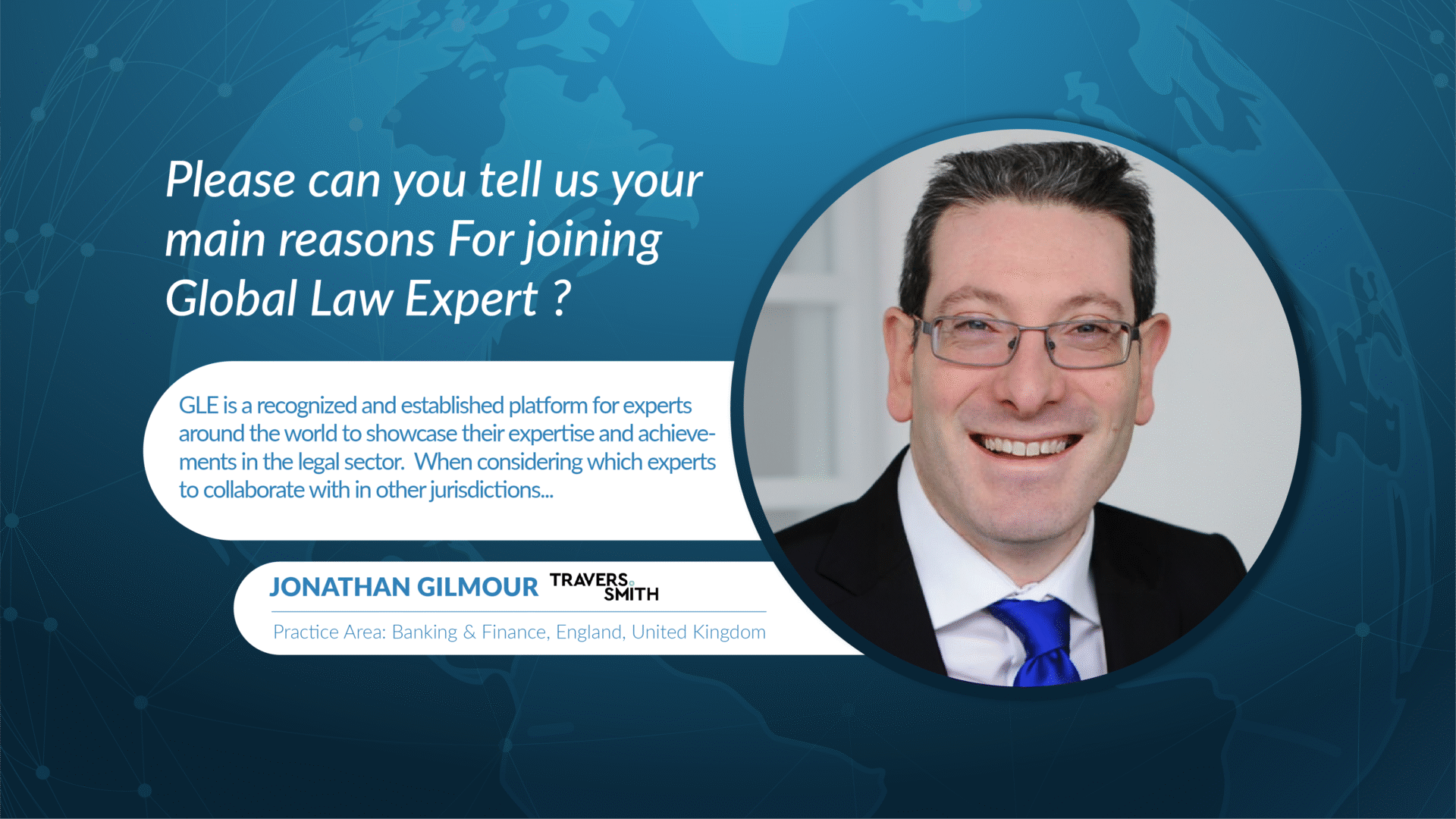
Testimonial-by-Jonathan-Gilmour.png
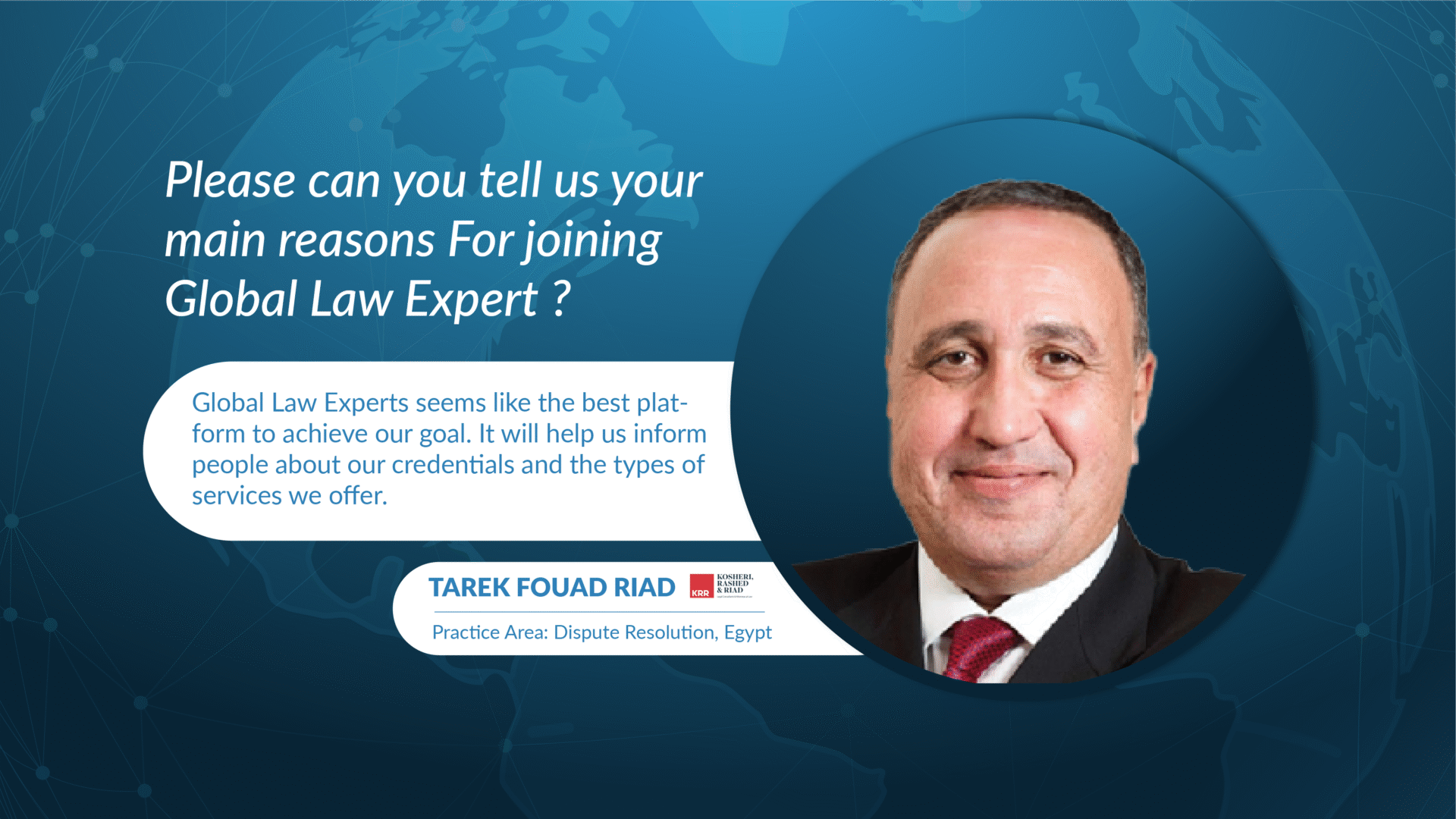
Testimonial-by-Tarek-Fouad-Riad.png
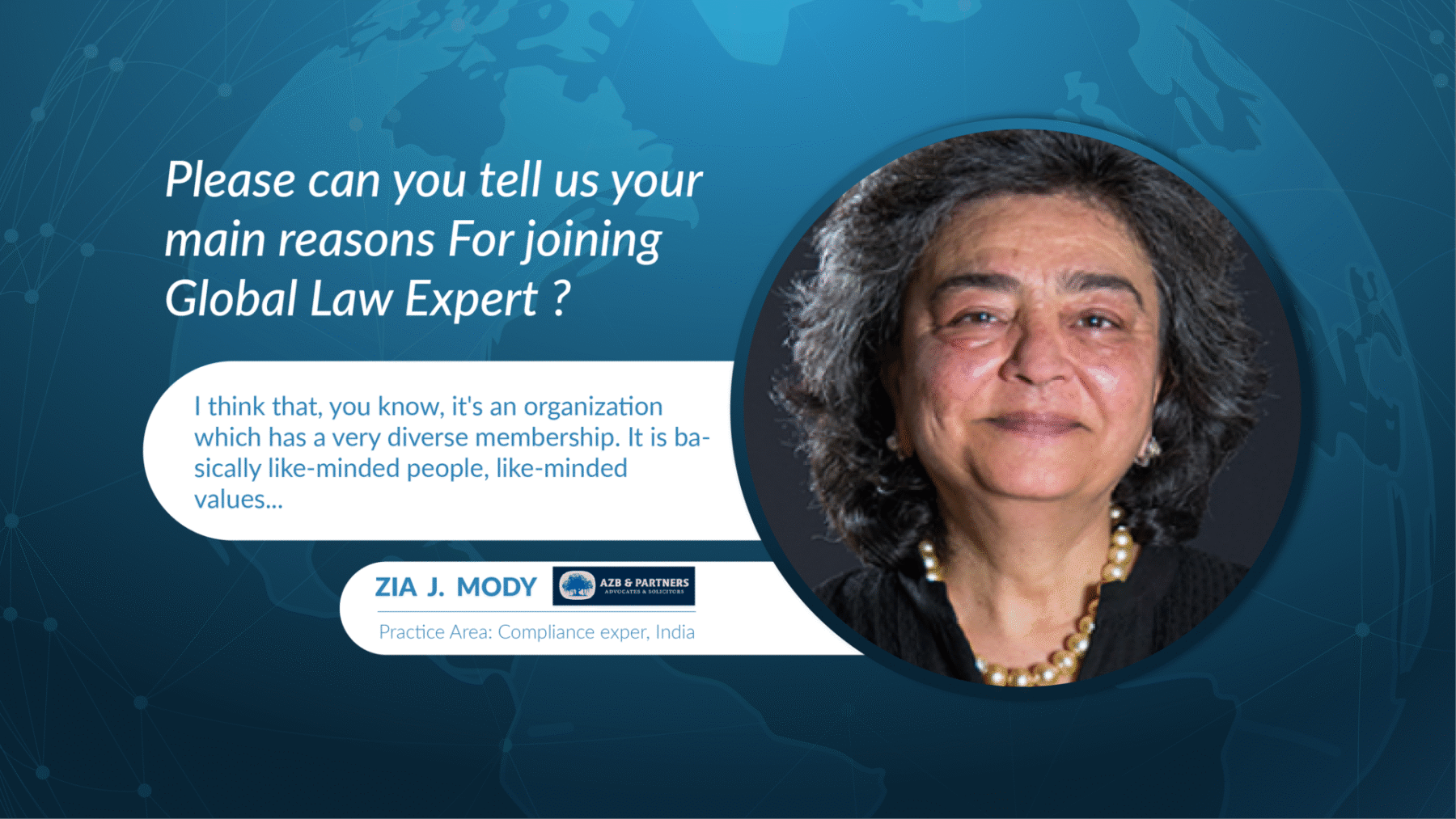
Testimonial-by-Zia-J.-Mody.png
Testimonial-by-Virginie-Tassin-Campanella.png
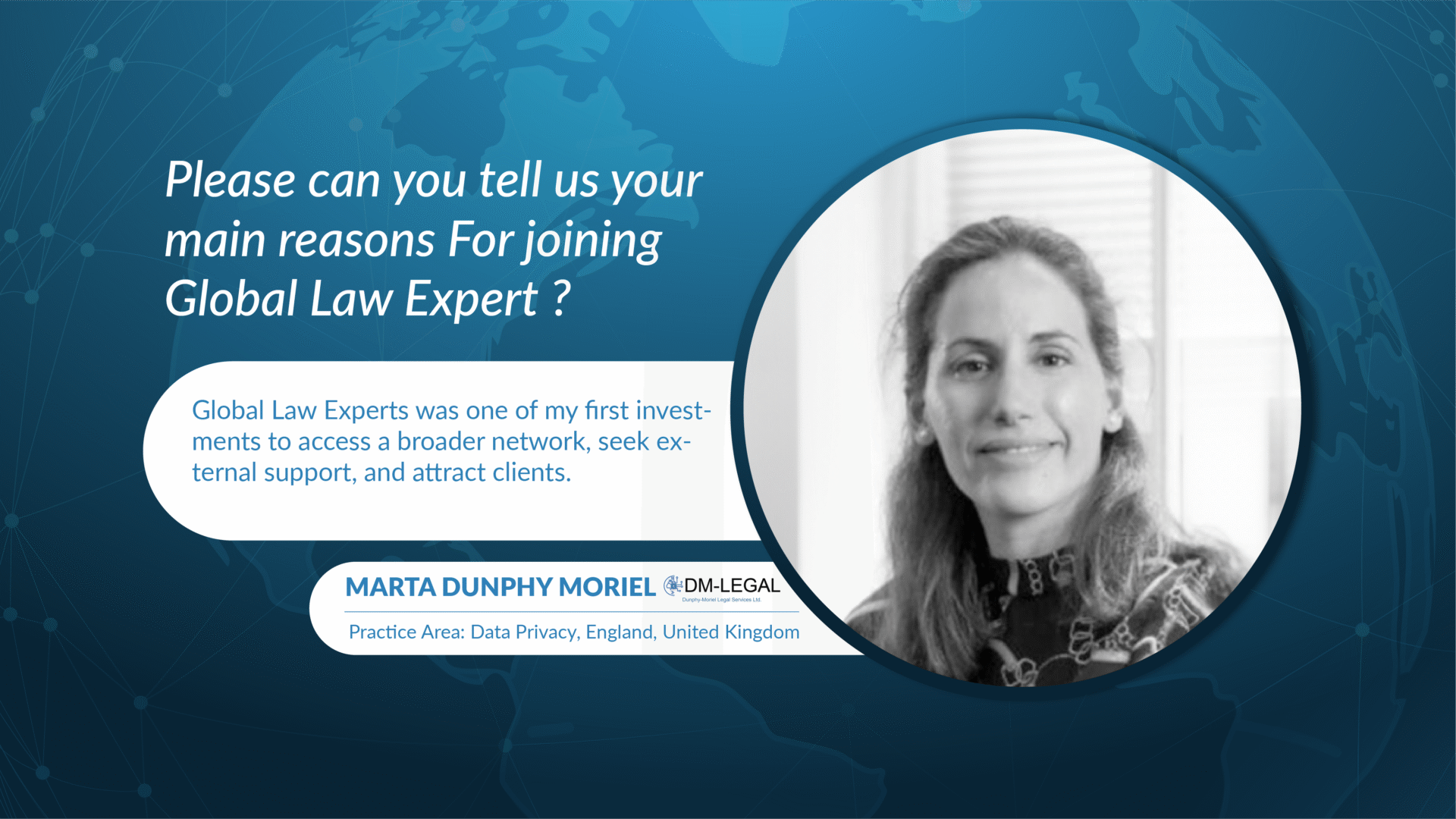
Testimonial-by-Marta-Dunphy-Moriel.png
Testimonial-by-Mario-Alberto-Arias-V.png
Testimonial-by-Lewis-Man.png
Testimonial-by-Kerwin-K.-Tan.png
Testimonial-by-Elena-Sadovskaya.png
Testimonial-by-Charalambos-Papasavvas.png

International Tax FAQ's

An International Tax lawyer navigates the complex web of tax laws that apply when money or people cross borders. For individuals, they manage “pre-immigration planning” to minimize tax exposure before moving to a new country and handle “expatriation” taxes if giving up citizenship. For businesses, they structure cross-border mergers, design global supply chains to optimize the “effective tax rate,” and defend against aggressive audits by foreign tax authorities. Their primary goal is to ensure you comply with reporting obligations while legally minimizing the global tax bill.

Tax residency is rarely just about days spent in a country; it hinges on your “Center of Vital Interests.” While many countries use the “183-day rule” (if you stay longer, you are a resident), lawyers also analyze qualitative factors like where your family lives, where your permanent home is available, and where your primary economic activity occurs. If two countries both claim you as a resident, a lawyer applies the “Tie-Breaker Rules” found in tax treaties to force a decision, ensuring you are only fully taxable in one jurisdiction.

A Double Taxation Treaty (DTT) is an agreement between two nations to prevent the same income from being taxed twice. Without it, you might pay income tax in the country where you earned the money and again in your home country. A lawyer uses the DTT to claim “Foreign Tax Credits” (offsetting what you paid abroad against your home tax bill) or to secure reduced “withholding tax” rates on dividends, interest, and royalties, effectively lowering the cost of moving money between countries.

Transfer pricing rules require that when two parts of the same company trade with each other (e.g., a US parent selling goods to a German subsidiary), they must charge a price that reflects the “Arm’s Length Principle”—essentially the market price strangers would pay. A lawyer works with economists to draft “Transfer Pricing Documentation” that proves your inter-company prices are fair. If you fail to do this, tax authorities can arbitrarily adjust your profits and impose massive penalties for “profit shifting.”

Under regimes like FATCA (for the US) and the Common Reporting Standard (CRS, for the rest of the world), financial privacy is effectively dead. Banks automatically share your account data with tax authorities. A lawyer ensures you file the necessary forms—like the FBAR in the US—to report these accounts. Failure to report is often a strict liability offense with penalties that can exceed 50% of the account balance, even if no tax was actually owed on the money.

Yes, but the days of simple “shell companies” are over. Lawyers now structure “Holding Companies” in jurisdictions with favorable treaty networks (like Ireland, Singapore, or the Netherlands) to hold IP or assets. However, they must ensure these entities have “Economic Substance”—real employees, offices, and decision-making power. If a lawyer sets up a “letterbox” company with no substance solely to avoid tax, authorities will “look through” the structure and tax the parent company directly.


BEPS refers to the OECD’s global crackdown on tax avoidance strategies that artificially shift profits to low-tax or no-tax locations. The legal risk is that aggressive tax structures that were legal ten years ago are now being dismantled by new laws (like the Global Minimum Tax). A lawyer conducts a “BEPS Health Check” to identify if your current structure relies on “hybrid mismatches” or “treaty abuse” that could trigger audits, reputational damage, or retroactive tax bills under these new global standards.

Moving profit from a foreign subsidiary back to the parent company (repatriation) often triggers “Withholding Tax” on dividends. A lawyer analyzes the most tax-efficient method to move this cash. Instead of just declaring a dividend, they might structure the payment as a “Royalty” for IP use, a “Management Fee” for shared services, or an “Intercompany Loan” repayment. Each method has different tax consequences, and a lawyer ensures the chosen path minimizes leakage while complying with local “thin capitalization” rules.

International Tax FAQ's

An International Tax lawyer navigates the complex web of tax laws that apply when money or people cross borders. For individuals, they manage "pre-immigration planning" to minimize tax exposure before moving to a new country and handle "expatriation" taxes if giving up citizenship. For businesses, they structure cross-border mergers, design global supply chains to optimize the "effective tax rate," and defend against aggressive audits by foreign tax authorities. Their primary goal is to ensure you comply with reporting obligations while legally minimizing the global tax bill.

Tax residency is rarely just about days spent in a country; it hinges on your "Center of Vital Interests." While many countries use the "183-day rule" (if you stay longer, you are a resident), lawyers also analyze qualitative factors like where your family lives, where your permanent home is available, and where your primary economic activity occurs. If two countries both claim you as a resident, a lawyer applies the "Tie-Breaker Rules" found in tax treaties to force a decision, ensuring you are only fully taxable in one jurisdiction.

A Double Taxation Treaty (DTT) is an agreement between two nations to prevent the same income from being taxed twice. Without it, you might pay income tax in the country where you earned the money and again in your home country. A lawyer uses the DTT to claim "Foreign Tax Credits" (offsetting what you paid abroad against your home tax bill) or to secure reduced "withholding tax" rates on dividends, interest, and royalties, effectively lowering the cost of moving money between countries.

Transfer pricing rules require that when two parts of the same company trade with each other (e.g., a US parent selling goods to a German subsidiary), they must charge a price that reflects the "Arm's Length Principle"—essentially the market price strangers would pay. A lawyer works with economists to draft "Transfer Pricing Documentation" that proves your inter-company prices are fair. If you fail to do this, tax authorities can arbitrarily adjust your profits and impose massive penalties for "profit shifting."

Under regimes like FATCA (for the US) and the Common Reporting Standard (CRS, for the rest of the world), financial privacy is effectively dead. Banks automatically share your account data with tax authorities. A lawyer ensures you file the necessary forms—like the FBAR in the US—to report these accounts. Failure to report is often a strict liability offense with penalties that can exceed 50% of the account balance, even if no tax was actually owed on the money.

Yes, but the days of simple "shell companies" are over. Lawyers now structure "Holding Companies" in jurisdictions with favorable treaty networks (like Ireland, Singapore, or the Netherlands) to hold IP or assets. However, they must ensure these entities have "Economic Substance"—real employees, offices, and decision-making power. If a lawyer sets up a "letterbox" company with no substance solely to avoid tax, authorities will "look through" the structure and tax the parent company directly.

BEPS refers to the OECD's global crackdown on tax avoidance strategies that artificially shift profits to low-tax or no-tax locations. The legal risk is that aggressive tax structures that were legal ten years ago are now being dismantled by new laws (like the Global Minimum Tax). A lawyer conducts a "BEPS Health Check" to identify if your current structure relies on "hybrid mismatches" or "treaty abuse" that could trigger audits, reputational damage, or retroactive tax bills under these new global standards.

Moving profit from a foreign subsidiary back to the parent company (repatriation) often triggers "Withholding Tax" on dividends. A lawyer analyzes the most tax-efficient method to move this cash. Instead of just declaring a dividend, they might structure the payment as a "Royalty" for IP use, a "Management Fee" for shared services, or an "Intercompany Loan" repayment. Each method has different tax consequences, and a lawyer ensures the chosen path minimizes leakage while complying with local "thin capitalization" rules.

Join
who are already getting the benefits
0
Sign up for the latest legal briefings and news within Global Law Experts’ community, as well as a whole host of features, editorial and conference updates direct to your email inbox. Naturally you can unsubscribe at any time.
Newsletter Sign Up
About Us

Global Law Experts is dedicated to providing exceptional legal services to clients around the world. With a vast network of highly skilled and experienced lawyers, we are committed to delivering innovative and tailored solutions to meet the diverse needs of our clients in various jurisdictions.

Global Law Experts App

Now Available on the App & Google Play Stores.

Social Posts
[wp_social_ninja id="50714" platform="instagram"]

See More:

Contact Us

Stay Informed

Join Mailing List
About Us

Global Law Experts is dedicated to providing exceptional legal services to clients around the world. With a vast network of highly skilled and experienced lawyers, we are committed to delivering innovative and tailored solutions to meet the diverse needs of our clients in various jurisdictions.

Social Posts
[wp_social_ninja id="50714" platform="instagram"]

See More:

Global Law Experts App

Now Available on the App & Google Play Stores.

Contact Us

Stay Informed

Join Mailing List

GLE

Lawyer Profile Page - Lead Capture
GLE-Logo-White
Lawyer Profile Page - Lead Capture
Paul J. D'Alessandro

Paul J. D'Alessandro, Jr.

Send welcome message

Custom Message