Global Law Experts
Lawyers
Countries Covered
Practice Areas
Discover top International Succession lawyers worldwide. Explore independent legal experts recognized by Global Law Experts. Connect with experienced attorneys now.
No results available Reset filters?
International succession law governs the distribution of assets when a deceased person’s estate spans multiple countries or involves heirs residing in different jurisdictions. This complex field addresses the “conflict of laws,” determining whether the law of the deceased’s nationality, habitual residence, or the location of the property (lex situs) takes precedence. Attorneys provide the essential framework for navigating the EU Succession Regulation (Brussels IV), managing the validity of “wills with foreign elements,” and coordinating the administration of assets to avoid the pitfalls of “forced heirship” rules found in many civil law systems.
Global Law Experts connects you with premier international succession specialists who possess the cross-border fluency required to manage delicate family legacies. These lawyers are established experts within their own fields, offering the tactical foresight needed to handle international probate, the recognition of foreign grants of representation, and the mitigation of double inheritance tax. Whether you are a private client seeking to protect global investments through a cohesive estate plan or an executor navigating the administration of a complex multi-jurisdictional estate, they provide the strategic advocacy needed to ensure a seamless transition of wealth across borders.
Every GLE member is independently vetted by practice area and jurisdiction.
Generally, it is highly recommended to have a separate “situs will” for each country where you hold significant assets, particularly real estate. While a single “worldwide will” is theoretically valid, practically, it can face massive administrative delays as it must be validated (probated) in one country, translated, and then re-validated in the next. Separate wills allow the probate process to run concurrently in each jurisdiction, ensuring your family in Spain doesn’t have to wait for a judge in New York to finish their paperwork before accessing the vacation home.

Forced heirship is a rigid legal principle common in Civil Law jurisdictions (like France, Italy, and Japan) and Islamic Law countries, which legally mandates that a specific portion of your estate must pass to your nearest relatives—usually children—regardless of what your will says. If you attempt to leave everything to your spouse or a charity, local courts will override your wishes and redistribute the assets to satisfy these statutory “reserved shares.” A lawyer helps you navigate this by potentially using corporate structures or specific election clauses to bypass these restrictions where legally possible.
The EU Succession Regulation (Brussels IV) is a game-changer for expats owning property in Europe, as it allows you to choose the law of your nationality to govern your entire estate instead of the law of your residence. This means a British citizen living in France can elect for English law to apply to their French assets, effectively bypassing French forced heirship rules and regaining the testamentary freedom to leave assets to whomever they please. However, this election must be explicitly written into your will; otherwise, the default rule applies the law of the country where you habitually lived at death.
Inheritance tax treaties are much rarer than income tax treaties, meaning the risk of double taxation—where both your country of citizenship and the country where the asset is located demand a cut—is very real. A lawyer navigates this by claiming “Unilateral Relief” or specific treaty credits, ensuring that tax paid in the foreign country is deducted from the tax bill in your home country. They may also restructure your assets during your lifetime (e.g., placing foreign property into a company) to convert “situs assets” into non-taxable shares, mitigating the cross-border exposure.
This is determined by “Conflict of Laws” rules, which distinguish between “movable” assets (like bank accounts) and “immovable” assets (like real estate). Generally, succession for real estate is governed by the law of the country where the land is located (lex situs), while movable assets are governed by the law of your domicile or habitual residence at the time of death. This split system can result in a “scission” of the estate, where your bank account is distributed according to New York law while your Paris apartment is distributed according to French law, creating a complex legal patchwork that requires careful coordination.
A lead lawyer acts as the project manager, coordinating with local counsel in each jurisdiction to conduct “ancillary probate” proceedings. They ensure that the primary grant of probate in your home country is properly “resealed” or recognized in the foreign jurisdictions, preventing the need to prove the validity of the will from scratch in every single court. Their role is to synchronize the timing of asset liquidation and tax payments across borders so that liquidity in one country can be used to pay urgent debts in another, preventing the estate from becoming cash-poor and insolvent.
Historically, Civil Law countries do not recognize the concept of a “Trust” because they do not split ownership between a “legal owner” (trustee) and “equitable owner” (beneficiary). Attempting to use a standard Anglo-American trust in countries like France or Germany can be disastrous, often triggering punitively high tax rates or having the trust ignored entirely (opaque vs. transparent treatment). A lawyer assesses whether the specific country has ratified the Hague Trust Convention or if an alternative structure, like a “Usufruct” or a rigorous corporate foundation, is a safer vehicle to achieve similar goals.
In many jurisdictions, accepting an inheritance also means accepting personal liability for the deceased’s debts, which is particularly risky if foreign debts are unclear. A lawyer protects heirs by filing for acceptance “under benefit of inventory” (or the local equivalent), which limits their liability to the value of the inherited assets only. This creates a firewall, ensuring that if the foreign estate is underwater, creditors cannot pursue the heirs’ personal assets or the assets they inherited in their home country to satisfy the debt.
Generally, it is highly recommended to have a separate "situs will" for each country where you hold significant assets, particularly real estate. While a single "worldwide will" is theoretically valid, practically, it can face massive administrative delays as it must be validated (probated) in one country, translated, and then re-validated in the next. Separate wills allow the probate process to run concurrently in each jurisdiction, ensuring your family in Spain doesn't have to wait for a judge in New York to finish their paperwork before accessing the vacation home.

Forced heirship is a rigid legal principle common in Civil Law jurisdictions (like France, Italy, and Japan) and Islamic Law countries, which legally mandates that a specific portion of your estate must pass to your nearest relatives—usually children—regardless of what your will says. If you attempt to leave everything to your spouse or a charity, local courts will override your wishes and redistribute the assets to satisfy these statutory "reserved shares." A lawyer helps you navigate this by potentially using corporate structures or specific election clauses to bypass these restrictions where legally possible.
The EU Succession Regulation (Brussels IV) is a game-changer for expats owning property in Europe, as it allows you to choose the law of your nationality to govern your entire estate instead of the law of your residence. This means a British citizen living in France can elect for English law to apply to their French assets, effectively bypassing French forced heirship rules and regaining the testamentary freedom to leave assets to whomever they please. However, this election must be explicitly written into your will; otherwise, the default rule applies the law of the country where you habitually lived at death.
Inheritance tax treaties are much rarer than income tax treaties, meaning the risk of double taxation—where both your country of citizenship and the country where the asset is located demand a cut—is very real. A lawyer navigates this by claiming "Unilateral Relief" or specific treaty credits, ensuring that tax paid in the foreign country is deducted from the tax bill in your home country. They may also restructure your assets during your lifetime (e.g., placing foreign property into a company) to convert "situs assets" into non-taxable shares, mitigating the cross-border exposure.
This is determined by "Conflict of Laws" rules, which distinguish between "movable" assets (like bank accounts) and "immovable" assets (like real estate). Generally, succession for real estate is governed by the law of the country where the land is located (lex situs), while movable assets are governed by the law of your domicile or habitual residence at the time of death. This split system can result in a "scission" of the estate, where your bank account is distributed according to New York law while your Paris apartment is distributed according to French law, creating a complex legal patchwork that requires careful coordination.
A lead lawyer acts as the project manager, coordinating with local counsel in each jurisdiction to conduct "ancillary probate" proceedings. They ensure that the primary grant of probate in your home country is properly "resealed" or recognized in the foreign jurisdictions, preventing the need to prove the validity of the will from scratch in every single court. Their role is to synchronize the timing of asset liquidation and tax payments across borders so that liquidity in one country can be used to pay urgent debts in another, preventing the estate from becoming cash-poor and insolvent.
Historically, Civil Law countries do not recognize the concept of a "Trust" because they do not split ownership between a "legal owner" (trustee) and "equitable owner" (beneficiary). Attempting to use a standard Anglo-American trust in countries like France or Germany can be disastrous, often triggering punitively high tax rates or having the trust ignored entirely (opaque vs. transparent treatment). A lawyer assesses whether the specific country has ratified the Hague Trust Convention or if an alternative structure, like a "Usufruct" or a rigorous corporate foundation, is a safer vehicle to achieve similar goals.
In many jurisdictions, accepting an inheritance also means accepting personal liability for the deceased's debts, which is particularly risky if foreign debts are unclear. A lawyer protects heirs by filing for acceptance "under benefit of inventory" (or the local equivalent), which limits their liability to the value of the inherited assets only. This creates a firewall, ensuring that if the foreign estate is underwater, creditors cannot pursue the heirs' personal assets or the assets they inherited in their home country to satisfy the debt.
Global Law Experts is dedicated to providing exceptional legal services to clients around the world. With a vast network of highly skilled and experienced lawyers, we are committed to delivering innovative and tailored solutions to meet the diverse needs of our clients in various jurisdictions.
Thinking of buying property in Brazil? Start with a full legal safety net.
✔️ Check title and ownership history
✔️ Verify no debts or disputes
✔️ Confirm zoning and permits.
#BrazilProperty #RealEstateInvesting #LegalDueDiligence #ForeignInvestment #PropertyLaw #GlobalRealEstate #InvestmentRisk #BrazilLaw
When your international business faces financial distress, quick action is key! 🔑 Negotiating with creditors, restructuring debt, and understanding insolvency laws can help regain stability. Global Law Experts is here to guide you through your options.
🌍Explore the details on our website.
🔗Link in bio
#GlobalLawExperts #CommercialLaw #BusinessLaw #LegalAdvice #BusinessGrowth #LegalTips #BusinessStrategy #LegalCompliance #Law #LegalKnowledge #LegalAwareness #Law101 #LegalEducation #IntellectualProperty
Thinking of buying property in Brazil? Don’t stop at the contract or key handover. Make sure the title is officially registered before calling it yours.
#BrazilRealEstate #PropertyLaw #GlobalInvestment #ForeignInvestors #LegalTips #DueDiligence #RealEstateRegistration #SecureInvestment
Getting a termination notice right now? Know your rights. Valid reason, fair process, proper notice they matter. Don’t let a bad dismissal walk away without accountability.
#EmploymentLaw #WorkerRights #Termination #LaborLaw #FairDismissal #WorkplaceJustice #LegalAwareness #GlobalWorkforce
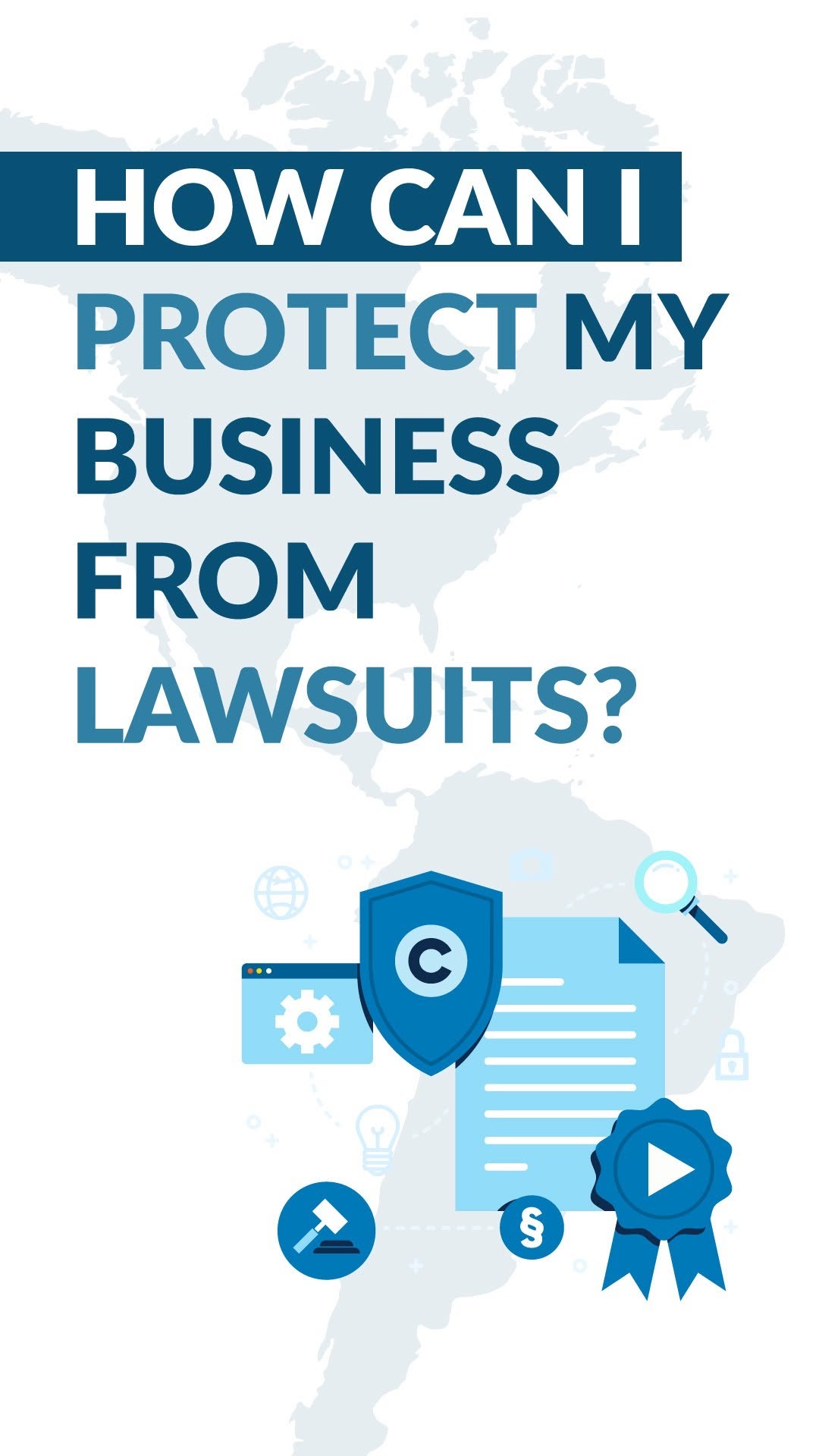
Running a business is hard enough — lawsuits shouldn’t make it harder. 🚫 Protect your business with the right legal strategies and expert tools from Global Law Experts. Let’s secure your future together! 💼
🌍Explore the details on our website.
➡️www.globallawexperts.com
#GlobalLawExperts #CommercialLaw #BusinessLaw #LegalAdvice #BusinessGrowth #LegalTips #BusinessStrategy #LegalCompliance #Law #LegalKnowledge #LegalAwareness #Law101 #LegalEducation #IntellectualProperty #Infringed #Ecommerce #LegalBranding
Global Law Experts is dedicated to providing exceptional legal services to clients around the world. With a vast network of highly skilled and experienced lawyers, we are committed to delivering innovative and tailored solutions to meet the diverse needs of our clients in various jurisdictions.
Thinking of buying property in Brazil? Start with a full legal safety net.
✔️ Check title and ownership history
✔️ Verify no debts or disputes
✔️ Confirm zoning and permits.
#BrazilProperty #RealEstateInvesting #LegalDueDiligence #ForeignInvestment #PropertyLaw #GlobalRealEstate #InvestmentRisk #BrazilLaw
When your international business faces financial distress, quick action is key! 🔑 Negotiating with creditors, restructuring debt, and understanding insolvency laws can help regain stability. Global Law Experts is here to guide you through your options.
🌍Explore the details on our website.
🔗Link in bio
#GlobalLawExperts #CommercialLaw #BusinessLaw #LegalAdvice #BusinessGrowth #LegalTips #BusinessStrategy #LegalCompliance #Law #LegalKnowledge #LegalAwareness #Law101 #LegalEducation #IntellectualProperty
Thinking of buying property in Brazil? Don’t stop at the contract or key handover. Make sure the title is officially registered before calling it yours.
#BrazilRealEstate #PropertyLaw #GlobalInvestment #ForeignInvestors #LegalTips #DueDiligence #RealEstateRegistration #SecureInvestment
Getting a termination notice right now? Know your rights. Valid reason, fair process, proper notice they matter. Don’t let a bad dismissal walk away without accountability.
#EmploymentLaw #WorkerRights #Termination #LaborLaw #FairDismissal #WorkplaceJustice #LegalAwareness #GlobalWorkforce
Running a business is hard enough — lawsuits shouldn’t make it harder. 🚫 Protect your business with the right legal strategies and expert tools from Global Law Experts. Let’s secure your future together! 💼
🌍Explore the details on our website.
➡️www.globallawexperts.com
#GlobalLawExperts #CommercialLaw #BusinessLaw #LegalAdvice #BusinessGrowth #LegalTips #BusinessStrategy #LegalCompliance #Law #LegalKnowledge #LegalAwareness #Law101 #LegalEducation #IntellectualProperty #Infringed #Ecommerce #LegalBranding
Send welcome message