[codicts-css-switcher id=”346″]

Global Law Experts Logo

International M&A Lawyers Worldwide.

Global Law Experts

Meet Our International M&A Lawyers

Discover top-rated International M&A lawyers in our independent legal directory. Connect with recognized experts worldwide at Global Law Experts.

Legal
Country
International M&A
Legal
Country
International M&A
3 results

Andreea Calciu

  • GOLD

Email:

Phone:

+40 73*****
Legal professional reviewing case documents at a law firm desk with a laptop and legal books nearby.
Law firm logo featuring the name "Sioufas & Colaboratorii" and the phrase "Societate de avocați" in a clean design.
Legal professional reviewing case documents at a law firm desk with a laptop and legal books nearby.

Andreea Calciu

  • GOLD

Andreea Calciu

  • GOLD
International M&A Law in Romania
  • Sioufas & Associates Law Firm
  • GOLD

Piero Marchelli

  • GOLD

Email:

Phone:

+39 34*****
Piero Marchelli
League – The Legal Hub
Piero Marchelli
Piero Marchelli

Piero Marchelli

  • GOLD

Piero Marchelli

  • GOLD
International M&A Law in Italy
  • League – The Legal Hub

Kaushalya Venkataraman

  • GOLD

Email:

Phone:

+91971*****
  • GOLD

Kaushalya Venkataraman

  • GOLD

Kaushalya Venkataraman

  • GOLD
International M&A Law in India
  • Chandhiok & Mahajan Advocates And Solicitors
  • GOLD

International M&A News

Find Expert International M&A Lawyers Through Global Law Experts

Orchestrate Global Synergies with Expert International M&A Counsel

International Mergers and Acquisitions (M&A) involve the consolidation of companies or assets across sovereign borders, adding layers of jurisdictional, regulatory, and cultural complexity to the standard deal lifecycle. These transactions are pivotal for companies seeking to enter new markets, acquire foreign technology, or achieve global scale. Attorneys provide the essential framework for navigating “choice of law” clauses, managing cross-border due diligence, and ensuring compliance with disparate antitrust and foreign direct investment (FDI) regimes, such as CFIUS in the United States or the NSI Act in the UK.

Global Law Experts connects you with premier international M&A specialists who possess the geopolitical insight required to execute complex outbound and inbound investments. These lawyers are established experts within their own fields, offering the tactical foresight needed to handle multi-currency financing, international employment transfers, and the harmonization of intellectual property rights across various territories. Whether you are a multinational corporation pursuing a transformative global merger or a private equity firm executing a “buy-and-build” strategy across continents, they provide the strategic advocacy needed to bridge the gap between different legal systems and ensure deal certainty.

Professional International M&A Help You Can Trust

We will help match you with a qualified International M&A law specialist who can offer reliable advice, clarify your options, and guide you through the next steps in the legal process.
Main Lead Capture Form - Home

Every GLE member is independently vetted by practice area and jurisdiction.

Client Success Stories

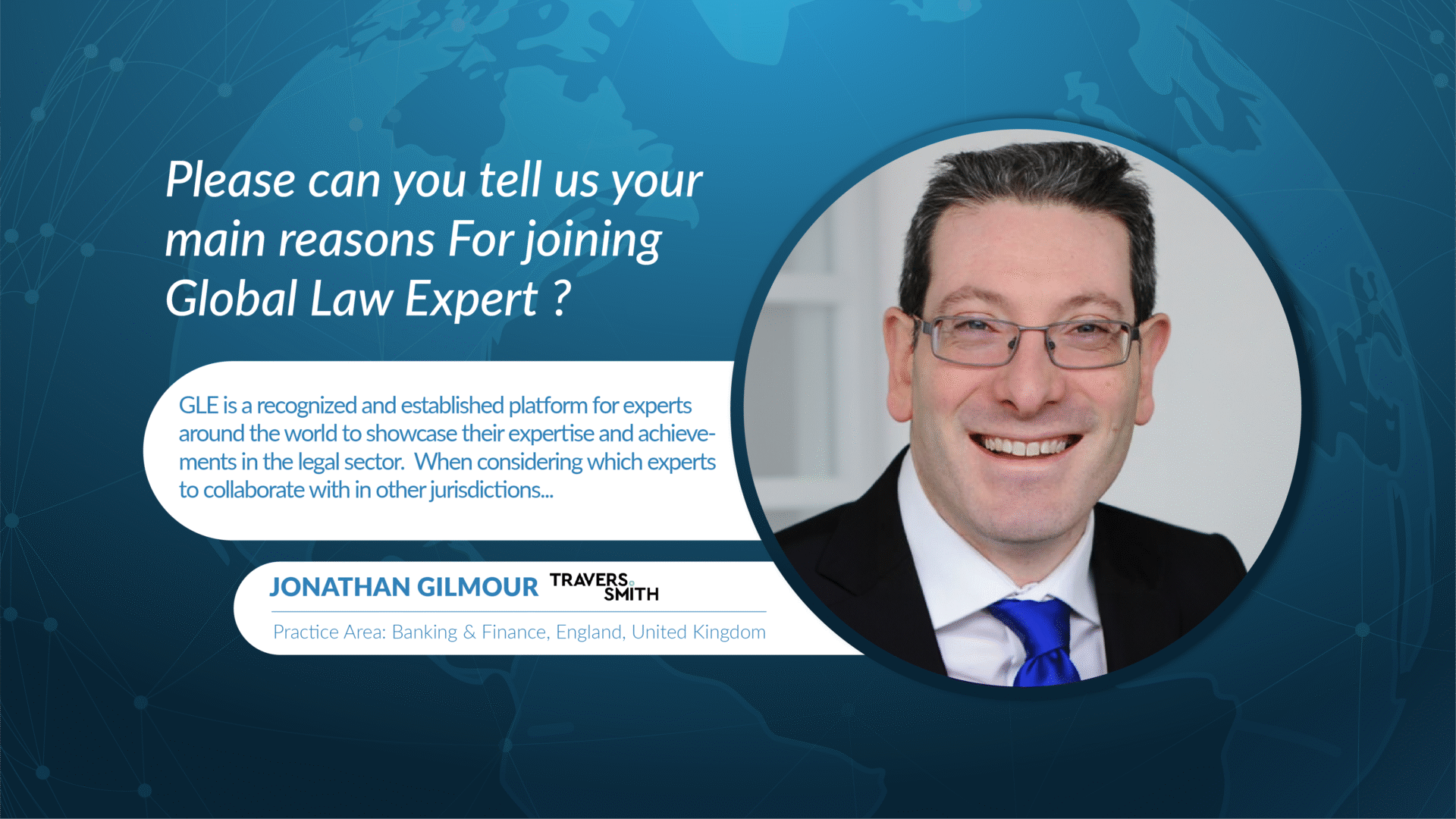
Testimonial-by-Jonathan-Gilmour.png
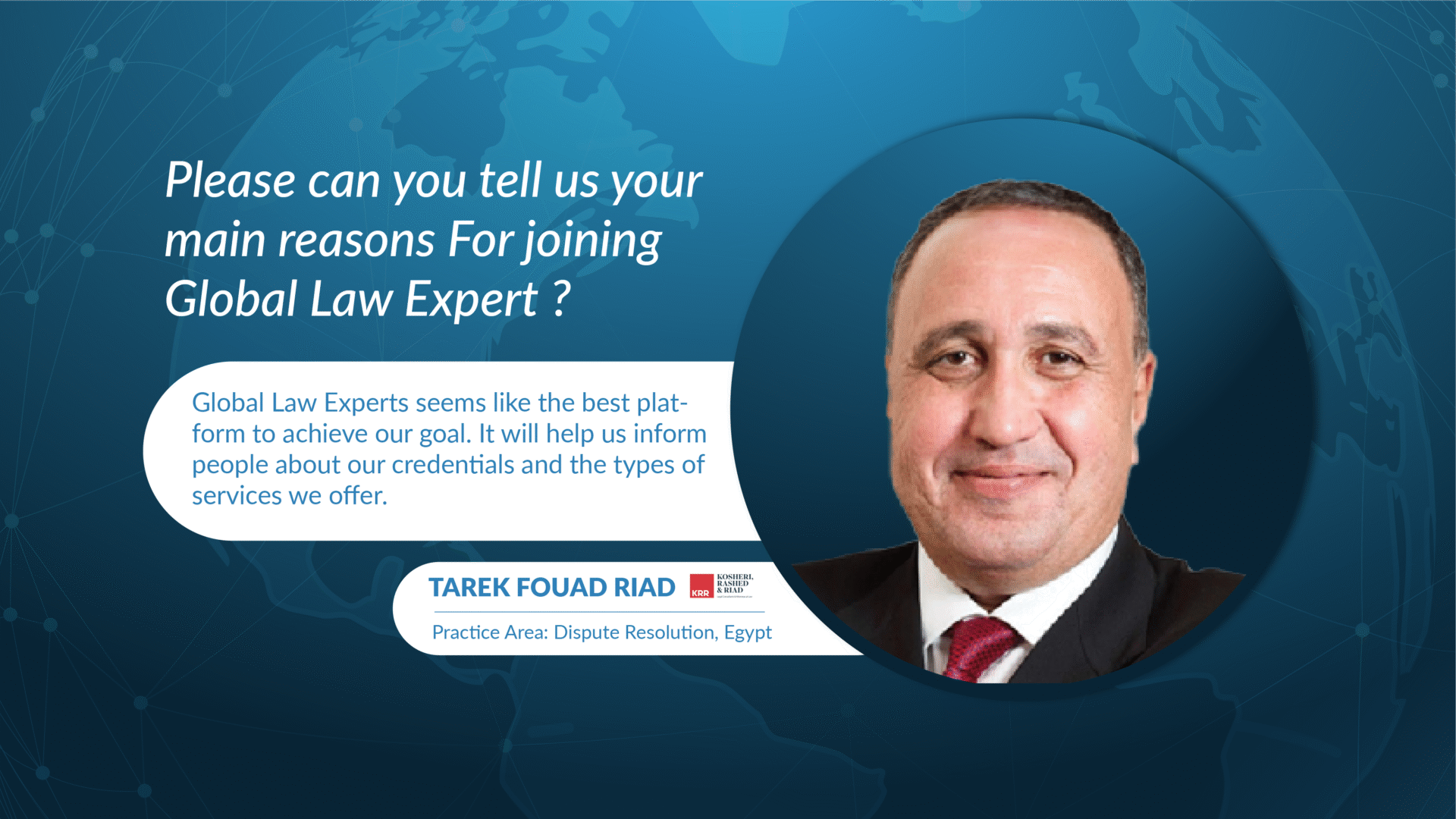
Testimonial-by-Tarek-Fouad-Riad.png
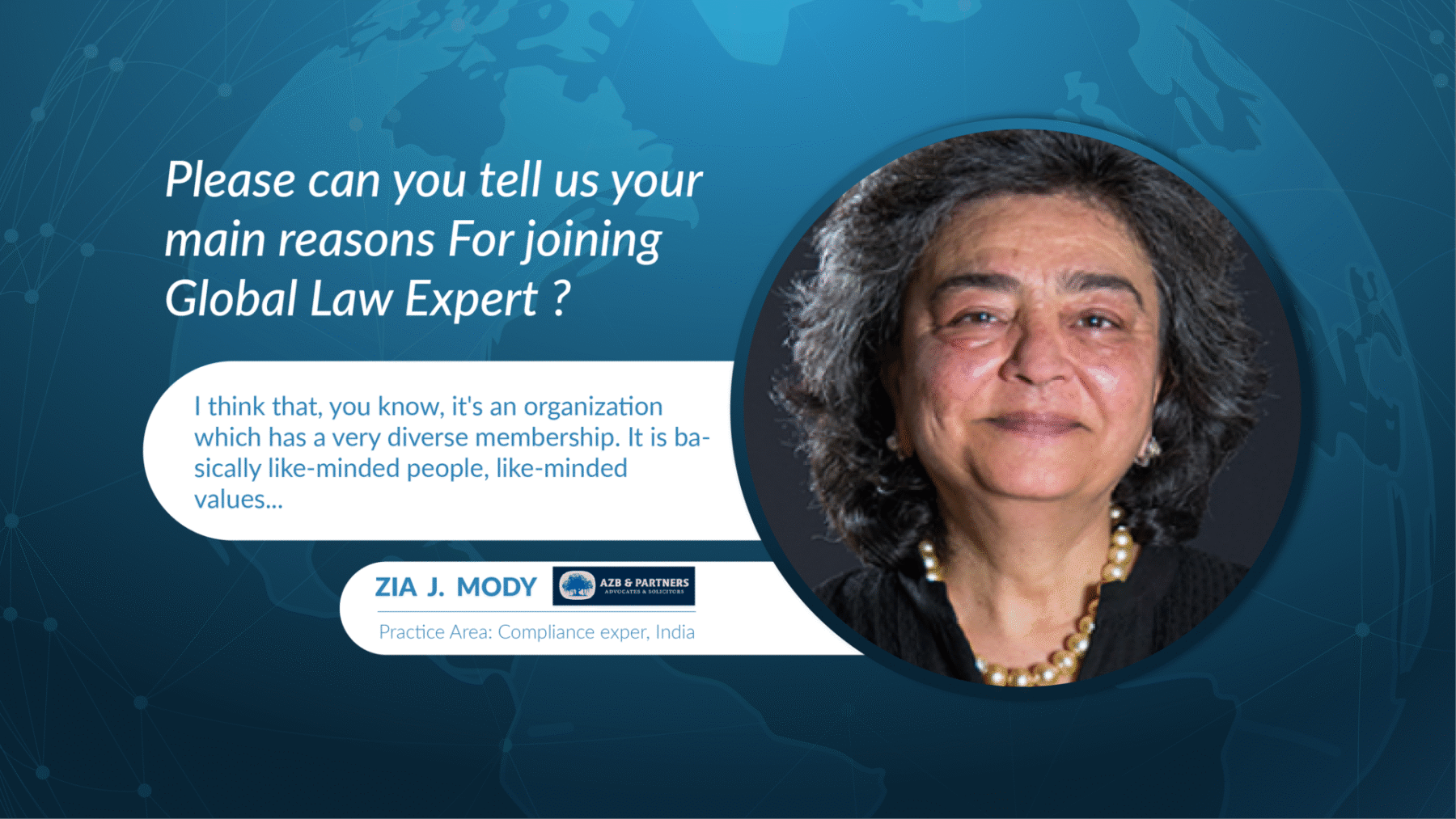
Testimonial-by-Zia-J.-Mody.png
Testimonial-by-Virginie-Tassin-Campanella.png
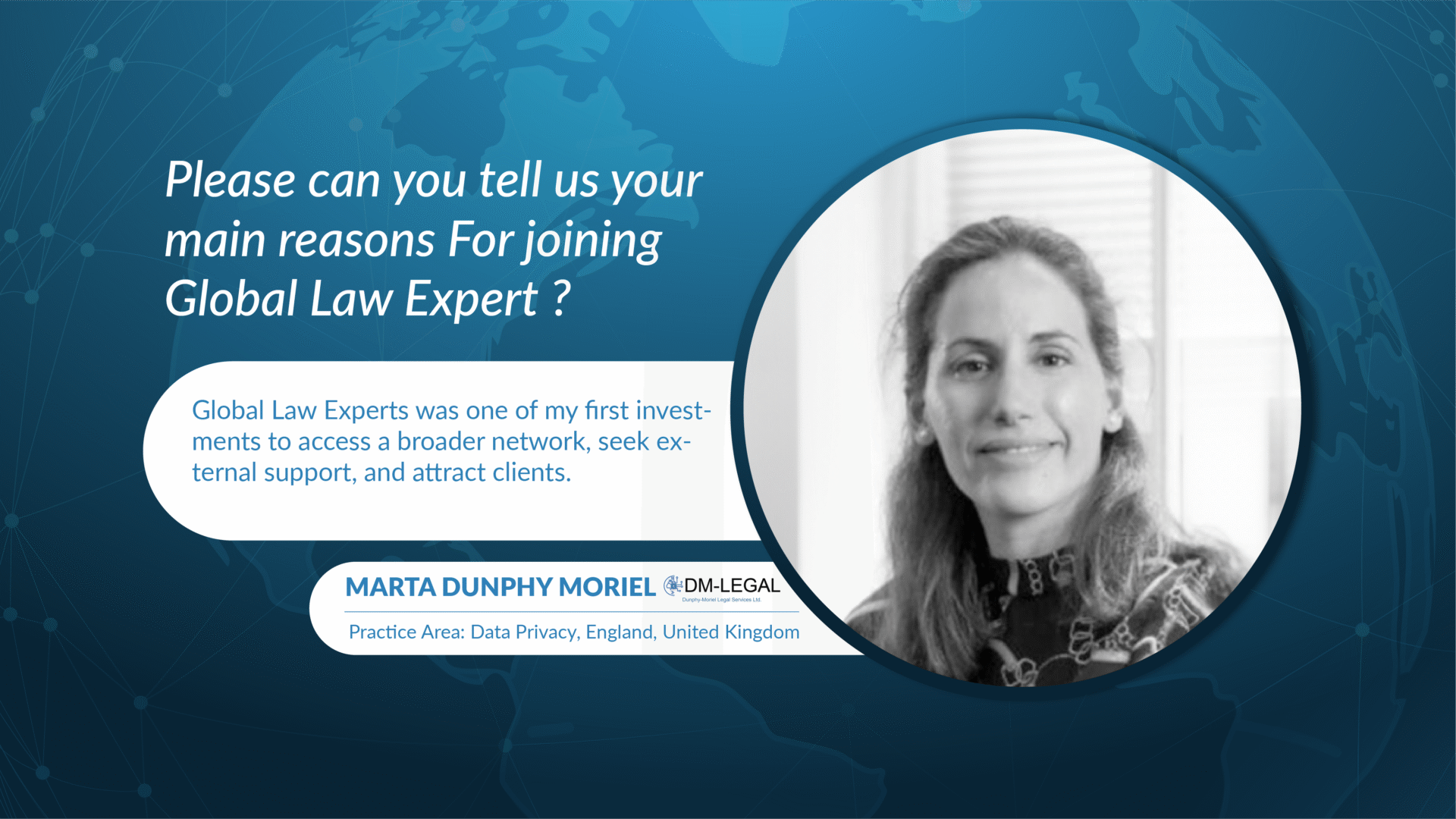
Testimonial-by-Marta-Dunphy-Moriel.png
Testimonial-by-Mario-Alberto-Arias-V.png
Testimonial-by-Lewis-Man.png
Testimonial-by-Kerwin-K.-Tan.png
Testimonial-by-Elena-Sadovskaya.png
Testimonial-by-Charalambos-Papasavvas.png

International M&A FAQ's

The core difference lies in the multiplication of legal frameworks and cultural risks. In a domestic deal, you navigate one set of laws and a relatively homogenous business culture. In international M&A, you must reconcile conflicting legal systems (e.g., Civil Law vs. Common Law), distinct tax regimes, and stricter regulatory hurdles like foreign investment screening. Furthermore, cultural integration is statistically the highest cause of failure in cross-border deals; misinterpreting communication styles or decision-making hierarchies can destroy value faster than any legal technicality.


Lawyers and tax advisors often use a “holding company” structure in a tax-neutral jurisdiction (like Luxembourg, the Netherlands, or Singapore) to act as a conduit. This structure aims to benefit from “Double Taxation Treaties” that reduce withholding taxes on dividends, interest, and royalties flowing between the parent and the target. They also carefully allocate the purchase price between “shares” and “assets” to optimize capital allowances and ensure that debt used to buy the company is “pushed down” to the operating level where interest payments can be tax-deductible.

FDI rules are national security laws that allow governments to block foreign buyers from acquiring sensitive local assets. The most famous is CFIUS (Committee on Foreign Investment in the United States), but similar regimes exist in the UK (National Security and Investment Act), Australia, Canada, and the EU. These bodies scrutinize deals involving defense, critical infrastructure, data, and advanced technology. A lawyer must assess early on if your deal triggers a mandatory filing, as failure to get clearance can lead to the deal being unwound years after completion.

Cross-border due diligence requires a “two-tier” approach. The lead counsel manages the process but relies on local counsel to verify “local quirks” that a foreigner would miss—such as hidden pension liabilities in Germany, land usage rights in China, or specific labor compliance in Brazil. Crucially, they conduct enhanced compliance checks for Anti-Bribery (FCPA/UK Bribery Act) and Sanctions risks, ensuring the target hasn’t been paying bribes to local officials, which you would inherit liability for upon purchase.

The “Governing Law” is usually a fiercely negotiated point. Parties typically choose a “neutral” and commercially developed legal system, such as English Law or New York Law, even if neither company is from the UK or US. These systems are preferred because they offer predictability, a wealth of legal precedent, and a respect for the strict written terms of the contract (unlike some Civil Law systems that imply a broad “duty of good faith,” which can create uncertainty).

Lawyers mitigate the risk of currency fluctuations—which can swing deal values by millions between signing and closing—by drafting specific pricing mechanisms directly into the Share Purchase Agreement. They often utilize a “Locked Box” structure to fix the price at a historical balance sheet date, effectively transferring the economic risk to the buyer immediately, or alternatively, employ “Completion Accounts” where the final price is adjusted based on the actual assets at closing using a pre-agreed exchange rate. In particularly volatile markets, lawyers may also insert “Collar Mechanisms” that obligate parties to split the financial impact if the exchange rate fluctuates beyond a specific percentage range, ensuring neither side suffers a catastrophic loss due to market timing.

The biggest legal challenge is harmonizing compliance and contracts across borders. You cannot simply “roll out” a US employment handbook in France or a UK data privacy policy in China; they will likely be illegal. Lawyers must “localize” every policy while trying to maintain global standards. Additionally, they must merge distinct corporate entities, which involves complex cross-border transfers of assets, IP, and employees, often requiring months of regulatory approvals to complete the internal reorganization.

In many countries (especially in Europe), employees transfer automatically with the business under strict protection laws (like TUPE in the UK/EU). You cannot simply fire the target’s staff and replace them. A lawyer manages the mandatory “Information and Consultation” process with Works Councils or trade unions before the deal is signed. Failure to do this can result in criminal penalties or the deal being declared void. They also structure “retention bonuses” to keep key local management who control the critical client relationships.

International M&A FAQ's

The core difference lies in the multiplication of legal frameworks and cultural risks. In a domestic deal, you navigate one set of laws and a relatively homogenous business culture. In international M&A, you must reconcile conflicting legal systems (e.g., Civil Law vs. Common Law), distinct tax regimes, and stricter regulatory hurdles like foreign investment screening. Furthermore, cultural integration is statistically the highest cause of failure in cross-border deals; misinterpreting communication styles or decision-making hierarchies can destroy value faster than any legal technicality.

Lawyers and tax advisors often use a "holding company" structure in a tax-neutral jurisdiction (like Luxembourg, the Netherlands, or Singapore) to act as a conduit. This structure aims to benefit from "Double Taxation Treaties" that reduce withholding taxes on dividends, interest, and royalties flowing between the parent and the target. They also carefully allocate the purchase price between "shares" and "assets" to optimize capital allowances and ensure that debt used to buy the company is "pushed down" to the operating level where interest payments can be tax-deductible.

FDI rules are national security laws that allow governments to block foreign buyers from acquiring sensitive local assets. The most famous is CFIUS (Committee on Foreign Investment in the United States), but similar regimes exist in the UK (National Security and Investment Act), Australia, Canada, and the EU. These bodies scrutinize deals involving defense, critical infrastructure, data, and advanced technology. A lawyer must assess early on if your deal triggers a mandatory filing, as failure to get clearance can lead to the deal being unwound years after completion.

Cross-border due diligence requires a "two-tier" approach. The lead counsel manages the process but relies on local counsel to verify "local quirks" that a foreigner would miss—such as hidden pension liabilities in Germany, land usage rights in China, or specific labor compliance in Brazil. Crucially, they conduct enhanced compliance checks for Anti-Bribery (FCPA/UK Bribery Act) and Sanctions risks, ensuring the target hasn't been paying bribes to local officials, which you would inherit liability for upon purchase.

The "Governing Law" is usually a fiercely negotiated point. Parties typically choose a "neutral" and commercially developed legal system, such as English Law or New York Law, even if neither company is from the UK or US. These systems are preferred because they offer predictability, a wealth of legal precedent, and a respect for the strict written terms of the contract (unlike some Civil Law systems that imply a broad "duty of good faith," which can create uncertainty).

Lawyers mitigate the risk of currency fluctuations—which can swing deal values by millions between signing and closing—by drafting specific pricing mechanisms directly into the Share Purchase Agreement. They often utilize a "Locked Box" structure to fix the price at a historical balance sheet date, effectively transferring the economic risk to the buyer immediately, or alternatively, employ "Completion Accounts" where the final price is adjusted based on the actual assets at closing using a pre-agreed exchange rate. In particularly volatile markets, lawyers may also insert "Collar Mechanisms" that obligate parties to split the financial impact if the exchange rate fluctuates beyond a specific percentage range, ensuring neither side suffers a catastrophic loss due to market timing.

The biggest legal challenge is harmonizing compliance and contracts across borders. You cannot simply "roll out" a US employment handbook in France or a UK data privacy policy in China; they will likely be illegal. Lawyers must "localize" every policy while trying to maintain global standards. Additionally, they must merge distinct corporate entities, which involves complex cross-border transfers of assets, IP, and employees, often requiring months of regulatory approvals to complete the internal reorganization.

In many countries (especially in Europe), employees transfer automatically with the business under strict protection laws (like TUPE in the UK/EU). You cannot simply fire the target's staff and replace them. A lawyer manages the mandatory "Information and Consultation" process with Works Councils or trade unions before the deal is signed. Failure to do this can result in criminal penalties or the deal being declared void. They also structure "retention bonuses" to keep key local management who control the critical client relationships.

Join
who are already getting the benefits
0
Sign up for the latest legal briefings and news within Global Law Experts’ community, as well as a whole host of features, editorial and conference updates direct to your email inbox. Naturally you can unsubscribe at any time.
Newsletter Sign Up
About Us

Global Law Experts is dedicated to providing exceptional legal services to clients around the world. With a vast network of highly skilled and experienced lawyers, we are committed to delivering innovative and tailored solutions to meet the diverse needs of our clients in various jurisdictions.

Global Law Experts App

Now Available on the App & Google Play Stores.

Social Posts
[wp_social_ninja id="50714" platform="instagram"]

See More:

Contact Us

Stay Informed

Join Mailing List
About Us

Global Law Experts is dedicated to providing exceptional legal services to clients around the world. With a vast network of highly skilled and experienced lawyers, we are committed to delivering innovative and tailored solutions to meet the diverse needs of our clients in various jurisdictions.

Social Posts
[wp_social_ninja id="50714" platform="instagram"]

See More:

Global Law Experts App

Now Available on the App & Google Play Stores.

Contact Us

Stay Informed

Join Mailing List

GLE

Lawyer Profile Page - Lead Capture
GLE-Logo-White
Lawyer Profile Page - Lead Capture

Kaushalya Venkataraman

Send welcome message

Custom Message