Global Law Experts
Lawyers
Countries Covered
Practice Areas
Discover top International Dispute Resolution lawyers recognized by Global Law Experts. Connect with independent legal experts worldwide.
No results available Reset filters?
posted 1 month ago
posted 1 month ago
posted 2 months ago
posted 2 months ago
No results available Reset filters?
International dispute resolution is the overarching practice of settling legal conflicts between parties across different jurisdictions through mechanisms outside of domestic litigation. This field is defined by its flexibility and neutrality, primarily utilizing International Arbitration, Mediation, and Conciliation to resolve complex commercial, sovereign, and treaty-based disagreements. Attorneys provide the essential framework for selecting the optimal seat of arbitration, drafting “water-tight” dispute resolution clauses, and ensuring that final awards are enforceable globally under the New York Convention.
Global Law Experts connects you with premier dispute resolution specialists who possess the cross-cultural fluency and procedural expertise required to manage high-stakes international cases. These practitioners are established experts within their own fields, offering the tactical foresight needed to handle emergency arbitrator applications, investor-state disputes (ISDS), and the nuances of institutional versus ad hoc proceedings. Whether you are a corporation navigating a breach of contract in an emerging market or a state entity involved in a boundary dispute, they provide the strategic advocacy needed to bypass jurisdictional gridlock and achieve a definitive, enforceable result.
Every GLE member is independently vetted by practice area and jurisdiction.
The primary difference is neutrality and enforcement. Standard litigation forces you into the public courts of one country, where you may face home-court bias, unfamiliar procedures, and a judge who lacks technical expertise. International Dispute Resolution (specifically Arbitration) allows you to create a private, neutral forum where you select the decision-makers. Crucially, while a court judgment is often difficult to enforce abroad, an international arbitration award is recognized and enforceable in over 170 countries under the New York Convention, making it the preferred method for cross-border contracts.

A tiered (or “multi-step”) clause forces parties to attempt less aggressive resolution methods before suing. It typically requires a specific period of executive negotiation, followed by mediation, before any formal arbitration can commence. You generally need one because it acts as a filter, resolving minor commercial disagreements cheaply without destroying the business relationship. However, a lawyer must draft this carefully to ensure the steps are “conditions precedent”—if they are too vague (e.g., “we agree to discuss”), a tribunal may ignore them and allow the other side to sue you immediately.
Cross-cultural mediation focuses on bridging communication gaps rather than just legal arguments. A mediator in this setting interprets not just the contract, but the cultural subtext—for example, distinguishing between a “hard no” and a face-saving hesitation. Lawyers prepare their clients to navigate these nuances, often advising them to adopt a collaborative tone rather than an adversarial one. The goal is to find a commercial solution that respects the cultural hierarchy and long-term reputation of both sides, which is often impossible in a rigid courtroom setting.
Yes, lawyers often act as strategic negotiators before any formal papers are filed. They conduct an “Early Case Assessment” to give you a realistic percentage chance of winning, which helps you decide how much to settle for. They can also initiate “without prejudice” correspondence—legal discussions that cannot be shown to a judge later—allowing you to make offers and concessions to end the dispute quietly without admitting any legal liability or weakness.
The Singapore Convention (2019) is a treaty that makes international mediated settlement agreements directly enforceable in court. Previously, if a foreign partner signed a mediation deal but then refused to pay, you had to sue them for breach of contract to get a judgment. Now, in signatory countries, you can take the settlement agreement directly to a judge and enforce it like a court order. This solves the historical weakness of mediation by giving it “teeth” similar to arbitration awards.
If your contract does not specify a “Governing Law,” lawyers analyze complex “Conflict of Laws” rules to find the “closest connection.” They look at where the contract was performed, where the payment was made, and where the parties are domiciled. A lawyer argues these technicalities to ensure the dispute is judged by the law most favorable to you. For instance, they might argue for English law to take advantage of its strict interpretation of written terms, avoiding a jurisdiction that implies vague “duties of good faith” that could hurt your case.
It depends on the method. Arbitration awards are highly enforceable globally due to the New York Convention. Mediated settlements are becoming enforceable under the Singapore Convention, though fewer countries have ratified it. Decisions by “Expert Determination” or “Adjudication” are generally contractually binding but are not automatically treated as court judgments abroad; you often have to convert them into an arbitral award or sue for breach of contract to enforce them internationally.
A Dispute Board (DB) is a panel of three neutral experts—usually engineers and lawyers—appointed at the start of the project, not the end. They visit the site regularly and issue “real-time” decisions on disagreements like soil conditions or delays. The main advantage is cash flow; the board’s decision is temporarily binding, meaning the employer must pay the contractor immediately so work can continue. This prevents disputes from piling up and turning into a massive, project-stalling arbitration years later.
The primary difference is neutrality and enforcement. Standard litigation forces you into the public courts of one country, where you may face home-court bias, unfamiliar procedures, and a judge who lacks technical expertise. International Dispute Resolution (specifically Arbitration) allows you to create a private, neutral forum where you select the decision-makers. Crucially, while a court judgment is often difficult to enforce abroad, an international arbitration award is recognized and enforceable in over 170 countries under the New York Convention, making it the preferred method for cross-border contracts.

A tiered (or "multi-step") clause forces parties to attempt less aggressive resolution methods before suing. It typically requires a specific period of executive negotiation, followed by mediation, before any formal arbitration can commence. You generally need one because it acts as a filter, resolving minor commercial disagreements cheaply without destroying the business relationship. However, a lawyer must draft this carefully to ensure the steps are "conditions precedent"—if they are too vague (e.g., "we agree to discuss"), a tribunal may ignore them and allow the other side to sue you immediately.
Cross-cultural mediation focuses on bridging communication gaps rather than just legal arguments. A mediator in this setting interprets not just the contract, but the cultural subtext—for example, distinguishing between a "hard no" and a face-saving hesitation. Lawyers prepare their clients to navigate these nuances, often advising them to adopt a collaborative tone rather than an adversarial one. The goal is to find a commercial solution that respects the cultural hierarchy and long-term reputation of both sides, which is often impossible in a rigid courtroom setting.

Yes, lawyers often act as strategic negotiators before any formal papers are filed. They conduct an "Early Case Assessment" to give you a realistic percentage chance of winning, which helps you decide how much to settle for. They can also initiate "without prejudice" correspondence—legal discussions that cannot be shown to a judge later—allowing you to make offers and concessions to end the dispute quietly without admitting any legal liability or weakness.

The Singapore Convention (2019) is a treaty that makes international mediated settlement agreements directly enforceable in court. Previously, if a foreign partner signed a mediation deal but then refused to pay, you had to sue them for breach of contract to get a judgment. Now, in signatory countries, you can take the settlement agreement directly to a judge and enforce it like a court order. This solves the historical weakness of mediation by giving it "teeth" similar to arbitration awards.

If your contract does not specify a "Governing Law," lawyers analyze complex "Conflict of Laws" rules to find the "closest connection." They look at where the contract was performed, where the payment was made, and where the parties are domiciled. A lawyer argues these technicalities to ensure the dispute is judged by the law most favorable to you. For instance, they might argue for English law to take advantage of its strict interpretation of written terms, avoiding a jurisdiction that implies vague "duties of good faith" that could hurt your case.
It depends on the method. Arbitration awards are highly enforceable globally due to the New York Convention. Mediated settlements are becoming enforceable under the Singapore Convention, though fewer countries have ratified it. Decisions by "Expert Determination" or "Adjudication" are generally contractually binding but are not automatically treated as court judgments abroad; you often have to convert them into an arbitral award or sue for breach of contract to enforce them internationally.
A Dispute Board (DB) is a panel of three neutral experts—usually engineers and lawyers—appointed at the start of the project, not the end. They visit the site regularly and issue "real-time" decisions on disagreements like soil conditions or delays. The main advantage is cash flow; the board's decision is temporarily binding, meaning the employer must pay the contractor immediately so work can continue. This prevents disputes from piling up and turning into a massive, project-stalling arbitration years later.
Global Law Experts is dedicated to providing exceptional legal services to clients around the world. With a vast network of highly skilled and experienced lawyers, we are committed to delivering innovative and tailored solutions to meet the diverse needs of our clients in various jurisdictions.
Thinking of buying property in Brazil? Start with a full legal safety net.
✔️ Check title and ownership history
✔️ Verify no debts or disputes
✔️ Confirm zoning and permits.
#BrazilProperty #RealEstateInvesting #LegalDueDiligence #ForeignInvestment #PropertyLaw #GlobalRealEstate #InvestmentRisk #BrazilLaw
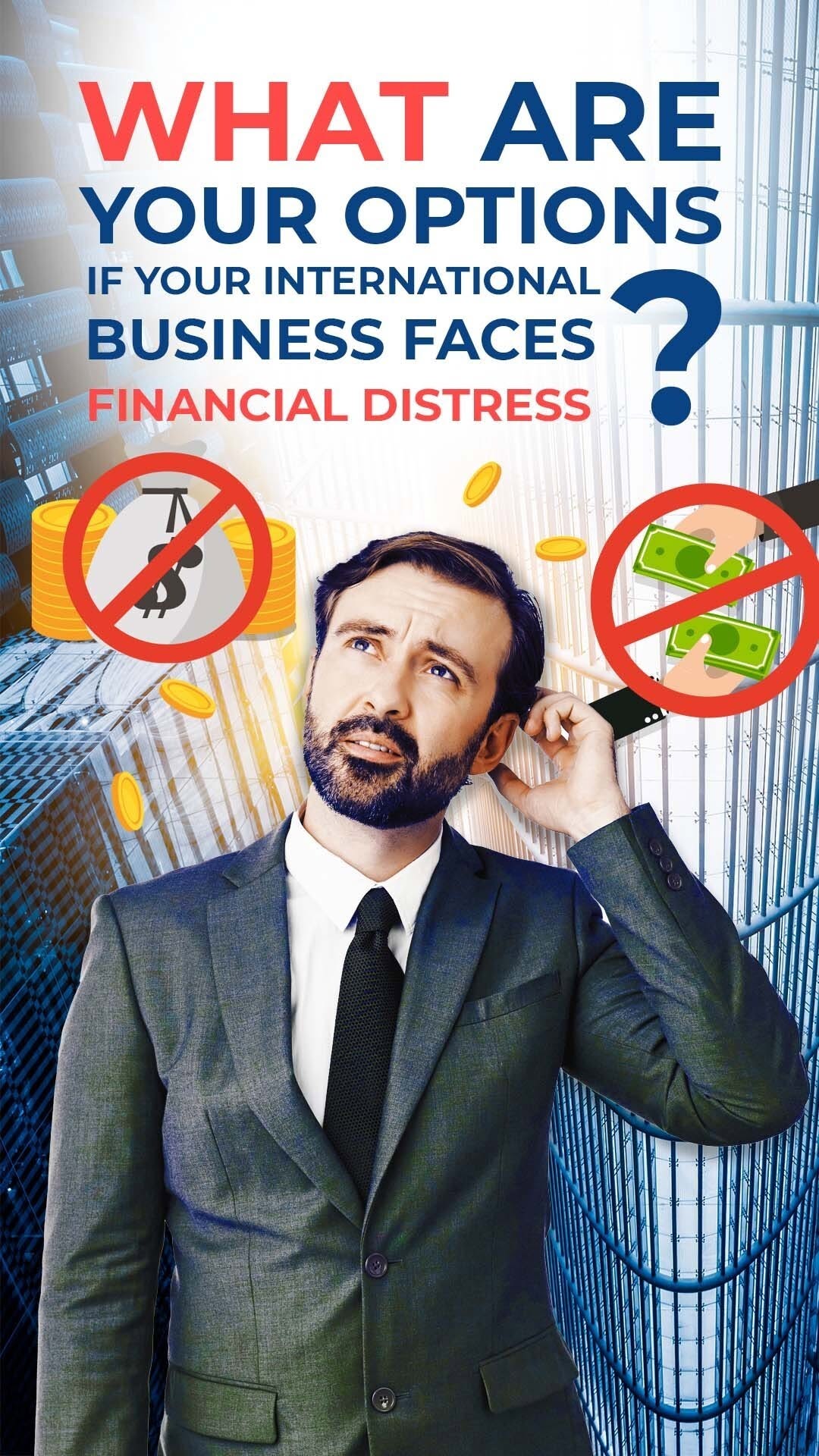
When your international business faces financial distress, quick action is key! 🔑 Negotiating with creditors, restructuring debt, and understanding insolvency laws can help regain stability. Global Law Experts is here to guide you through your options.
🌍Explore the details on our website.
🔗Link in bio
#GlobalLawExperts #CommercialLaw #BusinessLaw #LegalAdvice #BusinessGrowth #LegalTips #BusinessStrategy #LegalCompliance #Law #LegalKnowledge #LegalAwareness #Law101 #LegalEducation #IntellectualProperty
Thinking of buying property in Brazil? Don’t stop at the contract or key handover. Make sure the title is officially registered before calling it yours.
#BrazilRealEstate #PropertyLaw #GlobalInvestment #ForeignInvestors #LegalTips #DueDiligence #RealEstateRegistration #SecureInvestment
Getting a termination notice right now? Know your rights. Valid reason, fair process, proper notice they matter. Don’t let a bad dismissal walk away without accountability.
#EmploymentLaw #WorkerRights #Termination #LaborLaw #FairDismissal #WorkplaceJustice #LegalAwareness #GlobalWorkforce
Running a business is hard enough — lawsuits shouldn’t make it harder. 🚫 Protect your business with the right legal strategies and expert tools from Global Law Experts. Let’s secure your future together! 💼
🌍Explore the details on our website.
➡️www.globallawexperts.com
#GlobalLawExperts #CommercialLaw #BusinessLaw #LegalAdvice #BusinessGrowth #LegalTips #BusinessStrategy #LegalCompliance #Law #LegalKnowledge #LegalAwareness #Law101 #LegalEducation #IntellectualProperty #Infringed #Ecommerce #LegalBranding
Global Law Experts is dedicated to providing exceptional legal services to clients around the world. With a vast network of highly skilled and experienced lawyers, we are committed to delivering innovative and tailored solutions to meet the diverse needs of our clients in various jurisdictions.
Thinking of buying property in Brazil? Start with a full legal safety net.
✔️ Check title and ownership history
✔️ Verify no debts or disputes
✔️ Confirm zoning and permits.
#BrazilProperty #RealEstateInvesting #LegalDueDiligence #ForeignInvestment #PropertyLaw #GlobalRealEstate #InvestmentRisk #BrazilLaw
When your international business faces financial distress, quick action is key! 🔑 Negotiating with creditors, restructuring debt, and understanding insolvency laws can help regain stability. Global Law Experts is here to guide you through your options.
🌍Explore the details on our website.
🔗Link in bio
#GlobalLawExperts #CommercialLaw #BusinessLaw #LegalAdvice #BusinessGrowth #LegalTips #BusinessStrategy #LegalCompliance #Law #LegalKnowledge #LegalAwareness #Law101 #LegalEducation #IntellectualProperty
Thinking of buying property in Brazil? Don’t stop at the contract or key handover. Make sure the title is officially registered before calling it yours.
#BrazilRealEstate #PropertyLaw #GlobalInvestment #ForeignInvestors #LegalTips #DueDiligence #RealEstateRegistration #SecureInvestment
Getting a termination notice right now? Know your rights. Valid reason, fair process, proper notice they matter. Don’t let a bad dismissal walk away without accountability.
#EmploymentLaw #WorkerRights #Termination #LaborLaw #FairDismissal #WorkplaceJustice #LegalAwareness #GlobalWorkforce
Running a business is hard enough — lawsuits shouldn’t make it harder. 🚫 Protect your business with the right legal strategies and expert tools from Global Law Experts. Let’s secure your future together! 💼
🌍Explore the details on our website.
➡️www.globallawexperts.com
#GlobalLawExperts #CommercialLaw #BusinessLaw #LegalAdvice #BusinessGrowth #LegalTips #BusinessStrategy #LegalCompliance #Law #LegalKnowledge #LegalAwareness #Law101 #LegalEducation #IntellectualProperty #Infringed #Ecommerce #LegalBranding
Send welcome message