[codicts-css-switcher id=”346″]

Global Law Experts Logo
Arnaud Tailfer Joins Global Law Experts as Exclusive Member for International Tax Law in France | GLE News

International Criminal Lawyers Worldwide.

Global Law Experts

Meet Our International Criminal Lawyers

Find independent International Criminal legal experts recognized by Global Law Experts. Discover award-winning lawyers for your legal needs.

Legal
Country
International Criminal
Legal
Country
International Criminal
2 results

Felicity Gerry Q.C.

  • GOLD

Email:

Phone:

+61 42*****
Felicity Gerry Q.C.
Crockett Chambers
Felicity Gerry Q.C.

Felicity Gerry Q.C.

  • GOLD
International Criminal Law in Australia
  • Crockett Chambers

A. Kemal Kumkumoğlu

  • GOLD

Email:

Phone:

+90 (2*****
Photo-kermal18.png
Logo-keco17.png
Photo-kermal18.png

A. Kemal Kumkumoğlu

  • GOLD
International Criminal Law in Turkey
  • KECO

Find Expert International Criminal Lawyers Through Global Law Experts

Uphold Global Accountability with Expert International Criminal Counsel

International Criminal Law (ICL) is a specialized branch of public international law designed to hold individuals—rather than states—personally accountable for the gravest atrocities that shock the conscience of humanity. This field is anchored by the Rome Statute, which established the International Criminal Court (ICC) as a court of last resort under the principle of complementarity. Attorneys provide the vital framework for navigating the “core” international crimes: genocide, war crimes, crimes against humanity, and the crime of aggression, while ensuring that the highest standards of due process and fair trial rights are maintained in highly politicized environments.

Global Law Experts connects you with premier international criminal specialists who possess the unique expertise required to operate before international tribunals and hybrid courts. These lawyers are established experts within their own fields, offering the tactical foresight needed to handle complex individual criminal responsibility theories, such as command responsibility or joint criminal enterprise (JCE). Whether you are representing a state official navigating jurisdictional immunities or providing defense for individuals facing charges of systemic human rights violations, they provide the strategic advocacy needed to navigate the intersection of global politics and universal justice.

Professional International Criminal Help You Can Trust

We will help match you with a qualified International Criminal law specialist who can offer reliable advice, clarify your options, and guide you through the next steps in the legal process.
Lead Enquiries Qualification

Every GLE member is independently vetted by practice area and jurisdiction.

Client Success Stories

Testimonial-by-Jonathan-Gilmour.png
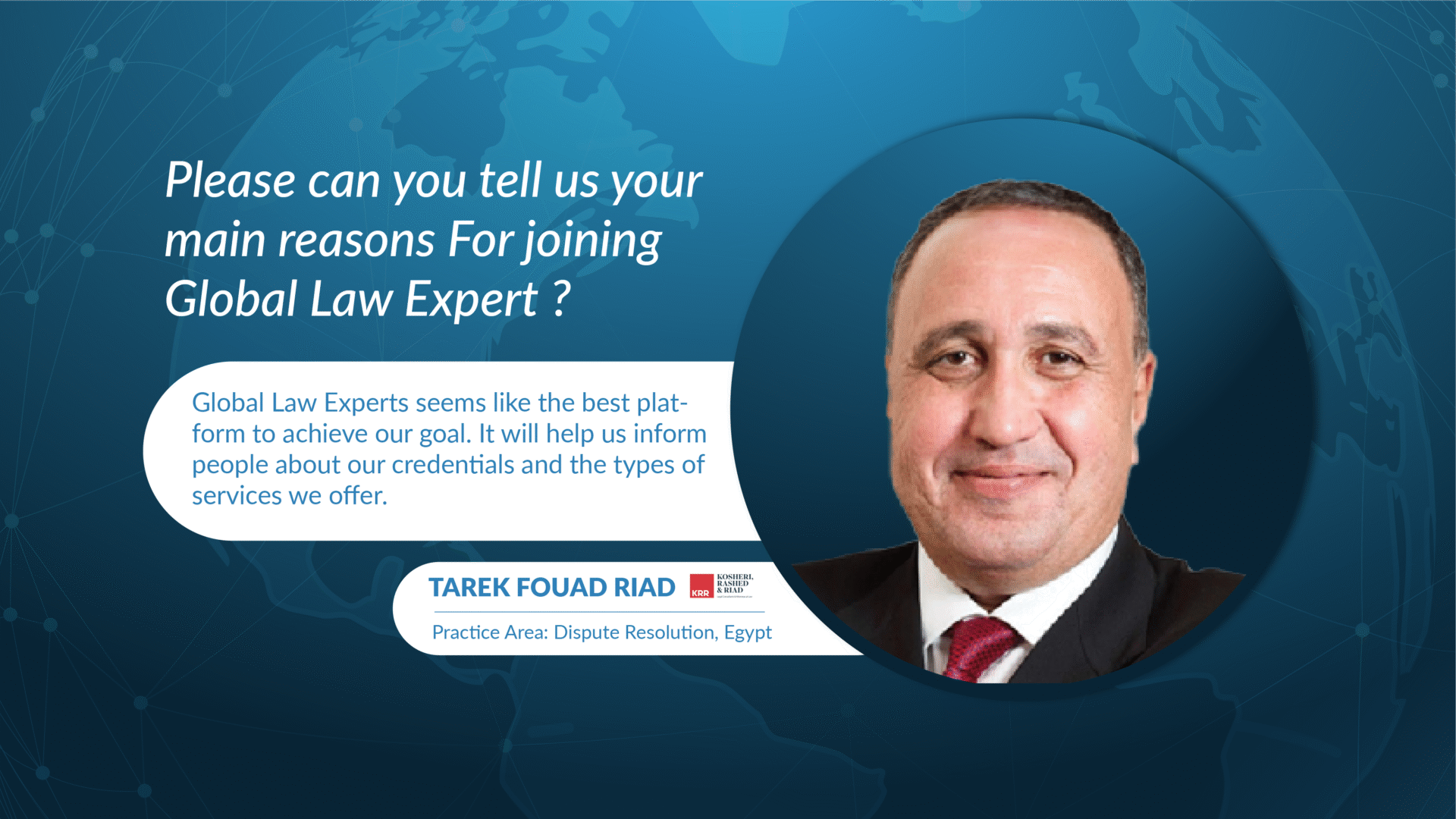
Testimonial-by-Tarek-Fouad-Riad.png
Testimonial-by-Zia-J.-Mody.png
Testimonial-by-Virginie-Tassin-Campanella.png
Testimonial-by-Marta-Dunphy-Moriel.png
Testimonial-by-Mario-Alberto-Arias-V.png
Testimonial-by-Lewis-Man.png
Testimonial-by-Kerwin-K.-Tan.png
Testimonial-by-Elena-Sadovskaya.png
Testimonial-by-Charalambos-Papasavvas.png

International Criminal FAQ's

These lawyers operate at the intersection of criminal defense and human rights, handling the “core crimes” defined by international statutes: genocide, crimes against humanity, war crimes, and the crime of aggression. Beyond these atrocities, they also defend clients in complex transnational cases involving money laundering, drug trafficking, and cybercrime where multiple sovereign nations are competing to prosecute the same individual. Their work focuses on jurisdiction challenges, ensuring that a client is not prosecuted twice for the same act (double jeopardy) across different borders.


No, the ICC’s reach is limited. It only has jurisdiction if the crime was committed by a citizen of a member state (one that ratified the Rome Statute), if the crime took place on the territory of a member state, or if the UN Security Council refers the situation to the Court. This means citizens of major non-member powers like the United States, China, and Russia are generally outside the ICC’s direct reach unless they commit crimes within a member state’s borders.

The distinction lies in the purpose and the requesting party. Extradition is a criminal process where a foreign government formally asks to have a fugitive transferred to stand trial or serve a sentence for a specific crime. Deportation is a civil immigration proceeding initiated by the host country simply to remove a person who has no legal right to be there (e.g., visa overstay). While extradition focuses on justice for a past crime, deportation focuses on maintaining the integrity of the host country’s borders.

Yes, challenging an extradition request is a standard legal procedure. A lawyer can argue that the alleged crime is “political” in nature (the Political Offense Exception), which often bars extradition. They can also argue that the conduct is not a crime in both countries (“Dual Criminality” requirement) or, most critically, that transferring you would violate your human rights due to a risk of torture or an unfair trial in the requesting country (the principle of non-refoulement).

A Red Notice is not an international arrest warrant; it is a request to law enforcement worldwide to locate and provisionally arrest a person pending extradition. A lawyer can petition the Commission for the Control of Interpol’s Files (CCF) to delete the notice by proving it violates Interpol’s constitution—for example, if the request is predominantly political, military, religious, or racial in character. Successfully removing a Red Notice effectively stops the global manhunt, allowing the individual to travel freely again.

Universal Jurisdiction is a legal doctrine allowing national courts to prosecute the most heinous crimes—like genocide, torture, and war crimes—regardless of where they occurred or the nationality of the perpetrators. The logic is that these crimes are so grave they offend humanity as a whole, making the perpetrators hostis humani generis (enemies of mankind). This allows, for example, a German court to prosecute a Syrian intelligence officer for torture committed in Syria against Syrian citizens.

For war crimes, the defense of “Superior Orders” (I was just following orders) is rarely successful unless the soldier did not know the order was unlawful and the order was not manifestly illegal; defenses often focus on “military necessity” or lack of intent. For money laundering, the primary defense is usually “lack of knowledge.” A lawyer attempts to prove that the defendant legitimately believed the funds came from a legal source and had no intent to conceal criminal proceeds, effectively breaking the link between the money and the required criminal intent (mens rea).

Yes, unlike many domestic systems where victims are merely witnesses, international tribunals like the ICC allow for active victim participation. A lawyer acts as a “Legal Representative of Victims,” presenting their views and concerns to the judges separately from the prosecutor. They can question witnesses, submit evidence, and crucially, lead the proceedings to secure reparations—compensation, restitution, or rehabilitation—for the victims if the accused is convicted.

International Criminal FAQ's

These lawyers operate at the intersection of criminal defense and human rights, handling the "core crimes" defined by international statutes: genocide, crimes against humanity, war crimes, and the crime of aggression. Beyond these atrocities, they also defend clients in complex transnational cases involving money laundering, drug trafficking, and cybercrime where multiple sovereign nations are competing to prosecute the same individual. Their work focuses on jurisdiction challenges, ensuring that a client is not prosecuted twice for the same act (double jeopardy) across different borders.

No, the ICC's reach is limited. It only has jurisdiction if the crime was committed by a citizen of a member state (one that ratified the Rome Statute), if the crime took place on the territory of a member state, or if the UN Security Council refers the situation to the Court. This means citizens of major non-member powers like the United States, China, and Russia are generally outside the ICC's direct reach unless they commit crimes within a member state's borders.

The distinction lies in the purpose and the requesting party. Extradition is a criminal process where a foreign government formally asks to have a fugitive transferred to stand trial or serve a sentence for a specific crime. Deportation is a civil immigration proceeding initiated by the host country simply to remove a person who has no legal right to be there (e.g., visa overstay). While extradition focuses on justice for a past crime, deportation focuses on maintaining the integrity of the host country's borders.

Yes, challenging an extradition request is a standard legal procedure. A lawyer can argue that the alleged crime is "political" in nature (the Political Offense Exception), which often bars extradition. They can also argue that the conduct is not a crime in both countries ("Dual Criminality" requirement) or, most critically, that transferring you would violate your human rights due to a risk of torture or an unfair trial in the requesting country (the principle of non-refoulement).

A Red Notice is not an international arrest warrant; it is a request to law enforcement worldwide to locate and provisionally arrest a person pending extradition. A lawyer can petition the Commission for the Control of Interpol's Files (CCF) to delete the notice by proving it violates Interpol's constitution—for example, if the request is predominantly political, military, religious, or racial in character. Successfully removing a Red Notice effectively stops the global manhunt, allowing the individual to travel freely again.

Universal Jurisdiction is a legal doctrine allowing national courts to prosecute the most heinous crimes—like genocide, torture, and war crimes—regardless of where they occurred or the nationality of the perpetrators. The logic is that these crimes are so grave they offend humanity as a whole, making the perpetrators hostis humani generis (enemies of mankind). This allows, for example, a German court to prosecute a Syrian intelligence officer for torture committed in Syria against Syrian citizens.

For war crimes, the defense of "Superior Orders" (I was just following orders) is rarely successful unless the soldier did not know the order was unlawful and the order was not manifestly illegal; defenses often focus on "military necessity" or lack of intent. For money laundering, the primary defense is usually "lack of knowledge." A lawyer attempts to prove that the defendant legitimately believed the funds came from a legal source and had no intent to conceal criminal proceeds, effectively breaking the link between the money and the required criminal intent (mens rea).

Yes, unlike many domestic systems where victims are merely witnesses, international tribunals like the ICC allow for active victim participation. A lawyer acts as a "Legal Representative of Victims," presenting their views and concerns to the judges separately from the prosecutor. They can question witnesses, submit evidence, and crucially, lead the proceedings to secure reparations—compensation, restitution, or rehabilitation—for the victims if the accused is convicted.

Join
who are already getting the benefits
0
Sign up for the latest legal briefings and news within Global Law Experts’ community, as well as a whole host of features, editorial and conference updates direct to your email inbox. Naturally you can unsubscribe at any time.
Newsletter Sign Up
About Us

Global Law Experts is dedicated to providing exceptional legal services to clients around the world. With a vast network of highly skilled and experienced lawyers, we are committed to delivering innovative and tailored solutions to meet the diverse needs of our clients in various jurisdictions.

Global Law Experts App

Now Available on the App & Google Play Stores.

Social Posts
[wp_social_ninja id="50714" platform="instagram"]

See More:

Contact Us

Stay Informed

Join Mailing List
About Us

Global Law Experts is dedicated to providing exceptional legal services to clients around the world. With a vast network of highly skilled and experienced lawyers, we are committed to delivering innovative and tailored solutions to meet the diverse needs of our clients in various jurisdictions.

Social Posts
[wp_social_ninja id="50714" platform="instagram"]

See More:

Global Law Experts App

Now Available on the App & Google Play Stores.

Contact Us

Stay Informed

Join Mailing List

GLE

Photo-kermal18.png

A. Kemal Kumkumoğlu

Send welcome message

Custom Message