[codicts-css-switcher id=”346″]

Global Law Experts Logo
Arnaud Tailfer Joins Global Law Experts as Exclusive Member for International Tax Law in France | GLE News

Insurance & Reinsurance Lawyers Worldwide.

Global Law Experts

Meet Our Insurance & Reinsurance Lawyers

Find independent Insurance & Reinsurance lawyers worldwide on Global Law Experts, the trusted legal directory and awards platform. Discover top legal experts in the field.

Legal
Country
Insurance & Reinsurance
Legal
Country
Insurance & Reinsurance
One result

Hironori Nishikino

  • GOLD

Email:

Phone:

+81-3-*****
  • GOLD

Hironori Nishikino

  • GOLD
Insurance & Reinsurance Law in Japan
  • Chuo Sogo LPC
  • GOLD

Insurance & Reinsurance News

posted 2 months ago

Find Expert Insurance & Reinsurance Lawyers Through Global Law Experts

Mitigate Global Risk with Expert Insurance & Reinsurance Counsel

Insurance and Reinsurance law governs the complex contractual relationships between policyholders, insurers, and the secondary market of reinsurers who absorb large-scale risk. This practice is the bedrock of global financial stability, providing the legal mechanisms for risk transfer, indemnification, and subrogation. Attorneys provide the essential framework for drafting sophisticated policy wordings, navigating regulatory compliance under frameworks like Solvency II, and managing the intricate “back-to-back” coverage issues inherent in reinsurance treaties.

Global Law Experts connects you with premier insurance and reinsurance specialists who possess the actuarial and legal depth required to handle high-value claims. These lawyers are established experts within their own fields, offering the tactical foresight needed to manage “Long-tail” liabilities, environmental catastrophes, and the emerging complexities of Cyber Insurance. Whether you are an insurer defending a complex coverage dispute or a corporation seeking to structure an offshore captive, they provide the strategic advocacy needed to ensure robust protection and financial resilience in a volatile market.

Professional Insurance & Reinsurance Help You Can Trust

We will help match you with a qualified Insurance & Reinsurance law specialist who can offer reliable advice, clarify your options, and guide you through the next steps in the legal process.
Lead Enquiries Qualification

Every GLE member is independently vetted by practice area and jurisdiction.

Client Success Stories

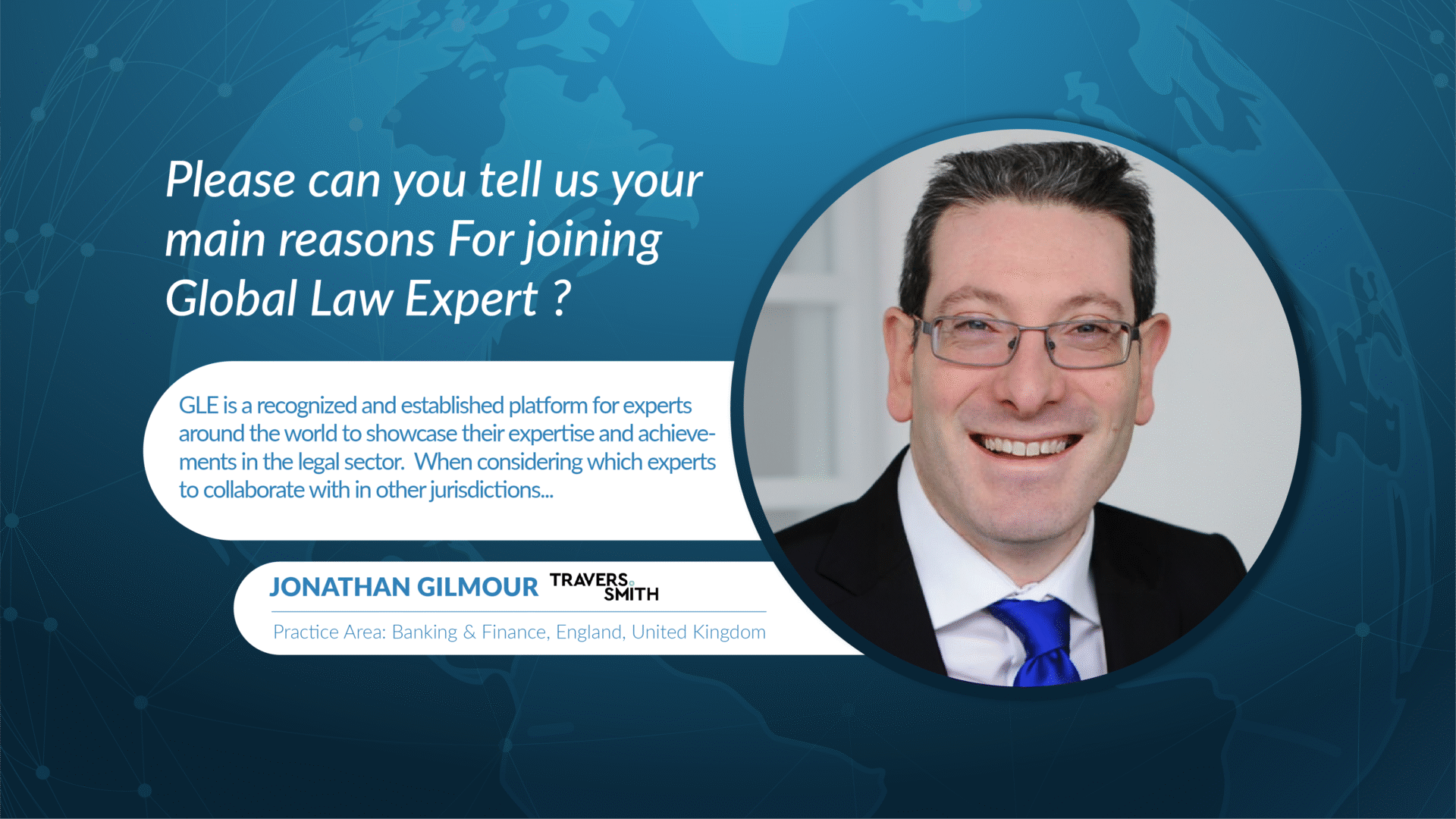
Testimonial-by-Jonathan-Gilmour.png
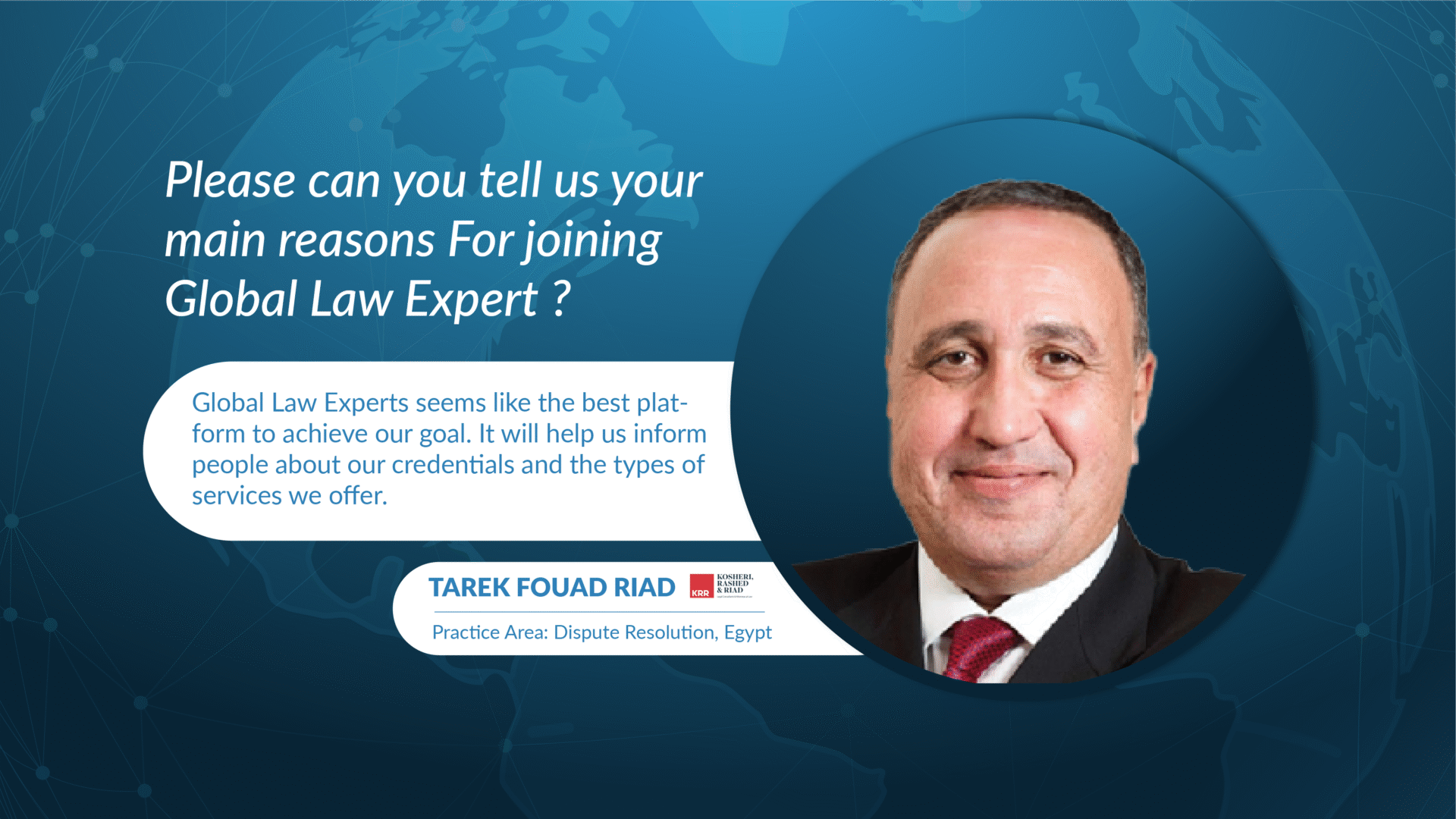
Testimonial-by-Tarek-Fouad-Riad.png
Testimonial-by-Zia-J.-Mody.png
Testimonial-by-Virginie-Tassin-Campanella.png
Testimonial-by-Marta-Dunphy-Moriel.png
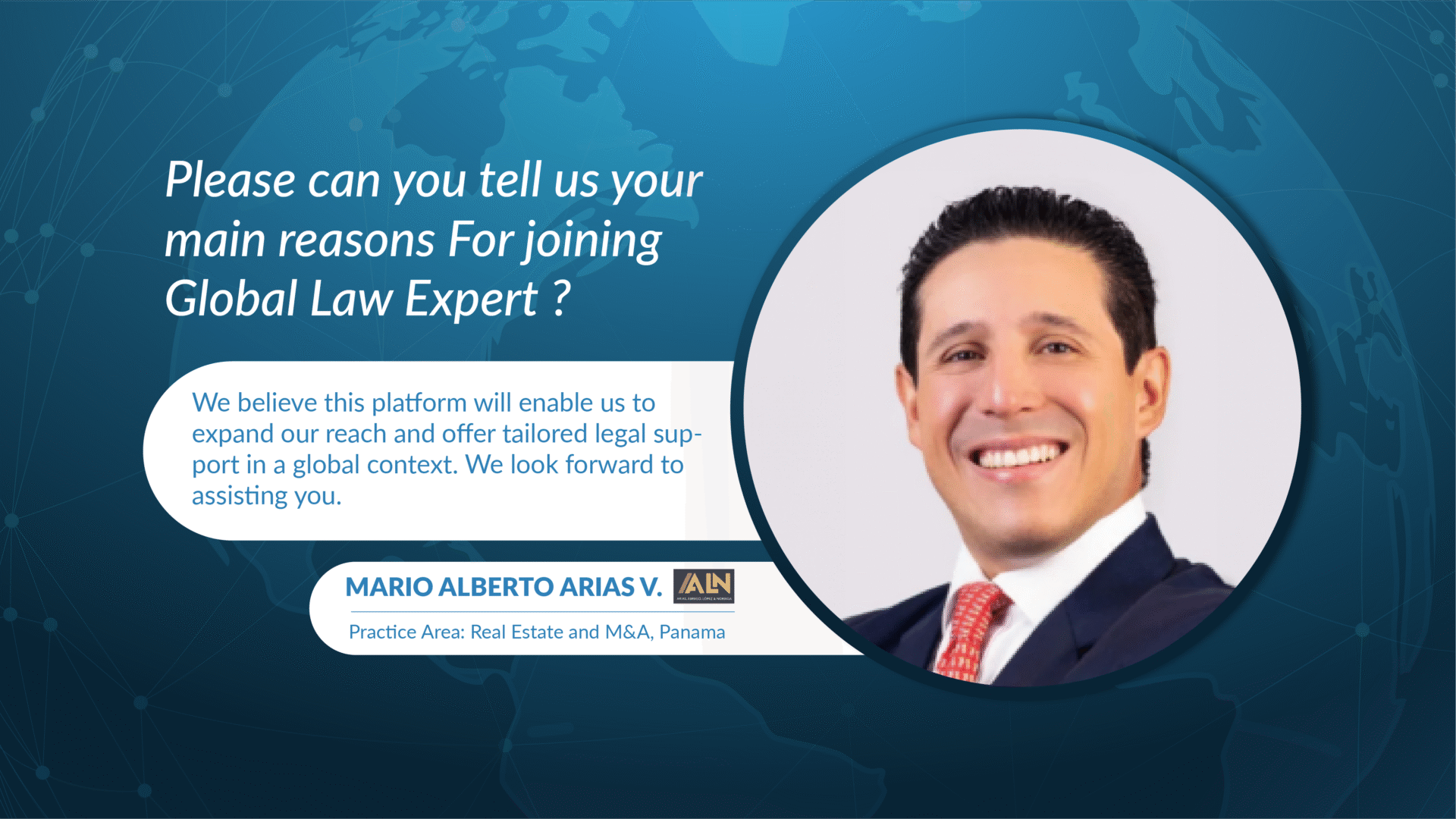
Testimonial-by-Mario-Alberto-Arias-V.png
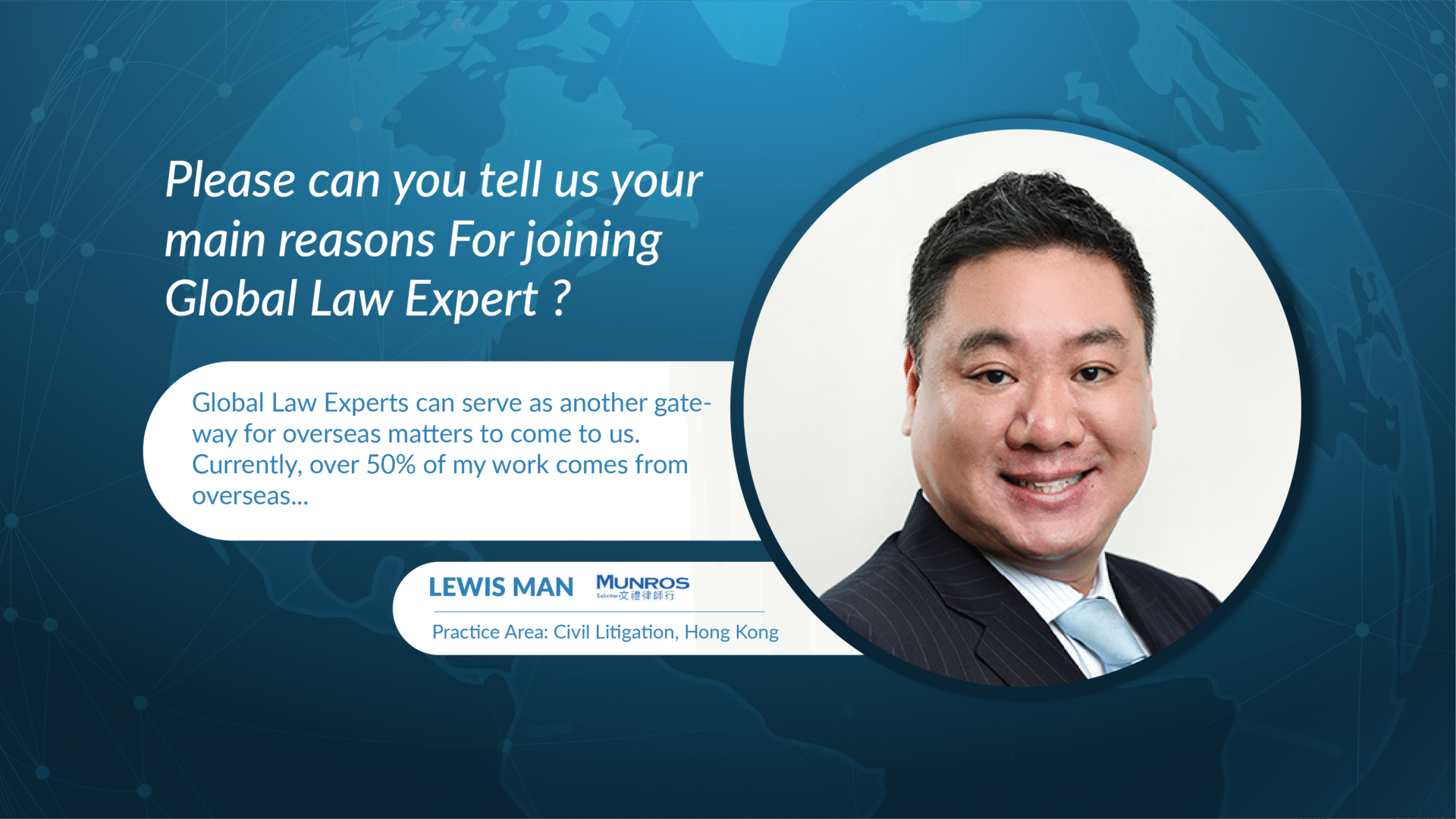
Testimonial-by-Lewis-Man.png
Testimonial-by-Kerwin-K.-Tan.png
Testimonial-by-Elena-Sadovskaya.png
Testimonial-by-Charalambos-Papasavvas.png

Insurance & Reinsurance FAQ's

Reinsurance is essentially insurance for insurance companies, functioning as a critical tool for risk management and capital relief. While standard insurance transfers risk from an individual or business to an insurer, reinsurance transfers that same risk from the primary insurer (the “cedant”) to a secondary insurer (the “reinsurer”). This structure allows the primary insurer to reduce its exposure to catastrophic losses, effectively freeing up capital so they can write more policies without fearing that a single massive event, like a hurricane, will bankrupt them.


The difference lies in the scope and automatic nature of the coverage. Treaty Reinsurance is a broad agreement where the reinsurer automatically accepts a specific class of business (e.g., all car insurance policies written in Florida) without reviewing individual risks. Facultative Reinsurance is negotiated on a case-by-case basis for a single, high-value risk (e.g., a specific oil rig or skyscraper), giving the reinsurer the option to accept or reject that specific risk, which allows for more precise pricing but requires significantly more administrative effort.

Disputes often arise over “aggregation” clauses, which determine whether a series of losses constitutes one single “event” or multiple distinct occurrences (e.g., were the World Trade Center attacks one event or two?). A lawyer analyzes the specific contract language to argue for or against aggregation, which drastically affects the deductible the cedant pays. They also litigate issues of “misrepresentation,” where the reinsurer attempts to rescind the contract by arguing the primary insurer failed to disclose the true risk profile of the underlying policies before the deal was signed.

“Follow the Fortunes” is a legal doctrine that generally binds the reinsurer to the primary insurer’s settlement decisions. If the primary insurer settles a claim with a policyholder in good faith and within the terms of the policy, the reinsurer must reimburse them, even if they disagree with the decision to settle or the amount paid. This principle prevents reinsurers from second-guessing every claims adjustment to ensure liquidity in the market, though lawyers often litigate whether the settlement was truly made in “good faith” or if it fell outside the scope of the reinsurance contract coverage.

Yes, a commutation agreement is a complex contract that legally terminates the reinsurance relationship before all claims are settled, involving a final lump sum payment from the reinsurer to the cedant. A lawyer is essential to calculate the “Incurred But Not Reported” (IBNR) losses correctly and to draft the release broadly enough so that the cedant is fully compensated for all future liabilities. Without a lawyer, you risk signing a “full and final” release only to face a spike in claims years later that you can no longer recover from the reinsurer.

Reinsurance disputes are almost exclusively resolved through private arbitration rather than public court trials to maintain confidentiality and utilize industry experts as judges. The “Bermuda Form” is a specific type of arbitration often used for high-level excess liability; it is unique because it typically applies New York substantive law (which is generally pro-policyholder) but follows English procedural rules (which limits discovery). A lawyer navigates this hybrid legal landscape to manage the strict timelines and high-stakes advocacy required in these closed-door hearings.

Generally, a policyholder has no contract with the reinsurer and cannot sue them due to a lack of “privity of contract.” However, a “Cut-through” clause is a specific exception added to the policy that allows the policyholder to bypass the primary insurer and demand payment directly from the reinsurer. This is critical if the primary insurer becomes insolvent; without this clause, the reinsurance money goes into the general liquidation pot, but with it, the funds go directly to the policyholder to cover their specific claim.

Fronting involves a licensed insurer (the “front”) issuing a policy on behalf of an unlicensed organization (often a captive insurer) and then reinsuring 100% of the risk back to that captive. The primary legal risk is that the fronting insurer remains fully liable to the policyholder and regulators if the captive fails to pay. A lawyer mitigates this credit risk by demanding strict collateral agreements, such as Letters of Credit or trust accounts, ensuring the fronting carrier holds enough cash to pay claims even if the captive behind the scenes goes bankrupt.

Insurance & Reinsurance FAQ's

Reinsurance is essentially insurance for insurance companies, functioning as a critical tool for risk management and capital relief. While standard insurance transfers risk from an individual or business to an insurer, reinsurance transfers that same risk from the primary insurer (the "cedant") to a secondary insurer (the "reinsurer"). This structure allows the primary insurer to reduce its exposure to catastrophic losses, effectively freeing up capital so they can write more policies without fearing that a single massive event, like a hurricane, will bankrupt them.

The difference lies in the scope and automatic nature of the coverage. Treaty Reinsurance is a broad agreement where the reinsurer automatically accepts a specific class of business (e.g., all car insurance policies written in Florida) without reviewing individual risks. Facultative Reinsurance is negotiated on a case-by-case basis for a single, high-value risk (e.g., a specific oil rig or skyscraper), giving the reinsurer the option to accept or reject that specific risk, which allows for more precise pricing but requires significantly more administrative effort.

Disputes often arise over "aggregation" clauses, which determine whether a series of losses constitutes one single "event" or multiple distinct occurrences (e.g., were the World Trade Center attacks one event or two?). A lawyer analyzes the specific contract language to argue for or against aggregation, which drastically affects the deductible the cedant pays. They also litigate issues of "misrepresentation," where the reinsurer attempts to rescind the contract by arguing the primary insurer failed to disclose the true risk profile of the underlying policies before the deal was signed.

"Follow the Fortunes" is a legal doctrine that generally binds the reinsurer to the primary insurer's settlement decisions. If the primary insurer settles a claim with a policyholder in good faith and within the terms of the policy, the reinsurer must reimburse them, even if they disagree with the decision to settle or the amount paid. This principle prevents reinsurers from second-guessing every claims adjustment to ensure liquidity in the market, though lawyers often litigate whether the settlement was truly made in "good faith" or if it fell outside the scope of the reinsurance contract coverage.

Yes, a commutation agreement is a complex contract that legally terminates the reinsurance relationship before all claims are settled, involving a final lump sum payment from the reinsurer to the cedant. A lawyer is essential to calculate the "Incurred But Not Reported" (IBNR) losses correctly and to draft the release broadly enough so that the cedant is fully compensated for all future liabilities. Without a lawyer, you risk signing a "full and final" release only to face a spike in claims years later that you can no longer recover from the reinsurer.

Reinsurance disputes are almost exclusively resolved through private arbitration rather than public court trials to maintain confidentiality and utilize industry experts as judges. The "Bermuda Form" is a specific type of arbitration often used for high-level excess liability; it is unique because it typically applies New York substantive law (which is generally pro-policyholder) but follows English procedural rules (which limits discovery). A lawyer navigates this hybrid legal landscape to manage the strict timelines and high-stakes advocacy required in these closed-door hearings.

Generally, a policyholder has no contract with the reinsurer and cannot sue them due to a lack of "privity of contract." However, a "Cut-through" clause is a specific exception added to the policy that allows the policyholder to bypass the primary insurer and demand payment directly from the reinsurer. This is critical if the primary insurer becomes insolvent; without this clause, the reinsurance money goes into the general liquidation pot, but with it, the funds go directly to the policyholder to cover their specific claim.

Fronting involves a licensed insurer (the "front") issuing a policy on behalf of an unlicensed organization (often a captive insurer) and then reinsuring 100% of the risk back to that captive. The primary legal risk is that the fronting insurer remains fully liable to the policyholder and regulators if the captive fails to pay. A lawyer mitigates this credit risk by demanding strict collateral agreements, such as Letters of Credit or trust accounts, ensuring the fronting carrier holds enough cash to pay claims even if the captive behind the scenes goes bankrupt.

Join
who are already getting the benefits
0
Sign up for the latest legal briefings and news within Global Law Experts’ community, as well as a whole host of features, editorial and conference updates direct to your email inbox. Naturally you can unsubscribe at any time.
Newsletter Sign Up
About Us

Global Law Experts is dedicated to providing exceptional legal services to clients around the world. With a vast network of highly skilled and experienced lawyers, we are committed to delivering innovative and tailored solutions to meet the diverse needs of our clients in various jurisdictions.

Global Law Experts App

Now Available on the App & Google Play Stores.

Social Posts
[wp_social_ninja id="50714" platform="instagram"]

See More:

Contact Us

Stay Informed

Join Mailing List
About Us

Global Law Experts is dedicated to providing exceptional legal services to clients around the world. With a vast network of highly skilled and experienced lawyers, we are committed to delivering innovative and tailored solutions to meet the diverse needs of our clients in various jurisdictions.

Social Posts
[wp_social_ninja id="50714" platform="instagram"]

See More:

Global Law Experts App

Now Available on the App & Google Play Stores.

Contact Us

Stay Informed

Join Mailing List

GLE

Hironori Nishikino

Send welcome message

Custom Message