[codicts-css-switcher id=”346″]

Global Law Experts Logo
Arnaud Tailfer Joins Global Law Experts as Exclusive Member for International Tax Law in France | GLE News

Insurance Advisors Worldwide.

Global Law Experts

Meet Our Insurance Advisors

Discover independent Insurance law experts recognized by Global Law Experts. Connect with top Insurance attorneys and law firms worldwide.

Advisory
Insurance

No results available Reset filters?

Insurance News

Lawyer consulting with clients on insurance law, reviewing documents at a desk in a legal setting.

posted 1 year ago

Find Expert Insurance Advisors Through Global Law Experts

Shield Corporate Assets with Expert Insurance Counsel

Insurance law governs the legal relationship between insurers and the insured, centering on the principles of indemnity, utmost good faith (uberrimae fidei), and insurable interest. This practice is vital for managing commercial risk and ensuring that businesses can recover from unforeseen losses, whether through property damage, liability claims, or business interruption. Attorneys provide the necessary framework for interpreting complex policy language, navigating “duty to defend” obligations, and ensuring compliance with local and international insurance regulations.

Global Law Experts connects you with premier insurance specialists who possess the analytical depth required to handle high-stakes coverage disputes. These lawyers are established experts within their own fields, offering the tactical foresight needed to manage directors and officers (D&O) liability, professional indemnity claims, and the emerging legal landscape of cyber-risk coverage. Whether you are a policyholder seeking to enforce a claim or a carrier navigating complex subrogation rights, they provide the strategic advocacy needed to minimize financial exposure and ensure long-term stability.

Insurance Related Videos

Professional Insurance Help You Can Trust

We will help match you with a qualified Insurance advoisry specialist who can offer reliable advice, clarify your options, and guide you through the next steps in the advoisry process.

Every GLE member is independently vetted by practice area and jurisdiction.

Client Success Stories

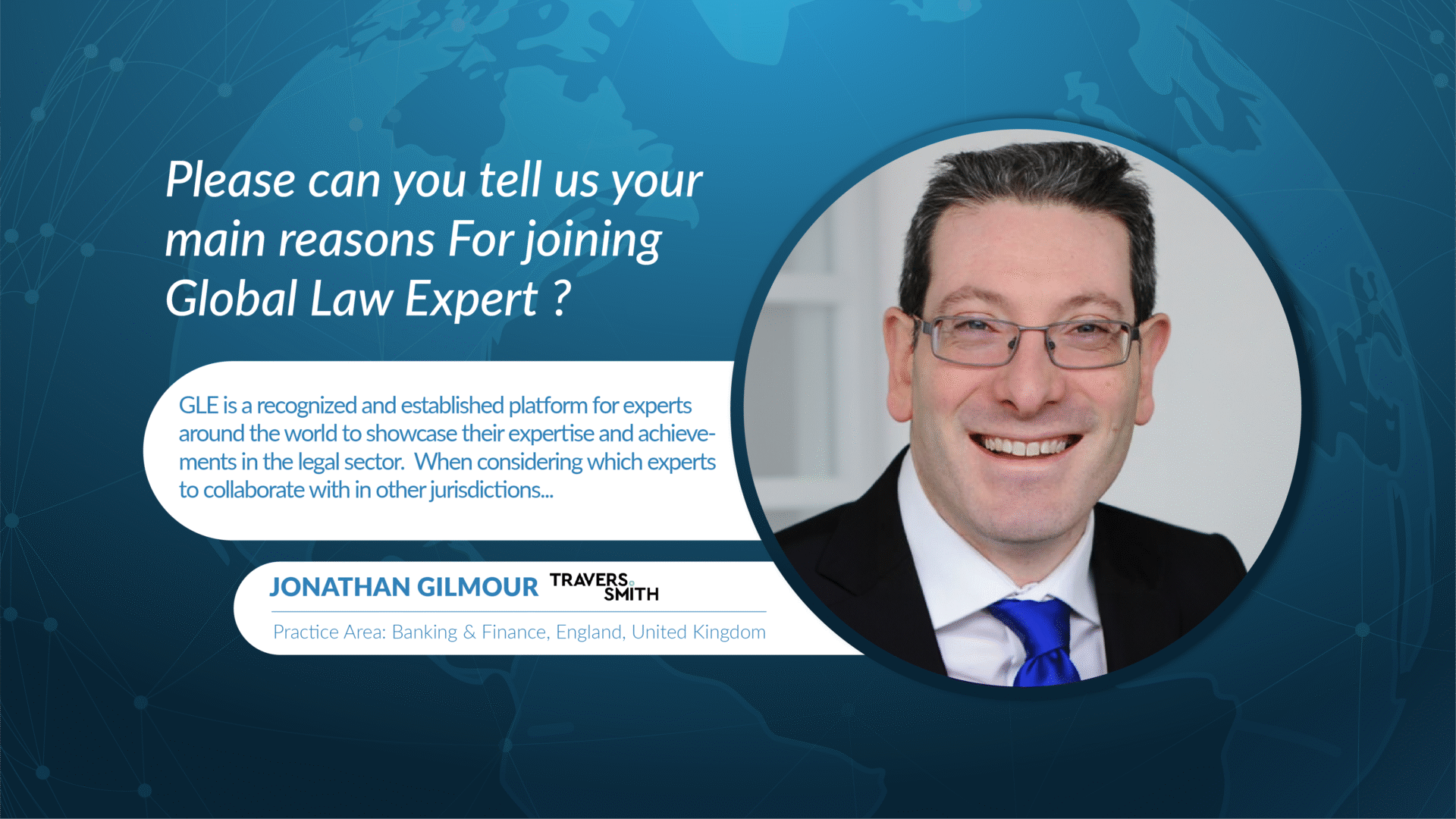
Testimonial-by-Jonathan-Gilmour.png
Testimonial-by-Tarek-Fouad-Riad.png
Testimonial-by-Zia-J.-Mody.png
Testimonial-by-Virginie-Tassin-Campanella.png
Testimonial-by-Marta-Dunphy-Moriel.png
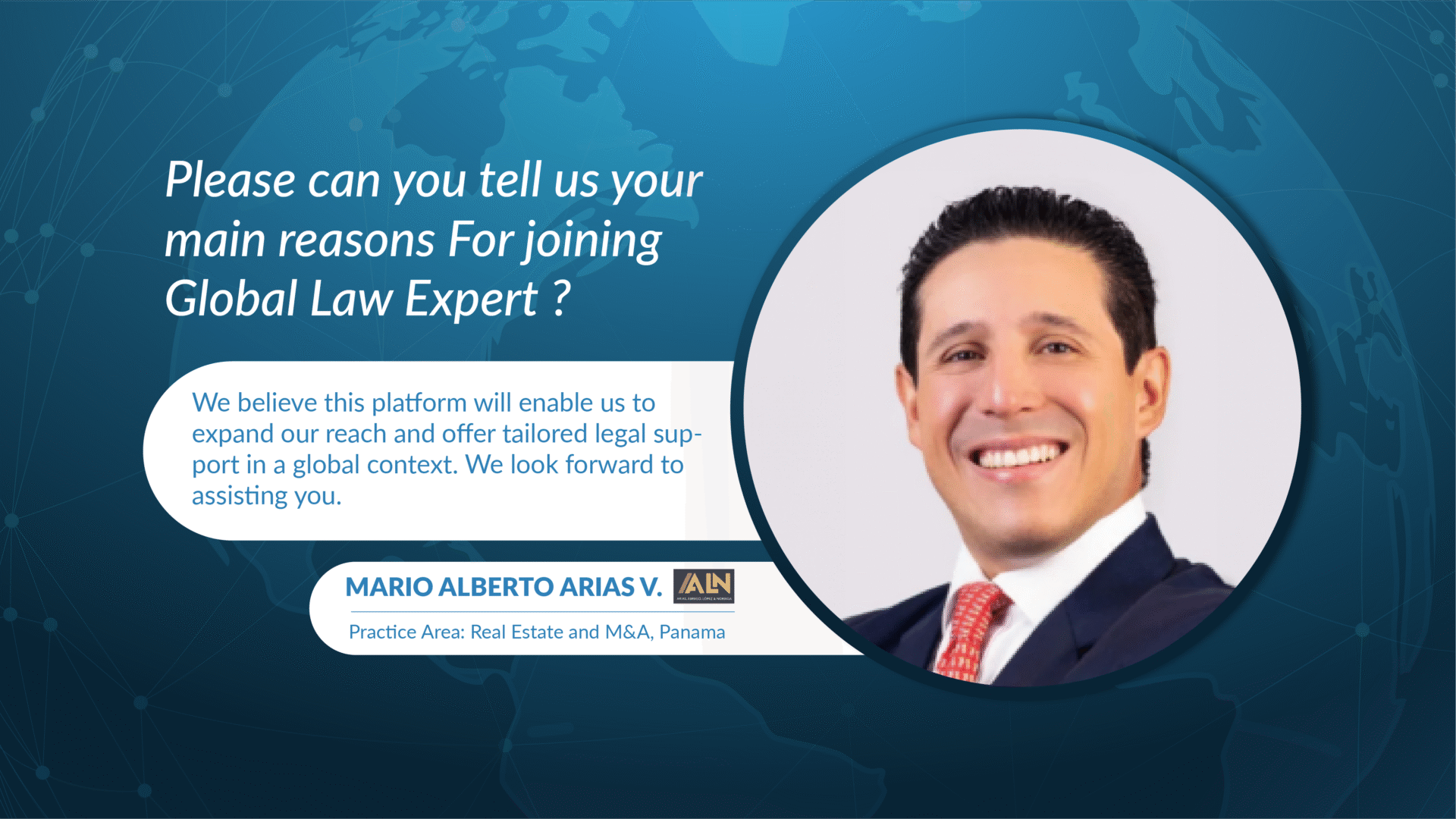
Testimonial-by-Mario-Alberto-Arias-V.png
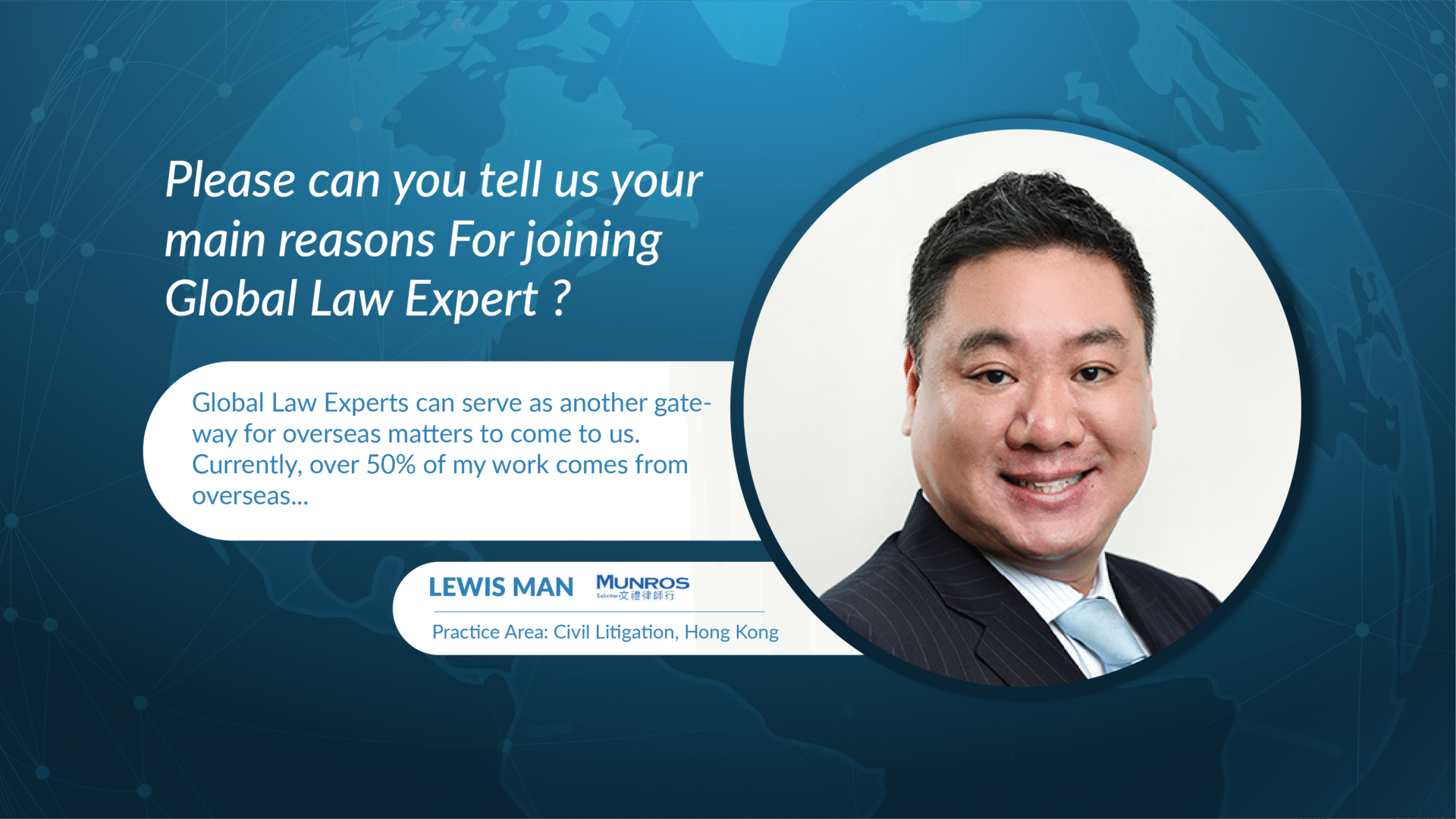
Testimonial-by-Lewis-Man.png
Testimonial-by-Kerwin-K.-Tan.png
Testimonial-by-Elena-Sadovskaya.png
Testimonial-by-Charalambos-Papasavvas.png

Insurance FAQ's

An Insurance lawyer acts as your translator and enforcer. Insurance policies are deliberately written in dense “legalese” that can be difficult to interpret. A lawyer deciphers these terms to explain exactly what is covered. If you file a claim, they manage the entire process—from documenting the loss to negotiating with the adjuster. Their primary goal is to prevent the insurance company from finding a technical loophole to deny your payout or offer you a “lowball” settlement that fails to cover your actual damages.

Subrogation is the legal right your insurance company holds to “step into your shoes” after they pay your claim. Once they pay you for a loss caused by someone else (like a car accident), they have the right to sue that at-fault party to recover their money. For you, this is usually good news: if they successfully recover funds, they are often required to refund your deductible. However, it also means you cannot sign a waiver releasing the other driver from liability without your insurer’s permission, or you risk voiding your own coverage.

Yes, this is a powerful legal tool. Insurance companies owe you an implied “covenant of good faith and fair dealing.” If they deny your claim without a valid reason, delay payment unreasonably, or lie about policy limits, a lawyer can sue them for “Bad Faith.” In many jurisdictions, winning a bad faith lawsuit allows you to recover not just the original claim amount, but also extra “punitive damages” to punish the insurer for their unethical conduct.


For large businesses, absolutely. Standard commercial policies are often riddled with exclusions that can leave you exposed. A lawyer reviews the “definitions” section—where coverage is often subtly removed—and identifies gaps in your protection. They can negotiate “endorsements” (custom additions) to fill these holes. For example, they might ensure your general liability policy specifically covers “cyber liability” if your standard contract excludes digital data breaches.

The “duty to defend” is broader than the duty to pay. If you are sued, your insurer must hire and pay for a lawyer to defend you, even if some of the claims against you might not be covered. This duty triggers immediately when a lawsuit is filed that potentially falls within your coverage. A lawyer ensures the insurer honors this obligation promptly so you don’t have to pay out-of-pocket legal fees to defend yourself against a negligence claim.

These disputes often hinge on the definition of “physical loss.” Insurers frequently deny claims for lost revenue (e.g., during a pandemic or power outage) by arguing that your building suffered no physical damage. A lawyer fights this by using forensic accounting to prove the financial reality of your loss. They also analyze “civil authority” clauses, arguing that a government-mandated shutdown constitutes a valid trigger for coverage even if your building is still standing.

The difference is the trigger for coverage. An Occurrence policy covers you for any incident that happened during the policy year, even if you are sued 10 years later. It offers long-term peace of mind. A Claims-Made policy only covers you if the lawsuit is filed while the policy is active. If you cancel a claims-made policy and get sued the next day for an old mistake, you have zero coverage unless you purchased expensive “tail coverage” to extend the reporting window.

Yes, and they are often more effective than policyholders. Insurance adjusters are trained negotiators who use software to minimize payouts. A lawyer counters this by building a “Damages Demand Package” supported by independent evidence, such as medical records or contractor estimates. They know the insurer’s “reserve” limits and use the threat of litigation leverage. This professional distance prevents you from accidentally saying something that devalues your own claim.

Insurance FAQ's

An Insurance lawyer acts as your translator and enforcer. Insurance policies are deliberately written in dense "legalese" that can be difficult to interpret. A lawyer deciphers these terms to explain exactly what is covered. If you file a claim, they manage the entire process—from documenting the loss to negotiating with the adjuster. Their primary goal is to prevent the insurance company from finding a technical loophole to deny your payout or offer you a "lowball" settlement that fails to cover your actual damages.

Subrogation is the legal right your insurance company holds to "step into your shoes" after they pay your claim. Once they pay you for a loss caused by someone else (like a car accident), they have the right to sue that at-fault party to recover their money. For you, this is usually good news: if they successfully recover funds, they are often required to refund your deductible. However, it also means you cannot sign a waiver releasing the other driver from liability without your insurer's permission, or you risk voiding your own coverage.

Yes, this is a powerful legal tool. Insurance companies owe you an implied "covenant of good faith and fair dealing." If they deny your claim without a valid reason, delay payment unreasonably, or lie about policy limits, a lawyer can sue them for "Bad Faith." In many jurisdictions, winning a bad faith lawsuit allows you to recover not just the original claim amount, but also extra "punitive damages" to punish the insurer for their unethical conduct.

For large businesses, absolutely. Standard commercial policies are often riddled with exclusions that can leave you exposed. A lawyer reviews the "definitions" section—where coverage is often subtly removed—and identifies gaps in your protection. They can negotiate "endorsements" (custom additions) to fill these holes. For example, they might ensure your general liability policy specifically covers "cyber liability" if your standard contract excludes digital data breaches.

The "duty to defend" is broader than the duty to pay. If you are sued, your insurer must hire and pay for a lawyer to defend you, even if some of the claims against you might not be covered. This duty triggers immediately when a lawsuit is filed that potentially falls within your coverage. A lawyer ensures the insurer honors this obligation promptly so you don't have to pay out-of-pocket legal fees to defend yourself against a negligence claim.

These disputes often hinge on the definition of "physical loss." Insurers frequently deny claims for lost revenue (e.g., during a pandemic or power outage) by arguing that your building suffered no physical damage. A lawyer fights this by using forensic accounting to prove the financial reality of your loss. They also analyze "civil authority" clauses, arguing that a government-mandated shutdown constitutes a valid trigger for coverage even if your building is still standing.

The difference is the trigger for coverage. An Occurrence policy covers you for any incident that happened during the policy year, even if you are sued 10 years later. It offers long-term peace of mind. A Claims-Made policy only covers you if the lawsuit is filed while the policy is active. If you cancel a claims-made policy and get sued the next day for an old mistake, you have zero coverage unless you purchased expensive "tail coverage" to extend the reporting window.

Yes, and they are often more effective than policyholders. Insurance adjusters are trained negotiators who use software to minimize payouts. A lawyer counters this by building a "Damages Demand Package" supported by independent evidence, such as medical records or contractor estimates. They know the insurer's "reserve" limits and use the threat of litigation leverage. This professional distance prevents you from accidentally saying something that devalues your own claim.

Join
who are already getting the benefits
0
Sign up for the latest legal briefings and news within Global Law Experts’ community, as well as a whole host of features, editorial and conference updates direct to your email inbox. Naturally you can unsubscribe at any time.
Newsletter Sign Up
About Us

Global Law Experts is dedicated to providing exceptional legal services to clients around the world. With a vast network of highly skilled and experienced lawyers, we are committed to delivering innovative and tailored solutions to meet the diverse needs of our clients in various jurisdictions.

Global Law Experts App

Now Available on the App & Google Play Stores.

Social Posts
[wp_social_ninja id="50714" platform="instagram"]

See More:

Contact Us

Stay Informed

Join Mailing List
About Us

Global Law Experts is dedicated to providing exceptional legal services to clients around the world. With a vast network of highly skilled and experienced lawyers, we are committed to delivering innovative and tailored solutions to meet the diverse needs of our clients in various jurisdictions.

Social Posts
[wp_social_ninja id="50714" platform="instagram"]

See More:

Global Law Experts App

Now Available on the App & Google Play Stores.

Contact Us

Stay Informed

Join Mailing List

GLE

Insurance Law in Turkey

Send welcome message

Custom Message