Global Law Experts
Lawyers
Countries Covered
Practice Areas
Discover award-winning Insolvency lawyers worldwide. Connect with expert independent members on Global Law Experts.
No results available Reset filters?
posted 2 months ago
posted 4 months ago
posted 5 months ago
posted 6 months ago
No results available Reset filters?
Insolvency law provides the legal framework for managing situations where individuals or corporate entities are unable to meet their financial obligations as they fall due. This practice is a critical component of a healthy economy, balancing the rights of creditors to recover debts with the potential for distressed businesses to undergo restructuring and return to viability. Attorneys provide the vital structure for navigating both liquidation—the orderly winding up of assets—and rescue mechanisms like administration, Chapter 11, or Company Voluntary Arrangements (CVAs).
Global Law Experts connects you with premier insolvency specialists who possess the commercial acumen required to handle high-pressure financial collapses. These lawyers are established experts within their own fields, offering the tactical foresight needed to manage “clawback” actions (voidable preferences), cross-border insolvency protocols under the UNCITRAL Model Law, and director liability defense. Whether you are a creditor seeking to maximize recovery in a complex bankruptcy or a board of directors navigating fiduciary duties during the “twilight zone” of insolvency, they provide the strategic advocacy needed to protect value and mitigate personal and corporate exposure.
Every GLE member is independently vetted by practice area and jurisdiction.
Insolvency is the financial state of being unable to pay debts when they fall due, whereas Liquidation is the terminal legal process that ends a company’s life by selling its assets. Bankruptcy is a specific legal term often reserved for individuals (natural persons) in many jurisdictions like the UK, although “filing for bankruptcy protection” (Chapter 11) is common terminology for companies in the US. Essentially, insolvency is the financial condition, while liquidation or bankruptcy is the formal legal procedure used to resolve it.
The “order of priority” is strictly defined by law and typically places secured creditors, such as banks holding a fixed charge over assets, at the very front of the queue. Next come “preferential creditors,” which usually include employees owed arrears of wages and holiday pay, and in some jurisdictions, tax authorities. Unsecured creditors, such as trade suppliers, landlords, and customers, are usually last in line and often receive only pennies on the dollar after the priority groups have drained the available funds.
If you continue to incur debts when you know—or ought to know—that the company has no reasonable prospect of avoiding liquidation, you commit “wrongful trading.” This offense pierces the corporate veil, allowing the court to make you personally liable for the company’s debts incurred from that point forward. Beyond financial ruin, directors face disqualification orders banning them from running another company for up to 15 years and, in cases of fraud or severe misconduct, potential criminal prosecution.
Yes, a lawyer can file for protection mechanisms like Administration (UK) or Chapter 11 (US), which create a legal “moratorium” that stops creditors from suing you while a rescue plan is formed. During this breathing space, the lawyer works with financial advisors to negotiate a restructuring plan or a Company Voluntary Arrangement (CVA) that allows you to pay back a percentage of debts over time while keeping the business trading, effectively saving the company from immediate death.
A preference payment occurs if you pay a specific creditor—often a business partner or relative—ahead of others shortly before insolvency to put them in a better financial position. A liquidator has the legal power to “claw back” this money by suing the recipient to force them to return the funds to the general pot for equal distribution. If the liquidator proves you intended to prefer that creditor over others, the court will void the transaction regardless of whether the original debt was legitimate.
Defense relies on the “every step” argument, where you must prove that the moment you realized insolvency was inevitable, you took every reasonable step to minimize loss to creditors. A lawyer builds this defense by producing board minutes, correspondence with financial advisors, and evidence of cost-cutting measures that show you were acting diligently to save the ship rather than recklessly sailing it into deeper debt. Documentation created at the time is critical, as courts judge these actions severely with the benefit of hindsight.
An Insolvency Practitioner (IP) is a licensed financial professional, often an accountant, who physically takes control of the company to sell assets, manage operations, and distribute money to creditors. An Insolvency Lawyer acts as the legal counsel to the IP, the directors, or the creditors, handling the court applications, drafting asset sale agreements, and litigating disputes over conduct or claims. While the IP runs the financial process, the lawyer ensures the IP’s actions are lawful and defends the directors against liability claims.

Generally, limited liability protects you, but this shield falls if you signed “Personal Guarantees” (PGs) for loans or leases, allowing the bank to pursue your personal assets like your home immediately after default. Additionally, if a court finds you guilty of misfeasance, fraud, or wrongful trading, your personal assets become fair game to repay the company’s debts, meaning the “limited” liability you relied on effectively evaporates due to your misconduct.
Insolvency is the financial state of being unable to pay debts when they fall due, whereas Liquidation is the terminal legal process that ends a company's life by selling its assets. Bankruptcy is a specific legal term often reserved for individuals (natural persons) in many jurisdictions like the UK, although "filing for bankruptcy protection" (Chapter 11) is common terminology for companies in the US. Essentially, insolvency is the financial condition, while liquidation or bankruptcy is the formal legal procedure used to resolve it.
The "order of priority" is strictly defined by law and typically places secured creditors, such as banks holding a fixed charge over assets, at the very front of the queue. Next come "preferential creditors," which usually include employees owed arrears of wages and holiday pay, and in some jurisdictions, tax authorities. Unsecured creditors, such as trade suppliers, landlords, and customers, are usually last in line and often receive only pennies on the dollar after the priority groups have drained the available funds.
If you continue to incur debts when you know—or ought to know—that the company has no reasonable prospect of avoiding liquidation, you commit "wrongful trading." This offense pierces the corporate veil, allowing the court to make you personally liable for the company’s debts incurred from that point forward. Beyond financial ruin, directors face disqualification orders banning them from running another company for up to 15 years and, in cases of fraud or severe misconduct, potential criminal prosecution.
Yes, a lawyer can file for protection mechanisms like Administration (UK) or Chapter 11 (US), which create a legal "moratorium" that stops creditors from suing you while a rescue plan is formed. During this breathing space, the lawyer works with financial advisors to negotiate a restructuring plan or a Company Voluntary Arrangement (CVA) that allows you to pay back a percentage of debts over time while keeping the business trading, effectively saving the company from immediate death.
A preference payment occurs if you pay a specific creditor—often a business partner or relative—ahead of others shortly before insolvency to put them in a better financial position. A liquidator has the legal power to "claw back" this money by suing the recipient to force them to return the funds to the general pot for equal distribution. If the liquidator proves you intended to prefer that creditor over others, the court will void the transaction regardless of whether the original debt was legitimate.
Defense relies on the "every step" argument, where you must prove that the moment you realized insolvency was inevitable, you took every reasonable step to minimize loss to creditors. A lawyer builds this defense by producing board minutes, correspondence with financial advisors, and evidence of cost-cutting measures that show you were acting diligently to save the ship rather than recklessly sailing it into deeper debt. Documentation created at the time is critical, as courts judge these actions severely with the benefit of hindsight.
An Insolvency Practitioner (IP) is a licensed financial professional, often an accountant, who physically takes control of the company to sell assets, manage operations, and distribute money to creditors. An Insolvency Lawyer acts as the legal counsel to the IP, the directors, or the creditors, handling the court applications, drafting asset sale agreements, and litigating disputes over conduct or claims. While the IP runs the financial process, the lawyer ensures the IP’s actions are lawful and defends the directors against liability claims.

Generally, limited liability protects you, but this shield falls if you signed "Personal Guarantees" (PGs) for loans or leases, allowing the bank to pursue your personal assets like your home immediately after default. Additionally, if a court finds you guilty of misfeasance, fraud, or wrongful trading, your personal assets become fair game to repay the company's debts, meaning the "limited" liability you relied on effectively evaporates due to your misconduct.
Global Law Experts is dedicated to providing exceptional legal services to clients around the world. With a vast network of highly skilled and experienced lawyers, we are committed to delivering innovative and tailored solutions to meet the diverse needs of our clients in various jurisdictions.

Thinking of buying property in Brazil? Start with a full legal safety net.
✔️ Check title and ownership history
✔️ Verify no debts or disputes
✔️ Confirm zoning and permits.
#BrazilProperty #RealEstateInvesting #LegalDueDiligence #ForeignInvestment #PropertyLaw #GlobalRealEstate #InvestmentRisk #BrazilLaw
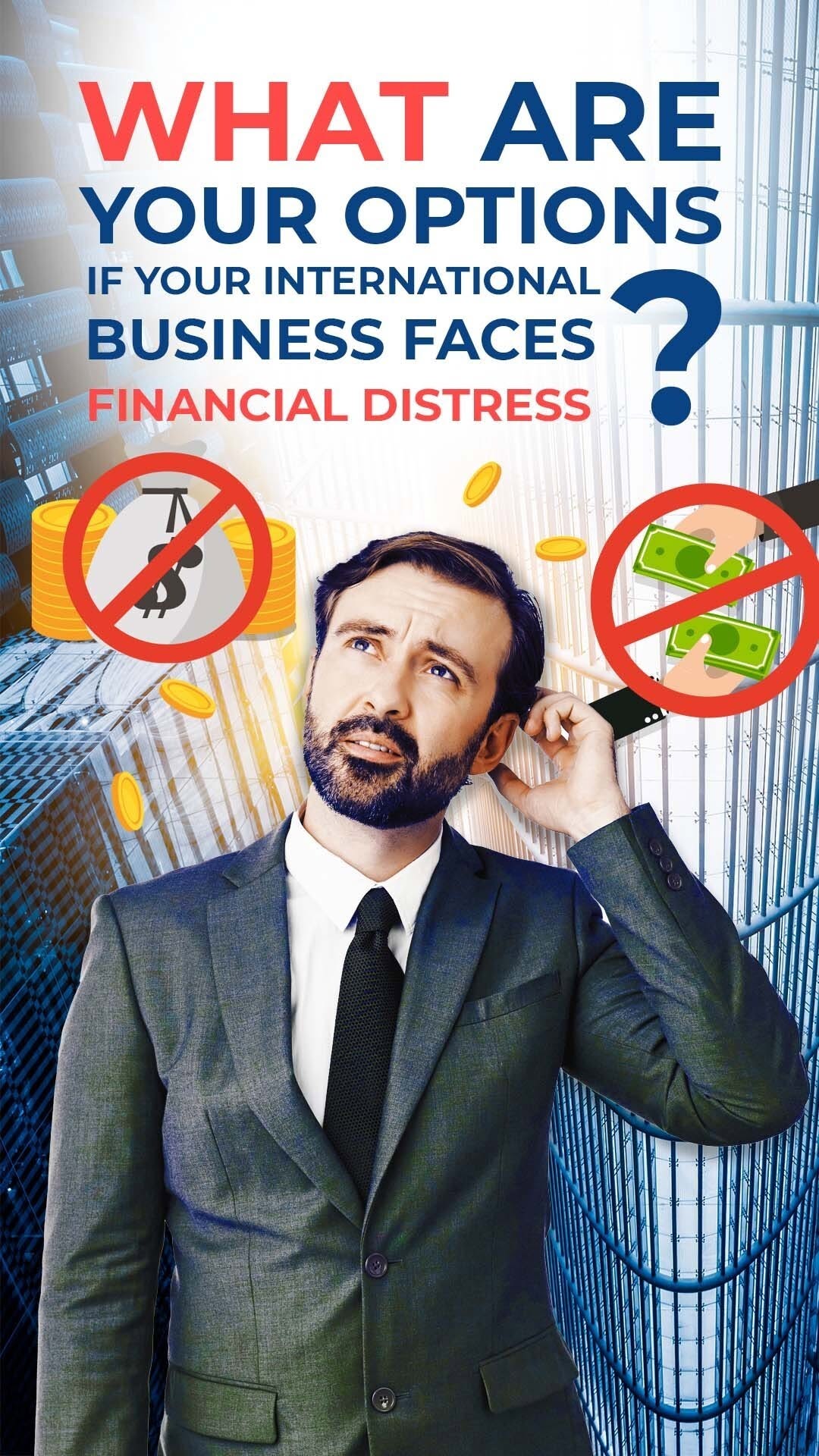
When your international business faces financial distress, quick action is key! 🔑 Negotiating with creditors, restructuring debt, and understanding insolvency laws can help regain stability. Global Law Experts is here to guide you through your options.
🌍Explore the details on our website.
🔗Link in bio
#GlobalLawExperts #CommercialLaw #BusinessLaw #LegalAdvice #BusinessGrowth #LegalTips #BusinessStrategy #LegalCompliance #Law #LegalKnowledge #LegalAwareness #Law101 #LegalEducation #IntellectualProperty
Thinking of buying property in Brazil? Don’t stop at the contract or key handover. Make sure the title is officially registered before calling it yours.
#BrazilRealEstate #PropertyLaw #GlobalInvestment #ForeignInvestors #LegalTips #DueDiligence #RealEstateRegistration #SecureInvestment
Getting a termination notice right now? Know your rights. Valid reason, fair process, proper notice they matter. Don’t let a bad dismissal walk away without accountability.
#EmploymentLaw #WorkerRights #Termination #LaborLaw #FairDismissal #WorkplaceJustice #LegalAwareness #GlobalWorkforce
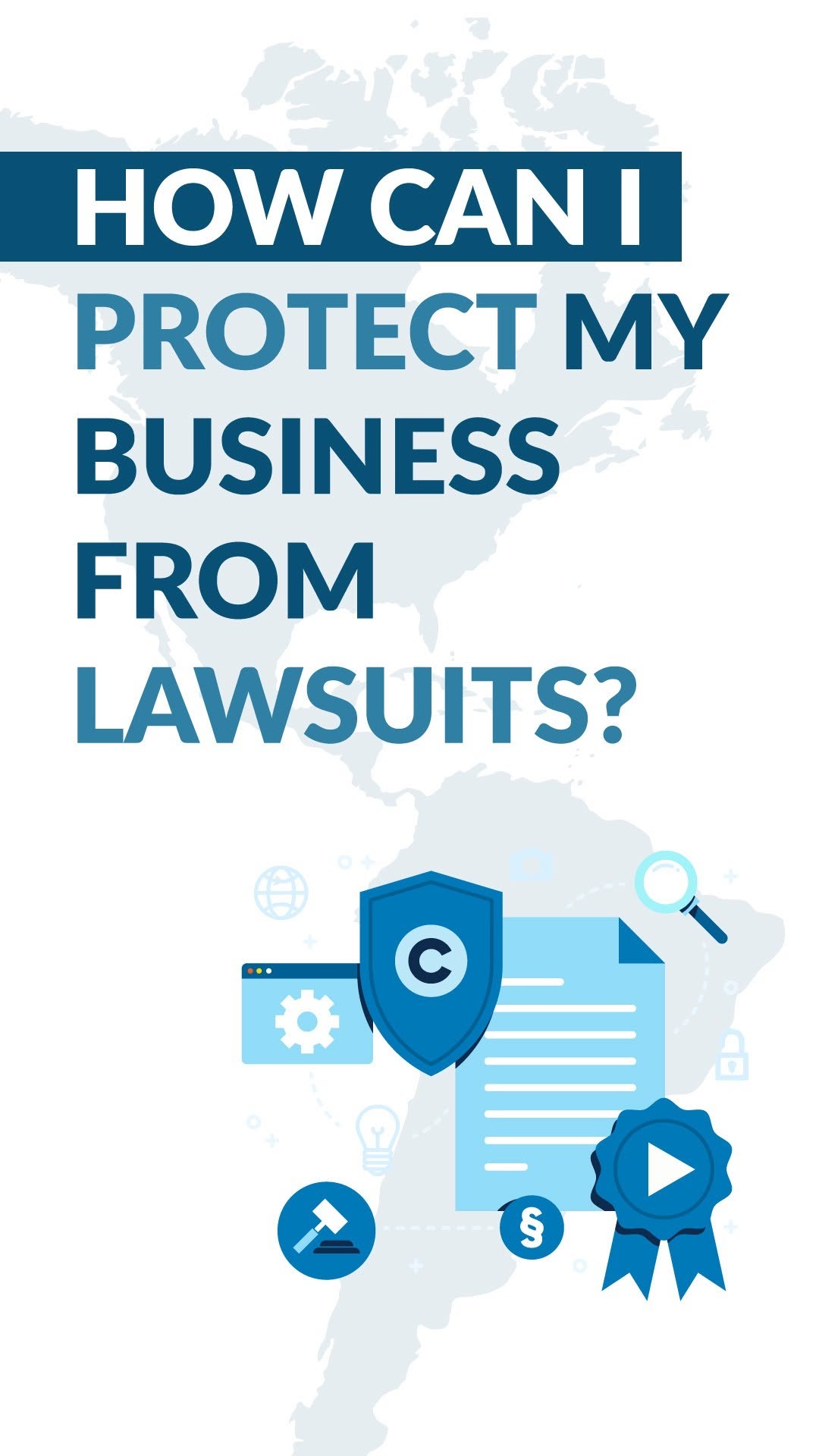
Running a business is hard enough — lawsuits shouldn’t make it harder. 🚫 Protect your business with the right legal strategies and expert tools from Global Law Experts. Let’s secure your future together! 💼
🌍Explore the details on our website.
➡️www.globallawexperts.com
#GlobalLawExperts #CommercialLaw #BusinessLaw #LegalAdvice #BusinessGrowth #LegalTips #BusinessStrategy #LegalCompliance #Law #LegalKnowledge #LegalAwareness #Law101 #LegalEducation #IntellectualProperty #Infringed #Ecommerce #LegalBranding
Global Law Experts is dedicated to providing exceptional legal services to clients around the world. With a vast network of highly skilled and experienced lawyers, we are committed to delivering innovative and tailored solutions to meet the diverse needs of our clients in various jurisdictions.
Thinking of buying property in Brazil? Start with a full legal safety net.
✔️ Check title and ownership history
✔️ Verify no debts or disputes
✔️ Confirm zoning and permits.
#BrazilProperty #RealEstateInvesting #LegalDueDiligence #ForeignInvestment #PropertyLaw #GlobalRealEstate #InvestmentRisk #BrazilLaw
When your international business faces financial distress, quick action is key! 🔑 Negotiating with creditors, restructuring debt, and understanding insolvency laws can help regain stability. Global Law Experts is here to guide you through your options.
🌍Explore the details on our website.
🔗Link in bio
#GlobalLawExperts #CommercialLaw #BusinessLaw #LegalAdvice #BusinessGrowth #LegalTips #BusinessStrategy #LegalCompliance #Law #LegalKnowledge #LegalAwareness #Law101 #LegalEducation #IntellectualProperty
Thinking of buying property in Brazil? Don’t stop at the contract or key handover. Make sure the title is officially registered before calling it yours.
#BrazilRealEstate #PropertyLaw #GlobalInvestment #ForeignInvestors #LegalTips #DueDiligence #RealEstateRegistration #SecureInvestment
Getting a termination notice right now? Know your rights. Valid reason, fair process, proper notice they matter. Don’t let a bad dismissal walk away without accountability.
#EmploymentLaw #WorkerRights #Termination #LaborLaw #FairDismissal #WorkplaceJustice #LegalAwareness #GlobalWorkforce
Running a business is hard enough — lawsuits shouldn’t make it harder. 🚫 Protect your business with the right legal strategies and expert tools from Global Law Experts. Let’s secure your future together! 💼
🌍Explore the details on our website.
➡️www.globallawexperts.com
#GlobalLawExperts #CommercialLaw #BusinessLaw #LegalAdvice #BusinessGrowth #LegalTips #BusinessStrategy #LegalCompliance #Law #LegalKnowledge #LegalAwareness #Law101 #LegalEducation #IntellectualProperty #Infringed #Ecommerce #LegalBranding
Send welcome message