[codicts-css-switcher id=”346″]

Global Law Experts Logo

Infrastructure Arbitration Lawyers Worldwide.

Global Law Experts

Meet Our Infrastructure Arbitration Lawyers

Discover award-winning Infrastructure Arbitration lawyers in the Global Law Experts directory. Connect with independent experts today.

Legal
Infrastructure Arbitration
Legal
Country
Infrastructure Arbitration

No results available Reset filters?

Find Expert Infrastructure Arbitration Lawyers Through Global Law Experts

Fortify Capital Projects with Expert Infrastructure Arbitration Counsel

Infrastructure arbitration is a specialized form of dispute resolution tailored to the unique scale, technical complexity, and long-term nature of “mega-projects” such as transport networks, energy grids, and telecommunications. Unlike standard commercial disputes, infrastructure cases often involve multiple parties (owners, contractors, subcontractors, and lenders), “back-to-back” liability structures, and significant public interest. Attorneys in this field provide the vital framework for navigating FIDIC contracts—the global gold standard—which mandate tiered dispute resolution through Dispute Avoidance/Adjudication Boards (DABs) as a condition precedent to formal arbitration.

Global Law Experts connects you with premier infrastructure arbitration specialists who possess the engineering and legal fluency required to handle high-stakes technical claims. These practitioners are established experts within their own fields, offering the tactical foresight needed to manage Investor-State Dispute Settlement (ISDS) under bilateral investment treaties, secure interim measures for site access, and orchestrate complex evidentiary site visits. Whether you are a sovereign state defending a project’s regulatory framework or a multinational contractor pursuing claims for “unforeseen physical conditions” (Clause 4.12), they provide the strategic advocacy needed to bypass jurisdictional gridlock and achieve a definitive, enforceable result.

Professional Infrastructure Arbitration Help You Can Trust

We will help match you with a qualified Infrastructure Arbitration law specialist who can offer reliable advice, clarify your options, and guide you through the next steps in the legal process.
Main Lead Capture Form - Home

Every GLE member is independently vetted by practice area and jurisdiction.

Client Success Stories

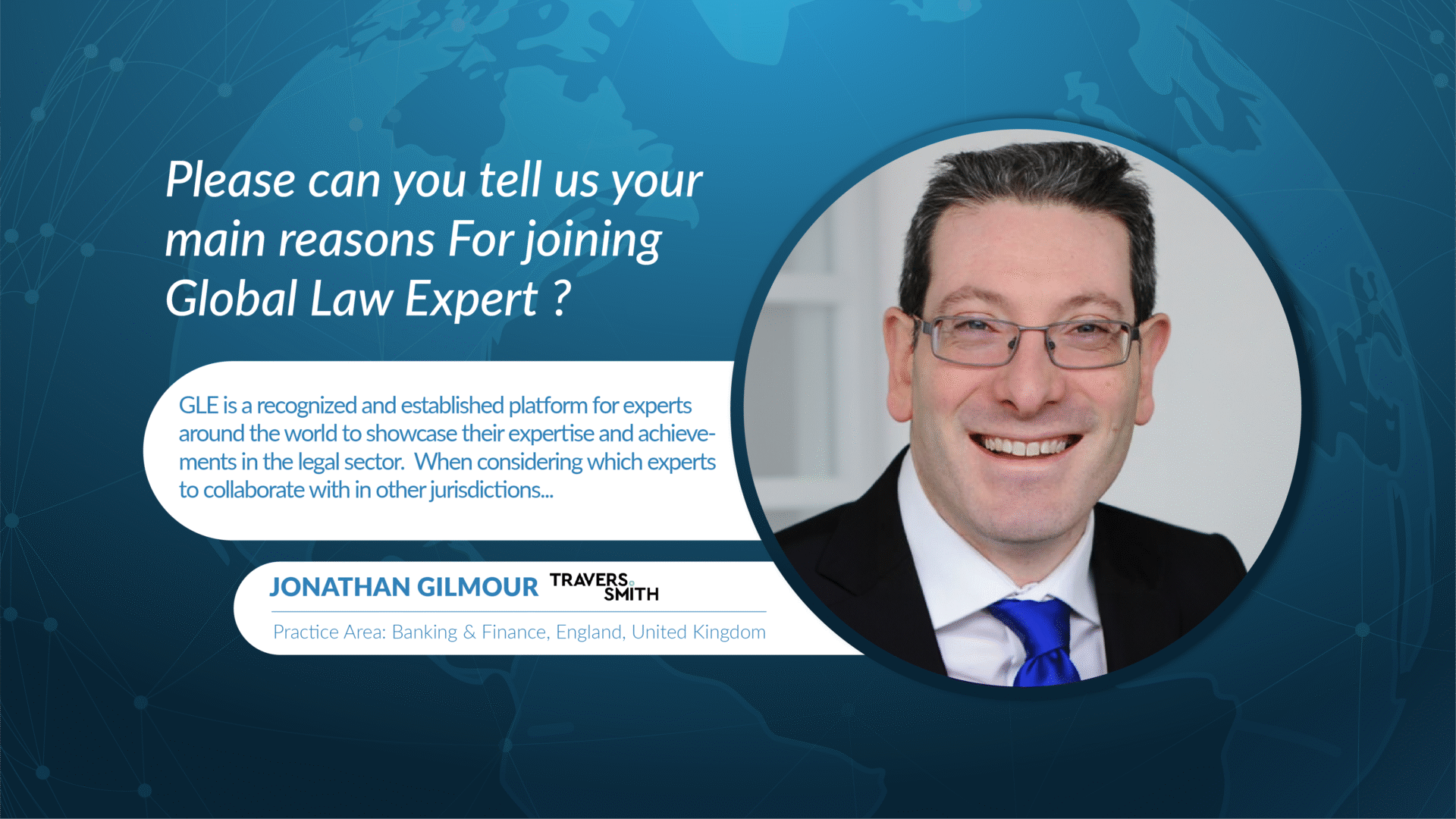
Testimonial-by-Jonathan-Gilmour.png
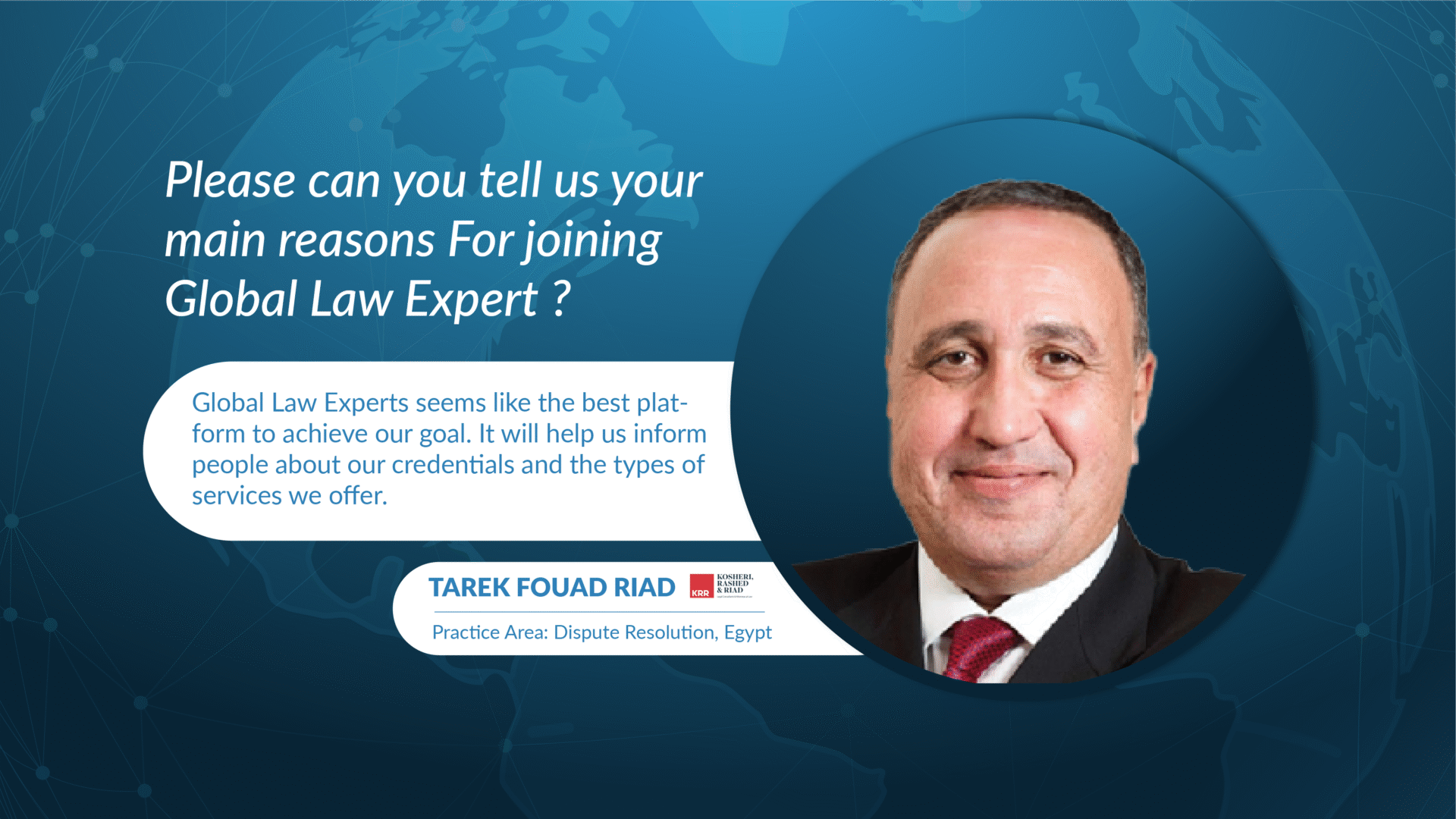
Testimonial-by-Tarek-Fouad-Riad.png
Testimonial-by-Zia-J.-Mody.png
Testimonial-by-Virginie-Tassin-Campanella.png
Testimonial-by-Marta-Dunphy-Moriel.png
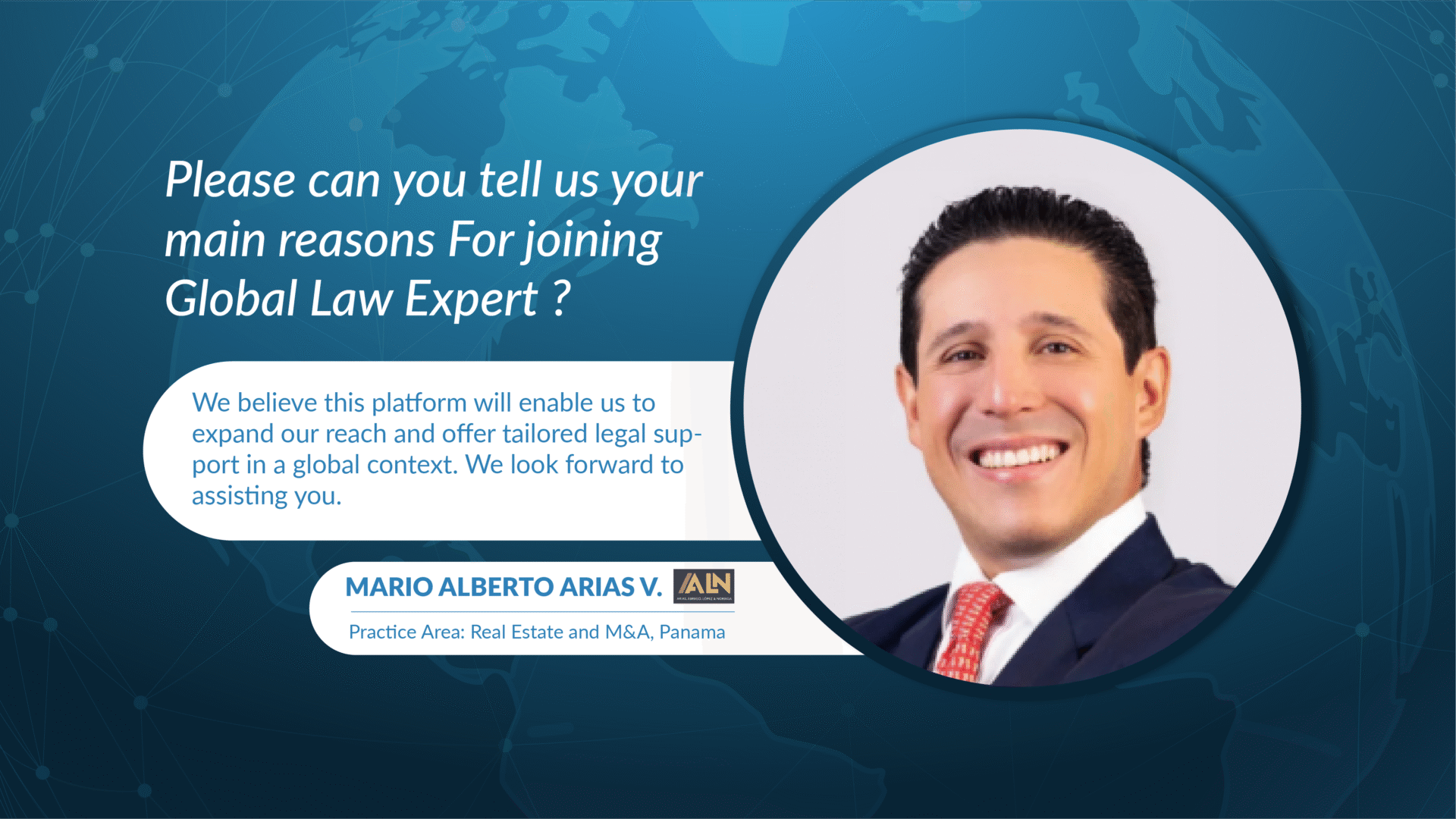
Testimonial-by-Mario-Alberto-Arias-V.png
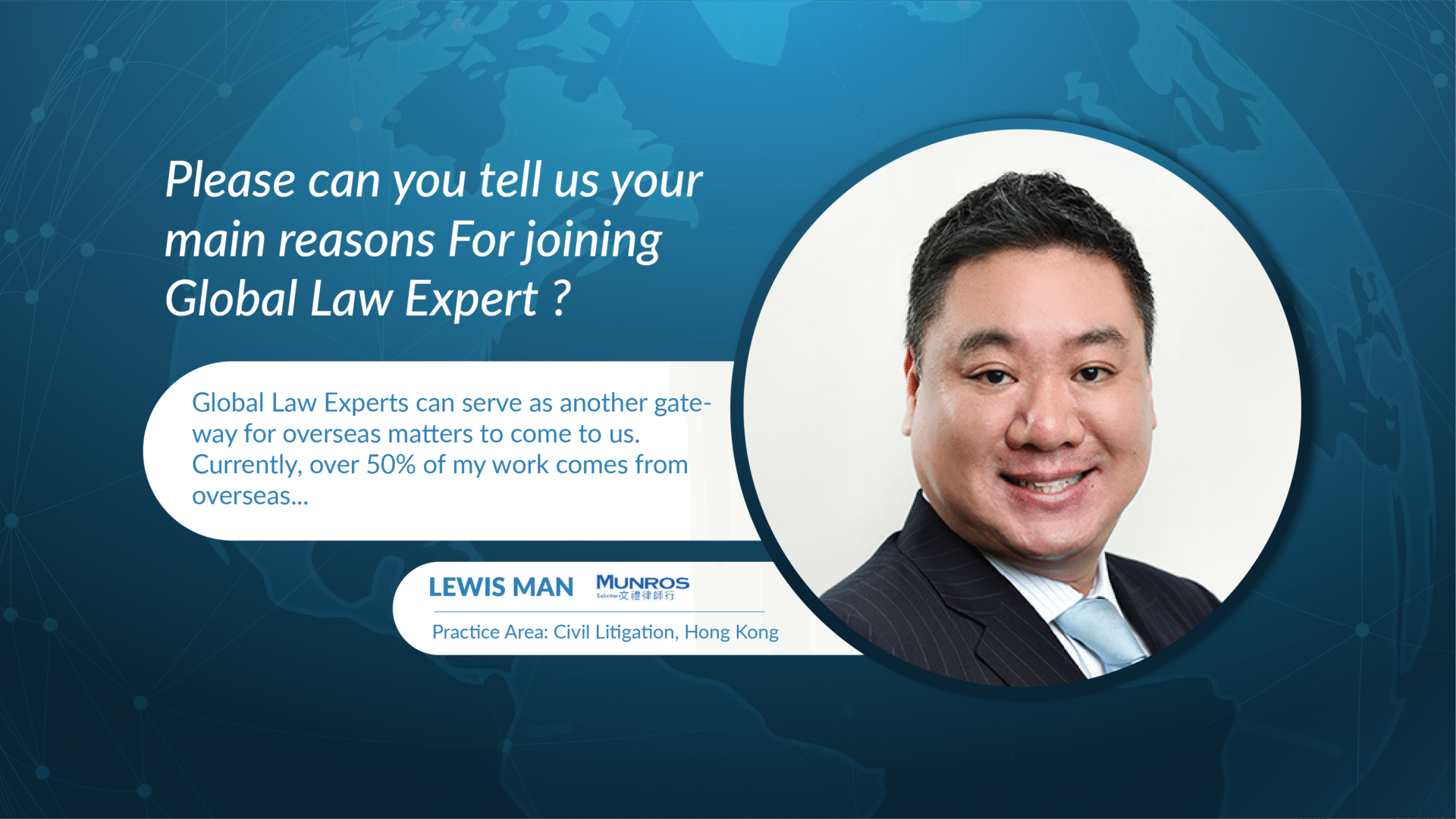
Testimonial-by-Lewis-Man.png
Testimonial-by-Kerwin-K.-Tan.png
Testimonial-by-Elena-Sadovskaya.png
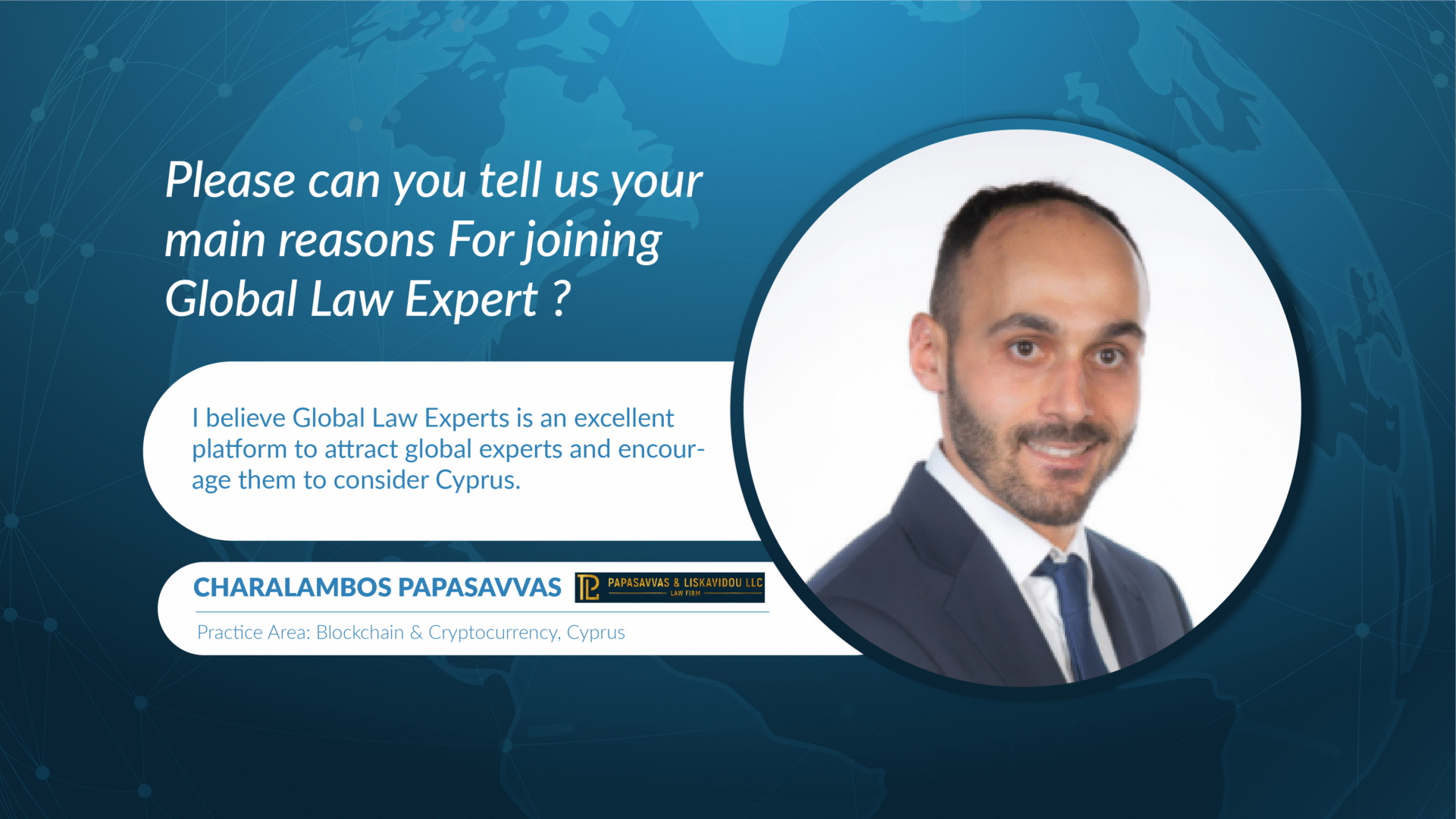
Testimonial-by-Charalambos-Papasavvas.png

Infrastructure Arbitration FAQ's

The primary difference lies in the decision-maker’s expertise and the privacy of the process. In commercial litigation, a generalist judge decides your case in a public court, whereas in infrastructure arbitration, you select arbitrators with specific industry knowledge—often a panel including an engineer or a construction lawyer. This is critical because infrastructure disputes hinge on highly technical engineering concepts like soil mechanics or load-bearing calculations that a standard judge may not fully grasp, and the private nature of arbitration prevents your project’s failures from becoming public headlines.

FIDIC contracts use a multi-tiered dispute resolution system designed to solve problems before they reach arbitration, typically starting with an initial determination by the project engineer. If either party rejects the engineer’s decision, the matter is referred to a Dispute Avoidance/Adjudication Board (DAAB)—a standing panel that visits the site regularly and issues a decision within 84 days. If a party is unhappy with the DAAB decision, they must attempt an amicable settlement for a set period, usually 28 days, and only if that fails does the matter proceed to formal international arbitration under rules like those of the ICC.


Yes, because the composition of the DAB often determines the outcome of the project, and a lawyer helps you balance the board’s skillset to ensure a mix of technical expertise and legal procedural knowledge. Your lawyer also ensures the member has no conflicts of interest and negotiates the “DAAB Agreement” to define their fees and site visit schedule, which is vital because appointing a member who is technically brilliant but procedurally weak can lead to unenforceable decisions later.

These are two distinct claims that require specific forensic analysis: delay relates to time, where you must prove an event like a permit delay pushed out the project’s completion date using “Critical Path Method” (CPM) analysis. Disruption relates to efficiency, where you argue that work was completed on time but required more resources than planned due to interference, often proven using the “Measured Mile” approach that compares a period of unimpacted work to the impacted period to calculate the productivity loss.

Technical experts serve as the tribunal’s guides rather than your advocates, with a primary duty to the tribunal to explain complex issues. In infrastructure cases, you typically require separate experts for Liability (to explain why a failure occurred) and Quantum (to calculate the repair costs). Lawyers manage these experts to ensure their reports are legally admissible and coordinate them to produce a “Joint Report” that clearly identifies exactly where they agree and disagree before the hearing begins.

Enforcing against a state is difficult due to “Sovereign Immunity,” where a state may waive immunity to be sued but still claim immunity from having its assets seized. A lawyer navigates this by identifying which state assets are “commercial” rather than “sovereign”—such as a commercial bank account versus an embassy building—and uses international treaties like the New York Convention to freeze these commercial assets in friendly jurisdictions to force the state to pay the award.

Arbitration is generally private, depending on the specific rules and local laws, which is vital for infrastructure projects that are often politically sensitive. If a government is being sued for millions due to a failed power plant, they rarely want the details of their mismanagement aired in public court; confidentiality allows parties to admit mistakes and settle the dispute without suffering the political fallout or reputational damage that comes with a public trial.

Arbitration is generally private, depending on the specific rules and local laws, which is vital for infrastructure projects that are often politically sensitive. If a government is being sued for millions due to a failed power plant, they rarely want the details of their mismanagement aired in public court; confidentiality allows parties to admit mistakes and settle the dispute without suffering the political fallout or reputational damage that comes with a public trial.

Infrastructure Arbitration FAQ's

The primary difference lies in the decision-maker's expertise and the privacy of the process. In commercial litigation, a generalist judge decides your case in a public court, whereas in infrastructure arbitration, you select arbitrators with specific industry knowledge—often a panel including an engineer or a construction lawyer. This is critical because infrastructure disputes hinge on highly technical engineering concepts like soil mechanics or load-bearing calculations that a standard judge may not fully grasp, and the private nature of arbitration prevents your project's failures from becoming public headlines.

FIDIC contracts use a multi-tiered dispute resolution system designed to solve problems before they reach arbitration, typically starting with an initial determination by the project engineer. If either party rejects the engineer's decision, the matter is referred to a Dispute Avoidance/Adjudication Board (DAAB)—a standing panel that visits the site regularly and issues a decision within 84 days. If a party is unhappy with the DAAB decision, they must attempt an amicable settlement for a set period, usually 28 days, and only if that fails does the matter proceed to formal international arbitration under rules like those of the ICC.
Yes, because the composition of the DAB often determines the outcome of the project, and a lawyer helps you balance the board's skillset to ensure a mix of technical expertise and legal procedural knowledge. Your lawyer also ensures the member has no conflicts of interest and negotiates the "DAAB Agreement" to define their fees and site visit schedule, which is vital because appointing a member who is technically brilliant but procedurally weak can lead to unenforceable decisions later.

These are two distinct claims that require specific forensic analysis: delay relates to time, where you must prove an event like a permit delay pushed out the project's completion date using "Critical Path Method" (CPM) analysis. Disruption relates to efficiency, where you argue that work was completed on time but required more resources than planned due to interference, often proven using the "Measured Mile" approach that compares a period of unimpacted work to the impacted period to calculate the productivity loss.

Technical experts serve as the tribunal's guides rather than your advocates, with a primary duty to the tribunal to explain complex issues. In infrastructure cases, you typically require separate experts for Liability (to explain why a failure occurred) and Quantum (to calculate the repair costs). Lawyers manage these experts to ensure their reports are legally admissible and coordinate them to produce a "Joint Report" that clearly identifies exactly where they agree and disagree before the hearing begins.

Enforcing against a state is difficult due to "Sovereign Immunity," where a state may waive immunity to be sued but still claim immunity from having its assets seized. A lawyer navigates this by identifying which state assets are "commercial" rather than "sovereign"—such as a commercial bank account versus an embassy building—and uses international treaties like the New York Convention to freeze these commercial assets in friendly jurisdictions to force the state to pay the award.

Arbitration is generally private, depending on the specific rules and local laws, which is vital for infrastructure projects that are often politically sensitive. If a government is being sued for millions due to a failed power plant, they rarely want the details of their mismanagement aired in public court; confidentiality allows parties to admit mistakes and settle the dispute without suffering the political fallout or reputational damage that comes with a public trial.

Arbitration is generally private, depending on the specific rules and local laws, which is vital for infrastructure projects that are often politically sensitive. If a government is being sued for millions due to a failed power plant, they rarely want the details of their mismanagement aired in public court; confidentiality allows parties to admit mistakes and settle the dispute without suffering the political fallout or reputational damage that comes with a public trial.

Join
who are already getting the benefits
0
Sign up for the latest legal briefings and news within Global Law Experts’ community, as well as a whole host of features, editorial and conference updates direct to your email inbox. Naturally you can unsubscribe at any time.
Newsletter Sign Up
About Us

Global Law Experts is dedicated to providing exceptional legal services to clients around the world. With a vast network of highly skilled and experienced lawyers, we are committed to delivering innovative and tailored solutions to meet the diverse needs of our clients in various jurisdictions.

Global Law Experts App

Now Available on the App & Google Play Stores.

Social Posts
[wp_social_ninja id="50714" platform="instagram"]

See More:

Contact Us

Stay Informed

Join Mailing List
About Us

Global Law Experts is dedicated to providing exceptional legal services to clients around the world. With a vast network of highly skilled and experienced lawyers, we are committed to delivering innovative and tailored solutions to meet the diverse needs of our clients in various jurisdictions.

Social Posts
[wp_social_ninja id="50714" platform="instagram"]

See More:

Global Law Experts App

Now Available on the App & Google Play Stores.

Contact Us

Stay Informed

Join Mailing List

GLE

Lawyer Profile Page - Lead Capture
GLE-Logo-White
Lawyer Profile Page - Lead Capture

Testimonial by Charalambos Papasavvas

Send welcome message

Custom Message