[codicts-css-switcher id=”346″]

Global Law Experts Logo
Arnaud Tailfer Joins Global Law Experts as Exclusive Member for International Tax Law in France | GLE News

Gaming Lawyers Worldwide.

Global Law Experts

Meet Our Gaming Lawyers

Discover independent Gaming lawyers recognized by Global Law Experts. Explore expertise and connect with legal experts in Gaming law worldwide.

Legal
Country
Gaming
Legal
Country
Gaming
2 results

Elena Sadovskaya

  • GOLD

Email:

Phone:

*****
Young woman with long hair posing against a plain background, wearing an off-the-shoulder black top.
Logo design for Intelium Law featuring stylized letters 'N' and 'L' in blue and dark blue.
Young woman with long hair posing against a plain background, wearing an off-the-shoulder black top.
  • GOLD

Elena Sadovskaya

  • GOLD
Gaming Law in United Arab Emirates
  • Inteliumlaw
  • GOLD

Pedro Cortés

  • GOLD

Email:

Phone:

+853 2*****
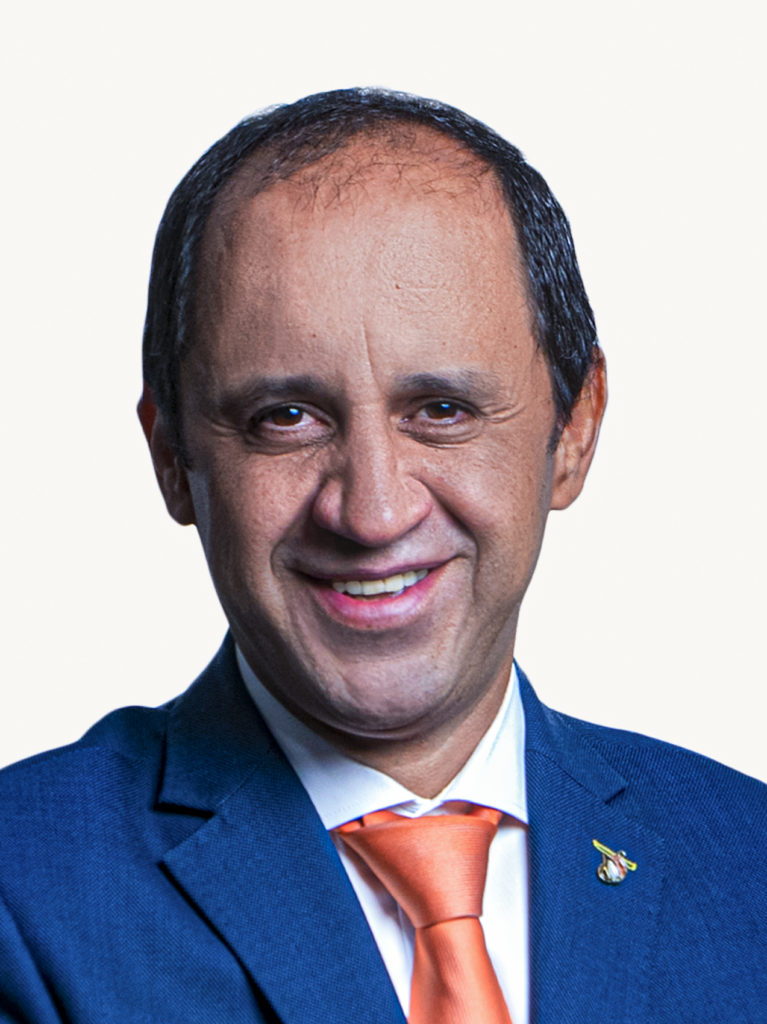
Lawyer smiling in professional attire with an orange tie against a plain white background.
Legal logo for Lektou Advogados, featuring stylized Chinese characters and the firm's name in a modern font.
Lawyer smiling in professional attire with an orange tie against a plain white background.
  • GOLD

Pedro Cortés

  • GOLD
Gaming Law in Macau
  • Lektou
  • GOLD

Gaming News

Find Expert Gaming Lawyers Through Global Law Experts

Navigate Regulatory Compliance with Expert Gaming Counsel

Gaming law (betting and wagering) is a highly scrutinized legal field governing the operation of casinos, sportsbooks, lotteries, and online gambling platforms. This industry is defined by a complex patchwork of jurisdictional mandates that vary significantly between “open” markets and state monopolies. Attorneys provide the essential framework for navigating Licensing Applications, ensuring compliance with strict Anti-Money Laundering (AML) and Know Your Customer (KYC) protocols, and managing the legal risks associated with “Grey Market” operations.

Global Law Experts connects you with premier gaming specialists who possess the regulatory depth required to manage high-stakes wagering operations. These lawyers are established experts within their own fields, offering the tactical foresight needed to handle Sports Integrity issues, negotiate Affiliate Marketing agreements, and ensure that digital platforms meet the rigorous technical standards of testing labs. Whether you are a legacy casino operator expanding into iGaming or a tech firm launching a new parimutuel betting system, they provide the strategic advocacy needed to maintain licensure and operate successfully in any legal forum.

Professional Gaming Help You Can Trust

We will help match you with a qualified Gaming law specialist who can offer reliable advice, clarify your options, and guide you through the next steps in the legal process.
Lead Enquiries Qualification

Every GLE member is independently vetted by practice area and jurisdiction.

Client Success Stories

Testimonial-by-Jonathan-Gilmour.png
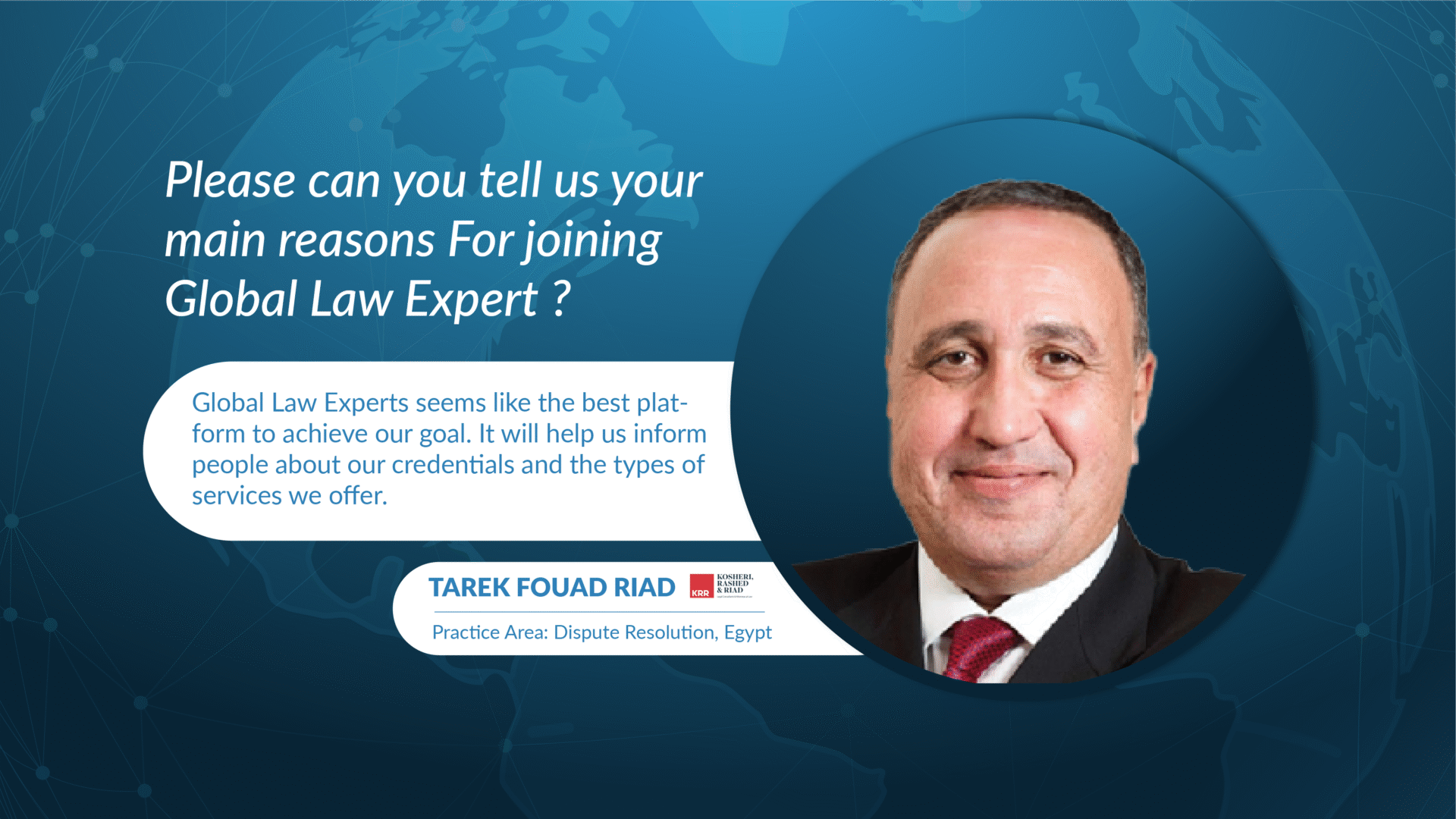
Testimonial-by-Tarek-Fouad-Riad.png
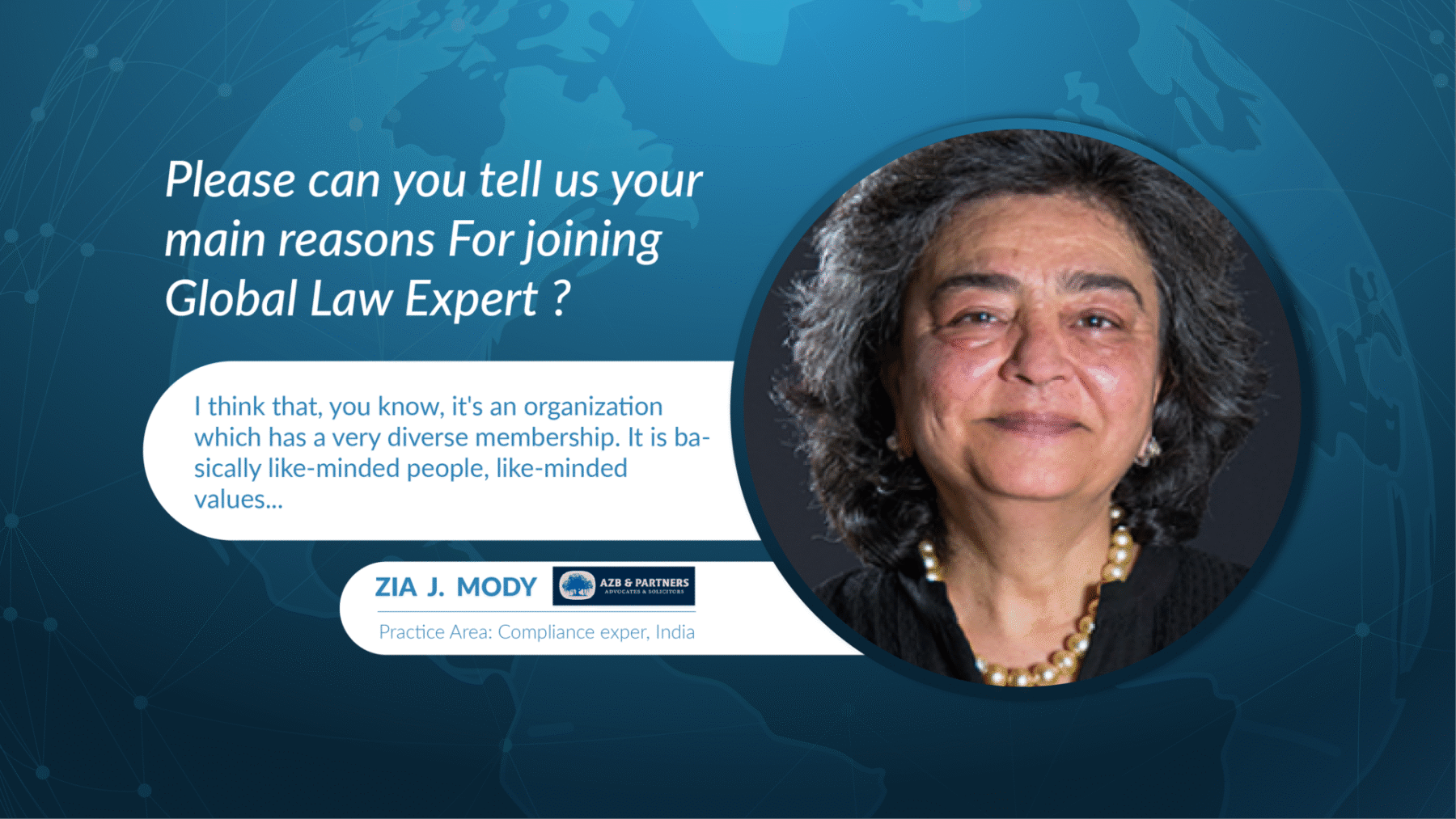
Testimonial-by-Zia-J.-Mody.png
Testimonial-by-Virginie-Tassin-Campanella.png
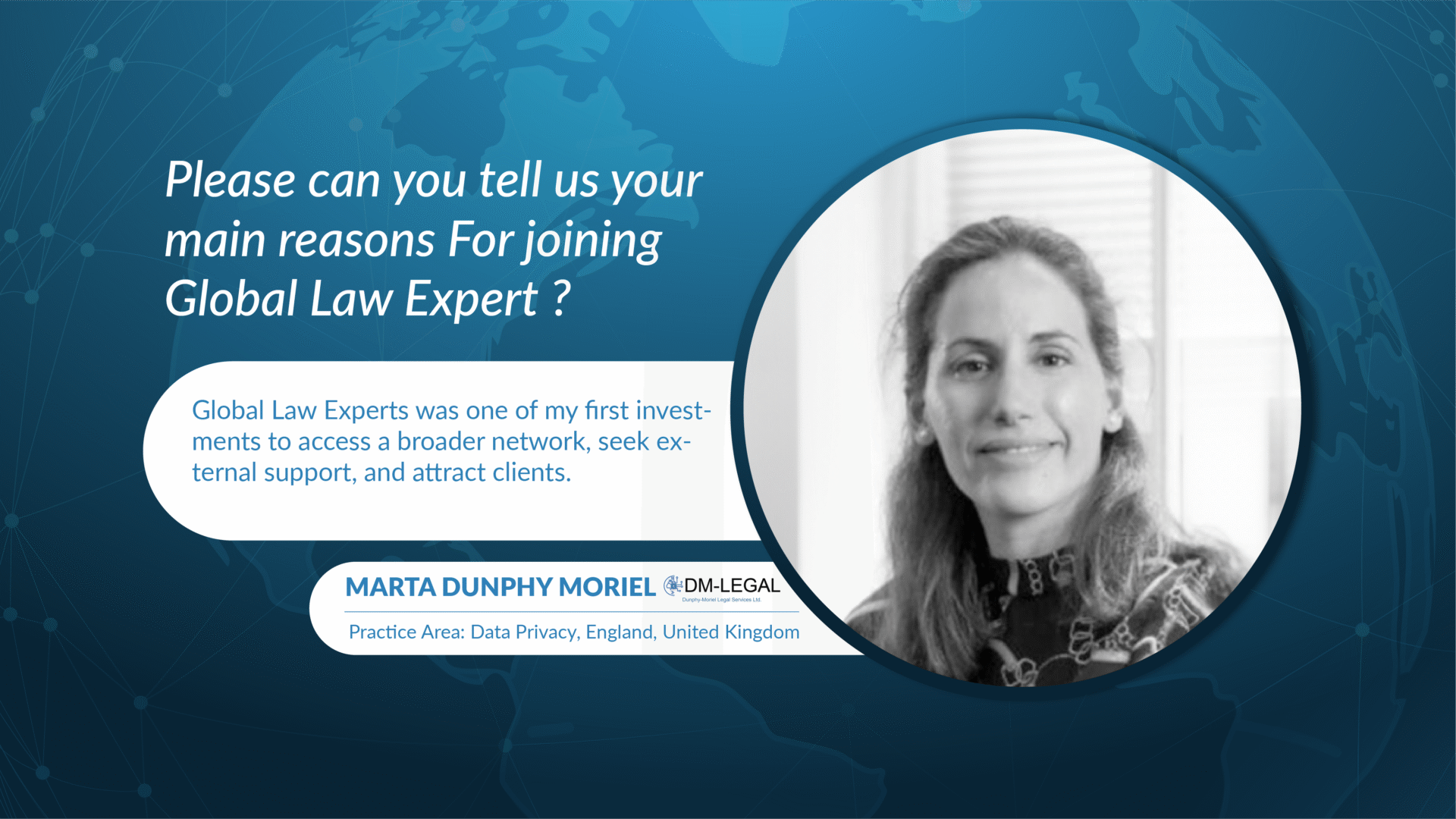
Testimonial-by-Marta-Dunphy-Moriel.png
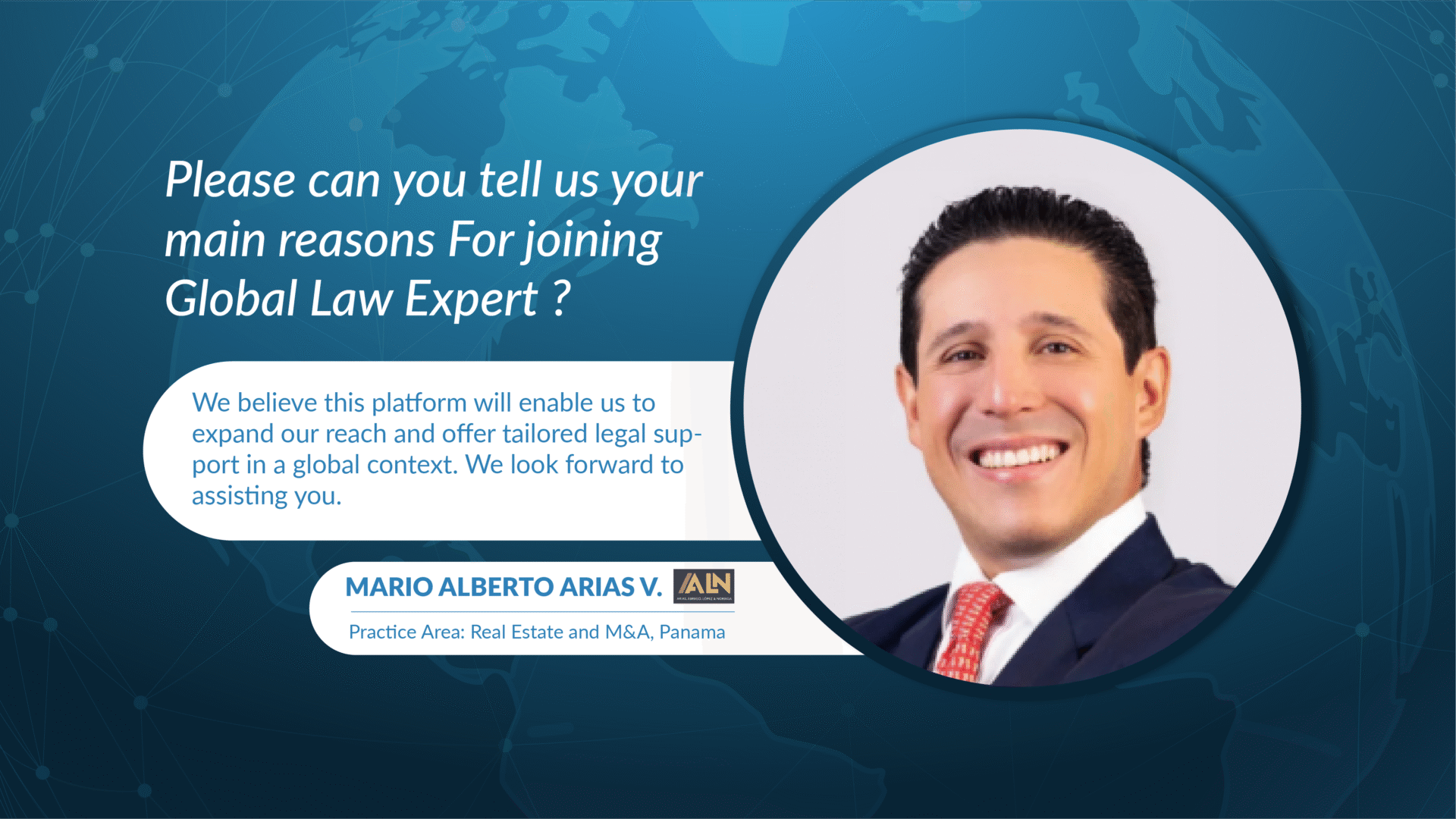
Testimonial-by-Mario-Alberto-Arias-V.png
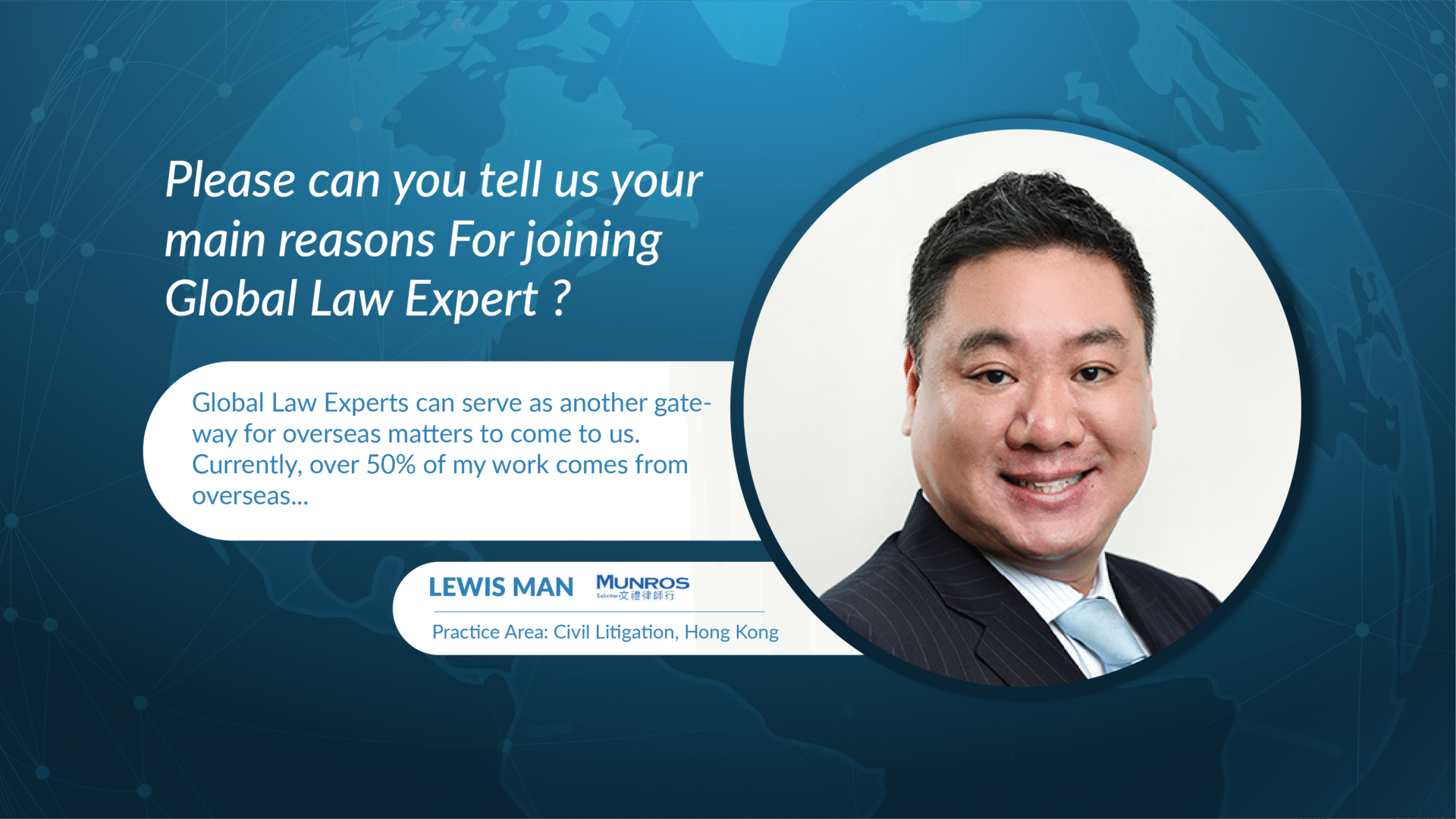
Testimonial-by-Lewis-Man.png
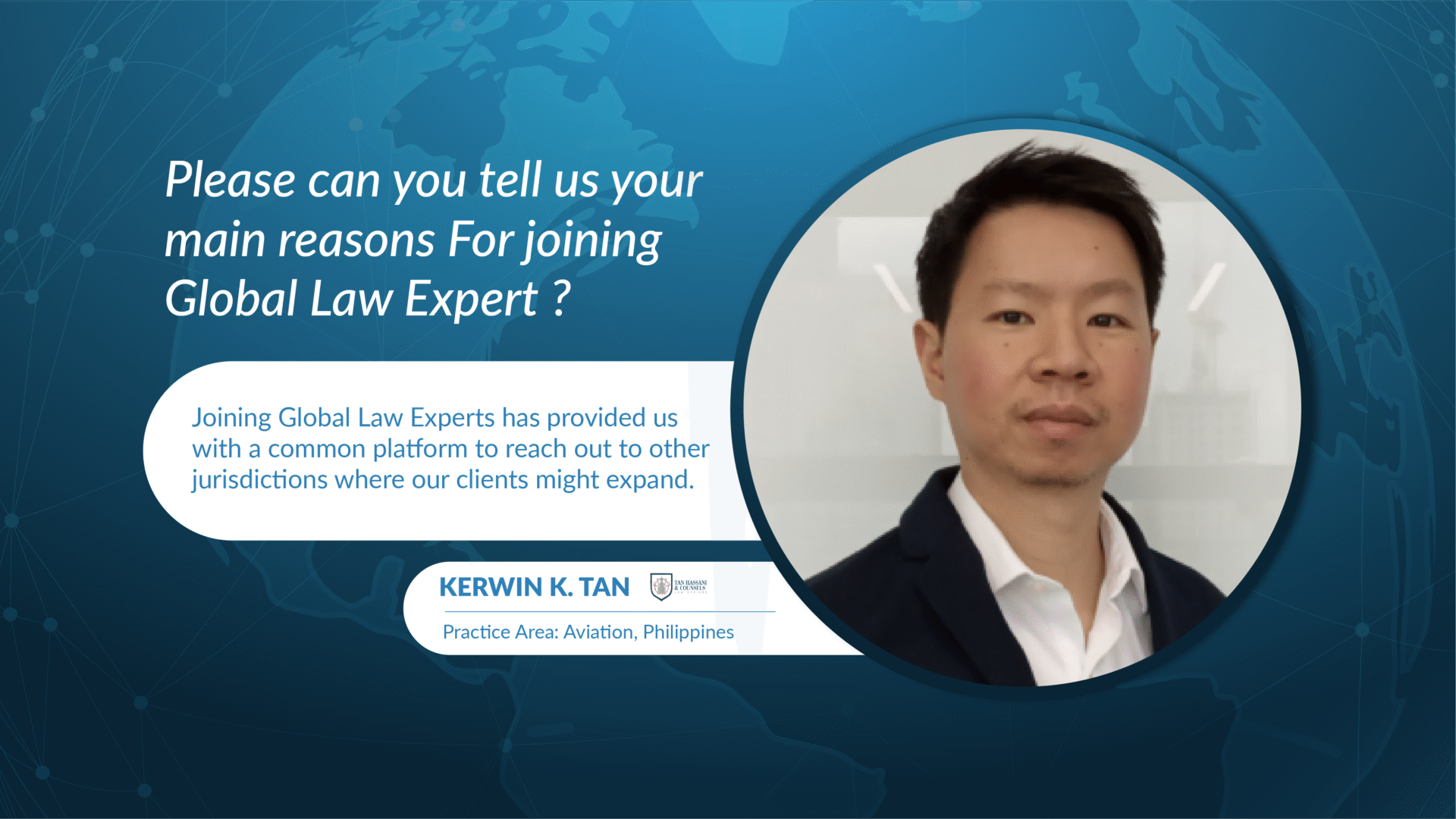
Testimonial-by-Kerwin-K.-Tan.png
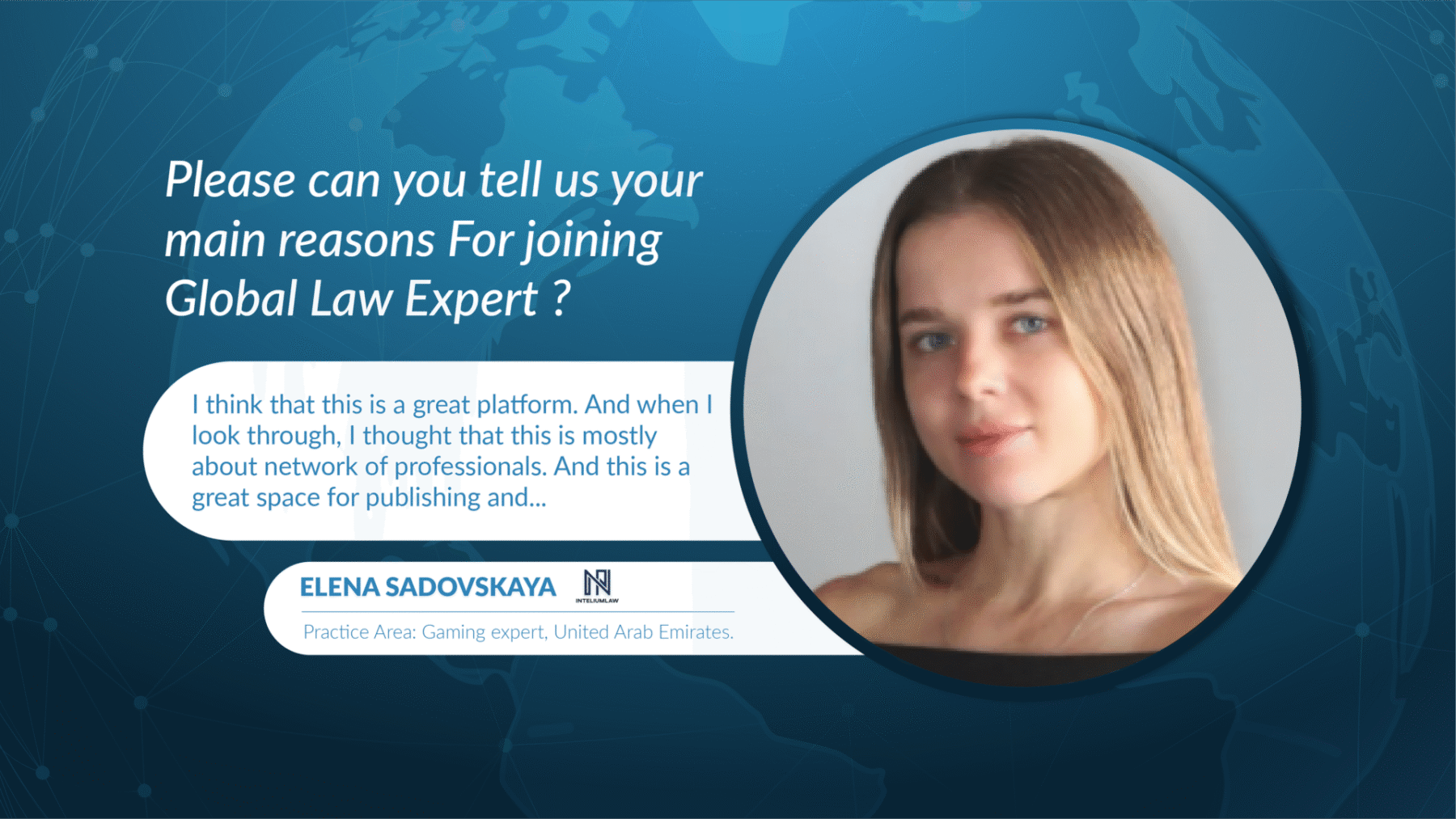
Testimonial-by-Elena-Sadovskaya.png
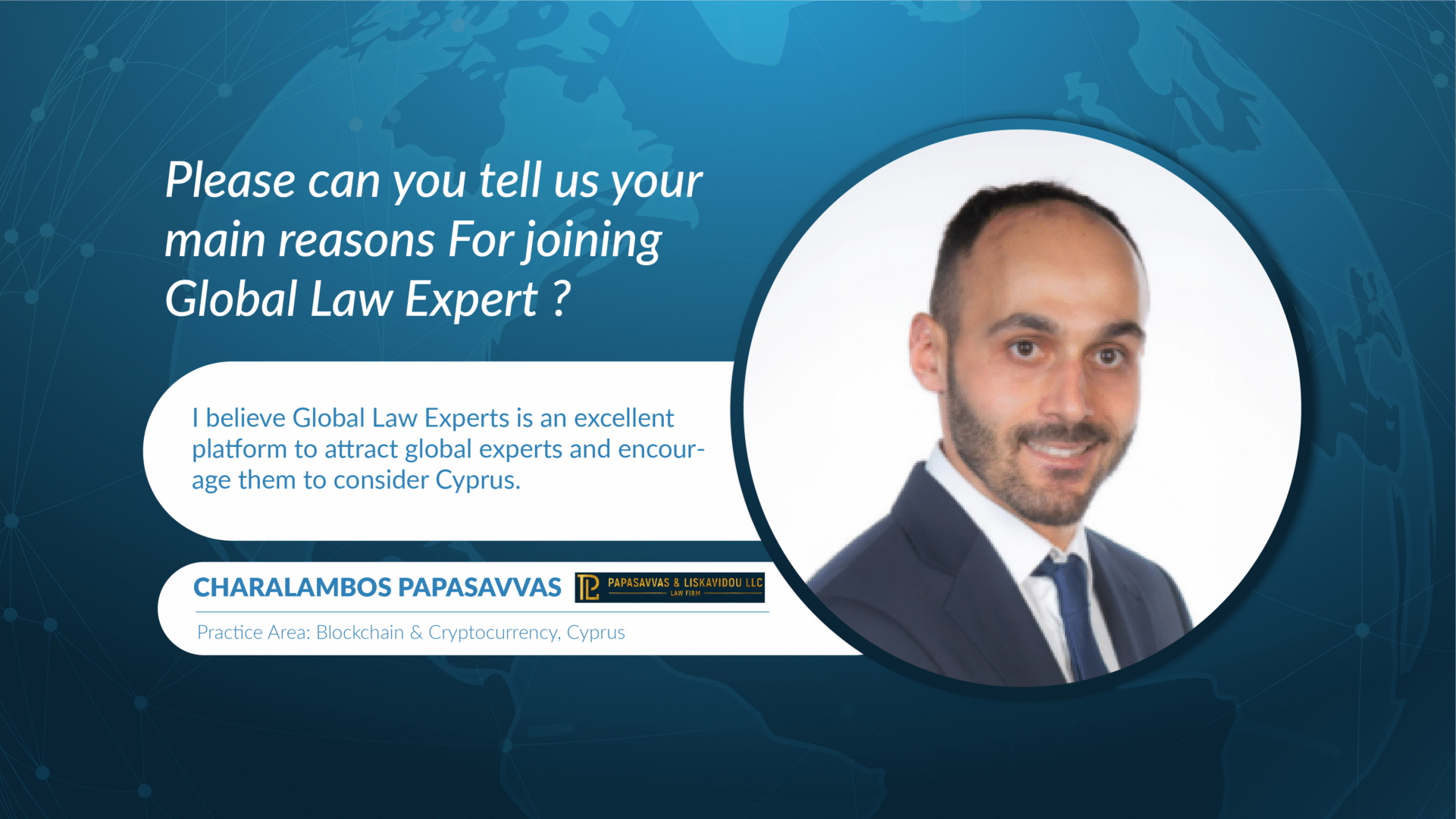
Testimonial-by-Charalambos-Papasavvas.png

Gaming FAQ's

General business law assumes you have a right to operate unless you break the rules. Gaming law works the opposite way; it views operation as a revocable privilege, not a right. In this industry, the government controls every aspect of your existence, from the software you use to the people you hire. While a standard tech company worries about contracts and IP, a gaming company’s primary legal concern is remaining in the regulator’s good graces to keep the doors open.

Regulators must ensure that criminals or money launderers do not infiltrate the financial system through casinos. This process, often called a “probity check,” is invasive. Investigators review your tax returns, bank statements, and personal associations going back decades. They want to confirm that you have “clean hands.” If you cannot explain where your startup capital came from, they will deny your license to protect the integrity of the industry.

Yes. There is no universal “drivers license” for gambling. A license in the UK gives you zero legal authority to accept bets from players in New Jersey or Singapore. You must apply individually in every single jurisdiction where you want customers. This creates a massive administrative burden, as each region has different rules, tax rates, and reporting standards that you must satisfy simultaneously.

The biggest challenge is geography. In the US, the Wire Act prohibits interstate sports betting, meaning you must keep all server activity contained within the specific state where the bet is placed. A lawyer helps you implement “geofencing” technology to prove to regulators that a user in New York isn’t accidentally placing a bet while standing across the border in New Jersey. They also manage the commercial agreements with local casinos, which are often legally required partners for online skins.

You must actively protect your customers from themselves. Laws require you to offer tools like deposit limits, “cool-off” periods, and permanent self-exclusion lists. A lawyer ensures your Terms of Service and software interface comply with these mandates. If you allow a known problem gambler to bet, or if you market directly to them, you face severe fines and potential license revocation for predatory behavior.

Before a game goes live, it must be certified by an independent laboratory like GLI or iTech Labs. These labs test the Random Number Generator (RNG) to ensure the game is fair and not rigged. A lawyer manages the contract with these labs and submits the technical files to the regulator. They ensure that every patch or update you release has been re-certified so you don’t accidentally deploy non-compliant software.

Yes, but it is slower than a normal M&A deal. You cannot simply buy the shares and take over. The regulator views this as a “Change of Control,” and the new owners must undergo the same rigorous suitability checks as the original ones. A lawyer structures the deal with specific “closing conditions” that make the purchase contingent on receiving regulatory approval. This prevents you from paying millions for a company you are not legally allowed to run.

Regulators are skeptical of crypto because it makes Anti-Money Laundering (AML) checks difficult. The anonymity of blockchain conflicts with strict “Know Your Customer” laws. A lawyer helps you build a “closed loop” system where you verify the identity of the wallet holder before any funds move. They negotiate with regulators to prove that your crypto tracking tools are robust enough to spot illicit funds, although many top-tier jurisdictions still ban crypto gambling entirely.

Gaming FAQ's

General business law assumes you have a right to operate unless you break the rules. Gaming law works the opposite way; it views operation as a revocable privilege, not a right. In this industry, the government controls every aspect of your existence, from the software you use to the people you hire. While a standard tech company worries about contracts and IP, a gaming company’s primary legal concern is remaining in the regulator's good graces to keep the doors open.

Regulators must ensure that criminals or money launderers do not infiltrate the financial system through casinos. This process, often called a "probity check," is invasive. Investigators review your tax returns, bank statements, and personal associations going back decades. They want to confirm that you have "clean hands." If you cannot explain where your startup capital came from, they will deny your license to protect the integrity of the industry.

Yes. There is no universal "drivers license" for gambling. A license in the UK gives you zero legal authority to accept bets from players in New Jersey or Singapore. You must apply individually in every single jurisdiction where you want customers. This creates a massive administrative burden, as each region has different rules, tax rates, and reporting standards that you must satisfy simultaneously.
The biggest challenge is geography. In the US, the Wire Act prohibits interstate sports betting, meaning you must keep all server activity contained within the specific state where the bet is placed. A lawyer helps you implement "geofencing" technology to prove to regulators that a user in New York isn't accidentally placing a bet while standing across the border in New Jersey. They also manage the commercial agreements with local casinos, which are often legally required partners for online skins.
You must actively protect your customers from themselves. Laws require you to offer tools like deposit limits, "cool-off" periods, and permanent self-exclusion lists. A lawyer ensures your Terms of Service and software interface comply with these mandates. If you allow a known problem gambler to bet, or if you market directly to them, you face severe fines and potential license revocation for predatory behavior.

Before a game goes live, it must be certified by an independent laboratory like GLI or iTech Labs. These labs test the Random Number Generator (RNG) to ensure the game is fair and not rigged. A lawyer manages the contract with these labs and submits the technical files to the regulator. They ensure that every patch or update you release has been re-certified so you don't accidentally deploy non-compliant software.

Yes, but it is slower than a normal M&A deal. You cannot simply buy the shares and take over. The regulator views this as a "Change of Control," and the new owners must undergo the same rigorous suitability checks as the original ones. A lawyer structures the deal with specific "closing conditions" that make the purchase contingent on receiving regulatory approval. This prevents you from paying millions for a company you are not legally allowed to run.

Regulators are skeptical of crypto because it makes Anti-Money Laundering (AML) checks difficult. The anonymity of blockchain conflicts with strict "Know Your Customer" laws. A lawyer helps you build a "closed loop" system where you verify the identity of the wallet holder before any funds move. They negotiate with regulators to prove that your crypto tracking tools are robust enough to spot illicit funds, although many top-tier jurisdictions still ban crypto gambling entirely.

Join
who are already getting the benefits
0
Sign up for the latest legal briefings and news within Global Law Experts’ community, as well as a whole host of features, editorial and conference updates direct to your email inbox. Naturally you can unsubscribe at any time.
Newsletter Sign Up
About Us

Global Law Experts is dedicated to providing exceptional legal services to clients around the world. With a vast network of highly skilled and experienced lawyers, we are committed to delivering innovative and tailored solutions to meet the diverse needs of our clients in various jurisdictions.

Global Law Experts App

Now Available on the App & Google Play Stores.

Social Posts
[wp_social_ninja id="50714" platform="instagram"]

See More:

Contact Us

Stay Informed

Join Mailing List
About Us

Global Law Experts is dedicated to providing exceptional legal services to clients around the world. With a vast network of highly skilled and experienced lawyers, we are committed to delivering innovative and tailored solutions to meet the diverse needs of our clients in various jurisdictions.

Social Posts
[wp_social_ninja id="50714" platform="instagram"]

See More:

Global Law Experts App

Now Available on the App & Google Play Stores.

Contact Us

Stay Informed

Join Mailing List

GLE

Lawyer smiling in professional attire with an orange tie against a plain white background.

Pedro Cortés

Send welcome message

Custom Message