[codicts-css-switcher id=”346″]

Global Law Experts Logo

Foundations Lawyers Worldwide.

Global Law Experts

Meet Our Foundations Lawyers

Discover award-winning Foundations lawyers worldwide on Global Law Experts. Find independent legal experts for your Foundations legal needs.

Legal
Country
Foundations
Legal
Country
Foundations
One result

Marie Flegbo-Berney

  • GOLD

Email:

Phone:

+41223*****
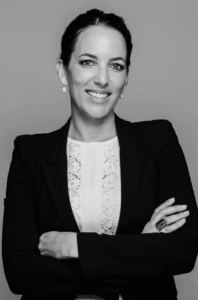
Attorney posing confidently with arms crossed, dressed in a professional suit against a plain background.
Attorney consulting with clients in law office setting with legal books visible in the background.
Attorney posing confidently with arms crossed, dressed in a professional suit against a plain background.
  • GOLD
Attorney posing confidently with arms crossed, dressed in a professional suit against a plain background.

Marie Flegbo-Berney

  • GOLD

Marie Flegbo-Berney

  • GOLD
Foundations Law in Switzerland
  • BONNARD LAWSON
  • GOLD

Foundations News

Find Expert Foundations Lawyers Through Global Law Experts

Establish Lasting Legacies with Expert Foundations Counsel

Foundation law governs the creation and administration of “orphan” entities—legal structures that, unlike companies, have no shareholders or members but exist solely to fulfill a specific purpose. This practice is vital for high-net-worth individuals and organizations managing Philanthropic Endowments, Private Wealth preservation, or Corporate Social Responsibility (CSR) initiatives. Attorneys provide the essential framework for navigating the distinction between Private Foundations (funded by a single source) and Public Charities, ensuring compliance with strict tax-exempt status requirements and fiduciary “self-dealing” prohibitions.

Global Law Experts connects you with premier foundation specialists who possess the cross-border expertise required to structure entities in leading jurisdictions such as the Netherlands, Switzerland, or the UAE (ADGM/DIFC). These lawyers are established experts within their own fields, offering the tactical foresight needed to draft Charters and Bylaws that ensure long-term governance, manage the “public support test” for tax purposes, and navigate the transition of family leadership across generations. Whether you are establishing a charitable vehicle to combat climate change or a private interest foundation for succession planning, they provide the strategic advocacy needed to protect your mission in any legal forum.

Foundations Related Videos

Professional Foundations Help You Can Trust

We will help match you with a qualified Foundations law specialist who can offer reliable advice, clarify your options, and guide you through the next steps in the legal process.
Main Lead Capture Form - Home

Every GLE member is independently vetted by practice area and jurisdiction.

Client Success Stories

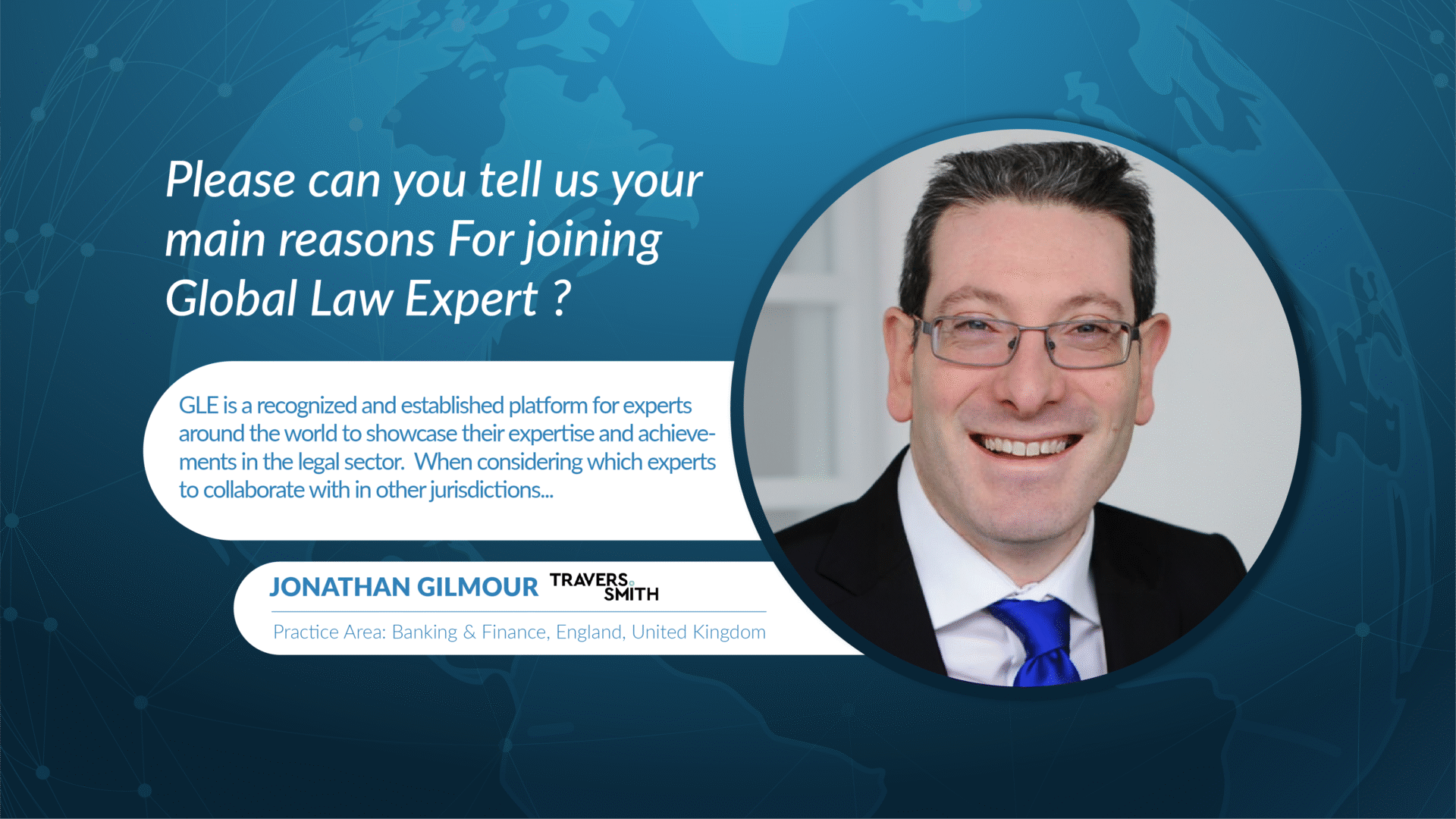
Testimonial-by-Jonathan-Gilmour.png
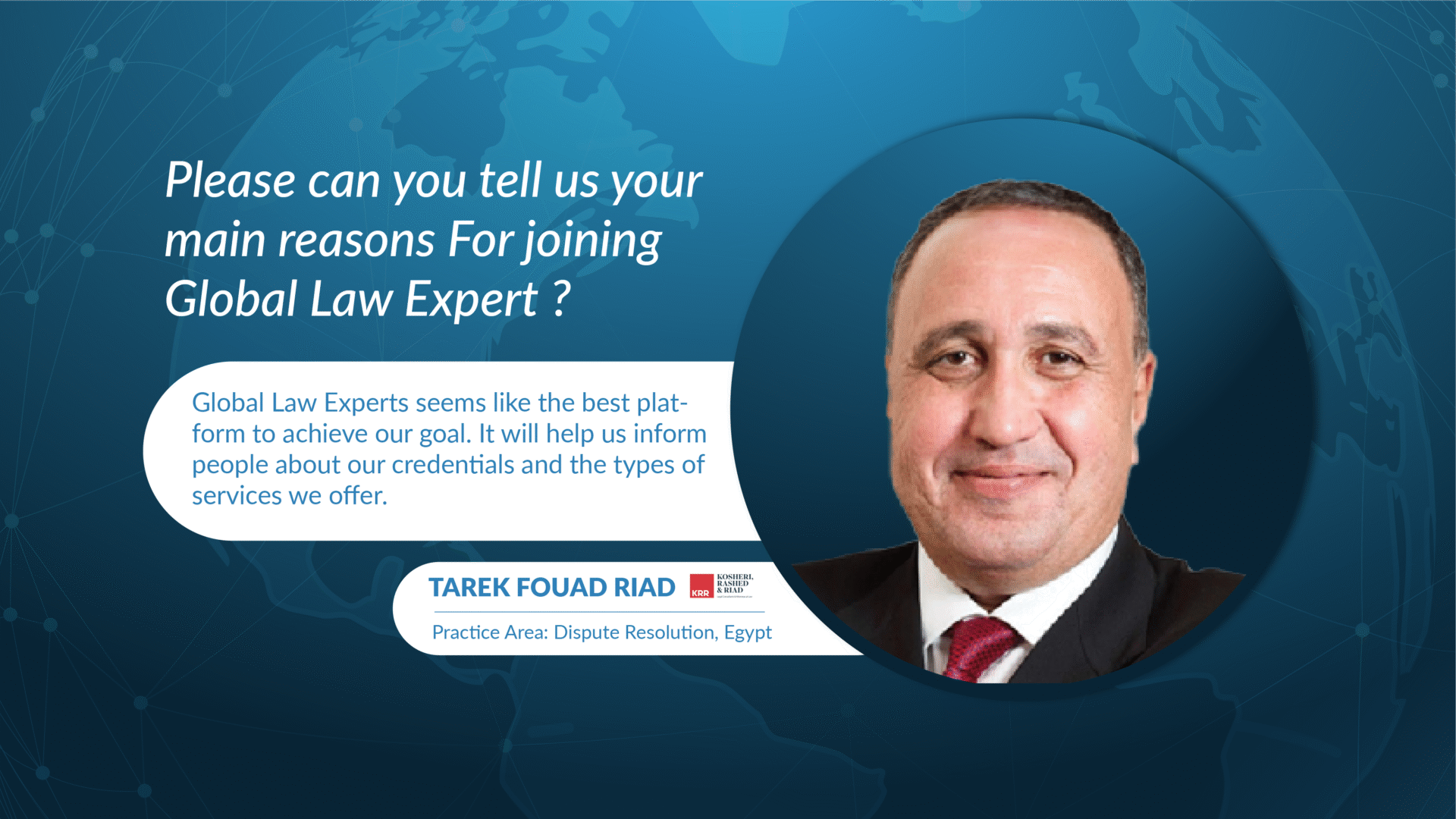
Testimonial-by-Tarek-Fouad-Riad.png
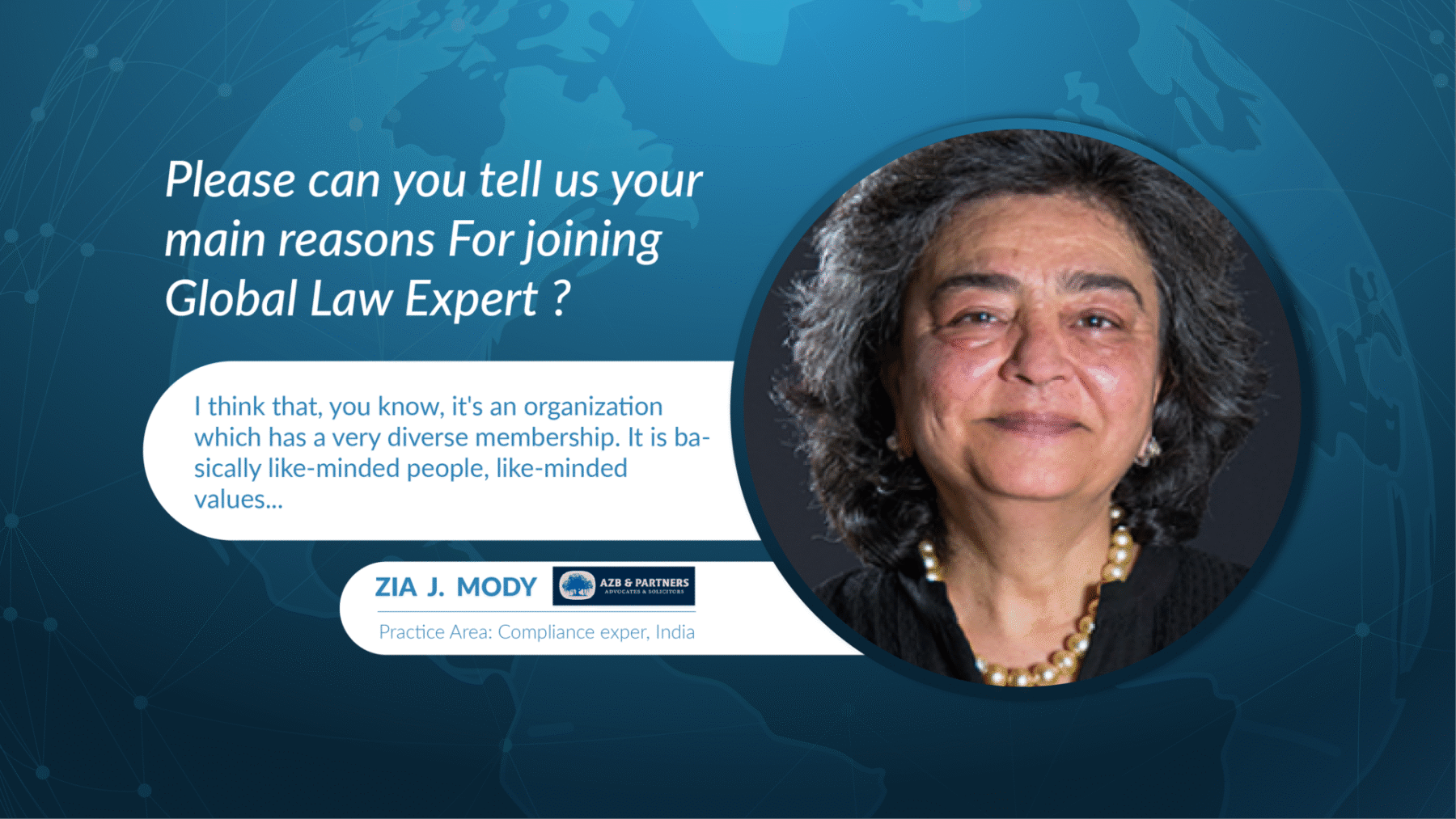
Testimonial-by-Zia-J.-Mody.png
Testimonial-by-Virginie-Tassin-Campanella.png
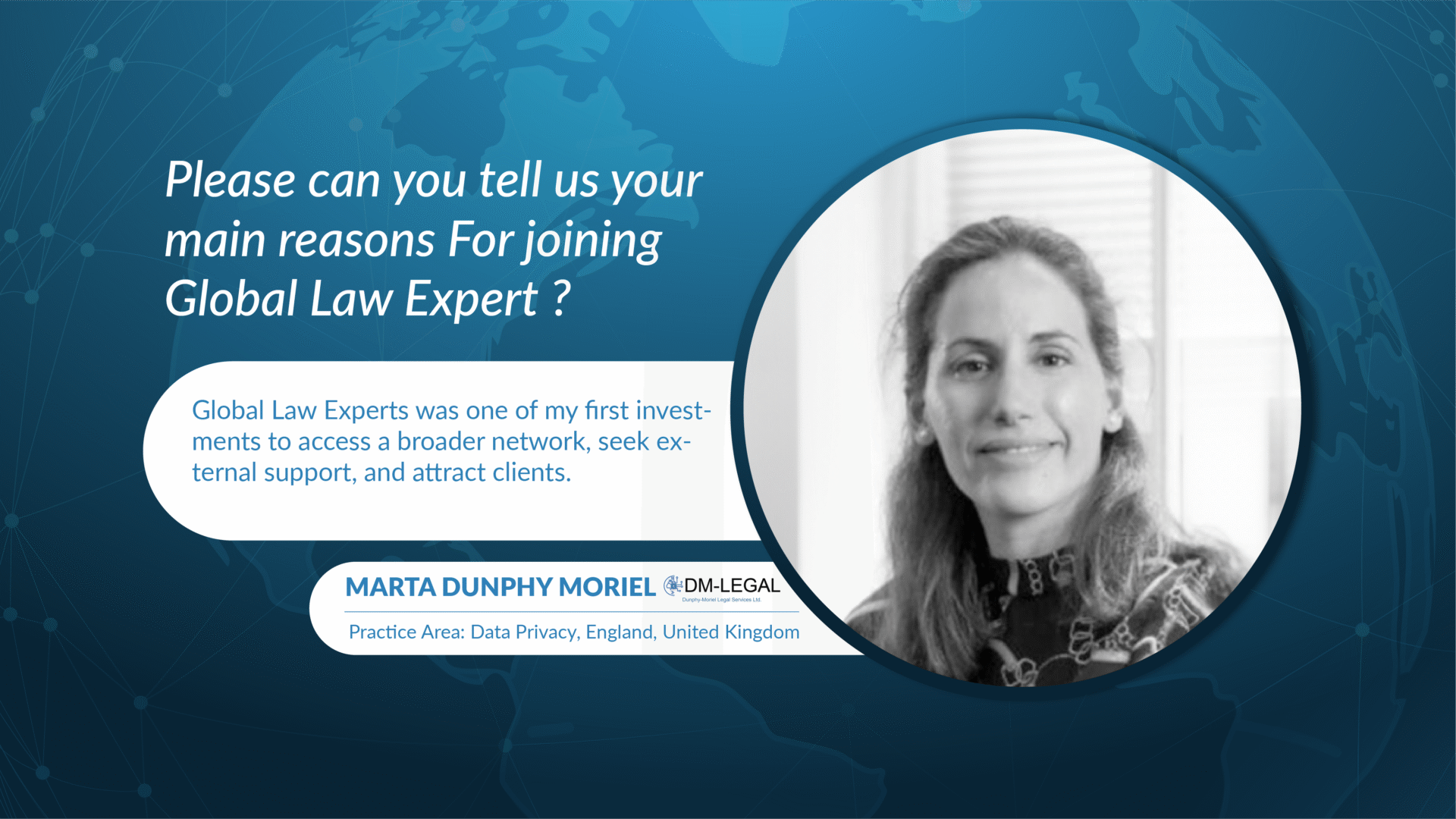
Testimonial-by-Marta-Dunphy-Moriel.png
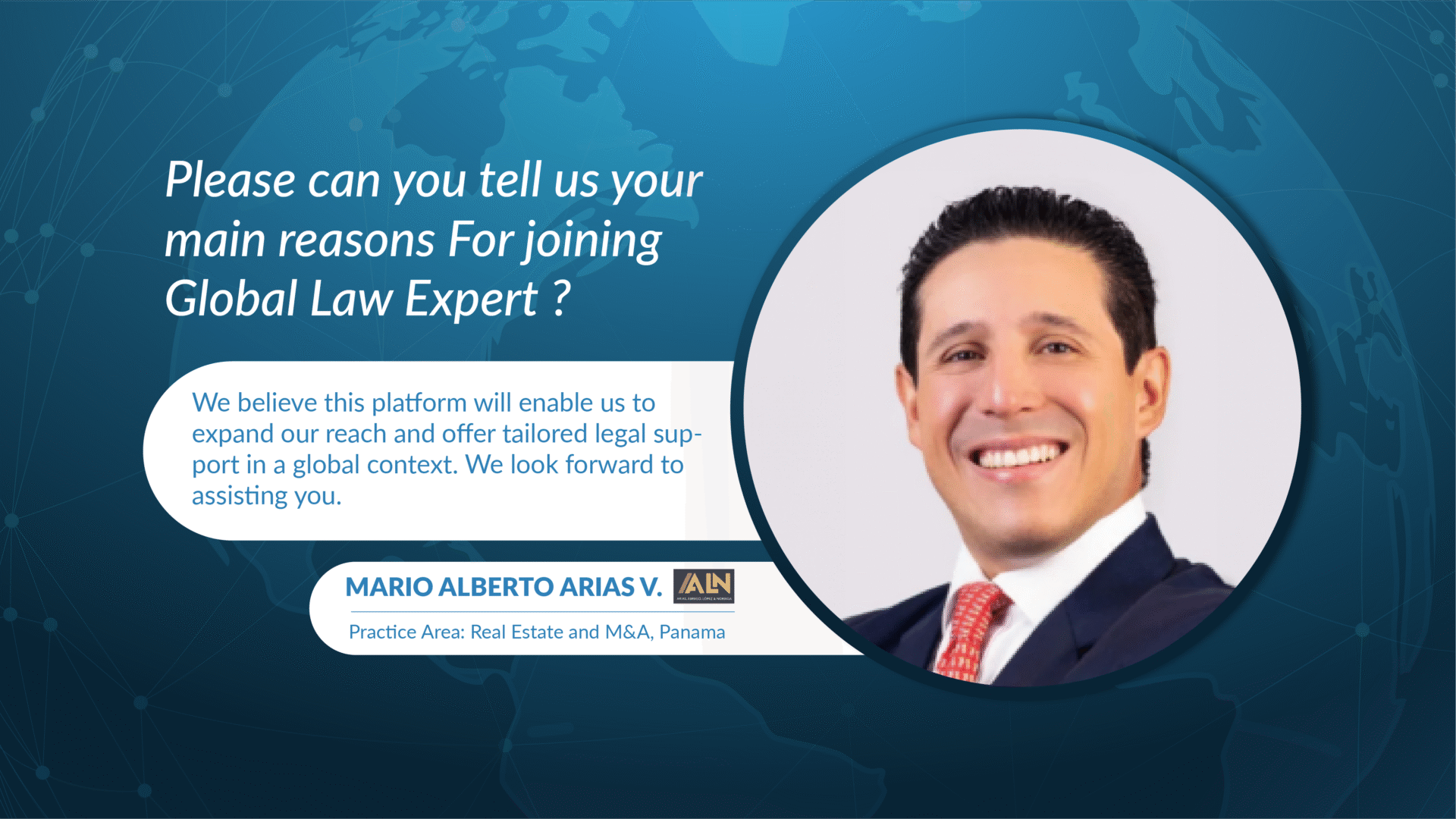
Testimonial-by-Mario-Alberto-Arias-V.png
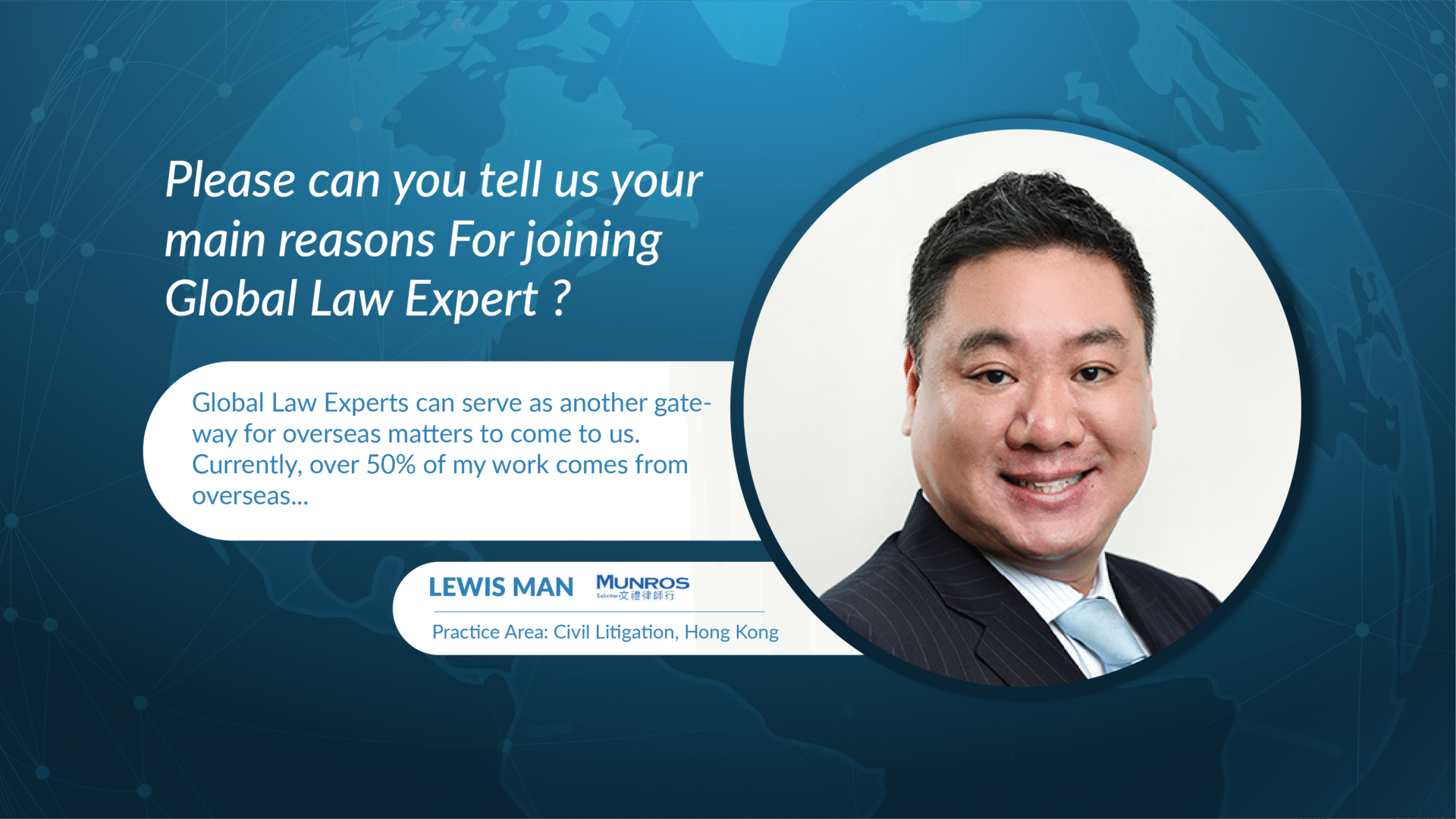
Testimonial-by-Lewis-Man.png
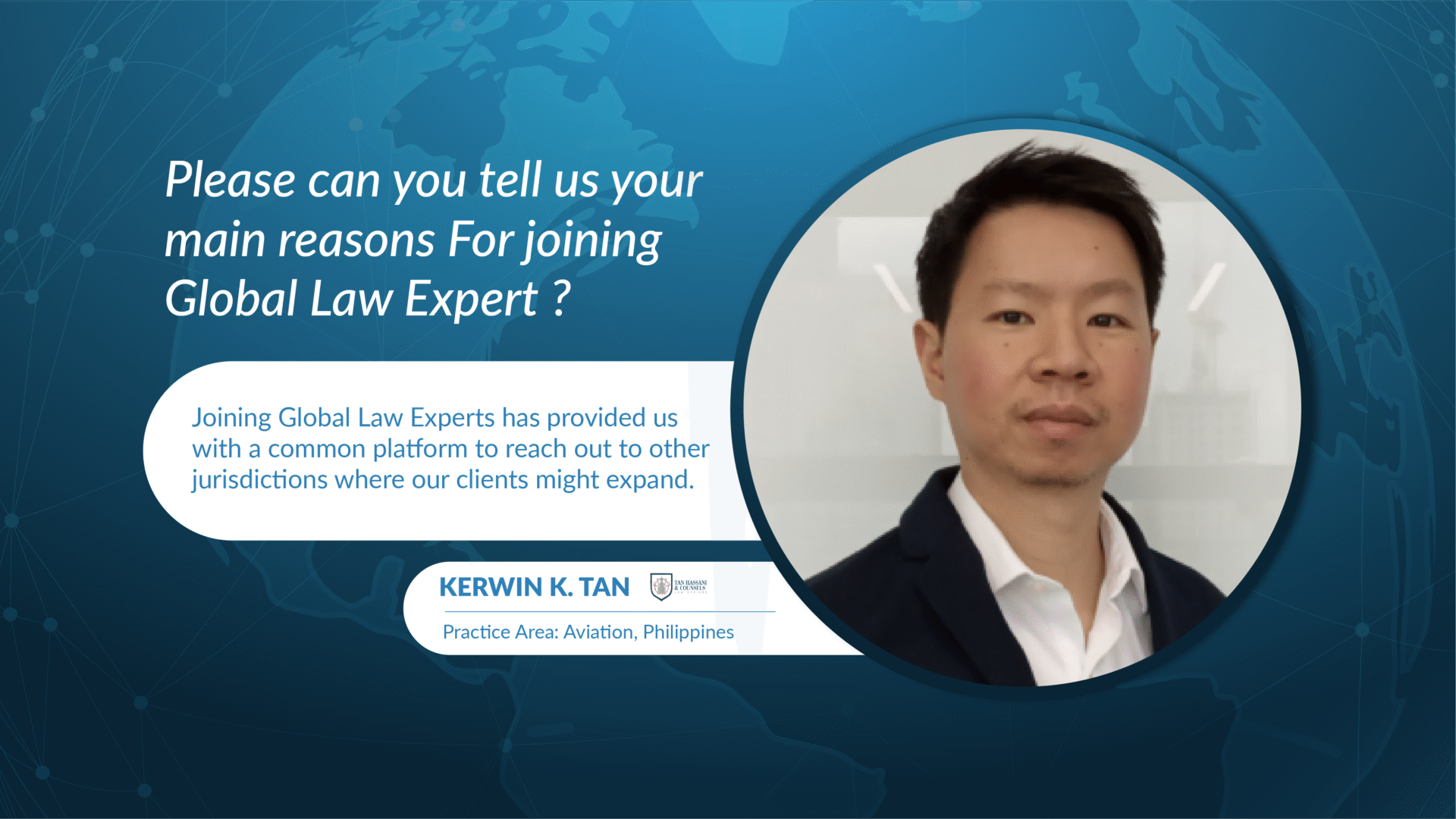
Testimonial-by-Kerwin-K.-Tan.png
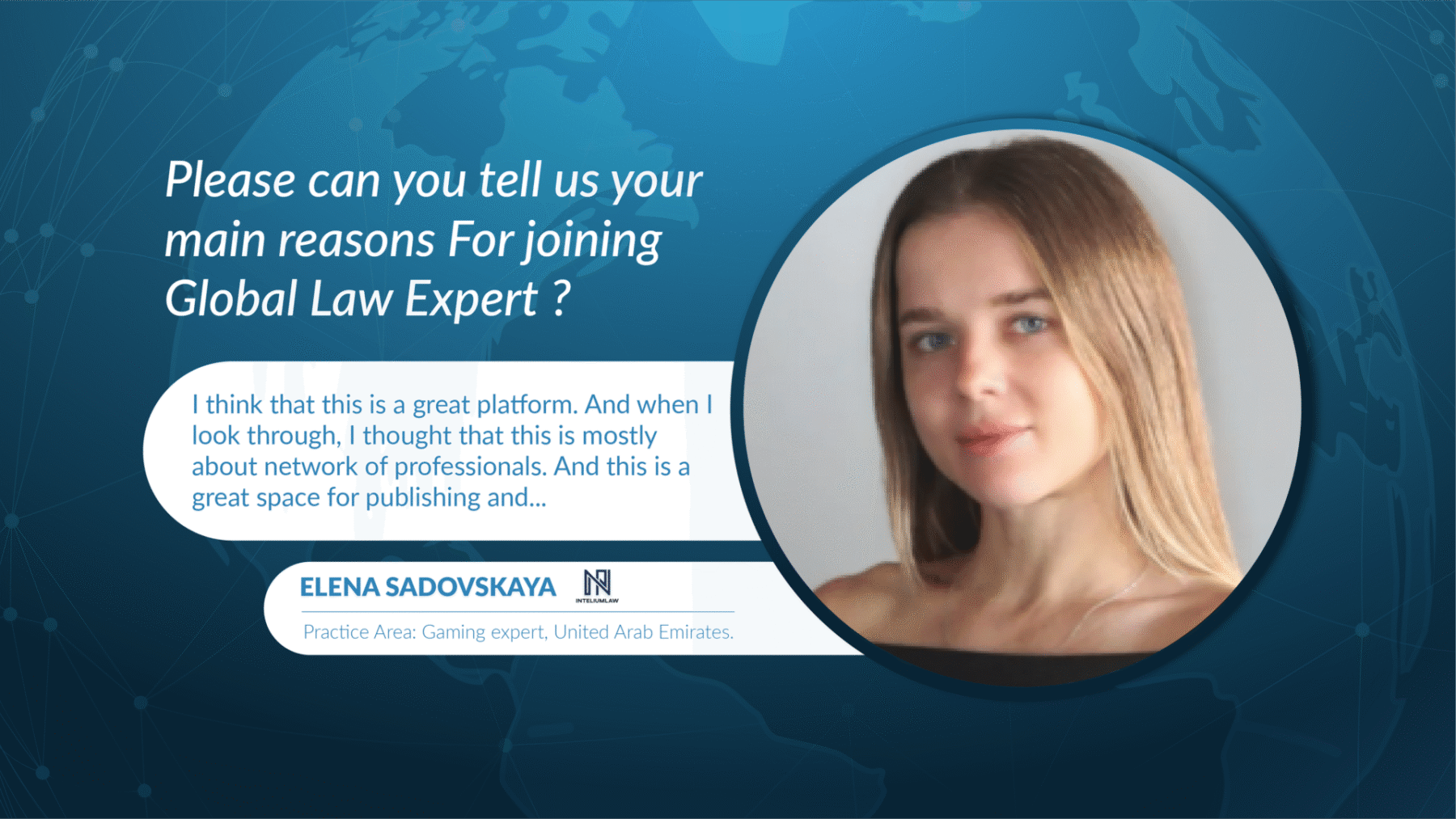
Testimonial-by-Elena-Sadovskaya.png
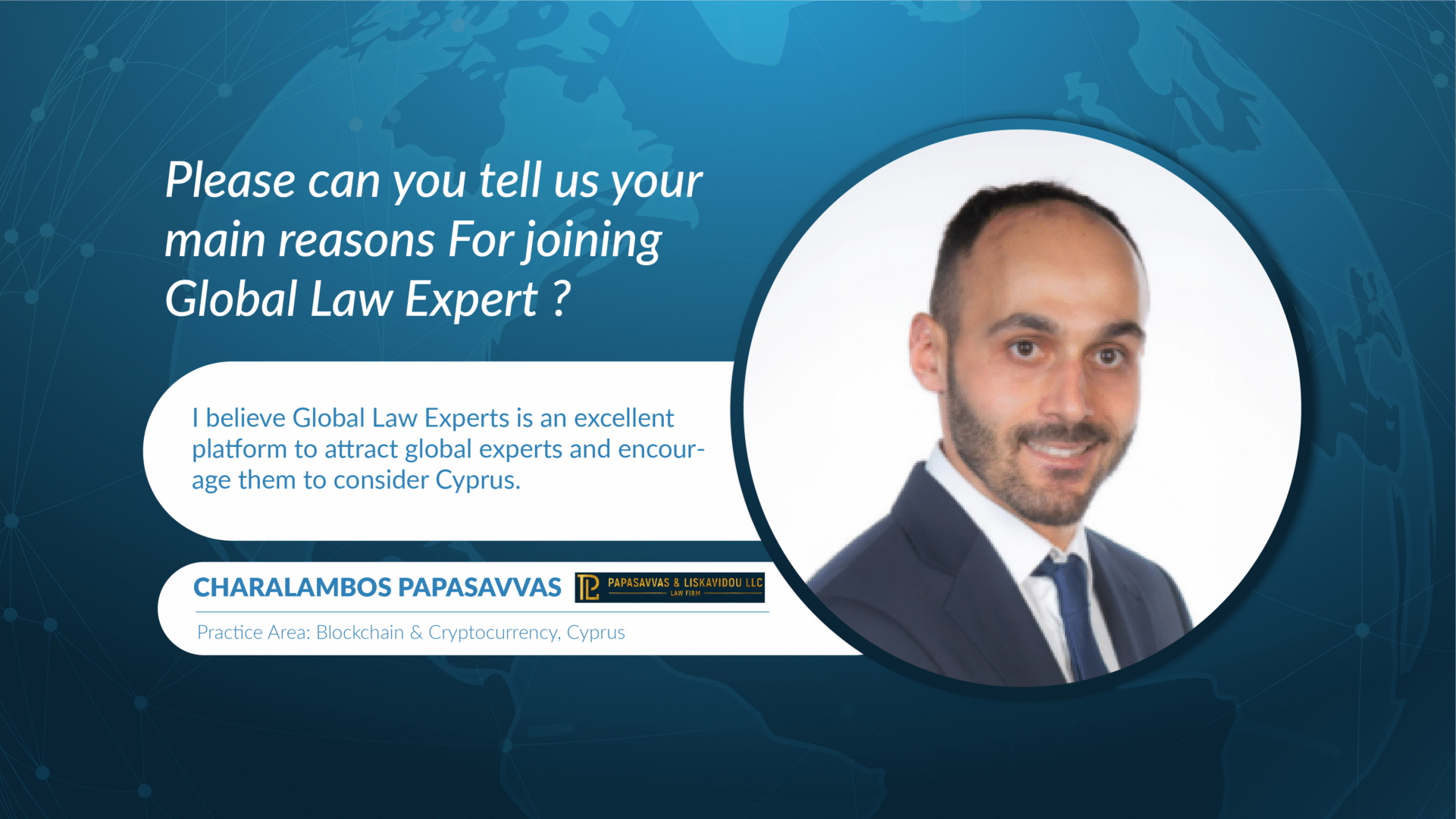
Testimonial-by-Charalambos-Papasavvas.png

Foundations FAQ's

A Private Foundation is a distinct legal entity, much like a corporation. It owns assets in its own name and can sue or be sued. A Trust, by contrast, is a legal relationship where a trustee holds assets for beneficiaries. The key difference is legal personality. A foundation exists on its own; a trust relies on the trustee. Foundations are generally more common in civil law countries, while trusts dominate in common law jurisdictions like the UK and US.

Both offer strong protection, but the choice depends on where your assets are located. A foundation is often preferred in civil law countries because it is a registered public entity; this provides a robust shield against creditors because the assets clearly no longer belong to you. A trust works best in common law jurisdictions. A lawyer analyzes your specific risks to decide which vehicle offers the strongest wall against potential lawsuits.

Yes, setting up a charitable foundation is legally complex. In the US, obtaining 501(c)(3) tax-exempt status requires rigorous interaction with the IRS. In the UK, you must satisfy the Charity Commission’s strict public benefit tests. A lawyer ensures your mission statement complies with these laws. They also draft the bylaws to prevent you from accidentally violating rules on self-dealing, which could lead to severe tax penalties or the loss of your charitable status.

The Foundation Council is the governing body, similar to a corporate Board of Directors. However, a foundation has no shareholders to answer to. The Council is responsible solely for fulfilling the foundation’s charter. Their duty is to the purpose of the foundation rather than profit generation. A lawyer structures this council to ensure checks and balances exist; this prevents any single member from hijacking the foundation’s assets for personal gain.

A foundation is an excellent tool for dynasty planning because it acts as an immortal owner of family wealth. Unlike a will, which transfers assets after death through a public probate process, a foundation holds the assets continuously. The rules you set today govern how future generations access funds. This prevents family businesses from being broken up by feuding heirs; the foundation keeps the core capital intact while distributing only the income.

Jurisdiction matters immensely. Some jurisdictions offer “zero tax” on income earned outside the country, while others offer specific exemptions for charitable giving. In the US, a private foundation allows for income tax deductions for donors, though it faces an excise tax on investment income. A lawyer navigates these global rules to help you choose a domicile that balances tax efficiency with political stability and legal reputation.

Generally, a private foundation cannot run a full-scale active business like a factory or a shop. Its primary purpose must be managing its own assets or charitable giving. However, it can often hold shares in a commercial company. If the foundation engages in too much direct trade, it risks losing its special status. A lawyer defines these boundaries clearly to ensure your investment activities remain passive enough to comply with the law.

Closing or moving a foundation is a formal legal procedure. You cannot just empty the bank account and walk away. A lawyer handles the “redomiciliation” if you want to move the foundation to a better jurisdiction without triggering a tax event. If dissolving, they ensure all creditors are paid and remaining assets are distributed exactly according to the charter. This formal closure protects council members from lingering liabilities after the entity is gone.

Foundations FAQ's

A Private Foundation is a distinct legal entity, much like a corporation. It owns assets in its own name and can sue or be sued. A Trust, by contrast, is a legal relationship where a trustee holds assets for beneficiaries. The key difference is legal personality. A foundation exists on its own; a trust relies on the trustee. Foundations are generally more common in civil law countries, while trusts dominate in common law jurisdictions like the UK and US.

Both offer strong protection, but the choice depends on where your assets are located. A foundation is often preferred in civil law countries because it is a registered public entity; this provides a robust shield against creditors because the assets clearly no longer belong to you. A trust works best in common law jurisdictions. A lawyer analyzes your specific risks to decide which vehicle offers the strongest wall against potential lawsuits.

Yes, setting up a charitable foundation is legally complex. In the US, obtaining 501(c)(3) tax-exempt status requires rigorous interaction with the IRS. In the UK, you must satisfy the Charity Commission's strict public benefit tests. A lawyer ensures your mission statement complies with these laws. They also draft the bylaws to prevent you from accidentally violating rules on self-dealing, which could lead to severe tax penalties or the loss of your charitable status.

The Foundation Council is the governing body, similar to a corporate Board of Directors. However, a foundation has no shareholders to answer to. The Council is responsible solely for fulfilling the foundation's charter. Their duty is to the purpose of the foundation rather than profit generation. A lawyer structures this council to ensure checks and balances exist; this prevents any single member from hijacking the foundation’s assets for personal gain.

A foundation is an excellent tool for dynasty planning because it acts as an immortal owner of family wealth. Unlike a will, which transfers assets after death through a public probate process, a foundation holds the assets continuously. The rules you set today govern how future generations access funds. This prevents family businesses from being broken up by feuding heirs; the foundation keeps the core capital intact while distributing only the income.

Jurisdiction matters immensely. Some jurisdictions offer "zero tax" on income earned outside the country, while others offer specific exemptions for charitable giving. In the US, a private foundation allows for income tax deductions for donors, though it faces an excise tax on investment income. A lawyer navigates these global rules to help you choose a domicile that balances tax efficiency with political stability and legal reputation.

Generally, a private foundation cannot run a full-scale active business like a factory or a shop. Its primary purpose must be managing its own assets or charitable giving. However, it can often hold shares in a commercial company. If the foundation engages in too much direct trade, it risks losing its special status. A lawyer defines these boundaries clearly to ensure your investment activities remain passive enough to comply with the law.

Closing or moving a foundation is a formal legal procedure. You cannot just empty the bank account and walk away. A lawyer handles the "redomiciliation" if you want to move the foundation to a better jurisdiction without triggering a tax event. If dissolving, they ensure all creditors are paid and remaining assets are distributed exactly according to the charter. This formal closure protects council members from lingering liabilities after the entity is gone.

Join
who are already getting the benefits
0
Sign up for the latest legal briefings and news within Global Law Experts’ community, as well as a whole host of features, editorial and conference updates direct to your email inbox. Naturally you can unsubscribe at any time.
Newsletter Sign Up
About Us

Global Law Experts is dedicated to providing exceptional legal services to clients around the world. With a vast network of highly skilled and experienced lawyers, we are committed to delivering innovative and tailored solutions to meet the diverse needs of our clients in various jurisdictions.

Global Law Experts App

Now Available on the App & Google Play Stores.

Social Posts
[wp_social_ninja id="50714" platform="instagram"]

See More:

Contact Us

Stay Informed

Join Mailing List
About Us

Global Law Experts is dedicated to providing exceptional legal services to clients around the world. With a vast network of highly skilled and experienced lawyers, we are committed to delivering innovative and tailored solutions to meet the diverse needs of our clients in various jurisdictions.

Social Posts
[wp_social_ninja id="50714" platform="instagram"]

See More:

Global Law Experts App

Now Available on the App & Google Play Stores.

Contact Us

Stay Informed

Join Mailing List

GLE

Lawyer Profile Page - Lead Capture
GLE-Logo-White
Lawyer Profile Page - Lead Capture
Attorney posing confidently with arms crossed, dressed in a professional suit against a plain background.

Marie Flegbo-Berney

Send welcome message

Custom Message