[codicts-css-switcher id=”346″]

Global Law Experts Logo

Cryptocurrency Lawyers Worldwide.

Global Law Experts

Meet Our Cryptocurrency Lawyers

Find independent Cryptocurrency lawyers and legal experts worldwide on Global Law Experts. Discover recognized professionals in Cryptocurrency law.

Legal
Country
Cryptocurrency
Legal
Country
Cryptocurrency
5 results

Charalambos Papasavvas

  • GOLD

Email:

Phone:

+357 2*****
Photo-lookman32.png
Logo of Papasavvas & Liskavidou LLC law firm featuring initials and tagline "your Trust, our Success" in gold.
Photo-lookman32.png
  • GOLD

Charalambos Papasavvas

Logo of Papasavvas & Liskavidou LLC law firm featuring initials and tagline "your Trust, our Success" in gold.

Charalambos Papasavvas

  • GOLD
Blockchain Law in Cyprus
  • Papasavvas and Liskavidou LLC
  • GOLD

Lin Shumin

  • GOLD

Email:

Phone:

+65 65*****
Legal professional with long hair and earrings, wearing a black blazer against a neutral background.
Legal firm logo featuring the name "Drew & Napier" with stylized initials "DN".

Lin Shumin

  • GOLD
Blockchain Law in Singapore
  • Drew & Napier LLC
  • GOLD

Stéphane Daniel

  • GOLD

Email:

Phone:

*****
Lawyer in a dark suit, looking directly at the camera, against a plain dark background.
Attorney consulting legal documents at a law office desk with law books in the background.
Lawyer in a dark suit, looking directly at the camera, against a plain dark background.
  • GOLD

Stéphane Daniel

  • GOLD
Blockchain Law in France
  • {d&a} partners
  • GOLD

Shagun Badhwar

  • GOLD

Email:

Phone:

+91 12*****
Photo.png
Logoazb.png
Photo.png
Photo.png

Shagun Badhwar

  • GOLD
Cryptocurrency Law in India
  • AZB & Partners

Charles Kerrigan

  • GOLD

Email:

Phone:

+44 20*****
Photo-fewhman11.png
Logo-cms5.png
Photo-fewhman11.png
Photo-fewhman11.png

Charles Kerrigan

  • GOLD

Charles Kerrigan

  • GOLD
Blockchain Law in United Kingdom
  • CMS Cameron McKenna Nabarro Olswang LLP

Cryptocurrency News

Find Expert Cryptocurrency Lawyers Through Global Law Experts

Regulate Digital Assets with Expert Cryptocurrency Counsel

Cryptocurrency law governs the issuance, exchange, and custody of decentralized digital assets and Blockchain technologies. This practice is essential for navigating the complex intersection of Securities Law, Commodities Regulation, and Anti-Money Laundering (AML) protocols. Attorneys provide the framework for Initial Coin Offerings (ICOs) and ensure compliance with SEC or CFTC mandates.

Global Law Experts connects you with specialists who possess the technical depth required to manage DeFi protocols and Smart Contract audits. These practitioners handle Digital Asset Recovery, navigate the legalities of Stablecoins, and represent clients in high-stakes White-Collar Defense inquiries. They provide the strategic advocacy needed to innovate securely in any legal forum.

Professional Cryptocurrency Help You Can Trust

We will help match you with a qualified Cryptocurrency law specialist who can offer reliable advice, clarify your options, and guide you through the next steps in the legal process.
Main Lead Capture Form - Home

Every GLE member is independently vetted by practice area and jurisdiction.

Client Success Stories

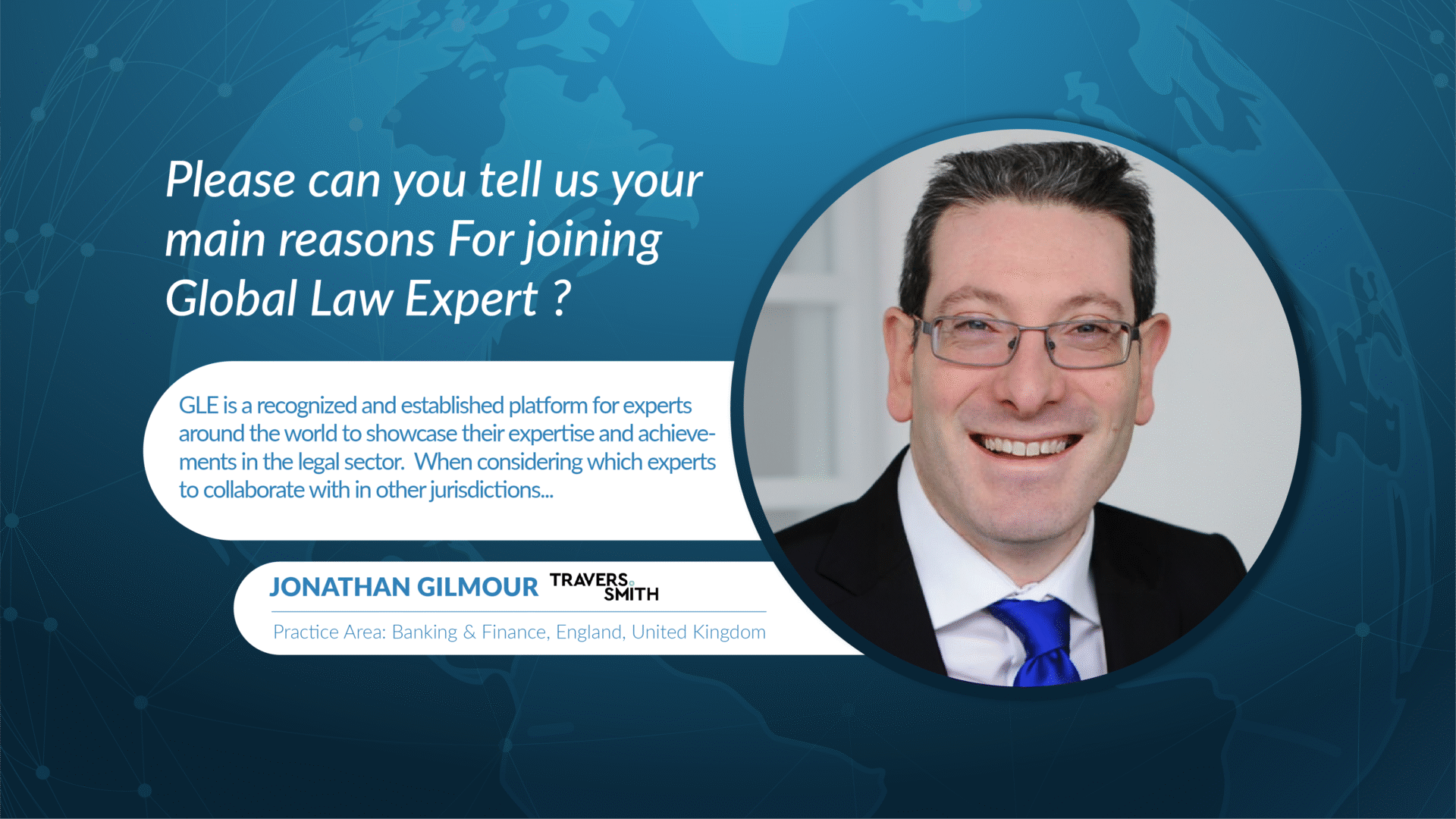
Testimonial-by-Jonathan-Gilmour.png
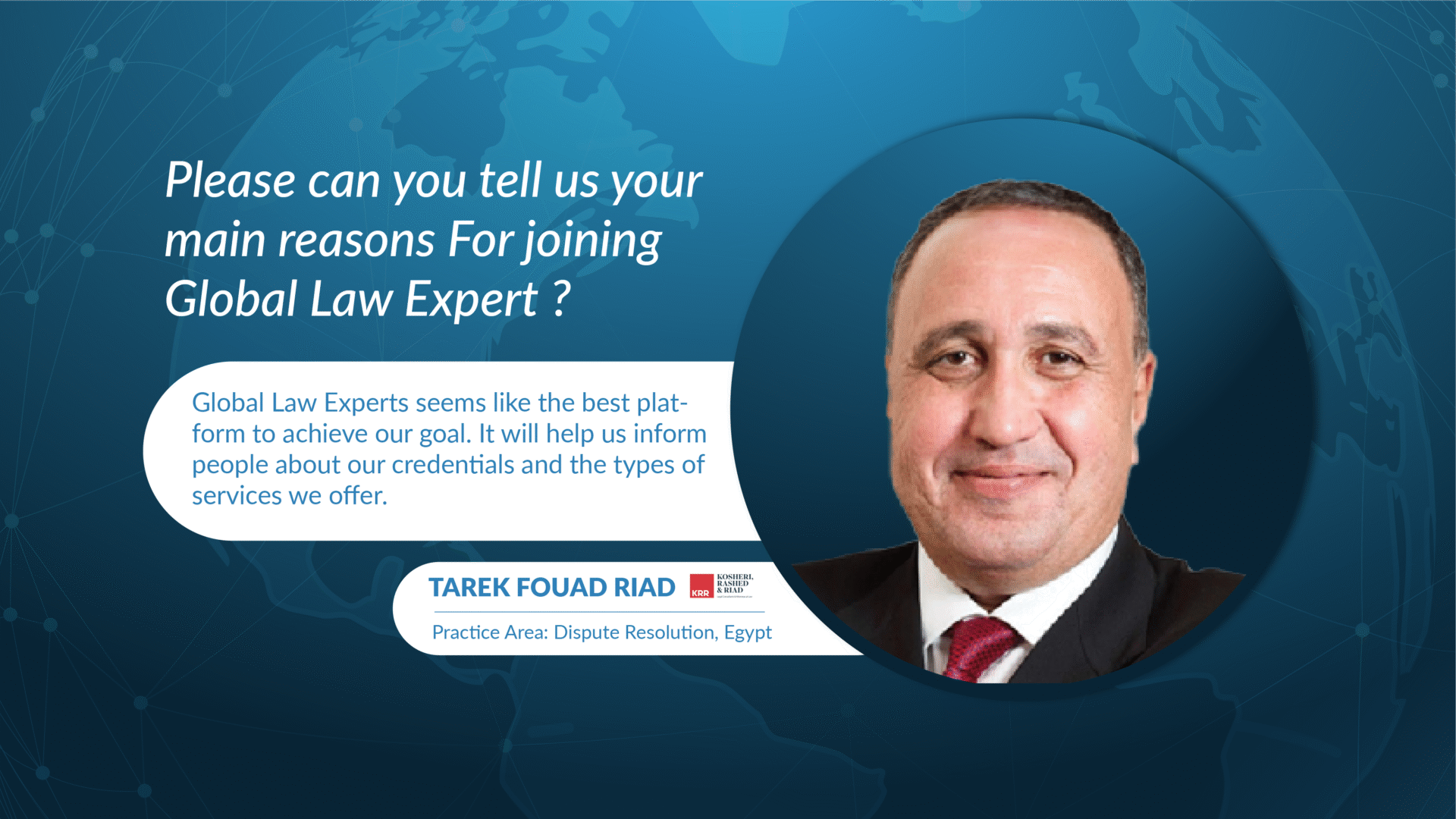
Testimonial-by-Tarek-Fouad-Riad.png
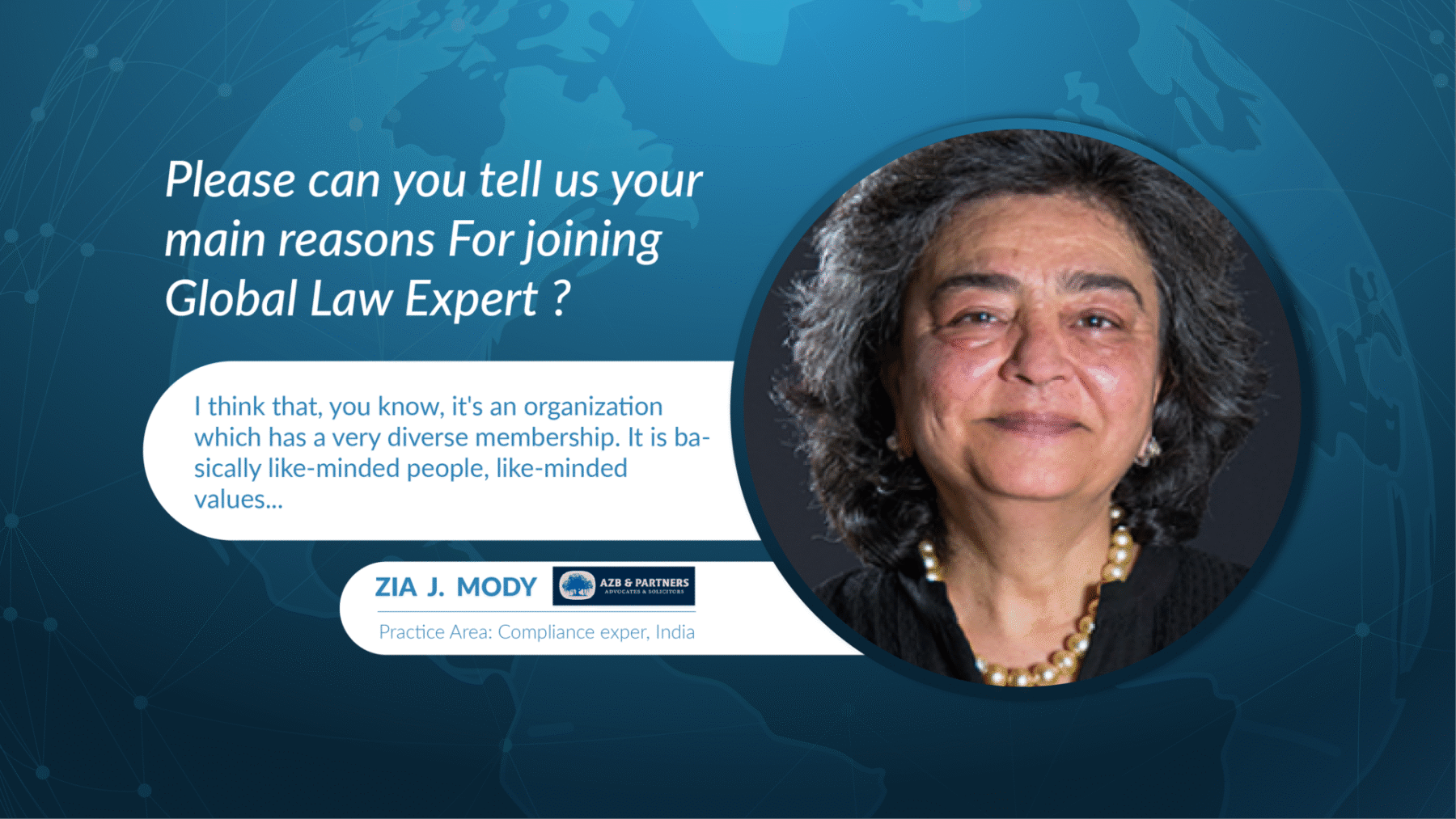
Testimonial-by-Zia-J.-Mody.png
Testimonial-by-Virginie-Tassin-Campanella.png
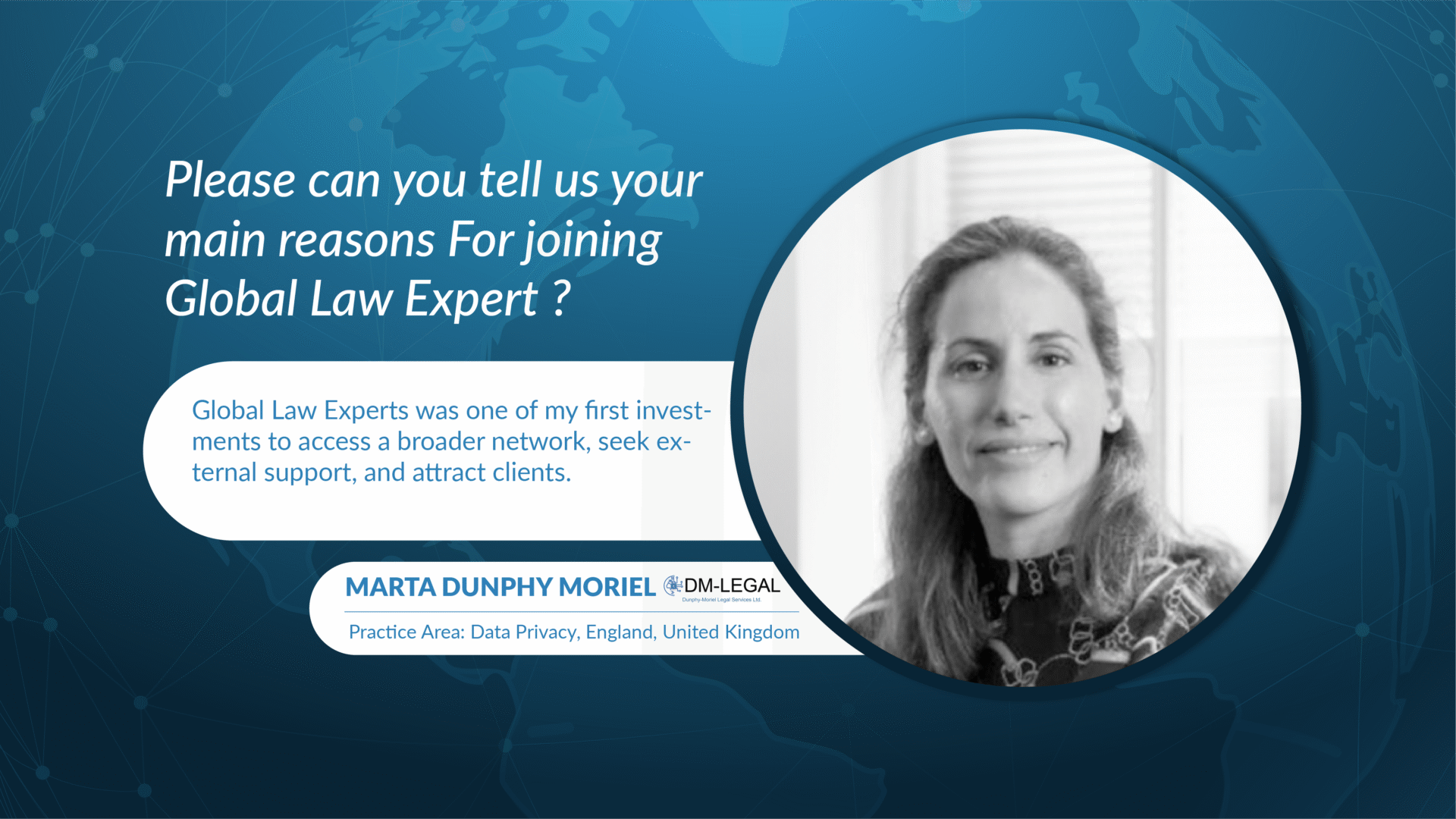
Testimonial-by-Marta-Dunphy-Moriel.png
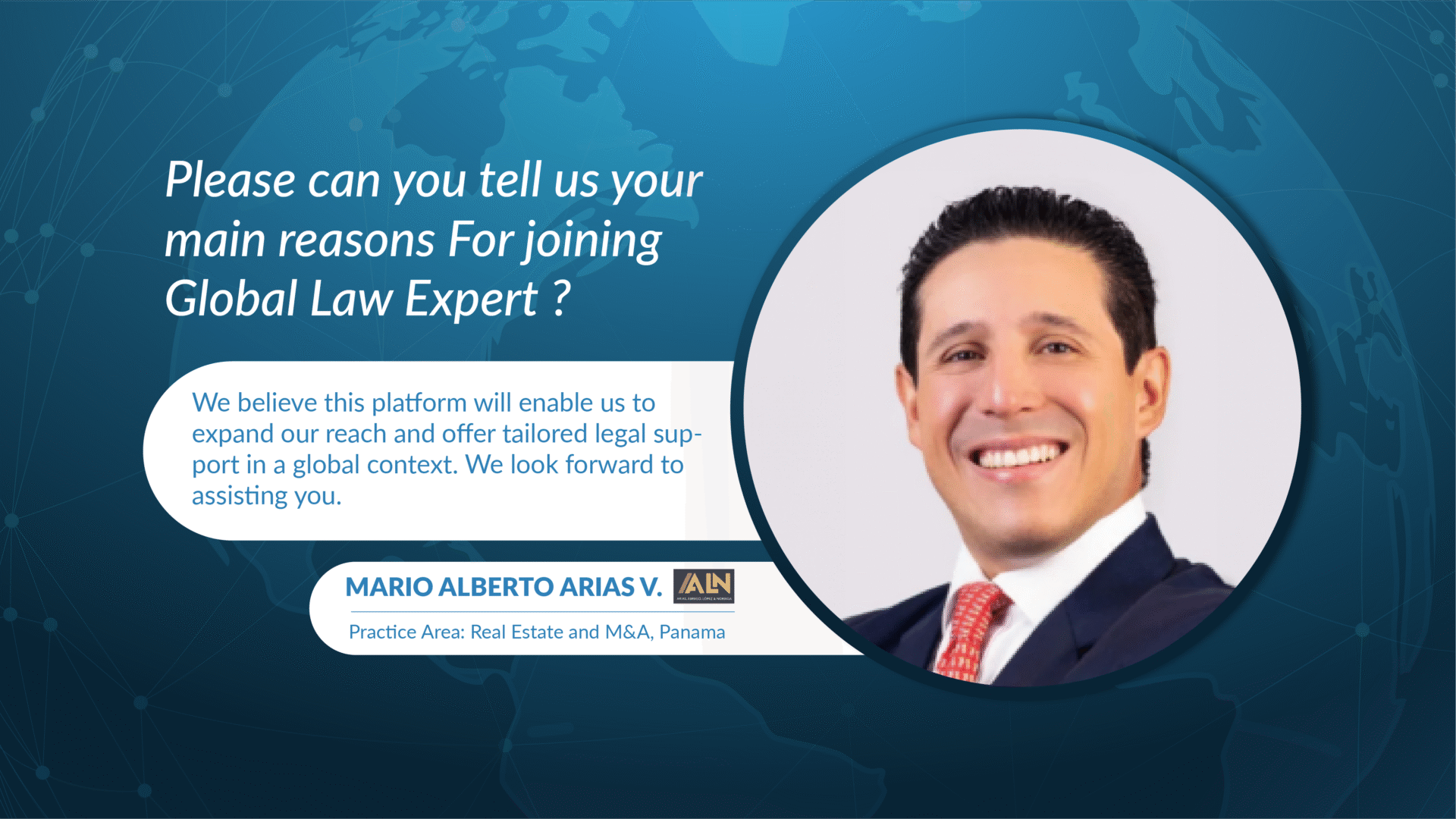
Testimonial-by-Mario-Alberto-Arias-V.png
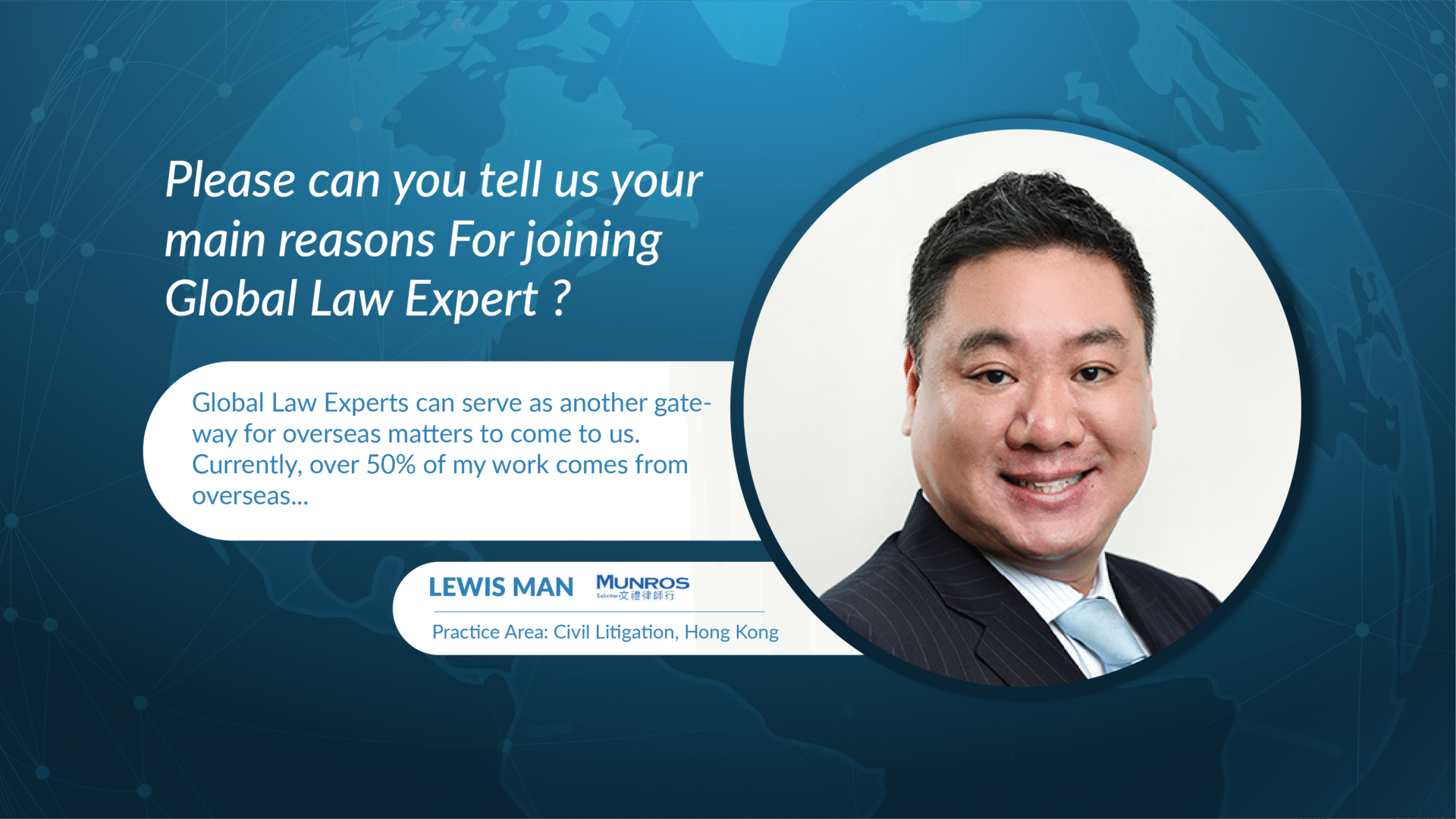
Testimonial-by-Lewis-Man.png
Testimonial-by-Kerwin-K.-Tan.png
Testimonial-by-Elena-Sadovskaya.png
Testimonial-by-Charalambos-Papasavvas.png

Cryptocurrency FAQ's

Yes, absolutely. Launching a token without legal counsel is one of the fastest ways to face federal prosecution. In the US, the SEC frequently classifies tokens as “unregistered securities” using the Howey Test (checking if there is an investment of money with an expectation of profit from others’ efforts). If your token fails this test, you could face millions in fines and criminal charges. A lawyer helps structure the sale as a “Utility Token” (if possible) or files for a Regulation D/S exemption to sell legally to accredited investors.

Since the blockchain is anonymous, “possession” (holding the private keys) is often mistaken for ownership. A lawyer proves true legal ownership by combining chain-of-custody evidence (showing the funds originated from your KYC-verified bank account) with digital forensics. They use affidavit testimony to link your identity to the specific wallet address and may hire forensic analysts to trace the “hops” the stolen funds took, proving that the assets currently sitting in a hacker’s wallet are mathematically identical to the ones that left yours.

In most jurisdictions (US, UK, Canada), crypto is taxed as property, not currency. This means every single trade—even swapping Bitcoin for Ethereum—is a taxable event where you must calculate capital gains or losses. A lawyer (often working with a CPA) helps you navigate complex issues like “wash sale” rules, defending against IRS audits if you failed to report early gains, or structuring large exits (like moving to Puerto Rico for Act 60 benefits) to legally minimize liability before you sell.


It depends. A smart contract is just code; for it to be legally binding, it must still meet the standard requirements of a contract: offer, acceptance, and consideration. Courts are increasingly recognizing them as valid evidence of an agreement, but if the code contains a bug that drains your wallet (like the famous DAO hack), a judge can rule that the code did not reflect the intent of the parties. A lawyer ensures your smart contract is “wrapped” in a traditional legal agreement that defines what happens if the code fails or is exploited.

Lawyers draft the internal “Know Your Customer” (KYC) and “Anti-Money Laundering” (AML) policies that keep exchange owners out of prison. They ensure the exchange collects specific user data (IDs, selfies) to satisfy laws like the US Bank Secrecy Act. Without these controls, an exchange can be labeled an unlicensed money transmitter, leading to asset seizure and arrest (as seen with founders of non-compliant exchanges like Tornado Cash or early BitMEX).

Yes, but it is difficult. Lawyers cannot “reverse” a blockchain transaction, but they can use a “John Doe” summons to force centralized exchanges (like Coinbase or Binance) to reveal the identity of the wallet owner holding your stolen funds. If the funds move to a regulated exchange, a lawyer can obtain a court order to freeze the account before the hacker cashes out. This is time-sensitive; once funds move to a “mixer” (privacy tool) or an offshore unregulated exchange, recovery becomes nearly impossible.

Legally, a DAO without a formal wrapper is often treated as a General Partnership. This is dangerous because it means every single member can be personally liable for the DAO’s debts or lawsuits. A lawyer solves this by “wrapping” the DAO in a legal entity, such as a Wyoming DAO LLC (US), a Foundation (Cayman Islands/Switzerland), or a Limited Company. This creates a “corporate veil” that protects individual token holders from losing their personal assets if the DAO gets sued.

Yes, traditional wills often fail for crypto. If you simply write “I leave my Bitcoin to my son” in a will but don’t provide the private keys, the asset dies with you because no bank can reset the password. However, writing your private keys in the will is a security risk (wills become public record after probate). A lawyer creates a secure “Digital Asset Trust” or a dead man’s switch mechanism, ensuring your heirs get access instructions privately and securely only after you pass away.

Cryptocurrency FAQ's

Yes, absolutely. Launching a token without legal counsel is one of the fastest ways to face federal prosecution. In the US, the SEC frequently classifies tokens as "unregistered securities" using the Howey Test (checking if there is an investment of money with an expectation of profit from others' efforts). If your token fails this test, you could face millions in fines and criminal charges. A lawyer helps structure the sale as a "Utility Token" (if possible) or files for a Regulation D/S exemption to sell legally to accredited investors.

Since the blockchain is anonymous, "possession" (holding the private keys) is often mistaken for ownership. A lawyer proves true legal ownership by combining chain-of-custody evidence (showing the funds originated from your KYC-verified bank account) with digital forensics. They use affidavit testimony to link your identity to the specific wallet address and may hire forensic analysts to trace the "hops" the stolen funds took, proving that the assets currently sitting in a hacker's wallet are mathematically identical to the ones that left yours.

In most jurisdictions (US, UK, Canada), crypto is taxed as property, not currency. This means every single trade—even swapping Bitcoin for Ethereum—is a taxable event where you must calculate capital gains or losses. A lawyer (often working with a CPA) helps you navigate complex issues like "wash sale" rules, defending against IRS audits if you failed to report early gains, or structuring large exits (like moving to Puerto Rico for Act 60 benefits) to legally minimize liability before you sell.

It depends. A smart contract is just code; for it to be legally binding, it must still meet the standard requirements of a contract: offer, acceptance, and consideration. Courts are increasingly recognizing them as valid evidence of an agreement, but if the code contains a bug that drains your wallet (like the famous DAO hack), a judge can rule that the code did not reflect the intent of the parties. A lawyer ensures your smart contract is "wrapped" in a traditional legal agreement that defines what happens if the code fails or is exploited.

Lawyers draft the internal "Know Your Customer" (KYC) and "Anti-Money Laundering" (AML) policies that keep exchange owners out of prison. They ensure the exchange collects specific user data (IDs, selfies) to satisfy laws like the US Bank Secrecy Act. Without these controls, an exchange can be labeled an unlicensed money transmitter, leading to asset seizure and arrest (as seen with founders of non-compliant exchanges like Tornado Cash or early BitMEX).

Yes, but it is difficult. Lawyers cannot "reverse" a blockchain transaction, but they can use a "John Doe" summons to force centralized exchanges (like Coinbase or Binance) to reveal the identity of the wallet owner holding your stolen funds. If the funds move to a regulated exchange, a lawyer can obtain a court order to freeze the account before the hacker cashes out. This is time-sensitive; once funds move to a "mixer" (privacy tool) or an offshore unregulated exchange, recovery becomes nearly impossible.

Legally, a DAO without a formal wrapper is often treated as a General Partnership. This is dangerous because it means every single member can be personally liable for the DAO's debts or lawsuits. A lawyer solves this by "wrapping" the DAO in a legal entity, such as a Wyoming DAO LLC (US), a Foundation (Cayman Islands/Switzerland), or a Limited Company. This creates a "corporate veil" that protects individual token holders from losing their personal assets if the DAO gets sued.

Yes, traditional wills often fail for crypto. If you simply write "I leave my Bitcoin to my son" in a will but don't provide the private keys, the asset dies with you because no bank can reset the password. However, writing your private keys in the will is a security risk (wills become public record after probate). A lawyer creates a secure "Digital Asset Trust" or a dead man's switch mechanism, ensuring your heirs get access instructions privately and securely only after you pass away.

Join
who are already getting the benefits
0
Sign up for the latest legal briefings and news within Global Law Experts’ community, as well as a whole host of features, editorial and conference updates direct to your email inbox. Naturally you can unsubscribe at any time.
Newsletter Sign Up
About Us

Global Law Experts is dedicated to providing exceptional legal services to clients around the world. With a vast network of highly skilled and experienced lawyers, we are committed to delivering innovative and tailored solutions to meet the diverse needs of our clients in various jurisdictions.

Global Law Experts App

Now Available on the App & Google Play Stores.

Social Posts
[wp_social_ninja id="50714" platform="instagram"]

See More:

Contact Us

Stay Informed

Join Mailing List
About Us

Global Law Experts is dedicated to providing exceptional legal services to clients around the world. With a vast network of highly skilled and experienced lawyers, we are committed to delivering innovative and tailored solutions to meet the diverse needs of our clients in various jurisdictions.

Social Posts
[wp_social_ninja id="50714" platform="instagram"]

See More:

Global Law Experts App

Now Available on the App & Google Play Stores.

Contact Us

Stay Informed

Join Mailing List

GLE

Lawyer Profile Page - Lead Capture
GLE-Logo-White
Lawyer Profile Page - Lead Capture
Photo-fewhman11.png

Charles Kerrigan

Send welcome message

Custom Message