Global Law Experts
Lawyers
Countries Covered
Practice Areas
Find independent Cross-Border M&A lawyers worldwide on Global Law Experts. Discover award-winning legal experts in Cross-Border M&A.
No results available Reset filters?
Cross-border M&A governs the acquisition and merger of companies across different legal jurisdictions. This practice is vital for managing Foreign Direct Investment (FDI) restrictions, Competition Law approvals, and complex Tax Structuring. Attorneys provide the framework for International Due Diligence and the negotiation of Sale and Purchase Agreements (SPA) involving multiple legal systems.
Global Law Experts connects you with specialists who possess the depth to manage National Security reviews and Treaty-based investment protections. These practitioners handle Choice of Law clauses, navigate the legalities of Dual-Listed entities, and manage the cultural and regulatory friction of international deal-making. They provide the strategic advocacy needed to close global transactions in any legal forum.
Every GLE member is independently vetted by practice area and jurisdiction.
While a domestic lawyer focuses on one set of laws, a Cross-Border M&A lawyer acts as a “General Contractor” for a global project. Their primary skill is not knowing every law in every country, but coordinating Local Counsel in each jurisdiction to harmonize conflicting legal systems. For example, they must bridge the gap between a US buyer expecting “at-will” employment and a French target company with strict labor protections. They also navigate “Conflict of Laws” to determine which country’s rules apply to specific parts of the deal, ensuring that a contract signed in New York is actually enforceable in Tokyo.

International deals face a “double layer” of scrutiny. First, Antitrust/Competition filings (like the HSR Act in the US or EU Merger Control) are required if the combined company would dominate a market globally. Second, and increasingly critical in 2025, is Foreign Direct Investment (FDI) screening. Bodies like CFIUS (US), the NSI Act Unit (UK), or the European Commission screen deals for “National Security” risks. A lawyer must file mandatory notices if the target handles sensitive data, AI, or critical infrastructure; failure to do so can result in the government unwinding the deal years later.
Due diligence in cross-border deals is slower and more expensive because it requires “translating” risks. A lawyer cannot just read documents; they must interpret them through the lens of local law. They check for Foreign Corrupt Practices Act (FCPA) or UK Bribery Act violations, because if the target company paid bribes in the past, the buyer inherits that criminal liability. They also verify “title to shares” in jurisdictions where digital registries don’t exist, sometimes requiring physical inspections of government logbooks to prove the seller actually owns the company.
Beyond price, the biggest deal-killers are Regulatory Blockages (a government refusing to approve the sale) and Tax Inefficiency. If a lawyer discovers that transferring the cash out of the target country will trigger a massive “Withholding Tax” that cannot be mitigated by a treaty, the deal’s ROI might collapse. Another common breaker is Compliance Poisoning; if the target has done business with sanctioned countries (like Iran or Russia), a Western buyer may be legally unable to acquire them without facing massive fines.
Yes, lawyers draft specific mechanisms to allocate the risk of currency fluctuation between signing and closing. They may use a “Locked Box” mechanism (fixing the price at a past date) or a “Collar” (agreeing to adjust the price only if the exchange rate swings by more than 5%). They also draft clauses determining the “Base Currency” for post-closing adjustments; for example, if the target is in Japan but the deal is in USD, the contract must define exactly which day’s exchange rate applies to working capital calculations to prevent million-dollar disagreements.
Legal culture dictates how the new company operates. A US buyer (Common Law) is used to long, detailed contracts and “business judgment” flexibility, while a German or Japanese target (Civil Law) may rely on rigid statutory codes and consensus-based decision-making. A lawyer bridges this by drafting “Governance Protocols” that define how decisions are made post-closing. If these legal-cultural differences are ignored, the integration often fails because the two teams effectively speak different operational languages.
Generally, the law of the location where the employee works always applies. You cannot use a US contract to override the rights of a worker in France. In the EU and UK, strict laws like TUPE (Transfer of Undertakings) automatically transfer employees to the buyer with their seniority, pensions, and benefits intact; you cannot simply “fire and rehire” them. A lawyer ensures the deal accounts for these mandatory costs, as attempting to restructure the workforce without following local consultation laws can trigger massive unfair dismissal claims.
Lawyers almost always recommend International Arbitration over court litigation for cross-border deals. Using a “neutral ground” (like Singapore, London, or Geneva) prevents one side from having a “home court advantage.” Arbitration awards are also easier to enforce globally due to the New York Convention, which allows you to seize assets in 170+ countries. A lawyer drafts the “Dispute Resolution Clause” to specify the Seat of arbitration (where the legal process happens) separate from the Governing Law (which rules apply), ensuring a fair fight if the deal goes wrong.
While a domestic lawyer focuses on one set of laws, a Cross-Border M&A lawyer acts as a "General Contractor" for a global project. Their primary skill is not knowing every law in every country, but coordinating Local Counsel in each jurisdiction to harmonize conflicting legal systems. For example, they must bridge the gap between a US buyer expecting "at-will" employment and a French target company with strict labor protections. They also navigate "Conflict of Laws" to determine which country's rules apply to specific parts of the deal, ensuring that a contract signed in New York is actually enforceable in Tokyo.

International deals face a "double layer" of scrutiny. First, Antitrust/Competition filings (like the HSR Act in the US or EU Merger Control) are required if the combined company would dominate a market globally. Second, and increasingly critical in 2025, is Foreign Direct Investment (FDI) screening. Bodies like CFIUS (US), the NSI Act Unit (UK), or the European Commission screen deals for "National Security" risks. A lawyer must file mandatory notices if the target handles sensitive data, AI, or critical infrastructure; failure to do so can result in the government unwinding the deal years later.
Due diligence in cross-border deals is slower and more expensive because it requires "translating" risks. A lawyer cannot just read documents; they must interpret them through the lens of local law. They check for Foreign Corrupt Practices Act (FCPA) or UK Bribery Act violations, because if the target company paid bribes in the past, the buyer inherits that criminal liability. They also verify "title to shares" in jurisdictions where digital registries don't exist, sometimes requiring physical inspections of government logbooks to prove the seller actually owns the company.
Beyond price, the biggest deal-killers are Regulatory Blockages (a government refusing to approve the sale) and Tax Inefficiency. If a lawyer discovers that transferring the cash out of the target country will trigger a massive "Withholding Tax" that cannot be mitigated by a treaty, the deal's ROI might collapse. Another common breaker is Compliance Poisoning; if the target has done business with sanctioned countries (like Iran or Russia), a Western buyer may be legally unable to acquire them without facing massive fines.
Yes, lawyers draft specific mechanisms to allocate the risk of currency fluctuation between signing and closing. They may use a "Locked Box" mechanism (fixing the price at a past date) or a "Collar" (agreeing to adjust the price only if the exchange rate swings by more than 5%). They also draft clauses determining the "Base Currency" for post-closing adjustments; for example, if the target is in Japan but the deal is in USD, the contract must define exactly which day's exchange rate applies to working capital calculations to prevent million-dollar disagreements.
Legal culture dictates how the new company operates. A US buyer (Common Law) is used to long, detailed contracts and "business judgment" flexibility, while a German or Japanese target (Civil Law) may rely on rigid statutory codes and consensus-based decision-making. A lawyer bridges this by drafting "Governance Protocols" that define how decisions are made post-closing. If these legal-cultural differences are ignored, the integration often fails because the two teams effectively speak different operational languages.
Generally, the law of the location where the employee works always applies. You cannot use a US contract to override the rights of a worker in France. In the EU and UK, strict laws like TUPE (Transfer of Undertakings) automatically transfer employees to the buyer with their seniority, pensions, and benefits intact; you cannot simply "fire and rehire" them. A lawyer ensures the deal accounts for these mandatory costs, as attempting to restructure the workforce without following local consultation laws can trigger massive unfair dismissal claims.
Lawyers almost always recommend International Arbitration over court litigation for cross-border deals. Using a "neutral ground" (like Singapore, London, or Geneva) prevents one side from having a "home court advantage." Arbitration awards are also easier to enforce globally due to the New York Convention, which allows you to seize assets in 170+ countries. A lawyer drafts the "Dispute Resolution Clause" to specify the Seat of arbitration (where the legal process happens) separate from the Governing Law (which rules apply), ensuring a fair fight if the deal goes wrong.
Global Law Experts is dedicated to providing exceptional legal services to clients around the world. With a vast network of highly skilled and experienced lawyers, we are committed to delivering innovative and tailored solutions to meet the diverse needs of our clients in various jurisdictions.
Thinking of buying property in Brazil? Start with a full legal safety net.
✔️ Check title and ownership history
✔️ Verify no debts or disputes
✔️ Confirm zoning and permits.
#BrazilProperty #RealEstateInvesting #LegalDueDiligence #ForeignInvestment #PropertyLaw #GlobalRealEstate #InvestmentRisk #BrazilLaw
When your international business faces financial distress, quick action is key! 🔑 Negotiating with creditors, restructuring debt, and understanding insolvency laws can help regain stability. Global Law Experts is here to guide you through your options.
🌍Explore the details on our website.
🔗Link in bio
#GlobalLawExperts #CommercialLaw #BusinessLaw #LegalAdvice #BusinessGrowth #LegalTips #BusinessStrategy #LegalCompliance #Law #LegalKnowledge #LegalAwareness #Law101 #LegalEducation #IntellectualProperty
Thinking of buying property in Brazil? Don’t stop at the contract or key handover. Make sure the title is officially registered before calling it yours.
#BrazilRealEstate #PropertyLaw #GlobalInvestment #ForeignInvestors #LegalTips #DueDiligence #RealEstateRegistration #SecureInvestment
Getting a termination notice right now? Know your rights. Valid reason, fair process, proper notice they matter. Don’t let a bad dismissal walk away without accountability.
#EmploymentLaw #WorkerRights #Termination #LaborLaw #FairDismissal #WorkplaceJustice #LegalAwareness #GlobalWorkforce
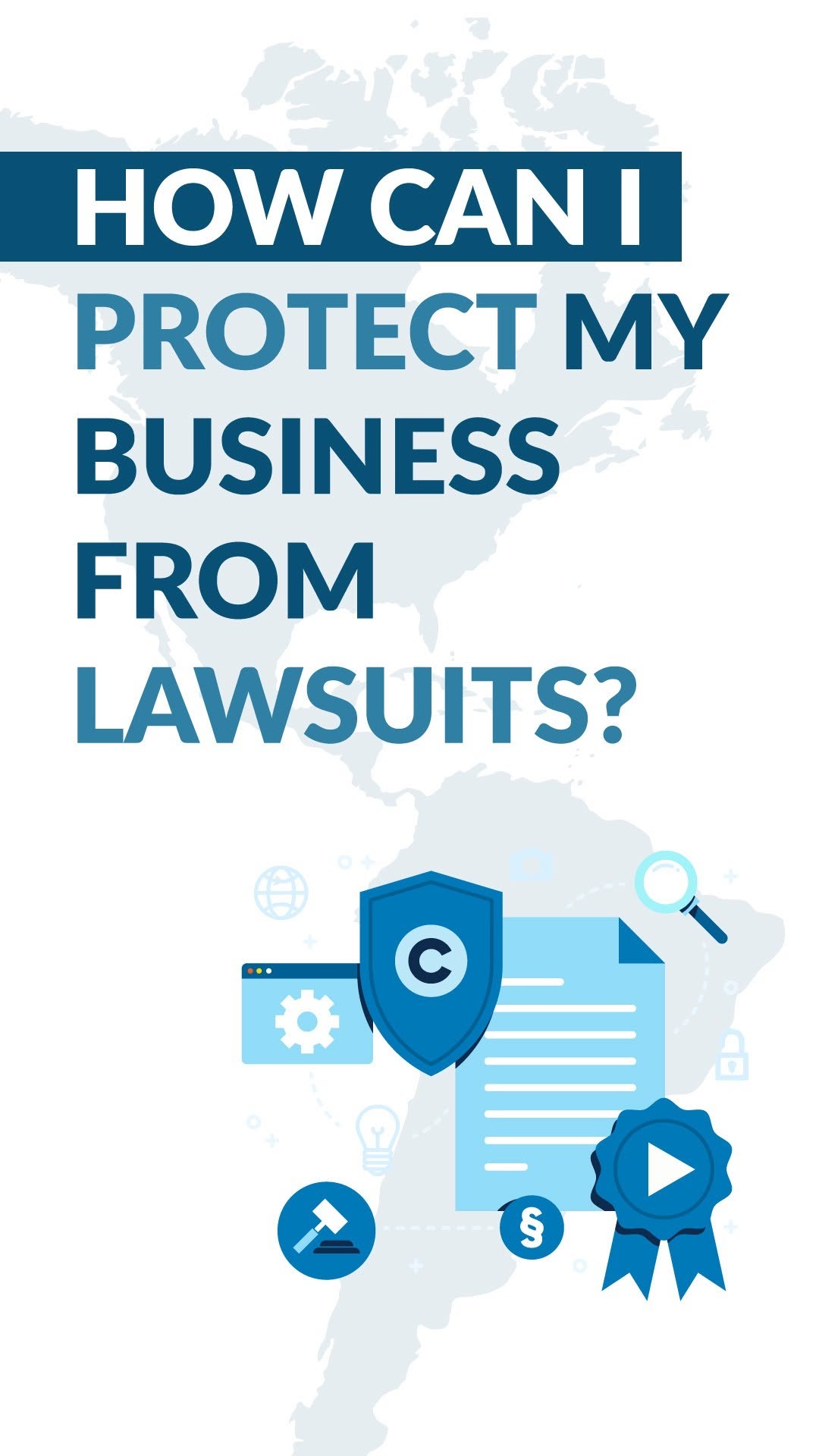
Running a business is hard enough — lawsuits shouldn’t make it harder. 🚫 Protect your business with the right legal strategies and expert tools from Global Law Experts. Let’s secure your future together! 💼
🌍Explore the details on our website.
➡️www.globallawexperts.com
#GlobalLawExperts #CommercialLaw #BusinessLaw #LegalAdvice #BusinessGrowth #LegalTips #BusinessStrategy #LegalCompliance #Law #LegalKnowledge #LegalAwareness #Law101 #LegalEducation #IntellectualProperty #Infringed #Ecommerce #LegalBranding
Global Law Experts is dedicated to providing exceptional legal services to clients around the world. With a vast network of highly skilled and experienced lawyers, we are committed to delivering innovative and tailored solutions to meet the diverse needs of our clients in various jurisdictions.
Thinking of buying property in Brazil? Start with a full legal safety net.
✔️ Check title and ownership history
✔️ Verify no debts or disputes
✔️ Confirm zoning and permits.
#BrazilProperty #RealEstateInvesting #LegalDueDiligence #ForeignInvestment #PropertyLaw #GlobalRealEstate #InvestmentRisk #BrazilLaw
When your international business faces financial distress, quick action is key! 🔑 Negotiating with creditors, restructuring debt, and understanding insolvency laws can help regain stability. Global Law Experts is here to guide you through your options.
🌍Explore the details on our website.
🔗Link in bio
#GlobalLawExperts #CommercialLaw #BusinessLaw #LegalAdvice #BusinessGrowth #LegalTips #BusinessStrategy #LegalCompliance #Law #LegalKnowledge #LegalAwareness #Law101 #LegalEducation #IntellectualProperty
Thinking of buying property in Brazil? Don’t stop at the contract or key handover. Make sure the title is officially registered before calling it yours.
#BrazilRealEstate #PropertyLaw #GlobalInvestment #ForeignInvestors #LegalTips #DueDiligence #RealEstateRegistration #SecureInvestment
Getting a termination notice right now? Know your rights. Valid reason, fair process, proper notice they matter. Don’t let a bad dismissal walk away without accountability.
#EmploymentLaw #WorkerRights #Termination #LaborLaw #FairDismissal #WorkplaceJustice #LegalAwareness #GlobalWorkforce
Running a business is hard enough — lawsuits shouldn’t make it harder. 🚫 Protect your business with the right legal strategies and expert tools from Global Law Experts. Let’s secure your future together! 💼
🌍Explore the details on our website.
➡️www.globallawexperts.com
#GlobalLawExperts #CommercialLaw #BusinessLaw #LegalAdvice #BusinessGrowth #LegalTips #BusinessStrategy #LegalCompliance #Law #LegalKnowledge #LegalAwareness #Law101 #LegalEducation #IntellectualProperty #Infringed #Ecommerce #LegalBranding
Send welcome message