[codicts-css-switcher id=”346″]

Global Law Experts Logo
Arnaud Tailfer Joins Global Law Experts as Exclusive Member for International Tax Law in France | GLE News

Cross Border Corporate Advisory Lawyers Worldwide.

Global Law Experts

Meet Our Cross Border Corporate Advisory Lawyers

Discover top Cross Border Corporate Advisory legal experts with Global Law Experts, an independent network of recognized lawyers from around the world.

Legal
Cross Border Corporate Advisory
Legal
Country
Cross Border Corporate Advisory

No results available Reset filters?

Cross Border Corporate Advisory News

Find Expert Cross Border Corporate Advisory Lawyers Through Global Law Experts

Defend Global Governance with Expert Cross-Border Corporate Counsel

Cross-border corporate advisory focuses on the governance, structural, and regulatory challenges of operating in multiple countries. This practice is essential for managing Subsidiary Governance, navigating International Trade Compliance, and optimizing Intercompany Agreements. Attorneys provide the framework for Entity Rationalization and ensure adherence to diverse corporate transparency mandates like the Corporate Transparency Act (CTA) or the EU Whistleblowing Directive.

Global Law Experts connects you with specialists who possess the jurisdictional depth required to manage complex Global Reorganizations. These practitioners handle Permanent Establishment risks, navigate the legalities of International Board Fiduciary Duties, and manage the friction between home-office policies and local labor or data laws. They provide the strategic advocacy needed to maintain institutional integrity in any legal forum.

Professional Cross Border Corporate Advisory Help You Can Trust

We will help match you with a qualified Cross Border Corporate Advisory law specialist who can offer reliable advice, clarify your options, and guide you through the next steps in the legal process.
Lead Enquiries Qualification

Every GLE member is independently vetted by practice area and jurisdiction.

Client Success Stories

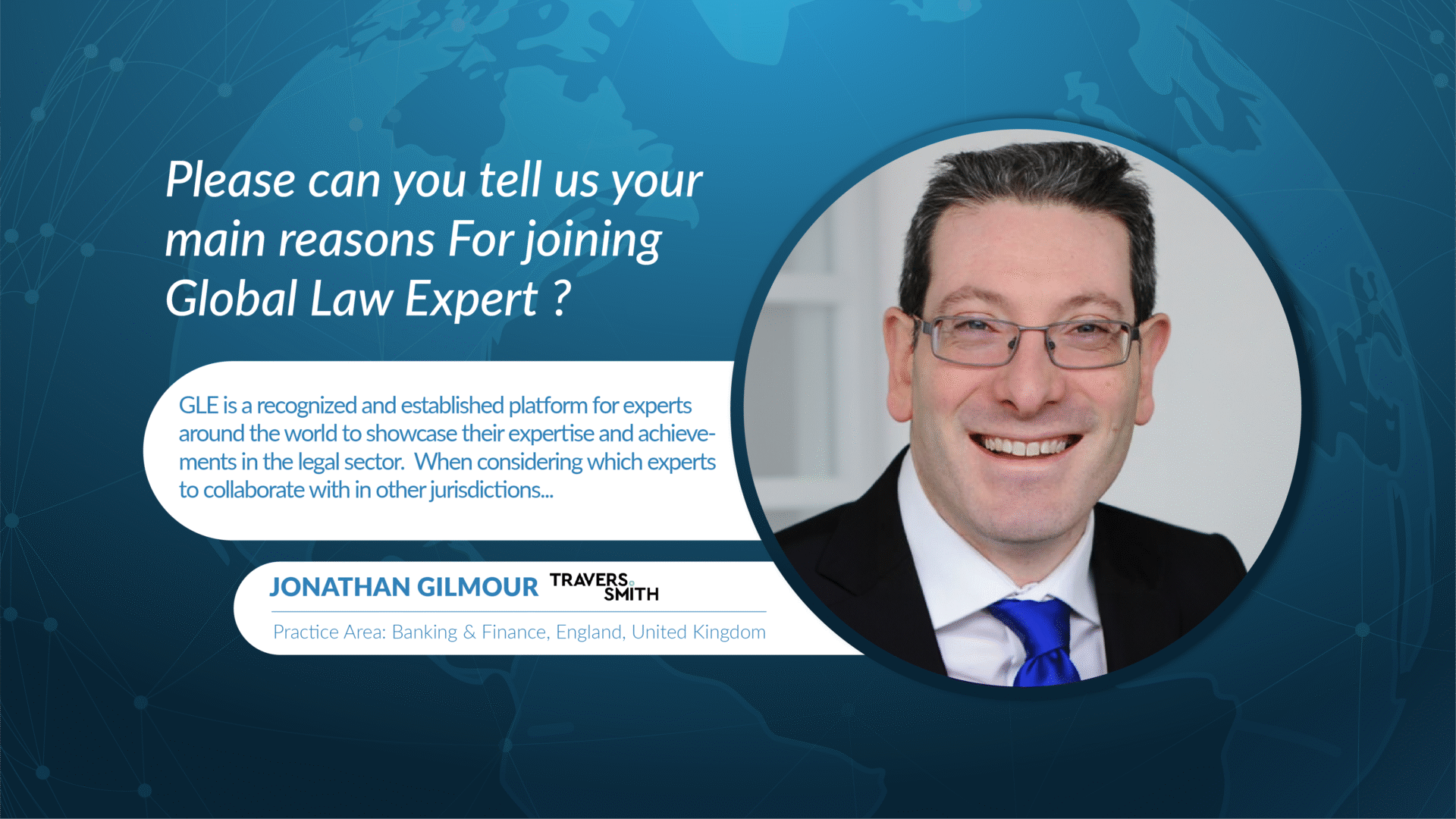
Testimonial-by-Jonathan-Gilmour.png
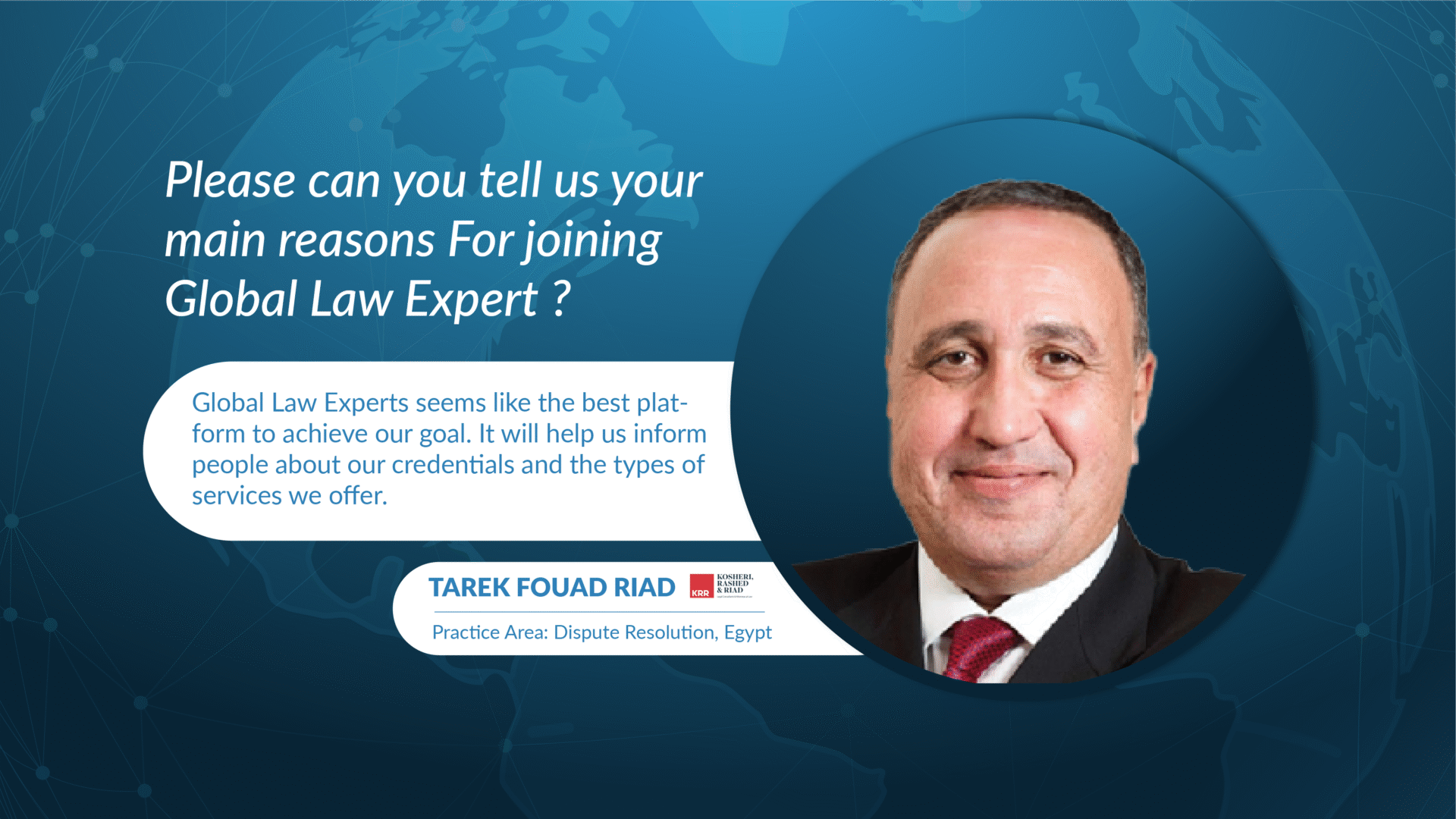
Testimonial-by-Tarek-Fouad-Riad.png
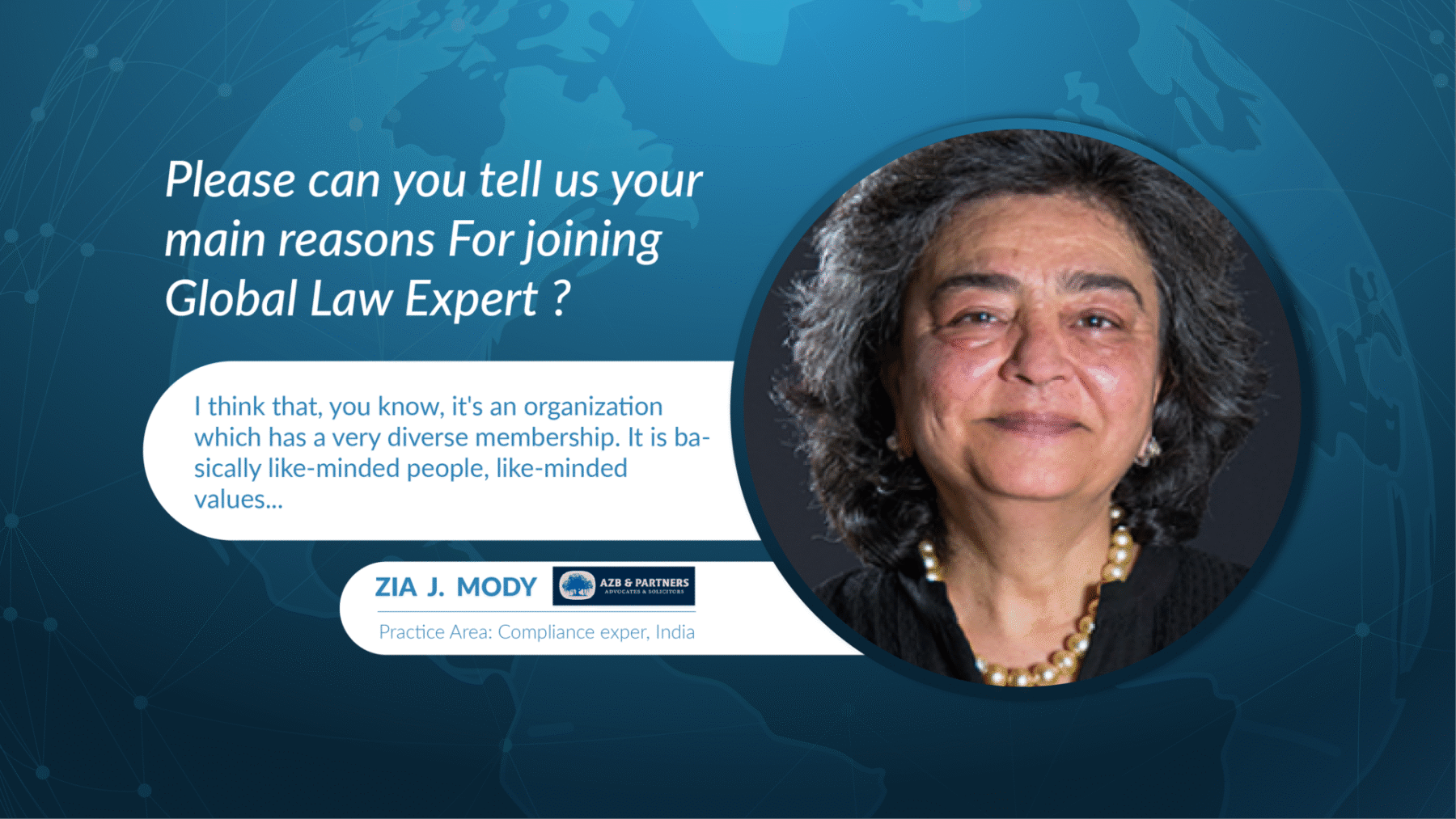
Testimonial-by-Zia-J.-Mody.png
Testimonial-by-Virginie-Tassin-Campanella.png
Testimonial-by-Marta-Dunphy-Moriel.png
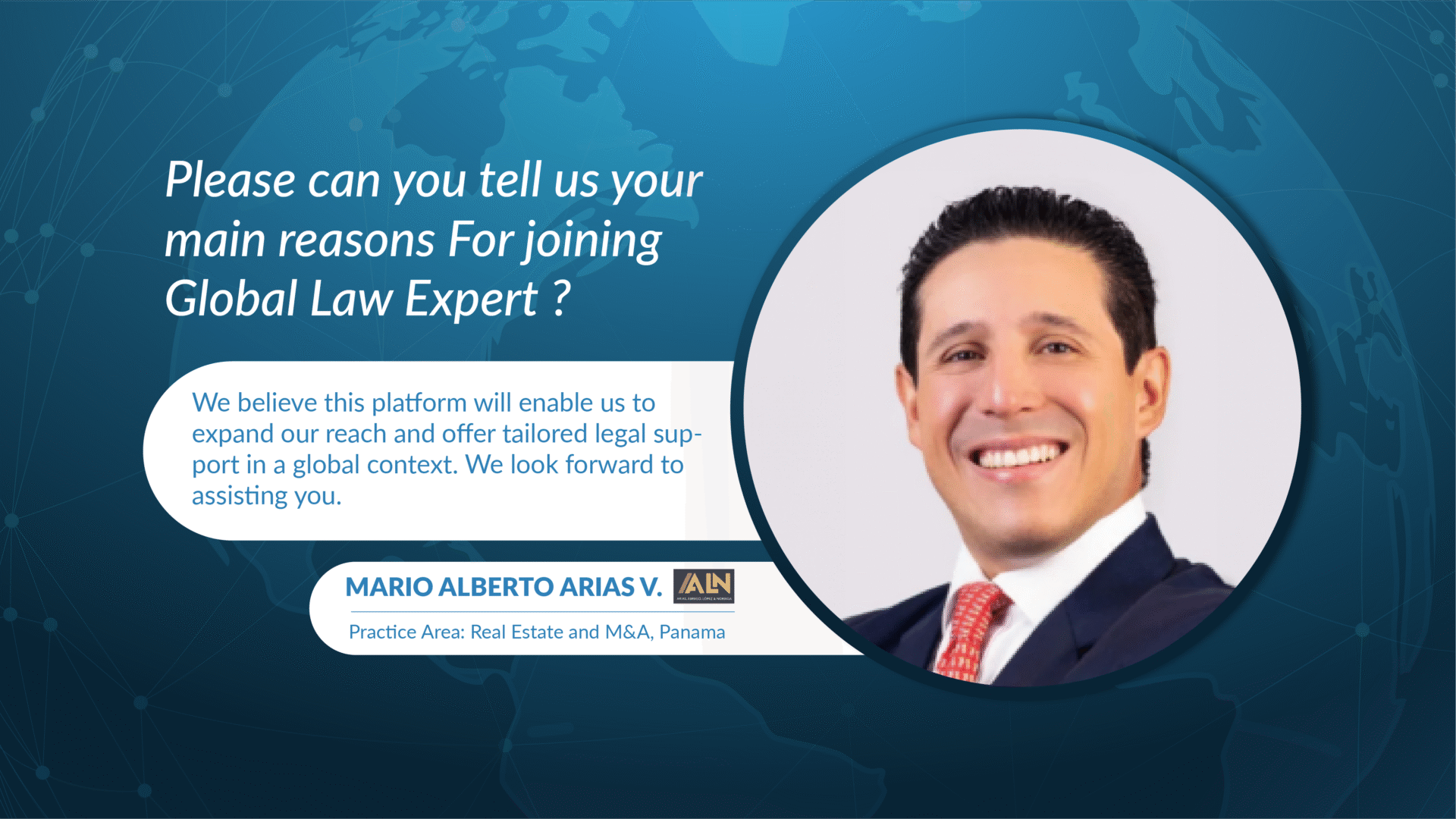
Testimonial-by-Mario-Alberto-Arias-V.png
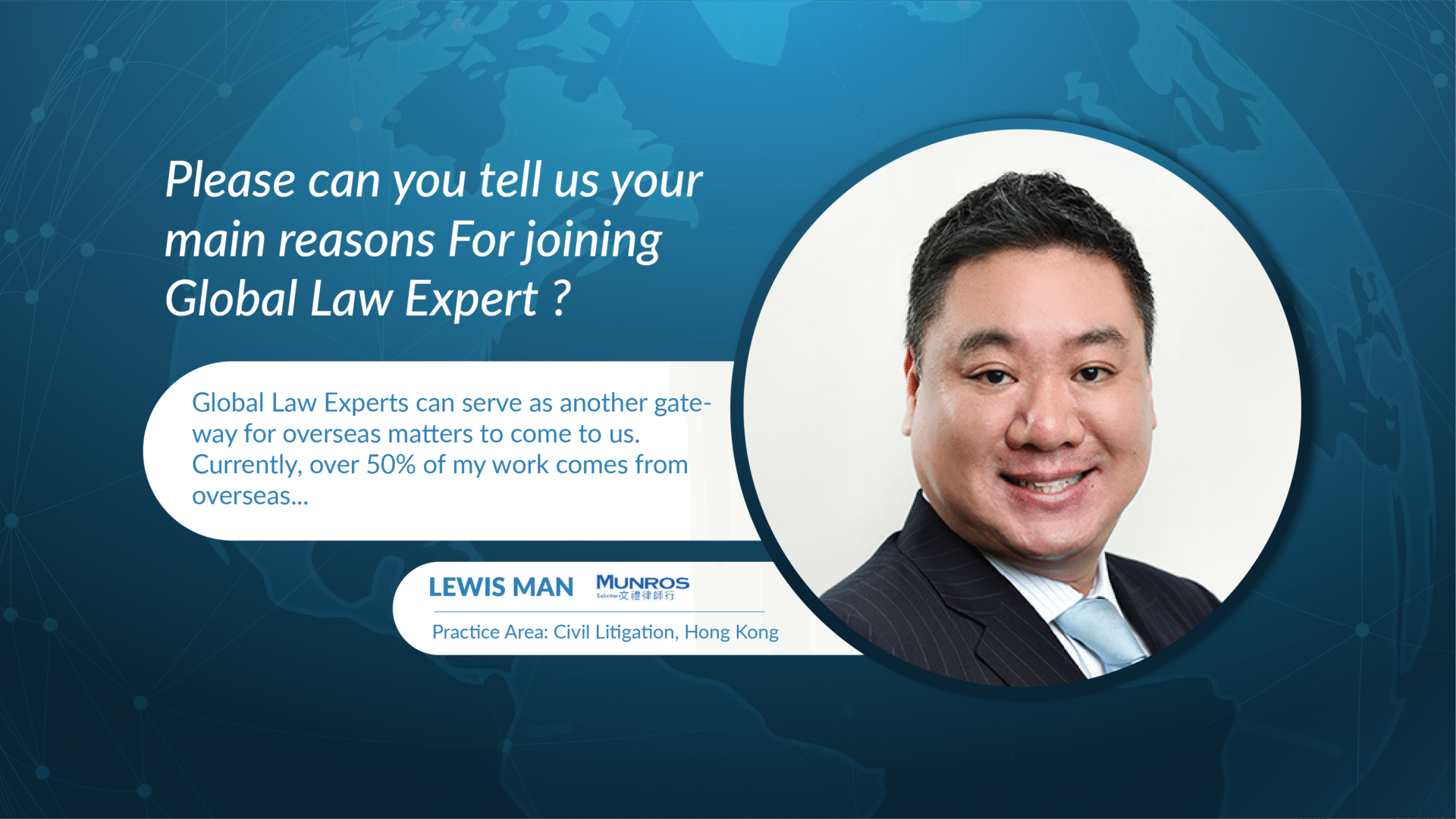
Testimonial-by-Lewis-Man.png
Testimonial-by-Kerwin-K.-Tan.png
Testimonial-by-Elena-Sadovskaya.png
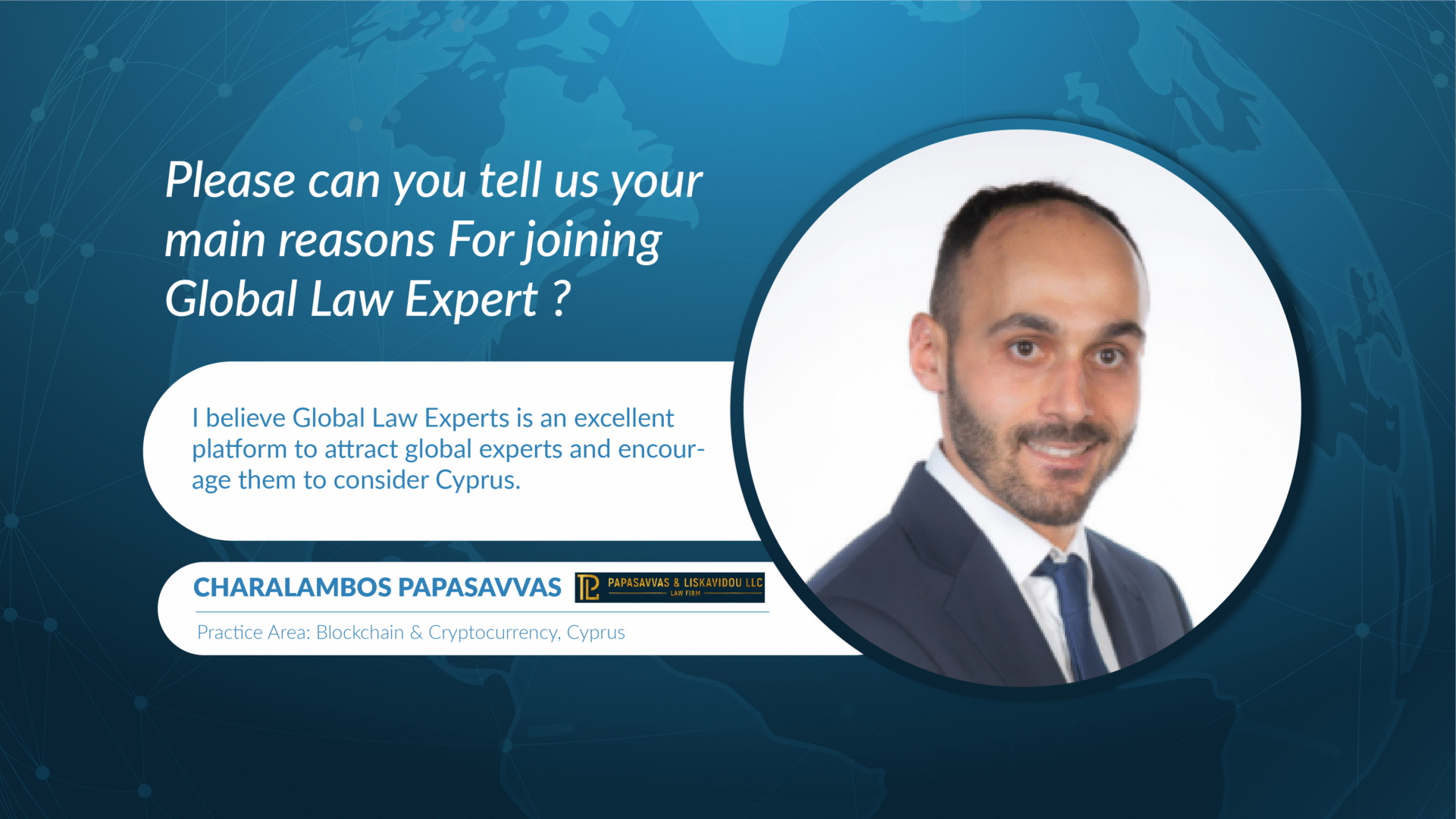
Testimonial-by-Charalambos-Papasavvas.png

Cross Border Corporate Advisory FAQ's

A cross-border corporate advisory lawyer manages the legal complexities of doing business in multiple countries simultaneously. They act as the central strategist for multinational corporations, coordinating legal teams in different jurisdictions to ensure that a single business decision—like launching a product or acquiring a competitor—complies with the distinct laws of every country involved. Their role involves structuring international entities, navigating foreign regulatory hurdles, and harmonizing corporate governance standards to prevent a company from accidentally breaking laws in one country while trying to follow them in another.

Lawyers design corporate group structures that utilize international treaties to minimize global tax leakage. They often recommend establishing a Holding Company in a jurisdiction with favorable tax treaties (like the Netherlands, Luxembourg, or Singapore) to serve as the central hub for intellectual property or financing. By carefully drafting inter-company agreements for loans and licensing, they ensure that profits move between subsidiaries efficiently while strictly adhering to Transfer Pricing regulations and “Base Erosion and Profit Shifting” (BEPS) rules to avoid massive fines from tax authorities.

Yes, because many countries enforce strict protectionist laws that block foreign ownership in “sensitive” industries like defense, telecommunications, or energy. Lawyers navigate these Foreign Direct Investment (FDI) screening regimes—such as CFIUS in the USA or the National Security and Investment Act in the UK. They file the mandatory pre-closing notifications to government bodies and structure deals to mitigate national security concerns, sometimes by creating “trust” structures or agreeing to operational ring-fencing to secure government approval.

When laws collide (e.g., US data discovery laws demanding data that EU privacy laws forbid sharing), a lawyer performs a “Conflict of Laws” analysis to determine which rule takes precedence. They draft specific compliance protocols that satisfy the stricter standard without violating the other, often by localizing data storage or implementing “blocking statutes.” In extreme cases where compliance with both is impossible, they advise the board on the risk-weighted path of least resistance, documenting the decision to protect directors from liability for unavoidable non-compliance.


The primary risks are loss of control and intellectual property theft. A lawyer mitigates these by drafting a detailed Joint Venture (JV) Agreement that defines exactly how decisions are made and how technology is shared. They include “Deadlock Mechanisms” to resolve disagreements when 50/50 partners clash, and strict IP licensing clauses that ensure the foreign partner cannot simply copy the technology and dissolve the partnership. They also conduct due diligence to ensure the partner isn’t politically exposed or sanctioned, which could legally contaminate the entire global business.

Yes, lawyers structure the legal mechanisms used to move cash from foreign subsidiaries back to the parent company. Since many countries impose “Withholding Taxes” or strict currency controls on dividends, lawyers design alternative routes such as inter-company loans, management service fees, or royalty payments for IP usage. These methods allow funds to flow back to the parent company as pre-tax expenses rather than post-tax dividends, often significantly reducing the cost of moving money across borders.

Lawyers draft these clauses to provide certainty and neutrality. They separate the “Governing Law” (which country’s rules interpret the contract) from the “Jurisdiction” (where the trial happens). For example, a contract between a Brazilian and a Japanese company might choose English Law as the governing law because it is commercially stable and predictable, and select Arbitration in Singapore as the venue to ensure a neutral ground. This prevents a home-court advantage and ensures that disputes are resolved using a legal framework both sides understand.

Lawyers negotiate legal protections directly with host governments or through investment treaties to shield the company from political instability. They structure investments to qualify for protection under Bilateral Investment Treaties (BITs), which allow the company to sue a foreign government in an international tribunal (like ICSID) if that government expropriates assets or discriminates against foreign investors. They also draft “Stabilization Clauses” in government contracts, which freeze the legal and tax rules at the time of signing, preventing the government from changing the laws later to hurt the project.

Cross Border Corporate Advisory FAQ's

A cross-border corporate advisory lawyer manages the legal complexities of doing business in multiple countries simultaneously. They act as the central strategist for multinational corporations, coordinating legal teams in different jurisdictions to ensure that a single business decision—like launching a product or acquiring a competitor—complies with the distinct laws of every country involved. Their role involves structuring international entities, navigating foreign regulatory hurdles, and harmonizing corporate governance standards to prevent a company from accidentally breaking laws in one country while trying to follow them in another.

Lawyers design corporate group structures that utilize international treaties to minimize global tax leakage. They often recommend establishing a Holding Company in a jurisdiction with favorable tax treaties (like the Netherlands, Luxembourg, or Singapore) to serve as the central hub for intellectual property or financing. By carefully drafting inter-company agreements for loans and licensing, they ensure that profits move between subsidiaries efficiently while strictly adhering to Transfer Pricing regulations and "Base Erosion and Profit Shifting" (BEPS) rules to avoid massive fines from tax authorities.

Yes, because many countries enforce strict protectionist laws that block foreign ownership in "sensitive" industries like defense, telecommunications, or energy. Lawyers navigate these Foreign Direct Investment (FDI) screening regimes—such as CFIUS in the USA or the National Security and Investment Act in the UK. They file the mandatory pre-closing notifications to government bodies and structure deals to mitigate national security concerns, sometimes by creating "trust" structures or agreeing to operational ring-fencing to secure government approval.

When laws collide (e.g., US data discovery laws demanding data that EU privacy laws forbid sharing), a lawyer performs a "Conflict of Laws" analysis to determine which rule takes precedence. They draft specific compliance protocols that satisfy the stricter standard without violating the other, often by localizing data storage or implementing "blocking statutes." In extreme cases where compliance with both is impossible, they advise the board on the risk-weighted path of least resistance, documenting the decision to protect directors from liability for unavoidable non-compliance.

The primary risks are loss of control and intellectual property theft. A lawyer mitigates these by drafting a detailed Joint Venture (JV) Agreement that defines exactly how decisions are made and how technology is shared. They include "Deadlock Mechanisms" to resolve disagreements when 50/50 partners clash, and strict IP licensing clauses that ensure the foreign partner cannot simply copy the technology and dissolve the partnership. They also conduct due diligence to ensure the partner isn't politically exposed or sanctioned, which could legally contaminate the entire global business.

Yes, lawyers structure the legal mechanisms used to move cash from foreign subsidiaries back to the parent company. Since many countries impose "Withholding Taxes" or strict currency controls on dividends, lawyers design alternative routes such as inter-company loans, management service fees, or royalty payments for IP usage. These methods allow funds to flow back to the parent company as pre-tax expenses rather than post-tax dividends, often significantly reducing the cost of moving money across borders.

Lawyers draft these clauses to provide certainty and neutrality. They separate the "Governing Law" (which country's rules interpret the contract) from the "Jurisdiction" (where the trial happens). For example, a contract between a Brazilian and a Japanese company might choose English Law as the governing law because it is commercially stable and predictable, and select Arbitration in Singapore as the venue to ensure a neutral ground. This prevents a home-court advantage and ensures that disputes are resolved using a legal framework both sides understand.

Lawyers negotiate legal protections directly with host governments or through investment treaties to shield the company from political instability. They structure investments to qualify for protection under Bilateral Investment Treaties (BITs), which allow the company to sue a foreign government in an international tribunal (like ICSID) if that government expropriates assets or discriminates against foreign investors. They also draft "Stabilization Clauses" in government contracts, which freeze the legal and tax rules at the time of signing, preventing the government from changing the laws later to hurt the project.

Join
who are already getting the benefits
0
Sign up for the latest legal briefings and news within Global Law Experts’ community, as well as a whole host of features, editorial and conference updates direct to your email inbox. Naturally you can unsubscribe at any time.
Newsletter Sign Up
About Us

Global Law Experts is dedicated to providing exceptional legal services to clients around the world. With a vast network of highly skilled and experienced lawyers, we are committed to delivering innovative and tailored solutions to meet the diverse needs of our clients in various jurisdictions.

Global Law Experts App

Now Available on the App & Google Play Stores.

Social Posts
[wp_social_ninja id="50714" platform="instagram"]

See More:

Contact Us

Stay Informed

Join Mailing List
About Us

Global Law Experts is dedicated to providing exceptional legal services to clients around the world. With a vast network of highly skilled and experienced lawyers, we are committed to delivering innovative and tailored solutions to meet the diverse needs of our clients in various jurisdictions.

Social Posts
[wp_social_ninja id="50714" platform="instagram"]

See More:

Global Law Experts App

Now Available on the App & Google Play Stores.

Contact Us

Stay Informed

Join Mailing List

GLE

Minimum Paid-Up Capital Reduced to IDR 2.5 Billion for Foreign Investments

Send welcome message

Custom Message